The best traffic-free bike rides in Henry Coe State Park
4.0
(14)
181
riders
14
rides
No traffic touring cycling routes in Henry Coe State Park traverse over 87,000 acres of wild, undeveloped land, characterized by lofty ridges, steep canyons, and rolling hills. The park's extensive network of trails and dirt roads, including fire roads, offers challenging unpaved routes with significant elevation changes. Cyclists can expect consistently undulating terrain and diverse natural features, providing a rugged and expansive outdoor experience. This landscape offers unparalleled opportunities for multi-day trips and demanding rides.
Best no traffic touring cycling…
Last updated: October 13, 2026
2
riders
44.0km
04:56
1,260m
1,270m
Hard bike ride. Very good fitness required. Mostly paved surfaces. Suitable for all skill levels.
30.4km
03:41
1,200m
1,200m
Hard bike ride. Very good fitness required. Mostly paved surfaces. Suitable for all skill levels.

53.2km
06:17
1,840m
1,840m
Hard bike ride. Very good fitness required. Mostly paved surfaces. Suitable for all skill levels.
12
riders
Hard bike ride. Very good fitness required. Mostly paved surfaces. Suitable for all skill levels.
13
riders
20.0km
02:13
640m
640m
Hard bike ride. Very good fitness required. Mostly paved surfaces. Suitable for all skill levels.
Get access to more routes and recommendations from other explorers.
Already have an account?
Our route recommendations are based on thousands of hikes, rides, and runs completed by other people on komoot.
Start today with a free account
Your next adventure awaits.
Popular around Henry Coe State Park

Tips from the Community


Mississippi Lake is a reservoir created by damming the Mississippi Creek. It's another remote lake in the Henry Coe State Park and a great destination for a ride. You can camp on the lake shore and there are Vault toilets at the south and northwest ends of the lake.
0
0
Mississippi Lake is a reservoir created by damming the Mississippi Creek. It's another remote lake in the Henry Coe State Park and a great destination for a run. You can camp on the lake shore and there are Vault toilets at the south and northwest ends of the lake.
0
0

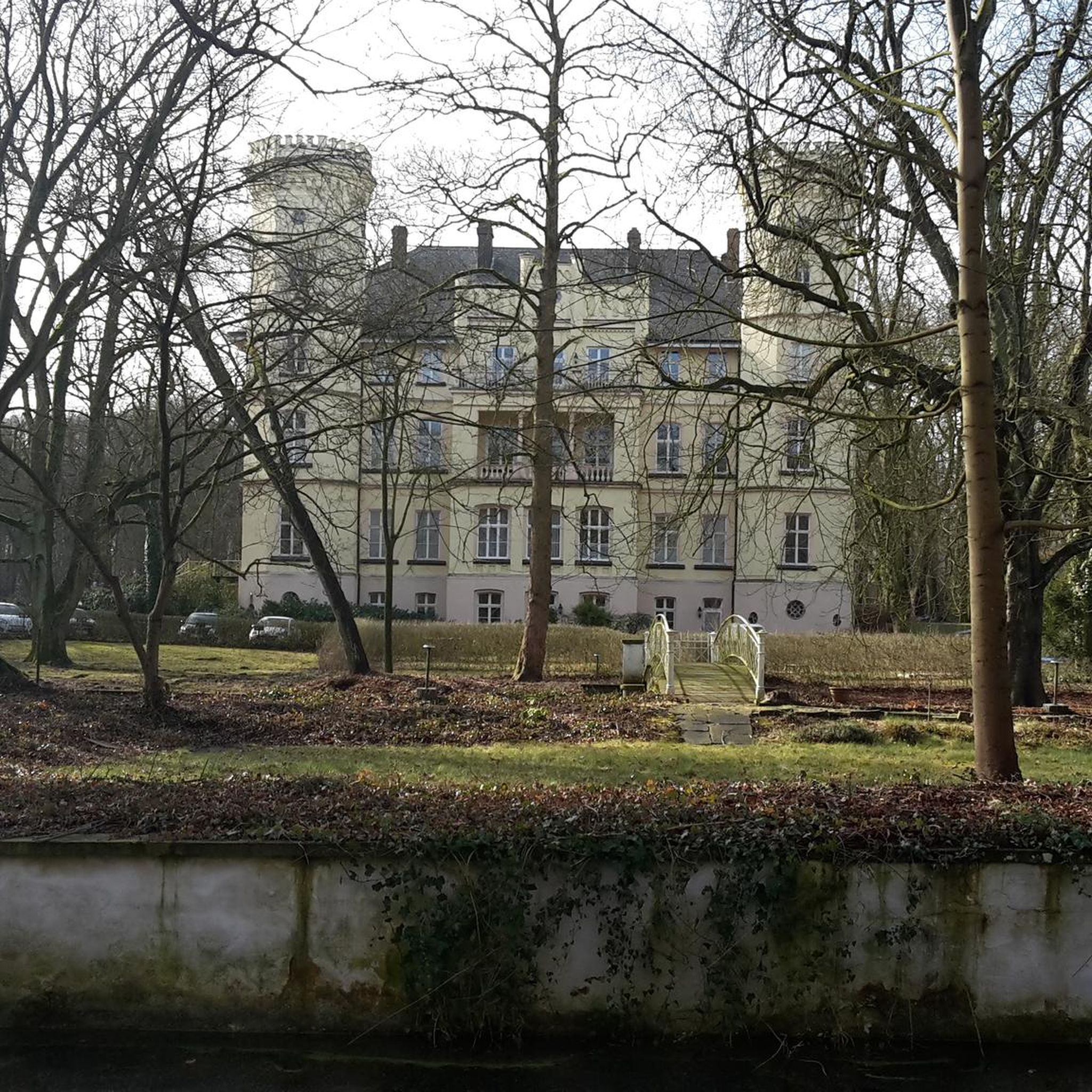
Gilroy Hot Springs is an old 5-star resort no longer in operation. Originally founded by a Mexican Shepard in the 1860's, the resort passed hands a few times and was finally purchased by California State Parks in 2003.
0
0
Along the Grizzy Gulch Trail, you will see Tule Pond, a refreshing body of water nestled between rolling hills covered in lush greenery. The pond in the past has been a great bass fishing spot, but the drought may have hampered the population.
0
0
The road to get here is a good ride and normally quiet. You aren't supposed to ride any further than the junction with the Coit Road. The old hot springs resort was popular with Japanese-Americans in the late 1800s and early 1900s. You can see the remains of the old bath houses and hotel complex.
0
0
Frequently Asked Questions
How many no-traffic touring cycling routes are available in Henry Coe State Park?
Henry W. Coe State Park offers 22 dedicated no-traffic touring cycling routes. While the park is vast with over 290 miles of trails and dirt roads, these routes are specifically curated for touring cyclists seeking car-free experiences amidst its rugged landscape.
What kind of terrain can I expect on no-traffic touring cycling routes in Henry Coe State Park?
The terrain in Henry Coe State Park is predominantly rugged and challenging. Expect extensive unpaved fire roads, significant elevation changes with consistently undulating hills, and steep canyons. While some routes near entrances might have paved sections, the majority are unpaved, requiring a touring bike capable of handling varied surfaces and demanding climbs.
Are there any easy no-traffic touring cycling routes in Henry Coe State Park suitable for beginners?
Henry Coe State Park is known for its challenging terrain, with most routes being difficult. However, there is 1 route classified as easy, offering a less strenuous option for those new to touring cycling in the park. Most routes require good fitness due to the significant elevation changes.
What are some of the more challenging no-traffic touring cycling routes in Henry Coe State Park?
For experienced touring cyclists seeking a challenge, Henry Coe State Park offers 15 difficult routes. A notable option is the Wilson Peak & Coit Lake loop from Coe Ranch, which covers over 53 km with significant elevation gain. These routes are characterized by steep climbs and descents on unpaved surfaces.
What are the best times of year to go touring cycling in Henry Coe State Park?
The best times for touring cycling in Henry Coe State Park are typically spring (February through May) and fall. Spring offers a spectacular display of wildflowers, including lupine, poppies, and Mariposa lilies, making for a vibrant ride. Fall provides cooler temperatures and beautiful foliage. Summers can be very hot and dry, and water sources are scarce, so preparation is key regardless of the season.
Are there any loop routes for no-traffic touring cycling in Henry Coe State Park?
Yes, Henry Coe State Park features several excellent loop routes for no-traffic touring cycling. One popular and challenging option is the Mississippi Lake loop from Coe Ranch, offering a substantial ride through diverse landscapes. Another is the Kelly Lake, Coit Lake & Wilson Peak loop from Hunting Hollow Trailhead.
What kind of wildlife might I encounter while cycling in Henry Coe State Park?
Henry Coe State Park is rich in wildlife. Cyclists might spot black-tailed deer, tule elk, coyotes, bobcats, and various bird species, including golden eagles and red-tailed hawks. Smaller mammals like raccoons and gray foxes are also present. Always maintain a respectful distance and never feed wild animals.
What are some notable natural features or landmarks to see along the routes?
The park offers dramatic landscapes of craggy ridges and deep canyons, providing sweeping views. Notable natural features include several small lakes like Mississippi Lake, Coit Lake, and Kelly Lake, which can serve as scenic resting points. Pacheco Falls is another natural attraction accessible by bike. You can also visit the Coe Ranch Headquarters for historical context.
Is parking available for touring cyclists at Henry Coe State Park trailheads?
Yes, parking is available at key access points like Coe Ranch Headquarters and Hunting Hollow Trailhead. It's advisable to check the park's official website for any specific parking fees or regulations before your visit. Given the park's remote nature, planning your starting point is essential.
What do other touring cyclists enjoy most about cycling in Henry Coe State Park?
The area is highly rated by the komoot community, with an average score of 4.0 stars. Reviewers often praise the park's immense sense of solitude and remote wilderness, the challenging yet rewarding terrain, and the stunning panoramic views from its lofty ridges. The opportunity for multi-day bikepacking trips is also a significant draw.
Are there any specific considerations for water supply on these routes?
Yes, carrying sufficient water is critical. Potable water is extremely scarce away from Park Headquarters. Cyclists should be prepared for self-sufficiency, especially on longer routes, and carry more water than they anticipate needing, particularly during warmer months.
Can I find less crowded no-traffic touring cycling routes in Henry Coe State Park?
Henry Coe State Park, being the largest state park in Northern California, offers a significant sense of remoteness, especially away from the main entrances. Many of its extensive network of fire roads and trails provide a true wilderness experience, making it relatively easy to find less crowded routes compared to more urban parks. The 23,300-acre Orestimba Wilderness within the park offers profound solitude, though cycling may be restricted in certain wilderness areas.
Most popular routes in Henry Coe State Park
Most popular attractions in Henry Coe State Park

Get inspired with the komoot mobile app


Explore more
Browse the best Cycling routes in other regions.
