Attractions and Places To See around Natural Park Hohes Moor - Top 16
Best attractions and places to see around Natural Park Hohes Moor, located in the Elbe-Weser Triangle in Lower Saxony, Germany, offers a rich landscape primarily shaped by its approximately 5000-year-old raised bog. The park is a significant destination for nature enthusiasts interested in ecological restoration, featuring extensive rewetting efforts that have created diverse habitats. Visitors can explore a mosaic of open water surfaces, wet meadows, and moor forests, observing the regeneration of peat-forming mosses. This area provides insights into both…
Last updated: October 9, 2026
Hohes Moor Nature Reserve
Highlight • Natural
Translated by Google •
Tip by

Information board at Hohes Moor
Highlight • Rest Area
Translated by Google •
Tip by

Sign up now to discover places like this
Get recommendations on the best single tracks, peaks, & plenty of other exciting outdoor places.
Lake Oldendorf
Highlight • Lake
Translated by Google •
Tip by
Krummer Damm, Hohes Moor
Highlight (Segment) • Natural
Translated by Google •
Tip by
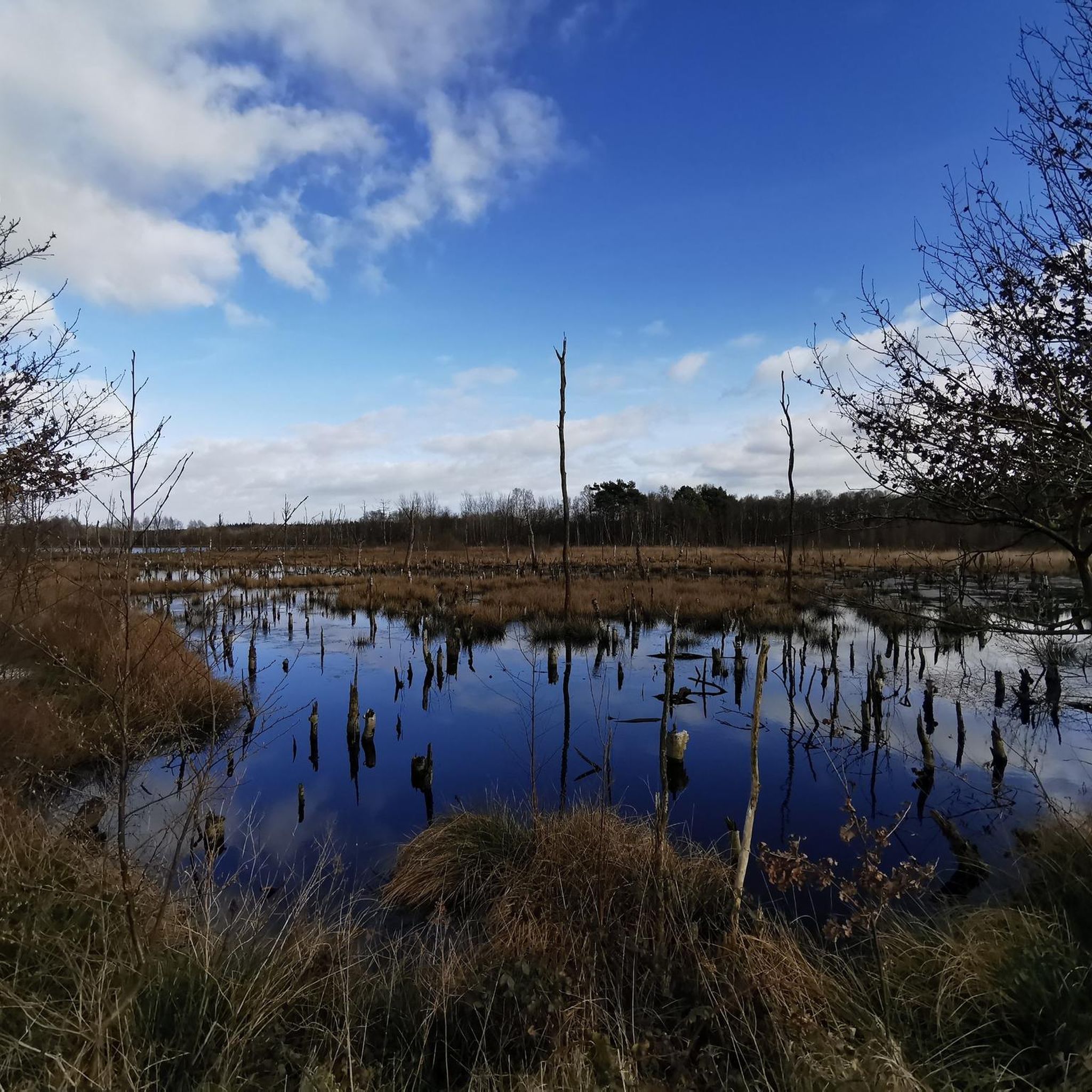
Hohes Moor Wetlands
Highlight (Segment) • Natural
Translated by Google •
Tip by

Sign up for free to discover even more attractions around Natural Park Hohes Moor.
Already have an account?
Start today with a free account
Your next adventure awaits.
Tips from the Community

A great hiking route leads through the Hohe Moor here. Various tours can be chosen. A visit is recommended at any time of the year.
1
0
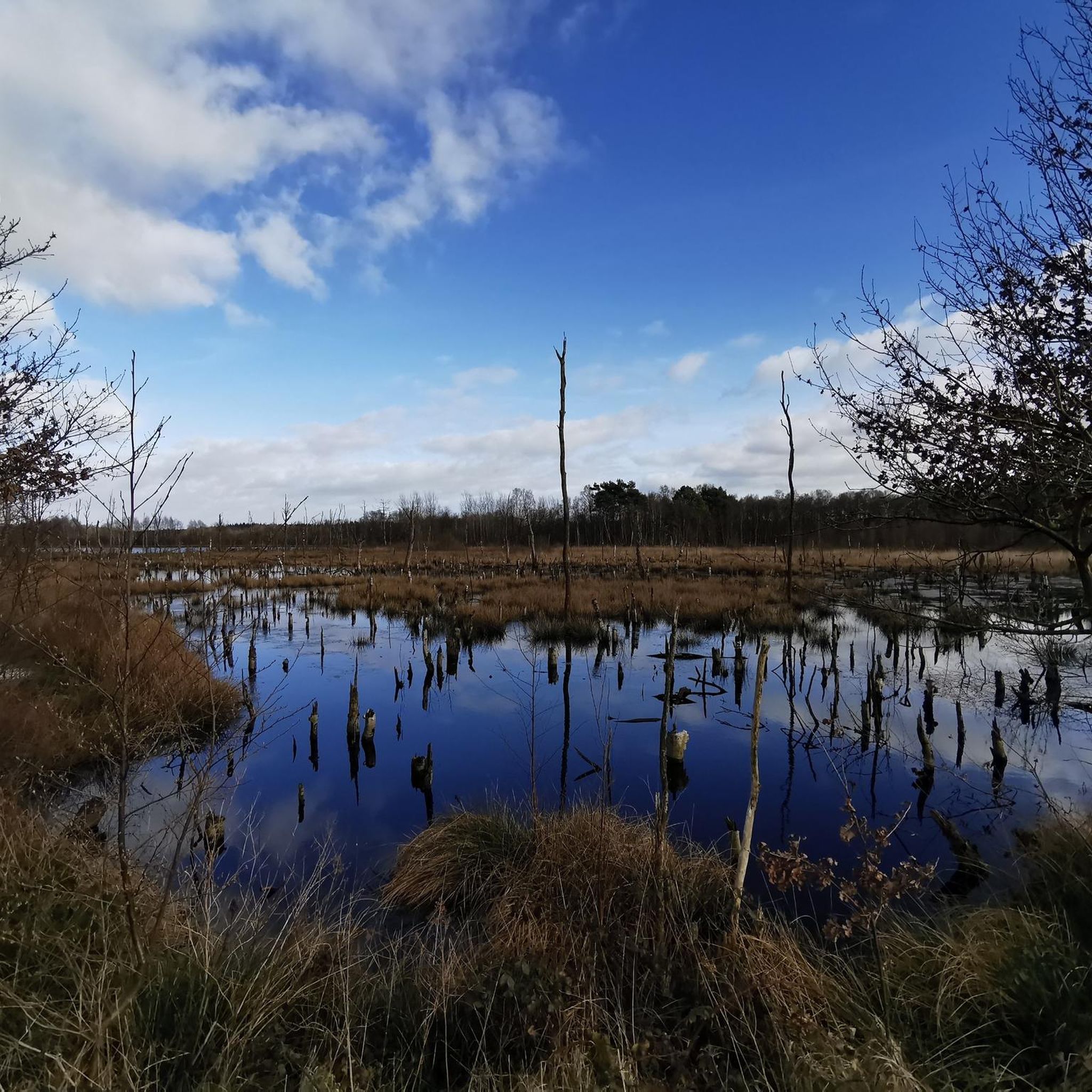
The High Moor is highly recommended and interesting 👍🏼. Beautiful hiking trails 💚 can be found here, offering fantastic views of the moor and the surrounding nature. It's absolutely stunning here; the sun 🌞 should be shining 🌄, then everything is reflected beautifully.
2
0
The High Moor is highly recommended and interesting 👍🏼. Beautiful hiking trails 💚 can be found here, offering fantastic views of the moor and the surrounding nature. It's absolutely stunning here; the sun 🌞 should be shining 🌄, then everything is reflected beautifully.
2
0
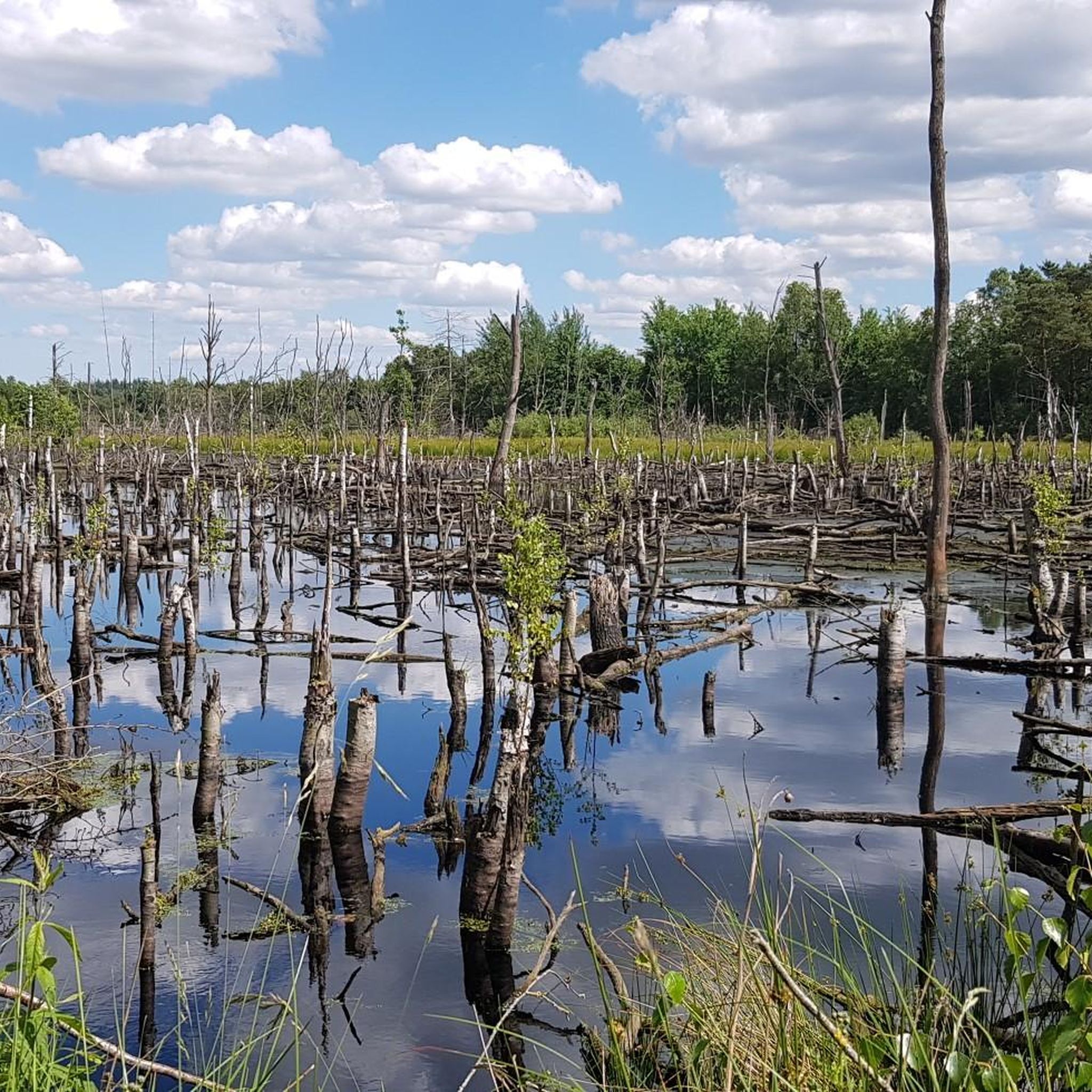
The High Moor is highly recommended and interesting 👍🏼. Beautiful hiking trails 💚 can be found here, offering fantastic views of the moor and the surrounding nature. Absolutely stunning 😊.
1
0
Here in the land area of the Hohes Moor, there's an information board and a seating area with a great view of the surrounding nature. A break is recommended.
6
0


Beautifully quiet, lots of benches along the paths.
1
0

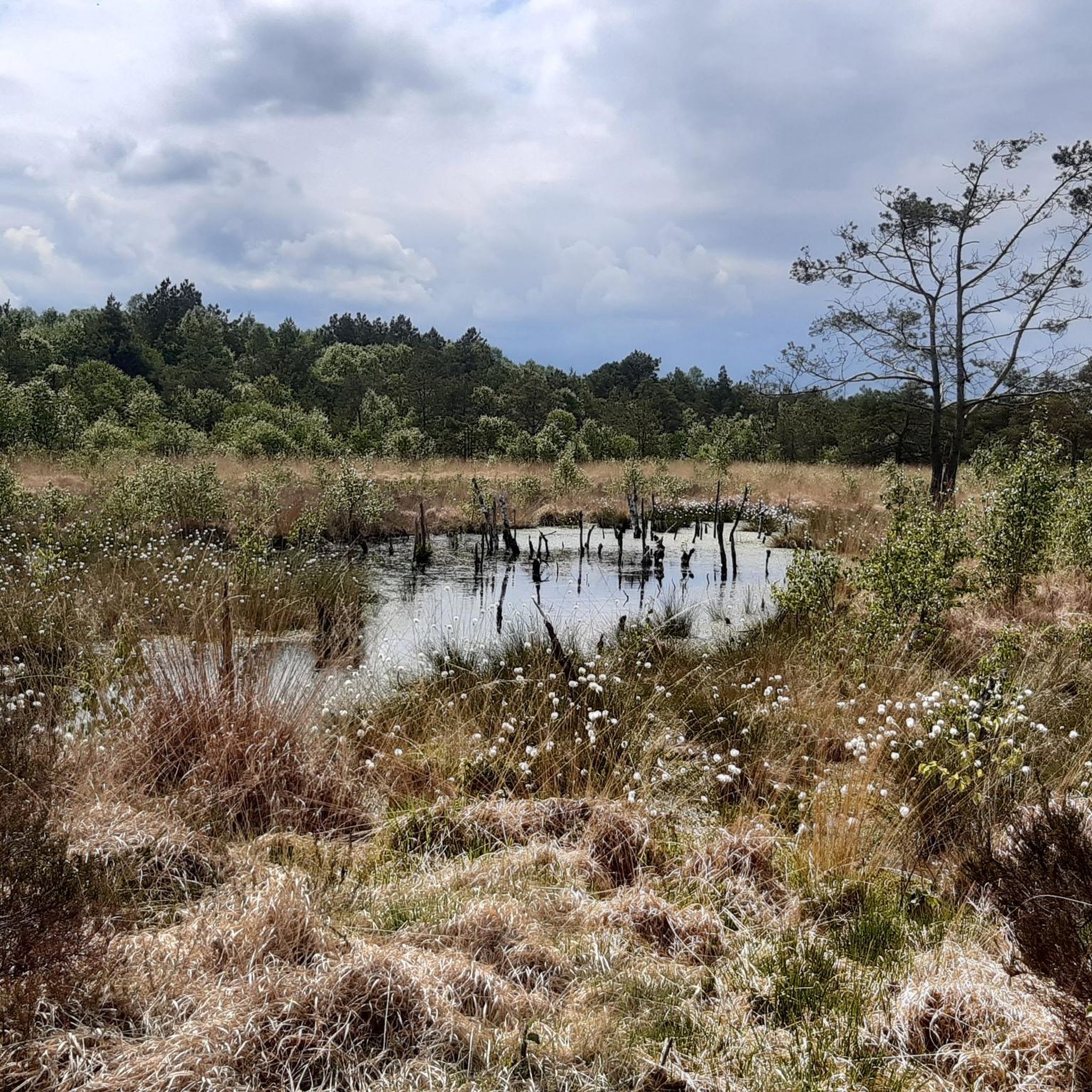
Round trip through the Hohes Moor nature reserve between Oldendorf and Elm and an insight into a fascinating natural landscape. In the Hohes Moor nature reserve, the trumpet call of the crane can be heard again, a symbol of the success story of nature conservation in this area. Typical moor plants such as sundew and peat moss have settled here again. Information boards along the circular route provide interesting information about the flora and fauna and the development of the landscape. The route passes, among other places, Oldendorfer Lake, which is one of the oldest nature reserves in the region.
4
0
Frequently Asked Questions
What kind of natural landscapes can I expect to see in Natural Park Hohes Moor?
Natural Park Hohes Moor is primarily an approximately 5000-year-old raised bog that has undergone significant rewetting and renaturation. You'll encounter a diverse mosaic of open water surfaces, wet meadows, peat moss lawns, and moor forests. Key natural features include the nutrient-poor Lake Oldendorf and Elmer See, both natural moor lakes.
Are there specific hiking trails suitable for different fitness levels?
Yes, the park offers numerous hiking trails with varying lengths and surfaces. You can find circular routes, such as a 1-hour and a 2.5-hour option, with one trail leading past Lake Oldendorf. The Trail through the Hohes Moor Nature Reserve features paths of different widths and surfaces, from soft and rooty to mushy, and sometimes includes small fords with wooden railings. For more options, explore the hiking routes around Natural Park Hohes Moor.
What wildlife can I spot in Natural Park Hohes Moor?
The park is a vital habitat for many rare and typical moorland species. You might see diverse dragonflies like the Luna Bluet and Moor Hawker, moorland butterflies such as the Large Heath, and reptiles like adders and grass snakes. Common frogs and cranes are also present, with cranes symbolizing successful conservation efforts.
Are there any family-friendly activities or trails in the park?
While specific family-friendly activities are not detailed, the park offers an "Erlebnispfad Moor-Wasser-Wald" (Moor-Water-Forest Adventure Trail), an 8.5-kilometer circular path with 12 experience and knowledge stations, including relaxation loungers with nature views. The Information board at Hohes Moor provides educational content suitable for all ages.
What is the best time of year to visit Natural Park Hohes Moor?
The Natural Park Hohes Moor offers unique beauty in every season. Spring and summer are ideal for observing diverse flora and fauna, including dragonflies and butterflies. Autumn brings vibrant colors to the moorland vegetation, and winter offers a serene, stark landscape, though paths can be mushy. The rewetting efforts mean the landscape is dynamic year-round.
Where can I find information about the park's history and ecology?
Information boards are placed along the circular hiking and cycling routes, providing insights into the park's flora, fauna, and landscape development. There is also a dedicated Information board at Hohes Moor that explains the formation of the moor and its ecological significance. The area also holds archaeological significance, with Stone Age finds from around Elmer See.
Are there any facilities or amenities available for visitors?
Yes, Herbert's Hut serves as a well-maintained parking area and refuge at the edge of the Hohes Moor, offering convenient access to the nature reserve. Additionally, information boards are available along the trails.
What are some of the most popular trails for walking or cycling?
The Trail through the Hohes Moor Nature Reserve is highly regarded for its unique views of the bizarre moor landscape. Another popular option is the Krummer Damm, Hohes Moor, which offers a distinct path through the bog. For more options, you can explore various hiking and MTB trails in the surrounding area.
What should I wear or bring for a hike in Hohes Moor?
Given the varying surfaces, which can be soft, rooty, or mushy, especially after rain, it's advisable to wear sturdy, waterproof hiking boots. Staying on marked trails is crucial due to the boggy terrain. Depending on the season, layers of clothing are recommended, and insect repellent can be useful during warmer months.
Can I bring my dog to Natural Park Hohes Moor?
While the guide does not explicitly state dog-friendly policies, nature reserves often require dogs to be kept on a leash to protect wildlife and the delicate ecosystem. It's always best to check local signage upon arrival or consult official park regulations for specific rules regarding pets.
Are there any historical or cultural sites within the park?
The park's cultural significance lies primarily in the history of human interaction with the moor, particularly peat extraction from the 1830s to the 1960s, and the subsequent conservation efforts. Archaeological finds from the Stone Age have been discovered around Elmer See, now exhibited at the Bachmann Museum Bremervörde, but there are no prominent built cultural sites within the park itself.
What do visitors enjoy most about Natural Park Hohes Moor?
Visitors frequently appreciate the unique and often solitary beauty of the moorland landscape, describing it as a "bizarre area" that is "just great." The successful renaturation efforts, visible through rising water levels and regenerating peat moss, are also a highlight, offering a glimpse into a thriving natural ecosystem. Many find the area beautiful in every season.
Most popular routes around Natural Park Hohes Moor
Most popular attractions around Natural Park Hohes Moor

Get inspired with the komoot mobile app


Explore more
Still not found the Highlight you’re looking for? See guides of the top attractions in other regions:
