Attractions and Places To See around Duvenstedter Brook - Top 20
Best attractions and places to see around Duvenstedter Brook include a diverse range of natural features and points of interest within this significant nature reserve in northeast Hamburg. Covering approximately 780 hectares, the area features moorlands, heathlands, forests, meadows, and wetlands. It is recognized for its rich biodiversity, including a large population of red and fallow deer, and over 100 bird species. The reserve offers various activities such as hiking, cycling, and wildlife observation.
Best attractions and places to see around Duvenstedter Brook
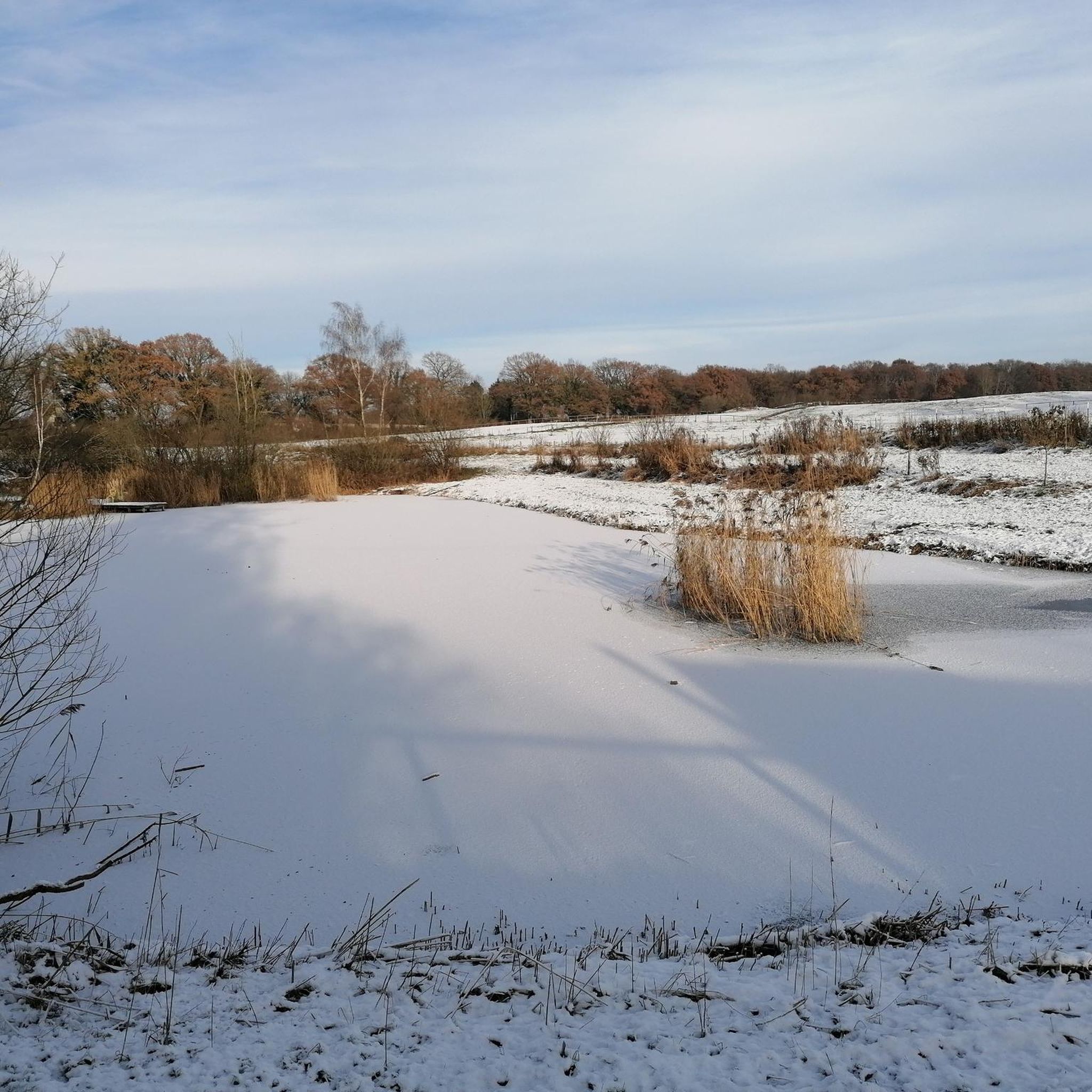
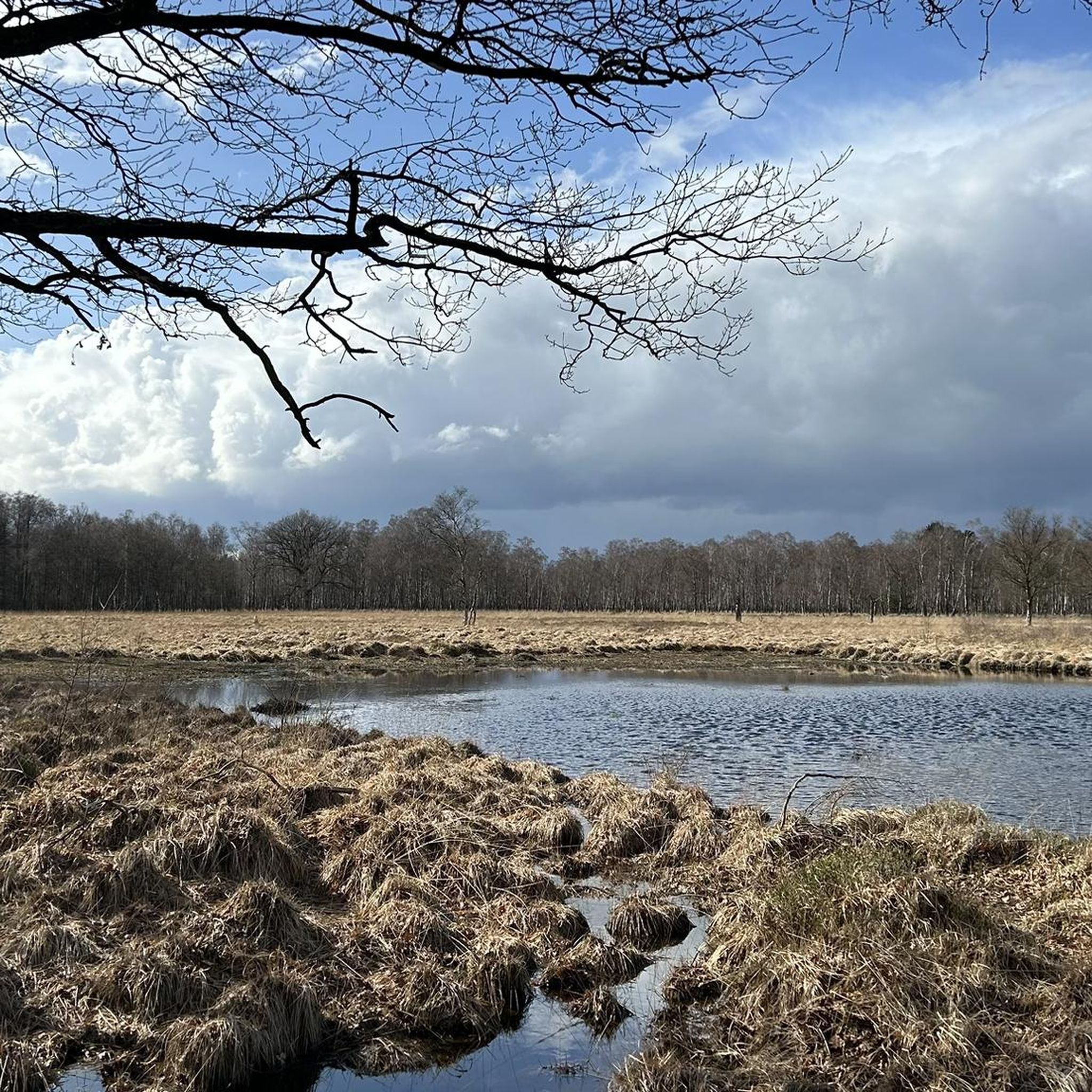
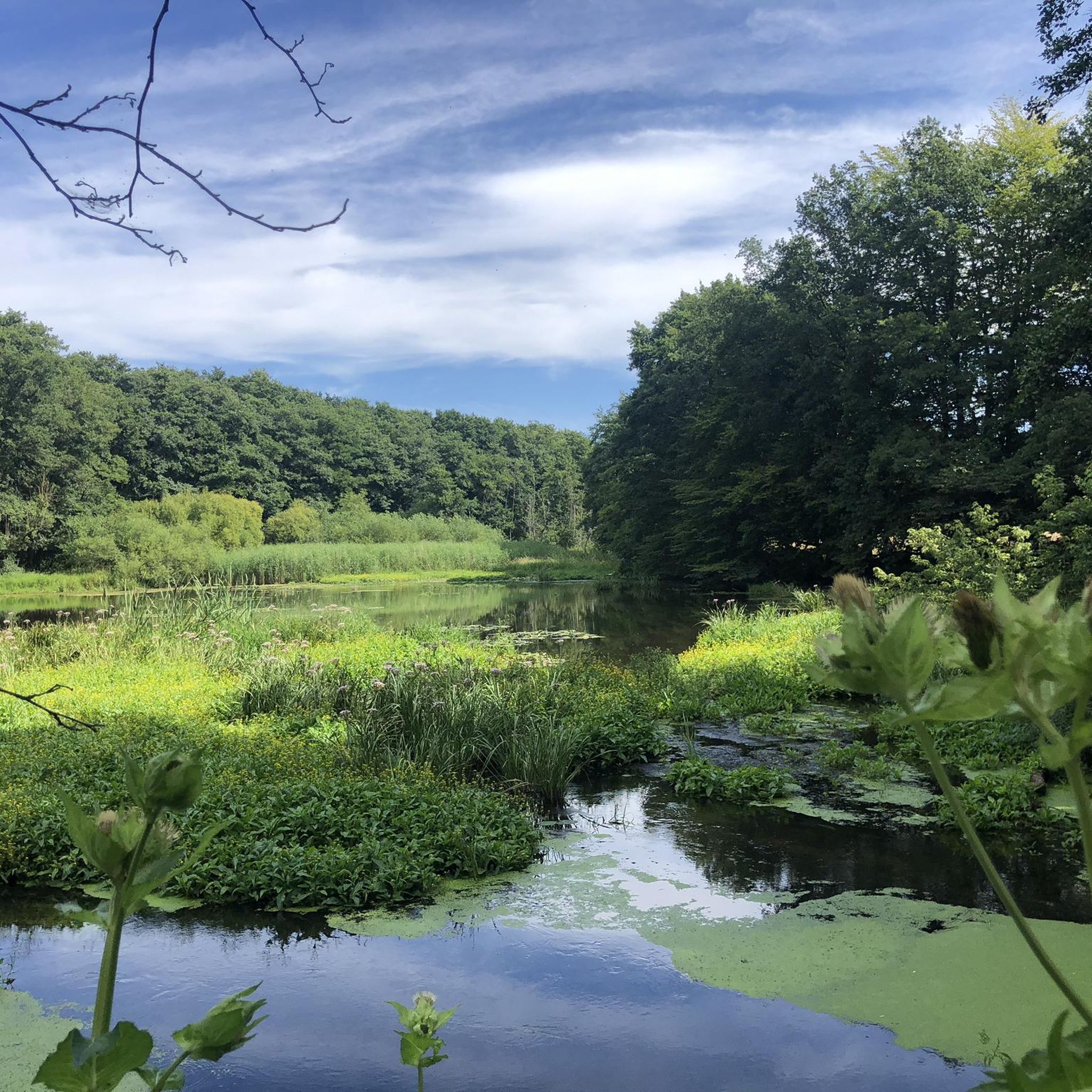
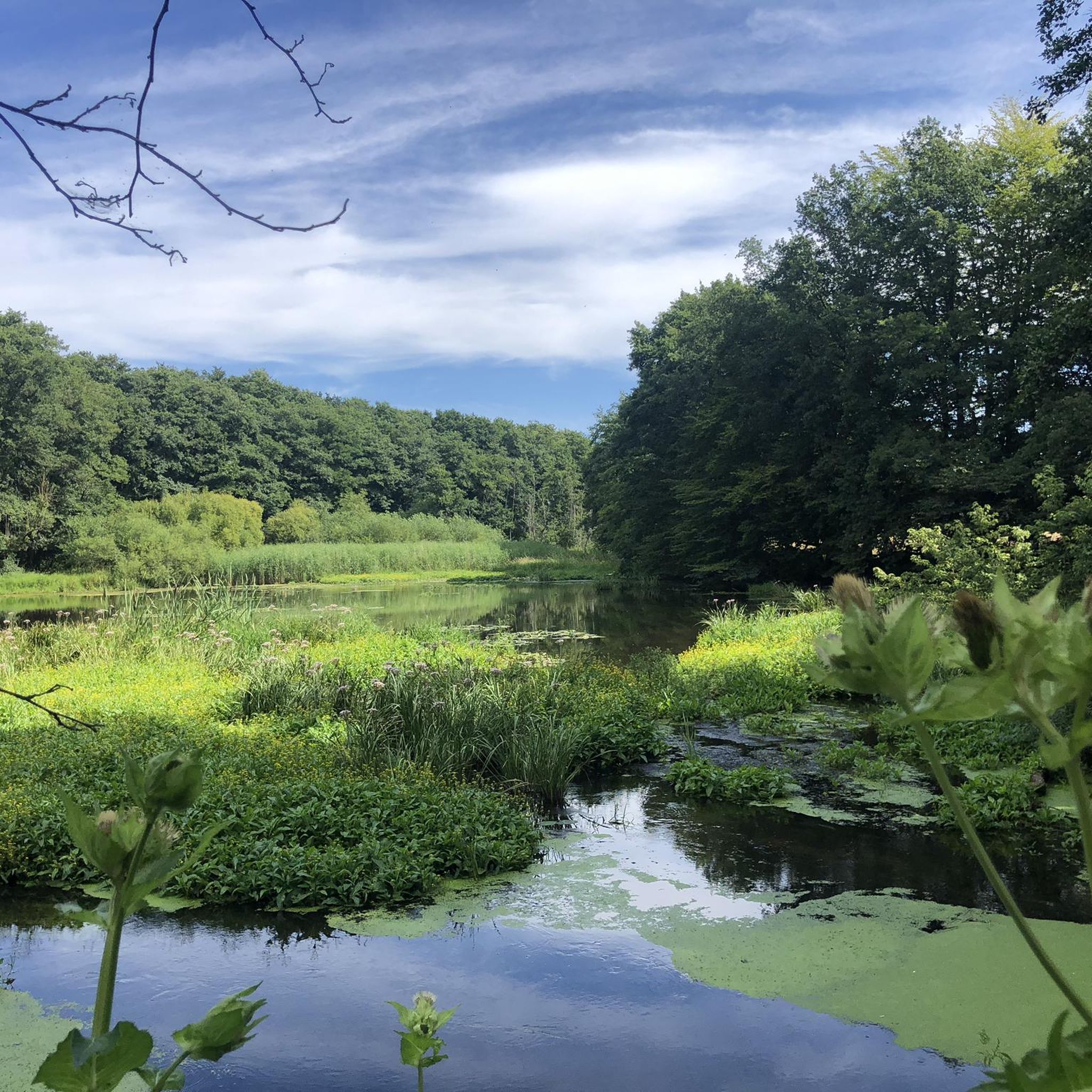
- The most popular attractions is Duvenstedter Brook Nature Reserve, an other natural area that encompasses northern Germany's nature in one location, featuring heathland, forest, moorland, and swamps. It offers new impressions across its many paths, though some may be restricted during rutting season.
- Another must-see spot is Duvenstedt–Wulksfelde Road, a cycle way. This section is quiet, well-developed, and suitable for cycling with minimal traffic, located along the edge of the Duvenstedter Brook.
- Visitors also love former workers’ hostels, a historical site. These farm workers' houses from 1933 have been renovated and now feature timber framing and flower-adorned front gardens.
- Duvenstedter Brook is known for its nature reserves, historical sites, and cycling routes. Visitors can explore a variety of attractions, from natural landscapes to cultural points of interest.
- The attractions around Duvenstedter Brook are appreciated by the komoot community, with over 760 upvotes and 55 photos shared by visitors.
Last updated: June 23, 2026
Duvenstedter Brook Nature Reserve
Highlight • Natural
Translated by Google •
Tip by

Duvenstedt–Wulksfelde Road
Highlight (Segment) • Cycleway
Translated by Google •
Tip by

Sign up now to discover places like this
Get recommendations on the best single tracks, peaks, & plenty of other exciting outdoor places.
Sign up for free
View of the Duvenstedter Brook
Highlight • Viewpoint
Translated by Google •
Tip by

Duvenstedter Brook Nature Experience Center (BrookHus)
Highlight • Rest Area
hamburg.nabu.de/natur-und-landschaft/infohaus-duvenstedter-brook
Translated by Google •
Tip by

former workers’ hostels
Highlight • Historical Site
hamburg.de/sehenswertes-wohldorf-ohlstedt
Translated by Google •
Tip by
Sign up for free to discover even more attractions around Duvenstedter Brook.
Sign up for free
Already have an account?
Start today with a free account
Your next adventure awaits.
Login or Signup
Tips from the Community

Totally exciting when you come out at the mill and then come across this small settlement. The houses are still inhabited and are now a very idyllic place to live. Great highlight for the gravel tour!
1
0

The NABU House in Duvenstedter Brook is also a highlight. There's an interesting exhibition and plenty of additional information about the Brook. When the weather's nice, you can take a short rest outside on the benches. The NABU House welcomes any small financial donation.
0
1
The Duvenstedter Brook is a great area for hikers, cyclists, and sometimes horseback riders—unfortunately, it's been closed to us as dog owners for about 30 years. It's hard to understand why "discrimination" is so prevalent...
0
0

Forced labor camp In September 1942, the K&B company, which was active in landscaping and gardening, applied for a permit for the so-called "Kowahl & Bruns community camp" and built three barracks near the airport to accommodate 144 foreign civilian workers, as well as a combined washing and toilet barracks. Until 1945, the camp was occupied by forced laborers from Poland, Italy, France and the Netherlands. The K&B company was commissioned in Hamburg to camouflage the airport, also produced concrete slabs for temporary buildings and was involved in clearing rubble. Most of the camp's workers were employed by the CHF-Müller/Röntgenmüller company (now Philips Medical Systems), at the time a supplier to the armaments industry. One of the forced laborers, the Dutchman Theo Massuger, later described: "When the Germans realized that their advertising leaflets, with which they wanted to lure workers to Germany, were not working, they thought of something else. Without a leaflet, there was no food for my parents and our ten siblings. So I was forced to go to Germany to work. I arrived in Hamburg in 1943 and ended up in the barracks on Wilhelm-Raabe-Weg a few months later. The beds were full of vermin, the winter was cold and we hardly had any work clothes. Every day except Sundays, I stood at a lathe at Röntgenmüller and all this with meager food, mostly consisting of turnip soup." - Theo Massuger[1] Kowahl & Bruns operated three more camps in Hamburg and developed into a large company for the construction and camouflage of military facilities. The company had three branches in Belgium, France and the General Government and employed over 2,000 people in 1944, mostly forced laborers. The company owner Emil Bruns was sentenced to three years in prison after the war in one of the Curiohaus trials because he had personally mistreated female forced laborers.[2]
1
0

Very nice nature reserve, well visited on sunny days.
0
2

At around 780 hectares, the Duvenstedter Brook is the second largest nature reserve (NSG) in the city. Together with the nature reserves Wohldorfer Wald, Klein-Hansdorfer Brook and the Hunaniederung, it forms a landscape unit and at the same time the largest nature reserve complex in the Hamburg area. In the Duvenstedter Brook you can get an impression of how the spooky-looking moor forests on the edge of the open areas have been trying to overgrow the moor for thousands of years. But just as often they fail because of the tree-hostile living conditions and the acidic environment of the open moor areas. In this natural "battle zone" between moor and forest, important animal species such as the crane and the dragonfly "Große Moosjungfer" live throughout Europe. The rut of the deer is a spectacle with the character of a folk festival every year in September. https://www.hamburg.de/duvenstedter-brook/
5
5

You have all of northern Germany's nature in one area, heathland, forest, fallow land, moorland, swamps, etc.
4
1

Quiet and pure nature... many signposts along the way
0
0
Frequently Asked Questions
What types of natural features can I explore in Duvenstedter Brook?
Duvenstedter Brook is renowned for its diverse natural landscapes, including moorlands, heathlands, forests (such as unique swamp forests and ancient oak-hornbeam forests), meadows, and wetlands. The area along the Ammersbek river also features riparian forests. You can experience this rich variety within the Duvenstedter Brook Nature Reserve itself, which encompasses many of these habitats.
What wildlife can I observe in Duvenstedter Brook?
The reserve is a haven for wildlife. You can spot a large population of red and fallow deer, including some of the largest specimens in Northern Germany. Over 100 bird species, such as cranes, sea eagles, and ospreys, inhabit the area. Other mammals like wild boars, foxes, and badgers are also present. For optimal viewing, look for observation screens located throughout the reserve, particularly along the Duvenstedter Triftweg, which allow for wildlife observation without disturbance.
Are there specific trails for outdoor activities like hiking or running?
Yes, Duvenstedter Brook offers extensive paths for various outdoor activities. For running, you can explore routes like the 'Brook Field Path – Small hill with grove of trees loop' or the 'Running loop from Wohldorfer Wald'. If you prefer hiking, consider the 'View of the Duvenstedter Brook loop' or the 'Viewpoint at Mühlenteich – Wohldorfer Wald Nature Reserve loop'. You can find more options and details on the Running Trails around Duvenstedter Brook and Hiking around Duvenstedter Brook guide pages.
What cycling routes are available in the area?
Cyclists can enjoy well-developed paths, such as the Duvenstedt–Wulksfelde Road, which is a quiet section suitable for cycling with minimal traffic along the edge of the Brook. For gravel biking, routes like the 'Wittmoor Heath Trail – Singletrack trails in Wittmoor loop' offer a more adventurous experience. Discover more cycling options on the Gravel biking around Duvenstedter Brook guide.
Are there any historical sites to visit in Duvenstedter Brook?
While primarily a natural reserve, Duvenstedter Brook does feature some historical points of interest. You can visit the former workers’ hostels. These timber-framed farmworker houses, originally from 1933, have been extensively renovated and are now picturesque with their flower-adorned front gardens.
What is the best time to visit Duvenstedter Brook for wildlife observation?
The best time depends on what you wish to observe. The annual rutting season of the red and fallow deer, particularly in September and October, is a major highlight for observing the bellowing stags. For birdwatching, spring is excellent for crane arrivals, and the bird breeding season from March to July offers opportunities to see many species. However, some paths may be restricted during these sensitive periods to protect wildlife.
Is Duvenstedter Brook suitable for families?
Yes, Duvenstedter Brook offers several family-friendly options. The diverse natural landscapes provide an engaging environment for children to explore. The Duvenstedter Brook Information Center (BrookHus) is a great starting point, offering exhibitions about local flora and fauna. The Ammersbek Weir is another spot that can be interesting for families.
Where can I find information about the reserve and its habitats?
The Duvenstedter Brook Information Center, also known as BrookHus, is the ideal starting point. It provides information about the Duvenstedter Brook and the adjacent Wohldorfer Wald nature reserve, including details on their habitats, local flora, and fauna through exhibitions and lectures. It also has a small NABU shop.
What are some unique natural sights within the reserve?
Beyond the general moorlands and forests, look for the 'Moorpfad Alter Grenzwall,' a narrow, natural path winding through moor and heath landscapes. This path marks the current state border between Hamburg and Schleswig-Holstein and is considered one of the most beautiful sections of Duvenstedter Brook. It's known for its birches and alders, and unique plants like sundew and cotton grass.
What do visitors particularly enjoy about Duvenstedter Brook?
Visitors appreciate the diverse natural beauty, often describing it as encompassing 'all of northern Germany's nature in one area,' with heathland, forest, moorland, and swamps. The extensive network of paths offers new impressions with every visit. The opportunity for wildlife observation, especially the large deer population, is also a significant draw, making it a popular spot for nature enthusiasts and photographers.
Are there any specific water features to see?
Yes, the Ammersbek river flows through the reserve, contributing to the wetland habitats. You can visit the Ammersbek Weir, which manages the river's flow before it merges with the Alster. The term 'Brook' itself refers to these swampy, water-permeated woodlands, highlighting the importance of water in shaping the landscape.
Most popular routes around Duvenstedter Brook
Most popular attractions around Duvenstedter Brook

Get inspired with the komoot mobile app


Explore more
Still not found the Highlight you’re looking for? See guides of the top attractions in other regions:
