Top 20 Natural Monuments around the Rhone-Rharound thee Canal
Best natural monuments around the Rhone-Rhine Canal offer a diverse range of geological formations, scenic landscapes, and protected habitats. The region features areas where the canal intertwines with rivers, creating routes through wooded cliffs and steep forest slopes. These sites provide opportunities to explore ancient caves, observe wildlife, and experience varied natural environments. The geography along the Canal du Rhône au Rhin includes significant rock formations and river valleys.
Best natural monuments around the Rhone-Rharound thee Canal
- The most popular…
Last updated: July 10, 2026
Drachenfels Castle Ruins
Highlight • Castle
Translated by Google •
Tip by

View of Drachenburg Castle
Highlight • Viewpoint
Showing Translation
Tip by

Sign up now to discover places like this
Get recommendations on the best single tracks, peaks, & plenty of other exciting outdoor places.
Sign up for free
Siegfried Pulpit
Highlight • Viewpoint
Showing Translation
Tip by

Niederwald monument
Highlight • Viewpoint
Translated by Google •
Tip by

Urdenbacher Kämpe – At the Ausleger
Highlight (Segment) • Natural
Translated by Google •
Tip by

Translated by Google •
Tip by

View of the Loreley Rock
Highlight • Viewpoint
Translated by Google •
Tip by

Main estuary
Highlight • River
Translated by Google •
Tip by

Bislicher Insel Nature Reserve
Highlight (Segment) • Natural Monument
Translated by Google •
Tip by

Düsseldorf Airport Bridge
Highlight • Bridge
Translated by Google •
Tip by

Sign up for free to discover even more natural monuments around the Rhone-Rharound thee Canal.
Sign up for free
Already have an account?
Start today with a free account
Your next adventure awaits.
Login or Signup
Popular around Rhone-Rhine Canal
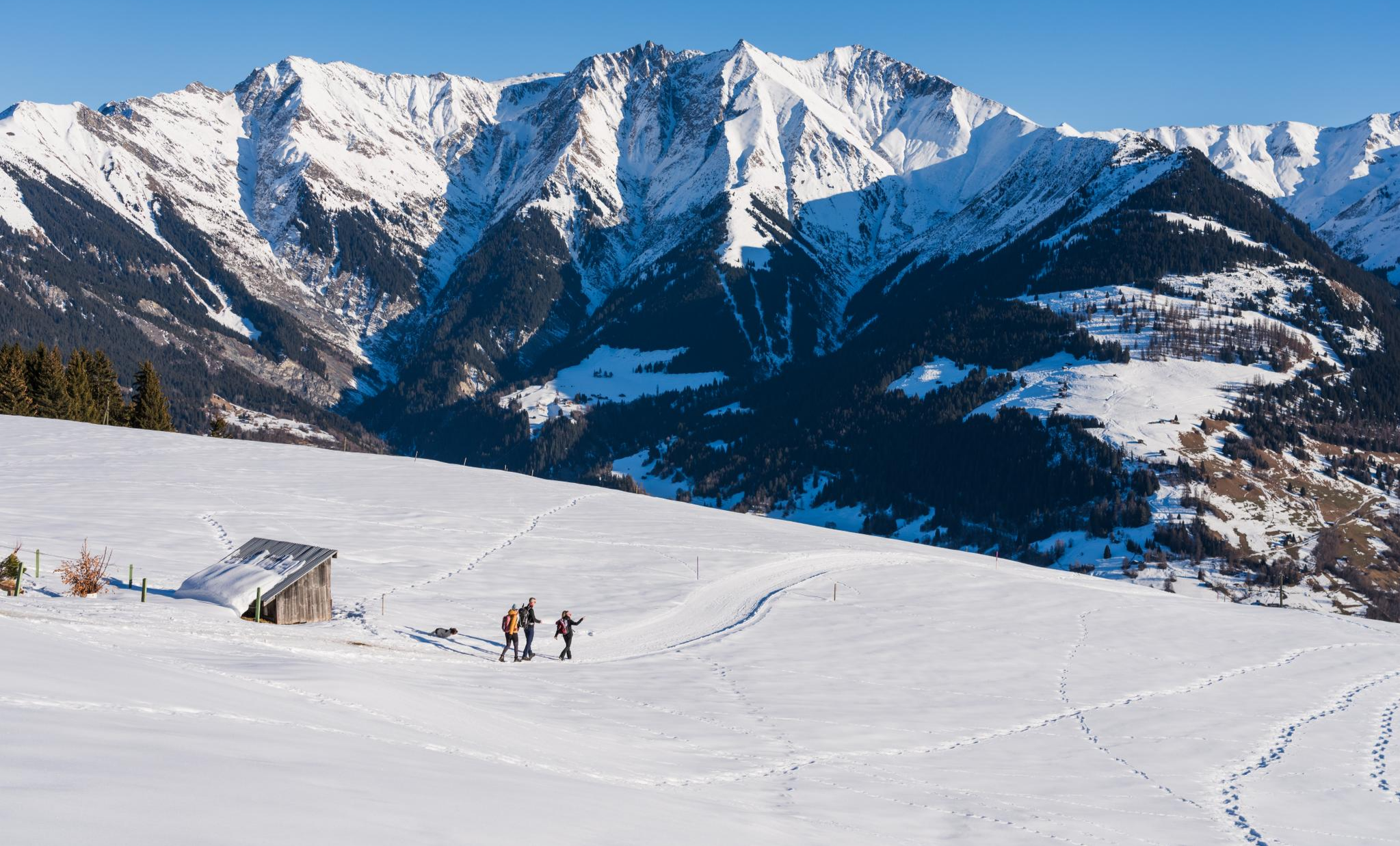
Winter Magic in the Surselva – peace, space and pure nature
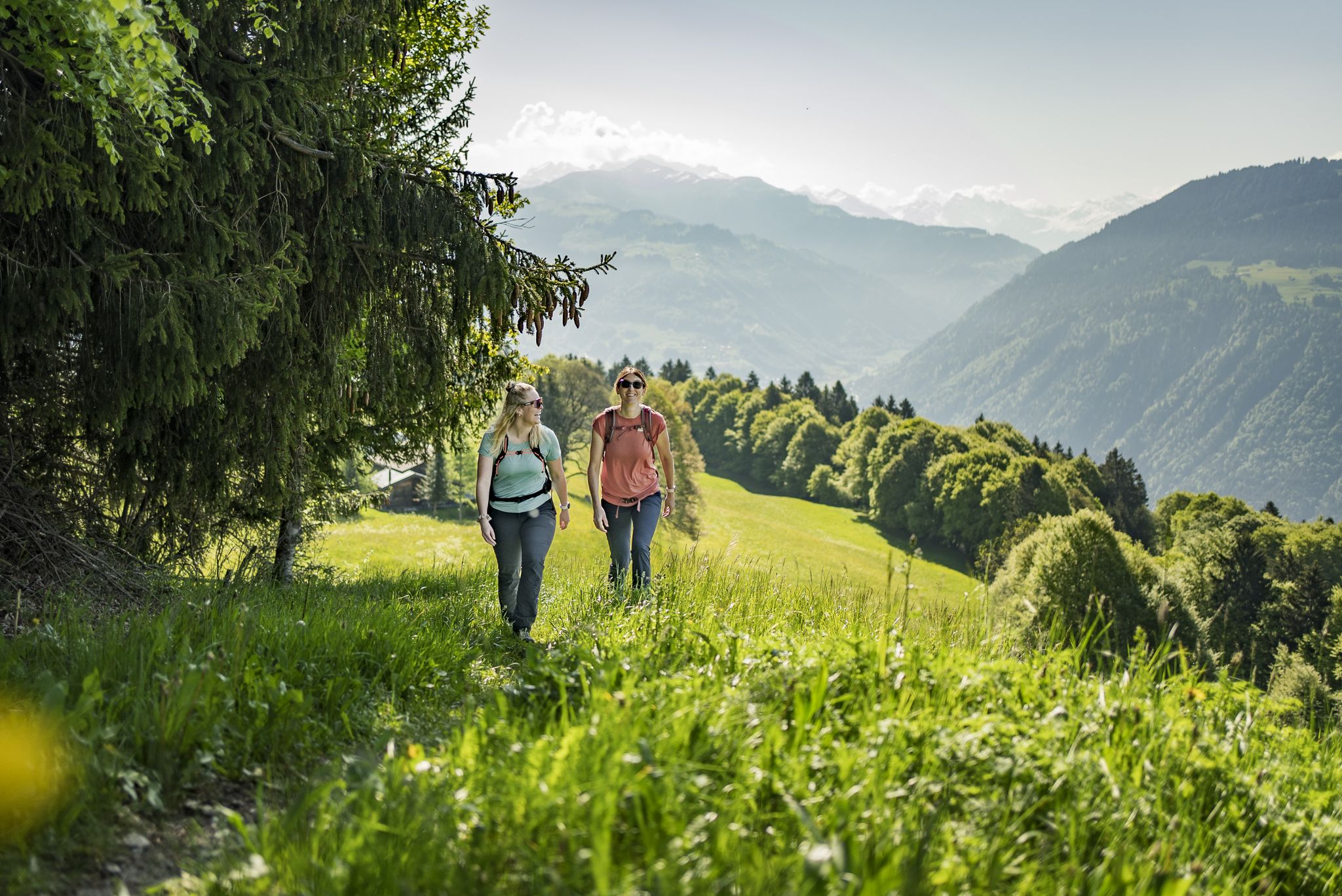
Step into the hiking season – spring routes in Graubünden
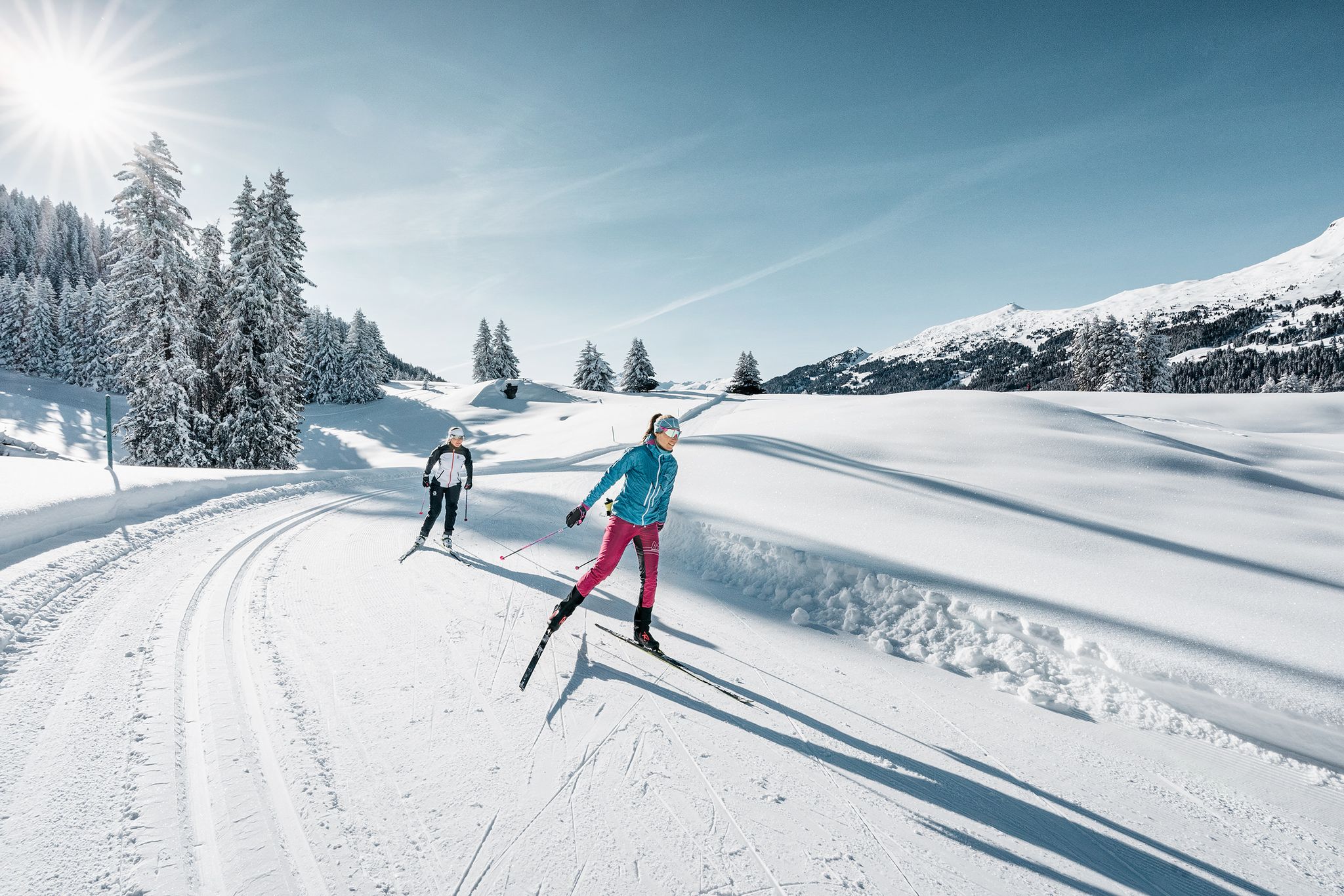
Cross-country skiing fever in the Graubünden region
Indulgence to the power of two – culinary delights and winter hiking in Flims Laax
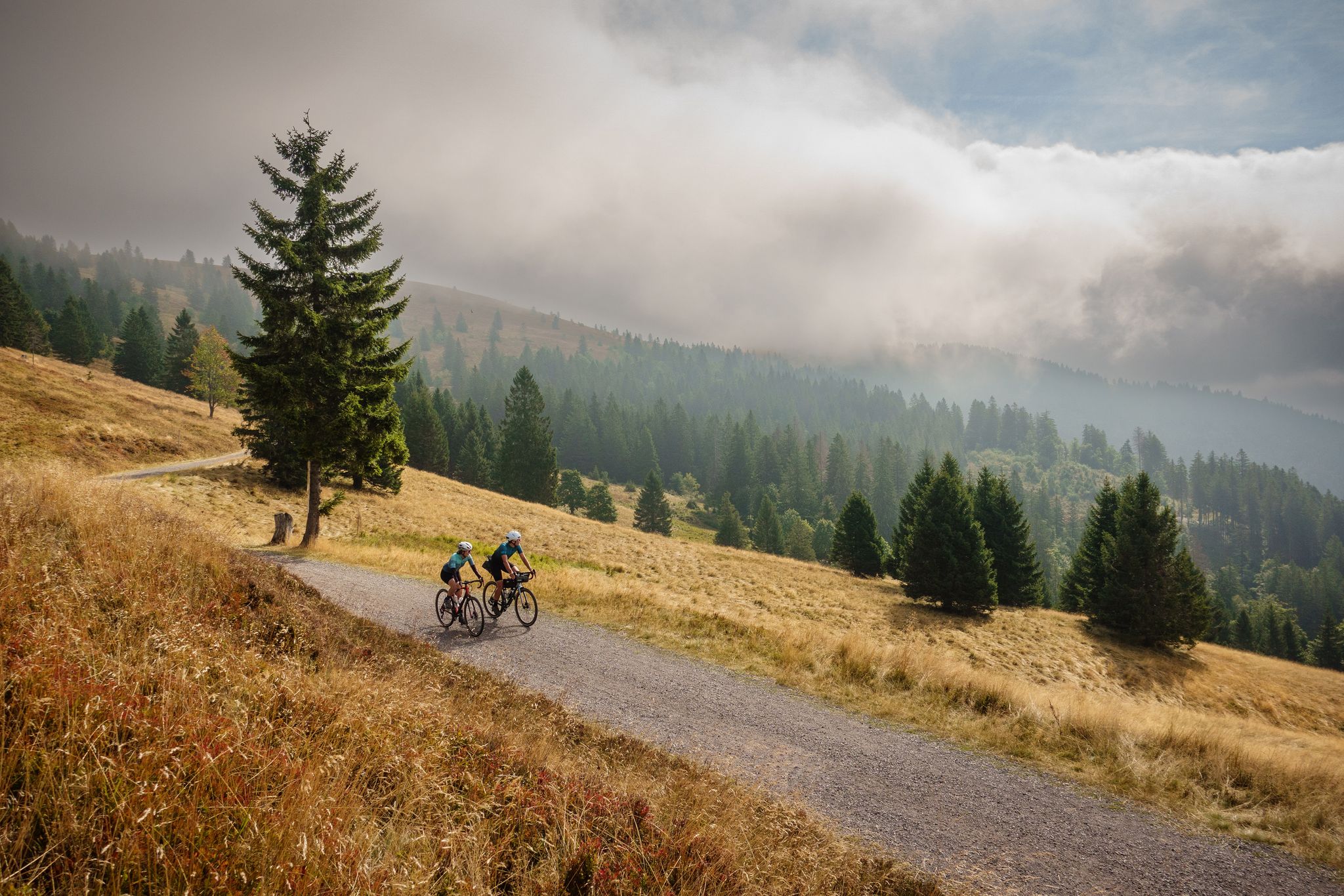
Nature, mountains and freedom – gravel and cycle Tours in the Black Forest
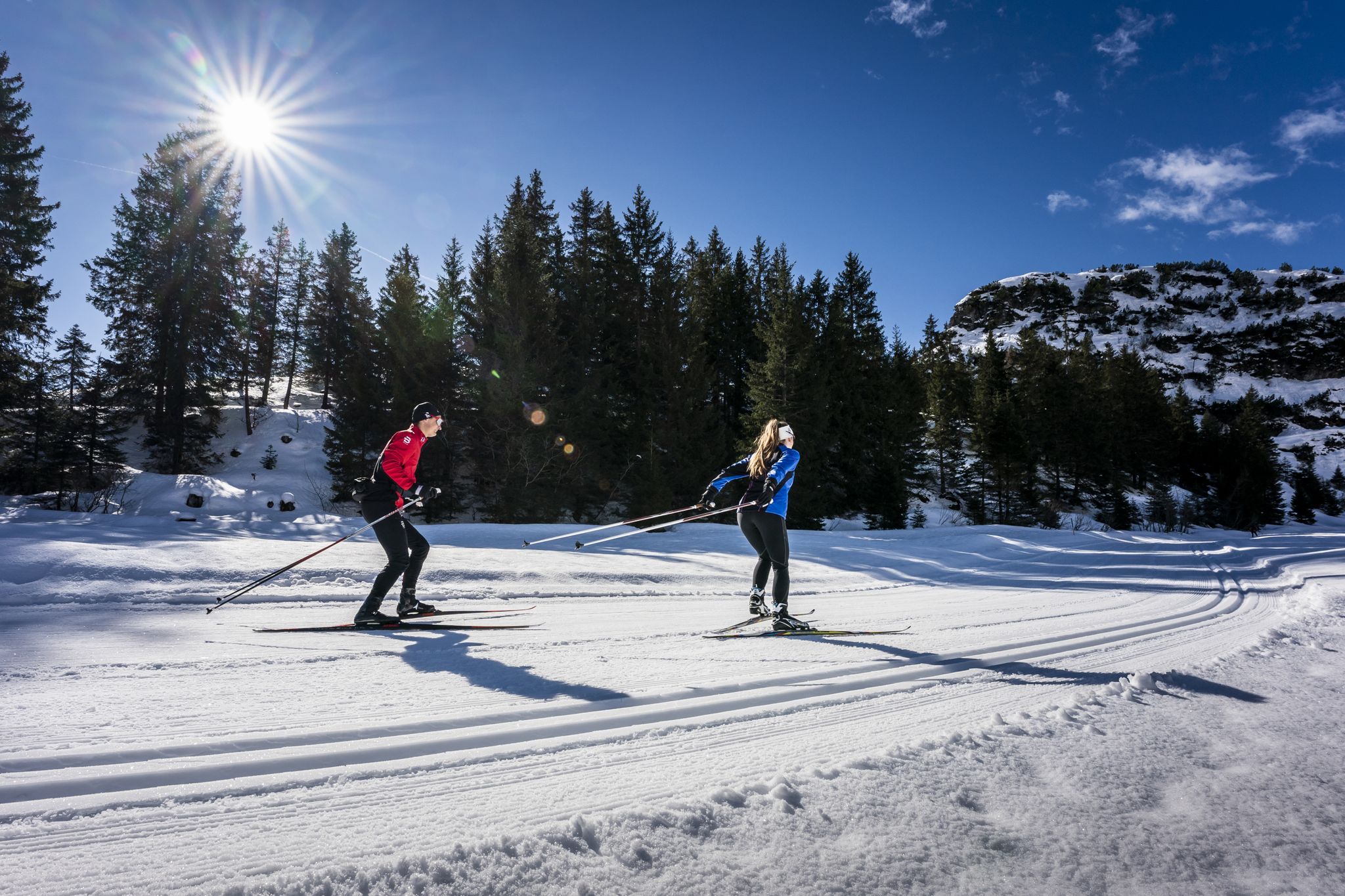
Cross-country skiing in Flims Laax – a Swiss Winter paradise

Triathlon 360 – my journey around the world
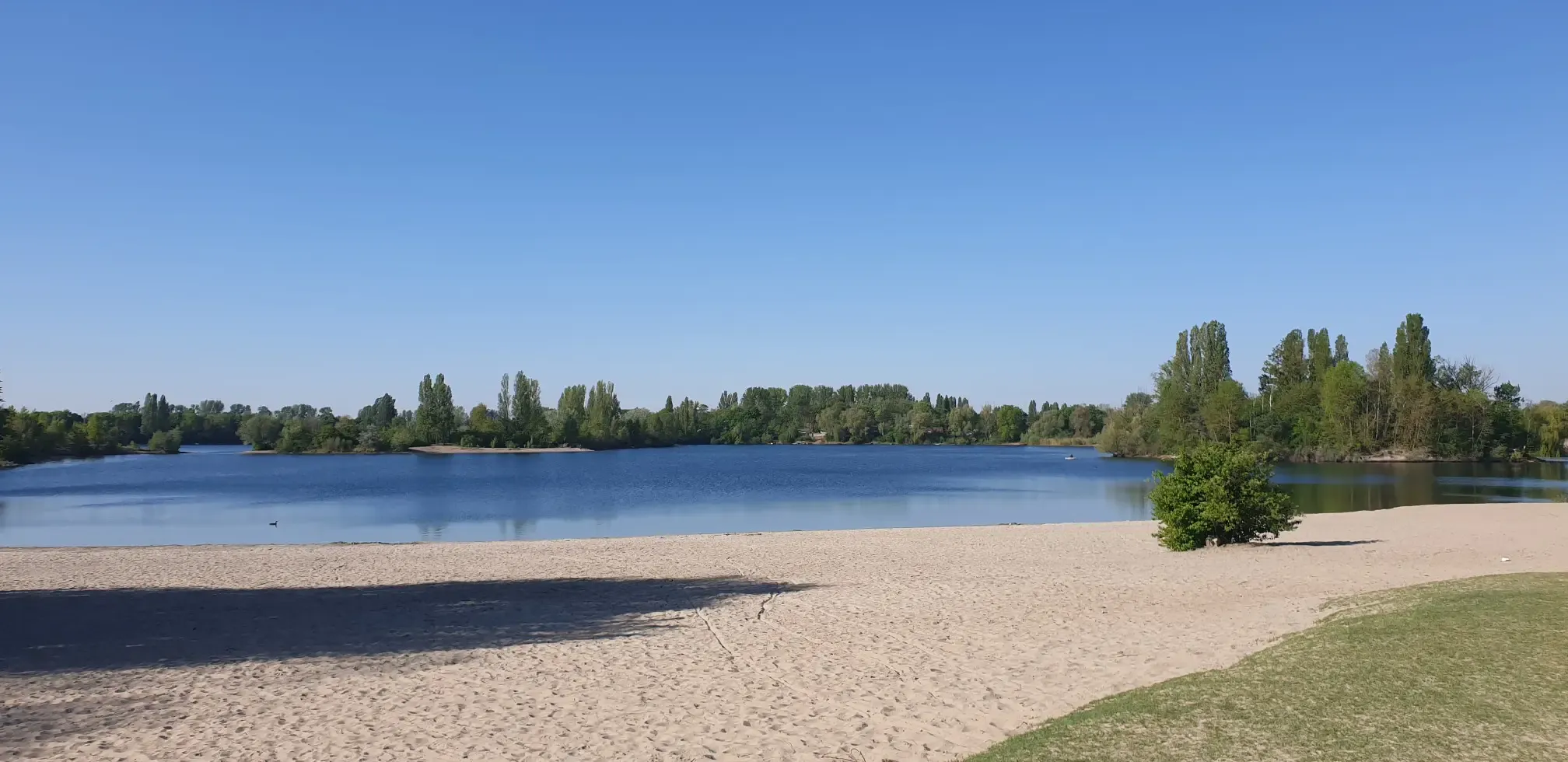
Jump right in! Swimming lakes in the Rhine-Neckar Triangle
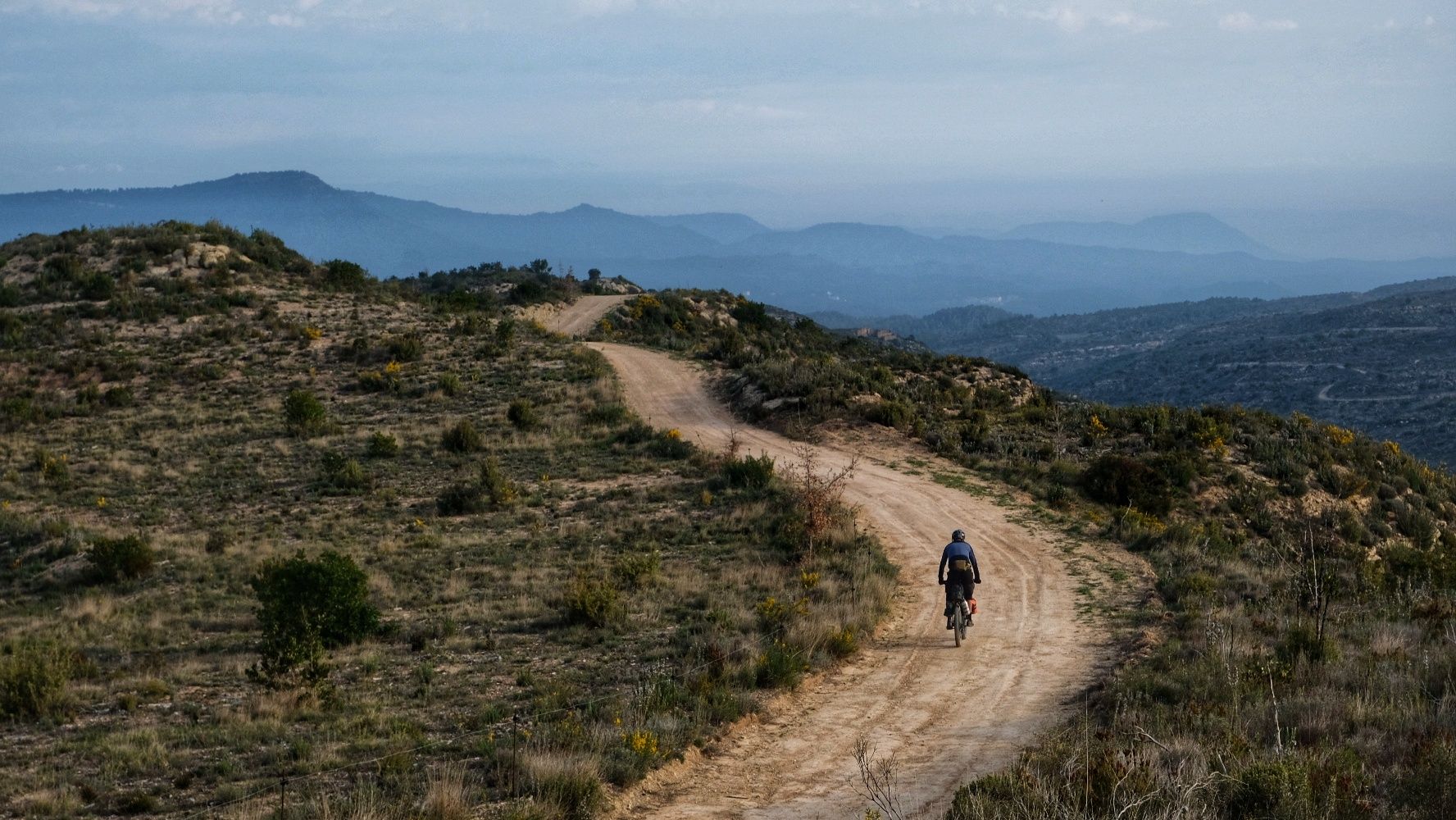
European Divide Trail — 7,600 km across the continent
GR 4 – Crossing the south of France from Atlantic Coast to Provence
Other adventures around the Rhone-Rharound thee Canal


Tips from the Community

The Bislicher Insel is always a highlight, thousands of birds of all kinds, information from NABU. Always fantastic to drive here.
17
0
Beautiful section through the NSG Bislicher Insel. Large meadows (flood protection area) are filled with more or less water (depending on the season and the water level of the Rhine) and thousands of different bird species.
18
0

Shortly after the death of Kaiser Wilhelm I, the idea arose to erect a memorial to the Kaiser, who had brought about the complete unification of Germany after three wars. Three years later, in 1891, Kaiser Wilhelm II, the grandson of the deceased, chose the Deutsches Eck in Koblenz as a suitable location. In order to create space for the memorial, a port of refuge was filled in, which at that time was located at the mouth of the Moselle. The Deutsches Eck in its present form was created. On August 31, 1897, the copper-engraved monument to Kaiser Wilhelm I was inaugurated in the presence of Kaiser Wilhelm II.
21
0

The Deutsches Eck is the landmark of the city of Koblenz and a major attraction for tourists.
33
0

At the moment there are many occupied stork nests along the way.
39
2

A wonderful nature reserve that has a relaxing effect.
15
0

One of the few routes across the Rhine for (racing) bikes.
14
0
Frequently Asked Questions
What kind of natural features can I expect to see around the Rhone-Rhine Canal?
The Rhone-Rhine Canal region offers a diverse range of natural features, including geological formations, scenic river valleys, and protected habitats. You can explore ancient caves like the Grotte d'Osselle, marvel at wooded cliffs and steep forest slopes along the Doubs Valley, and discover unique ecosystems in natural reserves such as the Petite Camargue Alsacienne. The region is also known for its viewpoints offering panoramic perspectives of the Rhine Valley.
Are there any notable caves to explore in the region?
Yes, the region features remarkable caves. The Grotte d'Osselle is one of the oldest tourist caves globally, known for its extensive galleries, stalactites, stalagmites, an underground river, and significant paleontological finds, including cave bear skeletons. Another intriguing site is the Grotte de l'Ermitage, located in the Massif de la Serre forest, which combines natural formations with historical human modifications and is fed by a clear spring.
Where can I find scenic river landscapes and viewpoints?
The Doubs Valley, where the Rhone-Rhine Canal frequently intertwines with the Doubs River, offers magnificently scenic routes with wooded cliffs and steep forest slopes. Specific stretches near Baume-les-Dames provide breathtaking views. Additionally, the region boasts several popular viewpoints, such as the Niederwald monument, offering a fantastic view of the Rheingau and the Rhine, and the View of the Rhine Valley from the Siegfried Pulpit, a great spot for a stopover.
Are there natural reserves for wildlife observation?
Yes, the Petite Camargue Alsacienne is a protected natural reserve located in the former floodplain of the Rhine. It's a haven for diverse animal and plant species, including cormorants, nesting herons, and beavers. The reserve offers exceptional opportunities for birdwatching and wildlife observation along its marked discovery trails, allowing visitors to explore a unique renatured landscape.
What outdoor activities can I do near these natural monuments?
The region around the Rhone-Rhine Canal offers various outdoor activities. You can enjoy cycling along the EuroVelo 6 path through the Doubs Valley, explore numerous hiking trails, or embark on road cycling adventures. For specific routes, you can find options in the Road Cycling Routes around the Rhone-Rhine Canal, Waterfall hikes around the Rhone-Rhine Canal, and Cycling around the Rhone-Rhine Canal guides.
Are there family-friendly natural monuments in the area?
Many natural monuments in the Rhone-Rhine Canal region are suitable for families. The Grotte d'Osselle, for instance, is an ideal family outing, with parts of the cave even being wheelchair accessible. Viewpoints like the Niederwald monument and the View of the Rhine Valley from the Siegfried Pulpit are also popular with families, offering great views and accessible paths.
Can I find historical elements within the natural monuments?
Yes, several natural monuments in the region have rich historical significance. The Grotte d'Osselle served as a refuge during the French Revolution and is Europe's largest cave bear necropolis. The Grotte de l'Ermitage is steeped in local folklore, with legends suggesting it was inhabited by prehistoric people, druids, and hermits. Even natural viewpoints like the View of the Loreley Rock are intertwined with historical tales and the broader history of the Middle Rhine Valley.
What do visitors particularly enjoy about the natural monuments in this region?
Visitors appreciate the diverse experiences offered by the natural monuments. They enjoy the 'unspoiled nature' of the Doubs Valley, the unique journey through geological and paleontological history at the Grotte d'Osselle, and the exceptional opportunities for birdwatching in the Petite Camargue Alsacienne. The breathtaking views from various viewpoints, such as the View of Drachenburg Castle, are also highly praised.
Are there any unique natural springs or water features to visit?
Yes, the Source de la Foulatière, located at the foot of Mont Roland, is a pleasant natural stop. This small fountain of spring water is a refreshing break for travelers and cyclists. The site also features historical elements, including ponds that once fed an old mill, with the old millstone now repurposed as a picnic table, adding a unique charm to the spot.
What is the best time to visit the natural monuments around the Rhone-Rhine Canal?
The best time to visit the natural monuments around the Rhone-Rhine Canal generally depends on the activity you plan. Spring and autumn offer pleasant temperatures for hiking and cycling, with vibrant foliage or blooming flora. Summer is ideal for enjoying the scenic river landscapes and outdoor activities, though some popular spots might be busier. Caves like the Grotte d'Osselle maintain a constant temperature year-round, making them suitable for visits in any season.
Are there any natural monuments that are accessible for visitors with mobility considerations?
Yes, the Grotte d'Osselle is noted for its accessibility, with parts of the cave being wheelchair accessible. This allows a wider range of visitors to experience its stunning natural formations and historical significance. When planning a visit, it's always advisable to check specific accessibility details for other sites if mobility is a concern.
Most popular routes around the Rhone-Rharound thee Canal
Most popular attractions around the Rhone-Rharound thee Canal

Get inspired with the komoot mobile app


Explore more
Extend your search for the best caves by checking out these guides of the top ones around the Rhone-Rharound thee Canal:
