The best traffic-free bike rides in Wittenberge-Rühstädter Elbniederung
4.5
(2973)
12,511
riders
147
rides
No traffic touring cycling routes in Wittenberge-Rühstädter Elbniederung traverse a flat river landscape, characterized by the Elbe River and its extensive floodplains. The region is integrated into the UNESCO-Biosphere Reserve "Flusslandschaft Elbe-Brandenburg," featuring well-developed cycling infrastructure along dikes and natural riparian zones. Minimal elevation changes define the terrain, making it suitable for various cycling abilities.
Best no traffic touring cycling routes in Wittenberge-Rühstädter Elbniederung
- The most popular no traffic touring cycling route is Village Church Rühstädt – Stork Village Rühstädt…
Last updated: July 9, 2026
4.9
(14)
103
riders
Easy bike ride. Great for any fitness level. Mostly paved surfaces. Suitable for all skill levels.
4.5
(4)
23
riders
Easy bike ride. Great for any fitness level. Mostly paved surfaces. Suitable for all skill levels.

Sign up for free
5.0
(1)
22
riders
Easy bike ride. Great for any fitness level. Mostly paved surfaces. Suitable for all skill levels.
4.9
(7)
14
riders
Easy bike ride. Great for any fitness level. Mostly paved surfaces. Suitable for all skill levels.
5.0
(1)
21
riders
Easy bike ride. Great for any fitness level. Mostly paved surfaces. Suitable for all skill levels.
Get access to more routes and recommendations from other explorers.
Sign up for free
Already have an account?
Our route recommendations are based on thousands of hikes, rides, and runs completed by other people on komoot.
Start today with a free account
Your next adventure awaits.
Login or Signup
Popular around Wittenberge-Rühstädter Elbniederung
Tips from the Community

beautiful section, you can ride up here on the dike. This provides a wonderful view to both sides.
0
0
Great natural landscape here, where the rivers run parallel for 20km and then merge.
0
0
located directly on the water with a beautiful view over the Elbe meadows.
0
0

The Wittenberg Elbe riverbank promenade has transformed from an industrial harbor area into a modern recreational spot. It connects historic buildings, like the renovated main customs office, with green spaces and offers views of the Elbe. After extensive redesign, it now shapes the city's new image as the "Gateway to the Elbe Valley". The area around the promenade was closely linked to shipping and industrial development (nearby sewing machine factory). A striking building on the promenade, which was comprehensively renovated after a long period of vacancy and decay. As part of urban development, the riverbank has been upgraded and now serves as a promenade for locals and tourists.
3
0
The Steintor in Wittenberge is the city's oldest landmark, first mentioned in 1297. Rebuilt in its current form after a fire around 1430, it was the northwestern exit of the fortified city. The tower, formerly called "Alter Turm" (Old Tower), served as a prison in the 19th century and has housed a local history museum since 1928.
1
0

Opening hours: Wed–Fri 1–6pm Sat–Sun 11am–6pm Summer opening hours may vary, please check our website.
0
0

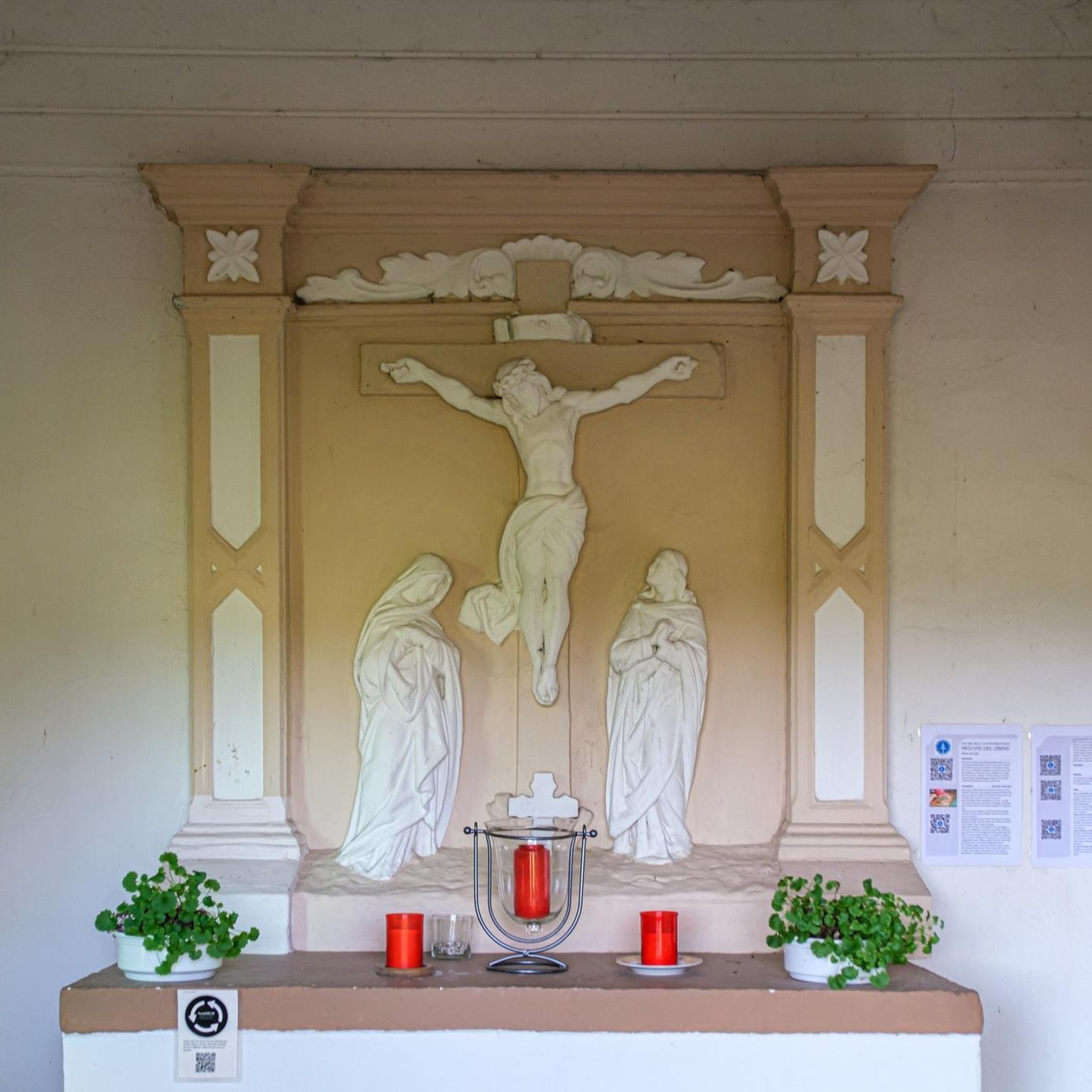
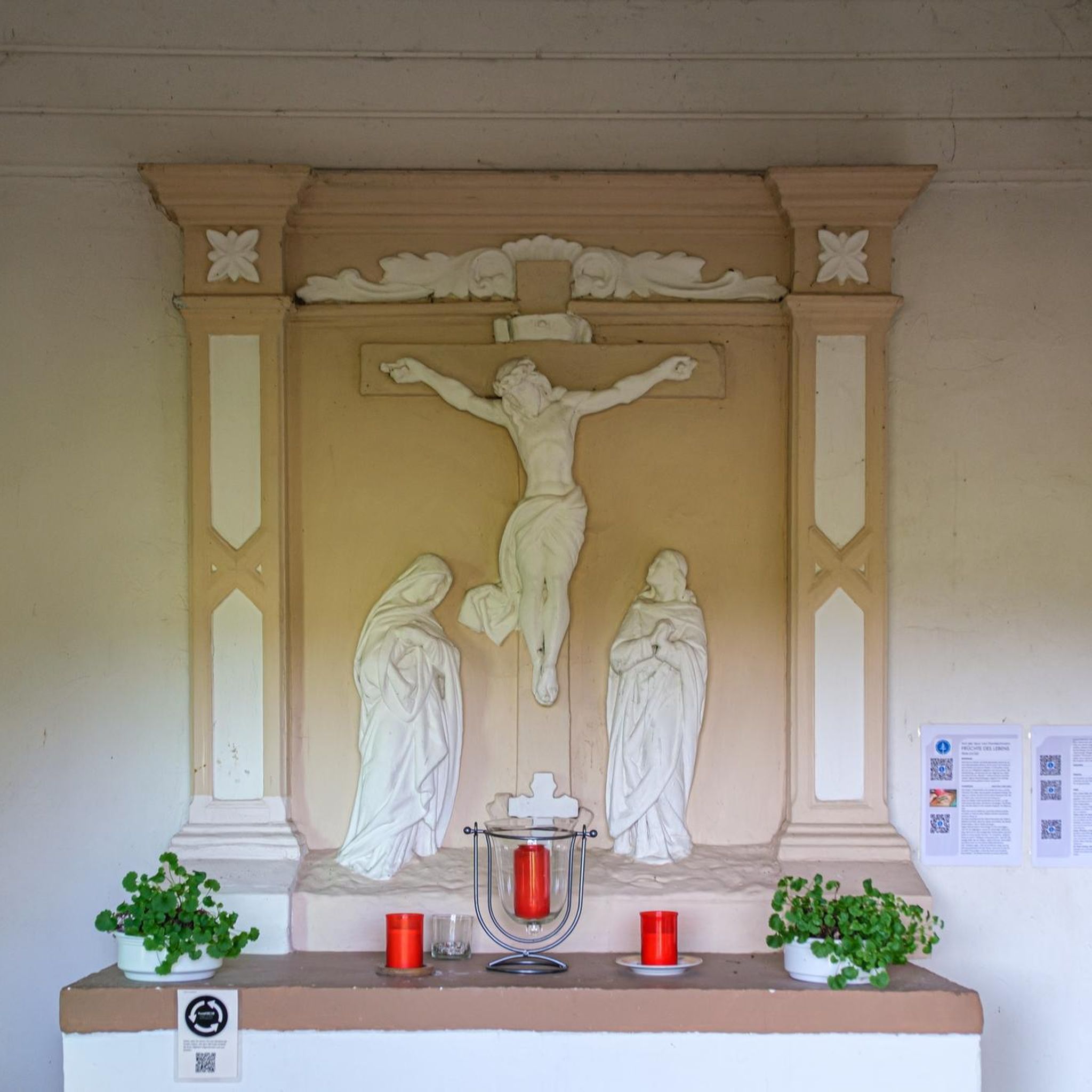
The village church of Rühstädt, also known as Quitzow Church, dates back to the 15th century. It was built under the influence of the noble von Quitzow family, who shaped the village for a long time. The original late Gothic brick building with a semicircular apse was remodeled in the Baroque style in the 18th century and a striking west tower was added. Important furnishings have been preserved inside, including a late Gothic carved altarpiece, several tombstones of the von Quitzow family, and a historic organ from 1738. A late Gothic mural of the Last Judgment in the apse is particularly noteworthy. Today, the church is a listed building and part of the Open Churches Initiative, meaning it is often open to visitors.
1
0
The observation tower on the Elbe Cycle Path near Bälow is situated in the heart of the Elbe floodplains and offers a panoramic view of the river landscape, dikes, and meadows of the Prignitz region. It primarily serves as a rest stop and viewpoint for cyclists on the Elbe Cycle Path, as well as an observation point for the diverse birdlife of the Elbe River Landscape Biosphere Reserve. From the elevated platform, numerous water birds and meadow birds can be observed, especially during migration seasons, thus combining landscape observation with a nature experience.
0
0
Frequently Asked Questions
How many no-traffic touring cycling routes are available in Wittenberge-Rühstädter Elbniederung?
There are over 150 dedicated no-traffic touring cycling routes in the Wittenberge-Rühstädter Elbniederung. The vast majority, more than 100, are classified as easy, making them accessible for most cyclists.
What is the best time of year to cycle in the Wittenberge-Rühstädter Elbniederung?
The region is beautiful throughout the warmer months. For observing the famous storks, May to August is ideal. Spring offers stunning views of blooming fruit trees, while autumn provides a picturesque harvest backdrop. Be mindful that strong winds can be a challenge at any time of year due to the flat landscape.
Are the no-traffic touring routes suitable for families with children?
Yes, the Wittenberge-Rühstädter Elbniederung is highly suitable for families. The routes are predominantly flat and well-paved, especially along the Elbe Cycle Path, making them ideal for cyclists of all experience levels, including children. Many routes offer easy distances and minimal elevation gain, such as the Village Church Rühstädt – Stork Village Rühstädt loop from Rühstädt.
What kind of natural attractions can I expect to see along these routes?
The region is part of the UNESCO-Biosphere Reserve "Flusslandschaft Elbe-Brandenburg," offering rich natural beauty. You can expect to see extensive floodplains, wide riparian zones, and a complex network of tributaries. Highlights include the famous Stork Village Rühstädt, the picturesque Bridge Over the Karthane, and the significant Confluence of the Gnevsdorfer Vorfluter and the Elbe. Keep an eye out for diverse wildlife like storks, gray geese, and beavers.
Are there any historical sites or landmarks to explore in Wittenberge?
Absolutely. Wittenberge offers several historical points of interest. You can cycle past the historic Hafenspeicher (Harbor Warehouses), visit the impressive Alte Ölmühle (Old Oil Mill), or admire the architecturally significant Wittenberge Town Hall with its Art Nouveau facades. The Grumbkow Obelisk is another notable landmark in the area.
Are there circular touring cycling routes available?
Yes, many of the no-traffic routes in the Wittenberge-Rühstädter Elbniederung are designed as circular tours, allowing you to start and end at the same point. Examples include the Wunderblut Church of St. Nikolai – Groß Lüben Village Church loop from Rühstädt and the Stork Village Rühstädt – Stork Village Ruhstadt loop from Rühstädt.
What is the elevation profile like for these touring routes?
The Wittenberge-Rühstädter Elbniederung is characterized by its exceptionally flat terrain. The Elbe Cycle Path, which forms a significant part of the network, has minimal elevation changes, often less than 30 meters over long distances. This makes for very relaxed cycling with little to no strenuous climbs.
Can I bring my dog on these no-traffic cycling routes?
Many of the routes, especially those on dedicated cycle paths and dikes, are dog-friendly. However, it's always recommended to keep your dog on a leash, especially in nature reserves like the UNESCO-Biosphere Reserve, to protect wildlife and ensure the safety of other cyclists. Always check local regulations for specific areas.
Are there places to eat or stay along the routes?
Yes, you'll find various options for refreshments and accommodation. Wittenberge, for example, offers restaurants and hotels, including the repurposed Alte Ölmühle. Smaller villages along the Elbe Cycle Path often have cafes or guesthouses. The Picnic Area by the Elbe at Rühstädt Stork Village is a great spot for a break.
How can I get to the starting points of these routes, and is parking available?
Wittenberge is well-connected by public transport, including train services, making it accessible for cyclists. For those arriving by car, parking is generally available in towns like Wittenberge and Rühstädt. Many routes start directly from these locations, offering convenient access to the no-traffic paths.
What do other touring cyclists enjoy most about cycling in Wittenberge-Rühstädter Elbniederung?
The area is highly rated by the komoot community, with an average score of 4.5 stars from over 2,900 ratings. Reviewers often praise the exceptionally flat and well-maintained paths, the peaceful, traffic-free environment, and the abundant opportunities for wildlife observation, particularly the storks in Rühstädt. The scenic views of the Elbe River and its floodplains are also frequently highlighted.
Most popular routes in Wittenberge-Rühstädter Elbniederung
Most popular attractions in Wittenberge-Rühstädter Elbniederung

Get inspired with the komoot mobile app


Explore more
Browse the best Cycling routes in other regions.
