Attractions and Places To See around the Zapadnaya Dvaround thea - Top 20
Best attractions and places to see around the Zapadnaya Dvaround thea are concentrated in the Daugava region, which encompasses a diverse landscape. This area is characterized by its historical significance and cultural landmarks. Visitors can explore a variety of urban and natural settings. The region offers numerous points of interest for those seeking historical insights and architectural exploration.
Best attractions and places to see around the Zapadnaya Dvaround thea
- The most popular attractions is House of the Blackheads, Riga,…
Last updated: July 6, 2026
House of the Blackheads, Riga
Highlight • Historical Site
Translated by Google •
Tip by

St. Peter's Church, Riga
Highlight • Religious Site
Translated by Google •
Tip by

Sign up now to discover places like this
Get recommendations on the best single tracks, peaks, & plenty of other exciting outdoor places.
Sign up for free
Riga Old Town (Vecrīga)
Highlight • Historical Site
Translated by Google •
Tip by
Freedom Monument (Brīvības piemineklis), Riga
Highlight • Monument
Translated by Google •
Tip by

Riga Cathedral
Highlight • Religious Site
Translated by Google •
Tip by
Cathedral of the Nativity of Christ, Riga
Highlight • Religious Site
The Nativity of Christ Cathedral (Latvian: Kristus Piedzimšanas pareizticīgo katedrāle, Russian: Христорождественский кафедральный собор), Riga, Latvia was built to a design by Nikolai Chagin and Robert Pflug …
Tip by

Riga Central Market
Highlight • Monument
Translated by Google •
Tip by
Bastejkalns Park
Highlight • Natural Monument
Translated by Google •
Tip by

Bremen Town Musicians Sculpture (Riga)
Highlight • Monument
Translated by Google •
Tip by

Small Guild (Mazā Ģilde), Riga
Highlight • Historical Site
Translated by Google •
Tip by

Sign up for free to discover even more attractions around the Zapadnaya Dvaround thea.
Sign up for free
Already have an account?
Start today with a free account
Your next adventure awaits.
Login or Signup
Popular around Daugava
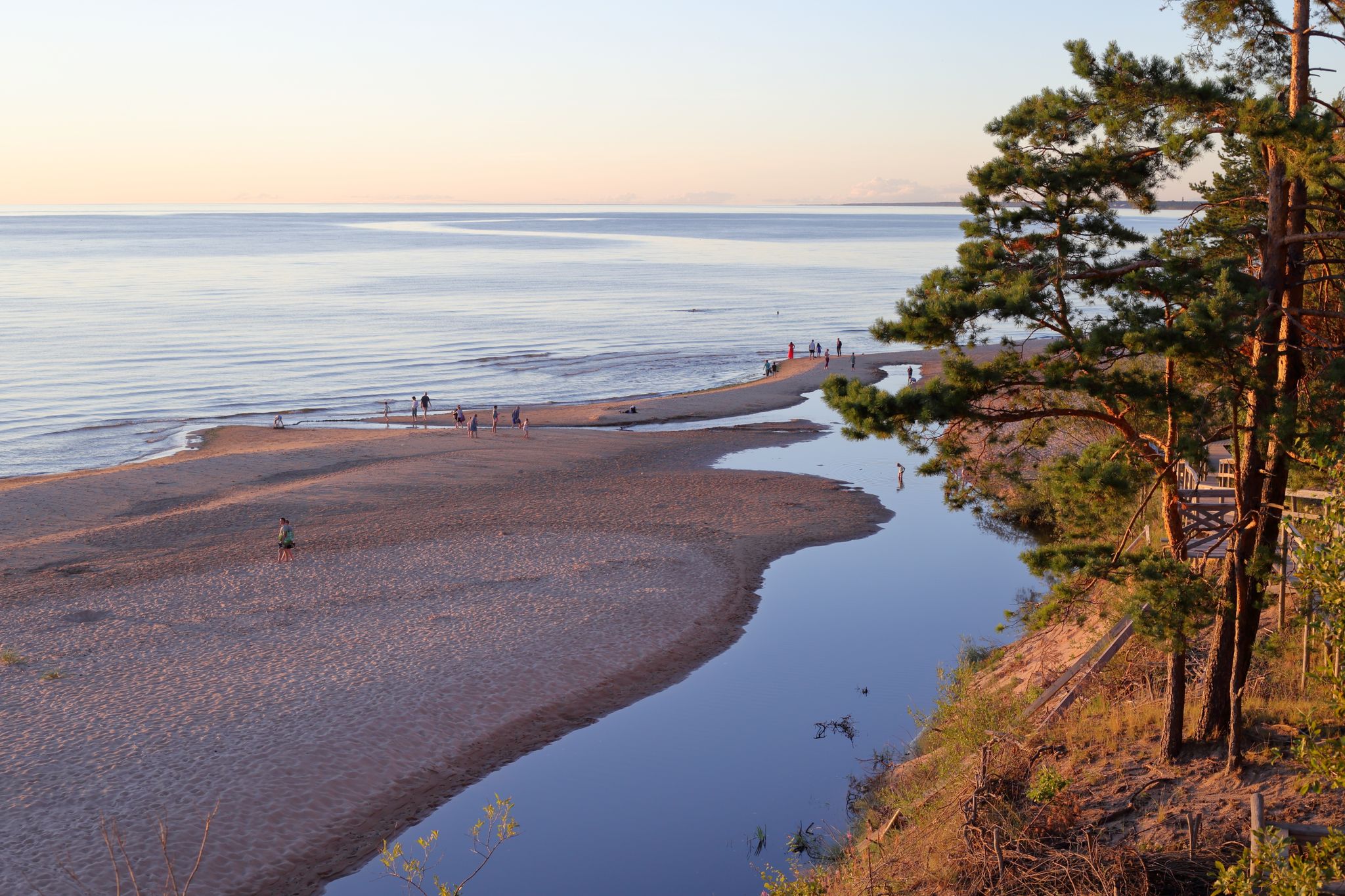
Amber, urban streets and boardwalks – a foray through Latvia
Running Trails around the Zapadnaya Dvaround thea
Hiking around the Zapadnaya Dvaround thea
Cycling around the Zapadnaya Dvaround thea
MTB Trails around the Zapadnaya Dvaround thea
Road Cycling Routes around the Zapadnaya Dvaround thea

Gravel biking around the Zapadnaya Dvaround thea
Other adventures around the Zapadnaya Dvaround thea

Tips from the Community

One can't help but be amazed by the many wonderful buildings.
0
0

Be sure to go up the tower. It offers a fantastic view of Riga.
2
0

Strolling through the streets of Riga's Old Town, you can hardly miss Riga Cathedral. It stands imposingly in the heart of the city and exudes an almost timeless calm. But this place was not always so peaceful. Founded in 1211, the cathedral has seen a lot over the past 800 years - from religious power struggles to remodeling during the various eras that have shaped the city. In the 16th century, when Riga was under the influence of the Reformation, the cathedral lost its central role in Latvia's Catholic Church. But instead of being forgotten, it found new meaning - as a Lutheran cathedral. A symbolic change that had a strong impact on the city and its citizens. Today, when you stand under the impressive Gothic vault, you can feel the layers of history that are literally imposing themselves here. Riga Cathedral is a testament to the architectural fusion of different eras. Here you will see Gothic towers, Baroque decorations and even Art Nouveau elements. This makes a visit a journey through time. The cloister is particularly exciting, which takes you back to the Middle Ages - once a place for religious processions, today a small museum that houses old cannons and other historical artifacts. But the most impressive thing for me is the organ. This massive organ with its 6718 pipes is one of the largest in the world and makes the entire cathedral vibrate. If you have the chance to attend a concert, you will understand why this church is one of the most important in the Baltics, not only architecturally but also acoustically.
4
0
Bastejkalns Park in Riga is a small paradise in the middle of the city. What particularly appealed to me are the different paths that meander through the greenery - ideal for taking a break from the city hustle and bustle. The landscape is varied: rolling hills, a small canal with charming bridges and even small waterfalls that create a relaxing atmosphere. The history of this place gives it a special depth. Where fortifications once stood, you will now find a well-kept park that invites you not only to stroll but also to explore. The bridges and cataracts that lead over the canal are real eye-catchers and offer great photo opportunities. Particularly impressive is the Timm Bridge, which was built in 1900 and gives the park a nostalgic charm. While you are here, you can discover numerous monuments, including the Freedom Monument and the Armitstead Monument, which commemorates the former mayor of Riga. When exploring the park on foot, take time to discover the small details such as the "Peace Dance" sculpture, which give the place a special artistic touch. The park is perfect for a short breather on your tour of the old town or as a starting point for a leisurely boat trip on the canal - if you feel like it.
1
0
The Small Guild in Riga is particularly striking due to its fairytale architectural style - a bit like a hidden castle in the middle of the city. It is a reminder of the time when Riga was still dominated by the merchants and craftsmen of the Hanseatic League. The guild originally served as a meeting place for the craft guilds, and the building is still used today for concerts and events. As you stroll through the streets around the guild, you are quickly surrounded by old facades and charming corners. The atmosphere here is particularly calm, despite the proximity to the bustling old town. A walk through this part of Riga brings with it a little leap back in time, and if you walk carefully through the alleys, you will always find small architectural details that tell the history of the city.
1
0
The Freedom Monument in Riga, also known as Brīvības piemineklis, is an essential stop for many during a walk through the city. Even from a distance, the 42-meter-high column, crowned by the figure of "Milda" holding three stars in her hands, is impressive. These symbolize the historical regions of Latvia, and as you stand in front of the monument, you can literally feel the history in the air. It is not just the height that is interesting, but also the symbolism that lies in every detail. Milda looks determinedly west, which clearly shows where Latvia has turned its gaze in difficult times. The sculptures on the base tell of the country's determination to fight for freedom and independence. The changing of the guard, which takes place several times a day, also gives the place a solemn atmosphere. What particularly struck me is the calm, almost contemplative mood around the monument, despite its central location. You could spend a long time here, looking at the details of the reliefs and thinking a little about Latvia's eventful history. However, you have to be prepared for the fact that the square is often well attended - especially on sunny days you will meet many people who also want to enjoy the atmosphere. A little tip from me: If you want to experience the monument in peace, the early morning is the best time. Then you have the opportunity to have Milda and the impressive reliefs almost to yourself. A walk from here into the old town is a nice continuation of your tour of discovery.
7
0

You shouldn't miss a visit to the market halls. Lots of fresh fish are on offer. New for us: calamari from the Baltic Sea.
3
1
No, you are not in Bremen, but in Riga, great 😉.
3
0
Frequently Asked Questions
What historical sites can I visit in the Daugava region?
The Daugava region, particularly Riga, is rich in historical sites. You can explore the Riga Old Town (Vecrīga), which is over 800 years old and features well-preserved historic buildings and Art Nouveau architecture. Other significant historical landmarks include the House of the Blackheads, Riga, a reconstructed guild house, and the Riga Castle.
Are there family-friendly attractions in the Daugava region?
Yes, many attractions in the Daugava region are suitable for families. The Riga Old Town (Vecrīga) is great for exploring, and children might enjoy the Bremen Town Musicians Sculpture (Riga). Bastejkalns Park offers green spaces and canals, while the Riga Central Market provides a vibrant cultural experience with diverse products.
What religious buildings are notable in Riga?
Riga features several impressive religious buildings. The St. Peter's Church, Riga is a prominent landmark with a viewing platform. Another significant site is the Cathedral of the Nativity of Christ, Riga, an Orthodox cathedral known for its architecture and history.
What outdoor activities can I do near the attractions in the Daugava region?
Beyond the city attractions, the Daugava region offers various outdoor activities. You can find easy hiking trails, such as the Riga Old Town (Vecrīga) – House of the Blackheads loop. For cycling enthusiasts, there are road cycling routes and gravel biking tours available.
Are there any accessible attractions for wheelchair users in Riga?
Yes, several attractions in Riga are noted as wheelchair accessible. These include the House of the Blackheads, Riga, the Freedom Monument (Brīvības piemineklis), Riga, and St. Peter's Church, Riga. The Bremen Town Musicians Sculpture (Riga) and the Latvian National Library are also listed as accessible.
What natural features or parks can I visit in Riga?
While Riga is known for its urban attractions, you can find natural spaces like Bastejkalns Park. This park is a green oasis with canals and historical elements, offering a pleasant escape within the city.
What is the best way to experience Riga Old Town?
The best way to experience Riga Old Town (Vecrīga) is by taking your time to roam its streets. Visitors often enjoy discovering new sights, taking small breaks in the numerous cafés, and admiring the historic buildings and Art Nouveau architecture. It's a well-preserved area over 800 years old.
Where can I find local food and goods in Riga?
For local food and goods, the Riga Central Market is highly recommended. Housed in former Zeppelin hangars, it's a bustling hub where you can find fresh produce, meats, fish, and various local products. It's a vibrant place to experience the local culture and cuisine.
Are there any unique or unusual places to visit in Riga?
Beyond the main historical sites, the Riga Central Market offers a unique experience, being one of Europe's largest markets housed in repurposed Zeppelin hangars. Another distinctive spot is the Bremen Town Musicians Sculpture (Riga), a charming and popular photo opportunity.
What is the significance of the Freedom Monument in Riga?
The Freedom Monument (Brīvības piemineklis), Riga is a powerful symbol of Latvia's independence. This 42-meter-high monument features a statue holding three stars, representing the three historical regions of Latvia. It was built in the early 1930s and stands as a testament to the nation's struggle for freedom.
What do visitors enjoy most about the attractions in the Daugava region?
Visitors frequently praise the historical depth and architectural beauty of the Daugava region, especially in Riga. The well-preserved Riga Old Town (Vecrīga), the grandeur of the House of the Blackheads, and the symbolic importance of the Freedom Monument are often highlighted. The vibrant atmosphere of the Riga Central Market also receives positive feedback.
Most popular routes around the Zapadnaya Dvaround thea
Most popular attractions around the Zapadnaya Dvaround thea

Get inspired with the komoot mobile app


