The best traffic-free bike rides in Dunkelsteinerwald
4.5
(703)
20,599
riders
152
rides
No traffic road cycling routes in Dunkelsteinerwald traverse a region characterized by diverse landscapes, including quiet forest areas and open fields. The terrain features winding paved roads with a mix of ascents and descents, providing varied cycling experiences. Routes often follow the Danube River or offer views of its banks, integrating natural features with historical sites. This area, a spur of the Waldviertel, offers a network of asphalt surfaces suitable for road cycling.
Best no traffic road cycling routes in…
Last updated: July 6, 2026
4.0
(3)
12
riders
50.0km
02:06
280m
280m
Moderate road ride. Good fitness required. Some segments of this route may be unpaved and difficult to ride.
5.0
(1)
10
riders
22.6km
00:58
190m
190m
Easy road ride. Great for any fitness level. Mostly well-paved surfaces and easy to ride.

Sign up for free
5
riders
Moderate road ride. Good fitness required. Mostly well-paved surfaces and easy to ride.
3
riders
34.6km
01:49
310m
310m
Moderate road ride. Good fitness required. Some segments of this route may be unpaved and difficult to ride.
36
riders
18.9km
01:23
730m
730m
Moderate road ride. Good fitness required. Mostly well-paved surfaces and easy to ride.
Get access to more routes and recommendations from other explorers.
Sign up for free
Already have an account?
Our route recommendations are based on thousands of hikes, rides, and runs completed by other people on komoot.
Start today with a free account
Your next adventure awaits.
Login or Signup

Other adventures in Dunkelsteinerwald

Tips from the Community

Also suitable as a good descent :)
0
0


A lovely little stretch of path behind the Göttweiger Berg, is a section of the Vinum Circa Montem cycle path.
2
0

A bike ride to the Klangturm (Sound Tower) in St. Pölten is a worthwhile stop on any tour of the city. The 77-meter-high tower in the government district was built in 1996 by architect Ernst Hoffmann and is a striking example of modern architecture in Lower Austria. Its glass, spiral shape evokes movement and sound, which is how the tower got its name. An elevator or stairs lead to the viewing platform, which offers panoramic views of St. Pölten and the Alpine foothills. The ground floor houses a tourist information center, and spacious squares and green areas around the tower invite visitors to linger – ideal for a short break during a bike tour through the city.
2
0

A climb ideal for training. If you continue to the viewing station, you'll climb approximately 750 meters at an average gradient of 9%. It's the closest route from the greater Vienna area with this profile. It's also easily accessible by public transport via Krems, with a short commute.
0
0

Of course, the observation deck next to the transmitter is more interesting.
0
0
Viehofen Castle is located in the St. Pölten district of the same name and was first documented in 1130. However, its history likely dates back even further. In 1179, Pope Alexander III confirmed the ownership rights of the Diocese of Passau, and a castle chapel is documented from 1248. Over the centuries, the castle changed hands several times: It was owned by, among others, the Viehofen, Wallseer, Kirchberg, and the noble Herberstein and Kuefstein families, who took over the property permanently from 1745 onwards. Viehofen Castle served as a residence until 1945. After the Second World War, it was severely damaged by Soviet troops, fell into increasing disrepair in the following decades, and was even on the verge of demolition in the 1960s. In 2003, Josef Figl acquired the severely damaged building and began a comprehensive restoration. Historical elements such as 18th-century windows, original wooden floorboards, and old doors were carefully restored. Today, Viehofen Castle serves as a stylish venue for weddings, concerts, corporate events, and private celebrations. The vaulted hall on the ground floor, a marble-floored hall on the first floor, and the renovated Gothic chapel dedicated to St. James are available for a variety of events. Since 2021, civil weddings have also been possible in the castle. Architecturally, the ensemble is impressive due to its location on a prominent escarpment with views of the Lower Austrian Alpine foothills and its largely preserved historic structure.
2
0

Semi-interesting observation tower in the unfortunately always deserted government quarter. Not even a restaurant open here on the weekend 😞. You can choose between an elevator or lots of stairs. The view is certainly beautiful, on the top floor there are signs on every corner explaining what you can see. Very hot and stuffy up there on a summer's day, the loungers are fun, but nothing invites you to stay. I found the most interesting to see how many solar panels are on the roofs of the quarter. Fingers crossed 👍 for that. Colorfully lit or not, I still don't see the tower as a landmark of the city, and I would still prefer to be able to stroll through the Au, fairground meadow and race track than through this dead concrete desert of the government quarter.
4
0
Frequently Asked Questions
How many no traffic road cycling routes are available in Dunkelsteinerwald?
There are over 150 traffic-free road cycling routes in Dunkelsteinerwald, offering a wide range of options for peaceful rides away from busy roads. These include routes for various skill levels, from easy to difficult.
What is the best time of year to cycle the quiet roads in Dunkelsteinerwald?
The spring and autumn seasons are particularly appealing for cycling in Dunkelsteinerwald. Spring brings blooming meadows, while autumn transforms the foliage into a fascinating backdrop. The region's diverse landscapes and serene natural features are enjoyable throughout these periods, offering a tranquil experience.
What kind of terrain can I expect on traffic-free road cycling routes in Dunkelsteinerwald?
The Dunkelsteinerwald region offers varied terrain, characterized by winding paved roads and asphalt surfaces. You can expect a mix of ascents and descents, with some longer routes featuring climbs exceeding 900 meters. This ensures that both leisurely riders and those seeking a workout can find suitable paths.
Are there family-friendly no traffic road cycling routes in Dunkelsteinerwald?
Yes, Dunkelsteinerwald offers several easy and moderate routes that are suitable for families. These routes often traverse charming villages and provide a safe, enjoyable experience away from heavy traffic. For example, the Oberwölbing – Soldier Statue in Oberwölbling loop from Wölbling is an easy option.
What natural features can I see along the no traffic road cycling routes?
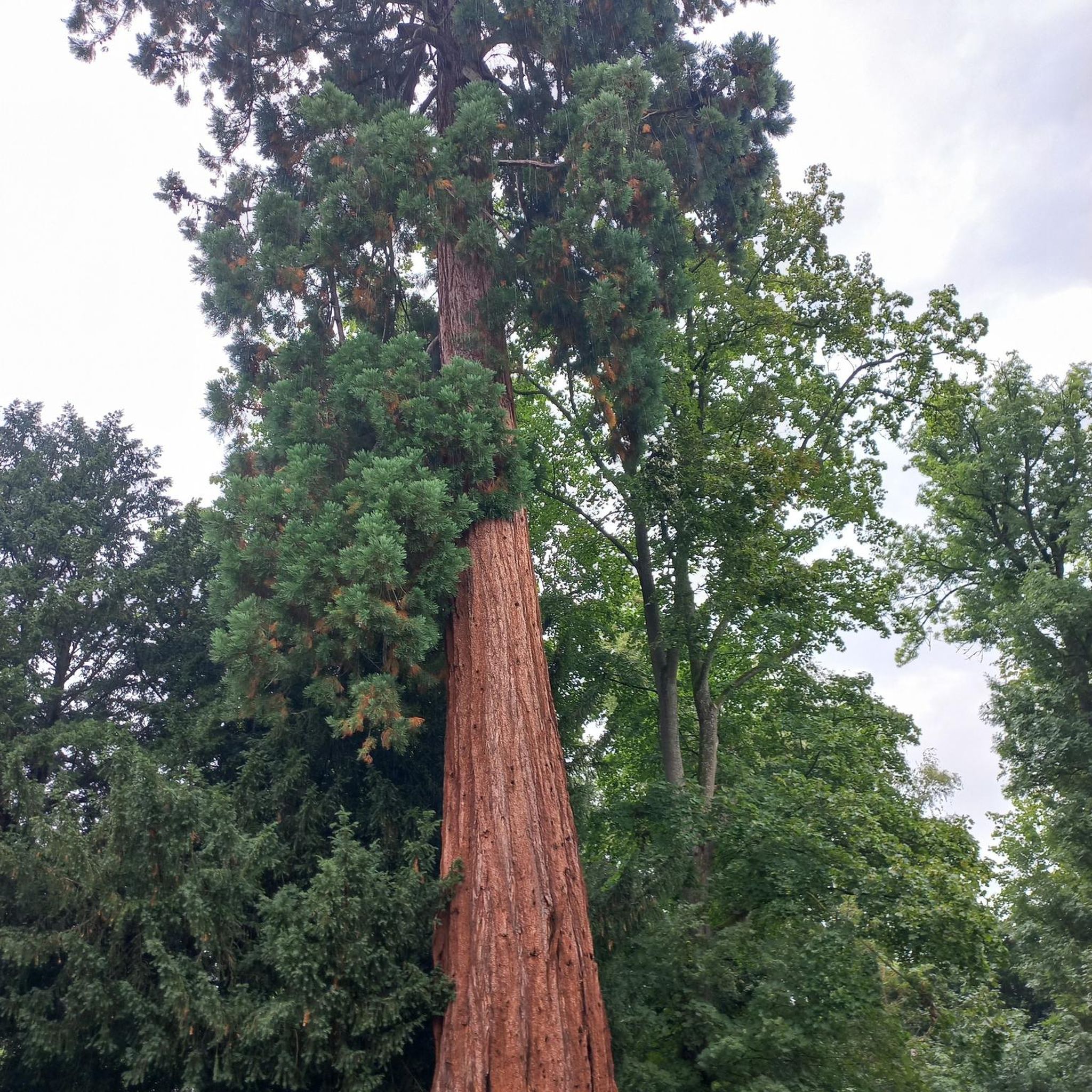
Many routes offer stunning views of the Danube River, especially around towns like Spitz. You can also encounter dense, untouched nature within the Dunkelsteinerwald itself. Notable natural highlights include the Danube Valley in the Wachau and the Giant Sequoias of Paudorf.
Are there historical landmarks or cultural sights along these quiet road cycling routes?
Absolutely. Road cycling routes in Dunkelsteinerwald frequently incorporate cultural and historical points of interest. You might pass by the dramatic Aggstein Castle Ruins, pilgrimage churches like Maria Langegg, or charming villages such as Bergern im Dunkelsteinerwald. The nearby Wachau region, a UNESCO World Heritage site, also offers historic towns like Spitz with its medieval alleys and vineyards.
Where can I find parking for these no traffic road cycling routes?
Parking is generally available in the charming villages and towns that serve as starting points for many routes. For instance, you can often find parking near popular attractions like Maria Langegg or in larger communities such as Karlstetten, which is a starting point for routes like the Ochsenburg Castle – St. Pölten loop.
Can I access these routes using public transport?
While specific public transport connections vary by starting point, many towns and villages in the Dunkelsteinerwald region are accessible by local buses or regional trains, especially those along the Danube. It's advisable to check local public transport schedules for the most convenient access to your chosen route's starting point.
What is the difficulty level of these traffic-free road cycling routes?
The routes in Dunkelsteinerwald cater to various difficulty levels. You'll find 47 easy routes, 92 moderate routes, and 14 difficult routes. This range ensures that both beginners looking for a gentle ride and experienced cyclists seeking a challenge can find suitable traffic-free options.
Are there loop road bike routes without traffic in Dunkelsteinerwald?
Yes, many of the no traffic road cycling routes in Dunkelsteinerwald are designed as loops, allowing you to start and end in the same location. An example is the Oberwölbing – Soldier Statue in Oberwölbling loop from Gansbach, which offers a moderate challenge.
What do other road cyclists enjoy most about the traffic-free routes in Dunkelsteinerwald?
The komoot community highly rates the road cycling experience in Dunkelsteinerwald, with an average score of 4.5 stars. Cyclists often praise the region's quiet, mystical forest areas, the diverse landscapes, and the well-maintained paved roads that allow for peaceful rides away from traffic. The combination of natural beauty and historical sights is also frequently highlighted.
Are there places to eat or stay along the no traffic road cycling routes?
Yes, the region is dotted with picturesque villages and towns where you can find guesthouses, cafes, and pubs. Places like Spitz on the Danube, Maria Langegg, and other charming communities offer opportunities for breaks, refreshments, and accommodation, enhancing your cycling tour experience.
Most popular routes in Dunkelsteinerwald
Most popular attractions in Dunkelsteinerwald

Get inspired with the komoot mobile app


Explore more
Browse the best Road cycling routes in other regions.
