Attractions and Places To See in Alpine National Park - Top 8
Best attractions and places to see in Alpine National Park, Victoria's largest national park, offers a vast expanse of rugged mountains and diverse alpine environments. It protects the state's highest peaks and is known for extensive snowfields in winter and wildflower displays in warmer months. The park features a range of ecosystems, from mountain ash forests to alpine herbfields, and is home to varied wildlife. Cultural sites like historic high country huts and Aboriginal heritage areas also contribute to its…
Last updated: June 28, 2026
Mount Feathertop
Highlight • Summit
Tip by

Razorback Track
Highlight (Segment) • Trail
Tip by
Sign up now to discover places like this
Get recommendations on the best single tracks, peaks, & plenty of other exciting outdoor places.
Sign up for free
Mount Loch Summit
Highlight • Summit
Tip by

Bungalow Spur Track junction
Highlight • Trail
Tip by
Scrubby Creek–Trapper's Gap Dirt Road Climb
Highlight (Segment) • Climb
Tip by

Sign up for free to discover even more attractions in Alpine National Park.
Sign up for free
Already have an account?
Start today with a free account
Your next adventure awaits.
Login or Signup
Tips from the Community

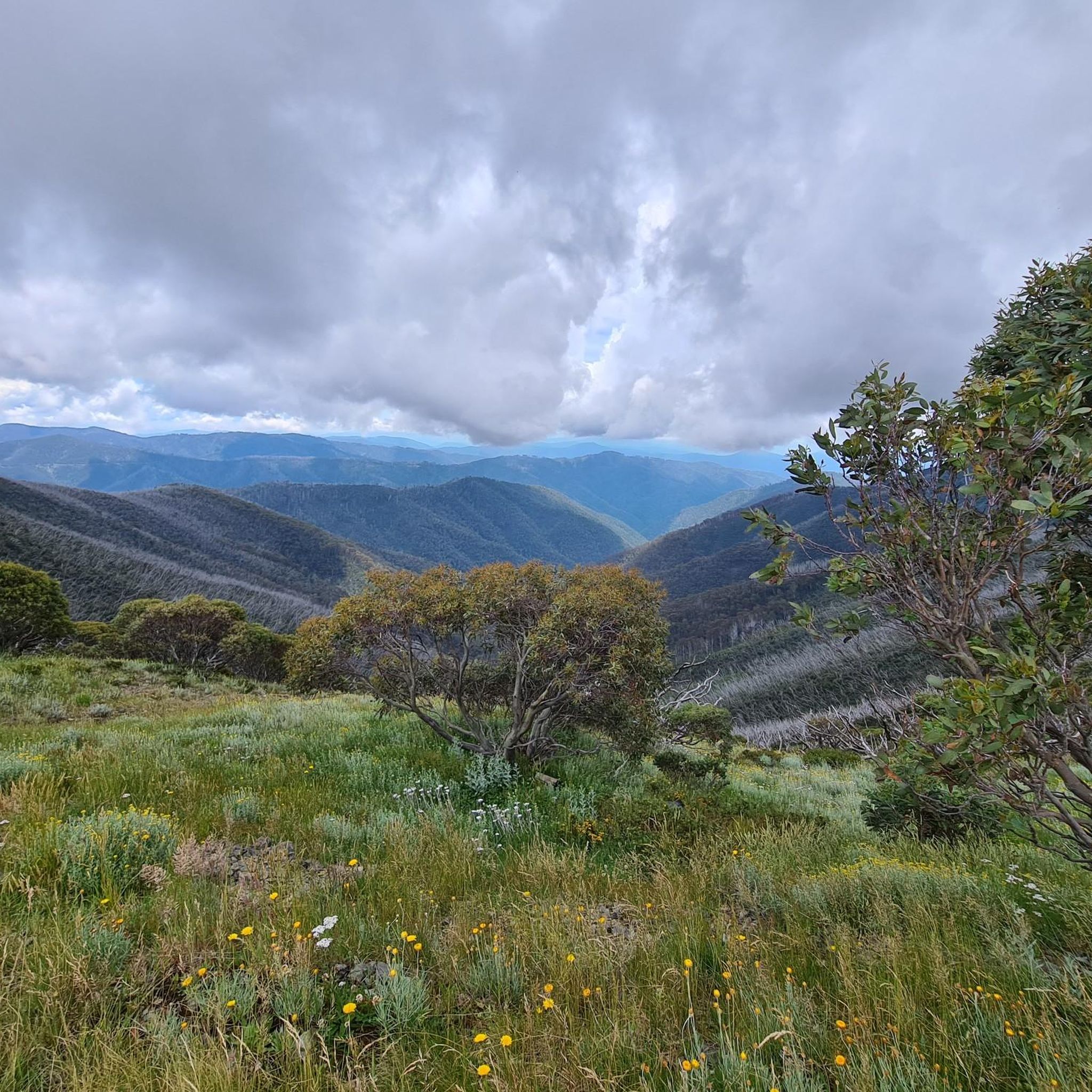
Mount Feathertop, at 1,922 metres, is Victoria’s second‑highest peak and one of its most impressive, with steep, angular slopes unlike the rounded domes of nearby summits with sweeping 360-degree views across surrounding ranges, especially in clear weather. It forms part of the Victorian Alps in the Alpine National Park and is often snow‑covered from June to September. The mountain is joined to Mount Hotham by the Razorback ridge, making it a standout in the High Country.
0
0
This junction marks the turnoff from the Razorback Track to the main camping and shelter area below Mount Feathertop. The nearby Federation Hut provides a modern emergency day use and overnight refuge, and is a popular base for summit attempts, with tent sites scattered across the surrounding alpine flats (no fee).
0
0
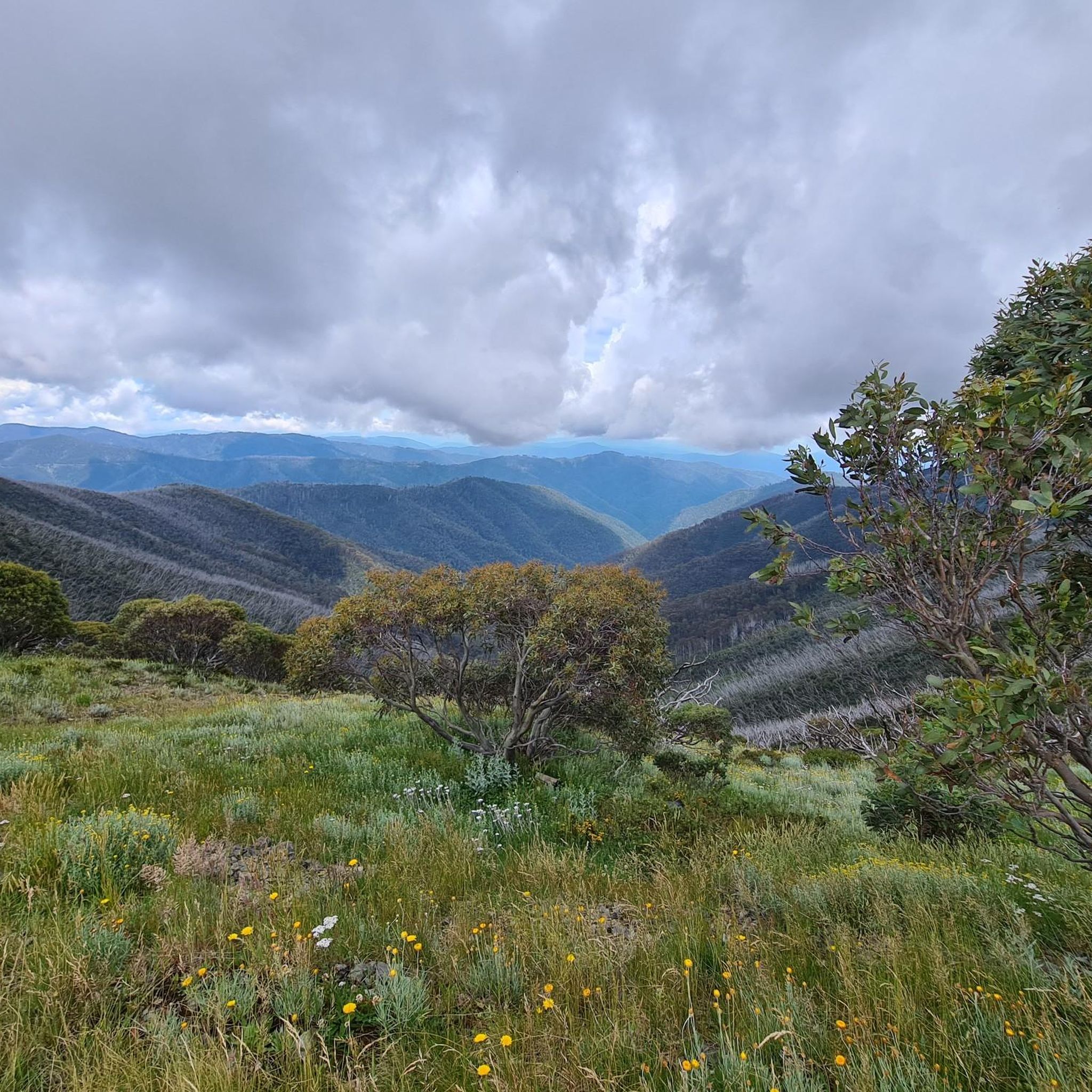
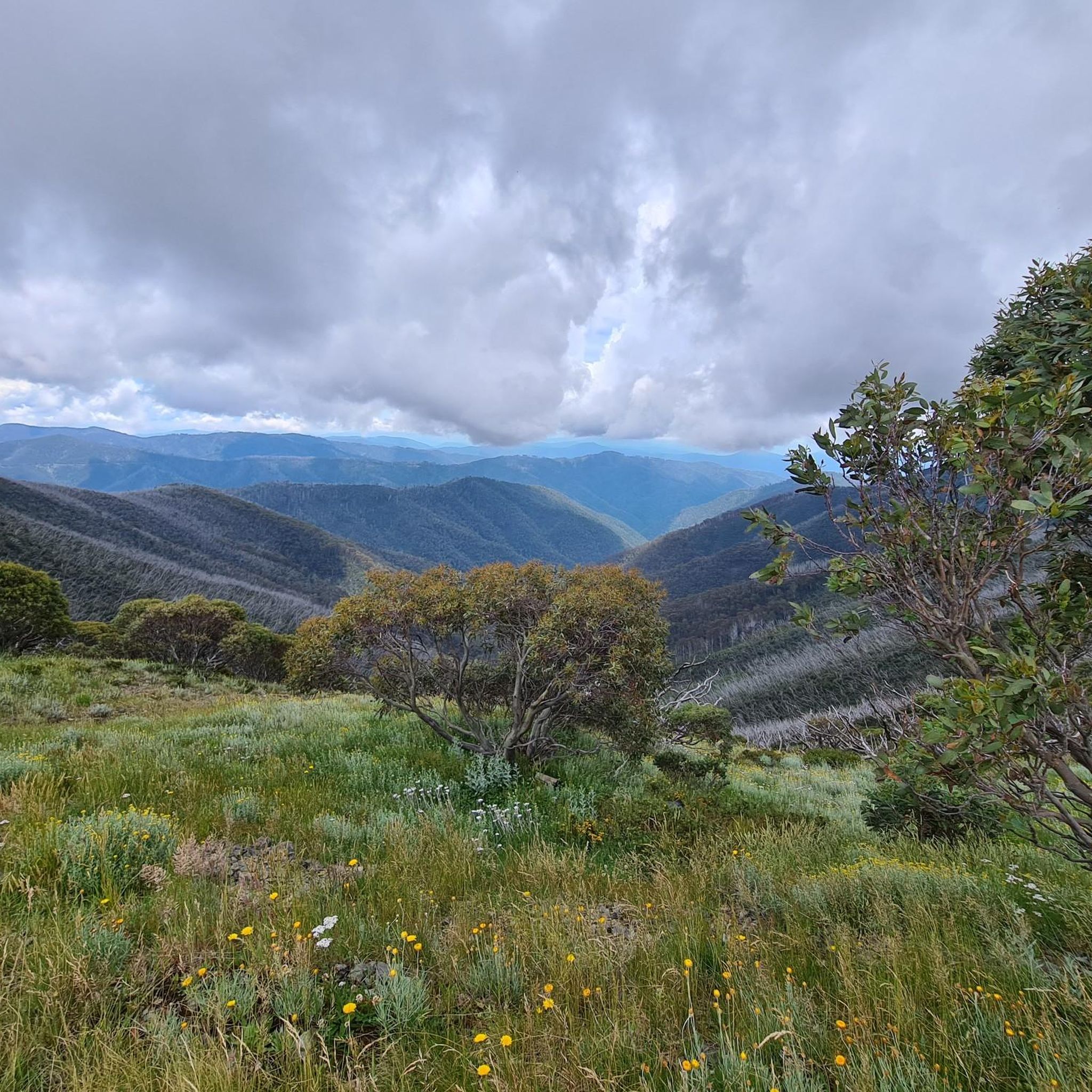
The Razorback Track is one of Victoria’s most iconic alpine walks, traversing a narrow, high ridge between Mount Hotham and Mount Feathertop through Alpine National Park. It follows a wide, undulating ridgeline with expansive views across the Victorian Alps and sections of snow gum woodland and alpine heath. The track is generally well-defined but exposed to the weather, making conditions highly changeable; walkers must be fit and prepared for rapidly varying conditions, with winter conditions requiring alpine experience.
0
0

1100m could take you above the snow line in winter.
0
0
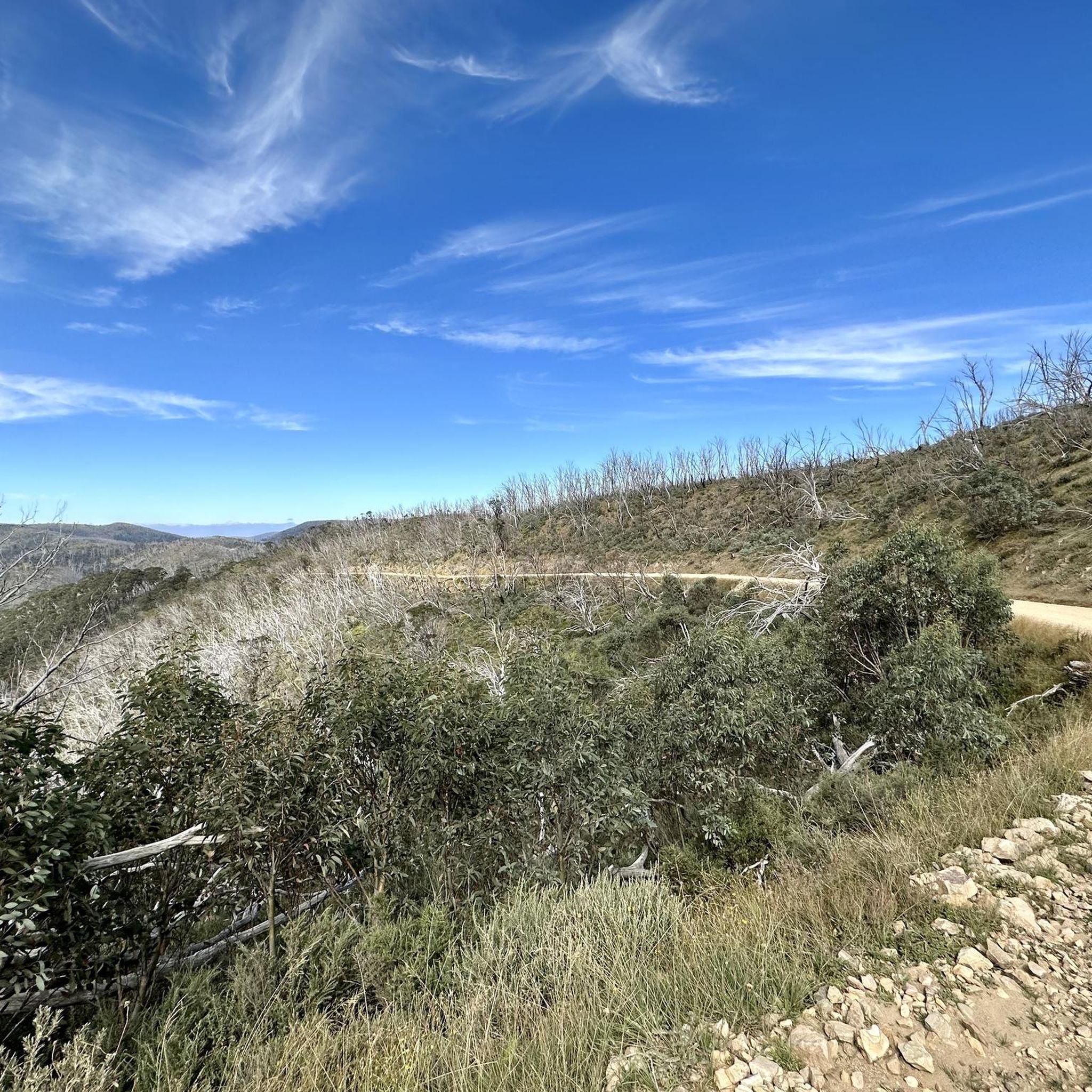
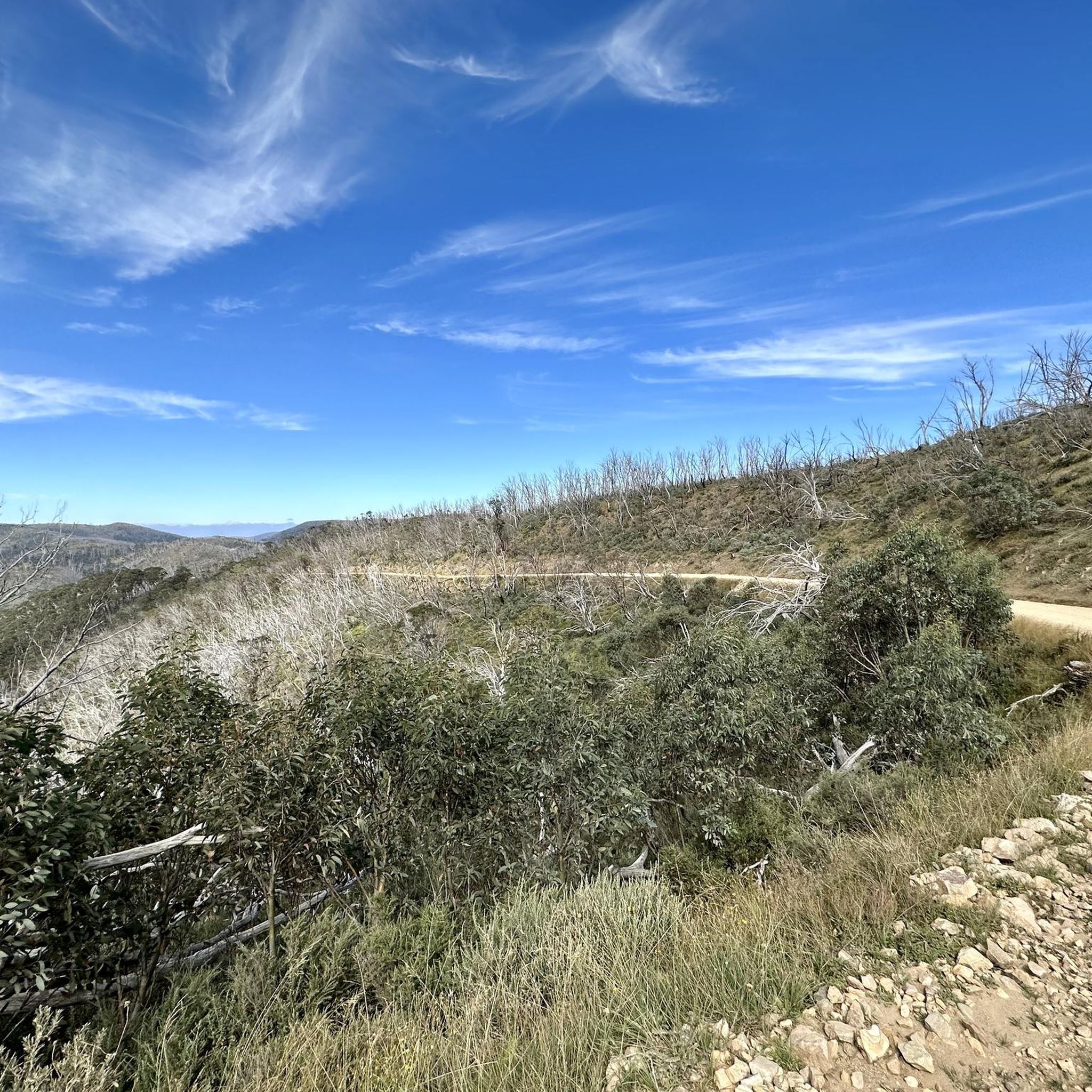
A 2 wheel drive road so it is do-able on a road bike (my bike had a 28mm on the front and a 26mm on the back). I have ridden the road 3 times on my roadie, twice with no flats and once with 3. Most of the road has a good surface but there are sections of rockier road with large bumpy sections that will give you a pinch flat if you take them too fast. The road is steep at times with 10% sections common. Coming out of Mt Beauty the climb is approx 10km long.
0
0

Via the Razorback trail, 10km each way over a magnificent alpine ridge at 1850m ASL.
1
0

The summit of Mount Loch is at 1887 metres and is the fourth highest mountain in Victoria, offering nice views over the Victorian Alps.
0
0
Frequently Asked Questions
What are some of the most challenging hikes in Alpine National Park?
For experienced hikers, the park offers several demanding routes. You can tackle the ascent to Mount Feathertop, Victoria's second-highest peak, often via the iconic Razorback Track from Mount Hotham. Another significant challenge is climbing Mount Bogong, Victoria's highest mountain, using the Eskdale Spur Track, which offers a steep and sustained ascent through varied terrain.
Where can I find the best panoramic views in Alpine National Park?
The park is renowned for its spectacular vistas. The summit of Mount Feathertop provides sweeping 360-degree views across the surrounding ranges. Similarly, Mount Loch Summit, the fourth highest mountain in Victoria, also offers excellent views over the Victorian Alps. The Razorback Track itself, connecting Mount Hotham to Mount Feathertop, is famous for its expansive views across the Great Dividing Range.
What kind of natural features can I expect to see in the park?
Alpine National Park boasts diverse ecosystems, from mountain ash forests and snow gum woodlands to alpine herbfields and grasslands. You'll find impressive waterfalls and dramatic gorges, particularly in the south-east, such as Moroka and Bryces Gorge. The park also encompasses the headwaters of many major rivers, offering opportunities for fishing. Keep an eye out for unique flora, including over 1,100 native plant species, and a variety of wildlife adapted to extreme climates.
Are there any historic sites or cultural points of interest in the Alpine National Park region?
Yes, the park and its surrounding areas are rich in history. You can explore numerous historic cattlemen's huts, such as Wallaces Hut and Cope Hut, scattered across the Bogong High Plains, which reflect the region's pastoral past. The area also has a strong connection to gold mining from the 1850s to 1900s, with relics visible in adjacent Historic Areas like Grant. The Australian Alps have also been home to Aboriginal people for thousands of years, leaving a rich cultural heritage.
What is the best time of year to visit Alpine National Park?
The best time to visit depends on your preferred activities. For hiking and enjoying wildflower displays, the warmer months from November to April are ideal. During this period, the Bogong High Plains are renowned for their summer wildflower blooms. For snow sports like skiing and snowboarding, winter (June to September) transforms the adjacent resorts like Mount Hotham into popular destinations, with opportunities for cross-country skiing and snowshoeing within the park.
What cycling opportunities are available near the attractions?
The region offers a variety of cycling experiences. For a challenging road bike climb, consider the Scrubby Creek–Trapper's Gap Dirt Road Climb, which features steep sections and can take you above the snow line in winter. For mountain biking, you can explore various trails, including those listed in the MTB Trails in Alpine National Park guide, with options ranging from moderate to difficult.
Are there any easy walking trails suitable for families in Alpine National Park?
While many trails are challenging, there are easier options available. You can find several easy hikes, such as the Federation Hut – Mount Feathertop Summit loop (a shorter section of the full summit trail) or the Bogong Rover Chalet loop, which are listed in the Easy hikes in Alpine National Park guide. These provide a gentler way to experience the park's beauty.
What wildlife might I encounter in Alpine National Park?
The park is home to a diverse range of animals adapted to its unique climate. You might spot threatened species such as the smoky mouse, broad-toothed rat, or the rare mountain pygmy-possum, the world's only exclusively alpine marsupial. Bogong moths are also prevalent on the high plains from November to April and are an important part of the ecosystem.
What is the Australian Alps Walking Track and does it pass through Alpine National Park?
The Australian Alps Walking Track is an epic 655 km long-distance trail that traverses the Alps from Walhalla to Canberra. Significant sections of this track do indeed pass through Alpine National Park, offering extensive multi-day hiking opportunities and connecting various points of interest within the park.
What activities can I do in Alpine National Park during winter?
In winter, the park and its adjacent areas transform into a snowy playground. While major downhill skiing and snowboarding resorts like Mount Hotham border the park, you can also enjoy cross-country skiing, snowshoeing, and ski touring within the park itself. The high peaks like Mount Feathertop are often snow-covered from June to September, offering a stunning winter landscape.
Are there any specific waterfalls or gorges worth visiting?
Yes, the park features several impressive waterfalls and dramatic gorges, particularly in its south-east corner. Moroka and Bryces Gorge hide stunning waterfalls, and the Bryce Gorge Circuit Walk offers breathtaking ravine views. Paradise Falls and Mountain Creek Falls are also notable natural attractions within the park.
Most popular routes in Alpine National Park

Get inspired with the komoot mobile app


Explore more
Still not found the Highlight you’re looking for? See guides of the top attractions in other regions:
