Stanley Park National Historic Site
Stanley Park National Historic Site
Top 3 Natural Monuments in Stanley Park National Historic Site
Best natural monuments in Stanley Park National Historic Site are located within a significant urban park in Vancouver, British Columbia. This area features a diverse landscape, including dense forests, a seawall, and various geological formations. It holds ecological significance as a habitat for wildlife and cultural importance with Indigenous history. The park offers a blend of natural features and historical elements, making it a notable destination for exploring nature.
Best natural monuments in Stanley Park National Historic Site
- The most…
Last updated: July 8, 2026
Siwash Rock (Slhx̱í7lsh)
Highlight • Natural Monument
Tip by

Lost Lagoon
Highlight • Lake
Translated by Google •
Tip by

Sign up now to discover places like this
Get recommendations on the best single tracks, peaks, & plenty of other exciting outdoor places.
Sign up for free
Giant Log Structure, Stanley Park
Highlight • Structure
Tip by

Siwash Rock and English Bay view
Highlight • Viewpoint
Tip by

Seven Sisters Replantation
Highlight • Natural Monument
Tip by

Start today with a free account
Your next adventure awaits.
Login or Signup
Popular around Stanley Park National Historic Site
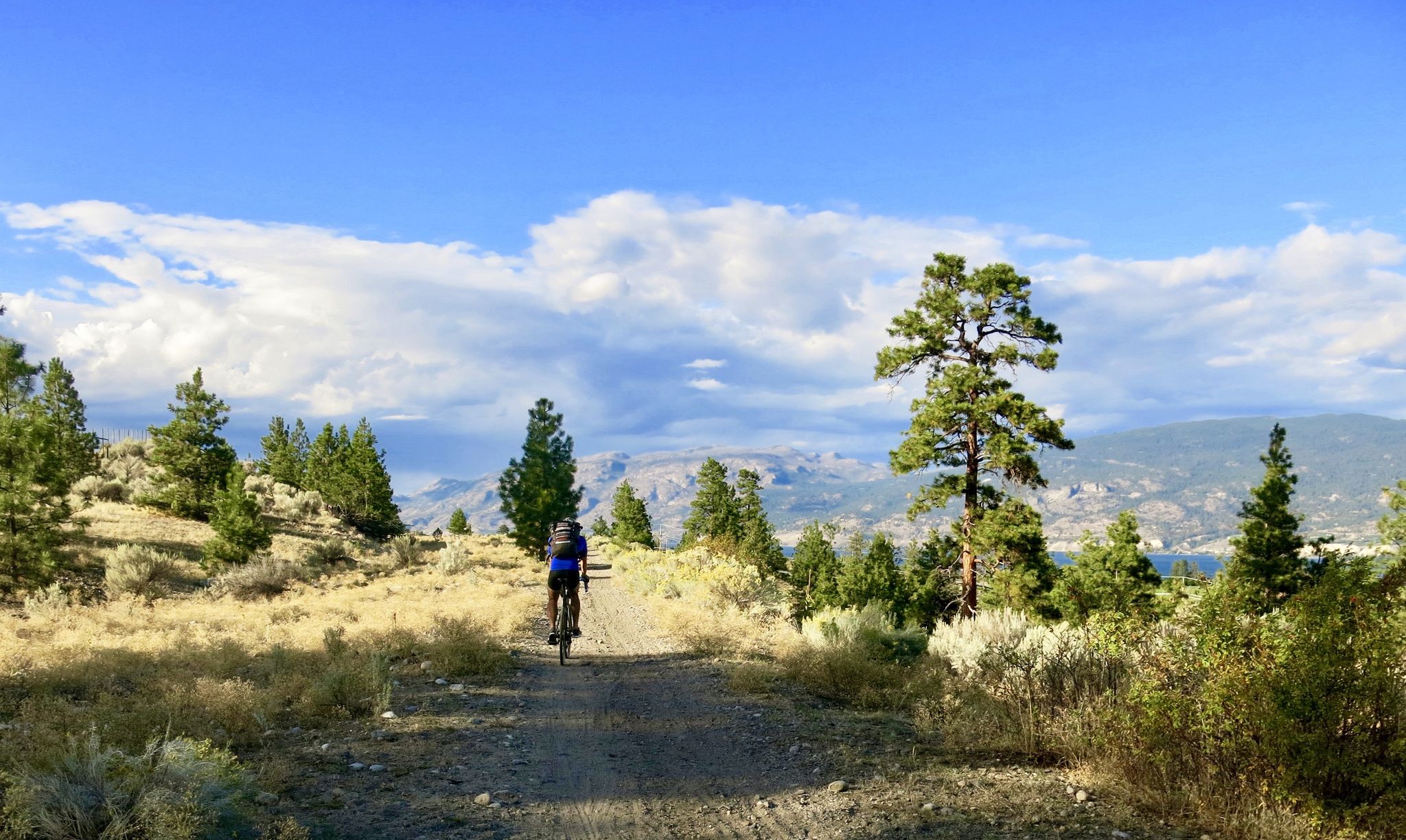
Vancouver roundtrip — Bikepacking British Columbia
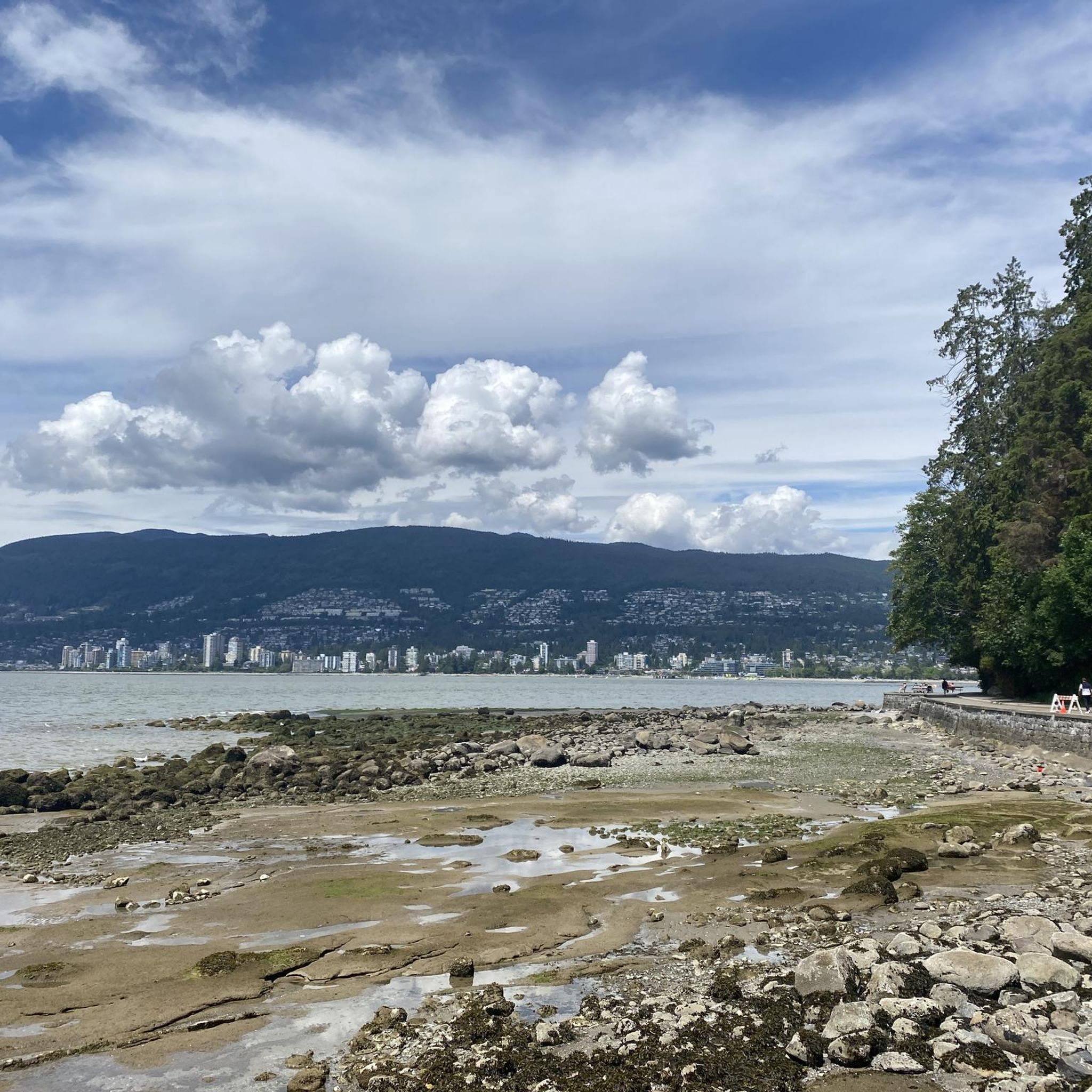
Running Trails in Stanley Park National Historic Site
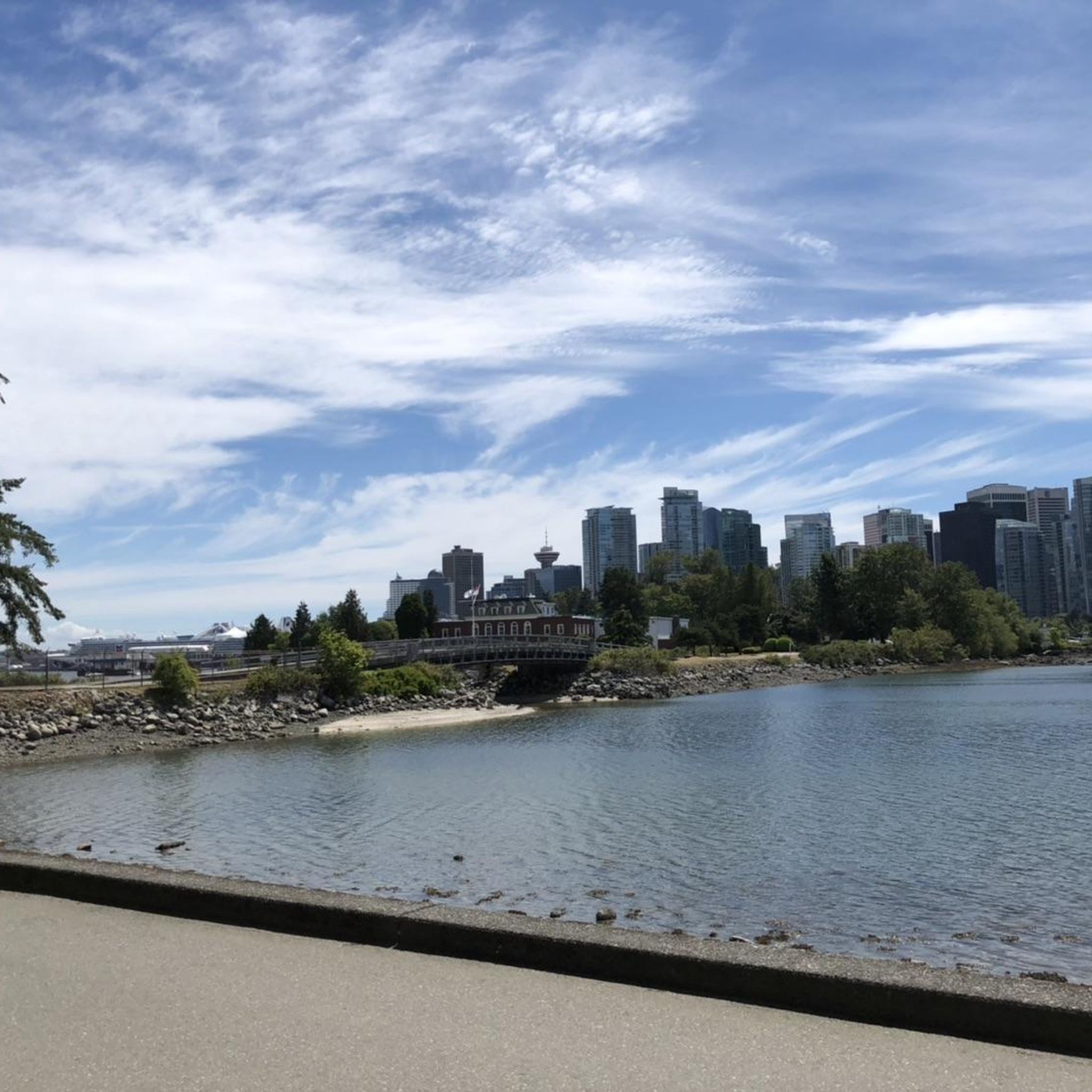
Hiking in Stanley Park National Historic Site
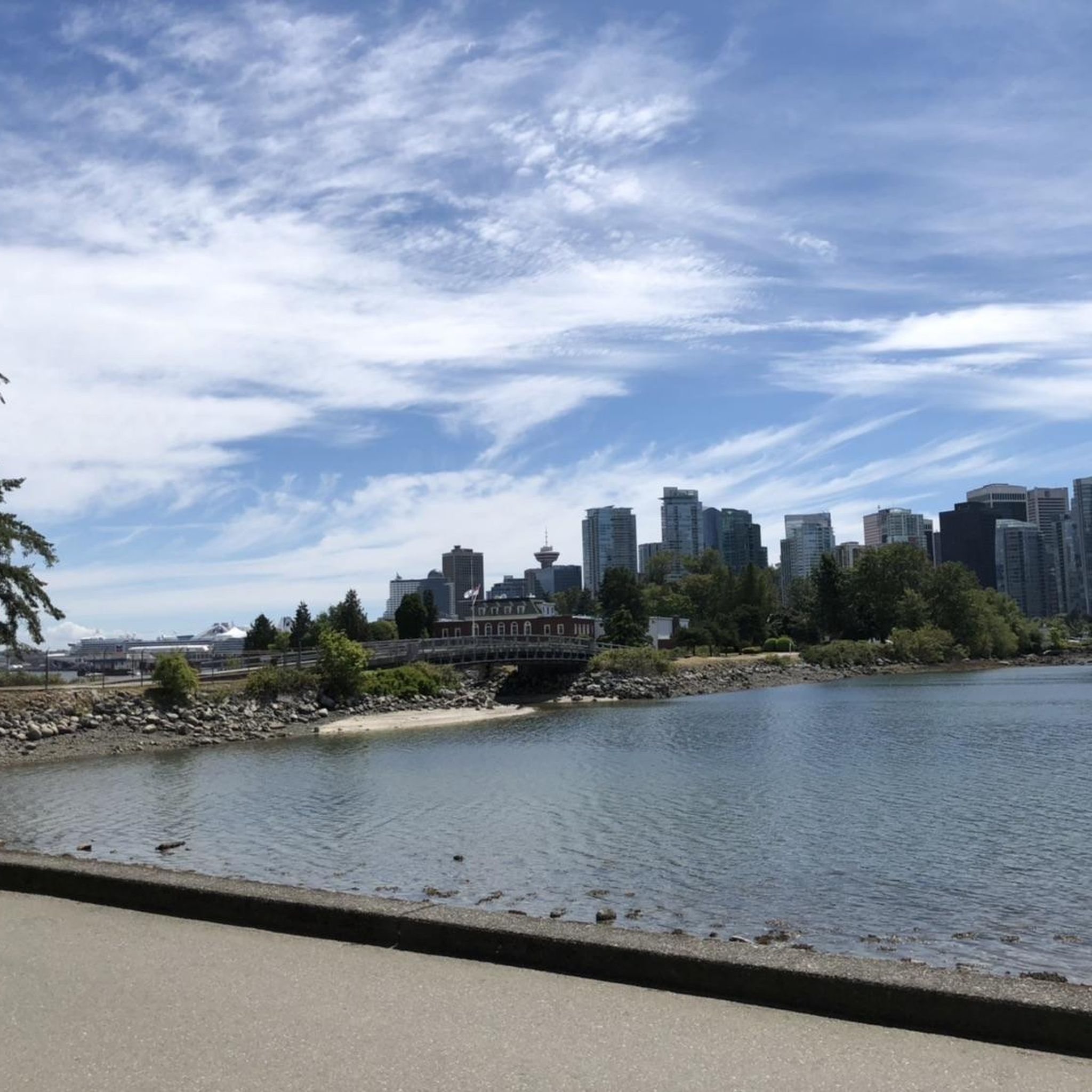
Cycling in Stanley Park National Historic Site
Road Cycling Routes in Stanley Park National Historic Site
MTB Trails in Stanley Park National Historic Site
Gravel biking in Stanley Park National Historic Site
Other adventures in Stanley Park National Historic Site

Tips from the Community

Siwash Rock is a dramatic sea stack rising just offshore beneath the park’s rugged sandstone cliffs, and is one of Vancouver’s most recognizable natural landmarks. Formed millions of years ago by a volcanic intrusion, it resisted erosion better than the surrounding rock, standing about 15–18 metres tall and is the only sea stack of its kind in the Vancouver area. The coastal forest backdrop, open water, and views across English Bay make it one of the most photographed spots along Stanley Park’s waterfront.
0
0

The Seven Sisters Replantation was a community-led effort focused on helping restore native plants and trees and improving trail conditions. This area was named after 7 tall trees that were cut down in the 50s. There is informational signage here to learn all about these giant trees and the 7 stumps that remain.
0
0

A great hike along the shores of Stanley Park in Vancouver. Beautiful views of the water and occasionally you can see sea lions swimming in the water.
1
0

First Nations chief suggests Slhx̱í7lsh as the new name for Stanley Park's Siwash Rock - https://www.cbc.ca/news/canada/british-columbia/stanley-park-siwash-rock-squamish-name-1.4352536
1
0

Wonderfully quiet place next to the hustle and bustle of the city nearby. Enjoy the view!
1
0
Wahshroom, Lavatory, Restroom or Toilet: Call them what you want, but they can make your life easier. So this can well be a Highlight!
0
0

The trees look for their platforms.
1
0

The 'Lost Logoon' was originally part of the port. The body of water was separated by road construction in 1916 and developed into a lagoon. Today the lake is home to many species of birds, turtles and other wildlife. https://stanleyparkvan.com/stanley-park-van-location-lost-lagoon.html 'The Lost Logoon' served as inspiration for the famous poem by Emily Pauline Johnson. https://www.legendsofvancouver.net/lost-lagoon-stanley-park-vancouver
2
0
Frequently Asked Questions
What are the most notable natural monuments to visit in Stanley Park National Historic Site?
Stanley Park is home to several significant natural monuments. Among the most popular are Siwash Rock (Slhx̱í7lsh), a striking sea stack with Indigenous legends, and Lost Lagoon, a tranquil freshwater lake known for birdwatching. Don't miss the historical Seven Sisters Replantation area, which tells a story of community restoration and ancient trees.
What natural features can I expect to see in Stanley Park National Historic Site?
Beyond the specific monuments, Stanley Park offers a rich tapestry of natural features. You'll encounter dense old-growth forests with towering Douglas firs and Western red cedars, serene lakes like Lost Lagoon, and the dramatic coastal formations around Siwash Rock. The park's biodiversity includes various bird species, and you might even spot a beaver dam at Beaver Lake.
What cultural or historical significance do these natural monuments hold?
Many natural monuments in Stanley Park are steeped in history and culture. Siwash Rock, for instance, is central to Squamish First Nations legend, representing 'Clean Fatherhood.' The Seven Sisters Replantation site commemorates a community effort to restore native plants and trees, highlighting the park's ongoing connection to its natural heritage and past logging activities.
Are there family-friendly natural monuments or activities in Stanley Park?
Yes, Stanley Park is very family-friendly. Many natural monuments, such as Siwash Rock and Lost Lagoon, are easily accessible and enjoyable for all ages. The Giant Log Structure is also a popular spot for families. The park's trails and viewpoints offer gentle walks suitable for children.
Are any natural monuments in Stanley Park National Historic Site wheelchair accessible?
Yes, the View of Siwash Rock from Stanley Park Seawall is wheelchair accessible, offering stunning views of this iconic sea stack. The Seawall itself is a paved path that provides access to many scenic points around the park, making it suitable for wheelchairs and strollers.
What outdoor activities can I do near the natural monuments in Stanley Park?
Stanley Park offers a wide range of outdoor activities. You can enjoy scenic walks and runs along the famous Seawall, which passes by monuments like Siwash Rock. The park also has numerous trails for hiking and cycling. For more detailed routes, explore the hiking guide for Stanley Park National Historic Site.
Are there hiking trails near the natural monuments in Stanley Park?
Absolutely. Stanley Park is crisscrossed with trails that lead to and around its natural monuments. The Stanley Park Seawall loop is a popular choice, offering views of Siwash Rock and the coastline. Other trails like the Bridle Path & Lovers Walk loop provide a deeper immersion into the park's forests. You can find more options in the hiking guide.
What do visitors enjoy most about the natural monuments in Stanley Park?
Visitors frequently praise the unique blend of natural beauty and historical significance. The dramatic geological formations like Siwash Rock, the peaceful atmosphere of Lost Lagoon, and the sense of ancient history found in the old-growth forests are often highlighted. Many appreciate the opportunity to connect with nature so close to an urban center.
How much time should I allocate to visit the natural monuments in Stanley Park?
The time needed depends on how many monuments you wish to see and your pace. A focused visit to a few key sites like Siwash Rock and Lost Lagoon, combined with a portion of the Seawall, could take 2-3 hours. To explore more extensively, including forest trails and other natural features, a half-day or full-day visit is recommended.
When is the best time to visit the natural monuments in Stanley Park?
Stanley Park's natural monuments are beautiful year-round. Spring and summer offer lush greenery, vibrant flowers, and warmer weather ideal for extended exploration. Fall brings stunning foliage colors, while winter provides a quieter, often misty atmosphere. The park can get busy on nice days, especially along the Seawall, so consider visiting during off-peak hours for a more serene experience.
Are there less crowded natural monuments or areas to explore in Stanley Park?
While popular spots like Siwash Rock can attract crowds, you can find quieter experiences deeper within the park's forest trails. Areas around Beaver Lake or the interior paths leading to the Seven Sisters Replantation site tend to be less frequented than the main Seawall, offering a more secluded natural encounter.
Most popular routes in Stanley Park National Historic Site
Most popular attractions in Stanley Park National Historic Site

Get inspired with the komoot mobile app


Explore more
Extend your search for the best caves by checking out these guides of the top ones in Stanley Park National Historic Site:
