Top 3 Caves around Freiensteinau
Best caves around Freiensteinau are situated in a region defined by its karst landscape, located between the Spessart and Vogelsberg mountains. This geological setting contributes to the formation of various underground natural features. The area's most notable cave, Teufelshöhle, is recognized as Hesse's oldest accessible show cave and a significant natural monument. Exploring these geological formations near Freiensteinau offers insights into the region's unique subterranean world.
Best caves around Freiensteinau
- The most popular cave is Teufelshöhle Steinau, a cave…
Last updated: June 29, 2026
Teufelshöhle Steinau
Highlight • Cave
Translated by Google •
Tip by

Himmelsberg Mine
Highlight • Historical Site
Translated by Google •
Tip by

Sign up now to discover places like this
Get recommendations on the best single tracks, peaks, & plenty of other exciting outdoor places.
Sign up for free
Mariengrotte Rommerz
Highlight • Religious Site
Translated by Google •
Tip by
Teufelshöhle Steinau
Highlight • Cave
Via the stairs directly at the entrance to the cave you can get to the further paths, for example to the mountain weir and the vineyards
Translated by Google •
Tip by

Cave opening from above
Highlight • Cave
Translated by Google •
Tip by

Start today with a free account
Your next adventure awaits.
Login or Signup
Popular around Freiensteinau
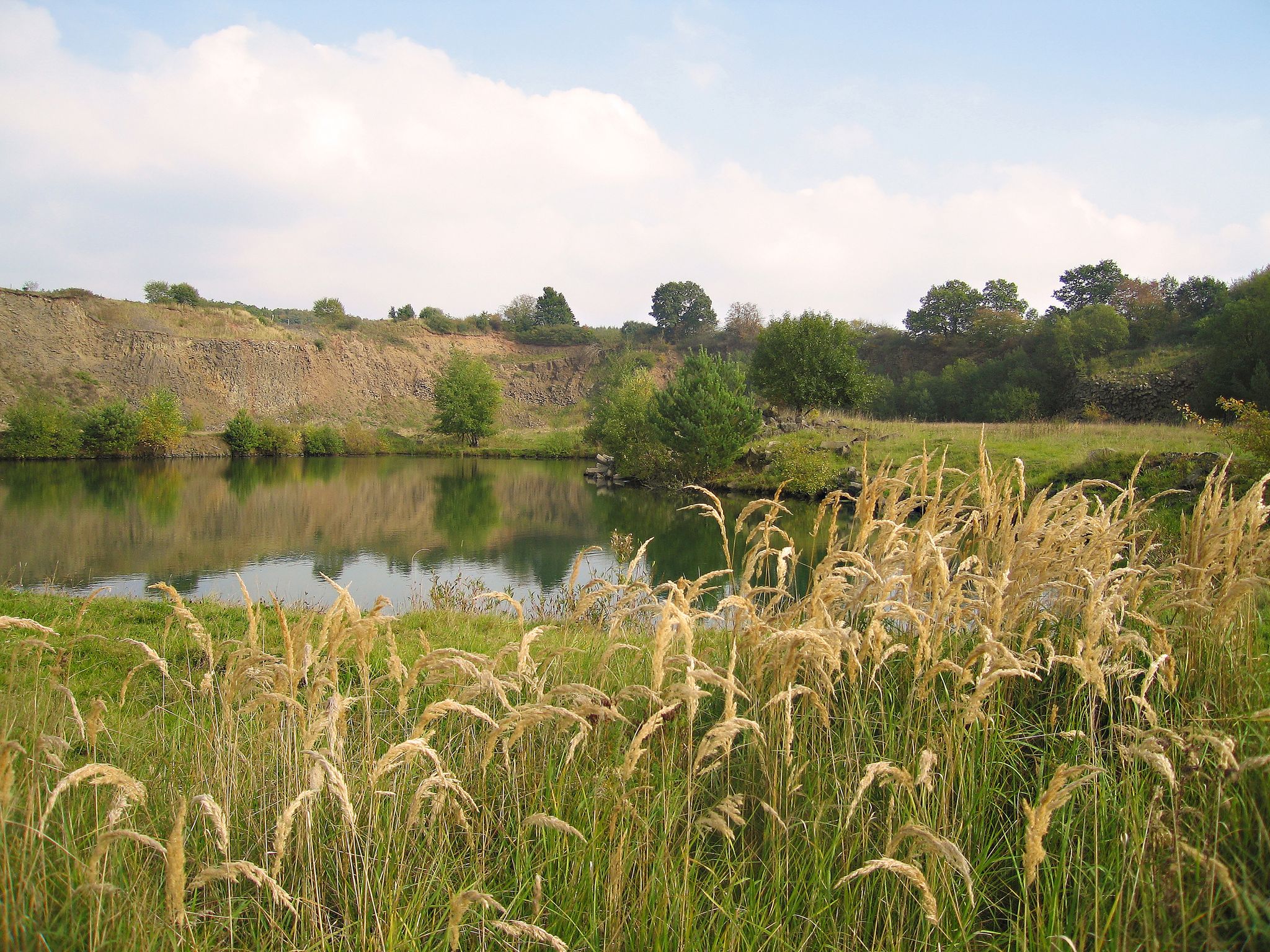
Geotours in the Vogelsberg Volcanic Region
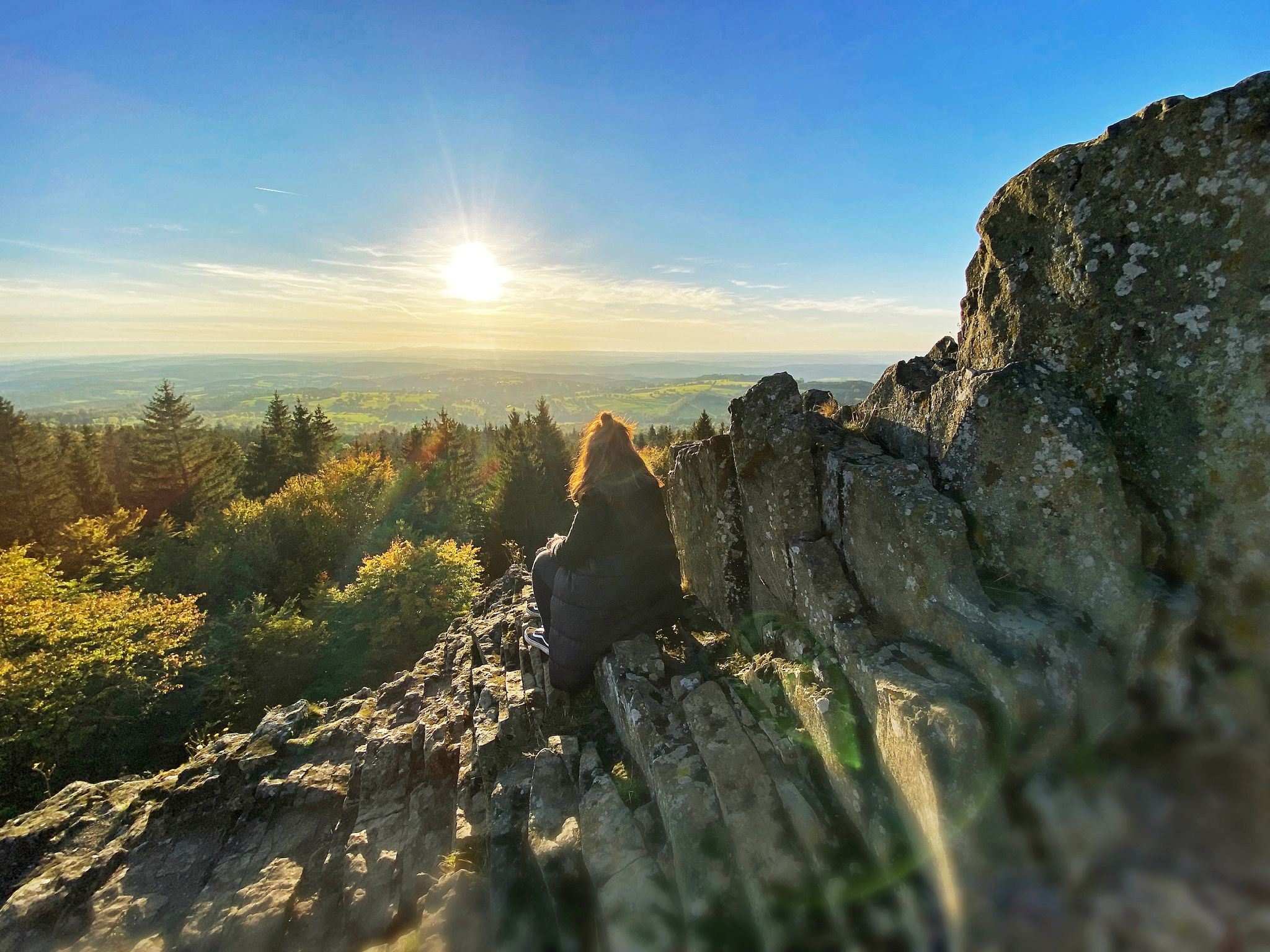
Where trails give you strength: Your hiking getaway in Vogelsberg
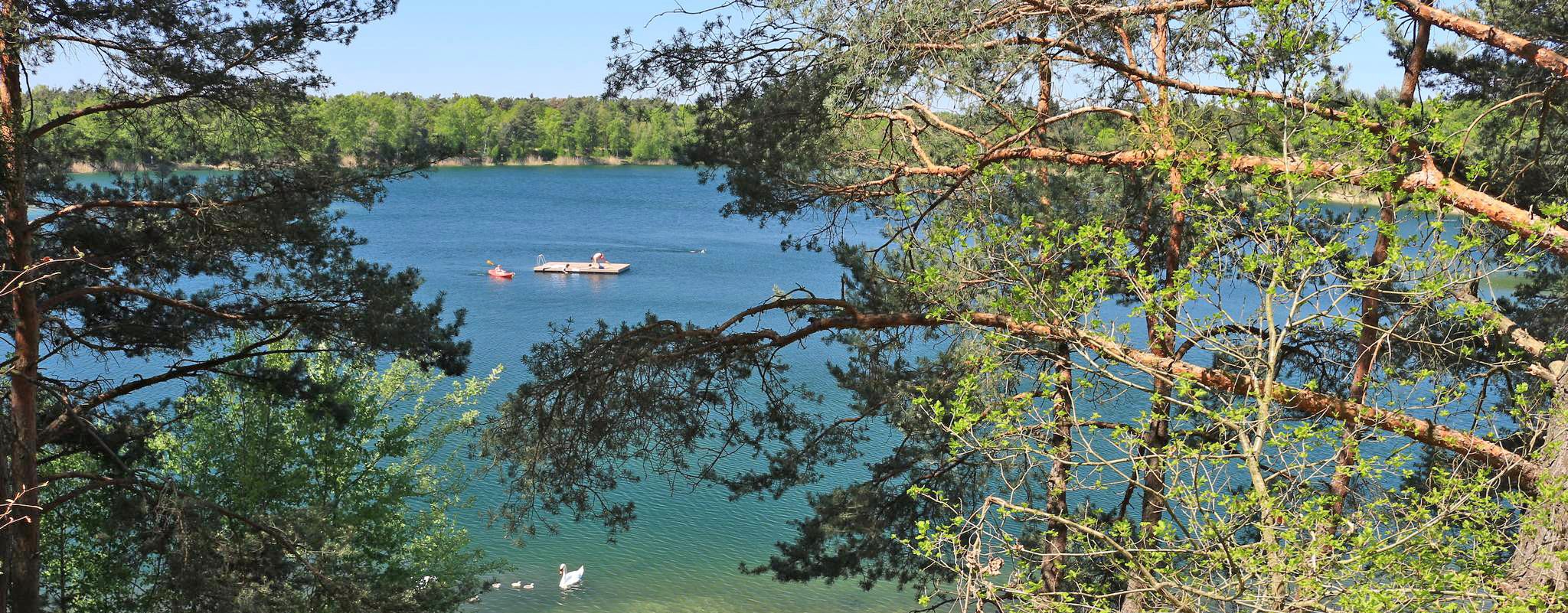
The most popular swimming lakes in Hesse
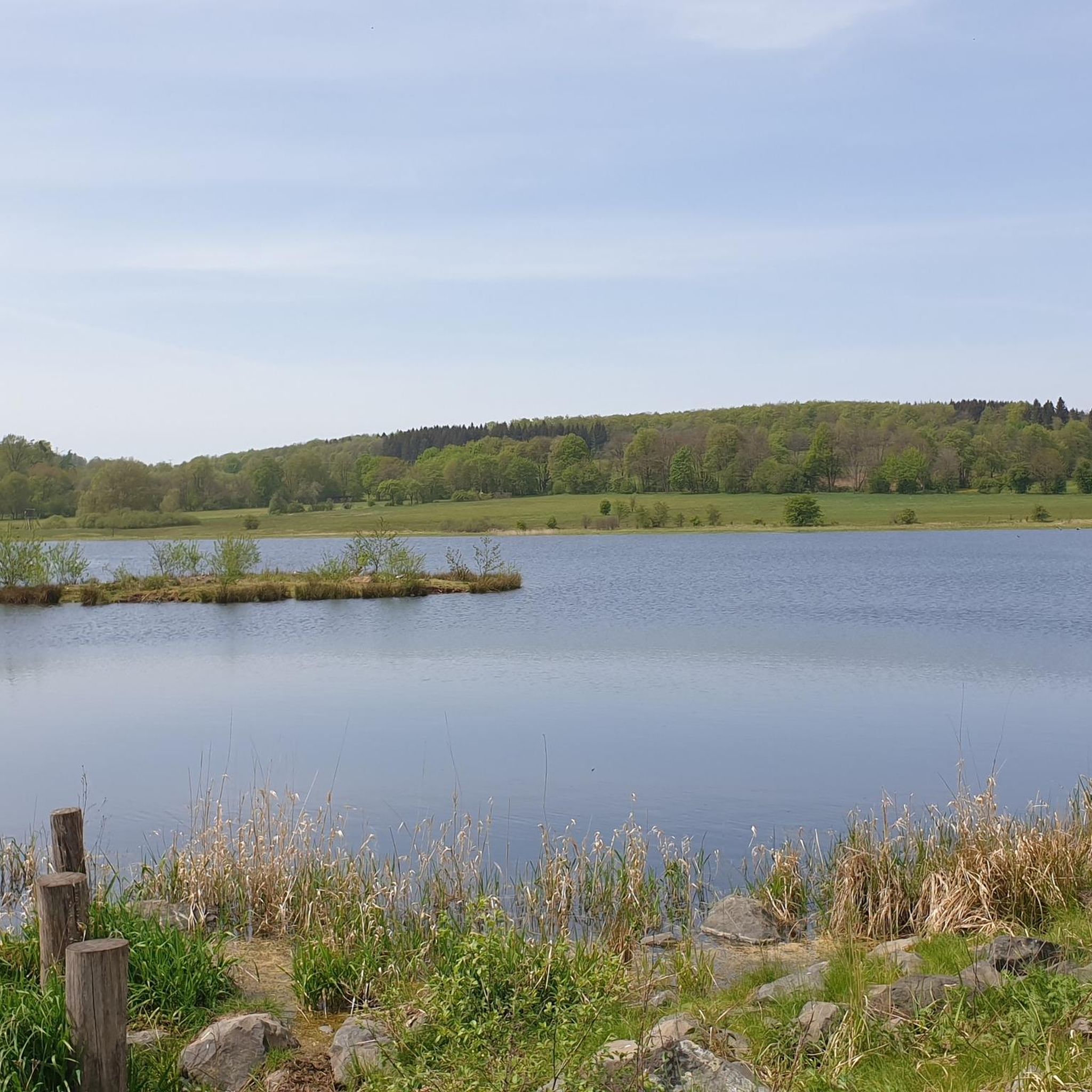
Hiking around Freiensteinau
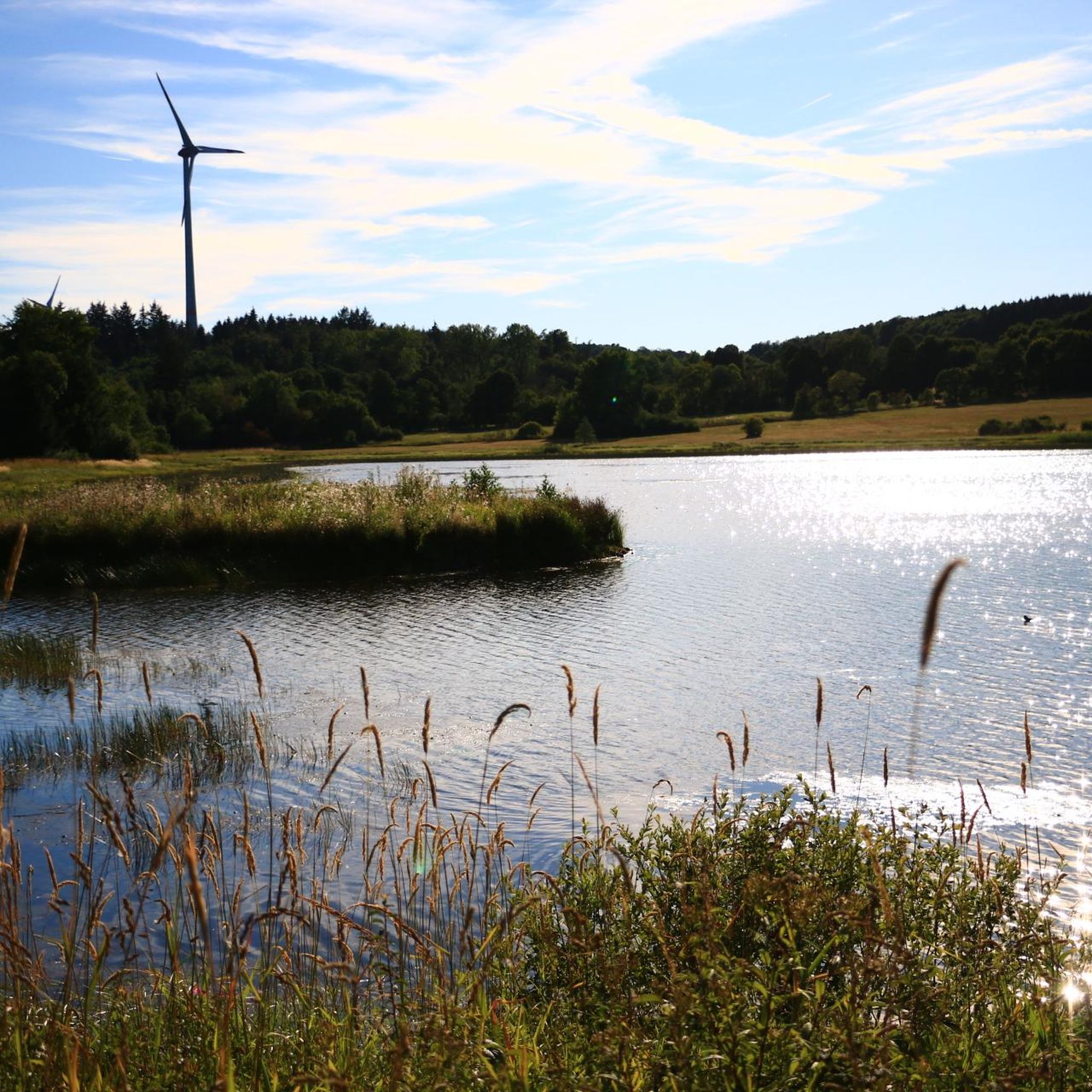
Cycling around Freiensteinau
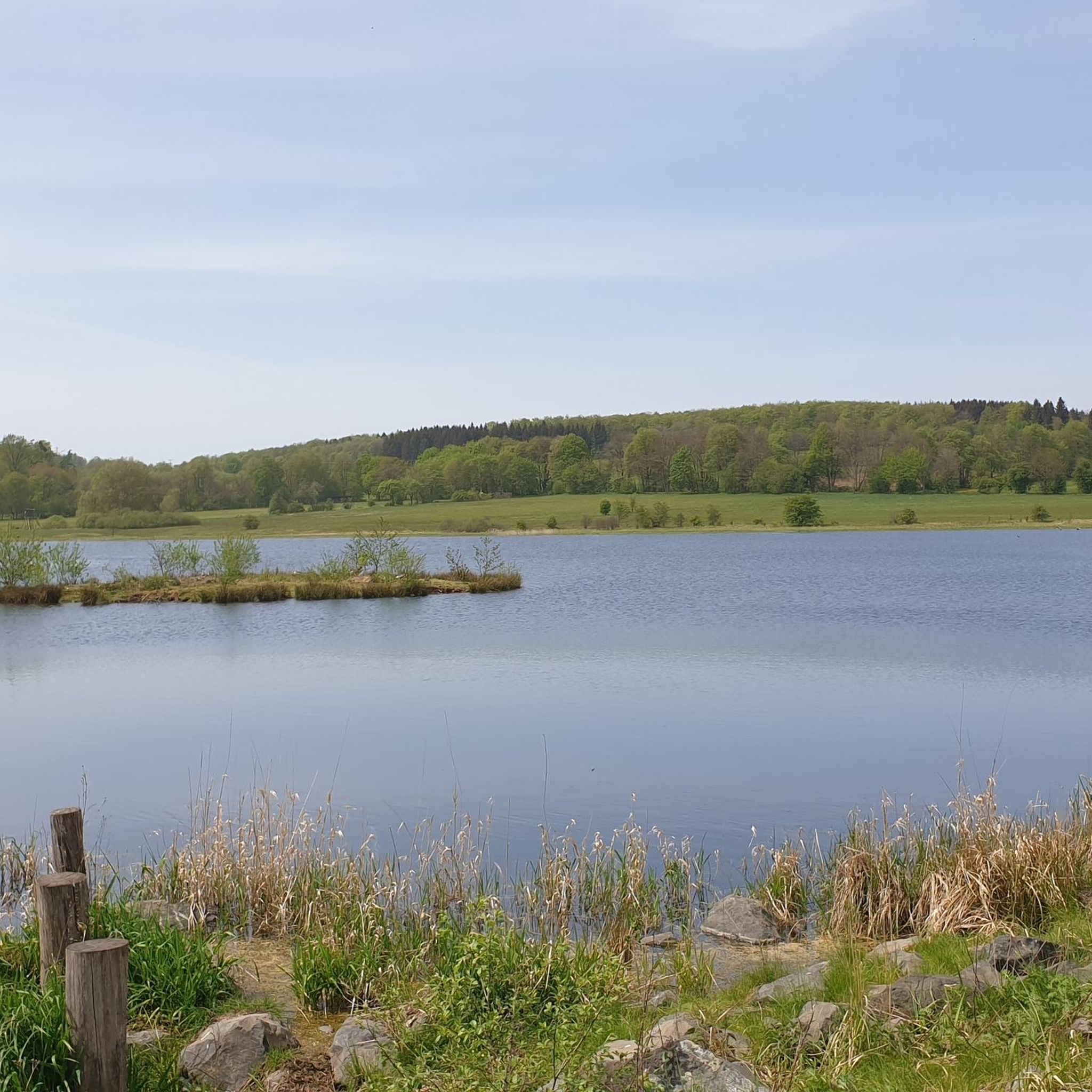
MTB Trails around Freiensteinau
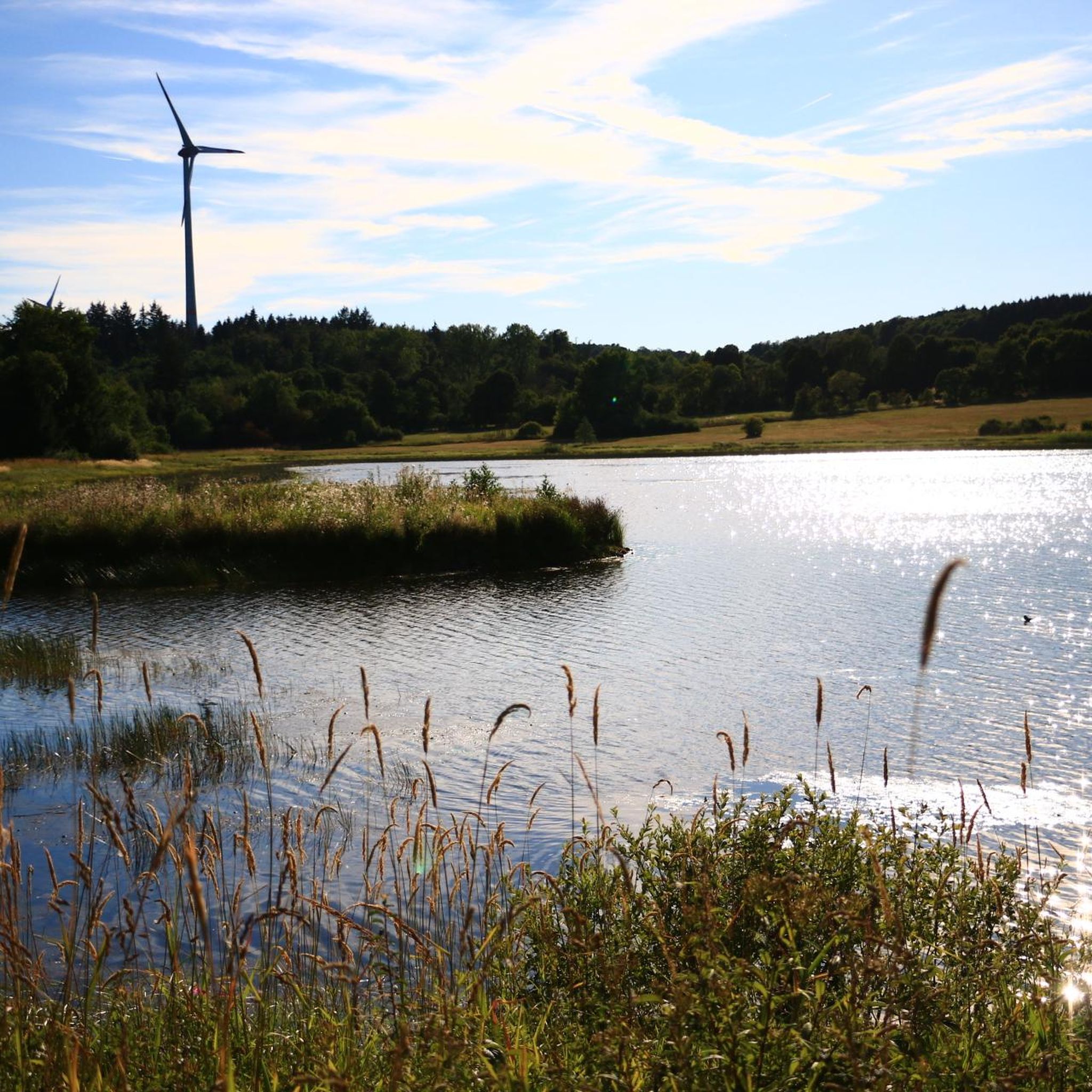
Running Trails around Freiensteinau
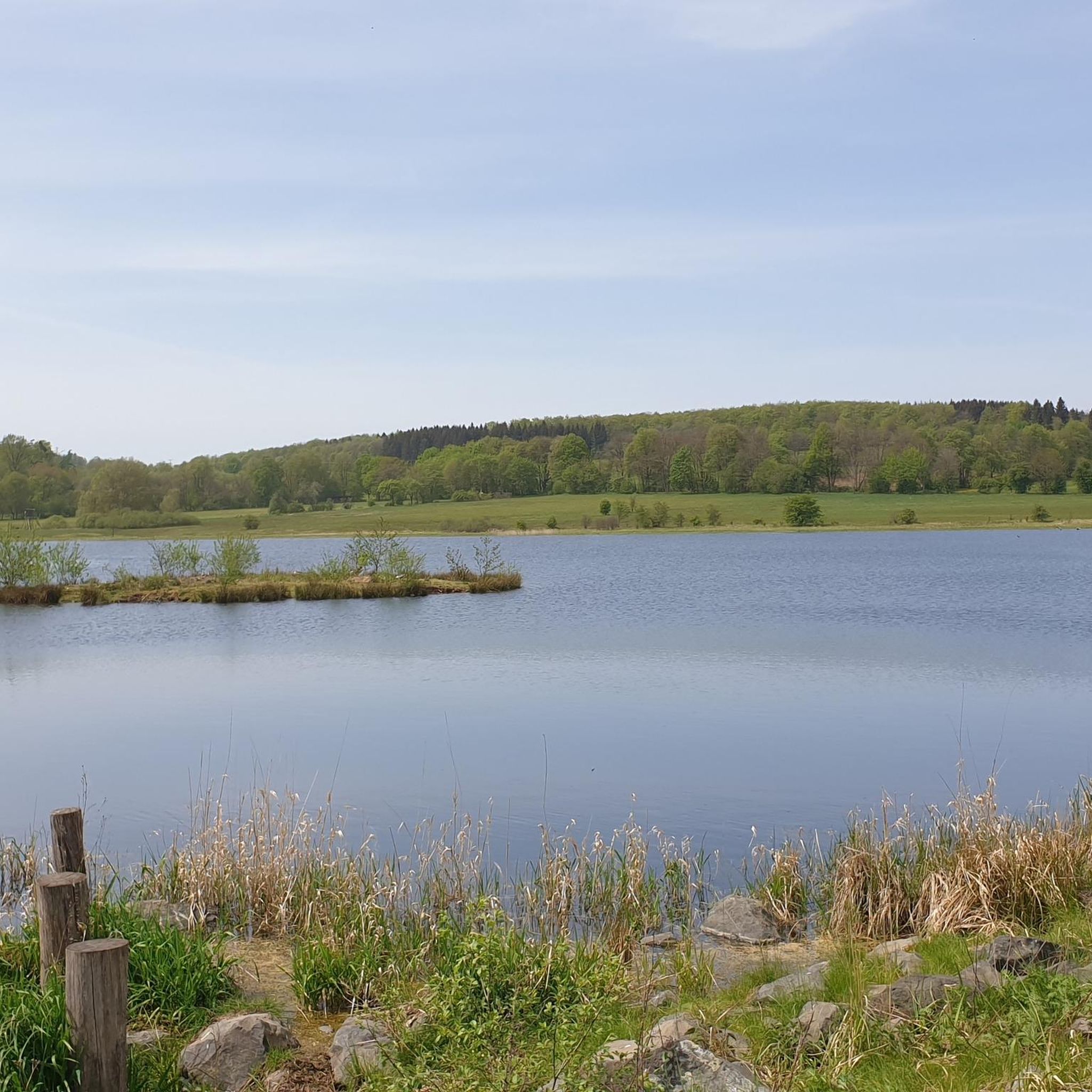
Road Cycling Routes around Freiensteinau

Gravel biking around Freiensteinau


Tips from the Community

The Steinau stalactite cave is not always open. However, it is very good for respiratory illnesses.
0
0

The spot, or rather the hole through which a cow fell back then, is well secured... This is probably how the cave was discovered in the first place.
0
0

Start of the Spessart trail "Steinauer Teufelshöhle and Bergweiher Trail"
0
0

The Rommerz Grotto is idyllically situated on the mountain and not far from a great wedding venue for ceremonies and weddings. From here you have a great view of the Rhön. 🏞️ #Rommerz #Grotto #DreamWedding #RhönView
0
0

Unfortunately not yet open at the moment... winter rest
14
0
A work of art that makes science come alive... that's what it says in the explanation of the basalt block
14
0

The mine was opened in the middle of the 19th century. At the height of the Himmelsberg, a shaft about 70 m deep was driven into the mountain, in which the coal was mined. In 1873 mining was stopped because there was little need for coal in the area due to the abundance of wood and little industry and transport to Fulda on bad roads was too expensive. The old, still existing mining tunnel, which now serves as a bat refuge, bears witness to the existing lignite deposits under the summit area. You can still see the overgrown driveways to the bottling plant and the plateau in front of the tunnel. The entrance to the site can still be seen in a deep cut.
1
0
Frequently Asked Questions
What are the main caves to visit near Freiensteinau?
The primary cave attraction in the vicinity of Freiensteinau is the Teufelshöhle (Devil's Cave) in Steinau an der Straße. It is Hesse's oldest accessible show cave, known for its impressive dripstone formations. Additionally, you can explore the historical Himmelsberg Mine, which now serves as a bat refuge, and the serene Mariengrotte Rommerz, a grotto with religious significance.
What unique geological features can I expect to see in the Teufelshöhle Steinau?
The Teufelshöhle Steinau is a dripstone cave, approximately 2.5 million years old, formed in Muschelkalk (shell limestone). You will see a variety of stalactites, stalagmites, and rare columns known as stalagnates. The cave also features uniquely named formations such as the 'devil's bathtub' and the 'Great Dome', which is the largest chamber.
Is the Teufelshöhle Steinau suitable for families?
Yes, the Teufelshöhle Steinau is considered family-friendly. It offers guided tours that are engaging for all ages, and visitors are provided with hard hats for safety. The cool, consistent temperature inside makes it a pleasant escape, especially during warmer months.
Are there any historical mines or tunnels accessible near Freiensteinau?
Yes, the Himmelsberg Mine is a historical site near Freiensteinau. This former lignite mine, active in the mid-19th century, features an old mining tunnel that now serves as a bat refuge. While the mine itself is not open for general exploration, the area allows you to see remnants of its past, including overgrown driveways and the entrance to the tunnel.
What is the best time of year to visit the Teufelshöhle Steinau?
The Teufelshöhle Steinau is typically open for visitors from April 20th to September 30th. During this period, guided tours are conducted regularly. The cave maintains a cool temperature of 7-11 degrees Celsius year-round, making it a refreshing visit during summer or a unique experience in spring and early autumn.
What should I wear when visiting the Teufelshöhle Steinau?
Given the consistent cool temperature of 7-11 degrees Celsius inside the Teufelshöhle Steinau, it is recommended to bring a jacket or warm layers, even on a warm day. Comfortable, closed-toe shoes are also advisable for navigating the cave paths.
How long does a visit to the Teufelshöhle Steinau typically take?
A guided tour of the Teufelshöhle Steinau lasts approximately 45 minutes. This duration allows ample time to explore the various chambers and formations while learning about the cave's history and geology.
Are there any health benefits to visiting the caves?
The Teufelshöhle Steinau features a 'Klimakammer' (climate chamber) at its deepest point. This area offers nearly dust-free and allergen-poor air with high humidity (98%), which can be beneficial for individuals with certain lung conditions.
What kind of wildlife can be found in the caves near Freiensteinau?
The Teufelshöhle Steinau is a crucial hibernation site for various bat species, including Bechstein's bat, whiskered bat, Daubenton's bat, Natterer's bat, long-eared bat, and the greater mouse-eared bat. An updated lighting system is in place to minimize disturbance to these protected animals.
What outdoor activities can I do near the caves around Freiensteinau?
The area around Freiensteinau offers various outdoor activities. You can find numerous cycling routes, including challenging options like the 'Historic Hartmannshain Bridge – Vulkanradweg loop' or easier ones like the 'Nieder-Mooser Pond – View of Nieder-Mooser Lake loop'. For hikers, there are family-friendly trails such as the 'Three Lakes Tour' and the 'Geology and Spirituality Geotour'. You can explore more options on the Cycling around Freiensteinau and Family-friendly hikes around Freiensteinau guide pages.
Is parking available near the Teufelshöhle Steinau?
Yes, parking is available near the Teufelshöhle Steinau. The cave is easily accessible by car, and visitors can find designated parking areas close to the entrance for convenience.
Most popular routes around Freiensteinau
Most popular attractions around Freiensteinau

Get inspired with the komoot mobile app


