Top 3 Castles in Chko Lužické Hory
Best castles in Chko Lužické Hory are found within the Protected Landscape Area, a region known for its diverse natural landscape of sandstone formations and forested hills. This area, part of the Lusatian Mountains, offers a blend of historical sites and natural beauty. The castles and their ruins provide insights into the region's past, often situated on strategic points with expansive views. Many are integrated into the natural rock formations, reflecting centuries of human interaction with the landscape.
Best castles…
Last updated: July 2, 2026
Tolštejn Castle Ruins
Highlight • Castle
The castle has been abandoned since 1607.
Translated by Google •
Tip by

Sokol Castle Ruins
Highlight • Castle
Translated by Google •
Tip by

Sign up now to discover places like this
Get recommendations on the best single tracks, peaks, & plenty of other exciting outdoor places.
Sign up for free
Mühlstein Rock Arch
Highlight • Natural Monument
Translated by Google •
Tip by

Summit and ruins of the Lusatian Mountains
Highlight • Summit
Translated by Google •
Tip by

Česká Kamenice Castle
Highlight • Castle
Translated by Google •
Tip by

Sign up for free to discover even more castles in Chko Lužické Hory.
Sign up for free
Already have an account?
Start today with a free account
Your next adventure awaits.
Login or Signup
Popular around Chko Lužické Hory
Other adventures in Chko Lužické Hory

Tips from the Community


The Millstone. A must-visit. A beautiful old castle complex.
0
0

beautiful challenging climb, rewarded with views of rare flora
0
0

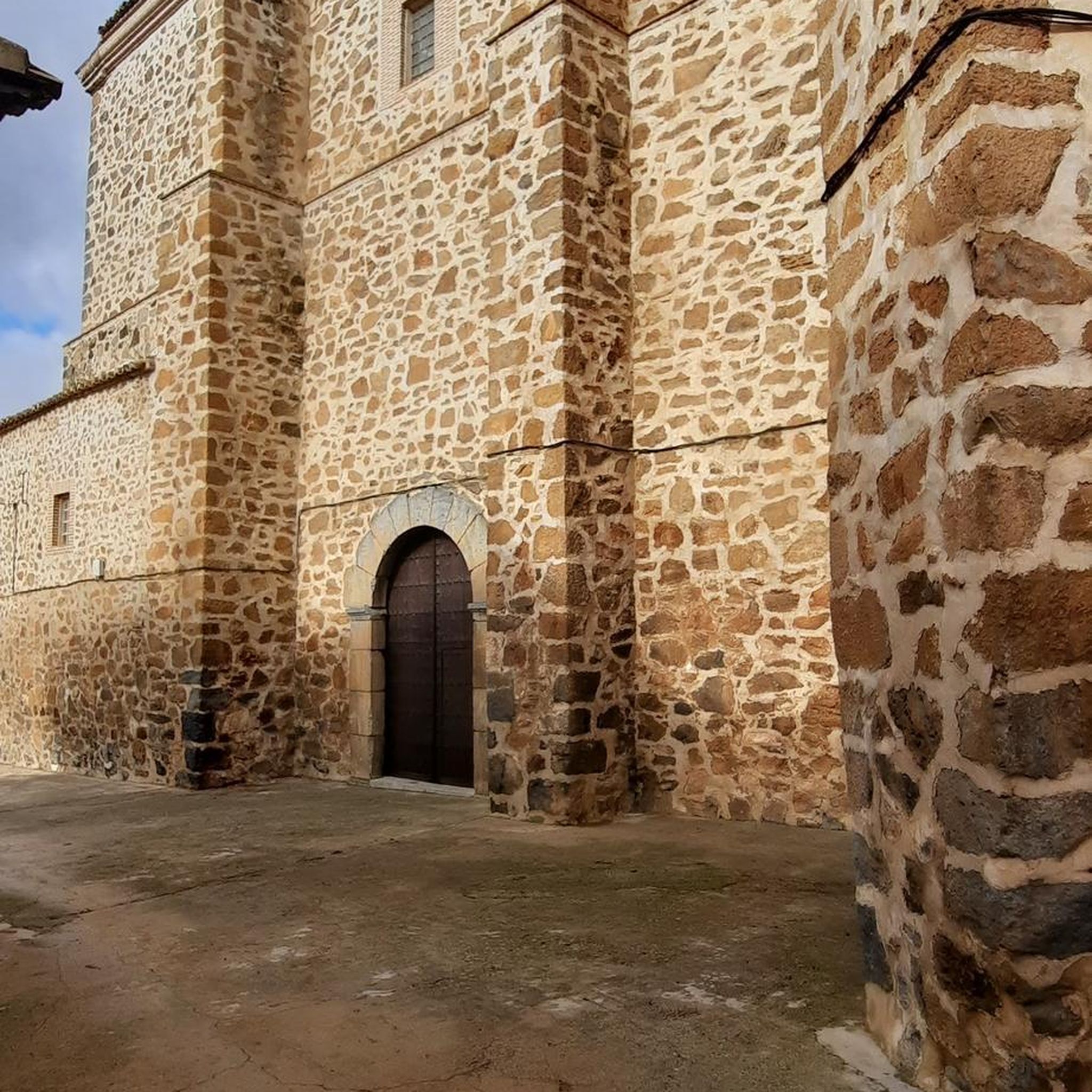
Construction probably began on the oldest part of the castle – the western castle building by Prokop of Vartenberk – around 1535. Completion of the construction is usually dated to 1541–1543. The castle area was finally renovated at the beginning of the 17th century. Under the first Kinsky (Vchynský) family, the south wing was added or built on its foundations. Notable examples include the late Baroque alterations, a covered walkway from 1792 connecting the castle to the church, which were modified at this time, and the buildings of the north wing. Major structural changes took place between 1847 and 1849. The work affected the south wing most, where older buildings were demolished. These Neoclassical alterations were overseen by master mason Ignác Dittrich. Above the entrance gate is a rectangular plaque with a sign reading "al'ance" (after the plaque at the entrance).
0
0

Very beautiful path over the peaks of the Lusatian Mountains.
0
0
. Milštejn (millstone) Inconspicuous remains of a castle stand on the remains of a rock made of quartzized sandstone, which was previously quarried as raw material for making millstones. There is an interesting rock gate and some smaller caves in the rock massif.
0
0
The exact date of the construction of Falkenburg Castle on the summit of Sokol is lost in history. The first mention of the castle occurs in 1415, when Albrecht von Dönis is documented as its owner. The castle likely served to protect the trade route from Zittau to Jablonné (German Gabel). Sokol (Falkenberg) seen from Petersdorf During the Hussite Wars, the Hussite garrison plundered the surrounding area. In 1431, the Upper Lusatian League of Six Cities destroyed the castle for the first time, but it was quickly rebuilt. In 1434, after the Battle of Lipan, the castle lords refused to reconcile with the League of Six Cities, whereupon Emperor Sigismund ordered the Zittau people to destroy the castle. In 1437, it was rumored that the castle had burned down due to their own carelessness. This fact is considered a ruse to prevent complete destruction. Nikolaus Falke von Lamberg later took over the already rebuilt castle before it was finally destroyed by the League of Six Cities in 1467. It served as a hideout for bandits for some time, but was already considered deserted by 1513. Today, only a few remnants of the ring wall and the foundations of the stronghold can be seen.
1
0
Frequently Asked Questions
What historical significance do the castles in Chko Lužické Hory hold?
The castles in Chko Lužické Hory are rich in history, reflecting centuries of strategic importance and architectural evolution. For example, Tolštejn Castle Ruins, first mentioned in 1337, protected trade routes, while Grabštejn Castle showcases transformations from a Gothic fortress to Renaissance and Baroque styles. Lemberk Castle is deeply connected to Saint Zdislava's legacy, and Oybin Castle and Monastery, though just across the German border, was significantly expanded by Emperor Charles IV.
Can I enjoy scenic views from the castles in Chko Lužické Hory?
Yes, many castles in the region offer breathtaking panoramic views. From Grabštejn Castle's round tower, you can see the tri-border area of the Czech Republic, Poland, and Germany. The View of the Tolštejn Castle ruins provides expansive vistas of the Lužické mountains and surrounding valleys. Oybin Castle and Monastery, perched atop a sandstone rock, offers dramatic views of the Zittau Mountains, and Sloup Castle's look-out terrace provides stunning views of the Lusatian Mountains.
Are there any unique architectural features among the castles in this region?
Absolutely. Sloup Castle is exceptional, being carved directly into a freestanding sandstone column, with rooms, a chapel, and a dungeon integrated into the rock. Lemberk Castle features the unique 'Fable Hall' with an intricately painted wooden tile ceiling from around 1610. Grabštejn Castle boasts the rare Renaissance Chapel of St. Barbara, adorned with 16th-century frescoes. Oybin Castle and Monastery is notable for its dramatic ruins set within sandstone formations, inspiring Romantic painters.
Are the castles in Chko Lužické Hory suitable for families with children?
Many castles in the region offer engaging experiences for families. Exploring the carved rooms and tunnels of Sloup Castle can be an adventure for kids. Grabštejn Castle often hosts cultural events and craft fairs, and its 'secret passage' can be exciting. The dramatic ruins of Oybin Castle and Monastery provide a fairy-tale ambiance that children often enjoy, especially with the unique rock formations.
What is the best time of year to visit the castles in Chko Lužické Hory?
The best time to visit the castles in Chko Lužické Hory is generally from spring to early autumn (April to October). During these months, the weather is pleasant for exploring ruins and enjoying outdoor views. Many castles also host cultural events and festivals during the warmer months. While some sites might be accessible in winter, facilities and opening hours may be limited, and paths could be icy.
What outdoor activities can I do near the castles in Chko Lužické Hory?
The region around the castles is perfect for outdoor enthusiasts. You can find numerous hiking trails, from easy walks to more challenging routes. For example, you can explore easy hikes in Chko Lužické Hory, including loops around Oybin Rock and Castle Ruins. The area also offers excellent opportunities for cycling and mountain biking, with routes like the Khaa Valley loop or trails near St. Anthony Church Hermsdorf.
Are there hiking trails around the castles?
Yes, the castles are often situated in scenic areas with excellent hiking opportunities. Lemberk Castle, for instance, is a great starting point for adventures in the surrounding Lusatian Mountains. Oybin Castle and Monastery is ideal for nature lovers and hikers, with trails leading through dramatic sandstone formations. You can find various hiking routes that incorporate castle visits, offering a blend of history and nature.
How long does a typical visit to a castle take?
The duration of a castle visit can vary depending on the site and your interest. For extensive ruins like Tolštejn Castle Ruins or Oybin Castle and Monastery, you might spend 2-3 hours exploring the grounds, viewpoints, and any on-site facilities like restaurants. Smaller sites or those with guided tours might take 1-2 hours. If you combine a visit with hiking, plan for a longer excursion.
Are there any castles in the region that are particularly well-preserved or restored?
Grabštejn Castle is notable for being one of the Czech Republic's most meticulously restored monuments, with ongoing efforts since 1989. It offers a captivating 'walk through the centuries' with furnished rooms. While Tolštejn Castle Ruins are extensive ruins, they are considered the best-preserved castle ruin in the Lusatian Mountains, providing a tangible link to medieval history.
Can I find food and drink options near the castles?
Yes, some castles offer on-site or nearby dining options. Uniquely, Tolštejn Castle Ruins has a restaurant that has been operating within the castle grounds since 1865. In the vicinity of other castles, you can often find local inns (hostinec's) or cafes in nearby villages, providing refreshments after your exploration.
What makes Lemberk Castle a unique visit?
Lemberk Castle stands out due to its deep connection with Saint Zdislava, whose room and well (believed to have healing properties) can be explored. Architecturally, it's a blend of early Gothic, Renaissance, and Baroque styles, with the 'Fable Hall' being a highlight with its intricately painted wooden ceiling. Its location in a protected natural area also makes it a great starting point for hiking in the Lusatian Mountains. You can learn more about its history on Wikipedia or VisitCzechia.
Are there any hidden gem castles or lesser-known sites worth exploring?
While the main castles are popular, the region also has lesser-known sites that offer a unique experience. Sokol Castle Ruins, for instance, offers remnants of a protective fortress dating back to 1415, providing a glimpse into its tumultuous past. Exploring these ruins can offer a more secluded and reflective historical experience.
Most popular routes in Chko Lužické Hory
Most popular attractions in Chko Lužické Hory

Get inspired with the komoot mobile app


Explore more
Looking for the best castles somewhere else? Discover other guides in Chko Lužické Hory:
