Top 4 Castles around Poço Do Canto
Best castles around Poço Do Canto are found in the surrounding region, as Poço do Canto itself is believed to have originated from an ancient fortified settlement on Monte de Santa Columba. This Poço Do Canto location offers panoramic views of the Douro and Serra da Estrela. The broader area, particularly within the municipality of Mêda and neighboring districts, features several notable medieval castles. These sites provide significant historical and architectural interest, making the region a destination for exploring ancient…
Last updated: June 27, 2026
Historic Village of Marialva
Highlight • Historical Site
Translated by Google •
Tip by

Castelo de Penedono
Highlight • Castle
Translated by Google •
Tip by

Sign up now to discover places like this
Get recommendations on the best single tracks, peaks, & plenty of other exciting outdoor places.
Sign up for free
Old Castle of Freixo de Numão
Highlight • Historical Site
Translated by Google •
Tip by
View of Marialva with its castle
Highlight • Castle
Translated by Google •
Tip by
Numão Castle and Café O Rústico
Highlight • Castle
Translated by Google •
Tip by

Start today with a free account
Your next adventure awaits.
Login or Signup


Tips from the Community

The Old Castle of Freixo de Numão is one of the most important archaeological sites in the northwest of the Iberian Peninsula, located in the municipality of Vila Nova de Foz Côa, Guarda District, Portugal. It is a prehistoric fortified settlement occupied from the Chalcolithic (around 3000 BC) to the Bronze Age (1300 BC).
4
0

Marialva is a jewel among Portugal's Historic Villages. High above, the castle watches over centuries of conquests and legends, while within the walls still echo the memory of kings, fairs, and battles. Strolling its cobblestone streets is like traveling back in time: from the keep to the Church of Santiago, every detail tells a story. Outside the walls, vineyards and flavors of Beira Alta complete the landscape: roast kid, sheep's cheese, and sweets that preserve the taste of tradition. Here, the village is experienced as much on foot as at the table.
3
0
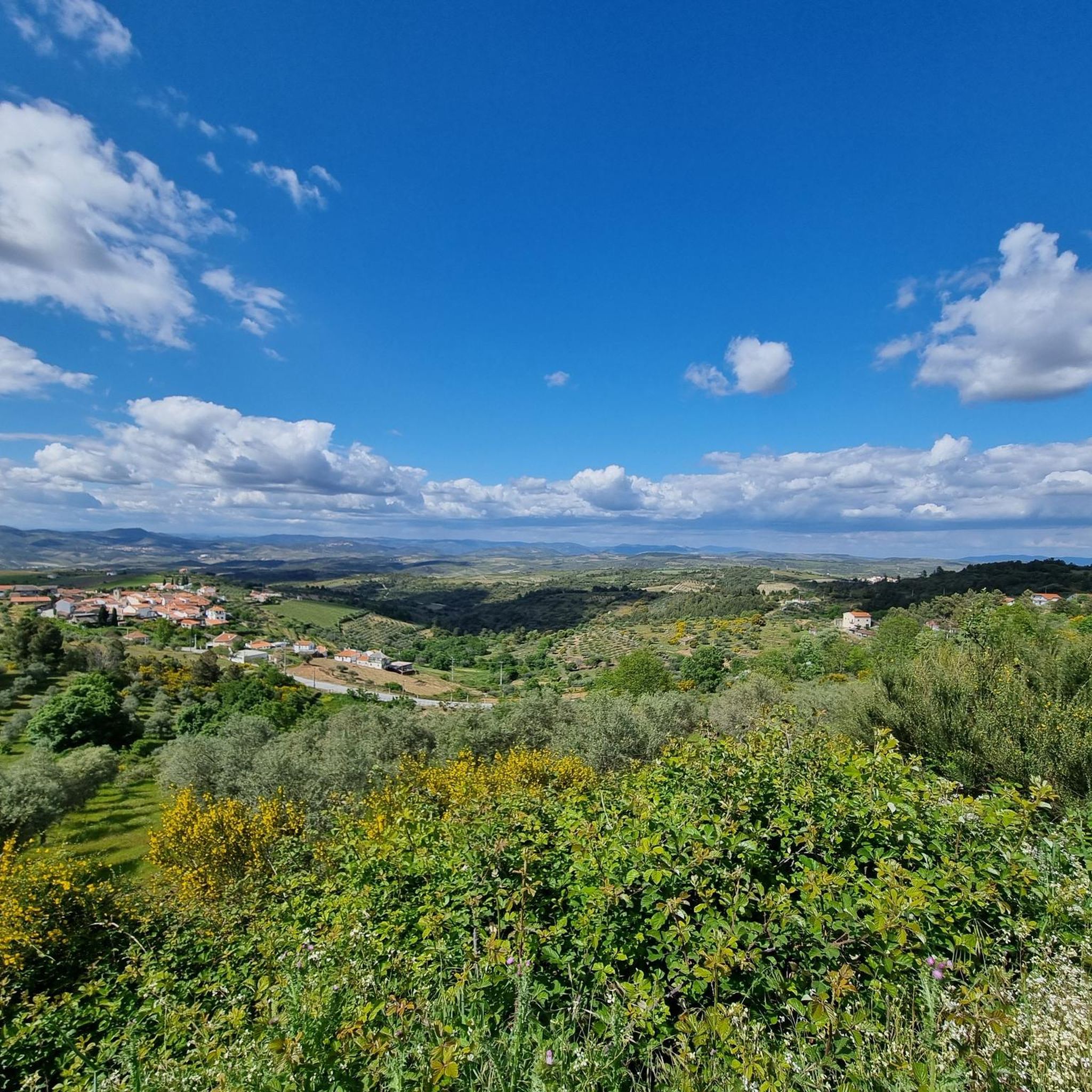
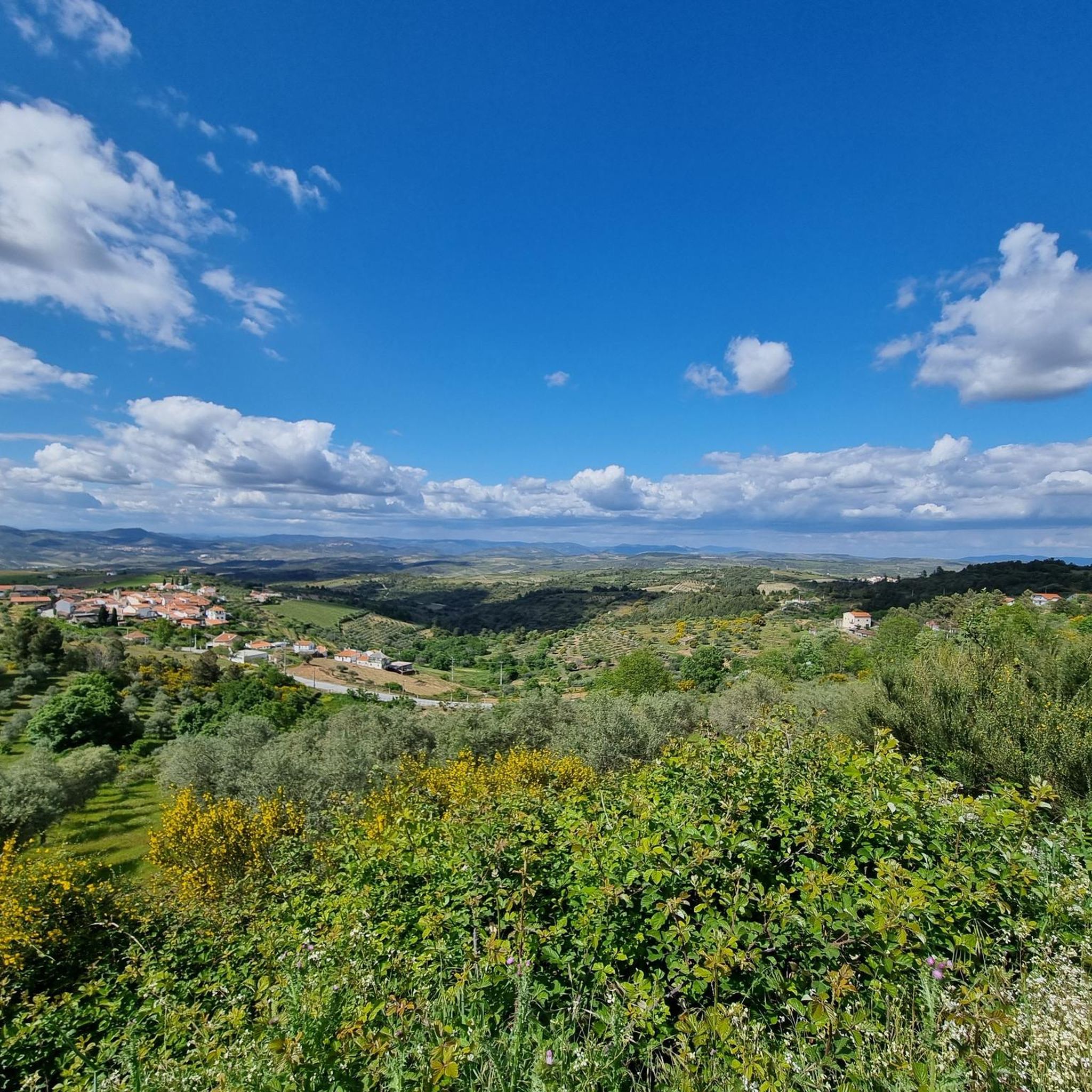
In the heart of the rolling plain, your gaze reaches Marialva. As you follow the national road, in the distance, high above, the castle stands imposingly, guarding the valley beneath.
1
0

In the village square of Numão, where the tour to the Douro (https://www.komoot.com/de-de/tour/2357567056) starts, there's not only a quaint bar, but it's also run by the friendly taxi driver Gerónimo, who can pick you up at the temporary end point of the tour, saving you a rather tedious climb. You can arrange this here before starting or call 279 779 483. The medieval fortress is 1 km above.
0
0
Penedono Castle (Portuguese: Castelo de Penedono) is a medieval castle located in the parish of Granja, in the municipality of Penedono, Viseu District, Portugal. This castle, also known as Magriço Castle, dominates the town and combines elements of a defensive fortification and a stately home.
7
0
Frequently Asked Questions
What are the most historically significant castles near Poço do Canto?
The region around Poço do Canto is rich in medieval history. Notable castles include Marialva Castle, a 12th-century fortress within one of Portugal's "Aldeias Históricas"; Castelo de Longroiva, an important example of Templar military architecture with Romanesque and Gothic elements; Castelo de Penedono, known for its unique hexagonal shape and origins dating back to the 10th century; and Numão Castle, which stands on a site with prehistoric and Roman occupation.
Which castles offer the best panoramic views of the surrounding landscape?
For breathtaking vistas, Marialva Castle provides extensive views extending to the Serra da Marofa. Castelo de Penedono, perched atop a rocky crest, offers spectacular views, especially at sunset. Numão Castle also boasts impressive panoramic views of the valleys and landscapes below.
Are there any family-friendly castles to visit near Poço do Canto?
Many of the castles in the region are suitable for families, offering open spaces for exploration and a glimpse into history. Marialva Castle, with its well-preserved medieval village, provides an engaging experience for all ages. Castelo de Penedono, with its distinctive turrets and free admission, is also a great option for a family outing.
What is the best time of year to visit the castles around Poço do Canto?
The best time to visit is typically during the spring (April to June) and autumn (September to October) months. During these periods, the weather is generally mild and pleasant for exploring the outdoor castle ruins and medieval villages. Summers can be very hot, while winters may bring colder temperatures and occasional rain.
How long should I allocate to explore a castle and its surroundings?
For most castles, you should plan to spend 1 to 2 hours exploring the fortress itself and its immediate grounds. However, for sites like Marialva Castle, which includes a historic village, you might want to allocate half a day to fully experience the cobbled streets, churches, and local amenities.
Are there any cafes or restaurants near the castles?
Yes, you can find amenities near some of the castles. For example, in the village square of Numão, near Numão Castle, there is a quaint bar and café called O Rústico. The historic village of Marialva also offers local restaurants where you can enjoy traditional Beira Alta cuisine.
What outdoor activities can I do near these castles?
The region offers various outdoor activities. You can find numerous cycling routes, including challenging touring bicycle routes like the "Trancoso Historic Town Centre – Historic Village of Marialva loop" or moderate MTB trails such as the "Historic Village of Marialva loop from Mêda." For more details on routes, explore the Cycling around Poço Do Canto guide, the Road Cycling Routes around Poço Do Canto guide, or the MTB Trails around Poço Do Canto guide.
Is there parking available at the castles?
Parking availability varies by location. Generally, you will find parking areas in the villages or towns adjacent to the castles. For example, in Marialva and Penedono, there are usually designated parking spots within walking distance of the castle entrances. It's advisable to check local signage upon arrival.
What should I bring when visiting the castles?
Comfortable walking shoes are highly recommended, as many castles involve walking on uneven terrain, cobblestones, and climbing stairs. Sun protection (hat, sunscreen) is essential during warmer months, and a water bottle is always a good idea. A camera will allow you to capture the stunning views and historic architecture.
Are there any less-frequented 'hidden gem' castles worth visiting?
While Castelo de Penedono is well-regarded, it is often less frequented by international tourists compared to other Portuguese castles, making it feel like a hidden gem. Its unique hexagonal shape and picturesque setting offer a distinct experience. Castelo de Longroiva also provides a deep historical dive into Templar architecture without the larger crowds.
Can I explore the ancient origins of the region's fortifications?
Yes, the region has deep historical roots. While Poço do Canto itself doesn't have a traditional castle, it's believed to have originated from an ancient *castro* (fortified pre-Roman settlement) on Monte de Santa Columba. Furthermore, the Old Castle of Freixo de Numão is one of the most important archaeological sites in the Iberian Peninsula, with evidence of occupation from the Chalcolithic to the Bronze Age.
Most popular routes around Poço Do Canto
Most popular attractions around Poço Do Canto

Get inspired with the komoot mobile app


Explore more
Looking for the best castles somewhere else? Discover other guides around Poço Do Canto:
