The best cycling routes around Poço Do Canto
5.0
(1)
20
riders
5
rides
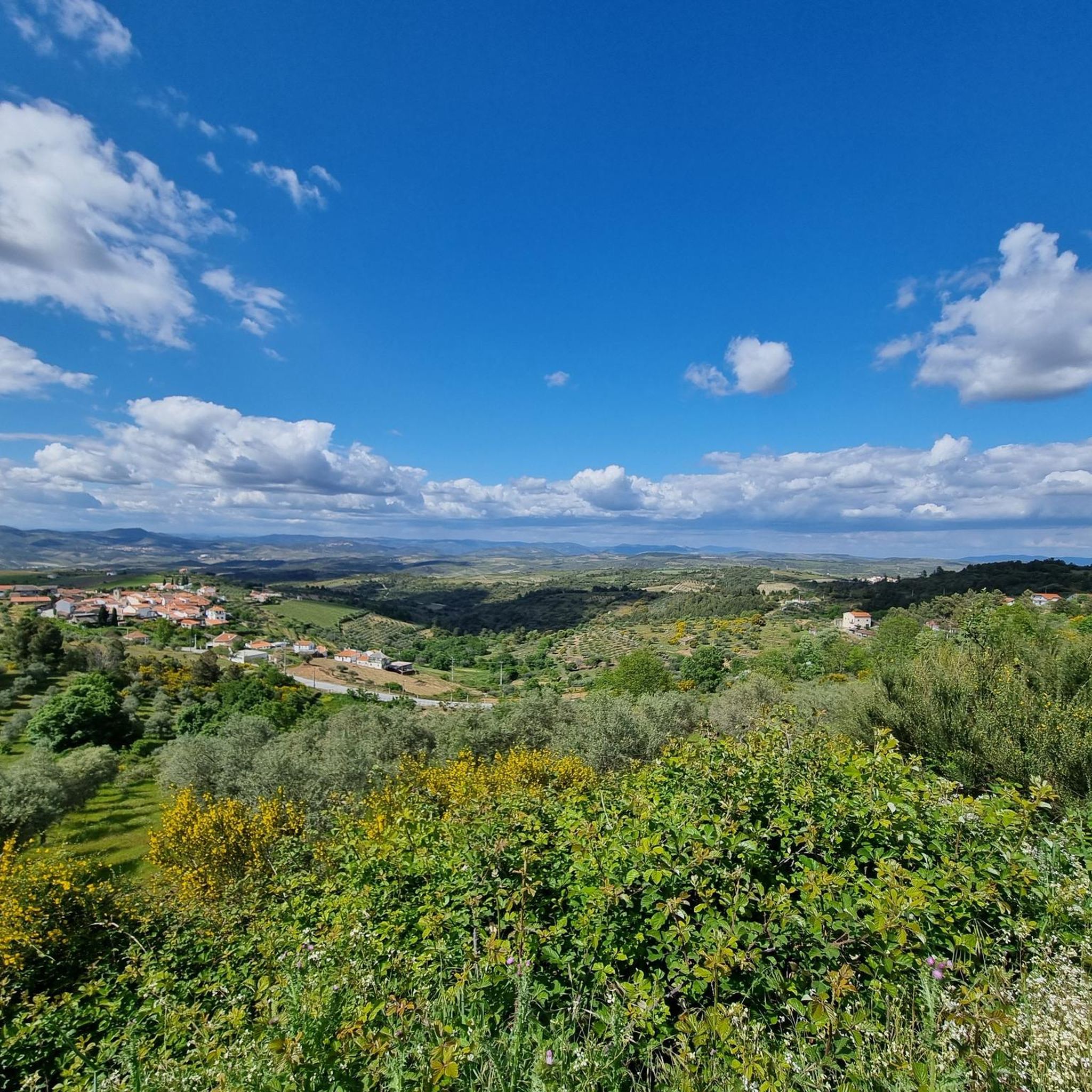
Touring cycling around Poço do Canto, Mêda, Portugal, traverses a mountainous transition zone featuring granite hills, wild scrubland, and pine forests, interspersed with fertile valleys. The region's topography offers a mix of rolling hills, steady climbs, and descents. Many routes feature mostly paved surfaces, with some unpaved segments. Proximity to the Douro Valley provides views of terraced vineyards.
Best touring cycling routes around Poço Do Canto
- The most popular touring cycling route is Trancoso Historic Town Centre – Historic Village…
Last updated: June 28, 2026
7
riders
Hard bike ride. Very good fitness required. Mostly paved surfaces. Suitable for all skill levels.
5.0
(1)
3
riders
37.5km
02:45
860m
860m
Hard bike ride. Very good fitness required. Mostly paved surfaces. Suitable for all skill levels.

Sign up for free
3
riders
Hard bike ride. Very good fitness required. Mostly paved surfaces. Suitable for all skill levels.
2
riders
22.9km
01:51
530m
520m
Hard bike ride. Very good fitness required. Mostly paved surfaces. Suitable for all skill levels.
3
riders
Hard bike ride. Very good fitness required. Mostly paved surfaces. Suitable for all skill levels.
Our route recommendations are based on thousands of hikes, rides, and runs completed by other people on komoot.
Start today with a free account
Your next adventure awaits.
Login or Signup
Popular around Poço Do Canto


Tips from the Community

Vila Nova de Foz Côa is a jewel of northern Portugal, located in the Guarda district of the Alto Douro region. It is known for its unique archaeological heritage, spectacular wine-growing landscapes, and its deep connection to history and nature.
3
0
The Old Castle of Freixo de Numão is one of the most important archaeological sites in the northwest of the Iberian Peninsula, located in the municipality of Vila Nova de Foz Côa, Guarda District, Portugal. It is a prehistoric fortified settlement occupied from the Chalcolithic (around 3000 BC) to the Bronze Age (1300 BC).
4
0

Amid granite boulders and echoes of ancient battles, Moreira de Rei rises, an eagle's nest crowned by ruins that still whisper stories of fleeing kings, noblemen, and armies that passed through here. A good example is its name, which dates back to the time when Moreira welcomed King Sancho II on his way to exile from Toledo. Beneath the old Romanesque church lies a proto-Christian necropolis, witness to centuries of faith. Between worn walls, Roman pavements, and Visigothic memories, the town preserves, in stone and silence, the grandeur of a past that has never ceased to pulse.
2
0
Marialva is a jewel among Portugal's Historic Villages. High above, the castle watches over centuries of conquests and legends, while within the walls still echo the memory of kings, fairs, and battles. Strolling its cobblestone streets is like traveling back in time: from the keep to the Church of Santiago, every detail tells a story. Outside the walls, vineyards and flavors of Beira Alta complete the landscape: roast kid, sheep's cheese, and sweets that preserve the taste of tradition. Here, the village is experienced as much on foot as at the table.
3
0
In the heart of the rolling plain, your gaze reaches Marialva. As you follow the national road, in the distance, high above, the castle stands imposingly, guarding the valley beneath.
1
0

Its ancient castle contrasts with the fears and fears experienced by the people of yesteryear. It was a border town, the scene of many important battles and struggles for the formation and independence of the kingdom. It received important privileges. D. Afonso Henriques granted it a charter and D. Afonso III the charter of Feira. D. Dinis ordered the construction of the walls that still protect a village where Christians and Jews lived together. The ring of walls that still surround the old medieval town, as well as the vast civil and religious architectural heritage, give the Historic Centre a unique image.
3
0
The Castle of Trancoso is erected atop a hill in the North-Easternmost extreme of the city of Trancoso, within the district of Guarda, Portugal. It is a castle build in between the 10th and 13th centuries, featuring towers and the characteristic walls inclined to the tower of Moorish connotations. From the primitive castle appears the walled fortress with five towers and an homage one, the walls featuring several gates as well. Among these, the Porta do Rei stands out the most for being flanked by two towers.
2
0

Frequently Asked Questions
What kind of terrain can I expect on touring cycling routes around Poço do Canto?
The region around Poço do Canto is characterized by a mountainous transition zone, featuring granite hills, wild scrubland, and pine forests, interspersed with fertile valleys. You'll encounter a mix of rolling hills, steady climbs, and exhilarating descents. While many routes feature mostly paved surfaces, some may include unpaved segments, adding variety to your ride.
Are there any circular touring cycling routes available in Poço do Canto?
Yes, several touring cycling routes around Poço do Canto are designed as loops. For example, you can explore the Trancoso Historic Town Centre – Historic Village of Marialva loop from Mêda, Outeiro de Gatos e Fonte Longa, which is a 60.7 km route connecting historic towns. Another option is the Longroiva Castle loop from Mêda, Outeiro de Gatos e Fonte Longa, covering 55.6 km and exploring the area around Longroiva Castle.
What are the difficulty levels of touring cycling routes in Poço do Canto?
All touring cycling routes currently listed for Poço do Canto are rated as 'difficult'. They often feature challenging climbs and varied terrain, making them suitable for experienced cyclists looking for a demanding ride. An example is the Campsite – Custoias Do Douro loop from Custóias, a 37.5 km trail through the Douro region.
What cultural and historical attractions can I see while cycling in the area?
The region offers several cultural and historical points of interest. You can visit the Historic Village of Marialva, explore the Old Castle of Freixo de Numão, or see the Numão Castle. The area also features the Prazo Archaeological Site, offering insights into the local heritage.
Are there any scenic viewpoints along the cycling routes?
Yes, the area boasts several panoramic viewpoints. The ancient castro of Monte de Santa Columba, near Poço do Canto, offers expansive vistas stretching across the Douro River towards Spain and southwards to the Serra da Estrela mountain range. You can also enjoy a stunning View of Marialva with its castle.
What is the best time of year to go touring cycling in Poço do Canto?
Given the region's climate, spring (April to June) and autumn (September to October) are generally the most pleasant times for touring cycling. During these seasons, temperatures are milder, and the natural landscapes, including the terraced vineyards, are particularly beautiful, offering ideal conditions for longer rides.
What makes the landscape around Poço do Canto unique for touring cyclists?
Poço do Canto's unique landscape for touring cyclists stems from its proximity to the Douro Valley, a UNESCO World Heritage Site. This means you'll cycle through dramatic terraced vineyards that cascade down hillsides, creating breathtaking scenic backdrops. The region's focus on viticulture and olive oil production also means you'll encounter a rich agricultural tapestry alongside granite hills and pine forests.
What do other touring cyclists say about the routes in Poço do Canto?
The touring cycling routes in Poço do Canto are highly rated by the komoot community, with an average score of 5.0 stars. Cyclists often praise the challenging terrain, the stunning views of the Douro Valley's terraced vineyards, and the opportunity to explore historic villages. Over 20 touring cyclists have used komoot to explore this varied region.
Can I find places to eat or stay along the cycling routes?
While specific cafes and accommodation directly on every route segment are not detailed, the region is dotted with historic villages and towns. These often provide opportunities for cultural exploration and include local eateries that serve regional specialties, including excellent 'palhete' type wine and high-quality olive oil. Larger towns like Mêda would offer more comprehensive amenities.
Are there any shorter touring cycling routes for a quicker ride?
While all routes are rated difficult, some are shorter in distance. For instance, the Marialva Castle Ruins – Historic Village of Marialva loop from Longroiva is 22.9 km and can be completed in under two hours, offering a challenging but more concise touring experience.
What kind of surfaces can I expect on the touring cycling routes?
The touring cycling routes around Poço do Canto primarily feature mostly paved surfaces, making them suitable for road biking. However, some routes may include unpaved segments, which can add an adventurous element for those with gravel or mountain bikes, or simply require careful navigation on a touring bike.
Most popular routes around Poço Do Canto
Most popular attractions around Poço Do Canto

Get inspired with the komoot mobile app


Explore more
Browse the best Cycling routes in other regions.
