Top 20 Natural Monuments in Albula
Best natural monuments in Albula are found within Graubünden, Switzerland, a region characterized by diverse landscapes and geological wonders. Many of these sites are located within Parc Ela, the largest nature park in Switzerland. The area features rugged gorges, alpine meadows, and significant geological formations shaped by tectonic activity and glacial erosion. These natural features provide opportunities for outdoor activities and an appreciation of Switzerland's natural environment.
Best natural monuments in Albula
- The most popular natural monuments is Zügenschlucht,…
Last updated: October 12, 2026
Zügenschlucht
Highlight (Segment) • Gorge
Translated by Google •
Tip by

Lai da Palpuogna
Highlight • Lake
Showing Translation
Tip by

Sign up now to discover places like this
Get recommendations on the best single tracks, peaks, & plenty of other exciting outdoor places.
Preda, in the heart of Parc Ela
Highlight • Settlement
The Parc Ela lies in …
Translated by Google •
Tip by

Lais da Flix (Flix Lakes)
Highlight • Lake
Showing Translation
Tip by

Triple watershed at Lunghin Pass
Highlight • Mountain Pass
Showing Translation
Tip by

Schaftobel Waterfall
Highlight • Waterfall
Translated by Google •
Tip by

Lai Neir (Black Lake)
Highlight • Lake
Translated by Google •
Tip by

Segantini Stone
Highlight • Monument
Translated by Google •
Tip by

Bergünerstein Gorge
Highlight • Gorge
Translated by Google •
Tip by

Brienz
Highlight • Settlement
Translated by Google •
Tip by

Sign up for free to discover even more natural monuments in Albula.
Already have an account?
Start today with a free account
Your next adventure awaits.
Popular around Albula
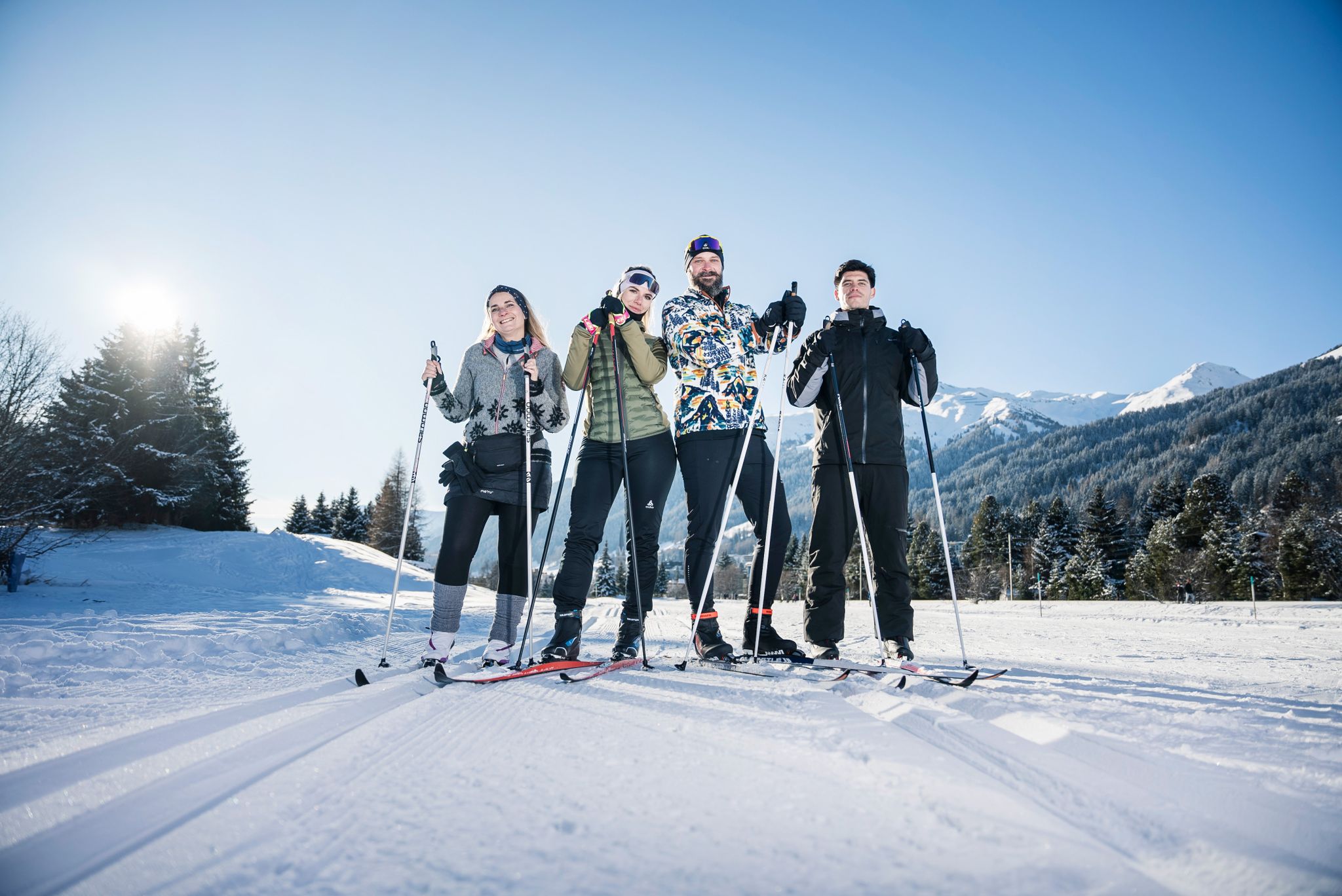
«Everyone runs long»: Cross-country ski trail tips from Graubünden
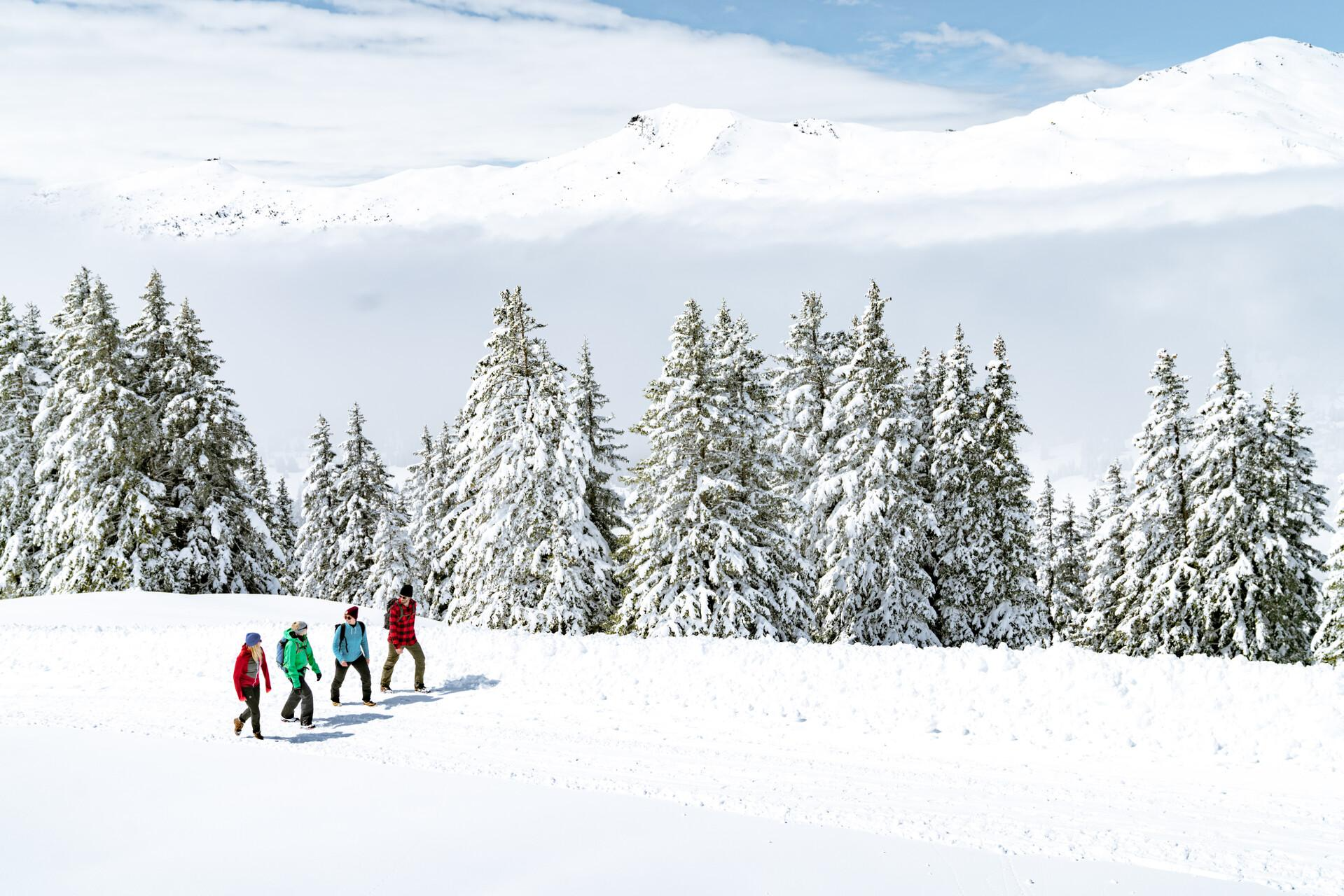
Immerse yourself in Lenzerheide's winter wonderland
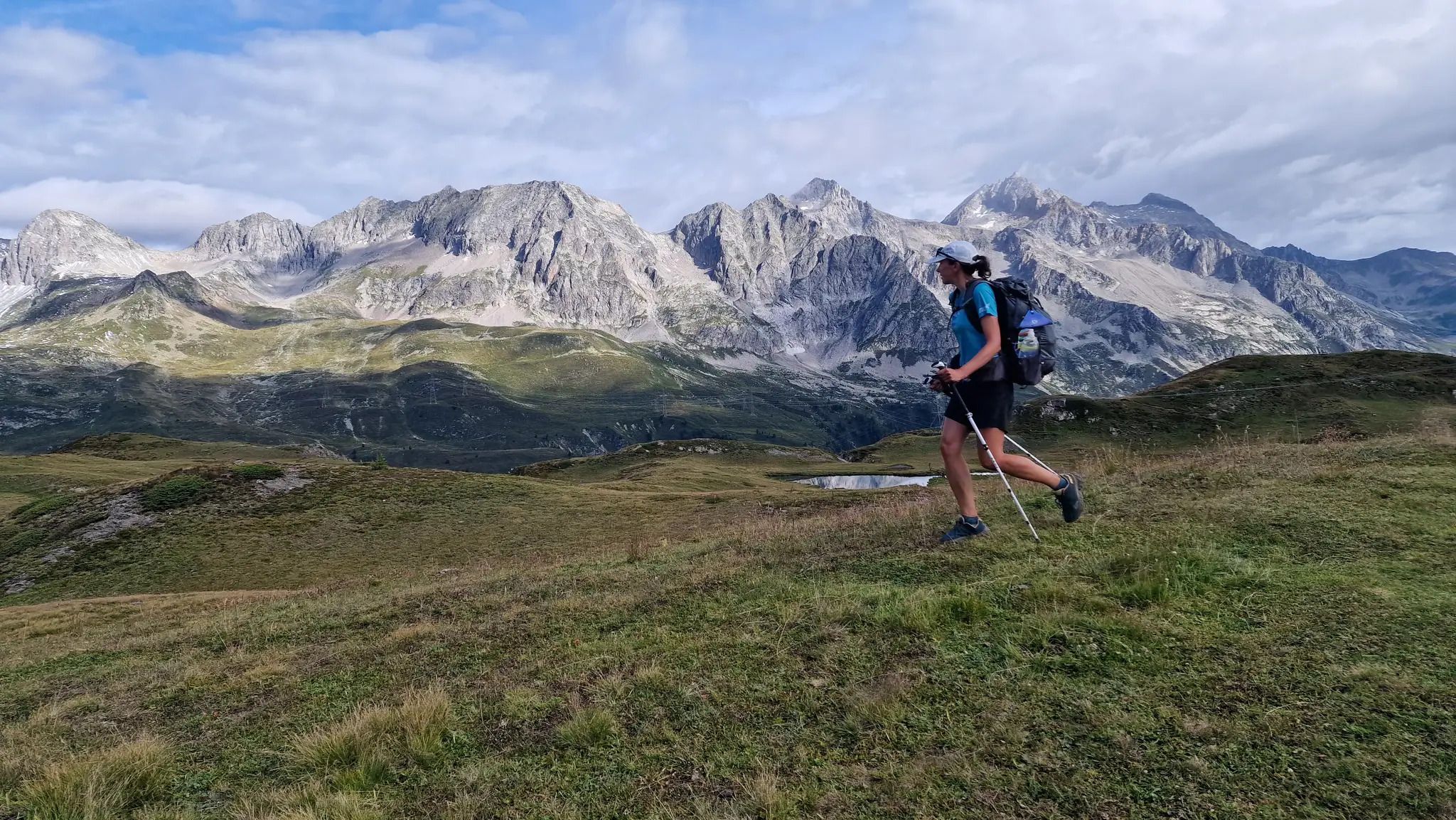
Alpine Passes Trail – hiking 700km across Switzerland
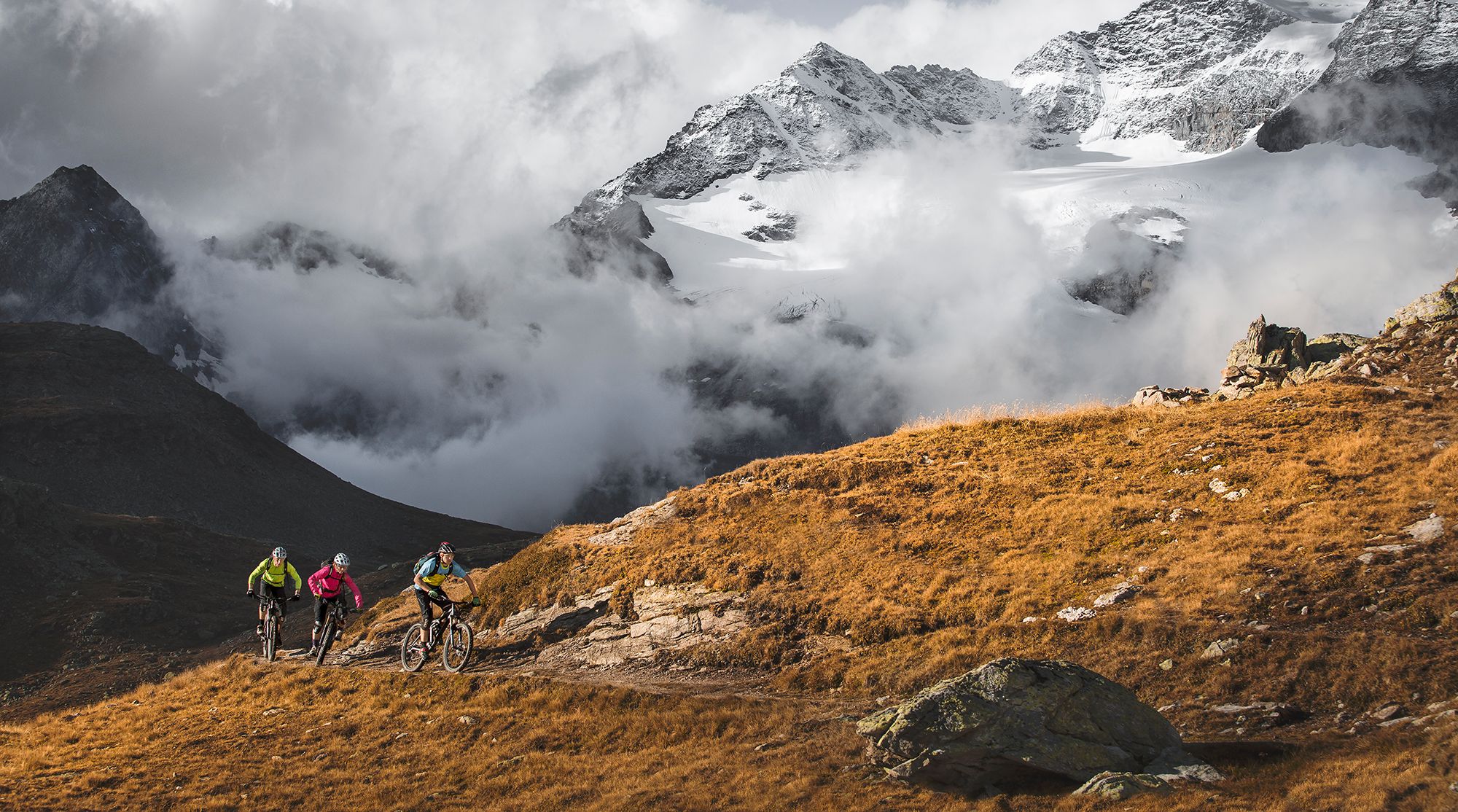
Great heights from Chur to Tirano with your mountain bike & post bus
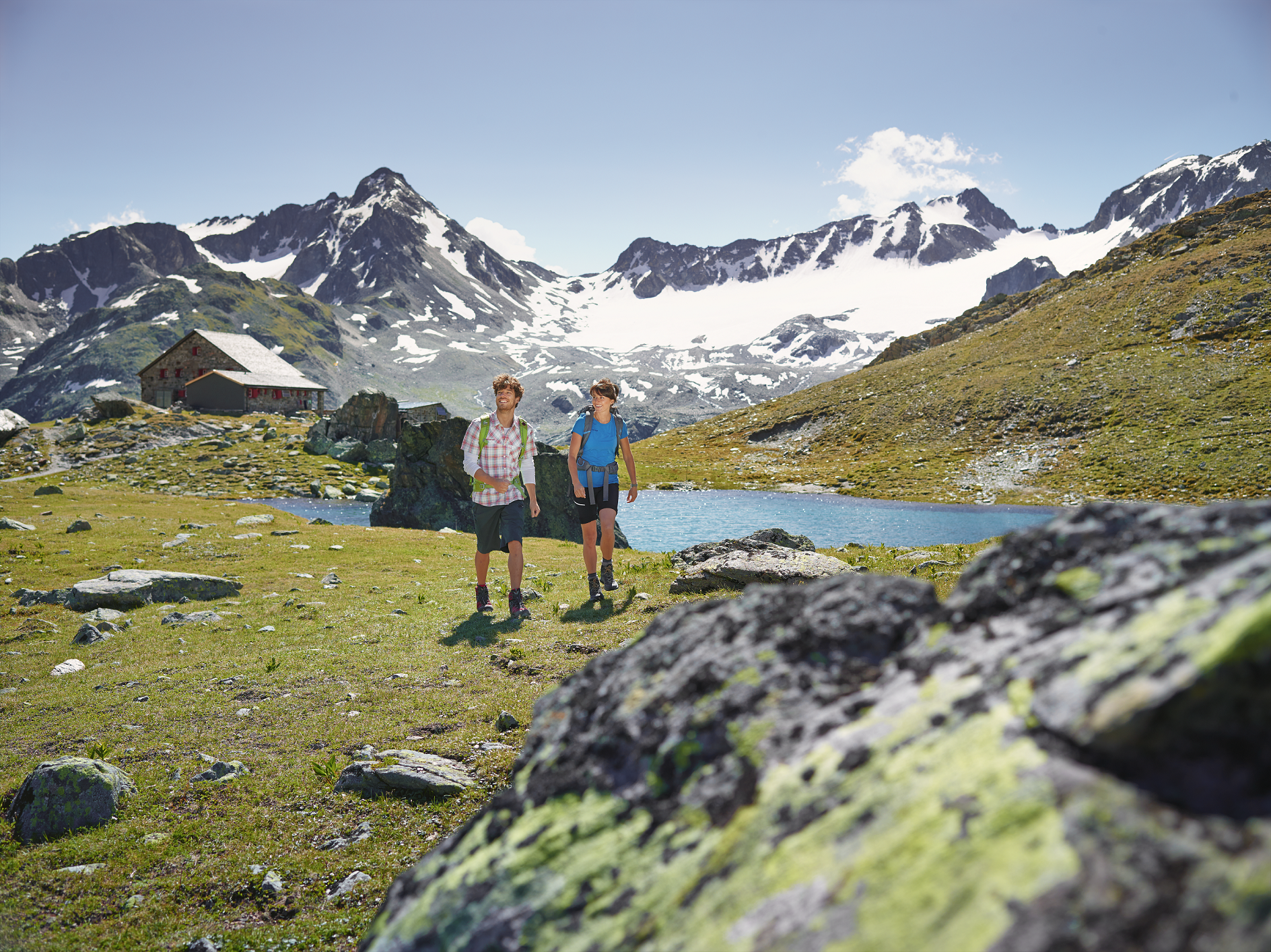
Kesch-Trek – A four-day hut adventure in Davos Klosters
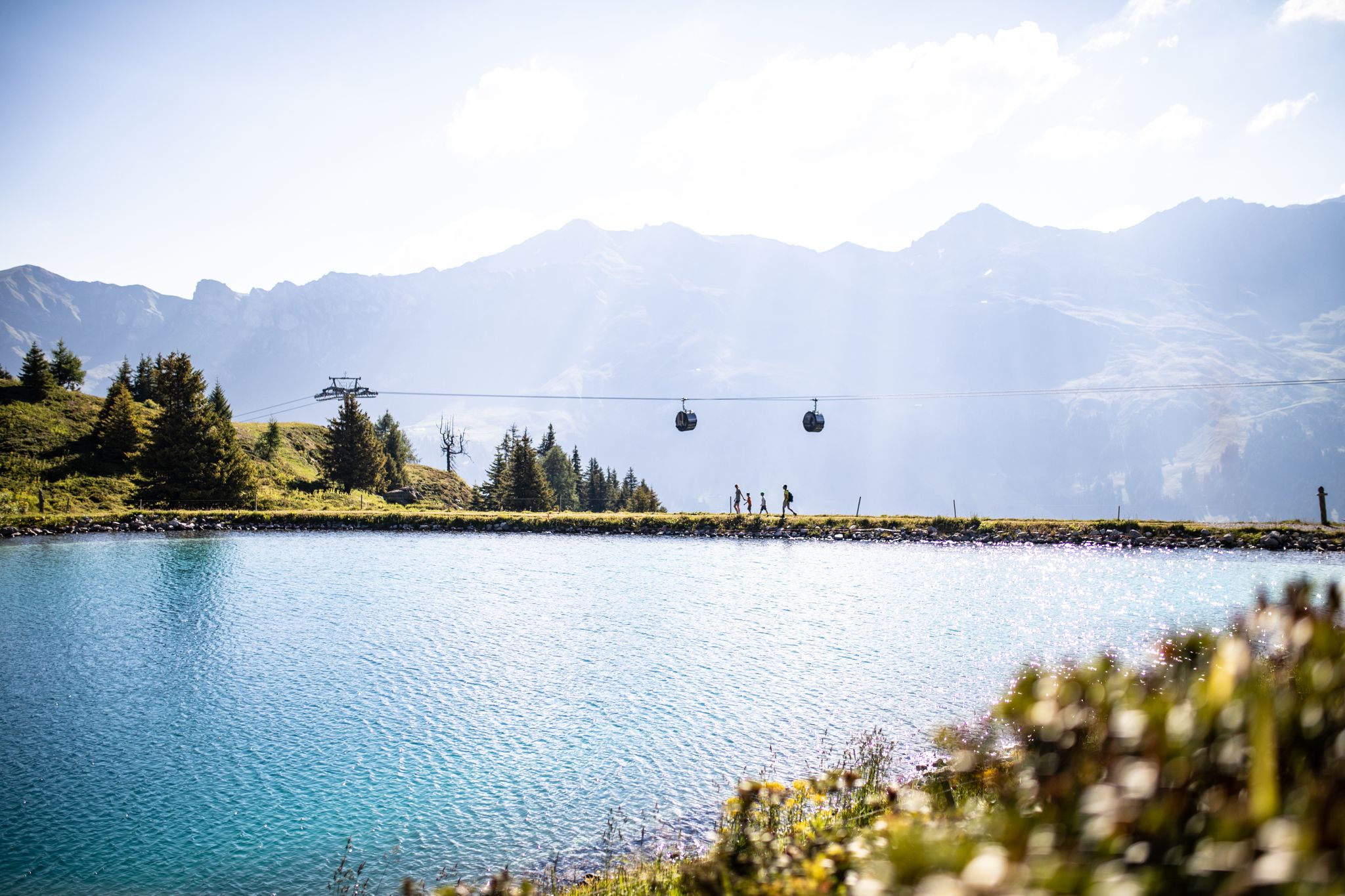
From the peaks to the cool waters – Coolcation Lenzerheide
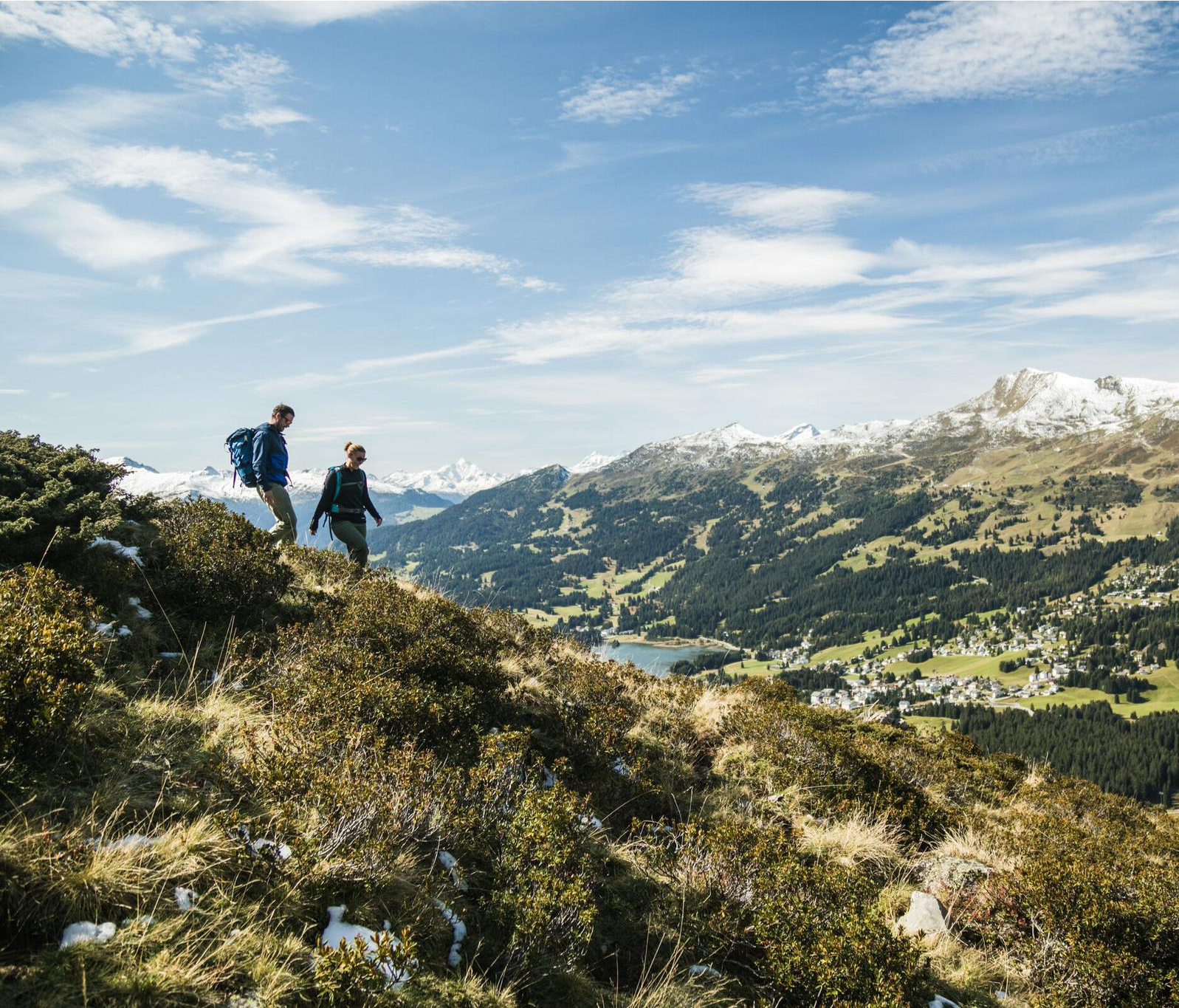
Diverse natural beauty – autumn hiking in Lenzerheide
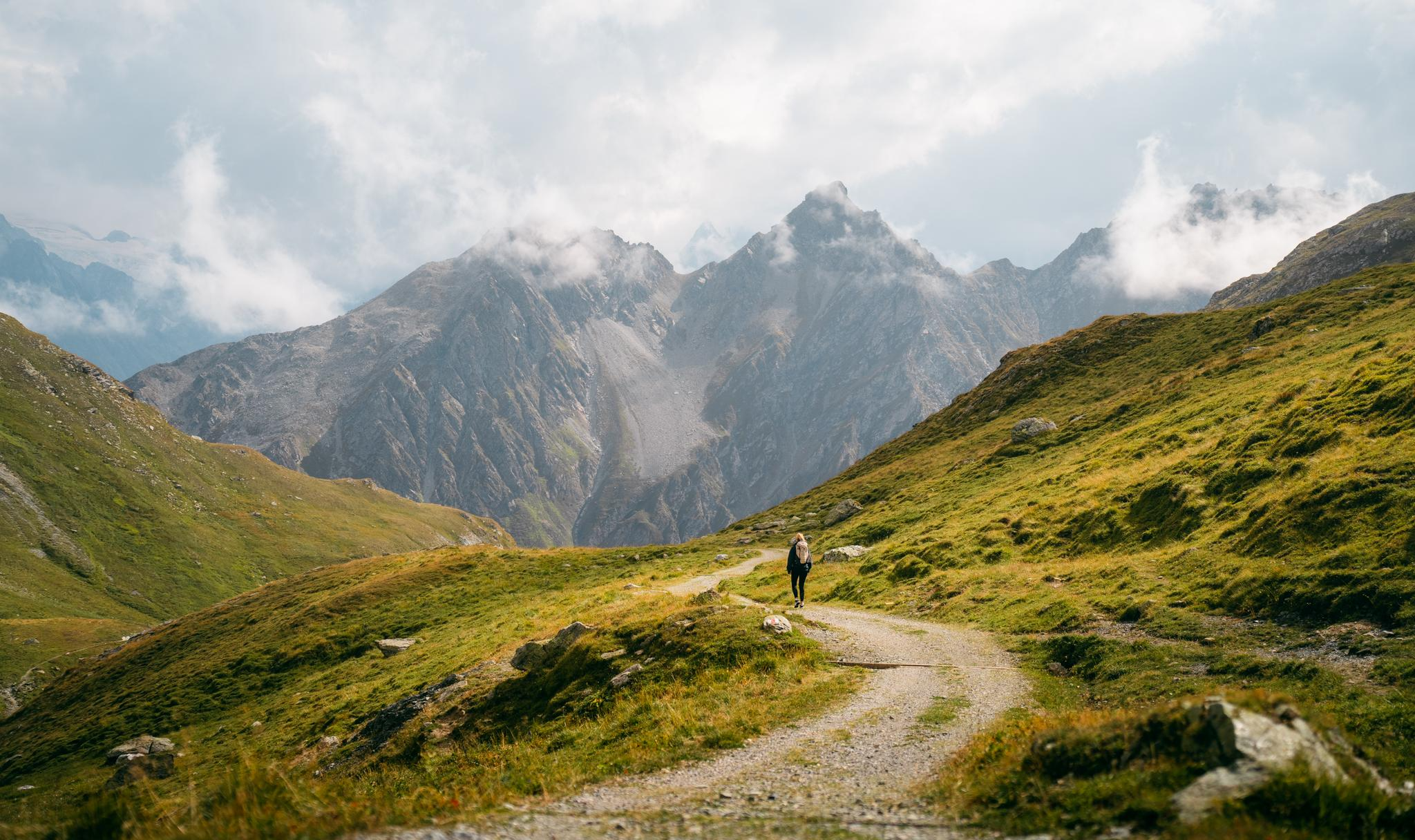
Quiet villages, proud passes, impressive history – the Via Sett
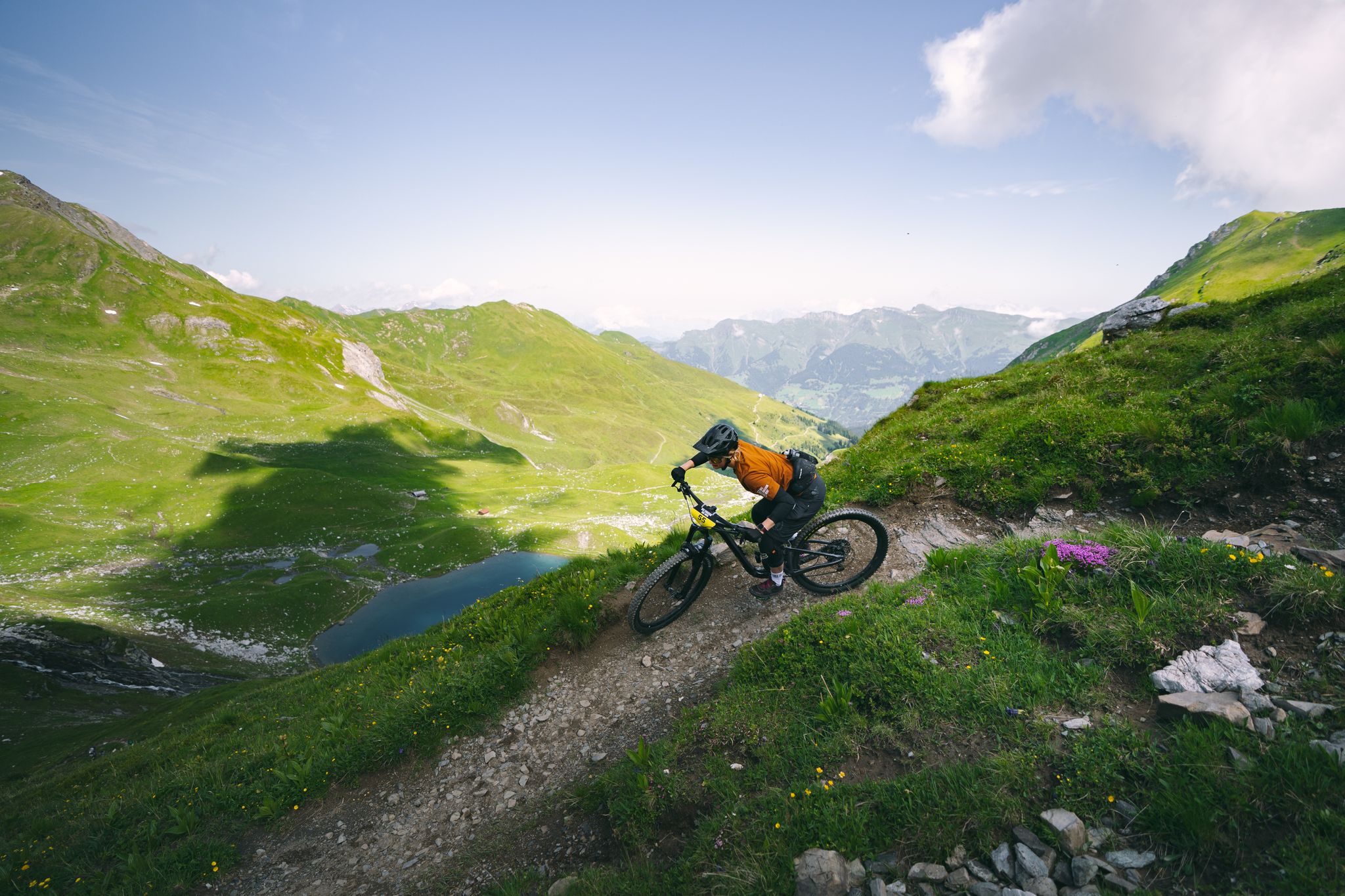
Hundreds of kilometres of trails and endless peaks - MTB in Arosa
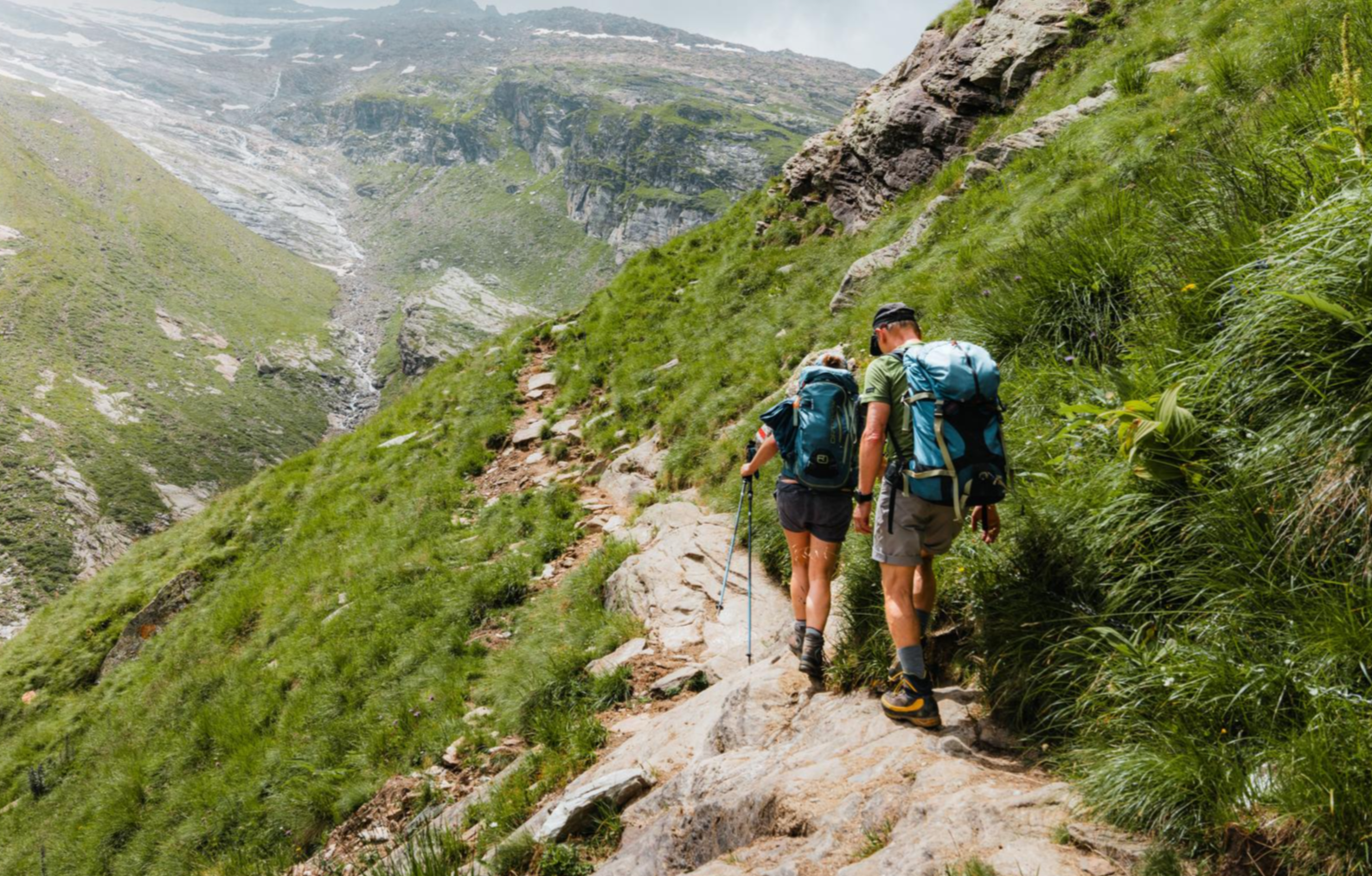
Mountain worlds and gorge magic – adventure hikes in the Viamala Region
Other adventures in Albula


Tips from the Community

Wonderful lake landscape with various benches and barbecue areas
1
0
Beautiful lake, brings a touch of Canada to the region
0
0

A triple watershed is indeed something quite rare. Besides, it's simply wonderfully lonely and beautifuuuul up here
0
0

Brienz, beautiful Brienz. The side of the mountain facing the town collapsed. No one died but the place has been since then abandoned. Looking at the waterfall of rocks delivers an eerie, chilling yet fascinating view. Before 2025 I used to go through the town as Brienz connected many and variegated single trails, for example in the wonderful Albula tour. I hope the dorf will be back to life soon, especially for the people living there.
0
0


I sat in the shade of Segantini's memorial stone. A beautiful place to observe or listen to the nature around us.
0
0

Information from DavosKlosters: Zügenschlucht closed: For safety reasons, the Zügenschlucht will remain closed until further notice. https://www.davos.ch/aktivitaeten/outdoor-abenteuer/wandern/status-wanderwege
0
0
Frequently Asked Questions
What unique geological features can be found among Albula's natural monuments?
Albula's natural monuments, particularly within Parc Ela, are characterized by diverse geology. You can find limestone and sandstone formations shaped by millions of years of tectonic activity and glacial erosion. For instance, the Zügenschlucht gorge showcases remarkable rock formations like the Steig and Silberberg, carved by the Landwasser river. Piz Ela, the namesake of Parc Ela, is the highest dolomite peak in the Swiss Alps and contains limestone and marine life deposits from an ancient shallow ocean.
Are there family-friendly natural monuments to visit in Albula?
Yes, several natural monuments in Albula are suitable for families. Lai da Palpuogna is a picturesque mountain lake with an idyllic setting that invites visitors to linger. The Lais da Flix (Flix Lakes) are three moorland lakes on Alp Flix, offering beautiful landscapes with picnic areas and fireplaces, making them ideal for a family outing. You can also find easy hiking routes in Albula, such as the 'Globi Wanderweg Lenzerheide', which are perfect for families. For more options, explore easy hikes in Albula.
What outdoor activities can I do near Albula's natural monuments?
The Albula region offers a variety of outdoor activities. You can explore extensive hiking trails, such as those around the Albula Pass, or challenging routes up peaks like Piz Kesch and Piz Ela. Cycling is also popular, with routes like the 'Bergün/Bravuogn, post office – Gasthaus Spinas, Val Bever loop'. For those interested in gravel biking, there are options like the 'Easy forest trail – Lenzerheide loop'. In winter, the Albula Pass transforms into the longest toboggan run in Parc Ela. For detailed routes, check out guides for cycling in Albula, gravel biking in Albula, and easy hikes in Albula.
What is special about the Lunghin Pass?
The Lunghin Pass — Triple Watershed is unique as Europe's only triple watershed. From this single point, water flows in three different directions: towards the North Sea via the Rhine, towards the Black Sea via the Danube, and towards the Mediterranean Sea via the Po. This makes it a fascinating geological and geographical landmark.
When is the best time to visit the natural monuments in Albula?
The best time to visit Albula's natural monuments largely depends on the activities you plan. Summer (June to September) is ideal for hiking, cycling, and enjoying the alpine meadows and lakes like Lai da Palpuogna. The Albula Pass is accessible by car, bike, or foot during this period. Winter offers opportunities for snow activities, with the Albula Pass becoming a toboggan run. Always check local weather forecasts before your visit, especially for high-alpine areas.
How accessible is Lai da Palpuogna?
Lai da Palpuogna is located near the Albula Pass and is relatively accessible. Its idyllic setting has made it quite popular, but you can still find quiet times to enjoy its beauty. It's a recommended stop during a hike in the Albula Pass landscape.
What can I expect when visiting the Zügenschlucht gorge?
The Zügenschlucht is an impressive natural gorge stretching over three kilometers between Wiesen and Monstein. Carved by the Landwasser river, it features remarkable rock formations. A section of the Epic Trail runs through it, offering easily navigable paths and breathtaking views of the gorge. It's a great place to marvel at the power of nature and geological formations.
Are there any natural forest reserves in the Albula region?
Yes, the region around the Albula Pass features contrasting vegetation, including the Crap Alv natural forest reserve. This reserve is notable for its green-blue lakes and important raised bogs, contributing to the rich biodiversity of the area.
What is the significance of the Albula-Bernina Line in the region?
The Albula-Bernina Line of the Rhaetian Railway is a UNESCO World Heritage Site that gracefully winds through the Albula Valley. While not a natural monument itself, it is an impressive engineering marvel that complements the natural beauty of the region, offering stunning views of the landscapes and geological features as it passes through.
What are the highest peaks among Albula's natural monuments?
Albula is home to significant alpine peaks. Piz Kesch, at 3,418 meters (11,214 feet), is the highest mountain in the Albula Alps and one of only two mountains in the Swiss Alps north of the Inn River to exceed 3,400 meters. Piz Ela, towering at 3,339 meters (10,955 feet), is the namesake of Parc Ela and the highest dolomite peak in the Swiss Alps, known for its dome-shaped summit and narrow ridge.
Can I find waterfalls among the natural monuments in Albula?
Yes, the Albula region features waterfalls as part of its natural beauty. An example is the Schaftobel Waterfall, which offers a scenic viewpoint and is considered an intermediate to challenging highlight to reach.
What is the 'Black Lake' (Lai Neir) and where is it located?
The Lai Neir, meaning 'Black Lake' in German, is a small mountain lake situated on Alp Flix in the Graubünden municipality of Surses. It lies at an altitude of 1918 meters above sea level and is part of the beautiful Lais da Flix, or Flix Lakes.
Most popular routes in Albula
Most popular attractions in Albula

Get inspired with the komoot mobile app


Didn’t find what you were looking for?
Find even more amazing natural monuments in Albula by checking out the top Highlights region by region:
Explore more
Extend your search for the best caves by checking out these guides of the top ones in Albula:
