The best walks and hikes in Albula
4.6
(12336)
93,380
hikers
594
hikes
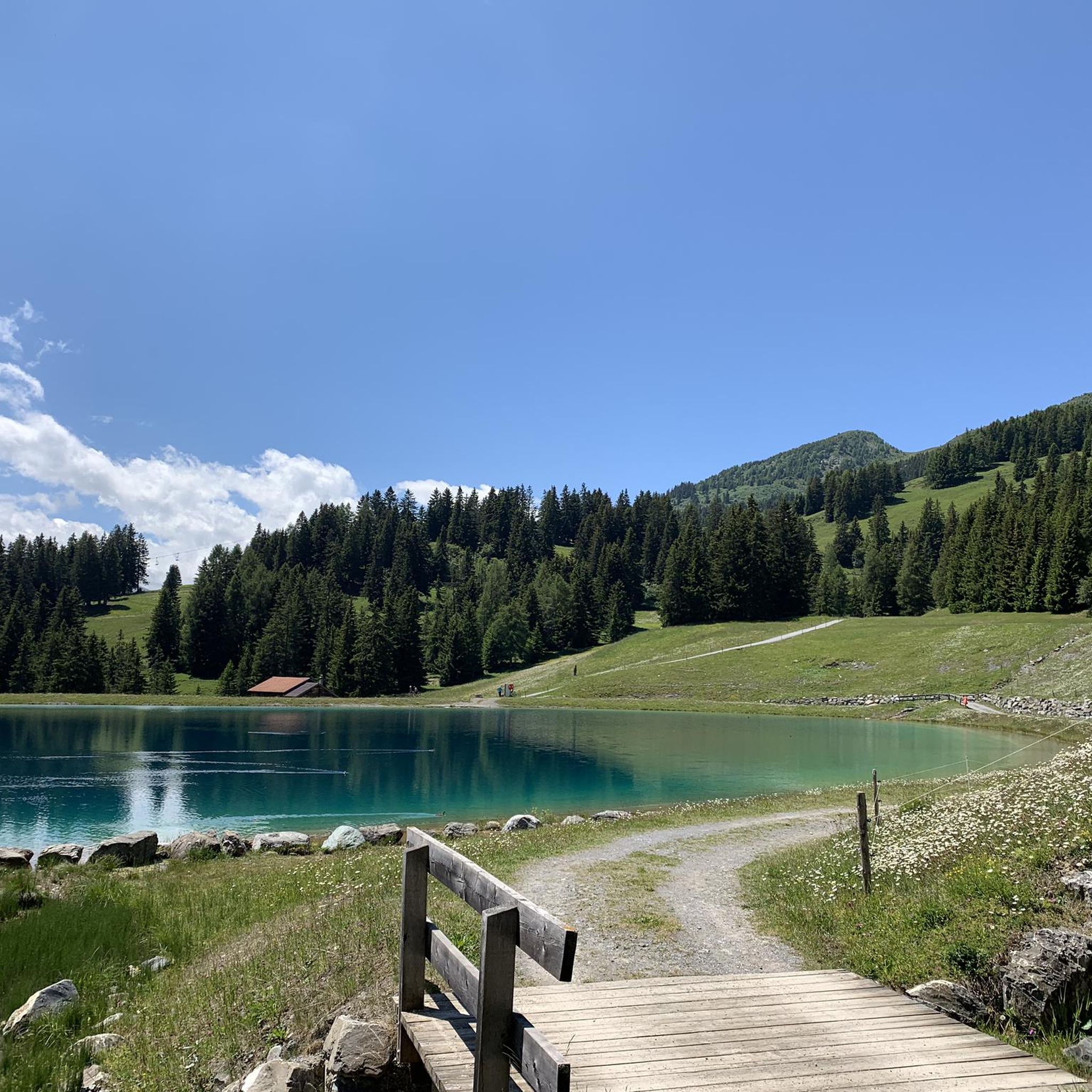
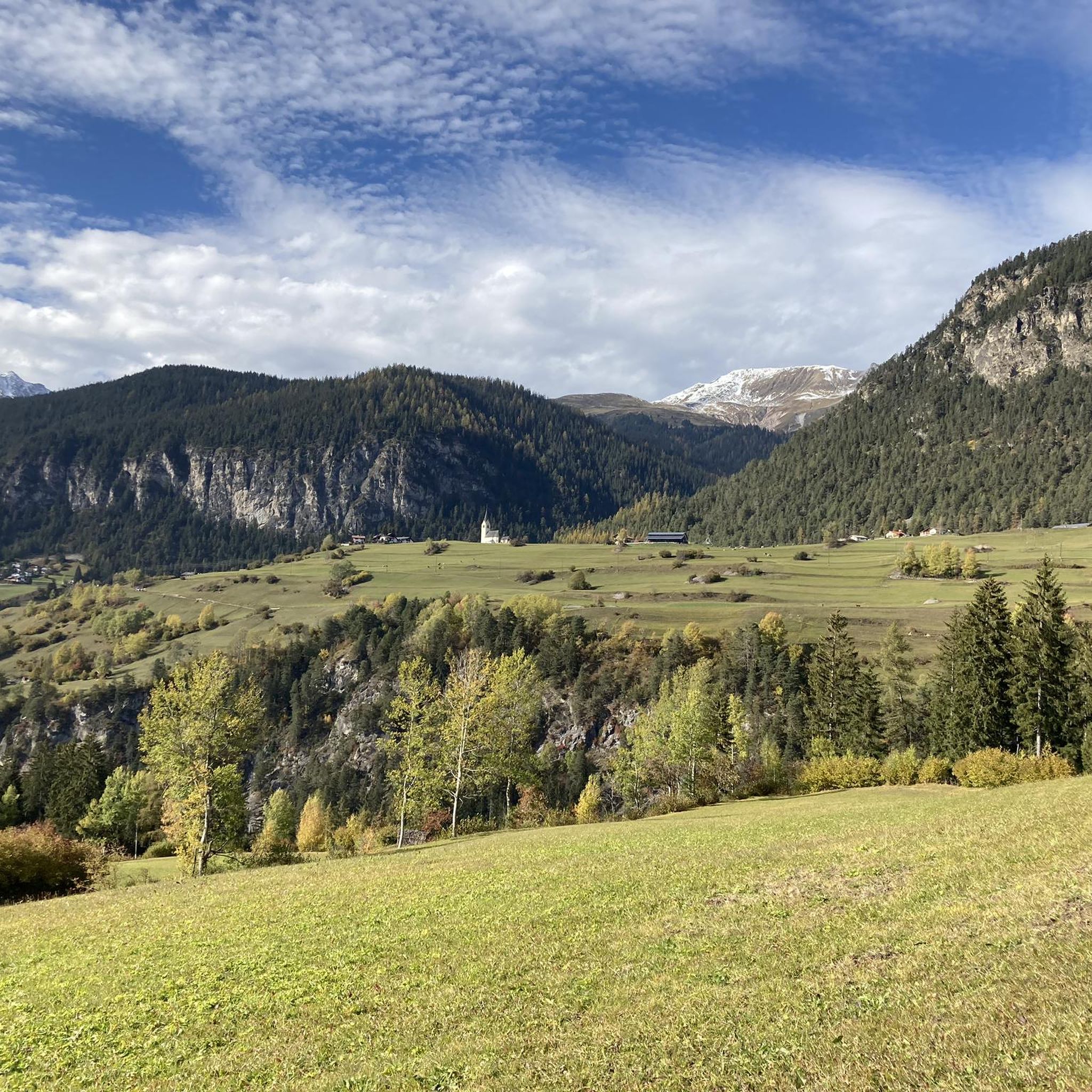
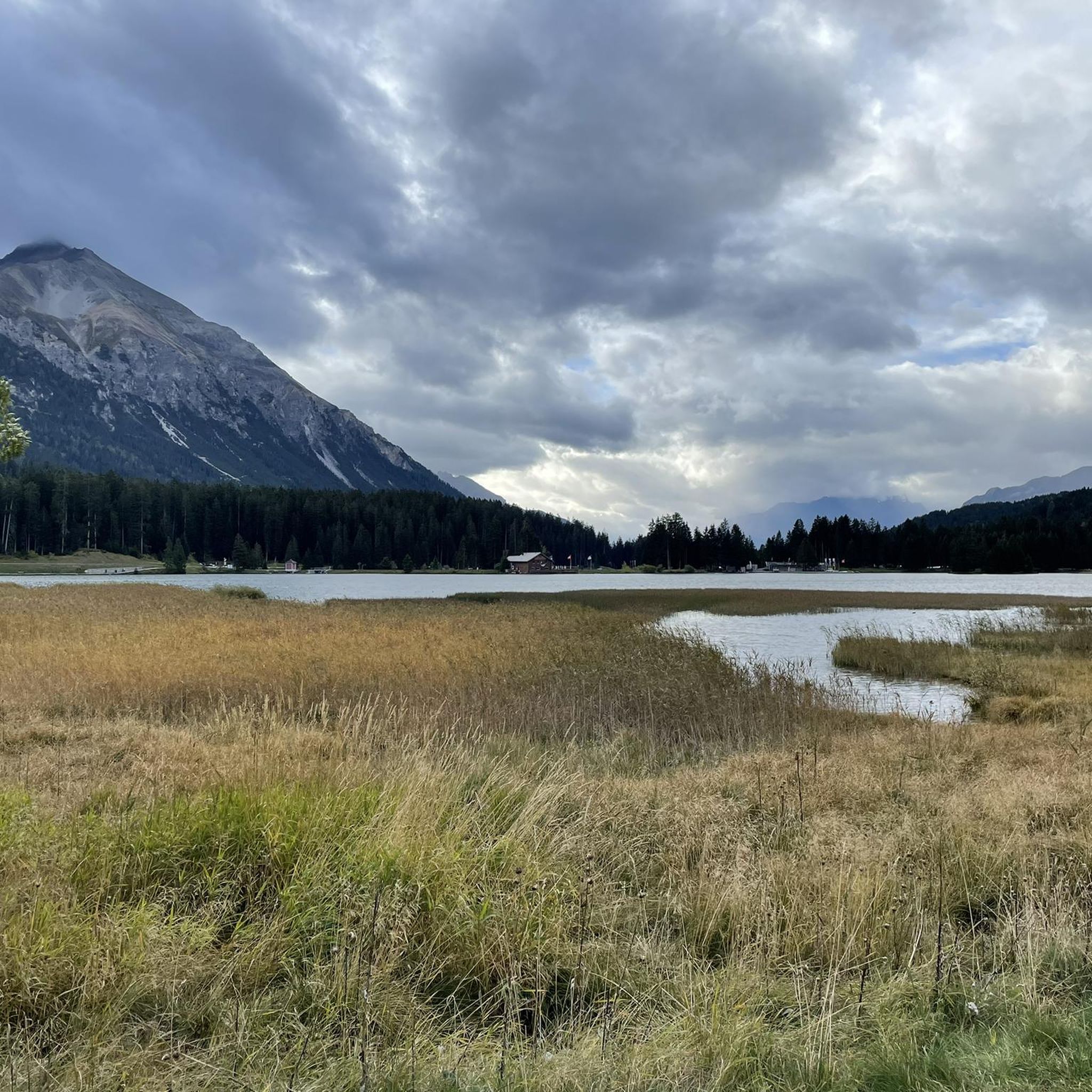
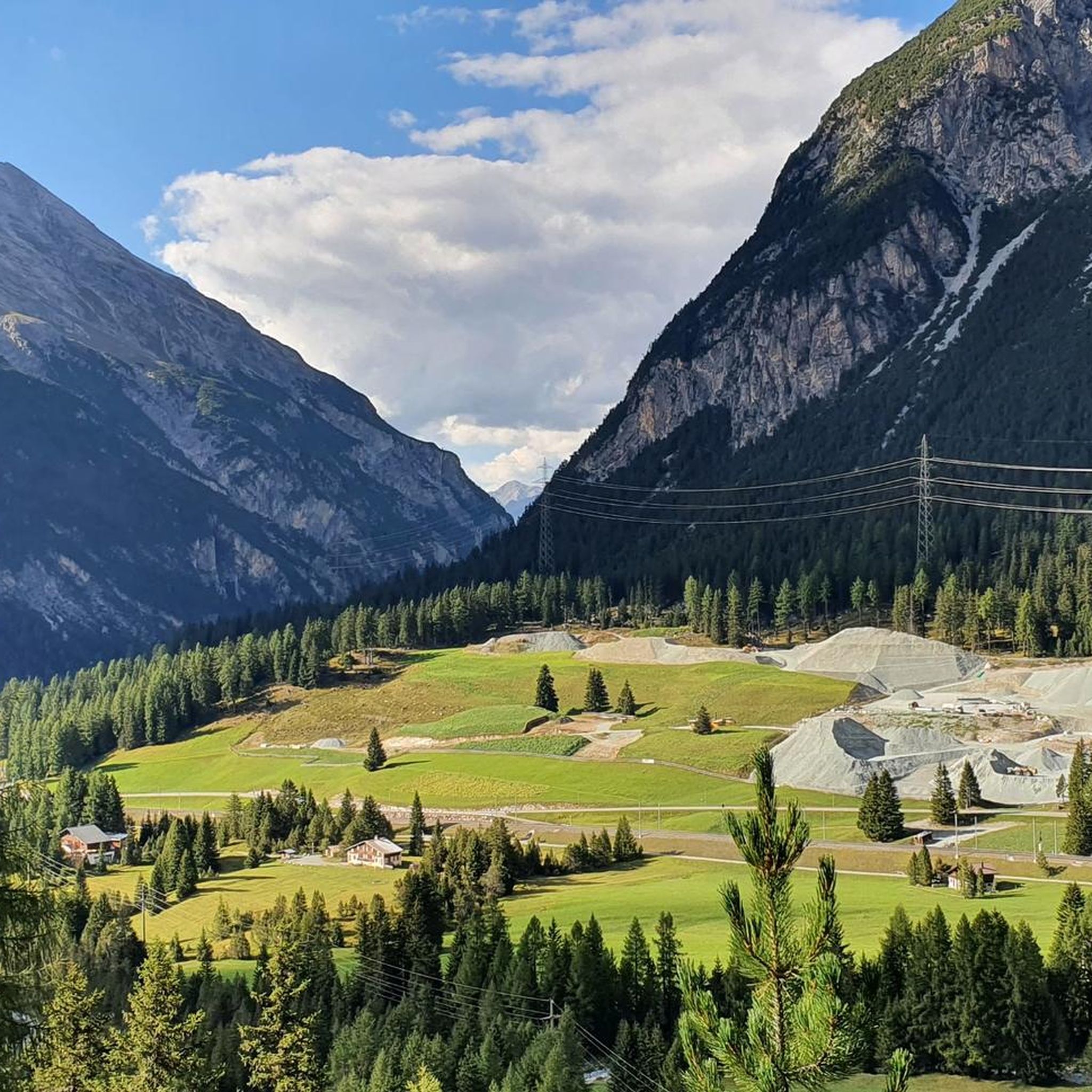
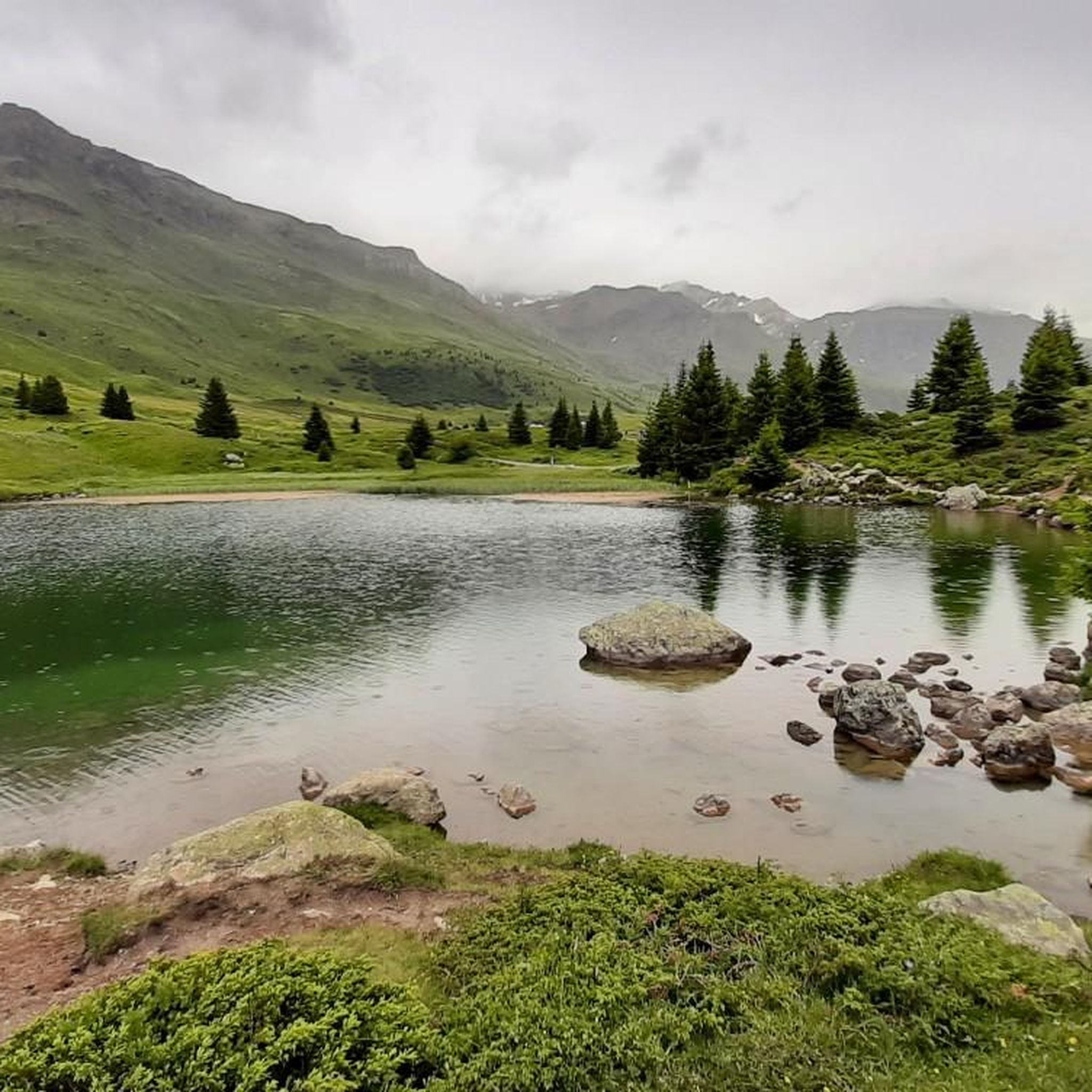
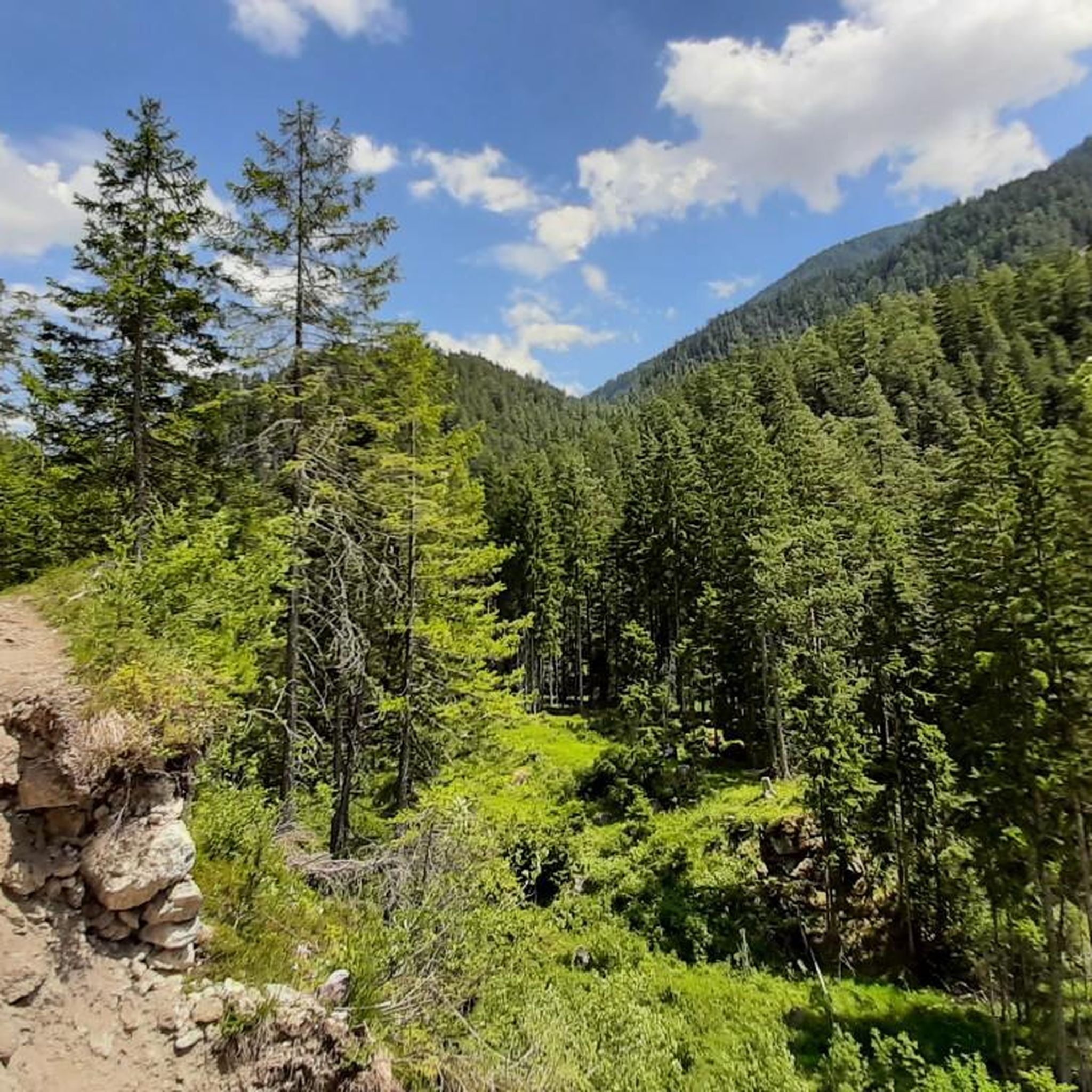
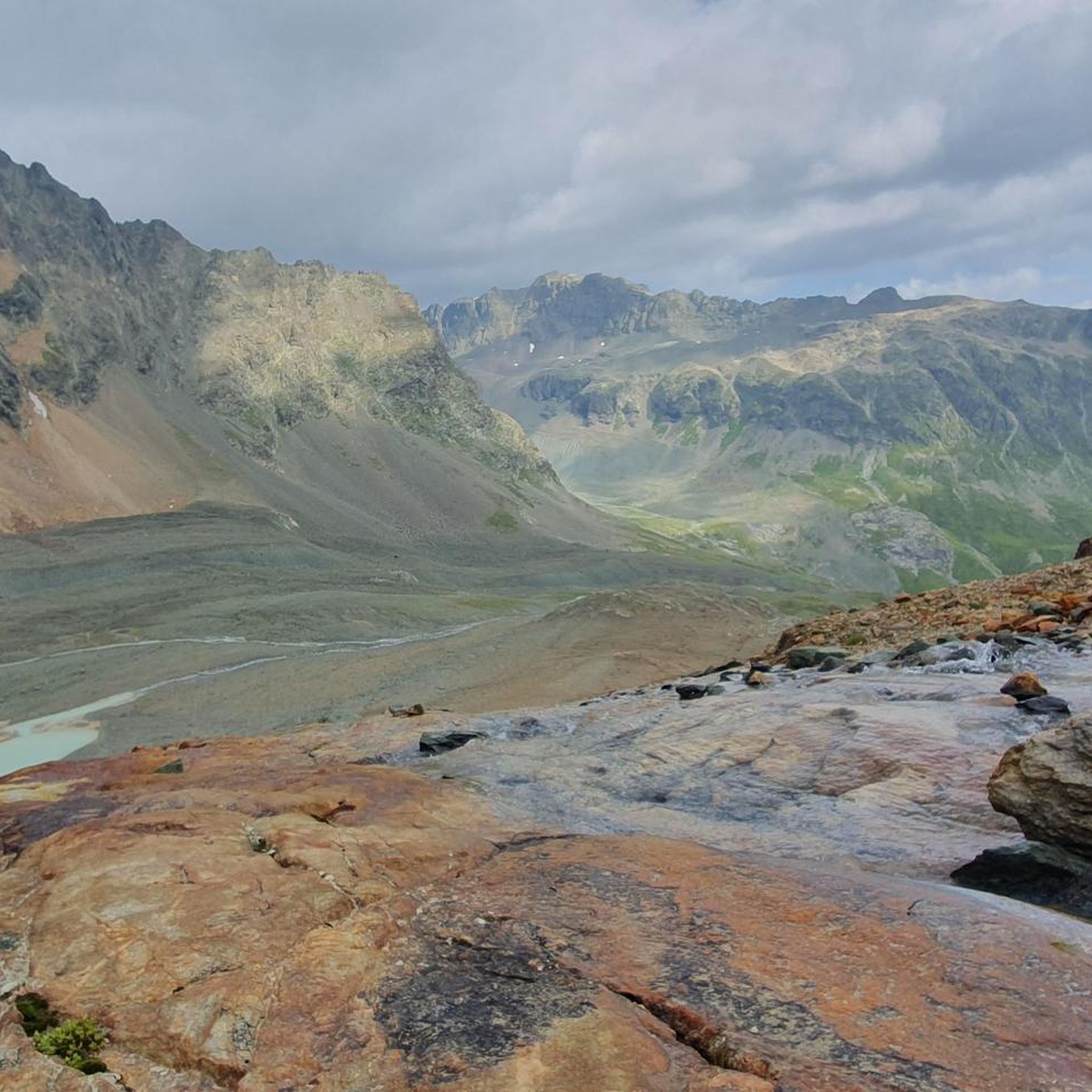
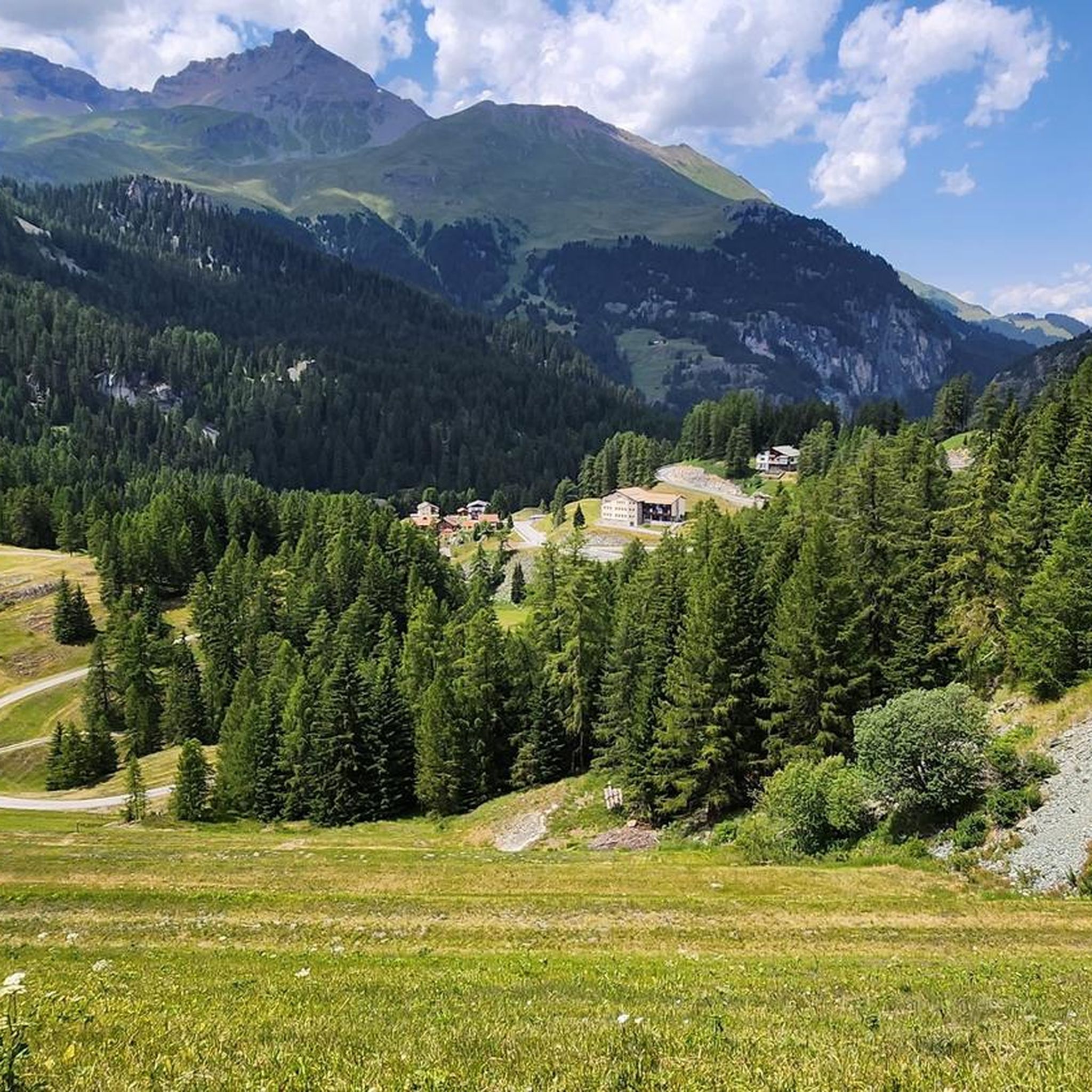
Hiking in Albula, located in the canton of Graubünden, Switzerland, offers diverse landscapes within the Albula Alps. The region is characterized by majestic mountains, including peaks over 3,000 meters, pristine alpine lakes like Lai da Palpuogna, and dramatic gorges such as the Zügenschlucht. Hikers can explore varied ecosystems, from flower-rich mountain meadows to wild mountain brooks and fens.
Best hiking trails in Albula
- The most popular hiking route is Heidsee with a view of the Rothorn, a 5.1 miles…
Last updated: October 6, 2026
4.6
(82)
1,005
hikers
8.26km
02:12
90m
90m
Moderate hike. Good fitness required. Easily-accessible paths. Suitable for all skill levels.
4.5
(69)
332
hikers
8.66km
02:49
370m
360m
Moderate hike. Good fitness required. Mostly accessible paths. Sure-footedness required.

4.7
(81)
293
hikers
12.6km
03:57
340m
340m
Moderate hike. Good fitness required. Mostly accessible paths. Sure-footedness required.
4.8
(56)
279
hikers
5.04km
01:36
150m
150m
Moderate hike. Great for any fitness level. Mostly accessible paths. Sure-footedness required.
4.6
(53)
271
hikers
19.0km
05:53
660m
660m
Hard hike. Very good fitness required. Mostly accessible paths. Sure-footedness required.
4.4
(34)
282
hikers
6.01km
01:47
180m
180m
Easy hike. Great for any fitness level. Easily-accessible paths. Suitable for all skill levels.
5.0
(13)
104
hikers
14.2km
05:01
1,350m
1,350m
Hard hike. Very good fitness required. Mostly accessible paths. Sure-footedness required.
4.4
(15)
74
hikers
7.84km
02:11
150m
150m
Moderate hike. Good fitness required. Easily-accessible paths. Suitable for all skill levels.
4.4
(8)
80
hikers
6.91km
01:55
130m
130m
Easy hike. Great for any fitness level. Easily-accessible paths. Suitable for all skill levels.
5.0
(3)
50
hikers
10.7km
05:20
990m
810m
Hard hike. Very good fitness required. Sure-footedness, sturdy shoes and alpine experience required.
Get access to more routes and recommendations from other explorers.
Already have an account?
Our route recommendations are based on thousands of hikes, rides, and runs completed by other people on komoot.
Start today with a free account
Your next adventure awaits.
Other adventures in Albula


Tips from the Community

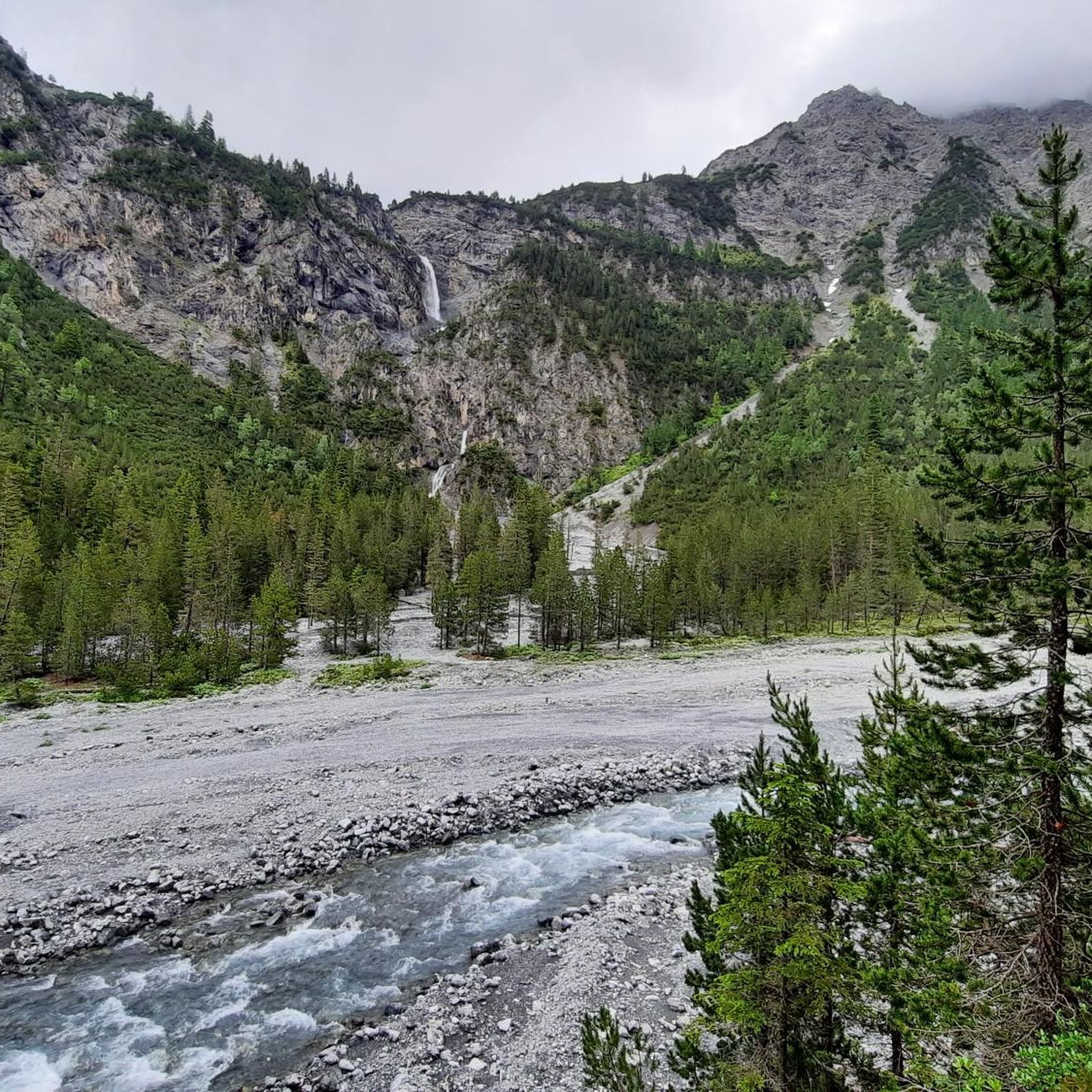
The Riesen Parpaner Rothorn, Aroser Rothorn, Piz Mez and Lenzerhorn form a mighty mountain cirque up here, from whose slopes, especially in spring when the snow melts, many small rivulets flow down. At the Alp Sanaspans, they collect and form the mountain stream Aua da Sanaspans there. This stream plunges about 40 meters down over two stages at the deep rock cut, thus forming the impressive waterfall. This can be seen well from the hiking trail, but only an unsecured, unmarked game trail leads to the foot of the waterfall. Nearby there is a great barbecue area with a fixed barbecue pit, a well, and wooden tables.
0
0

not only for this view is it a super great tour
0
0

Landwasser Viaduct / Built 1901–02 The Landwasser Viaduct, built in 1901–02, is a masonry arch bridge, built in a curve, with a length of 136 m, a height of 65 m and spans of 20 m. It is one of the most elegant bridge constructions of the RhB. Text / Source: Bergün Filisur Tourismus AG Gästeinformation, Veja Stazion 11, Bergün/Bravuogn https://www.berguen-filisur.graubuenden.ch/de/landwasserviadukt
15
1
The Landwasser Viaduct of the Rhaetian Railway A must-see for all railway enthusiasts – beauty and boldness combined. With its 65m high, tapering pillars, the viaduct is one of the most elegant bridge constructions in Graubünden and the most photographed work of art of the Rhaetian Railway. The largest and at the same time most spectacular structure on the 63-kilometer-long Albula line between Thusis and St. Moritz. The Albula and Bernina lines of the Rhaetian Railway have been part of the Unesco World Heritage since mid-July 2008, and are only the third railway line worldwide to do so. The construction of the three main pillars of the viaduct in 1901/1902 was an architectural masterpiece, as they were built without scaffolding using two cranes. After 106 years, the masonry and the track trough were repaired for the first time. The natural stone viaduct made of calcdolomite is 142 meters long and leads in a sweeping curve over the wild Landwasser valley directly into a tunnel, the entrance of which is located on the vertically falling rock face. From the village of Filisur, a footpath leads in half an hour to a beautiful viewpoint from which the viaduct can be admired (and photographed). The path continues either down to the river, under the viaduct into the gorge, or at the fork in the path to the viewpoint, continuing for two hours to the Wiesenv iaduct. This can also be crossed on a footpath and thus becomes a special experience with a deep view. Text / Source: Bergün Filisur Tourismus AG, Veja Stazion 11, Bergün / Bravuogn https://www.myswitzerland.com/de-ch/erlebnisse/landwasserviadukt-der-rhb/
15
1
Landwasser Viaduct (near Filisur station) Landwasser Viaduct is a 65-meter-high and long railway bridge. Its pillars majestically rise 65 meters high: The Landwasser Viaduct on the Albula Line, which allows the Rhaetian Railway to cross the roaring Landwasser river over a length of 141.7 meters. In a large curve, the viaduct leads directly into a steep rock face. This breathtaking structure is today the most photographed subject on the Rhaetian Railway line. But the origin story of the viaduct is also amazing: The Greek-Swiss engineer Alexander Acatos (1873-1950) was entrusted with the construction of the viaduct. He was also the one who later planned the expansion of Zurich Main Station for the SBB. Under Acatos's guidance, the five limestone pillars with six semi-circular arches, each with a span of 20 meters, were built starting in March 1901. For cost reasons, a new construction technique was developed for the building: The pillars were built without external scaffolding. Instead, iron frameworks were embedded in the three longest pillars and adjusted in height with each construction progress. The three iron frameworks were connected with crossbeams, to which electric construction cranes could be mounted. These lifted the necessary building materials to the respective pillar height. To connect the stones of the pillars, a mixture of calcareous mortar and sand was used. The mortar came from a factory in Unterterzen on Lake Walen and was transported to the emerging Landwasser Viaduct via a construction railway laid on the future track with a 0.75-meter gauge. After only about one and a half years of construction, the Landwasser Viaduct was completed in October 1902. The building substance has since proven to be resilient: The Landwasser Viaduct only had to be slightly repaired in 2009. Today, the Landwasser Viaduct is still the landmark of the Rhaetian Railway and, as an imposing structure, invites passengers, tourists, and locals to take photos. Text / Source: Rhaetian Railway AG, Bahnhofstrasse 25, CH - 7001 Chur https://www.rhb.ch/de/blog/weltbekannt-der-landwasserviadukt
15
1
Landwasserviadukt „142 meters long and 65 meters high bridge piers“ The 142-meter-long Landwasserviadukt is the landmark of the Rhaetian Railway. The viaduct leads in a beautiful curve across the Landwasser Valley directly into the rugged rock face into the Landwasser Tunnel. The hallmark of the Landwasserviadukt are the six closely spaced, 65-meter-high bridge piers with a span of only 20 meters. „Built 1901–02“ Text / Source: Rhätische Bahn AG, Bahnhofstrasse 25, Chur https://tickets.rhb.ch/de/products/landwasserviadukt
15
0


After the first, very steep climb, the hut is just the right place for a short break. Very friendly hosts and a great view.
0
0
Frequently Asked Questions
How many hiking trails are there in Albula?
Albula offers a vast network of hiking trails, with over 600 routes available for exploration. These range from easy strolls to challenging high-alpine routes, catering to all levels of experience.
What is the best time of year to hike in Albula?
The prime hiking season in Albula typically runs from late spring to early autumn (May to October), when mountain passes are clear of snow and alpine meadows are in full bloom. Summer offers the warmest weather, while autumn provides stunning fall foliage. Some lower-altitude trails may be accessible in winter for snowshoeing or winter hiking.
Are there easy hikes suitable for beginners or families in Albula?
Yes, Albula has many easy trails perfect for beginners and families. For instance, the Globi Wanderweg Lenzerheide is an easy 6 km path with minimal elevation gain, designed to be engaging for children. Another accessible option is the To the Crap la Tretscha viewpoint trail, offering great views with an easy grade.
Are there challenging hikes for experienced hikers in Albula?
Absolutely. For those seeking a challenge, Albula's mountainous terrain offers numerous difficult routes. Trails like Panoramaweg Scharmoin (751), spanning over 19 km with significant elevation, or the demanding Alp Sanaspans - Rothorn route, which includes over 1300 meters of ascent, provide strenuous and rewarding experiences.
What do other hikers say about the trails in Albula?
The hiking trails in Albula are highly regarded by the komoot community, boasting an average rating of 4.7 stars from over 2,700 reviews. Hikers frequently praise the region's stunning alpine scenery, well-maintained paths, and the diversity of routes available, from tranquil lake walks to challenging mountain ascents.
Can I find hikes with waterfalls or scenic lakes in Albula?
Yes, Albula is rich in natural water features. The picturesque Lai da Palpuogna is a highlight, and you can hike directly to it on the Preda to Lai da Palpuogna Trail. The region also features various waterfalls and wild mountain brooks, particularly within dramatic gorges like the Zügenschlucht, adding to the scenic beauty of many routes.
Are there any circular hiking routes in Albula?
Many trails in Albula are designed as circular routes, allowing you to start and end at the same point. While specific circular routes aren't detailed here, you can find numerous options on komoot by filtering for 'circular' tours, such as the ViaSett Trail: Lenzerheide Loop, which offers a scenic round trip.
Are there any hikes that feature the historic railways or viaducts?
Albula is famous for its integration with the UNESCO World Heritage-listed Rhaetian Railway. The "4-Viaduct hike" allows you to experience the engineering marvels of the Landwasser, Wiesner, Cavja, and Schmittner Viaducts. The Viaduct hike in Filisur is a great example, offering views of these iconic structures.
What kind of natural features can I expect to see while hiking in Albula?
Albula's landscape is incredibly diverse, offering majestic mountains, including peaks over 3,000 meters like Piz Kesch, and pockets of glaciated terrain. You'll encounter pristine alpine lakes, dramatic gorges such as the Zügenschlucht, and varied ecosystems with flower-rich mountain meadows, wild mountain brooks, and fens.
What attractions can I explore near the hiking trails in Albula?
Beyond the trails, Albula offers several points of interest. You can visit the Parpaner Rothorn Summit for panoramic views, explore the charming village of Lenzerheide, or discover the historic Alter Schin Historic Trail. The Filisur Train Station is also a notable landmark, especially for railway enthusiasts.
Are dogs allowed on the hiking trails in Albula?
Generally, dogs are welcome on most hiking trails in Albula, provided they are kept on a leash, especially in areas with livestock or wildlife. Always ensure you carry enough water for your dog and clean up after them. Specific restrictions might apply in nature reserves or protected areas, so it's always good to check local signage.
Are there any long-distance or themed hikes available in Albula?
Yes, for those seeking multi-day adventures, the Via Sett is a cultural long-distance hiking route that traverses the region. Themed hikes, such as the Isel Nature Trail, explore the region's rich botanical and geological diversity, while the "Path of the Pioneers" delves into the natural forest reserve and the geographical center of Graubünden.
Most popular routes in Albula
Most popular attractions in Albula

Get inspired with the komoot mobile app


Didn’t find what you were looking for?
Check out more Hikes throughout Albula below and find the perfect route in your destination.
Explore more
Browse the best Hikes in other regions.
