Top 4 Caves around Kaltensundheim
Best caves around Kaltensundheim are found in the Schmalkalden-Meiningen district, an area known for its geological features and natural landscapes. Kaltensundheim is situated in the Rhön Biosphere Reserve, offering a diverse environment for outdoor exploration. The region's geology includes formations like the Lower Muschelkalk, contributing to unique underground structures. Visitors can explore a variety of natural attractions in this part of Germany.
Best caves around Kaltensundheim
- The most popular caves is Paulus Cave (Paulus Höhle) in the Ibengarten, a…
Last updated: October 12, 2026
Paulus Cave (Paulus Höhle) in the Ibengarten
Highlight (Segment) • Cave
Translated by Google •
Tip by

Rhönpaulus Cave in the Ibengarten
Highlight • Cave
Translated by Google •
Tip by

Sign up now to discover places like this
Get recommendations on the best single tracks, peaks, & plenty of other exciting outdoor places.
Paulushöhle (Rhönpaulus' Hideout)
Highlight • Cave
Translated by Google •
Tip by

Marian Grotto at the Gangolf Chapel
Highlight • Religious Site
Translated by Google •
Tip by

Mariengrotte Hausen (Rhön)
Highlight • Religious Site
Translated by Google •
Tip by

Start today with a free account
Your next adventure awaits.
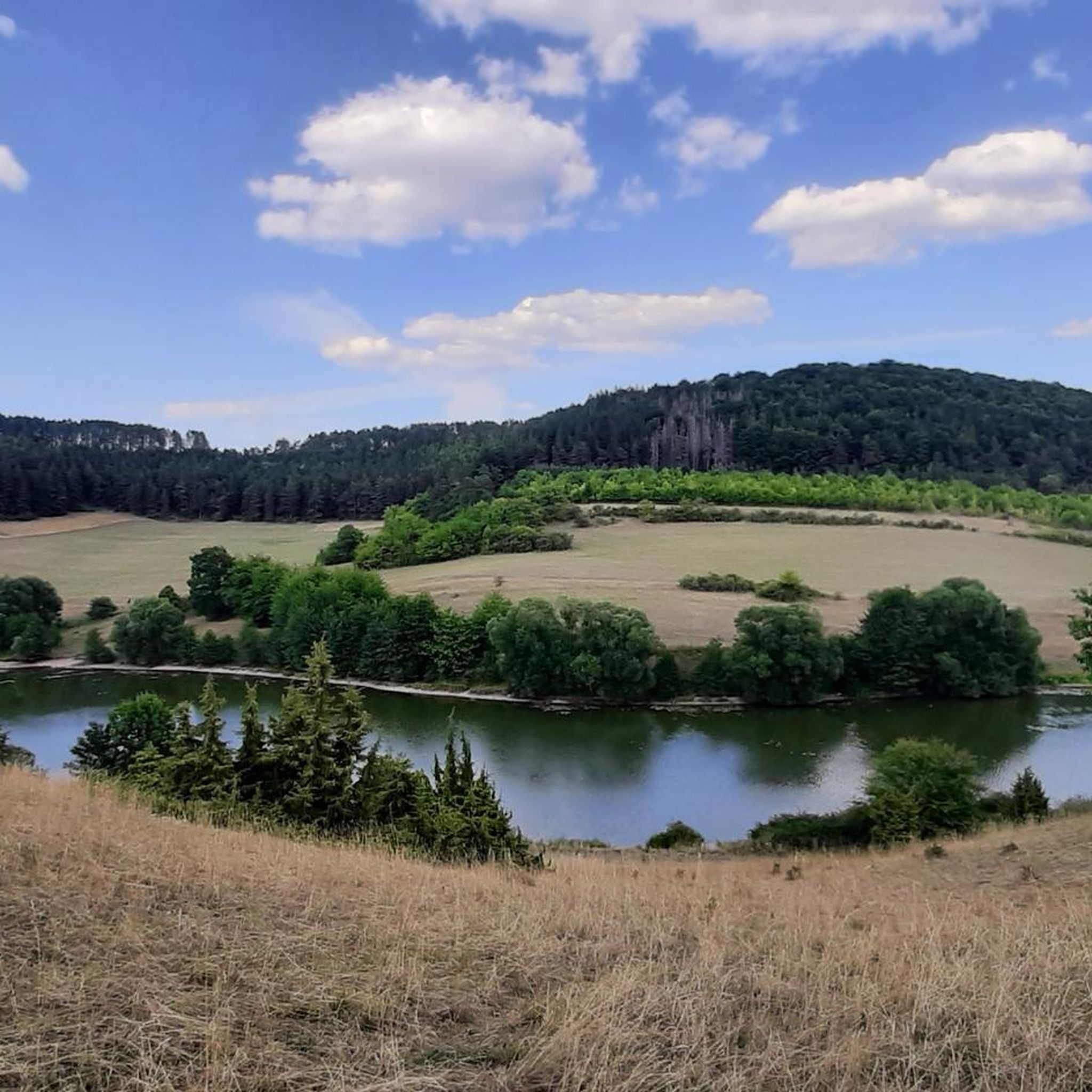
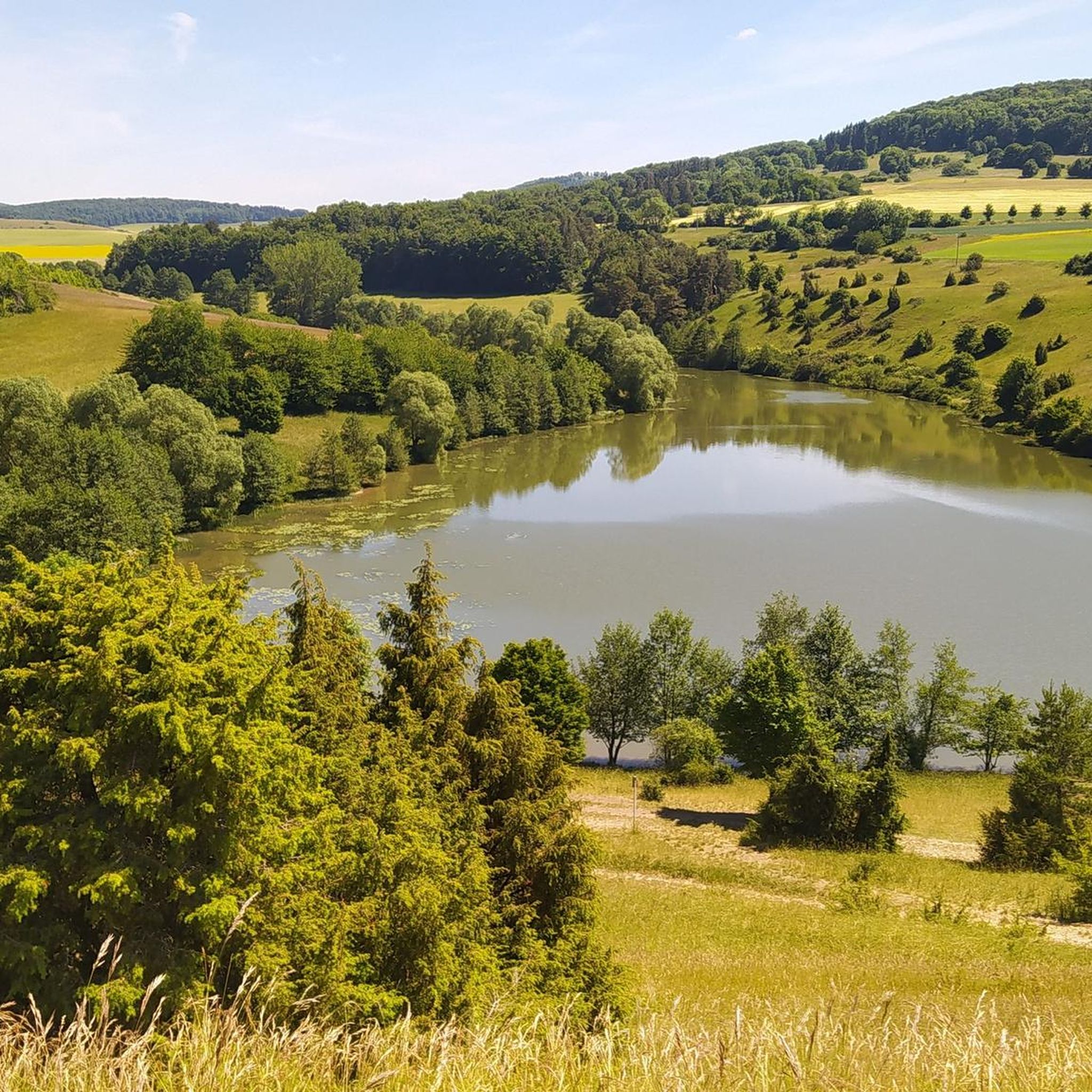
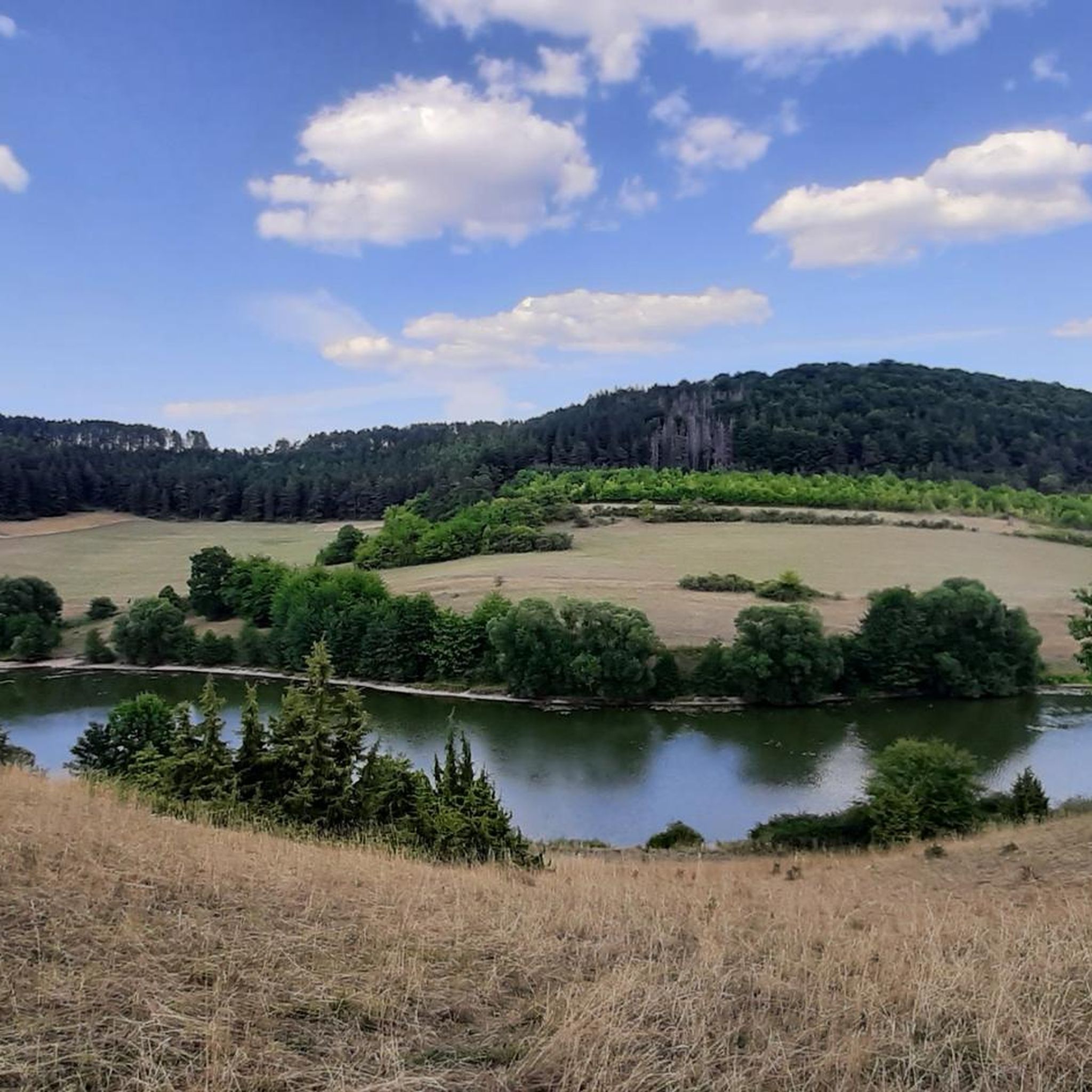
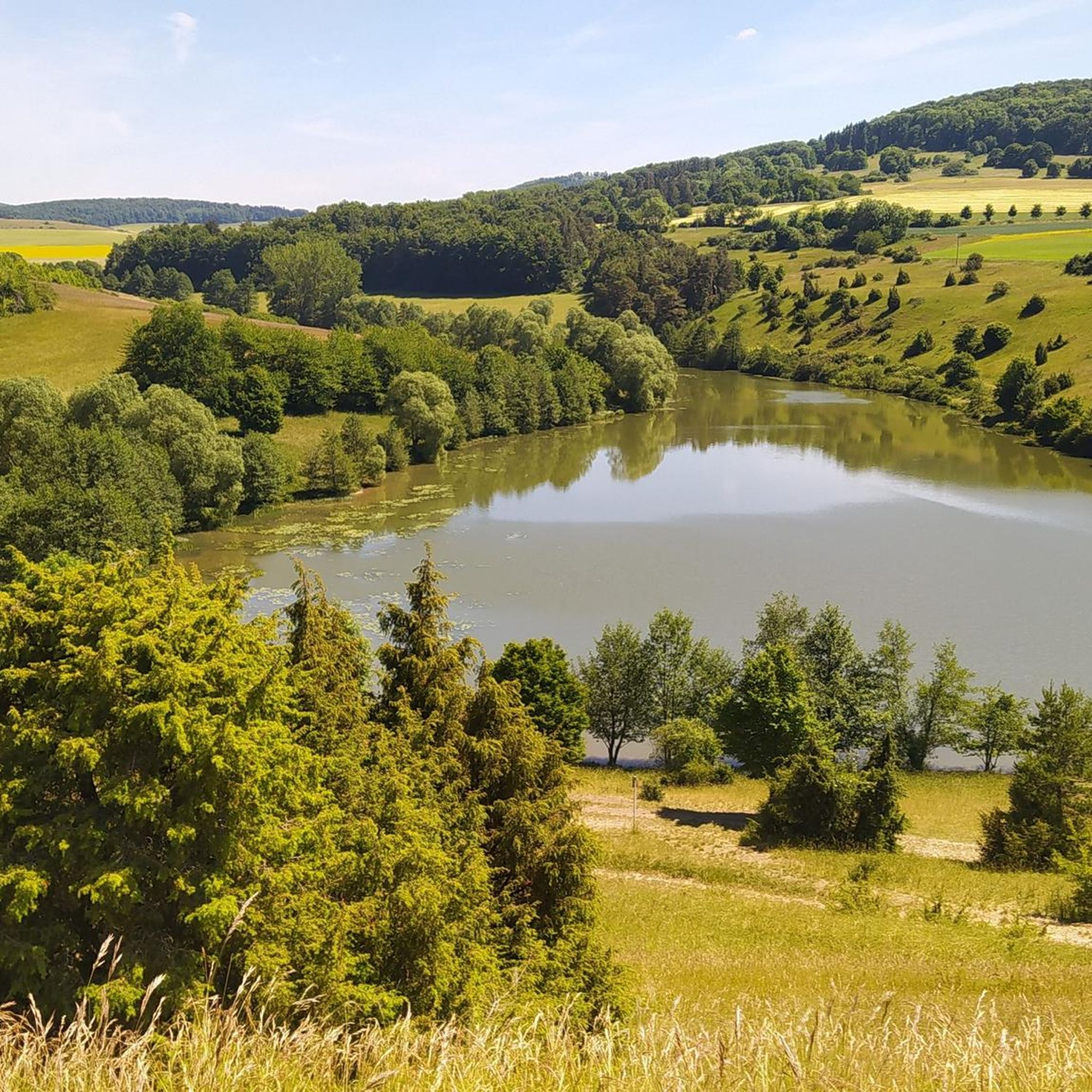
Tips from the Community

Mary's Grotto, with altar niche and standing stone figure of Mary, 20th century, in front of the Gangolf Chapel
0
0

Beautiful location with a great view 👍
0
0

Very nicely situated grotto
0
0

Ancient yew trees, nice and shady in summer
2
0

Anyone who is here will love the Ibengarten.
3
0
The yew stock was placed under protection on June 26, 1935. It is the oldest nature reserve in the Rhön and one of the oldest in Thuringia. The forest manager at the time, Otto Staudt (1920–1936), had pushed this through. The strongest specimens have trunk circumferences of approx. 2.5 m. The Ibenwald can be hiked through on a circular route.
6
0


The Ibengarten (Eibengarten) is a 56.1 hectare nature reserve in the Thuringian Rhön, in Dermbach, district of Glattbach. It is located on the northwest slope of the Neuberg at an altitude of up to 530 m above sea level. NN. The tree population includes 368 yew trees, 50 of which are over 500 years old. more: https://de.wikipedia.org/wiki/Ibengarten
5
0
Frequently Asked Questions
What are the most notable caves to visit near Kaltensundheim?
Beyond the local highlights, the most prominent cave in the broader region is the Goetz Cave (Goetz-Höhle) in Meiningen. It is renowned as Europe's largest accessible crevice cave, offering a unique geological experience. Locally, you can explore the Paulus Cave (Paulus Höhle) in the Ibengarten, situated within the Rhön's oldest nature reserve, and the Marian Grotto at the Gangolf Chapel, which features a large grotto below a chapel with scenic views.
Are there family-friendly caves around Kaltensundheim?
Yes, several caves in the area are suitable for families. The Goetz Cave in Meiningen is well-developed with lit paths and guided tours, making it safe and engaging for all ages. The Rhönpaulus Cave in the Ibengarten is also considered family-friendly, offering a great spot for exploration within the nature reserve.
What kind of geological features can I expect to see in the caves of this region?
The region is known for its unique geological formations, particularly crevice or fissure caves. The Goetz Cave is a prime example, formed by a landslide and tectonic fractures, with fissures reaching up to 50 meters in height. These caves are often found in areas with Lower Muschelkalk limestones and marlstones, showcasing the effects of water seepage and block sliding.
What historical or archaeological significance do the caves near Kaltensundheim hold?
The Goetz Cave has significant historical and archaeological importance. During its development, numerous Stone Age artifacts and skeletal remains of post-glacial animals, including human bones, were discovered within its sediment layers. This led to its declaration as a monument in 1955. The Rhönpaulus Cave in the Ibengarten is also associated with the legendary Rhön figure, Johann Heinrich Valentin Paul.
What is the best time of year to visit the caves around Kaltensundheim?
Caves like the Goetz Cave maintain a constant temperature of around 8 degrees Celsius year-round, making them a refreshing escape in summer and a sheltered attraction in colder months. The surrounding natural areas, such as the Ibengarten, are particularly beautiful during spring and autumn for hiking to the cave entrances.
Are there hiking trails near the caves around Kaltensundheim?
Yes, the region offers various hiking opportunities. For instance, the Paulus Cave and Rhönpaulus Cave are located within the Ibengarten nature reserve, which has a circular route for exploration. You can find more hiking options in the area by checking the Hiking around Kaltensundheim guide.
What should I wear when visiting caves in the Kaltensundheim area?
Even in summer, caves maintain cool temperatures, typically around 8 degrees Celsius. It's advisable to wear warm layers, such as a jacket or sweater, and comfortable, sturdy shoes with good grip, as paths inside caves can be damp or uneven. For outdoor exploration to reach the caves, dress appropriately for the weather conditions.
Is the Goetz Cave accessible for visitors?
Yes, the Goetz Cave in Meiningen is well-developed for visitors. It features well-lit paths and offers guided tours lasting approximately 40 minutes. Visitors can explore a length of 420 meters across four parallel fissures and three floors, with some sections connected by artificially created tunnels.
Can I bring my dog to the caves near Kaltensundheim?
Policies regarding dogs can vary. For specific show caves like the Goetz Cave, it's best to check their official website or contact them directly for their current dog policy. For natural cave entrances or grottoes within nature reserves like the Ibengarten, dogs are generally allowed on trails but should be kept on a leash.
What other outdoor activities can I combine with a cave visit near Kaltensundheim?
The Kaltensundheim area, situated in the Rhön Biosphere Reserve, offers a diverse environment for outdoor activities. Besides hiking to caves, you can explore various routes for road cycling or running. For detailed routes, refer to the Road Cycling Routes around Kaltensundheim or Running Trails around Kaltensundheim guides.
How far is the Goetz Cave from Kaltensundheim?
The Goetz Cave is located in Meiningen, which is a short distance from Kaltensundheim. The exact travel time will depend on your mode of transport, but it is easily reachable for a day trip from Kaltensundheim.
Are there any religious or spiritual sites associated with caves in the area?
Yes, the Marian Grotto at the Gangolf Chapel is a notable example. It features a large Marian grotto located below a small chapel, offering a peaceful and contemplative experience with views over Fladungen. Another similar site is the Mariengrotte Hausen (Rhön), which is a very nice grotto often visited by cyclists.
Most popular routes around Kaltensundheim
Most popular attractions around Kaltensundheim

Get inspired with the komoot mobile app


Explore more
Extend your search for the best caves by checking out these guides of the top ones around Kaltensundheim:
