Top 14 Natural Monuments around Böhme
Best natural monuments around Böhme are found in Lower Saxony, Germany, primarily along the Böhme River. This region, part of the Southern Heath, features diverse landscapes including moorlands, river valleys, and bluffs. The area offers opportunities for exploring unique ecosystems and geological formations. These natural monuments provide insight into the region's natural history and offer accessible routes for outdoor activities.
Best natural monuments around Böhme
- The most popular natural monuments is Wolf Stone Memorial (Wolfstein), a man-made monument that…
Last updated: October 11, 2026
Fountain of Youth (Eckernworth, Walsrode)
Highlight • Natural Monument
Translated by Google •
Tip by

Wolf Stone Memorial (Wolfstein)
Highlight • Monument
Translated by Google •
Tip by

Sign up now to discover places like this
Get recommendations on the best single tracks, peaks, & plenty of other exciting outdoor places.
Historical Finds from the Lehringen Marl Pits (Forest Elephant Site)
Highlight • Historical Site
Translated by Google •
Tip by

Heathland in the Forest (Schwedenschanze)
Highlight (Segment) • Natural Monument
The Schwedenschanze is a natural monument and a depression of inland ice dunes.
Translated by Google •
Tip by

Klingenbrunnen
Highlight (Segment) • Natural Monument
Translated by Google •
Tip by

Sign up for free to discover even more natural monuments around Böhme.
Already have an account?
Start today with a free account
Your next adventure awaits.
Tips from the Community

The Freudenthalweg also runs along here. All information about the Freudenthalweg can be found at the following link: https://www.lueneburger-heide.de/natur/touren/4666/freudenthalweg-wanderweg-lueneburger-heide.html (As of: 08.06.2026).
0
0

The forest elephant is an important archaeological find in the Verden district.
0
0

So leather didn't work for me.
0
0

The water has to be fetched by a virgin on Easter before sunrise for it to be effective - locals at the well told us
1
0
We met locals at the well - they said that a virgin has to fetch the water before sunrise on Easter for it to "work"
0
0

In my opinion, the special feature of this highlight is its historical significance. On site, next to a single information sign, there are a few small, inconspicuous areas of water that can only be seen in a few places due to the heavy vegetation on the banks. There is no tour around these water areas. The found skeleton is exhibited in the museum in Verden.
2
0
In my opinion, the special feature of this highlight is its historical significance. On site, next to a single information sign, there are a few small, inconspicuous areas of water that can only be seen in a few places due to the heavy vegetation on the banks. There is no tour around these water areas. The found skeleton is exhibited in the museum in Verden.
1
0
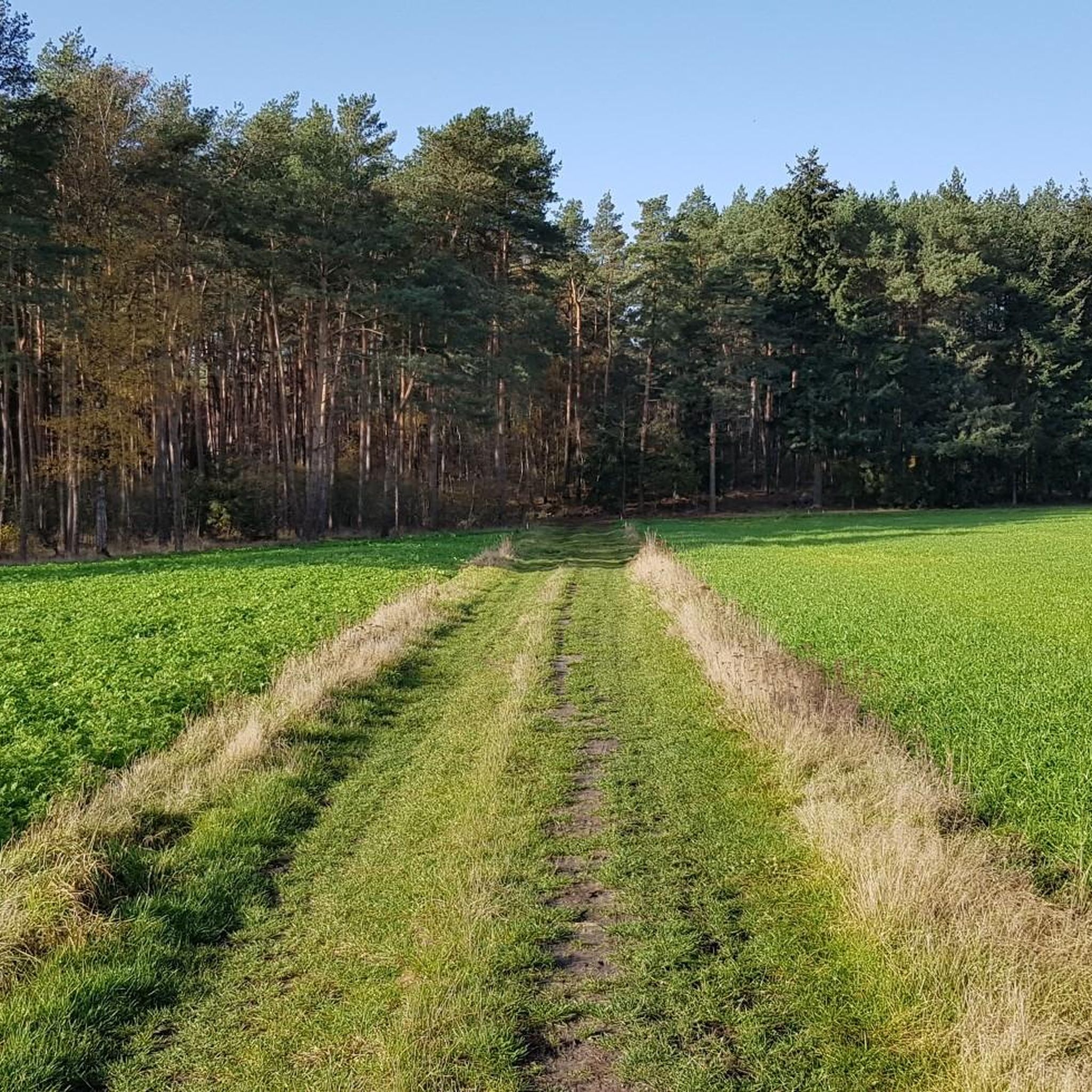
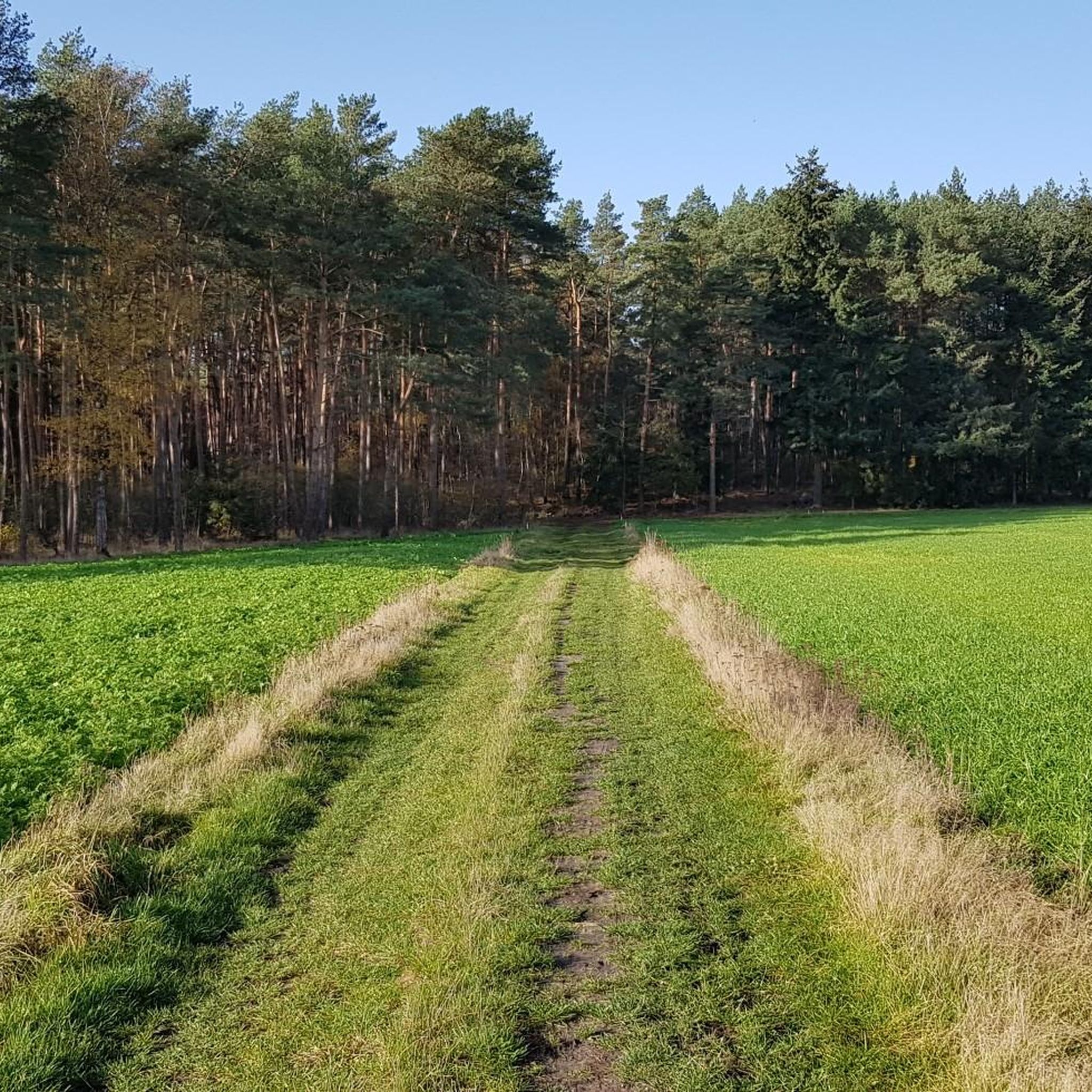
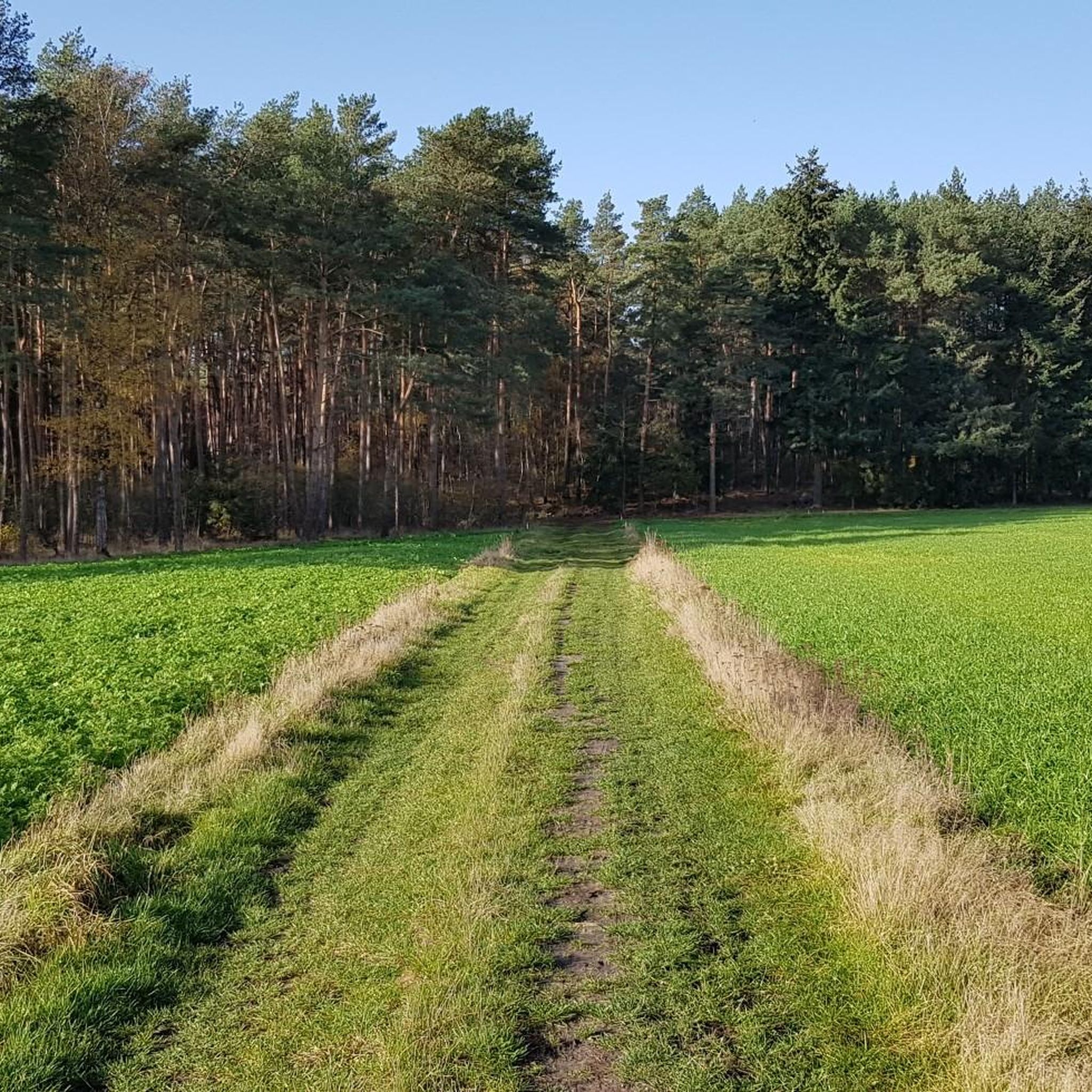
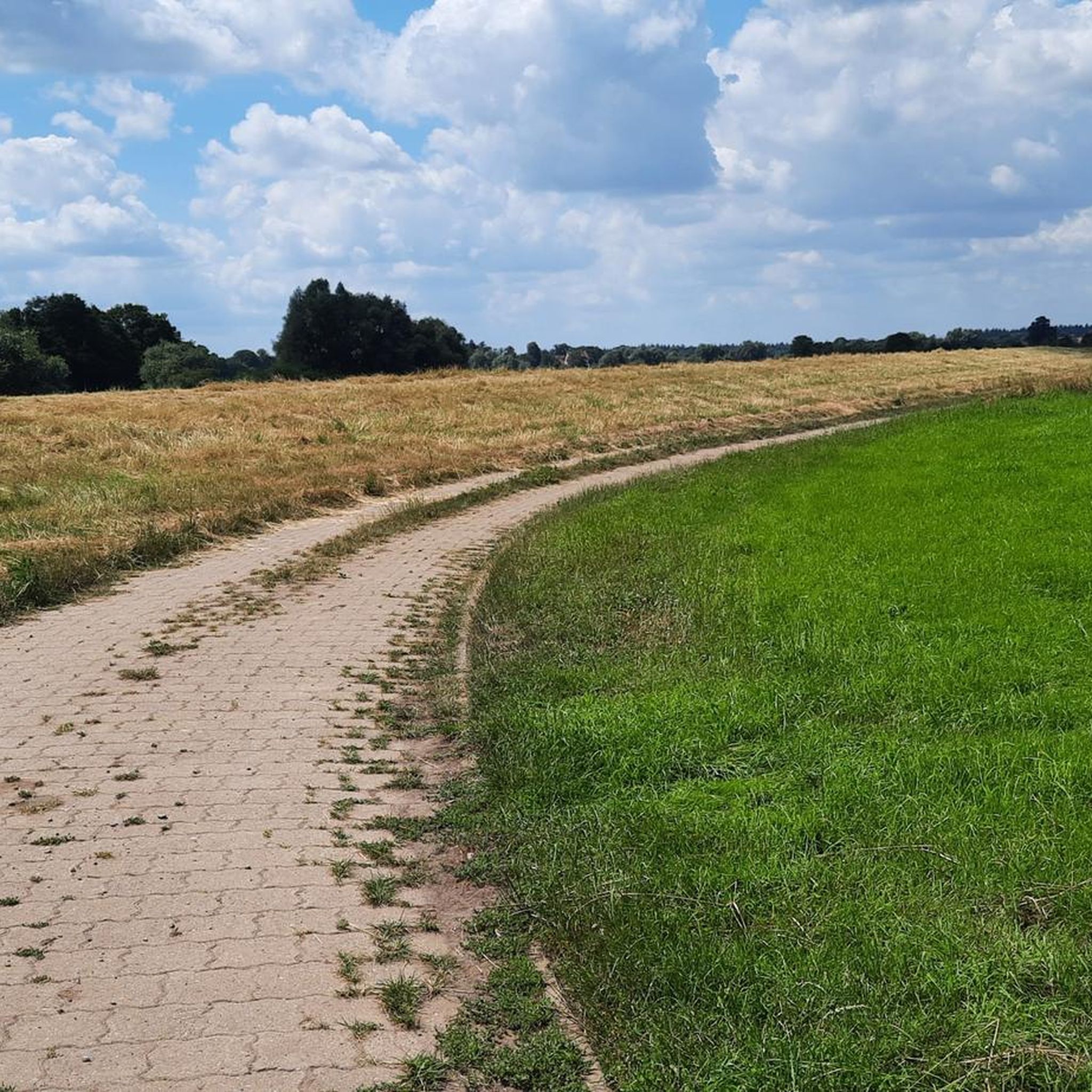
A small but beautiful heath area in the middle of the forest. You can drive directly to this heath area via the adjacent dirt road.
2
0
Frequently Asked Questions
What types of natural monuments can I explore around Böhme?
The Böhme region, part of the Southern Heath in Lower Saxony, Germany, offers a diverse range of natural monuments. You can find unique moorlands like the Pietzmoor, impressive geological formations such as the 40-meter-high bluffs of the Fallingbostel Lieth in the Böhme Valley, and serene river floodplains. The area also features historical sites set within natural landscapes, providing a blend of natural beauty and cultural heritage.
Are there any historical natural monuments in the Böhme area?
Yes, the region has several historical sites that are also considered natural monuments. For instance, you can visit the Historical Finds from the Lehringen Marl Pits (Forest Elephant Site), where forest elephants lived approximately 120,000 years ago. Another significant site is the Early Iron Age cult site in the Dalsch, which showcases traces of human settlement dating back to protohistoric times.
What are some unique natural features to see around Böhme?
Beyond specific monuments, the Böhme region is characterized by its distinctive natural features. The Böhme River originates from the re-flooded Pietzmoor, an important ecosystem. Further along, the river flows through a relatively narrow valley with notable bluffs, and historically, areas like Honerdinger Switzerland and the Böhme Gorge were popular for their dramatic landscapes. You can also explore the tranquil Böhme floodplains and riverside forest paths.
Are there family-friendly natural monuments to visit?
Many natural monuments around Böhme are suitable for families. For example, the Heathland in the Forest (Schwedenschanze) offers a quiet natural experience within a depression of inland ice dunes, perfect for a peaceful family outing. The Dolmen Near Ahlden is another family-friendly historical site where you can enjoy the beautiful landscape near the river.
What kind of outdoor activities can I do near these natural monuments?
The Böhme area provides numerous opportunities for outdoor activities. You can find various running trails, such as the 'Running loop from Altenboitzen,' or explore road cycling routes like the 'Aller Riverbank Cycling Path – Frankenfeld loop.' For those who prefer off-road adventures, there are gravel biking options, including the 'Pond at Eckernworth – Moonlight Bridge loop.' You can find more details on these activities and routes on the respective guide pages for Running Trails, Road Cycling Routes, and Gravel Biking around Böhme.
What is the best time of year to visit the natural monuments around Böhme?
The Böhme region offers beauty throughout the year, but the best time to visit often depends on your preferred activity. Spring and summer are ideal for enjoying the lush greenery and warmer weather for hiking and cycling. Autumn brings vibrant fall colors to the forests and river valleys. Even in winter, the moorlands and bluffs can offer a serene and unique landscape, though some paths might be less accessible.
Are there any man-made monuments that are considered natural monuments in the area?
Yes, the Wolf Stone Memorial (Wolfstein) is a notable example. While man-made, it commemorates a wolf and is situated within a natural setting. A memorial stone and plaque on-site provide details about its history, making it an interesting stop for those exploring the region's natural and historical narratives.
What do visitors enjoy most about the natural monuments around Böhme?
Visitors frequently appreciate the tranquility and natural beauty of the area. Many highlight the peaceful atmosphere of places like the Heathland in the Forest, where you can hear no civilization noise and fully immerse yourself in the sounds of nature. The historical sites also draw interest, with visitors finding the stories behind places like the Forest Elephant Site and the Wolf Stone Memorial particularly engaging.
Can I find hiking trails that lead to these natural monuments?
Yes, the Böhme region is well-suited for hiking. Many natural monuments are accessible via well-maintained paths. For instance, the Böhme floodplains and riverside forest paths near Bad Fallingbostel and Dorfmark offer easily accessible routes for exploring the riverine environment. You can find various hiking options, including circular walks, that connect to these natural attractions.
What kind of geological features can be observed in the Böhme region?
The Böhme region is rich in geological features. The river itself originates from old peat pits in the re-flooded Pietzmoor, showcasing a unique moorland ecosystem. Further downstream, the Böhme Valley features impressive bluffs, such as the 40-meter-high Fallingbostel Lieth, which are significant geological formations. The Heathland in the Forest is also a depression of inland ice dunes, providing insight into the region's glacial history.
Are there any hidden gems among the natural monuments in Böhme?
While many sites are well-known, the Heathland in the Forest (Schwedenschanze) is often considered a hidden gem. It's a small heath area tucked away within the forest, offering a secluded and quiet natural experience away from more crowded spots. Its location within a depression of inland ice dunes adds to its unique charm.
Most popular routes around Böhme
Most popular attractions around Böhme

Get inspired with the komoot mobile app


Explore more
Extend your search for the best caves by checking out these guides of the top ones around Böhme:
