Top 20 Natural Monuments around Pudagla
Best natural monuments around Pudagla are situated within the Usedom Island Nature Park, characterized by diverse landscapes including beaches, dunes, and forests. Pudagla itself is nestled in a region shaped by glacial movements, offering geological insights into the area's formation. The surroundings provide access to significant natural attractions, making it a destination for exploring natural features. This area is known for its coastal cliffs, ancient forests, and inland lakes.
Best natural monuments around Pudagla
- The most popular natural monuments is…
Last updated: June 25, 2026
View of the Baltic Sea from the Koserow Cliffs
Highlight • Viewpoint
Translated by Google •
Tip by

Bansin Cliffs
Highlight • Gorge
Translated by Google •
Tip by

Sign up now to discover places like this
Get recommendations on the best single tracks, peaks, & plenty of other exciting outdoor places.
Sign up for free
Lake Kölpinsee
Highlight • Lake
Translated by Google •
Tip by
Streckelsberg
Highlight • Viewpoint
Translated by Google •
Tip by

Usedom Clifftop Trail Section
Highlight (Segment) • Trail
Translated by Google •
Tip by

Sign up for free to discover even more natural monuments around Pudagla.
Sign up for free
Already have an account?
Start today with a free account
Your next adventure awaits.
Login or Signup
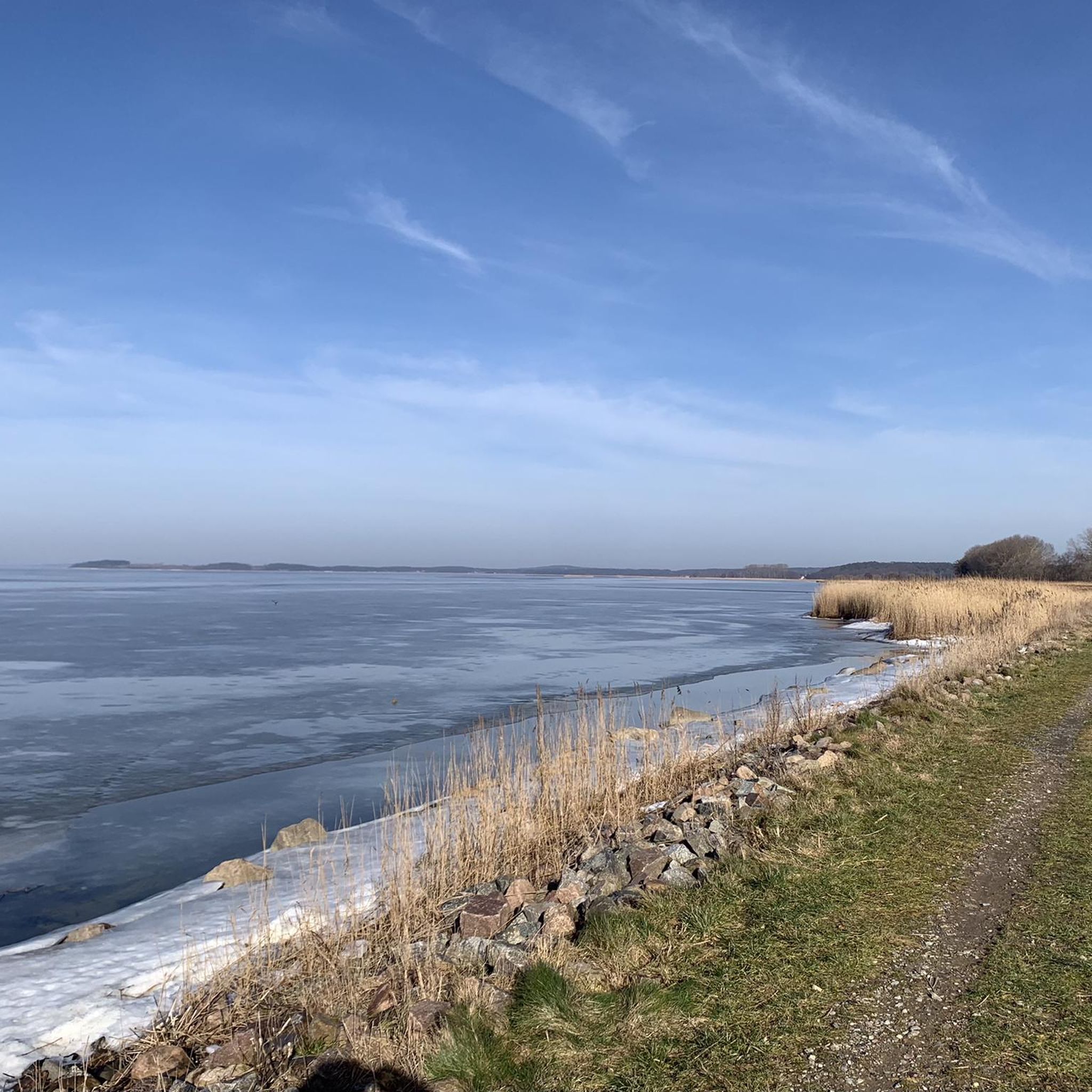
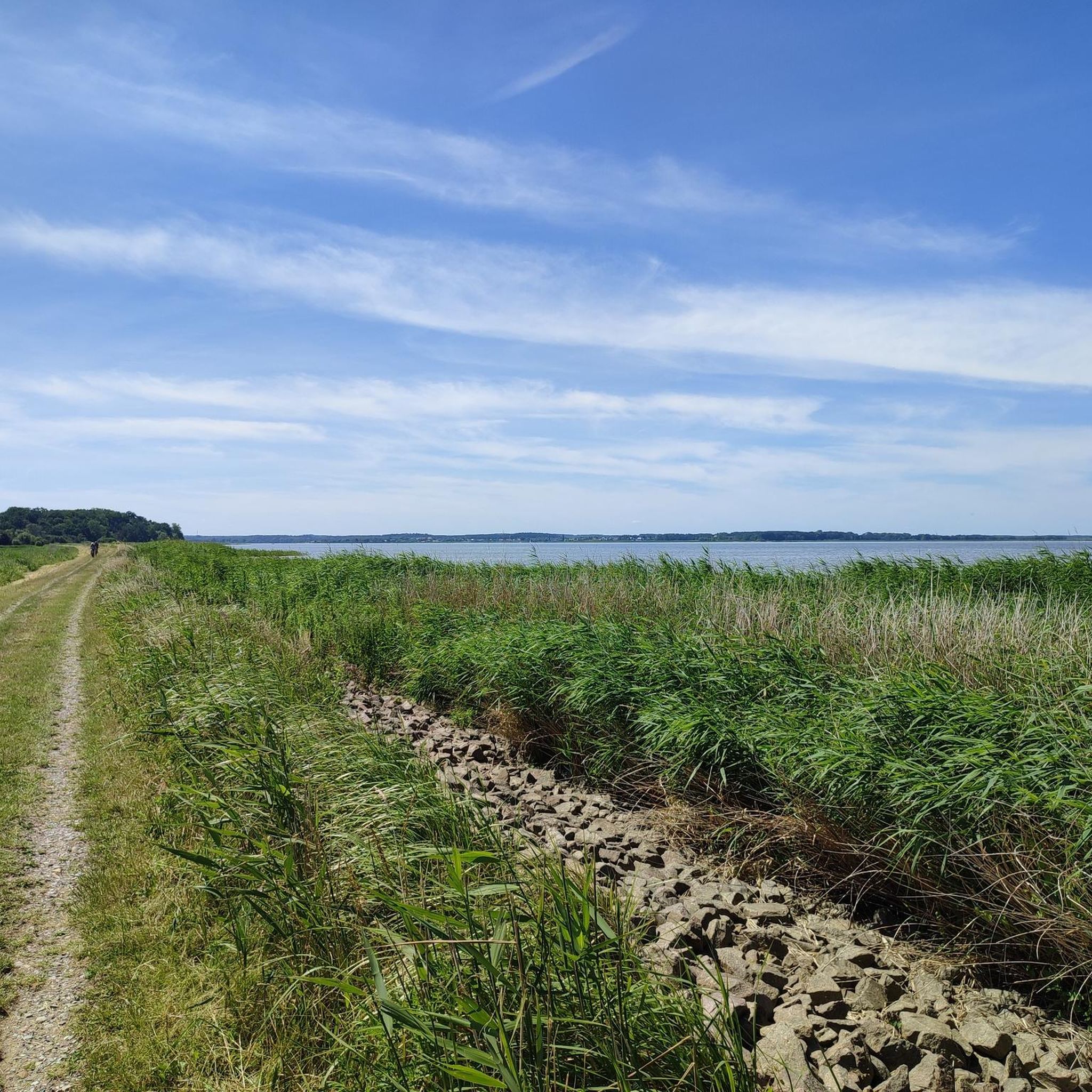
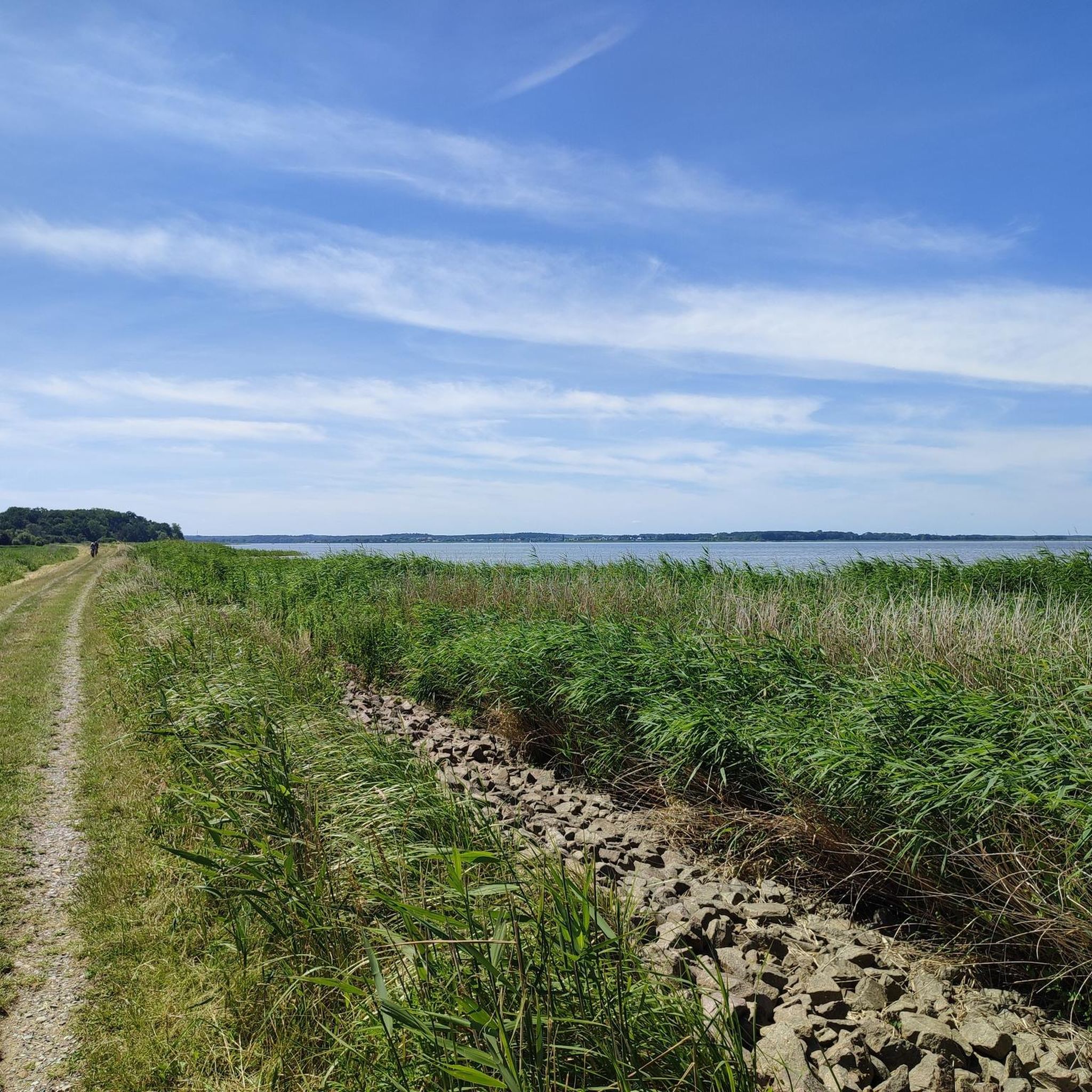
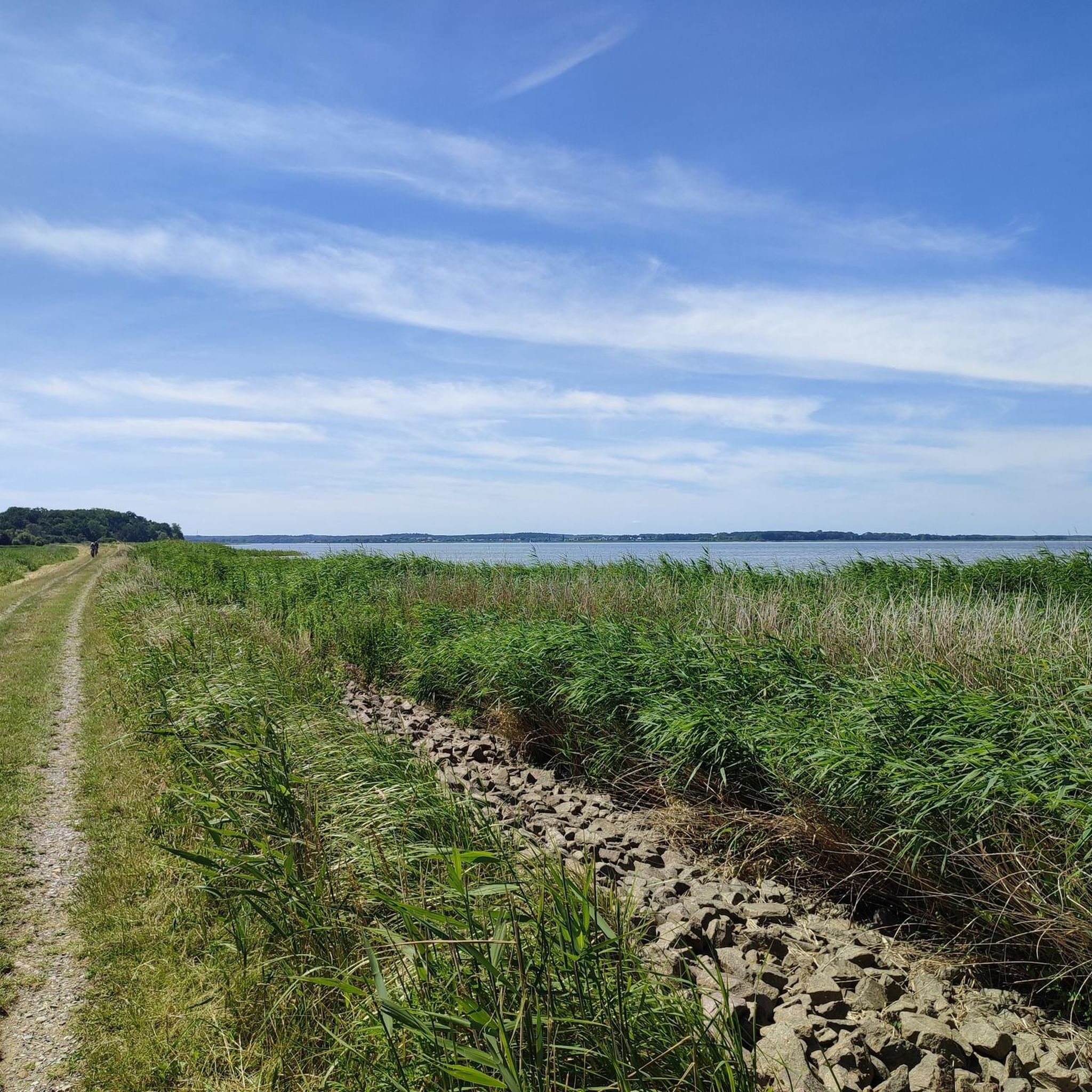
Tips from the Community

Unfortunately, the stairs on the cliff no longer exist, as they were badly damaged after several storms
6
1

Great for walking on the beach. However, I have the impression that there is always a bit more slipping off. In the next storm, some trees will probably slip down again.
6
1


Beautiful section, varied with views, wooded areas, narrow paths right on the cliffs. Constantly changing due to wind and weather, always different.
7
1

From above you have a great view of the Baltic Sea.
27
2

Cliffs are coasts of loss: Every storm wears away a little of the cliffs on the island of Usedom.
7
1
The steep coast on Long Mountain near Bansin, characters, is in Heringsdorf. The steep coast on Langen Berg near Bansin is located northwest of Seebad Bansin, near Langer Berg.
12
3
Frequently Asked Questions
What are some of the most popular natural monuments to visit around Pudagla?
Among the most appreciated natural monuments are the View of the Baltic Sea from the Koserow Cliffs, offering expansive vistas of the Baltic Sea, and Streckelsberg, a striking coastal cliff with ancient beech forests and diverse plant life. Visitors also enjoy Lake Gothensee, known for its rich birdlife and serene mixed deciduous forest setting.
Are there family-friendly natural monuments near Pudagla?
Yes, several natural monuments around Pudagla are suitable for families. Lake Kölpinsee is a great option, offering a pleasant circular route and seating areas. The Streckelsberg also features a beautiful family hiking trail, though some parts might be challenging with a stroller.
What kind of natural features can I expect to see around Pudagla?
Pudagla is nestled within the Usedom Island Nature Park, offering a diverse range of natural features. You can explore coastal cliffs like Streckelsberg, serene lakes such as Lake Gothensee and Lake Kölpinsee, and extensive beaches and dunes. The region is also characterized by ancient beech forests and areas shaped by glacial movements, providing geological insights.
What is the best time of year to visit the natural monuments around Pudagla?
The natural monuments around Pudagla, particularly areas like Streckelsberg, are beautiful in every season. Spring is particularly enchanting when spring flowers like hepatica and anemones create blue carpets on the forest floor. Summer offers pleasant weather for coastal walks, while autumn brings vibrant foliage to the beech forests. Even winter, with a snowy beach, can be a worthwhile visit for unique views.
Are there hiking trails near the natural monuments around Pudagla?
Yes, there are numerous hiking opportunities. For example, the Streckelsberg features a beautiful family hiking trail through beech forests. You can find more detailed hiking routes and guides for the area, including trails around Pudagla Castle and the Achterwasser, on the Hiking around Pudagla guide page.
What outdoor activities can I do near these natural monuments?
Beyond exploring the natural monuments themselves, the region around Pudagla offers various outdoor activities. You can enjoy running on trails like the 'Usedom Beach Promenade – Bansin Promenade loop' or road cycling routes such as the 'Usedom–Mellenthin Cycle Path'. For more options, check out the Running Trails around Pudagla and Road Cycling Routes around Pudagla guide pages.
What makes Streckelsberg a significant natural monument?
Streckelsberg is significant due to its geological formation as a push moraine from the last ice age, making it the third-highest elevation on Usedom Island. It boasts nearly 200-year-old beech forests with diverse flora, including rare orchids, and supports a variety of fauna. From its summit, visitors can enjoy panoramic views extending to Rügen and Wolin Misdroy.
Are there any historical or cultural aspects related to the natural monuments?
While primarily natural, some sites carry historical significance. Streckelsberg, for instance, is not only a geological wonder but also steeped in local legends, including tales of the sunken city of Vineta and the pirate Klaus Störtebeker, adding a layer of cultural intrigue to its natural allure.
What do visitors particularly enjoy about the natural monuments around Pudagla?
Visitors frequently praise the stunning views, especially from coastal points like the Koserow Cliffs and Streckelsberg. The peaceful atmosphere of places like Lake Gothensee and the opportunity for beautiful walks through diverse landscapes, including ancient forests and along the beach, are also highly valued.
Is the Usedom Island Nature Park relevant to visiting natural monuments near Pudagla?
Absolutely. Pudagla is situated within the Usedom Island Nature Park, which encompasses a wide variety of habitats including extensive beaches, dunes, and flat moorland. Many of the natural monuments, such as Lake Gothensee, are integral parts of this protected area, highlighting the region's commitment to preserving its diverse natural landscapes. You can learn more about the Nature Park's visitor center at visit-mv.com.
Are there any viewpoints offering panoramic scenery?
Yes, the region is known for its excellent viewpoints. The View of the Baltic Sea from the Koserow Cliffs provides expansive views of the sea. From the summit of Streckelsberg, you can enjoy magnificent panoramas extending to the islands of Rügen and Wolin Misdroy. The Usedom Clifftop Trail Section also offers great views from the high dunes.
Are the trails around Pudagla's natural monuments dog-friendly?
Many trails in the area are dog-friendly. For example, the View of the Baltic Sea from the Koserow Cliffs is listed as dog-friendly. Always ensure your dog is on a leash, especially in protected areas or near wildlife, and be mindful of other visitors.
Most popular routes around Pudagla
Most popular attractions around Pudagla

Get inspired with the komoot mobile app


Explore more
Extend your search for the best caves by checking out these guides of the top ones around Pudagla:
