Top 10 Natural Monuments around Rätzlingen
Best natural monuments around Rätzlingen are primarily found within or near the Lüneburg Heath, a significant natural area in Germany. This region is characterized by extensive heathlands, woods, wetlands, and streams, offering diverse natural landscapes. The heath was historically shaped by grazing and is maintained today by Heidschnucke sheep. It serves as a vital protected area for various plant and animal species.
Best natural monuments around Rätzlingen
- The most popular natural monuments is Kleine Bünstorfer Heath and Burial Mounds,…
Last updated: August 18, 2026
Jadtorfer See Bird Sanctuary
Highlight • Lake
Translated by Google •
Tip by

Kleine Bünstorfer Heath and Burial Mounds
Highlight • Natural
Translated by Google •
Tip by

Sign up now to discover places like this
Get recommendations on the best single tracks, peaks, & plenty of other exciting outdoor places.
Sign up for free
Kahlstorf Megalithic Tomb 1
Highlight • Historical Site
Translated by Google •
Tip by

Wölbäcker Near Oldenstadt
Highlight • Historical Site
Translated by Google •
Tip by

Uelzen I Megalithic Tomb
Highlight • Historical Site
Translated by Google •
Tip by

Sign up for free to discover even more natural monuments around Rätzlingen.
Sign up for free
Already have an account?
Start today with a free account
Your next adventure awaits.
Login or Signup
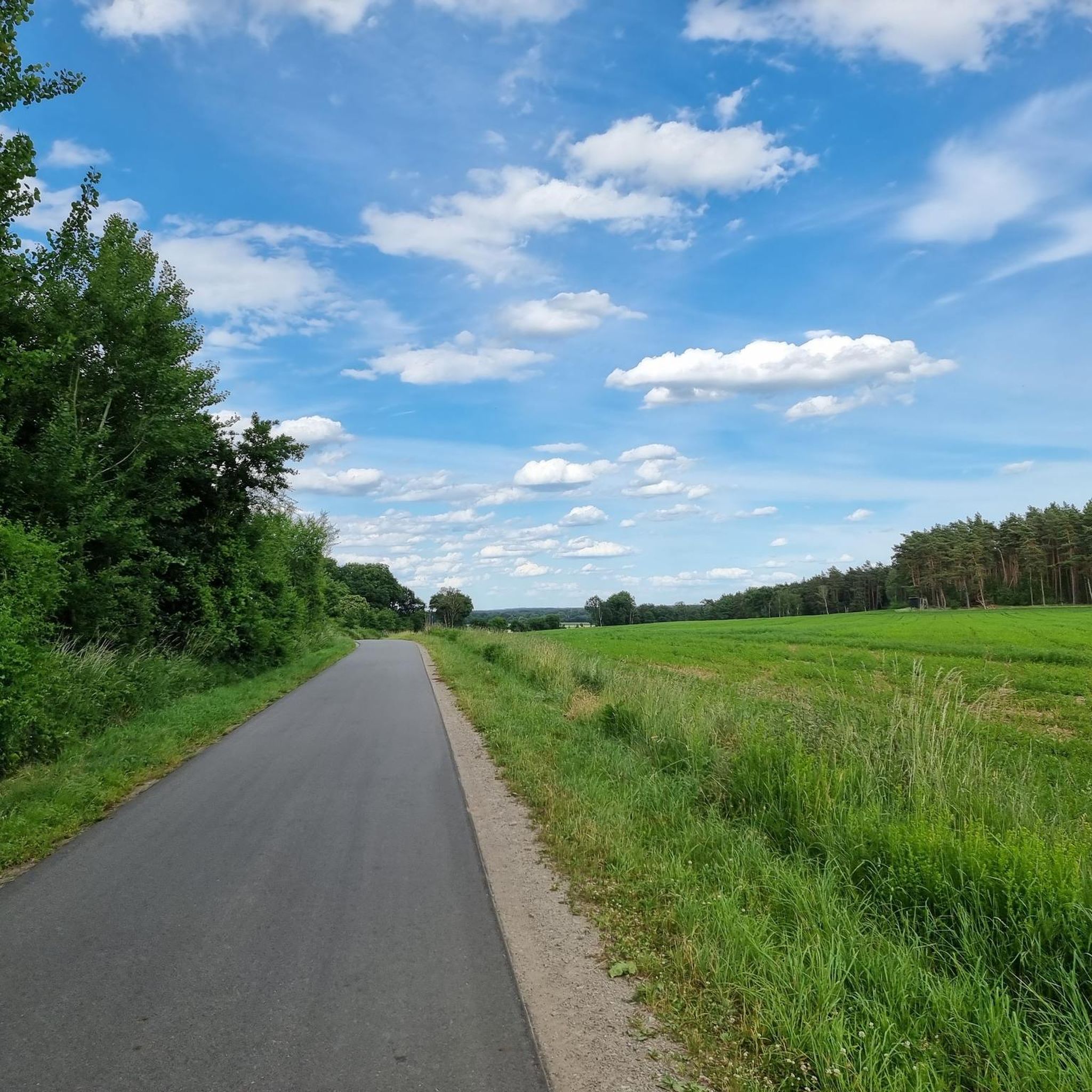
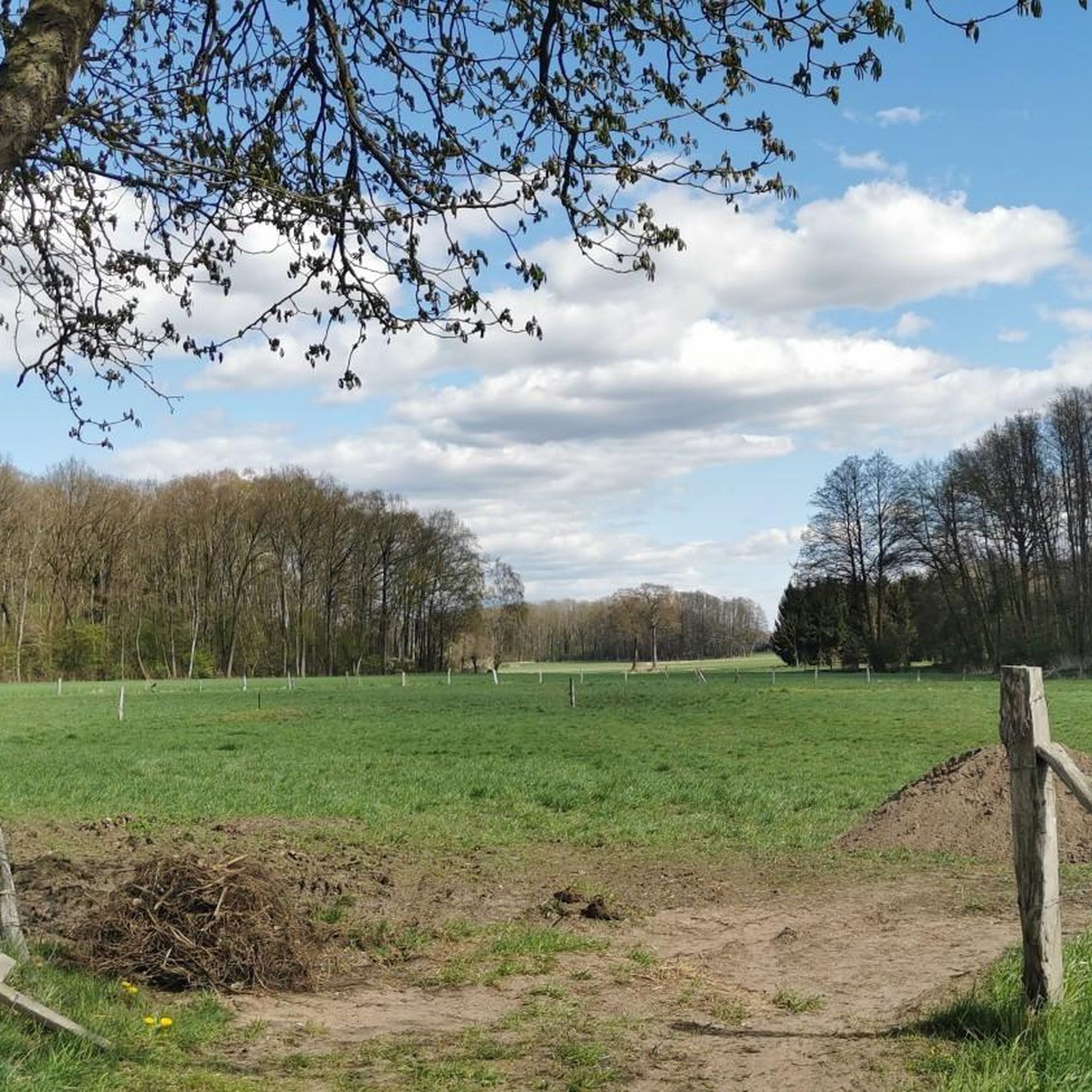
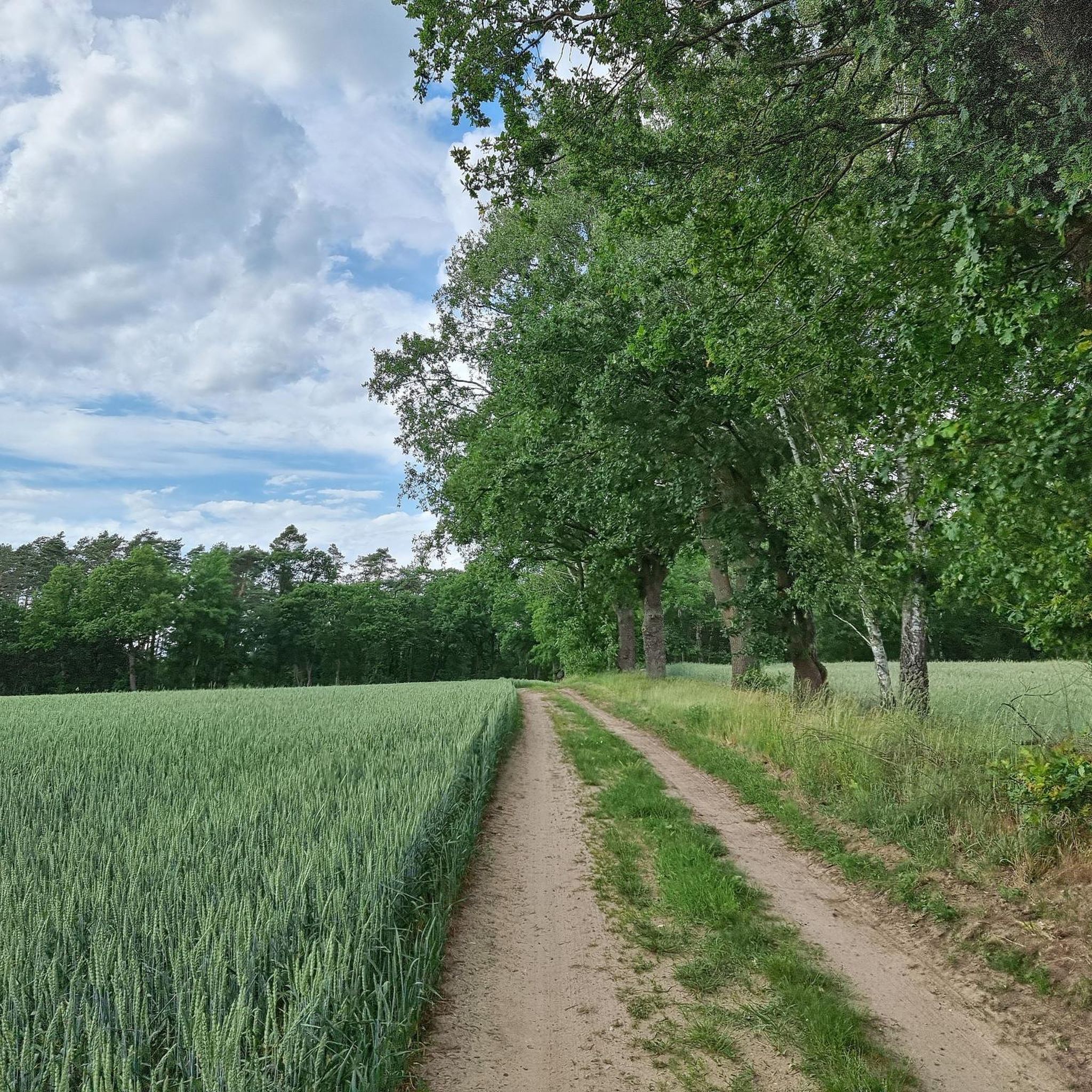
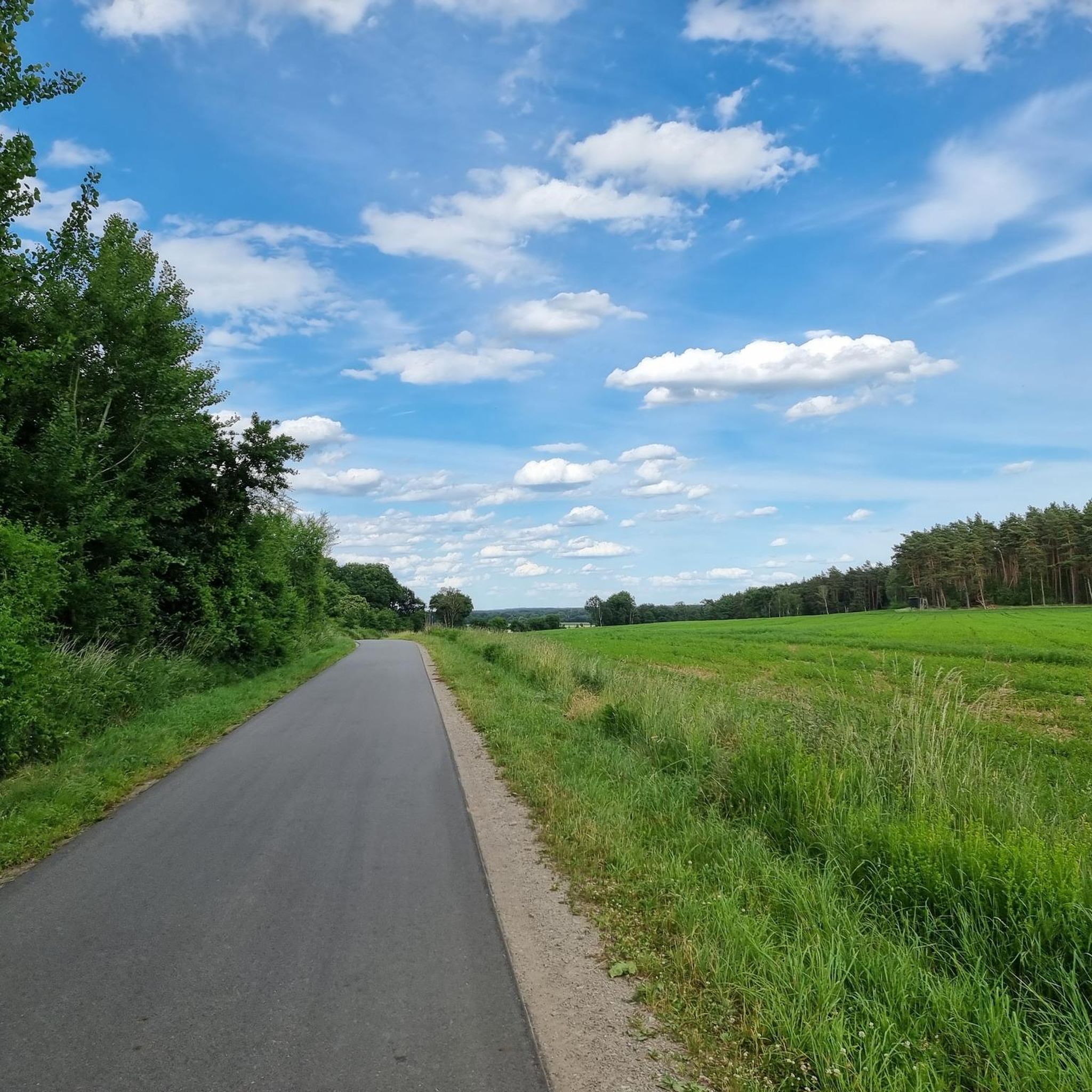

Tips from the Community

very nice in August
0
0

Before reaching the finish line, you will pass through a short "cycling track for children"
0
0

A beautiful and varied walk.
0
0
Resting place! Swimming and entry prohibited
0
0

Sometimes the remains of old fields, so-called “arched or raised fields”, have been preserved under the forest. They are usually difficult to recognise and stand out as wave-like structures with “hills” and “valleys” in the terrain. Here in Oldenstadt, these are probably relics of such structures. There are also prehistoric burial mounds directly adjacent. This question has not yet been fully answered. They are probably connected to the invention of the reversible plough: this meant that the clod of land could only be turned to one side when ploughing. It was always tipped towards the middle of the field, which then became increasingly arched in the middle - a “arched field” was created. Ploughing was done with oxen and horses. The fertile topsoil was thus held in the middle of the field, and the water could drain away in the ditch-like depressions on the side. In years that were too wet, the grain grew better in the middle of the bed, and in years that were too dry, it grew better at the edge. In the Middle Ages, all known types of grain were grown in such fields, except for corn, which only came along decades after the discovery of America: wheat, barley, rye, oats, spelt, emmer, millet, foxtail millet. Buckwheat and hemp were adopted from the Slavic region. Peas, lentils, broad beans, flax and poppy seeds were also grown. Vaulted fields have been documented since the early Middle Ages, and their origins probably date back more than 2000 years. They only survived where intensive use was not sensible later, i.e. under heath and forest. They indicate the proximity of old settlements. - https://www.heideregion-uelzen.de/detail/id=6086a6d9b3b9c34237746bde
0
0

Great view but definitely with binoculars
0
0

As on almost every heathland, the obligatory Löns stone cannot be missing here either. 😁😁😁
1
0
Almost right on the doorstep. I only came across the large graves while hiking. Through research for other hikes. Unfortunately also completely destroyed, but the stone that lies here is said to have been a capstone.
0
0
Frequently Asked Questions
What unique natural features can I explore around Rätzlingen?
The Rätzlingen area is primarily known for its proximity to the expansive Lüneburg Heath, a significant natural area characterized by extensive heathlands, woods, wetlands, and streams. You can experience diverse landscapes, from the vibrant purple bloom of heather in late summer to serene forest ponds. A notable natural monument is the Kleine Bünstorfer Heath and Burial Mounds, which features original heath landscape.
Are there any birdwatching opportunities near Rätzlingen?
Yes, the Jadtorfer See Bird Sanctuary is an important waterbird sanctuary in the Uelzen region. This 16.5-hectare nature reserve offers opportunities to observe many bird species from an observation tower, including cormorants, greylag geese, various ducks, and even marsh harriers. The broader Lüneburg Heath also features wetland biotopes where you might spot cranes and roebuck.
What historical sites are integrated into the natural landscape around Rätzlingen?
The region features several historical sites that are also considered natural monuments. The Kleine Bünstorfer Heath and Burial Mounds includes barrows from the late Neolithic and Bronze Age. Additionally, you can visit Kahlstorf Megalithic Tomb 1, a passage grave from the Neolithic funnel beaker culture. There are also the Wölbäcker Near Oldenstadt, which are remains of old, arched fields preserved under the forest, indicating ancient agricultural practices.
Are there family-friendly natural monuments to visit?
Yes, several natural monuments around Rätzlingen are suitable for families. The Kleine Bünstorfer Heath and Burial Mounds offers an engaging mix of nature and history. The Jadtorfer See Bird Sanctuary is also family-friendly, with an observation tower for easy birdwatching. The Schützensteine Memorial provides a peaceful spot for a break during a family outing.
What outdoor activities can I do near the natural monuments?
The area around Rätzlingen, especially within the Lüneburg Heath, is ideal for various outdoor activities. You can find numerous hiking and cycling opportunities. For instance, there are routes like the 'Forest Ponds in Lüneburg Heath – NABU Bench Vezzen loop from Rätzlingen' for hiking, or the 'Ilmenau Crossing – Uelzen Marina and Restaurant loop from Rätzlingen' for cycling. You can explore more options on the Hiking around Rätzlingen or Cycling around Rätzlingen guide pages.
When is the best time to visit the natural monuments around Rätzlingen?
The Lüneburg Heath, which encompasses many of the natural monuments, is particularly stunning in late summer, typically from August to early September, when the heather blooms in vibrant purple. This period offers a unique natural panorama. However, spring and early summer also provide opportunities to observe diverse flora and fauna, including returning cranes in the wetlands.
Are there specific hiking trails that lead to these natural monuments?
Yes, many trails in the region incorporate these natural monuments. For example, a moderate 9 km loop trail from Rätzlingen, 'Forest Ponds in Lüneburg Heath – NABU Bench Vezzen loop from Rätzlingen', allows you to explore the idyllic moorland landscape and forest ponds. You can find more hiking routes and details on the Hiking around Rätzlingen guide.
What kind of wildlife can I expect to see in the natural monuments area?
The Lüneburg Heath and its natural monuments are rich in biodiversity. At the Jadtorfer See Bird Sanctuary, you can observe numerous waterbird species. In the broader wetlands and forest ponds, you might spot cranes, roebuck, and various bird species. The heath also serves as a vital habitat for rare species, including the Black Grouse, and even returning wolves have been noted in the wider region.
Is public transport available to reach the natural monuments or the Lüneburg Heath from Rätzlingen?
While Rätzlingen itself is a smaller community, the Lüneburg Heath is well-connected. Specific public transport options directly to every natural monument might be limited, but regional buses and trains can take you to larger towns within the Lüneburg Heath area, from where you can often access trails or local transport to specific sites. It's advisable to check local transport schedules for the most up-to-date information.
What do visitors enjoy most about the natural monuments around Rätzlingen?
Visitors particularly appreciate the tranquility and unique cultural landscape of the Lüneburg Heath. The opportunity to witness rare flora and fauna, the vibrant purple heather bloom, and the blend of natural beauty with historical sites like ancient burial mounds are highly valued. The observation tower at Jadtorfer See Bird Sanctuary is also a popular feature for nature enthusiasts.
Are there any memorials or significant man-made structures considered natural monuments?
Yes, the Schützensteine Memorial is a notable man-made monument within the natural landscape. It serves as a memorial and offers a place for reflection and a break during your explorations.
Can I find places to eat or stay near the natural monuments?
While direct amenities at every natural monument might be limited, the towns and villages surrounding the Lüneburg Heath, including those near Rätzlingen, offer various cafes, pubs, and accommodation options. Planning your route in advance can help you identify suitable spots for refreshments or overnight stays.
Most popular routes around Rätzlingen
Most popular attractions around Rätzlingen

Get inspired with the komoot mobile app


Explore more
Extend your search for the best caves by checking out these guides of the top ones around Rätzlingen:
