Top 20 Natural Monuments around Klein-Winternheim
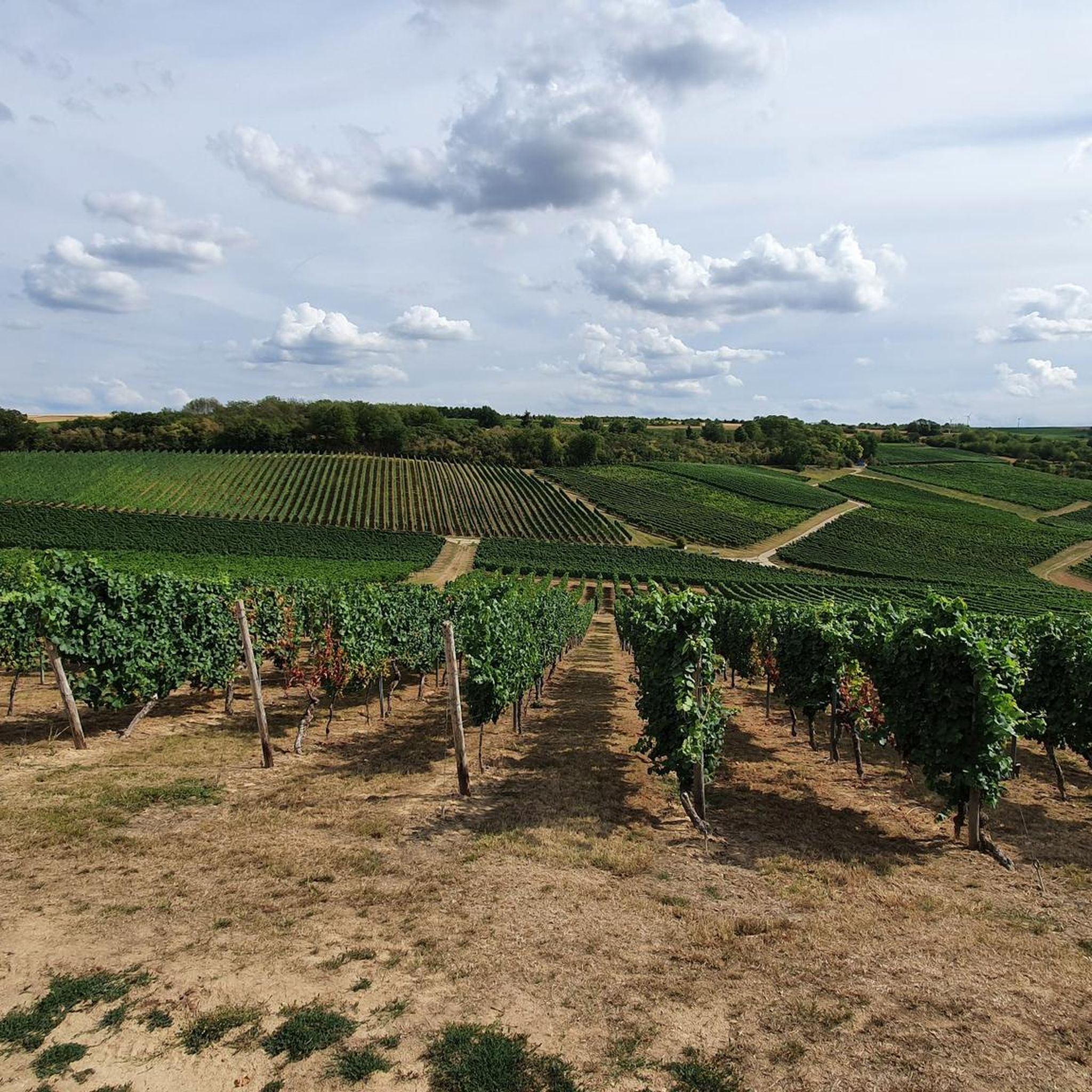
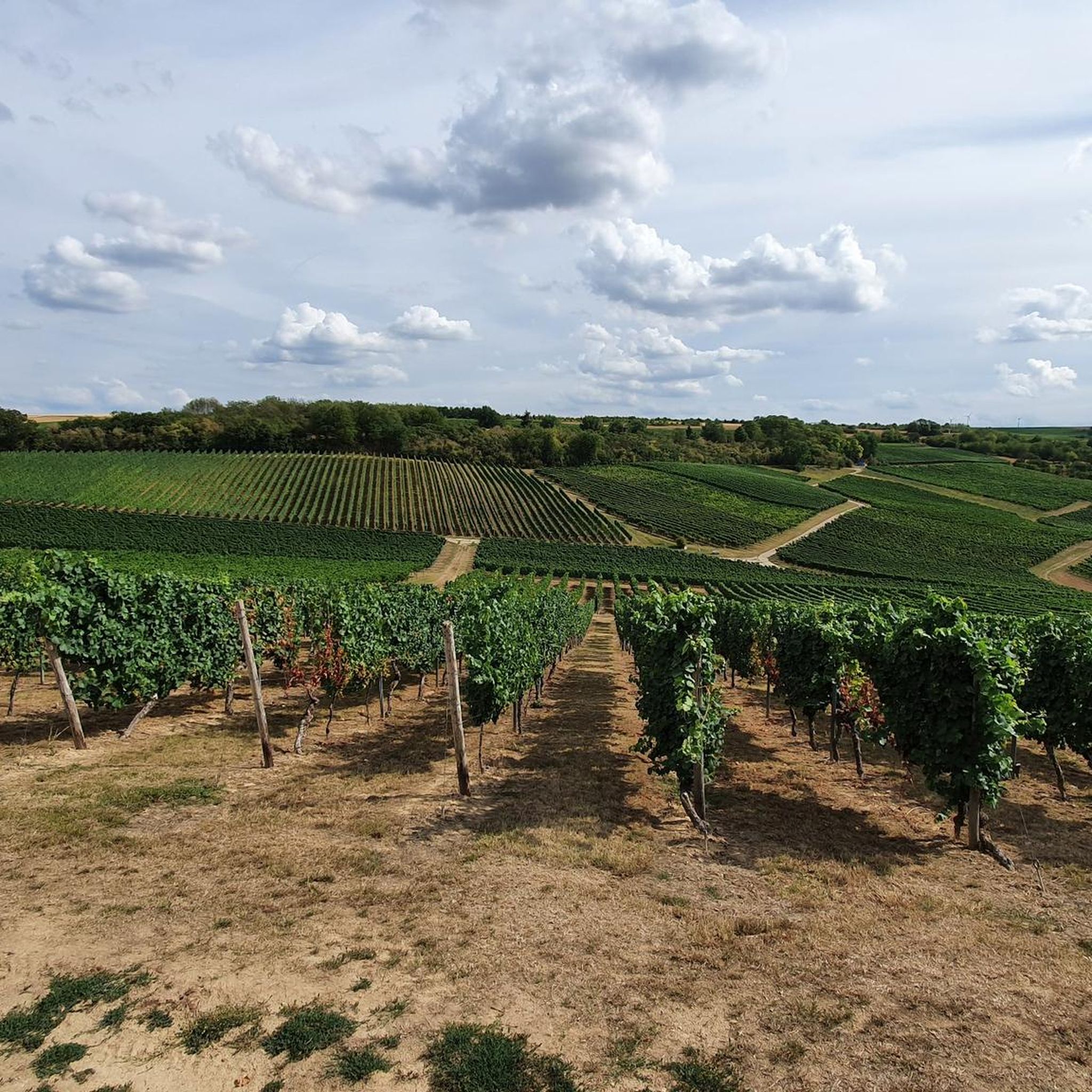
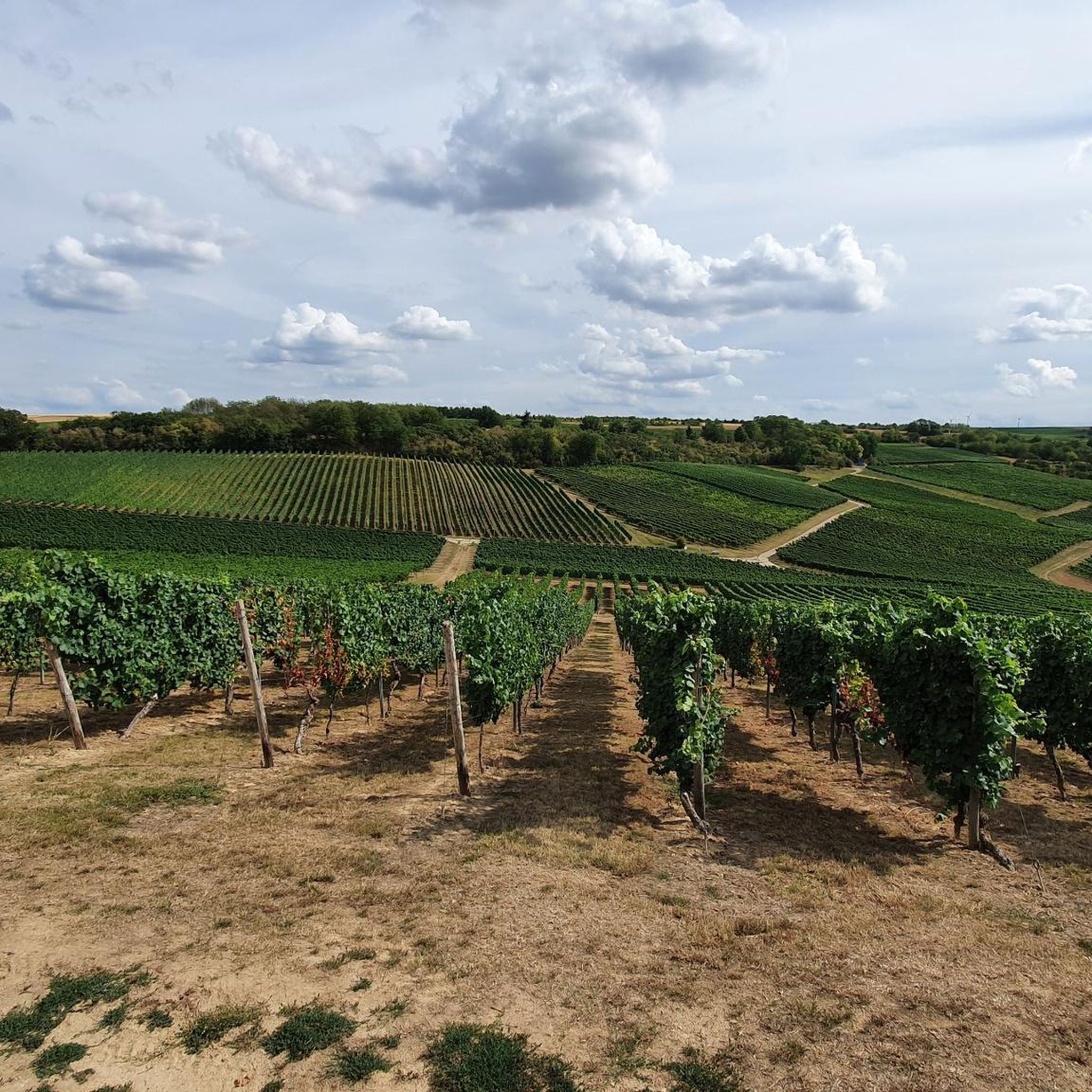
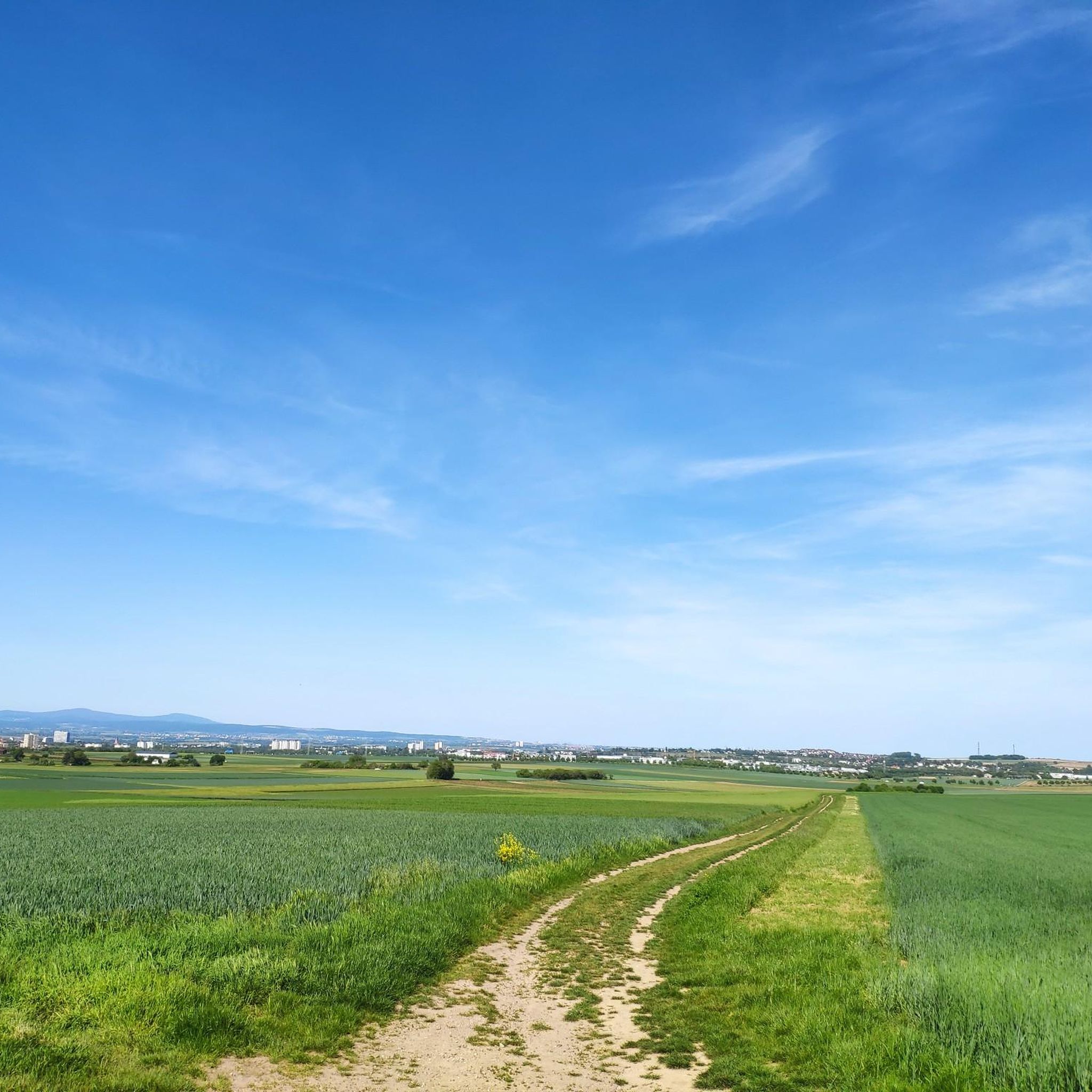
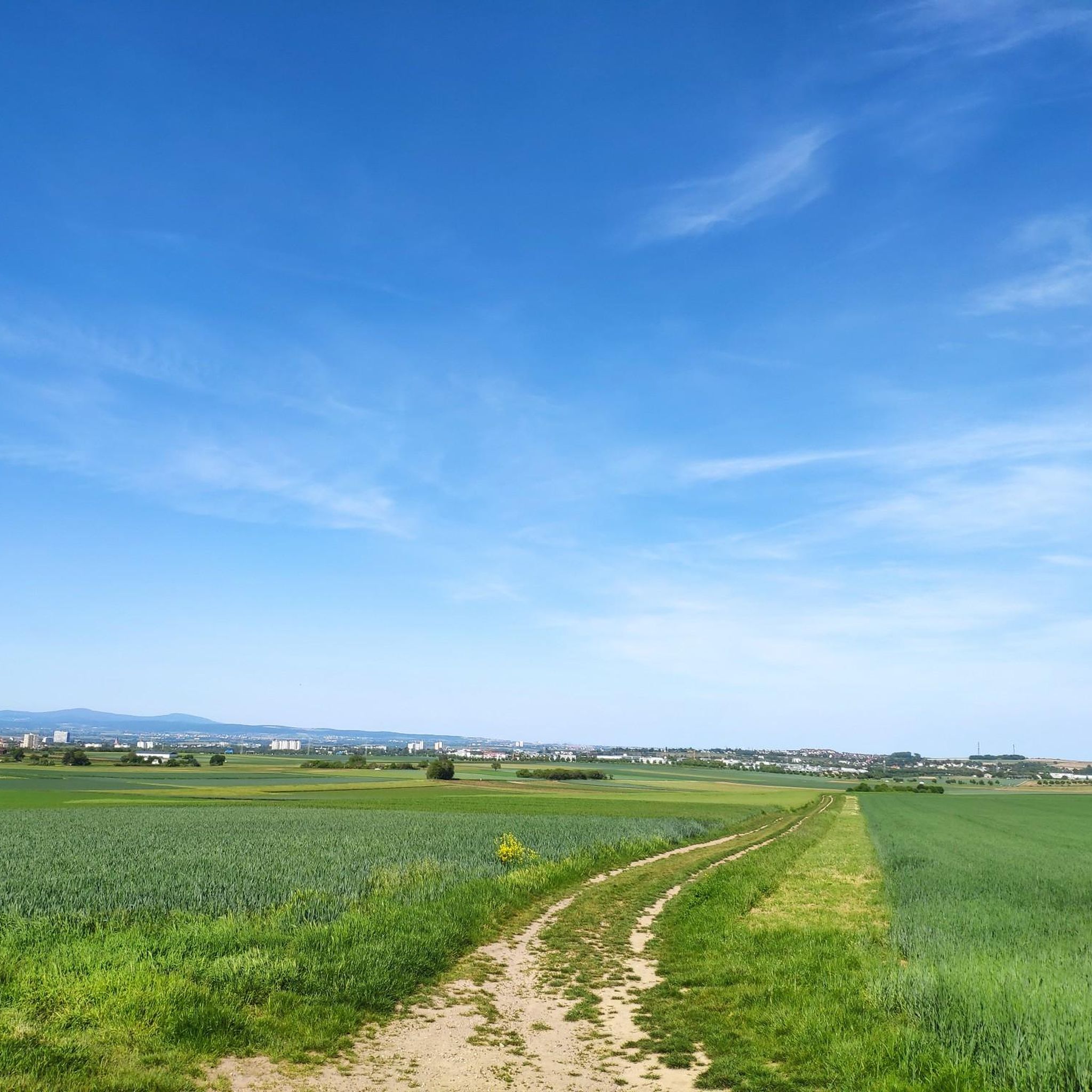
Best natural monuments around Klein-Winternheim include the legally protected Linden trees at the Klein-Winternheim train station, a notable feature of the townscape. The region is characterized by rolling hills, picturesque vineyards, and varied landscapes offering numerous hiking opportunities. While the linden trees are the sole officially designated natural monument within Klein-Winternheim itself, the broader area provides a rich natural setting for outdoor activities. This landscape features a mix of fields, flower meadows, and forests, particularly appealing in spring and autumn.
…Last updated: June 24, 2026
Main estuary
Highlight • River
Translated by Google •
Tip by

Mainspitze
Highlight • Viewpoint
The cycle paths in the German river landscape have improved enormously in recent years and are very …
Translated by Google •
Tip by

Sign up now to discover places like this
Get recommendations on the best single tracks, peaks, & plenty of other exciting outdoor places.
Sign up for free
View of the confluence of the Main and the Rhine
Highlight • Viewpoint
Translated by Google •
Tip by

Mainzer Sand Part II Nature Reserve
Highlight • Natural Monument
Translated by Google •
Tip by

Stork Reserve and Rhine Meadows Dike
Highlight (Segment) • Natural Monument
Translated by Google •
Tip by

Sign up for free to discover even more natural monuments around Klein-Winternheim.
Sign up for free
Already have an account?
Start today with a free account
Your next adventure awaits.
Login or Signup
Tips from the Community

Information about its creation and the nature there: https://de.wikipedia.org/wiki/Gro%C3%9Fer_Sand There are also information trails. Info here: https://www.mainz.de/angebote-entdecken/gruenes-mainz/naherholung/mainzer-sand
1
0

Here there is a beautiful avenue of plane trees along the path
7
0

You almost get the impression of being in a dune landscape near the sea. And this isn't surprising, because in prehistoric times, this area was indeed covered by the sea. With a bit of luck, you might even find marine fossils here. 🍀🍀🍀
0
1

The "Mainzer Sand II" nature reserve was established in March 1997. Brief description: Calcareous sand area with open calcareous sand plains, dunes, pioneer sand vegetation, sandy heaths, fallow land, orchards, isolated trees, and old and dead wood; The Mainzer Sand landscape originated approximately 10,000 years ago and is therefore relatively young. Dunes formed from the windblown sand blown from the gravelly riverbed of the Rhine. The establishment of trees and shrubs stabilized these dunes, essentially completing their formation. The resulting landscape is very rare, as it consists of inland dunes.
1
0
Here at the Mainspitze (Main's confluence) there are some great seating stones for resting.
16
1
The area south of the Main River's confluence with the Rhine is known as the Mainspitze. This area includes the two so-called Mainspitze municipalities of Ginsheim-Gustavsburg and Bischofsheim, which were districts of Mainz, the capital of Rhineland-Palatinate, from 1930 to 1946 and now belong to the Groß-Gerau district in Hesse.
15
0
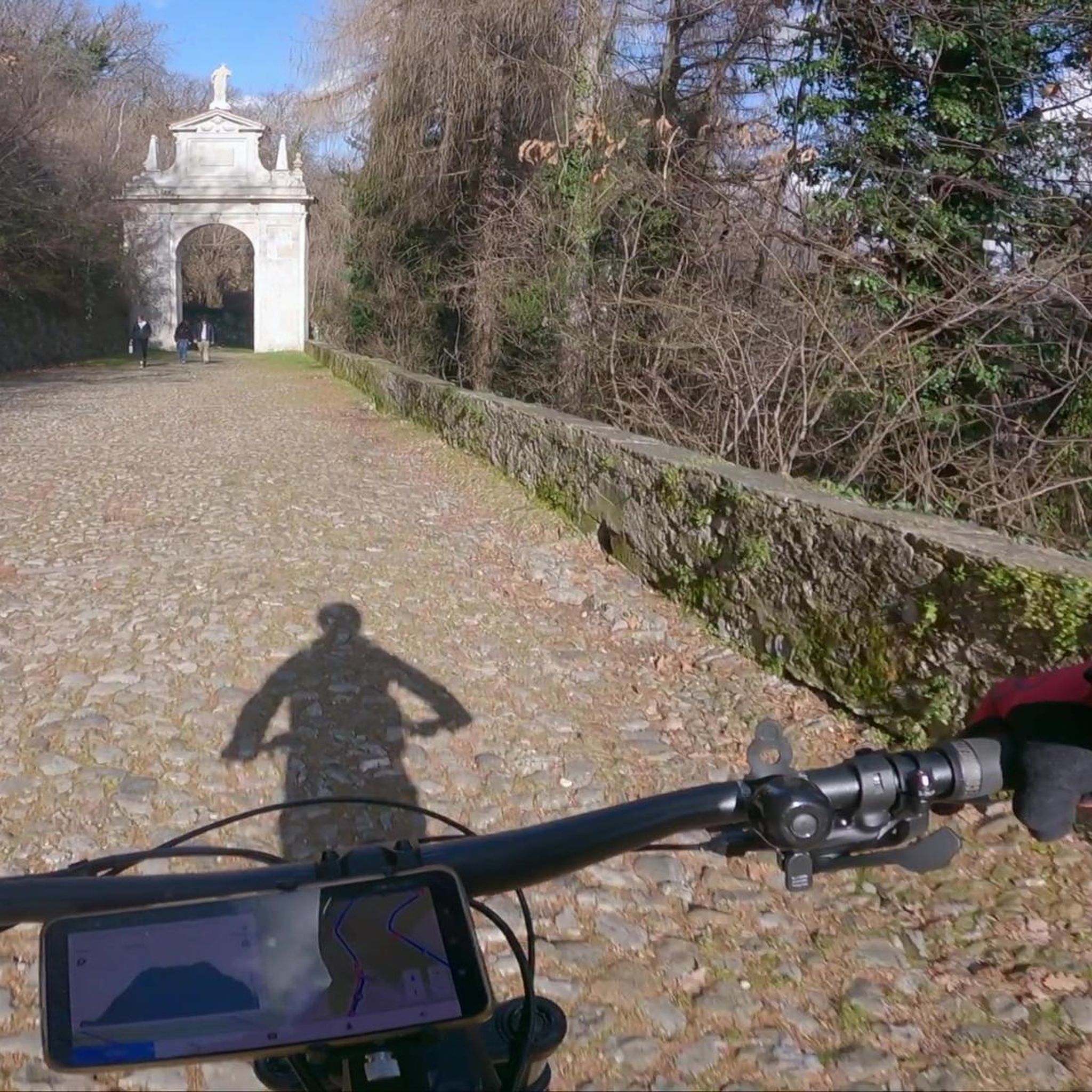
You can also cycle and run over them
8
0
Frequently Asked Questions
What is the primary natural monument directly within Klein-Winternheim?
Within Klein-Winternheim itself, the sole officially designated natural monument is the "Linden trees at the Klein-Winternheim train station." This impressive row of linden trees is protected for its age, beauty, size, and its defining character within the townscape.
What unique natural features can I explore near Klein-Winternheim?
Beyond the linden trees, the region offers diverse natural features. You can explore the unique sandy landscape with pine trees at Mainzer Sand Part II Nature Reserve, or witness the confluence of the Main and Rhine rivers at the Main estuary and Mainspitze. The broader landscape also features rolling hills, picturesque vineyards, fields, flower meadows, and forests.
Are there family-friendly natural monuments in the area?
Yes, several natural monuments are suitable for families. The Mainspitze, Main estuary, and View of the confluence of the Main and the Rhine are popular for their views and accessible paths. The Stork Reserve and Rhine Meadows Dike also offers a pleasant experience for all ages.
What kind of hiking opportunities are available near these natural monuments?
The region around Klein-Winternheim, with its rolling hills, vineyards, and varied landscapes, offers numerous hiking opportunities. While specific hiking routes directly within the natural monuments vary, you can find many trails in the broader area. For more detailed hiking routes, explore the Cycling around Klein-Winternheim guide, which also includes paths suitable for walking.
Can I go cycling near the natural monuments around Klein-Winternheim?
Absolutely. The area is known for its well-developed cycle paths, especially around the Main and Rhine rivers. The Mainspitze is a popular spot along the Main Cycle Path. You can find various cycling routes, including road cycling and touring cycling, in the Road Cycling Routes around Klein-Winternheim and Cycling around Klein-Winternheim guides.
What is the best time of year to visit the natural areas around Klein-Winternheim?
The natural areas, including the vineyards, fields, flower meadows, and forests, are particularly appealing in spring and autumn. These seasons offer pleasant temperatures and vibrant scenery, making them ideal for outdoor activities.
Is there a natural monument that is wheelchair accessible?
Yes, the Mainspitze is noted as being wheelchair accessible, offering views of the confluence of the Main and Rhine rivers and well-developed paths.
What do visitors particularly enjoy about the natural monuments in this region?
Visitors appreciate the diverse natural settings, from the unique sandy landscape of Mainzer Sand Part II Nature Reserve to the expansive river views at the Mainspitze. The opportunity to observe river traffic, enjoy well-maintained cycle paths, and experience the tranquility of nature reserves like the Stork Reserve are frequently highlighted.
Are there any nature reserves worth visiting near Klein-Winternheim?
Yes, the Mainzer Sand Part II Nature Reserve is a significant natural monument close to the city. It features a unique sandy landscape with pine trees, offering a distinct natural environment for exploration. Additionally, the Stork Reserve and Rhine Meadows Dike is a great spot for bird watchers and nature lovers.
Where can I observe the confluence of the Main and Rhine rivers?
You can observe the impressive confluence of the Main and Rhine rivers from several points. The Mainspitze offers excellent views, as does the Main estuary. There's also a specific View of the confluence of the Main and the Rhine highlight that provides a great vantage point.
Are dogs allowed on trails near the natural monuments?
While many outdoor areas are dog-friendly, specific rules apply in nature reserves. For instance, at Mainzer Sand Part II Nature Reserve, dogs are generally not permitted to run off-leash outside of designated paths to protect the sensitive ecosystem. Always check local signage or regulations for specific natural monuments.
What kind of terrain can I expect on trails around Klein-Winternheim's natural monuments?
The terrain around Klein-Winternheim is quite varied. You can expect gentle, rolling hills, especially in the vineyard areas. Near the rivers, paths are often flat and well-maintained for cycling and walking. In areas like Mainzer Sand Part II Nature Reserve, you'll encounter sandy paths. Overall, the landscape offers a mix of easy to moderate trails.
Are there any easy or beginner-friendly hikes near the natural monuments?
Yes, many of the paths along the rivers, such as those near the Mainspitze and Main estuary, are relatively flat and suitable for beginners. The broader region's landscape, with its vineyards and fields, also offers numerous easy walking opportunities. For specific easy routes, you can check the Cycling around Klein-Winternheim guide, which often includes paths suitable for leisurely strolls.
Most popular routes around Klein-Winternheim
Most popular attractions around Klein-Winternheim

Get inspired with the komoot mobile app


Explore more
Extend your search for the best caves by checking out these guides of the top ones around Klein-Winternheim:
