Top 20 Natural Monuments around Wietzen
Natural monuments around Wietzen, a municipality in the Nienburg/Weser district of Lower Saxony, Germany, encompass a range of protected natural areas. The region is characterized by its nature reserves and landscape protection areas, which preserve significant ecological value. These Wietzen nature attractions offer diverse natural landscapes, including deciduous forests, flowing water meadows, and heathland streams. Visitors can explore these sites for nature observation and quiet recreation within the Nienburg/Weser region.
Best natural monuments around Wietzen
- The most popular natural monuments…
Last updated: June 24, 2026
Drakenburg Marsh Nature Reserve
Highlight • Natural Monument
Translated by Google •
Tip by

Große Aue in Liebenau
Highlight • River
Translated by Google •
Tip by

Sign up now to discover places like this
Get recommendations on the best single tracks, peaks, & plenty of other exciting outdoor places.
Sign up for free
Erdmann Wooden Sculpture
Highlight • Monument
Translated by Google •
Tip by

Corydalis bloom in the Alhuser Ahe
Highlight • Forest
Translated by Google •
Tip by

Nienburg's Glacial Erratics
Highlight • Natural Monument
Translated by Google •
Tip by

Sign up for free to discover even more natural monuments around Wietzen.
Sign up for free
Already have an account?
Start today with a free account
Your next adventure awaits.
Login or Signup
Tips from the Community


It's wonderful when the larkspurs make a guest appearance on the Waldbühne stage, delighting the audience with their splendid blossoms. The performances are free, absolutely worth seeing, and—as every year—scheduled to run until the end of April.
0
0


Great bike tour
4
1

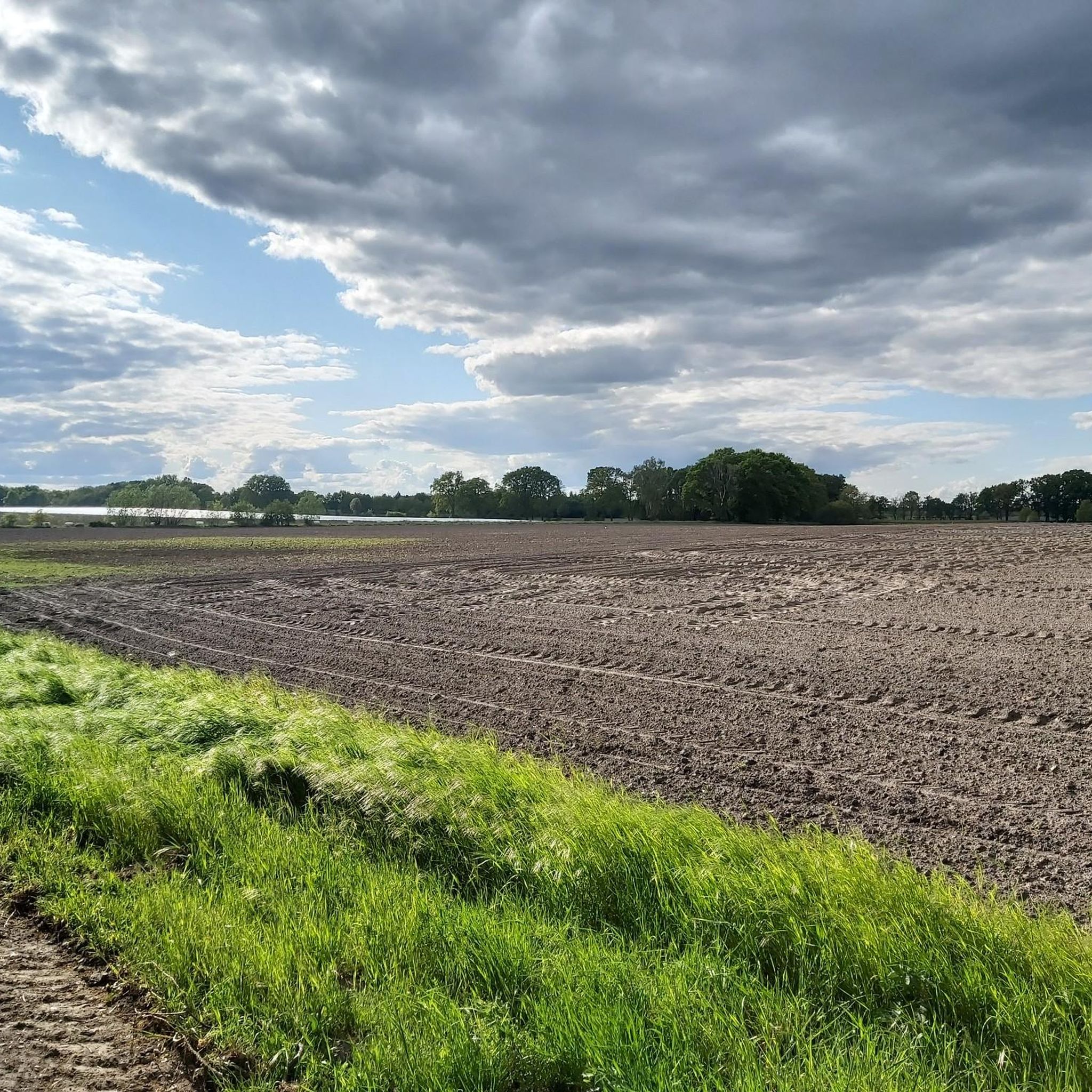
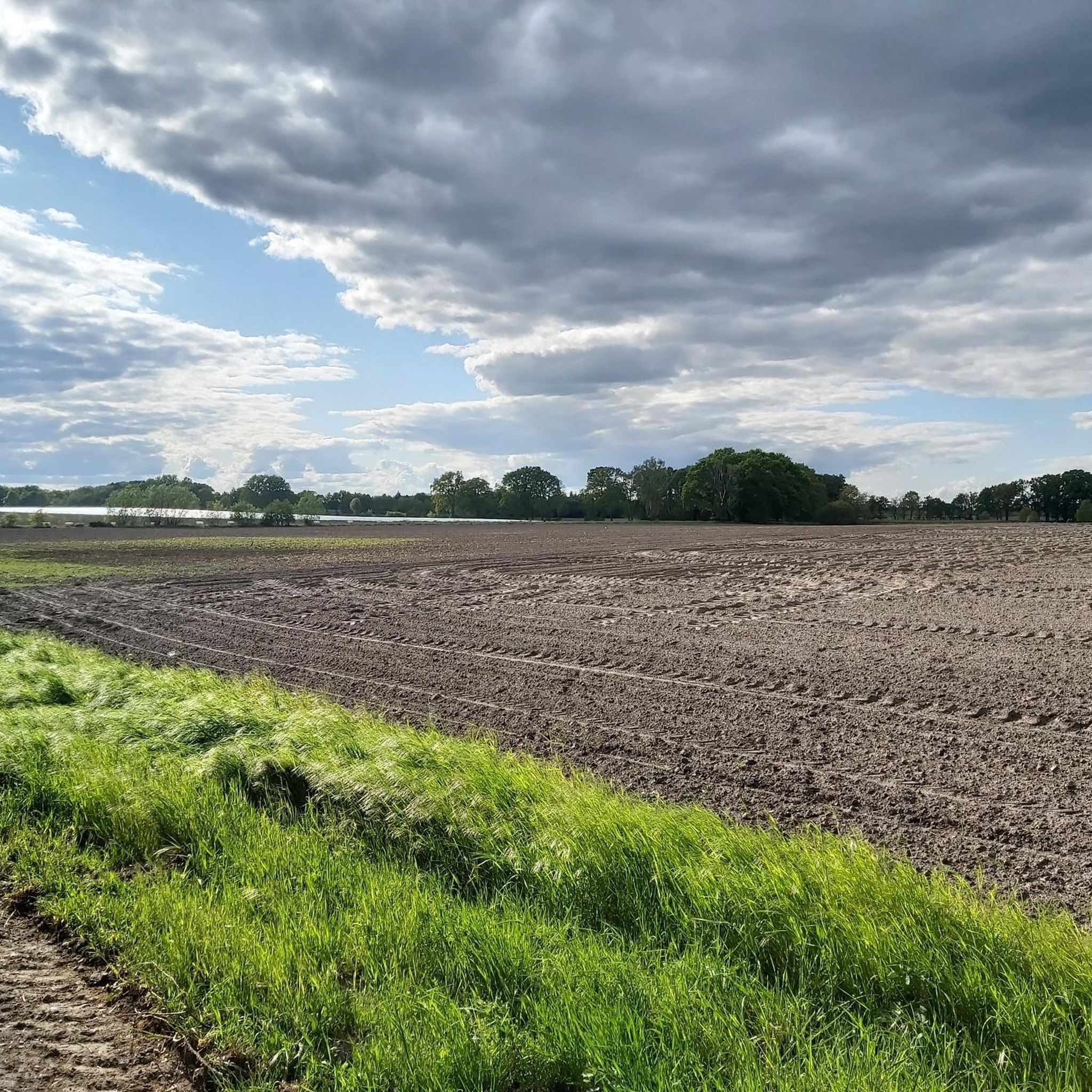
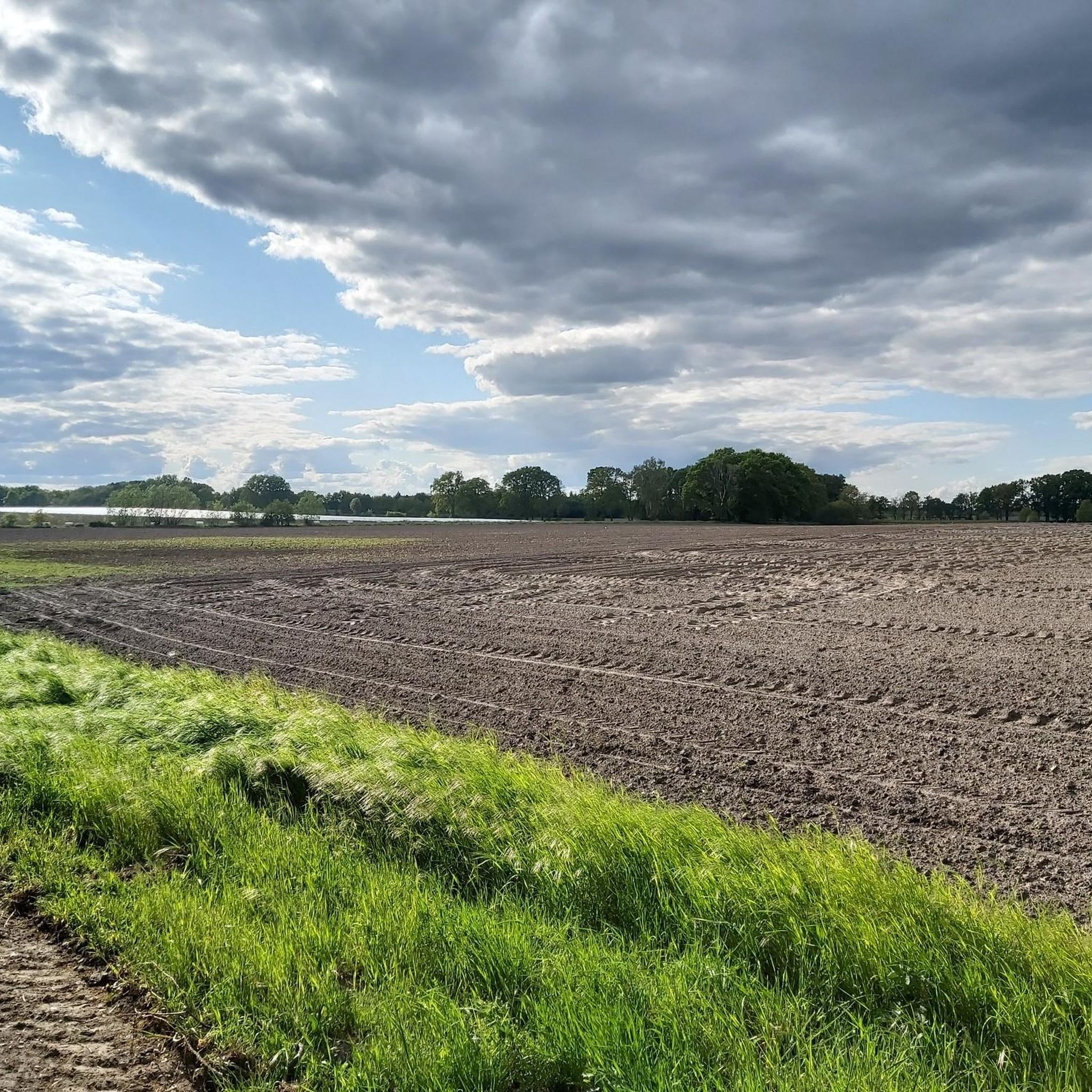
Beautiful cycle path through the nature reserve on the Weser. The marsh landscape is characterized by regular flooding and is a habitat for many different animal species.
7
0

The place on the “Große Aue” has been the location of the mill since 1298. At this time the mill served purely as a grain mill for grinding grain. In 1859 a sawmill was added to the grain mill, and the floodplain now powered four mill wheels. A comprehensive renovation took place in 1913, during which the water wheels were replaced by a turbine. After mill operations stopped in the 1970s, the turbine continues to run and generate electricity today.
3
0

The "Drakenburger Marsch" still shows clear traces of the river bend marsh, a form of land use that was once typical for the entire Wesermarsch. In addition to its cultural and historical significance, this type of landscape, which has become rare, offers a habitat and retreat for vulnerable and endangered animal and plant species and communities due to its structural diversity. The species-rich, well-preserved hedges and their herbaceous fringe are of very high ecological importance as a habitat for numerous, sometimes rare, vertebrates, birds and small mammals. The grassland, which is partly characterized by flood troughs and is regularly flooded, represents an important refuge for organisms bound to temporary bodies of water and offers resting and feeding opportunities, especially for Nordic birds migrating after floods. The remaining wet grassland is also important as a food habitat for the white stork. https://www.lk-nienburg.de/portal/seiten/naturschutzgebiet-drakenburger-marsch-901001074-21500.html
10
0

Impressive chainsaw work! Praise for the artist !
4
1
Frequently Asked Questions
What types of natural monuments can I expect to find around Wietzen?
Around Wietzen, you'll discover a variety of protected natural areas, including nature reserves, landscape protection areas, and unique geological features. These encompass diverse landscapes such as deciduous forests, flowing water meadows, heathland streams, and even significant glacial erratics. Examples include the marsh landscape of Drakenburg Marsh Nature Reserve and the ancient boulders known as Nienburg's Glacial Erratics.
When is the best time to visit the natural areas around Wietzen?
The best time to visit depends on what you wish to experience. For observing the vibrant Corydalis bloom in the Alhuser Ahe, late March to early April is ideal. Generally, spring and summer offer pleasant weather for exploring forests and streams, while autumn provides beautiful foliage. Some areas, like the Drakenburg Marsh Nature Reserve, are characterized by regular flooding, which can create unique viewing opportunities for birdwatching, especially for Nordic birds migrating after floods.
Are there family-friendly natural monuments around Wietzen?
Yes, several natural monuments are suitable for families. The Drakenburg Marsh Nature Reserve offers a beautiful cycle path, and the Corydalis bloom in the Alhuser Ahe is a fascinating sight for all ages. The Große Aue in Liebenau, with its fish ladders and waterfall, also provides an engaging experience for families. Additionally, the natural bathing lake Die Rolle is a great spot for family outings.
Can I bring my dog to the natural monuments in Wietzen?
Many natural areas around Wietzen are dog-friendly, especially for walks on designated paths. However, it's always recommended to keep dogs on a leash to protect local wildlife and ensure a pleasant experience for all visitors. Specific rules may apply in certain nature reserves, so look for local signage.
What kind of wildlife can I spot in Wietzen's natural areas?
The protected areas around Wietzen are rich in biodiversity. In the Drakenburg Marsh Nature Reserve, you might spot various animal species, including white storks. The Landschaftsschutzgebiet "Wietze" is crucial for characteristic species such as otters, water bats, green clubtail dragonflies, and brook lampreys. Forest areas like Naturschutzgebiet "Hellern bei Wietze" provide habitats for numerous forest-dwelling creatures.
Are there any unique geological features or landforms to see?
Yes, the region features interesting geological remnants from the Ice Age. Nienburg's Glacial Erratics are prominent boulders that traveled from southern Sweden during the Saale Ice Age, now lining the banks of the Weser. These natural monuments offer a glimpse into the region's ancient geological past.
What outdoor activities can I do near these natural monuments?
The natural monuments around Wietzen are excellent starting points for various outdoor activities. You can explore the area through cycling, mountain biking, or running. For example, there are numerous MTB Trails around Wietzen, including routes like the "Wooden Bridge in Lemker Marsch – Wesertor Bridge loop." You can also find Running Trails around Wietzen, such as the "View of Lake Rolle loop."
Are there hiking trails near these natural monuments?
While specific hiking trails directly within Wietzen's natural monuments are not detailed, the protected areas like Naturschutzgebiet "Hellern bei Wietze" and Landschaftsschutzgebiet "Wietze" offer opportunities for tranquil walks and nature observation. The broader Nienburg/Weser district, where Wietzen is located, contains 36 nature reserves that collectively provide various options for experiencing protected landscapes on foot.
What do visitors enjoy most about the natural monuments around Wietzen?
Visitors particularly appreciate the serene beauty and ecological significance of the region. The annual Corydalis bloom in the Alhuser Ahe is a highly anticipated event, offering a stunning contrast between ancient trees and delicate flowers. The renaturation efforts at Große Aue in Liebenau are also admired for restoring a near-natural meadow landscape and supporting diverse flora and fauna. The peaceful atmosphere and opportunities for nature observation are frequently highlighted.
Are there any natural bathing spots or lakes in the area?
Yes, the natural bathing lake Die Rolle is located west of Nienburg/Weser. This approximately 28-hectare lake is situated within a Fauna-Flora-Habitat (FFH) area and offers a refreshing spot for swimming and relaxation, providing great views.
What is the significance of the Wietze stream?
The Wietze stream is central to the Landschaftsschutzgebiet "Wietze" (Wietze Landscape Protection Area). It is a heathland stream known for its near-natural course, unspoiled banks, and diverse sediment structures. Conservation efforts focus on maintaining its good water quality and natural flow dynamics, as it provides vital habitats for species like otters, water bats, and various aquatic insects. It's an excellent place for nature observation and tranquil walks.
Where can I find more information about the nature reserves in the Nienburg/Weser district?
The Nienburg/Weser district, which includes Wietzen, boasts 36 nature reserves. These are the strictest category of protected areas, safeguarding nature for ecological, scientific, and cultural reasons. For a comprehensive list and further details on these protected areas, you can refer to resources like Wikipedia's list of nature reserves in the Nienburg/Weser district.
Most popular routes around Wietzen
Most popular attractions around Wietzen

Get inspired with the komoot mobile app


Explore more
Extend your search for the best caves by checking out these guides of the top ones around Wietzen:
