Top 20 Natural Monuments around Kerschenbach
Best natural monuments around Kerschenbach are situated in a region characterized by natural beauty and unique geological features. The area offers diverse landscapes, from ancient volcanic formations to rich wetland ecosystems. These sites provide opportunities to observe varied flora and fauna within a tranquil setting. The natural monuments in this region highlight the ecological significance and unique characteristics of the Eifel landscape.
Best natural monuments around Kerschenbach
- The most popular natural monuments is Kalvarienberg Trail (Alendorf), a trail that…
Last updated: October 11, 2026
Kalvarienberg Trail (Alendorf)
Highlight • Trail
Translated by Google •
Tip by

View of Alendorf and the Lampertstal from the Kalvarienberg
Highlight • Viewpoint
Translated by Google •
Tip by

Sign up now to discover places like this
Get recommendations on the best single tracks, peaks, & plenty of other exciting outdoor places.
Lampertstal
Highlight (Segment) • Gorge
Depending …
Translated by Google •
Tip by

Dahlem Moor Boardwalk
Highlight • Trail
Translated by Google •
Tip by

Kronenburger Lake
Highlight • Lake
Translated by Google •
Tip by

Sign up for free to discover even more natural monuments around Kerschenbach.
Already have an account?
Start today with a free account
Your next adventure awaits.
Tips from the Community

Small loop around the Kronenburger Lake. Unfortunately, wheelchair users cannot complete a complete loop as only one side is asphalted and the opposite side is rocky and not paved.
1
0

The Kronenburger See was built between 1973 and 1977 as a flood retention basin. The lake has been a popular destination for sailors, surfers, anglers and swimmers for years. During the summer months, the lido on the southern shore of the lake with its large lawn invites you to swim and sunbathe. In addition, the entire southern lake area can be navigated with surfboards, pedal boats and rowing boats (boat rental). Tennis courts, mini golf course, kiosk and playground complete the leisure activities on the south bank.
2
0

An absolutely beautiful relaxing place. Short vacation feeling guaranteed🤟👌👍
3
0

You'll almost come across here again on the way back. Enjoy the well signposted path!
9
0
Just a few more meters and you've made it. At the top there is a great view and nice seating. Top!
8
0

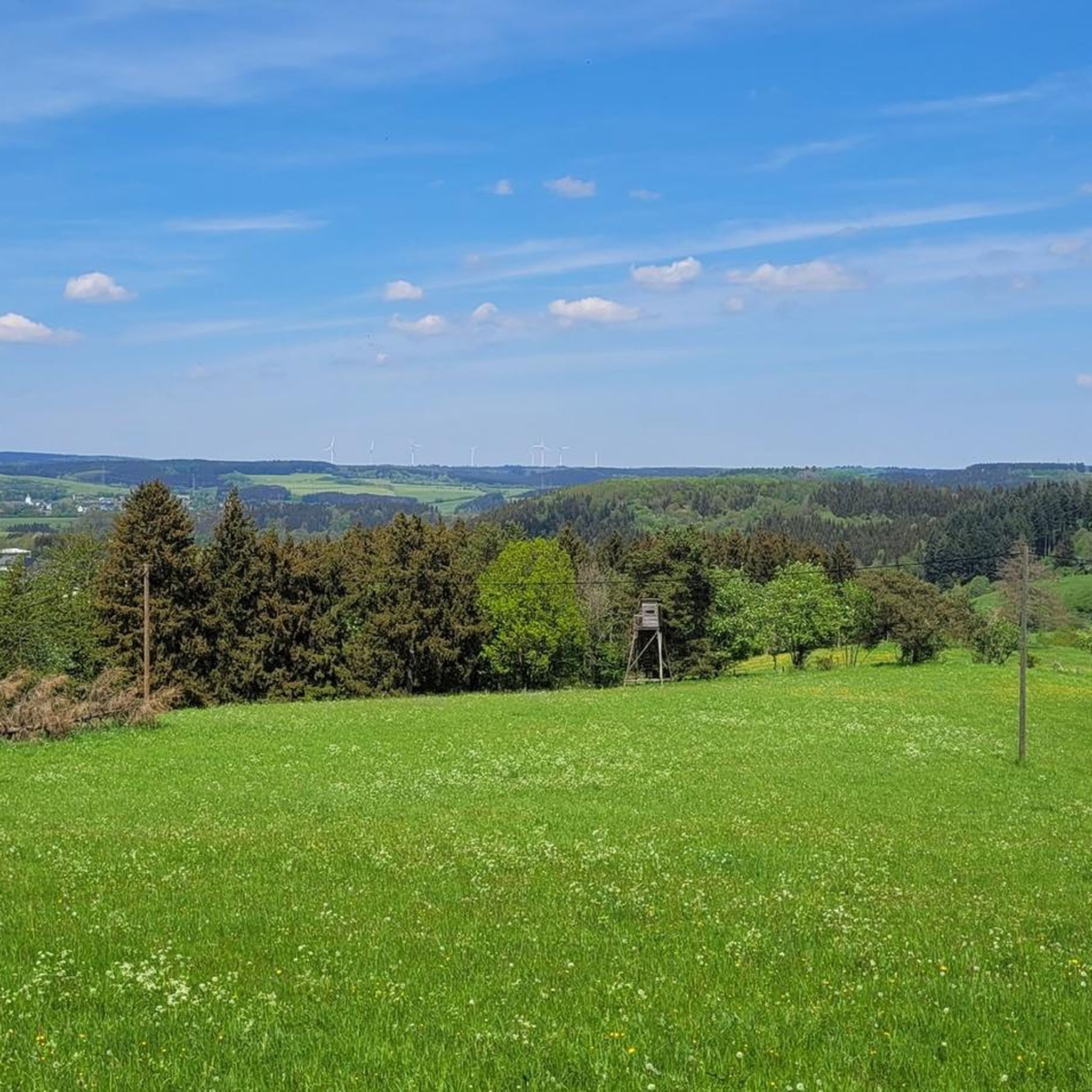
Beautiful environment for hiking. There are several places to stop for a rest.
4
0

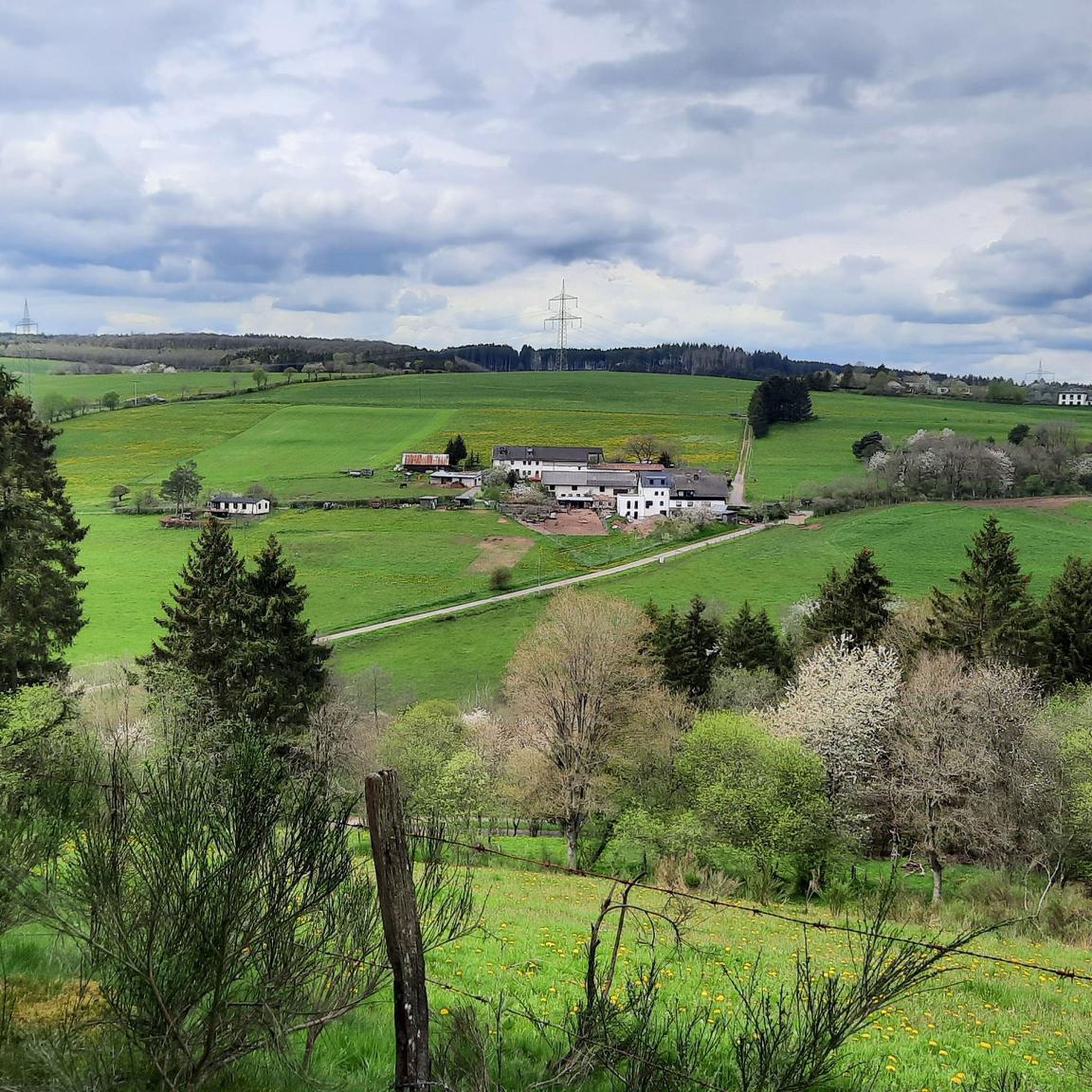
The mountain path leads through an extremely barren and beautiful juniper landscape. Loosened up by the Stations of the Cross and peppered with beautiful views of the valley.
9
0

The Kronenburger See was created between 1973 and 1976 as a cross-border joint project between the two federal states of North Rhine-Westphalia and Rhineland Palatinate. It serves primarily as a flood retention basin for the approximately 77 square kilometers large catchment area of the Kyll and Taubkyll and to this extent as flood protection for Kronenburg, but above all for the underlying localities in Rhineland-Palatinate. The so-called pre-barrier is partly in the Rhineland-Palatinate community of Gerolstein (Vulkaneifel district), the remaining area of the pre-barrier and the main lake are in the municipality of Dahlem (Euskirchen district). On an area of 27 hectares, the lake has a storage volume of approx. 2.7 million m³. The 18 m high dam is 320 m long and is lowered by 3.5 m every year from October to catch the autumn floods.
6
0
Frequently Asked Questions
What are some of the most popular natural monuments around Kerschenbach?
Among the most appreciated natural monuments are the Kalvarienberg Trail (Alendorf), known for its rewarding views of juniper heaths after a steep ascent. Another favorite is Lampertstal, a gorge and nature reserve celebrated for its diverse plant life and tranquil atmosphere. Visitors also highly rate Eichholzmaar, a small nature reserve with bird observation posts, offering a peaceful experience.
Are there family-friendly natural monuments to visit near Kerschenbach?
Yes, several natural monuments are suitable for families. Lampertstal is ideal for gentle walks amidst beautiful flora. The Dahlem Moor Boardwalk offers an educational and unique experience walking over wetlands on wooden planks. Additionally, Eichholzmaar provides a pleasant setting for families to observe water birds and reptiles.
What unique natural features can I expect to see in the Kerschenbach region?
The region around Kerschenbach offers a variety of unique natural features. You can explore the diverse plant life, including pasque flowers, orchids, and juniper bushes, in the Lampertstal. The Dahlem Moor Boardwalk allows you to experience distinctive wetland ecosystems up close. The Eichholzmaar is a renatured volcanic lake, home to various water birds and reptiles, showcasing the Vulkaneifel's geological heritage.
Are there any accessible natural monuments for wheelchair users near Kerschenbach?
Yes, the Dahlem Moor Boardwalk is noted as being wheelchair accessible. It features wooden planks that allow visitors to traverse unique wetlands, with information signs explaining the marshy flora. There is also disabled parking available, making it a convenient option.
What is the best time to visit the natural monuments around Kerschenbach?
The best time to visit depends on what you wish to see. For vibrant flora, the Lampertstal is particularly beautiful in spring and early summer when pasque flowers, cowslips, anemones, and orchids are in bloom. Later in the year, autumn crocuses and gentians can be seen. Generally, favorable weather enhances the experience at viewpoints like the Kalvarienberg Trail.
Are there hiking opportunities near the natural monuments?
Absolutely. The Eifelsteig hiking trail passes through the middle of the Alendorf - Mirbach route, providing access to the beautiful Lampertstal. For more hiking options, you can explore various routes in the region, such as the 'Viewpoint Bench Kerschenbach loop' or 'Kyll Floodplain – Kyll Bridge loop'. Find more details on Hiking around Kerschenbach.
Can I find any unique geological formations or mineral springs in the area?
Yes, the region is known for its geological features. The Steffelner Drees Mineral Spring is a notable natural monument. Its water has unique characteristics, including low concentrations of calcium and magnesium compared to other springs, and a high iron content, which is visible in the red deposits around the source. It's located in a beautiful nature reserve not far from the Eichholzmaar.
What do visitors enjoy most about the natural monuments around Kerschenbach?
Visitors frequently praise the tranquility and natural beauty of the area. Many appreciate the serene absence of street noise in places like Lampertstal, where they can observe numerous butterflies and relax on benches. The rewarding views from spots like the Kalvarienberg Trail are also highly valued, as is the unique experience of walking through wetlands on the Dahlem Moor Boardwalk.
Are there opportunities for cycling near these natural monuments?
Yes, the region offers various cycling opportunities. You can find routes like the 'Vennquerbahn Cycle Path – Kronenburger Lake loop' or the 'Kyll Bridge, Jünkerath – Birgel Watermill loop'. These routes allow you to explore the scenic surroundings by bike. For more cycling options, refer to Cycling around Kerschenbach.
Are there any natural monuments that offer scenic viewpoints?
The Kalvarienberg Trail (Alendorf) is renowned for its beautiful views of the juniper heaths in the area, especially after the ascent. The Lampertstal also offers picturesque vistas of its diverse plant life and juniper-covered slopes. Even the Eichholzmaar provides pleasant viewpoints around the lake.
Can I bring my dog to the natural monuments around Kerschenbach?
While specific dog policies vary, many natural areas in the Eifel region are generally dog-friendly, especially on marked trails. For instance, the Lampertstal is a popular hiking area where dogs are often welcome on leash. Always ensure to keep your dog under control and respect local regulations, especially in nature reserves, to protect wildlife and plants.
Are there any circular walks available at the natural monuments?
Yes, there are circular walks that allow you to fully experience the natural monuments. For example, the Eichholzmaar has paths around its perimeter, making for a pleasant circular stroll. Many hiking routes in the broader Kerschenbach area are also designed as loops, such as the 'Killerberg loop from Kerschenbach', which can be found in the Hiking around Kerschenbach guide.
Most popular routes around Kerschenbach
Most popular attractions around Kerschenbach

Get inspired with the komoot mobile app


Explore more
Extend your search for the best caves by checking out these guides of the top ones around Kerschenbach:
