Top 20 Natural Monuments around Dentlein am Forst
Best natural monuments around Dentlein am Forst are primarily centered around the Hesselberg, Middle Franconia's highest mountain. This region showcases unique geological features, offering insights into millions of years of Earth's history. The landscape was shaped by the Jurassic Sea approximately 200 million years ago, resulting in distinctive rock formations and an island mountain topography. Visitors can explore these natural features and learn about the area's geological past.
Best natural monuments around Dentlein am Forst
- The most popular natural monuments…
Last updated: June 24, 2026
Hesselberg Summit
Highlight • Summit
Translated by Google •
Tip by

Hesselberg South Side
Highlight • Viewpoint
Translated by Google •
Tip by

Sign up now to discover places like this
Get recommendations on the best single tracks, peaks, & plenty of other exciting outdoor places.
Sign up for free
Römerpark Ruffenhofen
Highlight • Historical Site
Translated by Google •
Tip by

Geological Nature Trail Hesselberg
Highlight (Segment) • Trail
Translated by Google •
Tip by

Posidonia Shale Quarry (Geological Natural Monument)
Highlight • Natural Monument
Translated by Google •
Tip by

Sign up for free to discover even more natural monuments around Dentlein am Forst.
Sign up for free
Already have an account?
Start today with a free account
Your next adventure awaits.
Login or Signup
Tips from the Community

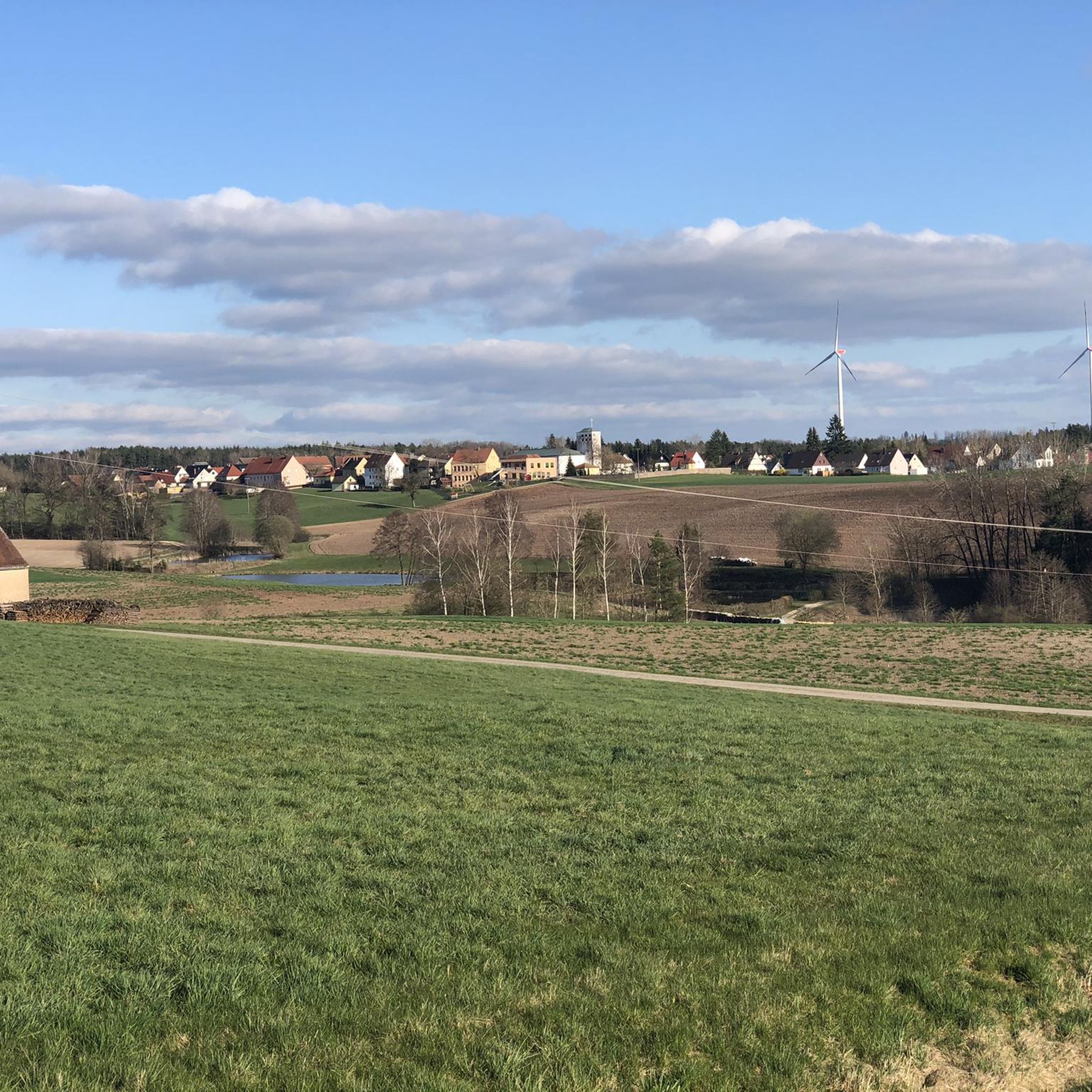
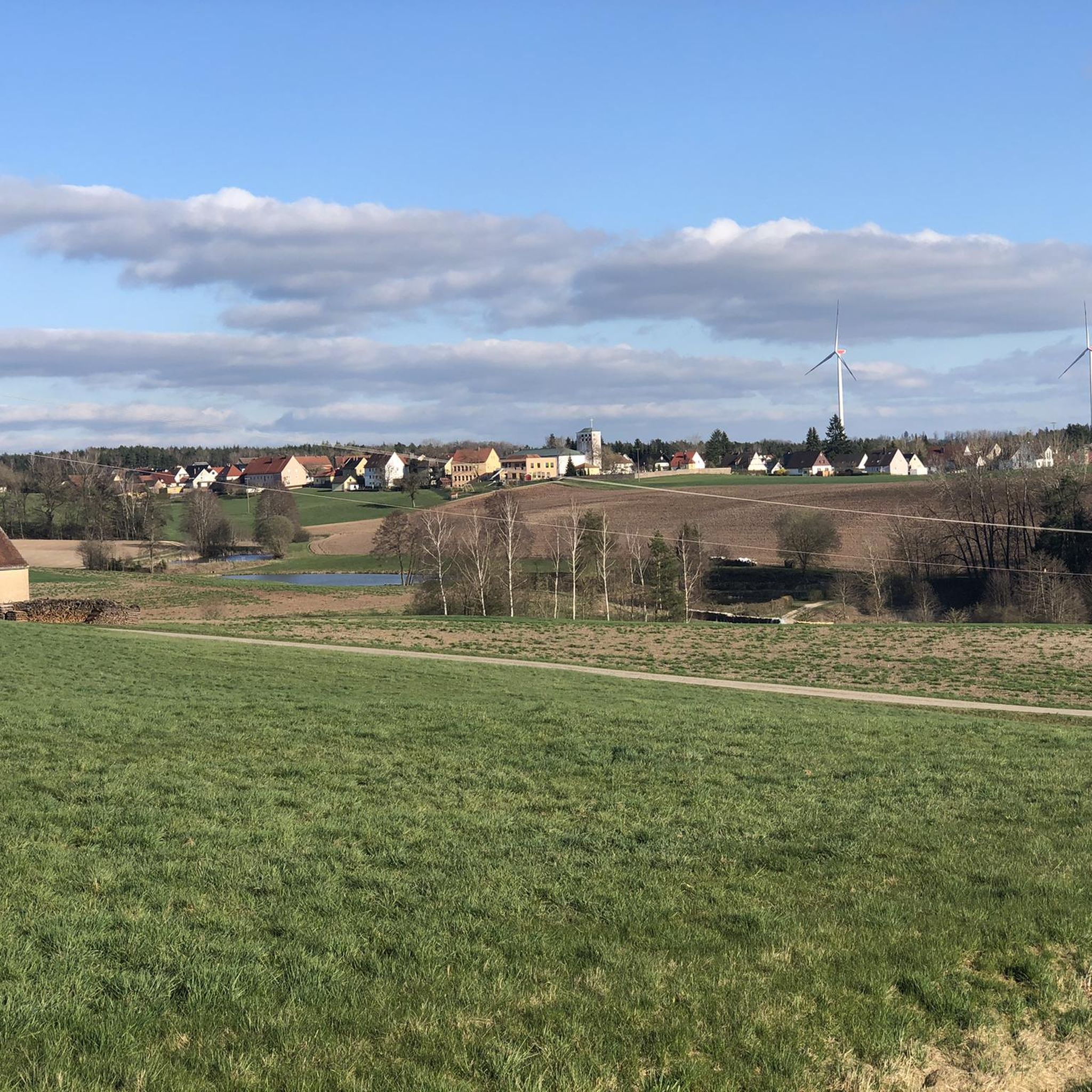
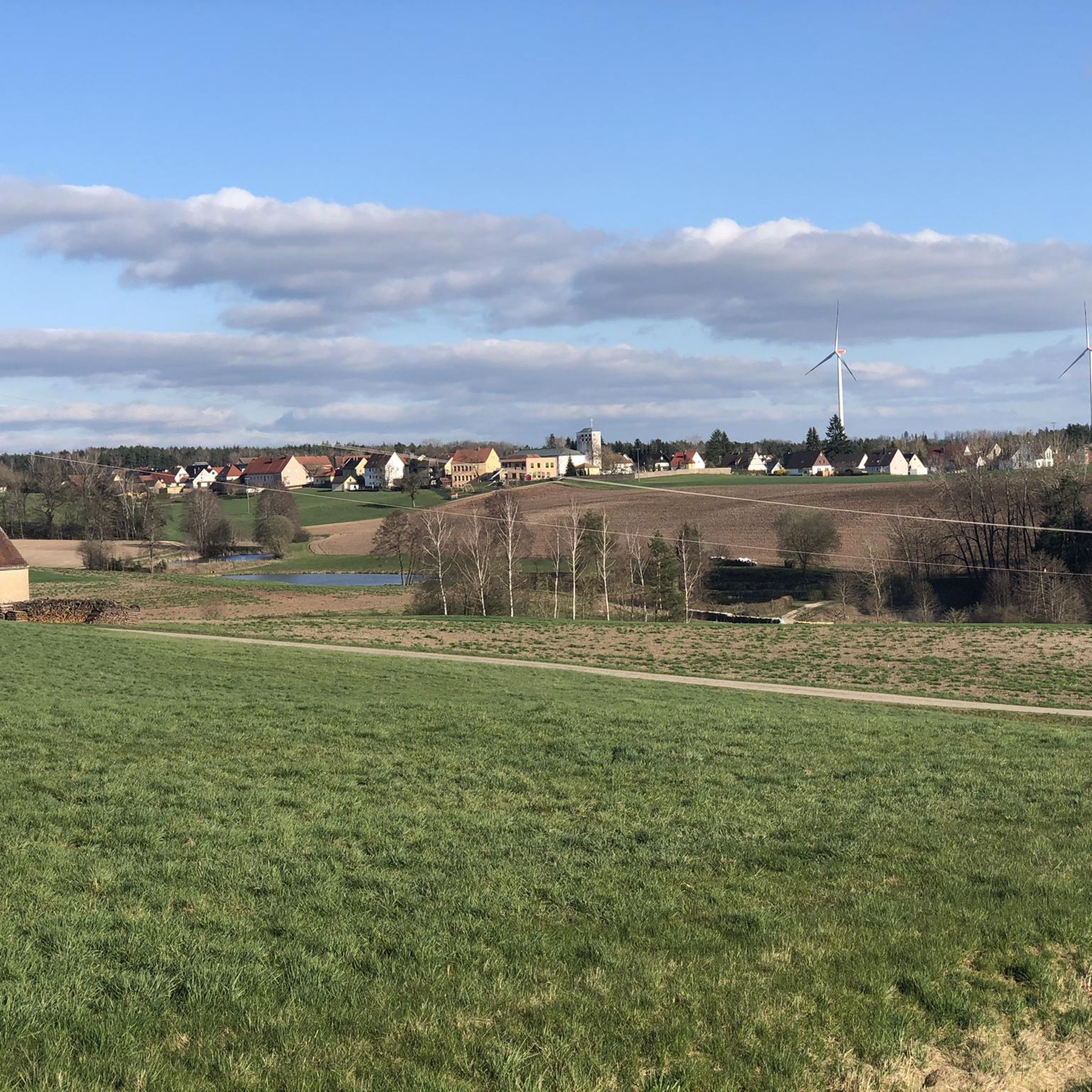
In addition to great views, the mountain also offers hands-on geology
0
0

The geological educational and hiking trail leads from the Schieferbruch hiking car park in Wittelshofen over the south-western ridge to the Hesselberg. There are numerous earth outcrops or quarries that show the geological peculiarities of the Hesselberg. Numerous information boards provide technical background information. The summit quarry can be a very special experience. This has been cleared of bushes in recent years as part of the refreshment of the geological educational and hiking trail and can therefore be easily walked. https://www.hesselberg-panorama.de/geologe-lehr-und-wanderpfad.html
2
0
The Posidonia Slate Mine is located on the western edge of the Hesselberg, the highest mountain in Middle Franconia. The Hesselberg formed approximately 200 million years ago as an inselberg in the Jurassic Sea. It consists of three main geological layers: black, brown, and white Jurassic, with intercalated oil shale. This slate mine is a "geological natural monument" and part of the "Hesselberg Geological Trail." The Posidonia Slate, also known as oil shale, formed in the shallow marginal zone of the Jurassic Sea during the Mesozoic Era. The dead organic material trickled down and, together with other substances, formed a sludge. Due to the lack of oxygen, this sludge developed into oil shale over long periods of time. The oil shale is known for its outstanding fossil preservation. Due to the low-oxygen and partially anoxic, so-called euxinic, environment at the time of deposition, very well-preserved crinoids, ammonites, fish, and ichthyosaurs have been found. https://www.geocaching.com/geocache/GC2E8H5_posidonienschiefergrube
1
0
This labyrinth is not an ancient building structure. It was built as part of an international work camp in July 2009 in the Römerpark and is intended for relaxation.
2
0
Since 2020 you can also visit a Roman-style garden in the park. Together with the rear facade of a Roman strip house, a view of the Roman vicus of Ruffenhofen is possible. The facade was built in cooperation with the Jugendbauhütte Regensburg and presented for the first time with the Roman kitchen garden at the Wassertrüdingen State Garden Show 2019. Smaller excavations were carried out at the end of the 19th century by Wilhelm Kohl, route commissioner of the Reich Limes Commission. His published results formed the current state of research until the late 1970s. Since then, aerial archeology has been able to contribute new insights into the Limes fort, its structure and the surrounding camp village (vicus). With the help of geophysical prospections by the Bavarian State Office for Monument Preservation, an overall plan of the facility was created. In the summer of 2005, the association carried out another excavation in the area of the fort wall. Source: Wikipedia
3
0
At the foot of the hill there is a replica of the fort (mini fort) on a scale of 1:10.
2
0

The geological educational and hiking trail has been attracting visitors from near and far to the Hesselberg for over 40 years. But 40 years also represent a period in which a lot can change. Therefore, it was high time to renew the nature trail. “15 new windows into the history of the earth” provide information about the geology around the Hesselberg over a 3 km route. Information boards, earth outcrops and fossils appeal in a variety of ways to nature lovers, hikers as well as students and school classes. With a walking time of approx. 1.5 hours, there is a lot to discover and see on the tour around and on the Hesselberg. Source: https://www.lpv-mittelfranken.de/geologen-lehrpfad-am-hesselberg.html
2
0
The park is freely accessible. The actual fort has been made visible again today with bushes and markings. The mini fort is a nasty trap. It impressively shows what it looked like here 1800 years ago. Unfortunately it's very impressive from far away, but it gets smaller and smaller from close up. 😄
3
0
Frequently Asked Questions
What are the most significant geological natural monuments to visit around Dentlein am Forst?
The region's geological significance is best explored at the Posidonia Shale Quarry (Geological Natural Monument). This site reveals three primary geological layers from the Jurassic period, including oil shale deposits known for outstanding fossil preservation. It's a key part of the "Geologischer Naturlehrpfad Hesselberg".
Where can I find the best panoramic views of the region?
For breathtaking panoramic views, head to the Hesselberg Summit. As the highest mountain in Central Franconia, it offers expansive vistas of the surrounding landscape. The Hesselberg South Side also provides magnificent views and insights into the mountain's geological formation.
Are there any educational trails to learn about the area's natural history?
Yes, the Geological Nature Trail Hesselberg is an excellent option. This 3 km educational route provides information about the geology around the Hesselberg through information boards and earth outcrops, with a walking time of approximately 1.5 hours. It starts near the Posidonia Shale Quarry.
What kind of historical sites can be found near the natural monuments?
Beyond its natural features, the region also holds historical significance. The Hesselberg Summit has a past as a political meeting place during the Nazi era, though no physical evidence remains today. Additionally, the Dambach Roman Fort, Sacred Spring, and Arena offers a glimpse into Roman history with visible remains of a fort, a unique arena, and a spring shrine.
Are there family-friendly natural monuments or activities in the area?
Yes, several natural monuments are suitable for families. The Geological Nature Trail Hesselberg is an engaging and educational walk for all ages. The Posidonia Shale Quarry is also considered family-friendly, offering a fascinating look at ancient fossils.
What outdoor activities can I do near these natural monuments?
The area around Dentlein am Forst offers various outdoor activities. You can find numerous routes for gravel biking, running, and mountain biking. For gravel biking, explore routes like the "West Shore Path, Lake Altmühl" or loops around Dinkelsbühl. Running enthusiasts can enjoy trails in the Dentleiner Forst. Mountain bikers have options such as the "Hesselberg South Side – Hesselberg Summit loop." You can find more details on these activities in the Gravel biking around Dentlein am Forst, Running Trails around Dentlein am Forst, and MTB Trails around Dentlein am Forst guides.
What is the terrain like for exploring the natural monuments?
The terrain primarily centers around the Hesselberg, which is Middle Franconia's highest mountain. Expect varied landscapes, including paths on the mountain itself, educational trails with earth outcrops, and areas revealing geological layers. Some paths may involve moderate inclines, especially when ascending to the summit or exploring the south side.
Are there easy walks or beginner-friendly hikes among the natural monuments?
The Geological Nature Trail Hesselberg is a relatively easy 3 km walk, taking about 1.5 hours, making it suitable for beginners and those looking for a gentle exploration of the geological features.
What do visitors particularly enjoy about the natural monuments around Dentlein am Forst?
Visitors frequently praise the magnificent panoramic views from the Hesselberg Summit and Hesselberg South Side. The geological insights offered by the Posidonia Shale Quarry and the educational experience of the Geological Nature Trail Hesselberg are also highly appreciated for their unique blend of nature and history.
Can I find parking near the natural monuments?
Yes, for the Posidonia Shale Quarry and the start of the Geological Nature Trail Hesselberg, parking is readily available at the hiking car park in Wittelshofen. This former slate quarry also has tables and benches for resting.
What is the best time of year to visit the natural monuments around Dentlein am Forst?
While the natural monuments can be enjoyed year-round, spring and autumn often offer pleasant temperatures for hiking and clearer views. Autumn, in particular, can provide beautiful foliage around the Hesselberg. Always check local weather conditions before your visit.
Most popular routes around Dentlein am Forst
Most popular attractions around Dentlein am Forst

Get inspired with the komoot mobile app


Explore more
Extend your search for the best caves by checking out these guides of the top ones around Dentlein am Forst:
