Top 20 Natural Monuments around Nienwohld
Best natural monuments around Nienwohld include the Nienwohlder Moor, a significant natural monument known for its ecological importance. This region features diverse landscapes, including raised bogs, forests, and open water surfaces. The area is a habitat for a wide array of plant and animal species, offering opportunities for nature immersion. It also lies on the watershed between the North Sea and the Baltic Sea.
Best natural monuments around Nienwohld
- The most popular natural monuments is Lily Pond in the Henstedter…
Last updated: May 11, 2026
Wohldorfer Forest
Highlight • Forest
Translated by Google •
Tip by

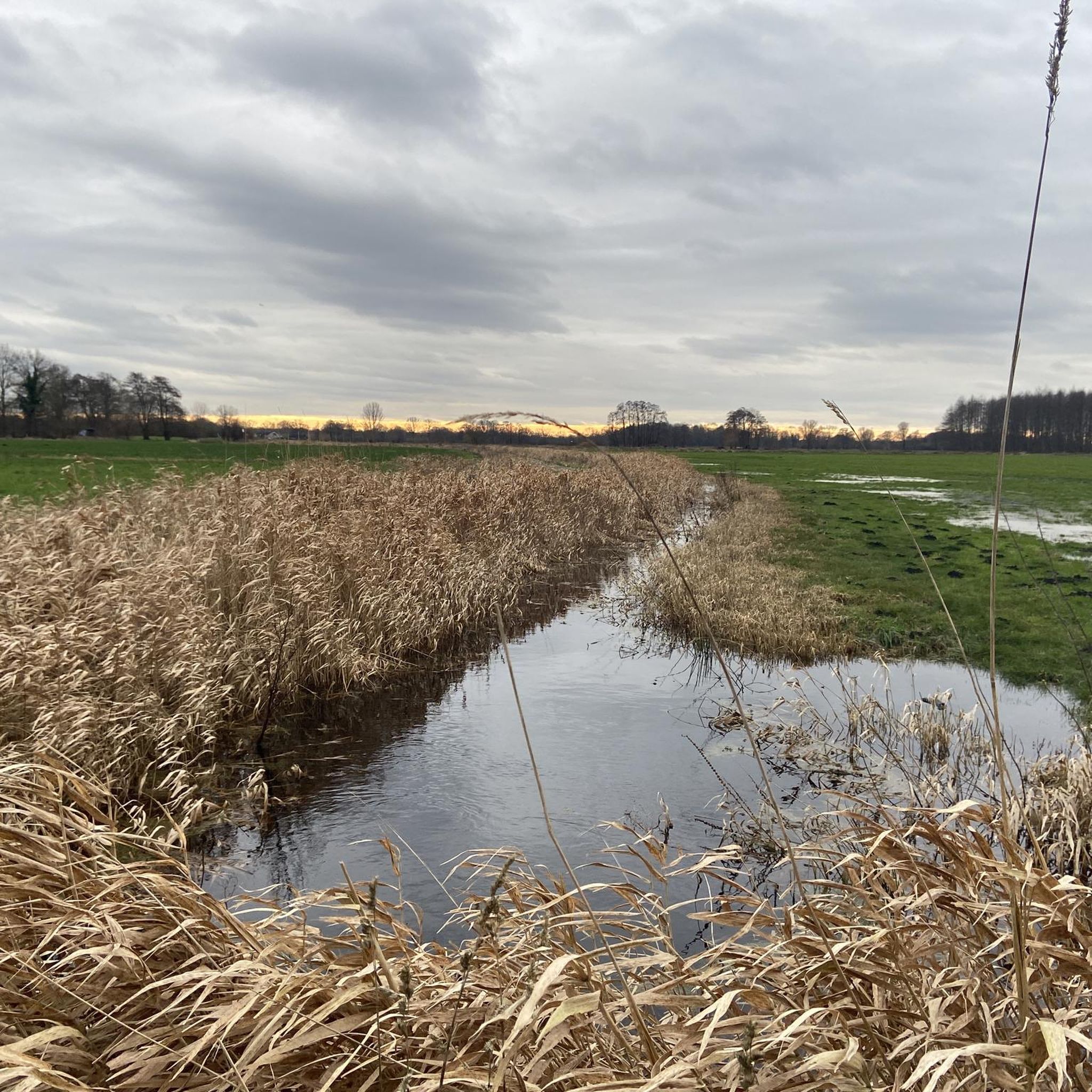
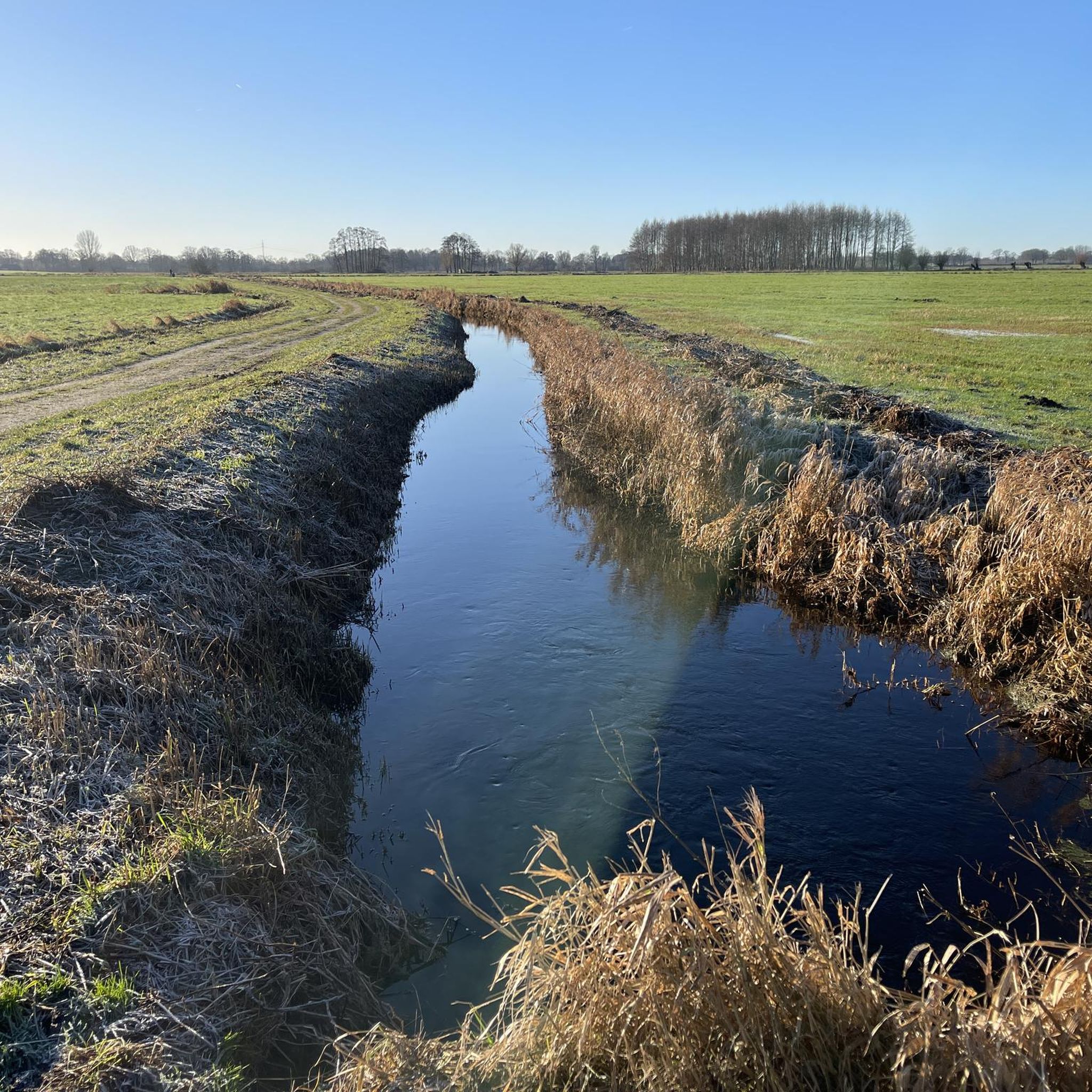
Alster Spring
Highlight • River
Translated by Google •
Tip by

Sign up now to discover places like this
Get recommendations on the best single tracks, peaks, & plenty of other exciting outdoor places.
Sign up for free
Brenner Moor Nature Reserve
Highlight • Natural
Translated by Google •
Tip by

Lily Pond in the Henstedter Moor
Highlight • Lake
Translated by Google •
Tip by
Brenner Moor Nature Reserve
Highlight • Natural
Translated by Google •
Tip by

Sign up for free to discover even more natural monuments around Nienwohld.
Sign up for free
Already have an account?
Start today with a free account
Your next adventure awaits.
Login or Signup
Tips from the Community

The Wohldorf Forest is the oldest forest district in Hamburg and has been owned by the city of Hamburg since 1437. The forest has always been a popular destination for the Hamburg city population. There have been walking paths here since 1770, and in the first decades of the 20th century the area was accessible by a narrow-gauge railway that has since been dismantled. The Wohldorf Forest covers a total of 364 hectares, of which the central 278 hectares are now a nature reserve and are protected under the Fauna-Flora-Habitat Directive and the EU Bird Protection Directive. The areas not under protection are managed by the Hamburg Forestry Administration, and the nature reserve is jointly managed by the Nature Conservation Office, the Forestry Office and the German Forest Protection Association.
1
0

The Brenner Moor is the largest salt marsh in inland Schleswig-Holstein. The salinity of the salt springs partially reaches that of the North Sea. A jewel of nature but very busy on weekends. Still a real highlight. The crossing is only possible thanks to the laid planks. However, cycling is prohibited
8
0

The Brenner Moor is the largest inland salt marsh in Schleswig-Holstein. It is located in the district of Stormarn in the town of Bad Oldesloe in the Trave lowlands and has been declared a nature reserve. What is special about the Brenner Moor are the brine springs that rise from a depth of approx. 500 meters and have their origin in a salt band that presumably stretches from Segeberg via Tralau and Bad Oldesloe to Lübeck. The plant communities and the animal world of the Brenner Moor are shaped in a special way by the unique occurrence of salt springs inland. The salty environment attracts plants that are otherwise only found near the coast, e.g. B. rush (Juncus gerardii) and beach trident (Triglochin maritima). In some places the water has a salinity that corresponds to that of the North Sea. In less saline parts of the nature reserve, reed beds, among other things, grow. https://metropolregion.hamburg.de/kulturlandschaften/4471072/brenner-moor/
14
3

Great moor and beautiful boardwalk! Tip: 🅿️ at the Kleingartenverein
6
1

The diverse landscape north-west of the town of Bad Oldesloe invites you to take a contemplative and, in view of the large number of natural history features, also eventful and informative tours. Several large-scale salt springs rising from great depths of salt domes have created very rare habitats for salt plants (halophytes) and a particularly adapted animal world here inland. The 24-hectare Brenner Moor nature reserve includes the largest inland salt pan in Schleswig-Holstein. The area is accessible by boardwalks. Ten experience stations provide in-depth information on the leaflets provided and encourage further research. The waterlogging of the Wolkenweher Niederung fulfills the goals of the European Water Framework Directive and also the requirements of the Habitats Directive. Source: environmental data.landsh.de
8
0

A place to unwind! Here's something else from the web: de.wikipedia.org/wiki/Brenner_Moor
5
0
The Wohldorfer Wald impresses with its deciduous trees and is the largest contiguous deciduous forest in Hamburg. The nature reserve has a total size of 278 hectares and forms a 1,800 hectare biotope network in northeast Hamburg with the nature reserves Duvenstedter Brook, Hansdorfer Brook and Ammersbek-Niederung. The Wohldorfer Wald is the oldest forest district in Hamburg and has been designated as a recreation area since 1770. The city acquired the area as early as the 13th century. Due to the proud age of the forest, a special flora and fauna has developed there. The varied tree population is reflected in different forest images. There are alluvial forests, in the depressions and hollows alder and beech forests and also areas with oaks, ash trees and maples. The landscape is shaped by the Ice Age terminal moraines and is accordingly hilly. The animal world of the Wohldorfer Forest includes 14 different bat species and four beetle species from the "jungle relict" category, which only occur in particularly old forests. With a little luck, otters, kingfishers, woodcock or black woodpeckers can also be observed there. https://www.hamburg.de/wandern-ausflug-hamburg/297246/wandern-wohldorfer-wald/
12
5
I can highly recommend a hike in the Brenner Moor. After all, it is the largest inland salt marsh moor in Schleswig-Holstein. On your 6-kilometer hike in the north of Bad Oldesloe, you will observe rare bird and plant species and experience complete peace and quiet in some places. Accompanied by a flyer, ten experience stations invite you to explore the nature reserve. In the evening hours, the sunsets offer beautiful reflections in the moor and on the Trave. It is sometimes difficult to say where the moorland ends and the sky begins. https://tourismus-stormarn.de/de/wandern/brenner-moor-rundweg-43
15
4
Frequently Asked Questions
What are the primary natural features to explore around Nienwohld?
The most significant natural monument is the Nienwohlder Moor, an important Atlantic raised bog. This reserve features diverse landscapes including raised and lowland bogs, birch, alder, and pine forests, and open water surfaces. It's also home to the Alster Spring, marking the origin of the Alster river.
What kind of wildlife can I expect to see in the Nienwohlder Moor?
The Nienwohlder Moor is a haven for biodiversity. You can observe rare plants like round-leaved sundew and various cotton grasses. It's a crucial breeding ground for birds such as marsh harriers, pipits, stonechats, and waders like Eurasian curlew and common snipe. Cranes have also resettled here. On sunny days, up to twenty different species of dragonflies, including the endangered bog hawker and black darter, can be seen.
Are there family-friendly natural monuments or activities in the Nienwohld area?
Yes, several natural monuments are suitable for families. The Alster Spring is an idyllic spot. The Brenner Moor Nature Reserve offers boardwalks through reeds and waterholes, which can be an engaging experience for children. The Nienwohlder Moor itself has marked trails suitable for walking and cycling, and the "Moorerlebniszentrum" (Moor Experience Center) provides educational opportunities.
What is the best time of year to visit the natural monuments around Nienwohld?
Spring and summer are ideal for experiencing the Nienwohlder Moor, as many rare plants bloom and birds breed. It's an excellent time for birdwatching. However, the moor also offers a mystical atmosphere in autumn and winter, making it a year-round destination for nature lovers. Be sure to bring waterproof footwear, especially during wetter seasons.
Are there hiking trails available near the natural monuments?
Yes, the Nienwohlder Moor has marked trails, including a circular path, suitable for hiking. For more options, you can explore various hiking routes around Nienwohld, including easy and difficult trails. Find detailed routes on the Hiking around Nienwohld guide.
Can I go cycling near the natural monuments in Nienwohld?
Absolutely. A railway cycle path runs along the northern edge of the Nienwohlder Moor, offering good views. There are also numerous cycling routes in the broader Nienwohld area, suitable for touring bicycles and road cycling. Check out the Cycling around Nienwohld guide and the Road Cycling Routes around Nienwohld guide for detailed itineraries.
What makes the Lily Pond in the Henstedter Moor a notable natural monument?
The Lily Pond in the Henstedter Moor is part of a nature reserve that was once a raised bog. It's known for its diverse flora and fauna, including amphibians like the moor frog and common toad, reptiles such as grass snakes, and various bird species. Visitors appreciate the beautiful path through this moor landscape, often described as quiet and serene.
Is the Nienwohlder Moor accessible by public transport, and is there parking available?
While specific public transport details are not provided in the guide data, the Nienwohlder Moor is generally considered easily accessible with marked trails. For detailed information on reaching the Moor and available parking facilities, it is recommended to consult local tourism resources such as Tourismus Stormarn.
What is the significance of the Oberalster Lowlands Nature Reserve?
The Oberalster Lowlands Nature Reserve is appreciated for its natural beauty and is part of a significant biotope network. It offers a beautiful section of routes for pedestrians and cyclists, though it can be soggy when wet. It's a great spot for experiencing nature, with visitors noting its scenic views.
What is the 'Moorerlebniszentrum' and what does it offer?
The 'Moorerlebniszentrum' (Moor Experience Center) is located at the edge of the Nienwohlder Moor nature reserve. It provides valuable information about the formation and preservation of moors. Guided tours are also available, offering deeper insights into the unique ecology and history of the area.
What is the hydrological importance of the Nienwohlder Moor?
The Nienwohlder Moor holds significant hydrological importance as it lies on the watershed between the North Sea and the Baltic Sea. Its waters drain into several rivers, including the Lankau, Old Alster, and Norderbeste, contributing to the regional water systems.
Are there any specific tips for visiting the Nienwohlder Moor?
Visitors are encouraged to bring waterproof footwear, especially during wetter seasons, to comfortably explore the trails. For birdwatching, binoculars are highly recommended to observe the diverse birdlife, particularly in spring and summer when many species are breeding.
Most popular routes around Nienwohld
Most popular attractions around Nienwohld

Get inspired with the komoot mobile app


Explore more
Extend your search for the best caves by checking out these guides of the top ones around Nienwohld:
