Top 20 Natural Monuments around Besdorf
Best natural monuments around Besdorf are found within a landscape characterized by protected areas and unique geological features. This municipality in Schleswig-Holstein, Germany, includes a portion of the FFH-Gebiet Iselbek mit Lindhorster Teich, a Natura 2000 conservation area. Nearby, the Nordoer Inland Dunes Nature Reserve offers a rare inland dune landscape with diverse habitats. These areas provide opportunities to experience protected natural environments and observe local wildlife.
Best natural monuments around Besdorf
- The most popular natural monuments is Exposed roots…
Last updated: June 24, 2026
Lowest Point in Germany
Highlight • Natural Monument
Translated by Google •
Tip by

Exposed roots of the ancient beech in the Gieselau Valley
Highlight • Natural Monument
Translated by Google •
Tip by

Sign up now to discover places like this
Get recommendations on the best single tracks, peaks, & plenty of other exciting outdoor places.
Sign up for free
Muldsberg Clay Pit Lake
Highlight • Lake
The mining in the …
Translated by Google •
Tip by

Herrenmoor Nature Reserve near Kleve
Highlight • Natural Monument
Translated by Google •
Tip by

Brutkamp Megalithic Tomb
Highlight • Historical Site
Legends and legends loom around the Burtkamp - just because of the size of the capstone. …
Translated by Google •
Tip by

Sign up for free to discover even more natural monuments around Besdorf.
Sign up for free
Already have an account?
Start today with a free account
Your next adventure awaits.
Login or Signup
Tips from the Community

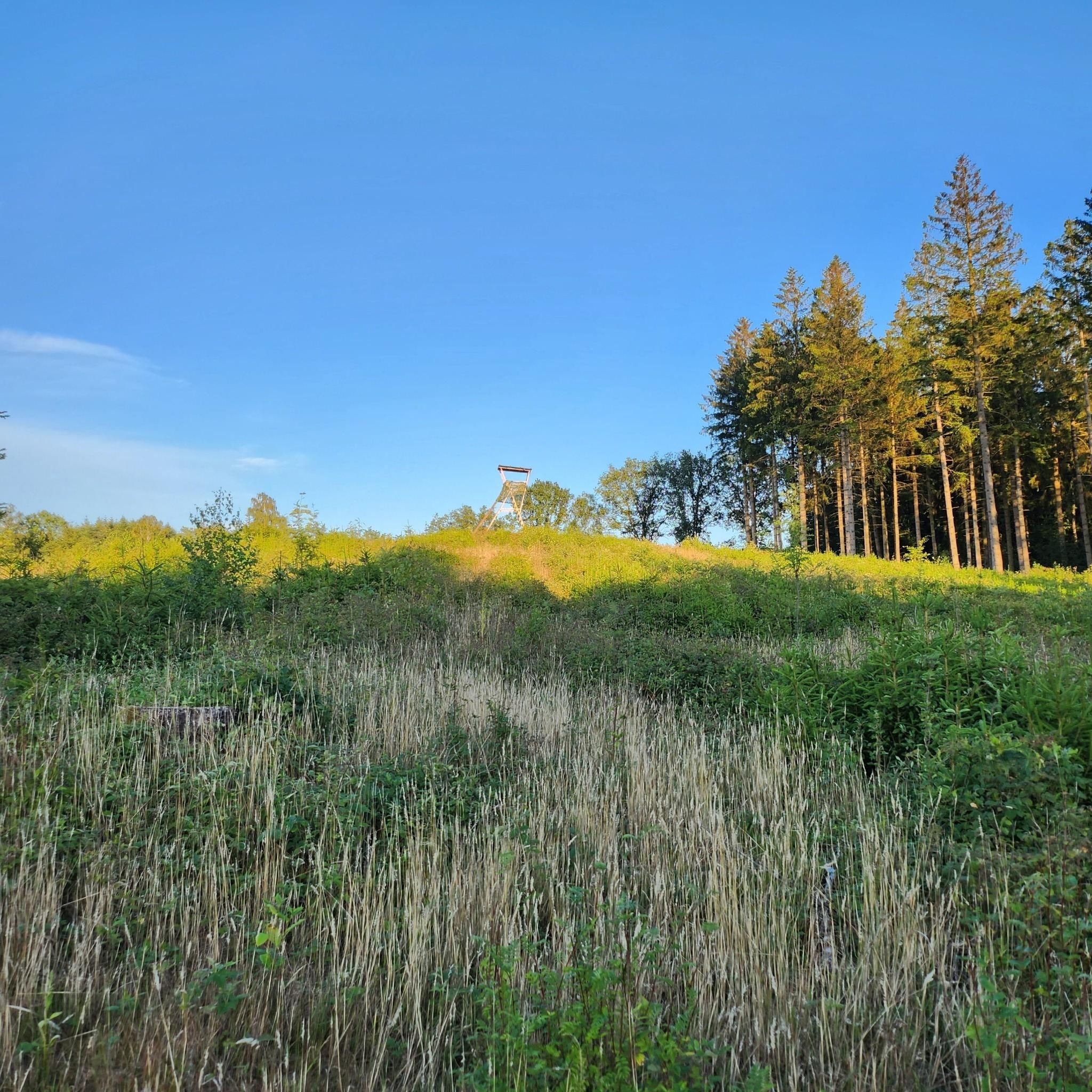
Very clean place with shelter and guest book
3
0

Really a very interesting root system
1
0

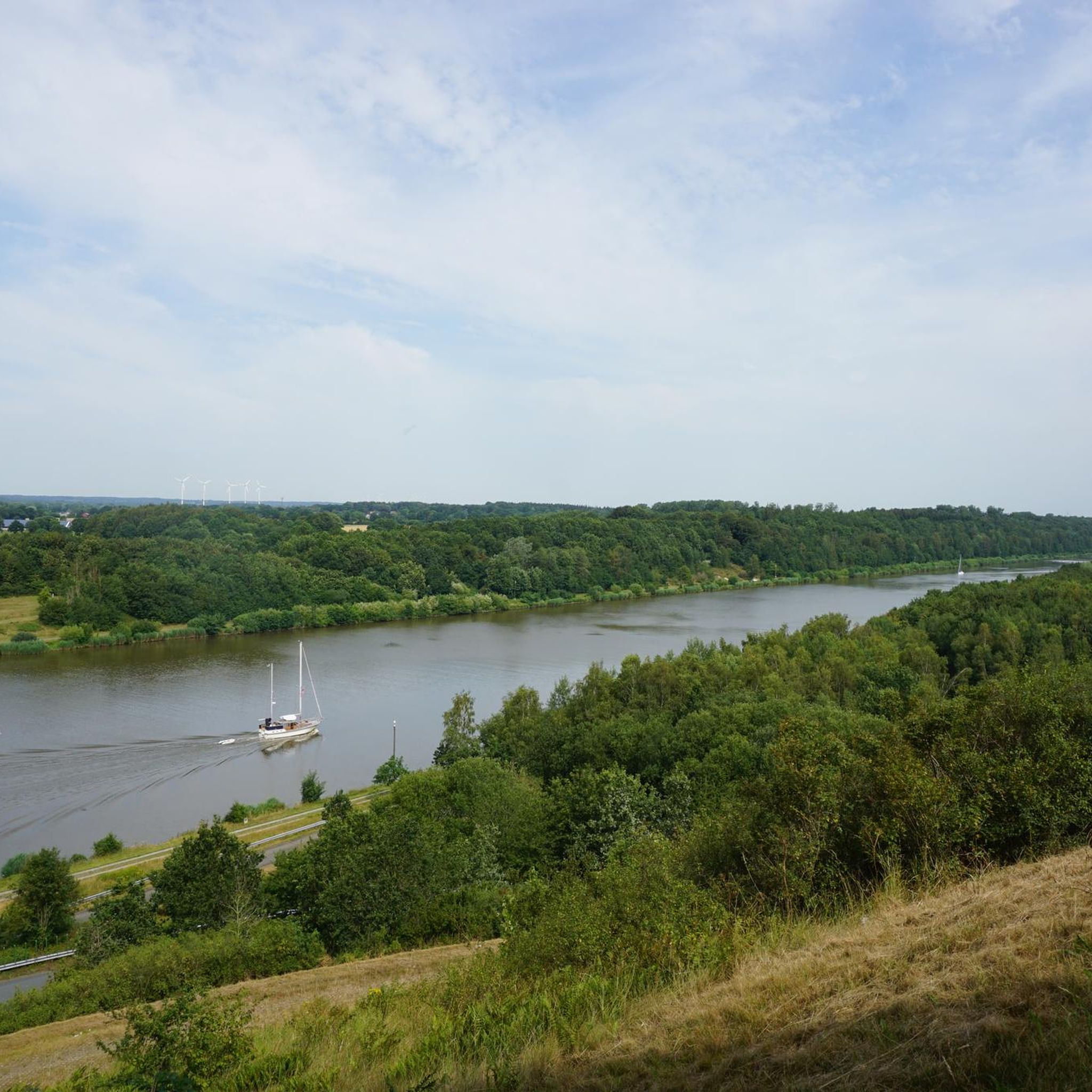
Very nice view, with a bad route
0
0

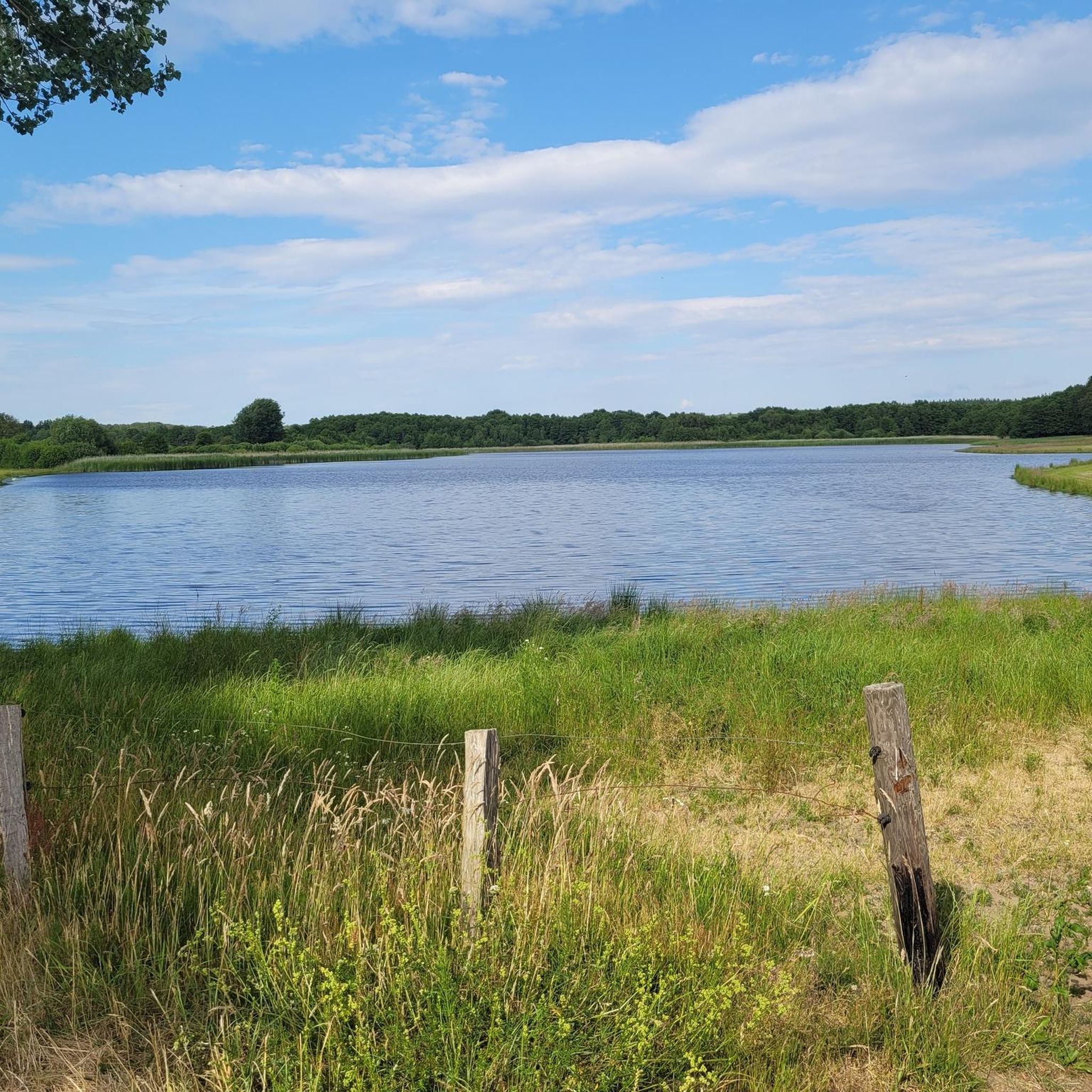
Who can claim that they were once below sea level? Great highlight!
2
0

It's always impressive how the trees with such fascinating root systems can hold their own above ground in wind and weather 🌳...
1
0

The “Herrenmoor near Kleve” can be circumnavigated on foot from Nuttelner Vierth on municipal paths. Some of the paths are also accessible by bike. Unfortunately, the railway bridge from Kleve "Achtern Barg" to Nuttelner Vierth/Nuttelner Heide Hügel was dismantled and no replacement was made for cost reasons. This slowly beginning moor development can now be experienced by the visitor on the Nutteln moor side, where a small oak plank path leads into the moor grassland areas. https://www.steinburg.de/kreisverwaltung/information-der-fachaemter/amt-fuer-umweltschutz/naturschutz/schutzgebiete-u-schuetzte-objects/nreservate/herrenmoor-bei-kleve.html
5
1

This stone grave is the one shown in the coat of arms of Albersdorf.
2
0

Neolithic megalithic tomb This megalithic tomb from the Neolithic period (from 3400 BC) was examined in detail in 1908. It was completely preserved, ceramics and flint tools were found as grave goods. What is special about this grave are the different representations in one of the three large capstones, most of which look like small bowls - hence the name. But there are also hands (in pairs), a foot, a circle around one of the bowls and shallow grooves.
1
0
Frequently Asked Questions
What makes the natural monuments around Besdorf unique?
The natural monuments around Besdorf are unique due to their diverse landscapes, including protected wetlands, rare inland dunes, and significant geological formations. The region is home to parts of the FFH-Gebiet Iselbek mit Lindhorster Teich, a Natura 2000 conservation area, and the extensive Nordoer Inland Dunes Nature Reserve, which features a blend of open sand areas, heathlands, and forests.
What kind of natural features can I expect to see?
You can explore a variety of natural features, from the unique landscape of the Muldsberg Clay Pit Lake, which is developing into a biotope, to the protected wetlands of the Herrenmoor Nature Reserve near Kleve. The area also boasts ancient trees, such as the Exposed roots of the ancient beech in the Gieselau Valley.
Are there any historical natural monuments in the area?
Yes, the region combines natural beauty with historical significance. You can visit the Lowest Point in Germany, which is both a natural and man-made monument, offering insights into storm surge levels. Additionally, the Brutkamp Megalithic Tomb is a significant historical site and natural monument, featuring the largest capstone in Schleswig-Holstein.
What outdoor activities can I do near these natural monuments?
The area around Besdorf offers various outdoor activities. You can find numerous trails for hiking, running, and mountain biking. For example, there are moderate hiking routes like the 'Wacken Store – Lemmy Statue loop from Besdorf' or 'Owl sculpture on tree stump loop from Besdorf'. You can also explore running trails and MTB trails.
Are there family-friendly natural monuments around Besdorf?
Absolutely. Many natural monuments are suitable for families. The Exposed roots of the ancient beech in the Gieselau Valley is a popular place of discovery for children. The Muldsberg Clay Pit Lake also offers a five-kilometer circular route that is great for local recreation. The Nordoer Inland Dunes Nature Reserve has hiking trails, some of which are manageable with a stroller.
What kind of wildlife can be observed in the natural monuments?
The protected areas around Besdorf are rich in biodiversity. The FFH-Gebiet Iselbek mit Lindhorster Teich and the Nordoer Inland Dunes Nature Reserve provide vital habitats for many rare and endangered plant and animal species. You might spot species like the natterjack toad, sand lizard, and a diverse bird population including woodlarks and red-backed shrikes. The Herrenmoor Nature Reserve near Kleve is also a great habitat for many species.
What is the Nordoer Inland Dunes Nature Reserve and why is it significant?
The Nordoer Inland Dunes Nature Reserve is one of the last intact large inland dune landscapes in Schleswig-Holstein. It's significant for its unique terrain, a 'dune landscape without a sea,' which supports a rich biodiversity of species adapted to nutrient-poor sandy soils. Its history as a military training ground inadvertently protected its unique landscape, fostering special habitats.
Is the Lowest Point in Germany accessible for visitors?
Yes, the Lowest Point in Germany is accessible. Visitors can experience this location 3.54 meters below sea level, with displays showing historical storm surge levels. It is categorized as wheelchair accessible and family-friendly, making it an interesting stop for many.
Are there any circular walks available around the natural monuments?
Yes, there are several circular walks. For instance, the Muldsberg Clay Pit Lake features a five-kilometer circular route. The Nordoer Inland Dunes Nature Reserve offers more than 25 kilometers of hiking trails, many of which are suitable for extended walks and nature observation.
What is the FFH-Gebiet Iselbek mit Lindhorster Teich?
The FFH-Gebiet Iselbek mit Lindhorster Teich is a Natura 2000 conservation area that extends along the Iselbek stream through Besdorf's municipal territory. It is designated for the protection of specific habitats and species of European importance, playing a crucial role in maintaining ecological balance and preserving biodiversity.
What do visitors enjoy most about the natural monuments around Besdorf?
Visitors appreciate the unique natural experiences, such as discovering the ancient beech roots in the Gieselau Valley, experiencing the impressive Lowest Point in Germany, and exploring the diverse habitats of the nature reserves. The opportunity for peaceful walks and observing wildlife in protected landscapes is also highly valued.
Most popular routes around Besdorf
Most popular attractions around Besdorf

Get inspired with the komoot mobile app


Explore more
Extend your search for the best caves by checking out these guides of the top ones around Besdorf:
