Top 20 Natural Monuments around Hollern-Twielenfleth
Best natural monuments around Hollern-Twielenfleth are primarily defined by the expansive Elbe River and its surrounding landscape, which forms a significant natural environment. This region features diverse ecosystems, including wetlands, sandy beaches, and wooded hills, supporting a wide array of wildlife such as cranes and beavers. The Elbe's dynamic nature, flowing without barrages for over 600 km, constantly reshapes the floodplain landscapes, offering unique geological features. Visitors can explore this area through numerous cycle routes and footpaths, experiencing its natural…
Last updated: July 8, 2026
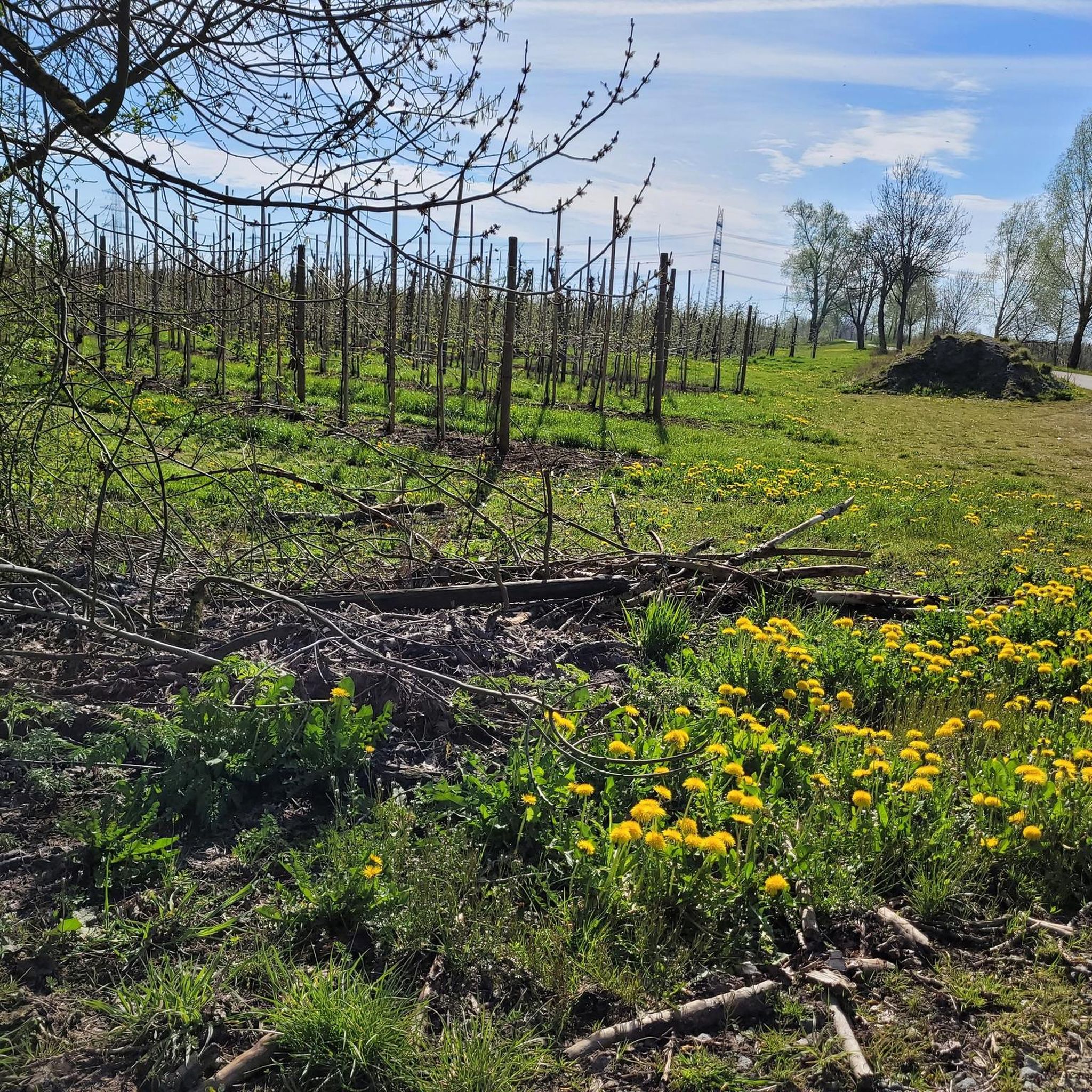
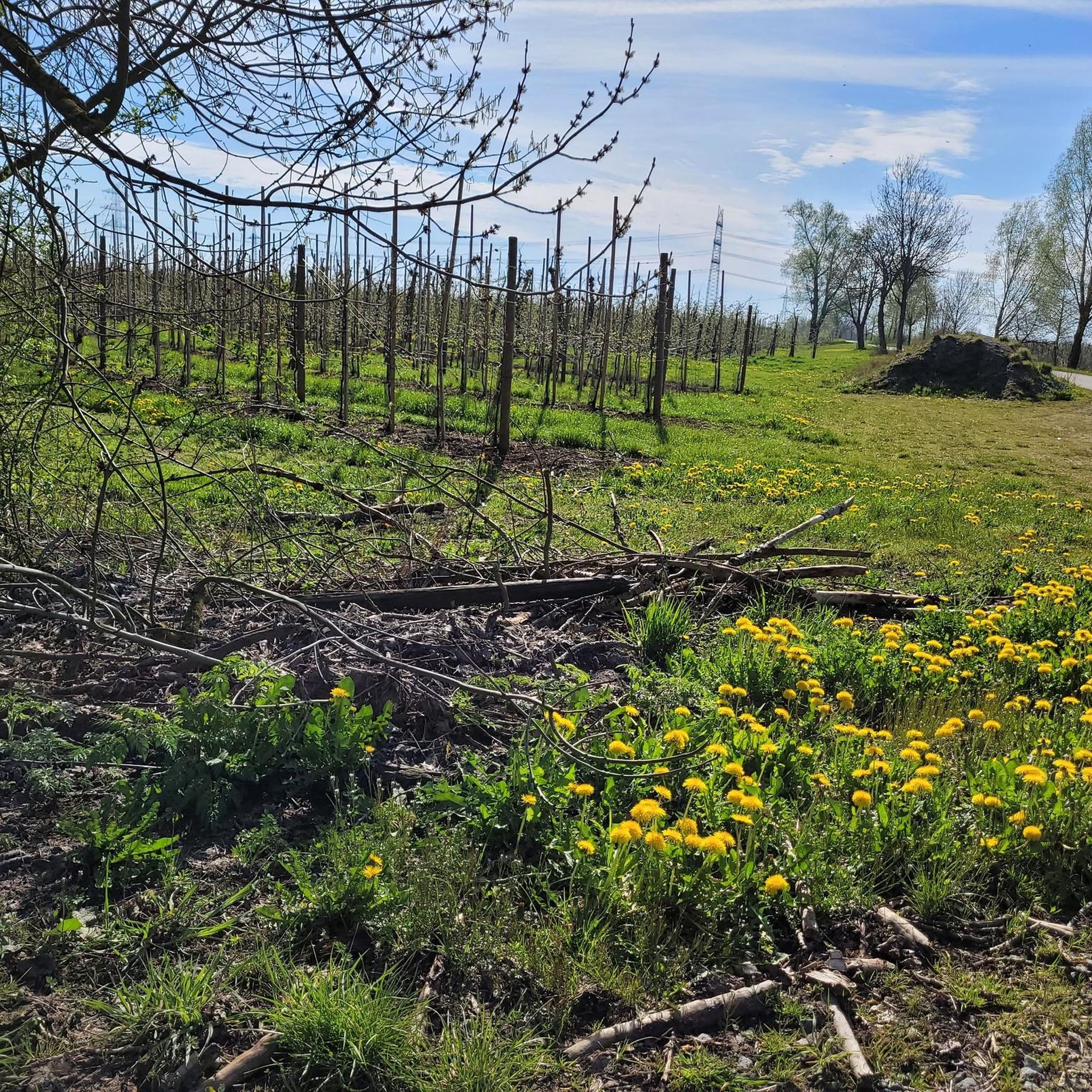
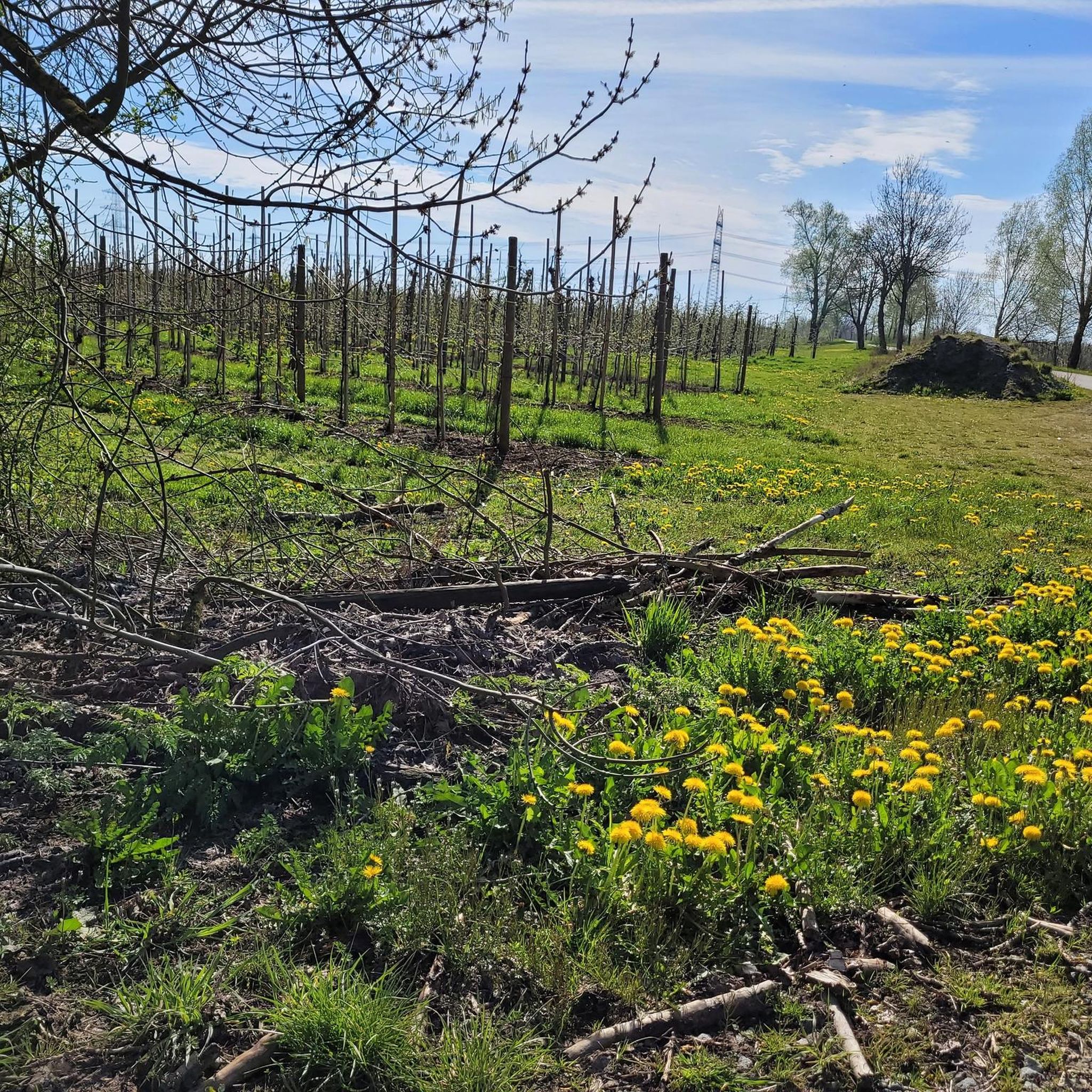
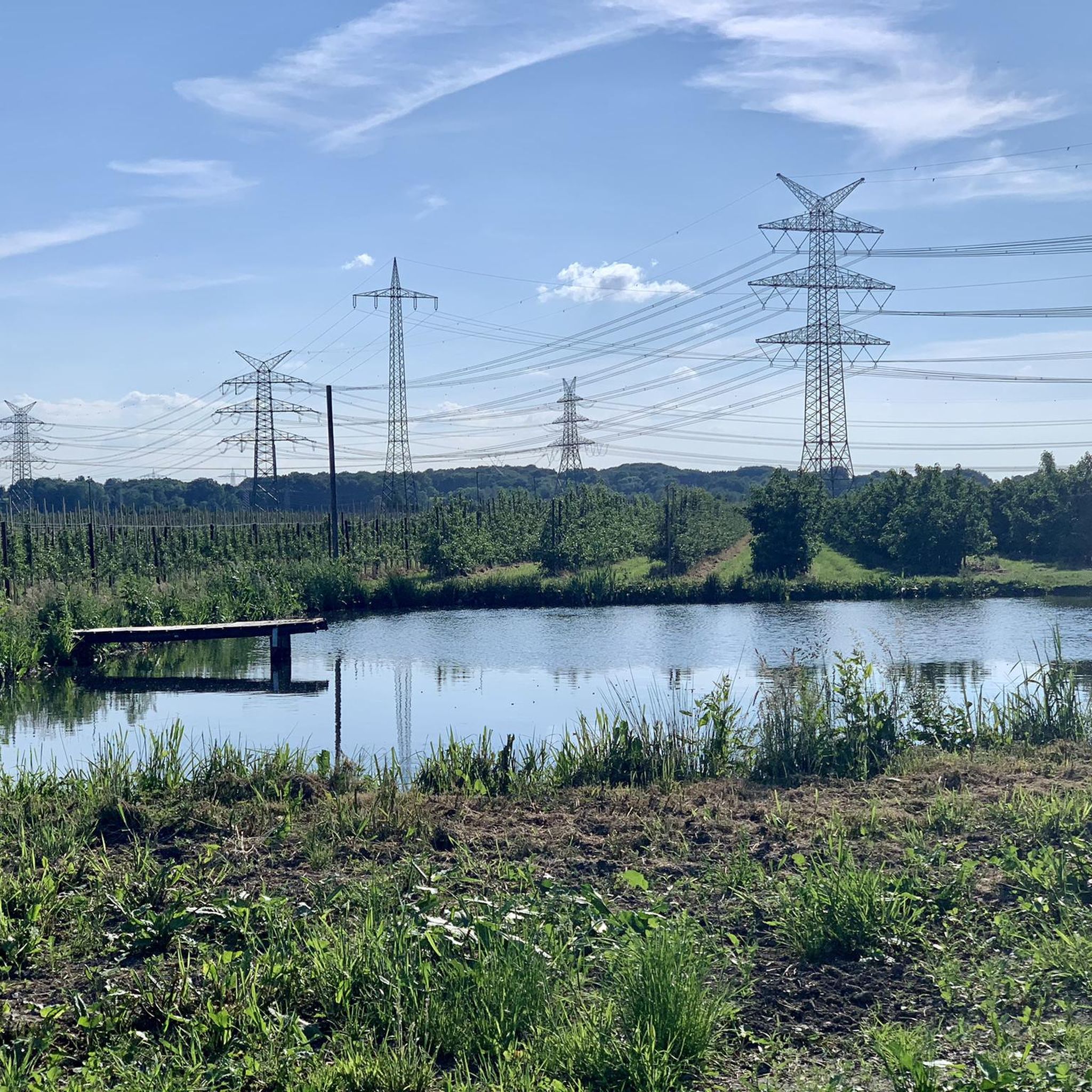
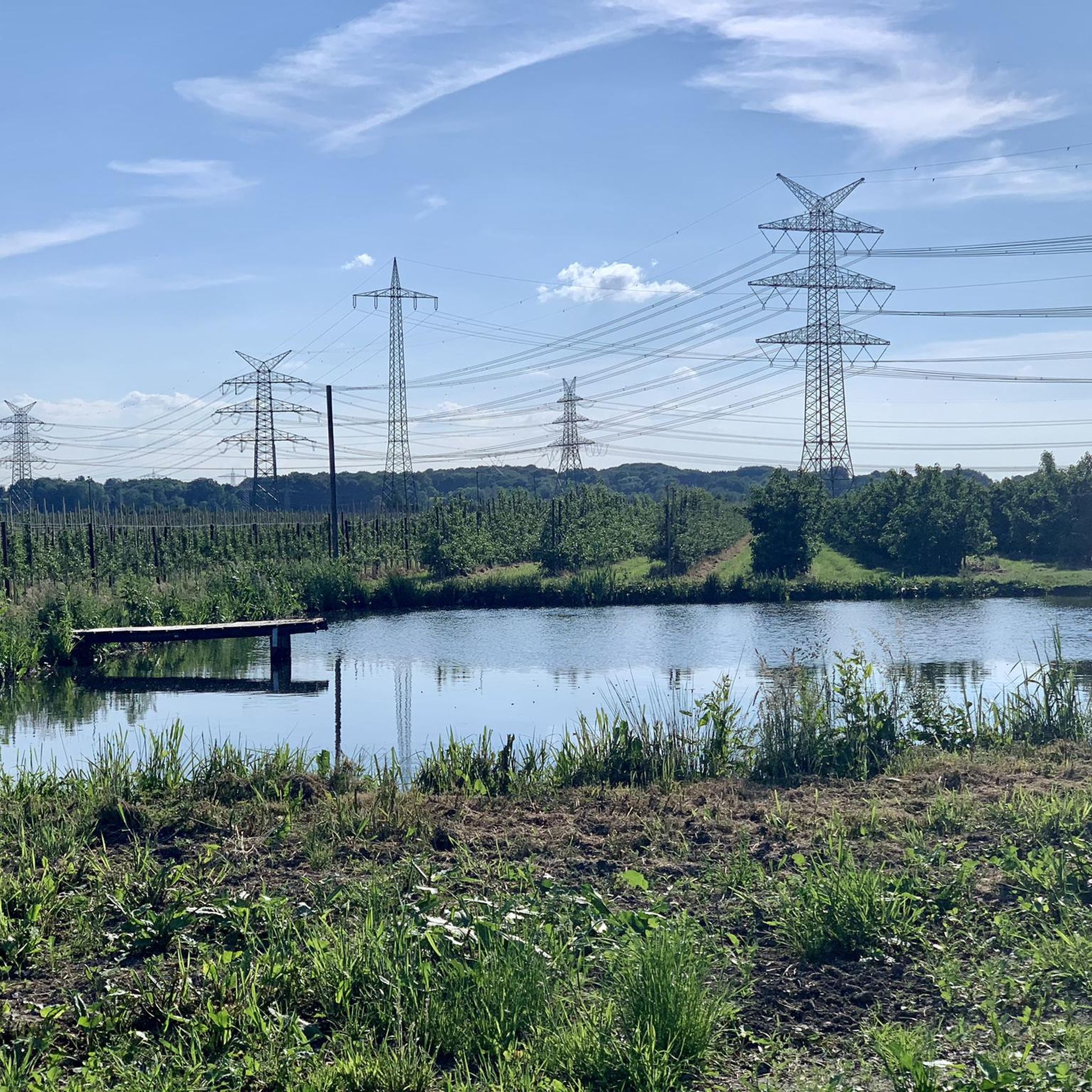
Firefighting pond in the Holmer Sandberge
Highlight • Lake
Translated by Google •
Tip by

Holmer Sandberge and Buttermoor Nature Reserve
Highlight • Natural Monument
Translated by Google •
Tip by

Sign up now to discover places like this
Get recommendations on the best single tracks, peaks, & plenty of other exciting outdoor places.
Sign up for free
In the Schwingetal
Highlight • Trail
Translated by Google •
Tip by

Haseldorfer Binnenelbe and Elbe Foreland Nature Reserve
Highlight • Natural
Translated by Google •
Tip by

The Fisherman and His Wife Fountain (Pferdemarkt, Stade)
Highlight • Monument
Translated by Google •
Tip by

Sign up for free to discover even more natural monuments around Hollern-Twielenfleth.
Sign up for free
Already have an account?
Start today with a free account
Your next adventure awaits.
Login or Signup
Popular around Hollern-Twielenfleth
Other adventures around Hollern-Twielenfleth

Tips from the Community

It is very beautiful here, come and see 😉.
1
0
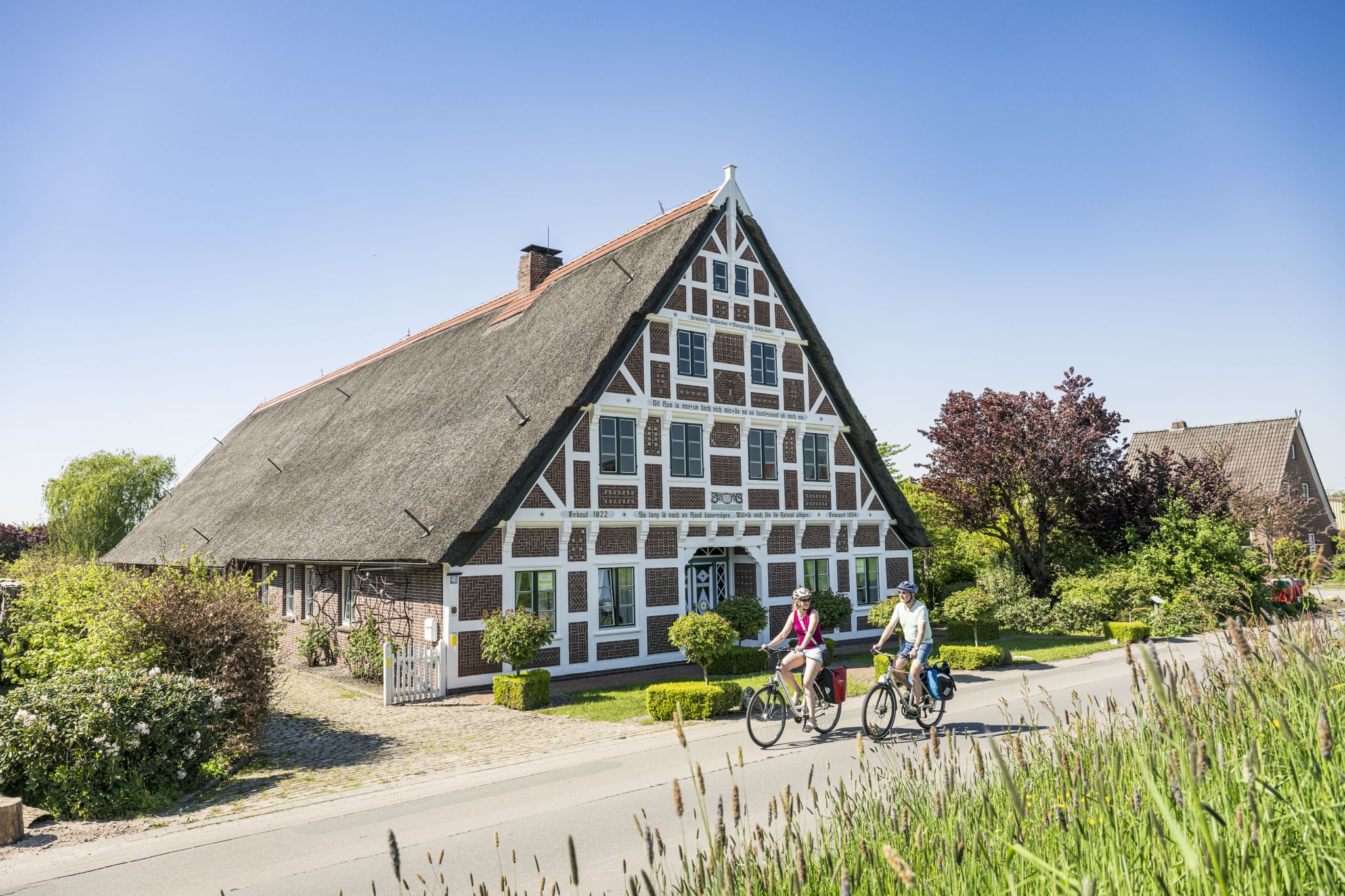
The Schwingetal stretches across a wide, beautiful landscape. Great cycling and hiking trails lead along here amidst beautiful nature.
2
0

A scenic section of the Elbe Cycle Path, but the surface is not entirely optimal.
1
0

Fountain at Stade's Horse Market with a fisherman statue based on Philipp Otto Runge's Low German fairy tale "Of the Fisherman and His Wife." The scene depicts a fisherman at the water's edge in conversation with a flounder, who is supposed to grant his wife Ilsebill's wishes.
4
0
"Mantje, Mantje, Timpe Te, Buttje, Buttje inne See...", said the fisherman in the Low German fairy tale "The Fisherman and His Wife" by Philipp Otto Runge. In memory of the well-known story, the fisherman sits today at a fountain in Stade's horse market. Peering out of the water is the flounder, who wants to grant the fisherman's wishes. Your wishes, I'm sure!
10
0
A very popular tourist destination and photography highlight.
9
0
Good information about the area, it's easy to find your way around here.
0
2
Frequently Asked Questions
What are the most prominent natural features around Hollern-Twielenfleth?
The most prominent natural feature is the expansive Elbe River and its surrounding landscape, which is recognized as a UNESCO Biosphere Reserve. This dynamic river system, flowing over 600 km without barrages, constantly reshapes its floodplains, creating diverse ecosystems. You'll find wetlands, white sandy beaches, wooded hills, and even inland dunes like those near the Firefighting pond in the Holmer Sandberge.
Are there any specific natural monuments recommended for visitors?
Yes, beyond the general Elbe landscape, visitors particularly enjoy areas like In the Schwingetal, a landscape conservation area along the meandering Schwinge river. Another popular spot is the Firefighting pond in the Holmer Sandberge, idyllically set amidst unique nature and the largest inland dune area in Schleswig-Holstein. The Haseldorfer Binnenelbe and Elbe Foreland Nature Reserve also offers expansive views and insights into nature conservation.
What kind of wildlife can I expect to see in the natural areas?
The Elbe region is a haven for diverse wildlife. You might spot various bird species like cranes, wild geese, and white-tailed eagles. Beavers also thrive in this environment. The river basin supports over 1000 plant species, contributing to a rich biodiversity vital for numerous animal habitats.
Are the natural monuments around Hollern-Twielenfleth suitable for families?
Many natural areas are family-friendly. For instance, In the Schwingetal, the Firefighting pond in the Holmer Sandberge, and the Haseldorfer Binnenelbe and Elbe Foreland Nature Reserve are all noted as family-friendly. These spots often offer easy paths and opportunities for picnics or nature observation, making them great for outings with children.
What outdoor activities can I do near these natural monuments?
The region offers extensive opportunities for outdoor activities. You can explore the natural river landscape from the water on boat trips or canoe adventures. On land, numerous cycle routes and footpaths, including sections of the 840-kilometer Elbe Cycle Route, allow you to experience the beauty of the area. For specific routes, you can find options for running, cycling, and gravel biking around Hollern-Twielenfleth.
Are there good viewpoints to appreciate the natural landscape?
Yes, the region offers several excellent viewpoints. The Haseldorfer Binnenelbe and Elbe Foreland Nature Reserve provides expansive views into the distance. The Confluence of Wedeler Au and Hetlinger Binnenelbe with the Elbe is another spot offering scenic vistas of the river landscape. Many paths along the Elbe dikes also provide picturesque perspectives of the broad floodplains and the river itself.
What is the best time to visit Hollern-Twielenfleth for enjoying its natural monuments?
The Elbe region offers beauty throughout the year, but spring and autumn are particularly appealing. In autumn, areas like In the Schwingetal are populated by migratory birds, offering special moods at sunrise, sunset, or on a foggy morning. Summer provides sun and beaches, ideal for water activities and enjoying the serene atmosphere.
What makes the Elbe River landscape around Hollern-Twielenfleth unique?
The Elbe River is unique in Central Europe for flowing over 600 km without barrages, allowing for a millennia-old interplay of flooding and receding that constantly reshapes the floodplain landscapes. This natural dynamism creates ever-changing scenery and supports a rich diversity of ecosystems, from wetlands to inland dunes, making it a truly special natural monument.
Can I find places for a break or picnic near the natural monuments?
Absolutely. The Firefighting pond in the Holmer Sandberge is specifically mentioned as a perfect place for a little break or a small picnic, with cozy spots to linger. Many of the footpaths and cycle routes along the Elbe and through areas like In the Schwingetal also feature benches and scenic spots ideal for resting.
What do visitors appreciate most about the natural monuments in this area?
Visitors highly appreciate the tranquility and scenic beauty of the Elbe River landscape. The broad floodplains, gentle meanders, and idyllic riverside forests create a serene atmosphere. The opportunity to observe abundant wildlife, combined with the dynamic nature of the river and its diverse ecosystems, makes for a truly picturesque and engaging experience. The komoot community has shown strong appreciation, with over 700 upvotes and more than 190 photos shared across the highlights.
Are there any specific trails or paths recommended for walking or hiking?
Yes, the area offers numerous footpaths. For example, a great path leads from Groß-Thun over the Schwinge to Wiepenkathen in the Schwingetal. While the Firefighting pond in the Holmer Sandberge has sandy paths, they are suitable for walking. You can also find various running trails that are excellent for walking, including routes along the Elbe dike.
Is the area suitable for dog owners?
While specific dog-friendly trails are not detailed, the general nature of the Elbe landscape with its extensive footpaths and open areas makes it suitable for walks with dogs. Always ensure dogs are kept on a leash where required, especially in nature reserves or near wildlife, and be mindful of local regulations.
Most popular routes around Hollern-Twielenfleth
Most popular attractions around Hollern-Twielenfleth

Get inspired with the komoot mobile app


Explore more
Extend your search for the best caves by checking out these guides of the top ones around Hollern-Twielenfleth:
