Top 20 Natural Monuments around Weddelbrook
Best natural monuments around Weddelbrook are found in a region situated between Hamburg and Kiel, characterized by diverse natural landscapes. The area offers opportunities to explore significant natural features, including officially recognized natural monuments and other notable natural sites. The Kaltenkirchener Heide stands out as a prominent natural monument, designated as a National Natural Heritage site. Visitors can experience a variety of ecosystems and geological formations within a short distance of Weddelbrook.
Best natural monuments around Weddelbrook
- The most popular…
Last updated: August 18, 2026
Kaltenkirchener Heide East Entrance
Highlight • Natural Monument
Translated by Google •
Tip by

Waldsee Spring and Picnic Area
Highlight • Natural Monument
Translated by Google •
Tip by

Sign up now to discover places like this
Get recommendations on the best single tracks, peaks, & plenty of other exciting outdoor places.
Sign up for free
Wooden forest spring with carved sculpture
Highlight • Structure
Translated by Google •
Tip by

Gesundbrunnen Bad Bramstedt
Highlight • Natural Monument
Translated by Google •
Tip by
Butterfly Garden in Bürgerpark Kaltenkirchen
Highlight • Natural
Translated by Google •
Tip by

Sign up for free to discover even more natural monuments around Weddelbrook.
Sign up for free
Already have an account?
Start today with a free account
Your next adventure awaits.
Login or Signup
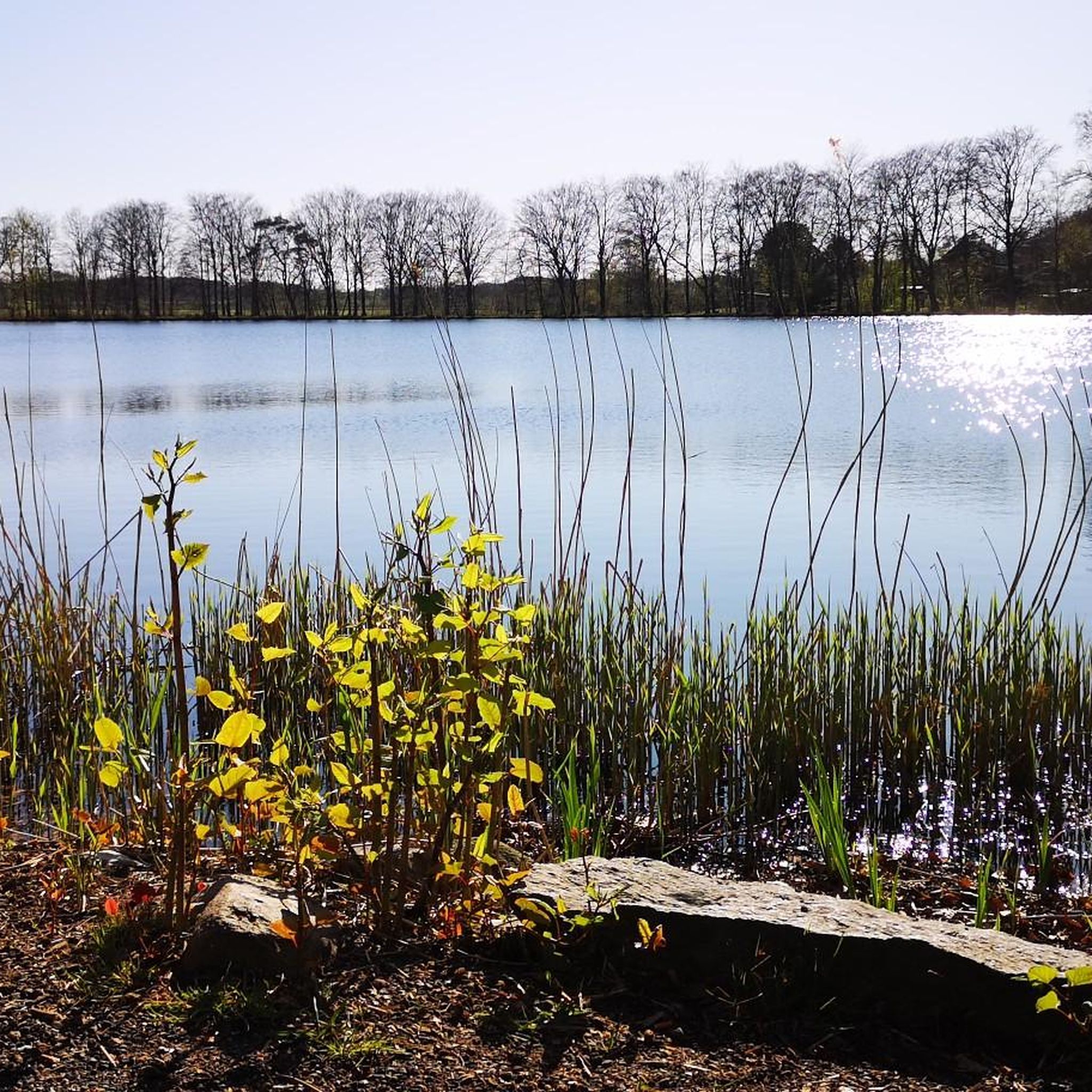
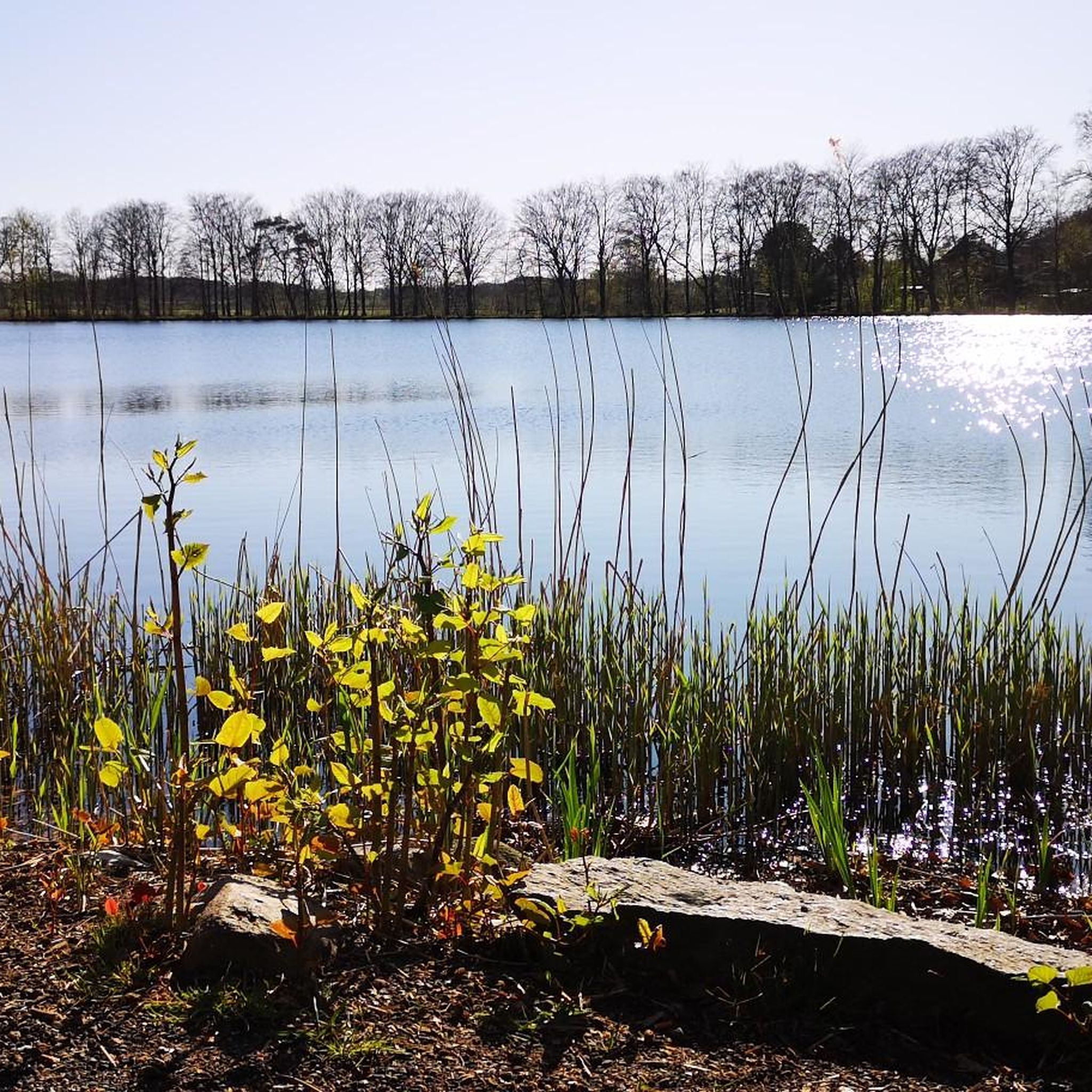
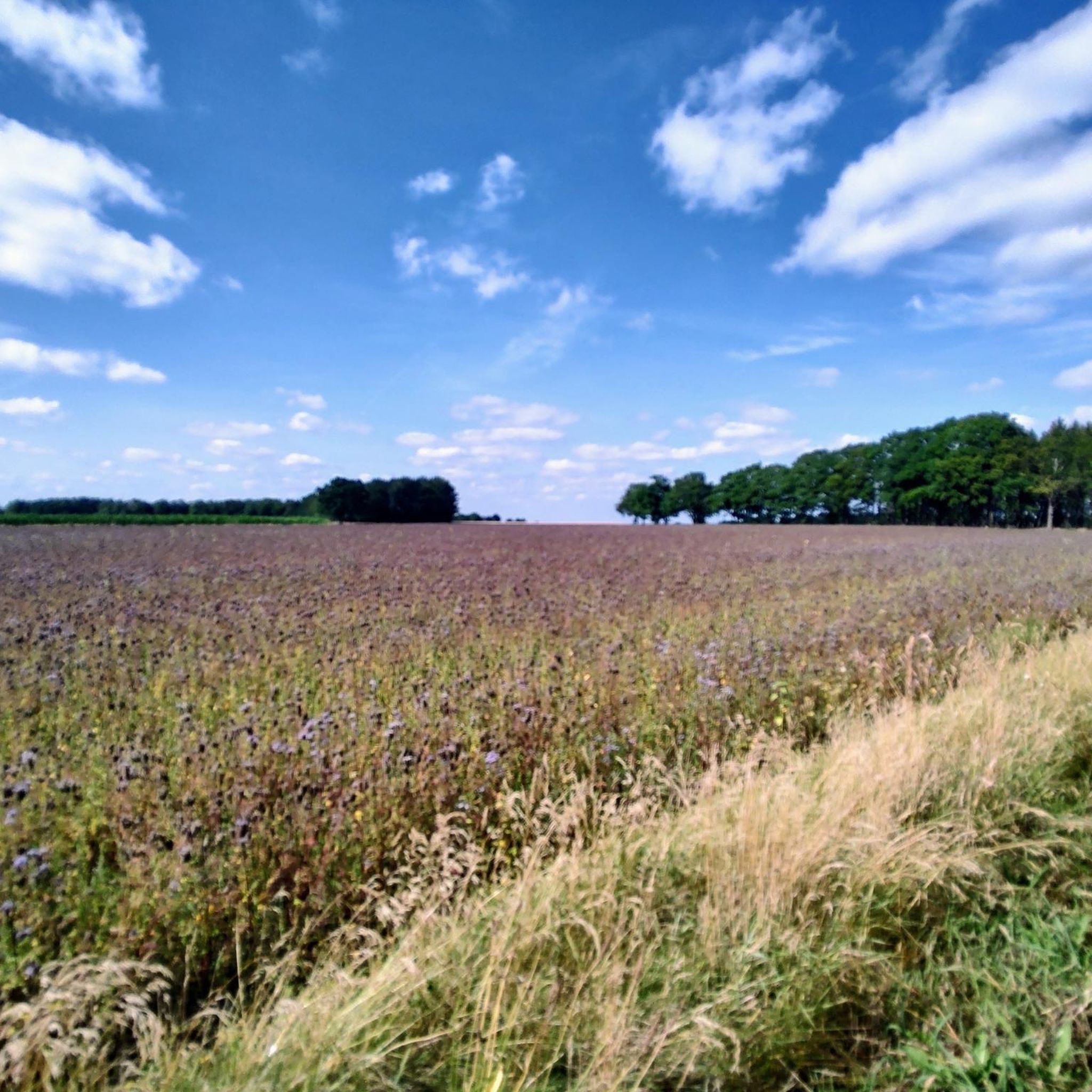
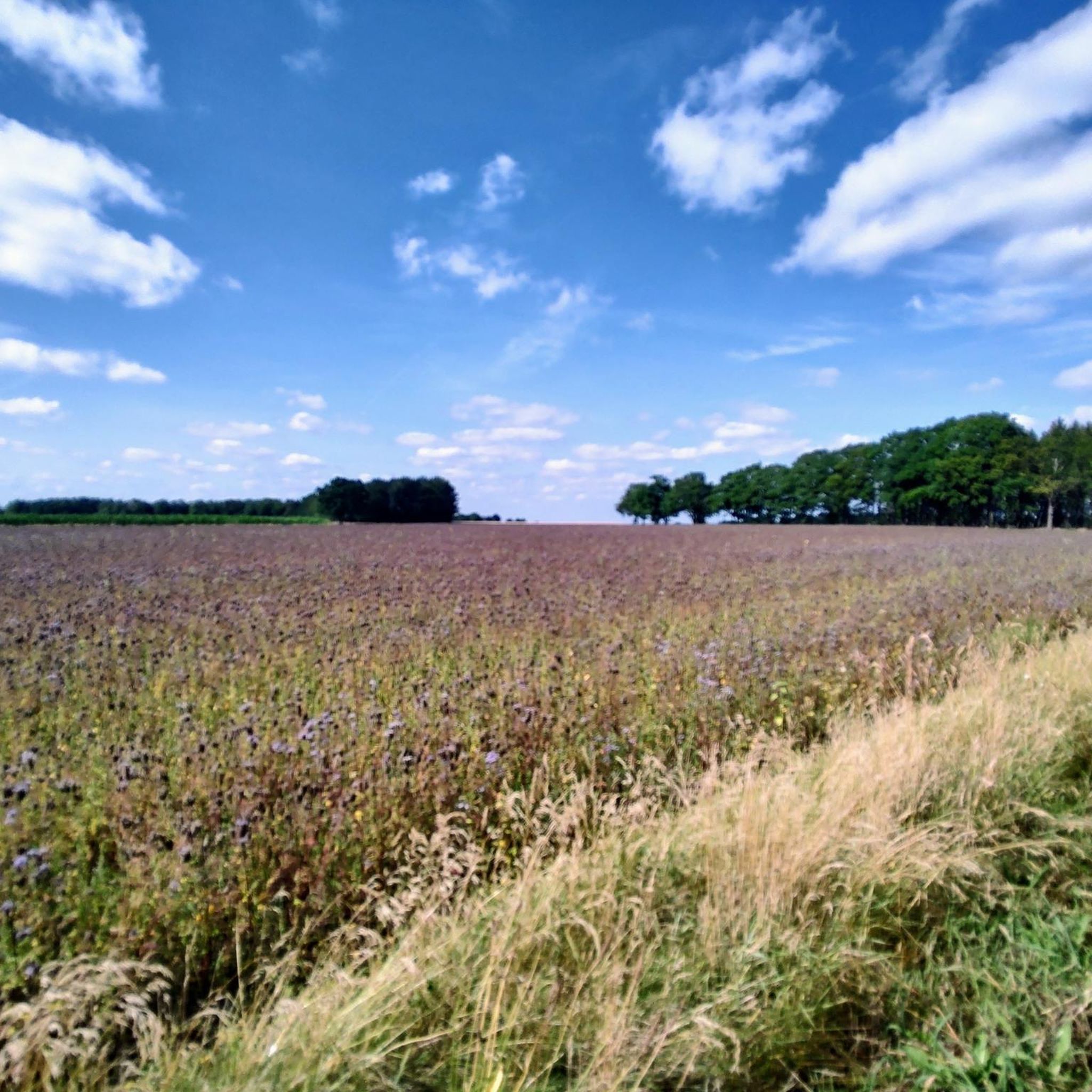
Tips from the Community

After the years 1681, the spring disappeared at some point and was rediscovered in 1761. The Majesty of Denmark, Norway and Schleswig-Holstein was informed that a guard should be set up to maintain order here, as the number of people seeking help at the Gesundbrunnen was too great.
0
0

Currently only open Wednesdays from 2-6 pm (as of May 2025) but also worth seeing from the outside
0
0

A quiet place that invites you to linger. Information board with the history of the fountain and the spa town of Bad Bramstedt.
0
0

Here is a nice rest area including a barbecue area.
1
0

I'm 10 years younger ... GREAT ....
0
0

Ingo panel with illustrations of butterflies
11
0
It is definitely worth just looking to the left and right along the way.
2
0
As for trash, what was with can't be harder back
3
0
Frequently Asked Questions
What are some of the most popular natural monuments around Weddelbrook?
One of the most popular natural monuments is the Kaltenkirchener Heide East Entrance, a former military training ground now a natural paradise. Visitors also enjoy the tranquil Wooden forest spring with carved sculpture, where spring water flows into a large wooden trough, and the historical Gesundbrunnen Bad Bramstedt, the site of the region's first healing spring.
What unique natural features can I expect to see in the Kaltenkirchener Heide?
The Kaltenkirchener Heide, a designated National Natural Heritage site, features diverse landscapes including forests, rare dry and semi-dry grasslands, and heaths. It's known for its high biodiversity, harboring up to 20 plant species from the Red List of Schleswig-Holstein in its open habitats. You can experience a remnant of the large heath landscapes that once covered much of northern Germany.
Are there historical natural monuments or sites near Weddelbrook?
Yes, the Gesundbrunnen Bad Bramstedt is a significant historical natural monument, marking the discovery of Bad Bramstedt's first healing spring in 1681. Additionally, while not explicitly a 'natural monument,' the Forest Chapel on the Monks' Way is nestled beneath impressive seven-hundred-year-old beech trees, offering a tranquil natural setting with historical and cultural significance.
What kind of wildlife can I observe in the natural areas around Weddelbrook?
The Kaltenkirchener Heide is a haven for rare and endangered plant and animal species, thanks to its diverse ecosystems. The Schmalfelder Au, a local watercourse, is noted for a high occurrence of small fish like sticklebacks and broodfish, which support larger fish like eels, trout, and pike. Otters are also recognized as potential inhabitants and migrants along the Au.
Are there family-friendly natural monuments around Weddelbrook?
Many natural monuments in the area are suitable for families. The Kaltenkirchener Heide East Entrance offers extensive paths for leisurely walks. The Waldsee Spring and Picnic Area includes a forest educational trail with information boards, making it an engaging walk for children. The Butterfly Garden in Bürgerpark Kaltenkirchen is also a wonderful family-friendly spot.
Are natural monuments around Weddelbrook dog-friendly?
Generally, natural areas like the Kaltenkirchener Heide welcome dogs, often requiring them to be on a leash to protect wildlife and other visitors. It's always best to check local signage or specific park regulations for each natural monument you plan to visit to ensure a pleasant experience for everyone.
When is the best time to visit the natural monuments around Weddelbrook?
The natural monuments around Weddelbrook can be enjoyed year-round. Spring and summer offer lush greenery and blooming flora, especially in areas like the Kaltenkirchener Heide. Autumn provides beautiful fall colors, while winter can offer peaceful, crisp walks. The Butterfly Garden in Bürgerpark Kaltenkirchen is particularly vibrant in summer.
What outdoor activities can I do near these natural monuments?
The region around Weddelbrook offers a variety of outdoor activities. You can find numerous hiking trails, including easy to moderate loops like the 'Mühlenteich – Weddelbrook Green Fields loop'. There are also MTB trails and road cycling routes that explore the diverse landscapes, such as the 'Narrow Forest Trail – Schmalfelder Au loop' for mountain biking or the 'Wildpark Eekholt – Boostedter Berg loop' for road cycling.
Are there hiking trails near the natural monuments?
Yes, there are many hiking opportunities. The Kaltenkirchener Heide has an extensive network of paths, perfect for leisurely walks. For more structured routes, you can explore various hiking trails around Weddelbrook, ranging from easy to moderate difficulty, such as the 'Weddelbrook Green Fields loop' or the 'Beller's Inn – Dollhouse by the Wayside loop'.
How can I get to the natural monuments, and is parking available?
Access to natural monuments like the Kaltenkirchener Heide is generally good, with visitor parking often available at main entrances, such as the Kaltenkirchener Heide East Entrance. For specific locations, it's advisable to check local maps or information boards for designated parking areas. Public transport options may vary, so planning ahead is recommended.
Are there any lesser-known natural gems worth exploring near Weddelbrook?
Beyond the prominent sites, the Schmalfelder Au offers a chance to experience riparian nature and observe local wildlife in a restored natural watercourse. The ancient beech trees surrounding the Forest Chapel on the Monks' Way, while part of a cultural site, are themselves a remarkable natural feature, providing a tranquil and impressive natural setting.
What do visitors enjoy most about the natural monuments around Weddelbrook?
Visitors frequently appreciate the tranquility and natural beauty of the area. Many highlight the peaceful atmosphere of places like the Waldsee Spring and Picnic Area, noting the soothing sound of the spring. The Kaltenkirchener Heide is valued for its unique ecosystems and the opportunity to experience history up close, as it was once a military training ground now reclaimed by nature.
Most popular routes around Weddelbrook
Most popular attractions around Weddelbrook

Get inspired with the komoot mobile app


Explore more
Extend your search for the best caves by checking out these guides of the top ones around Weddelbrook:
