Top 20 Natural Monuments around Großschweidnitz
Best natural monuments around Großschweidnitz are situated within the Upper Lusatia region of Saxony, an area characterized by its diverse natural landscape. The municipality of Großschweidnitz serves as a starting point for exploring various natural features in the surrounding area. This region features a mix of geological formations, river sources, and protected gorges. These sites offer insights into the region's natural history and ecological heritage.
Best natural monuments around Großschweidnitz
- The most popular natural monuments is Spree River Source at…
Last updated: June 24, 2026
Spree River Source at Kottmar
Highlight • River
Translated by Google •
Tip by

Devil's Window rock formation
Highlight • Natural Monument
Translated by Google •
Tip by

Sign up now to discover places like this
Get recommendations on the best single tracks, peaks, & plenty of other exciting outdoor places.
Sign up for free
Geldkeller Rock Formation
Highlight • Natural Monument
Translated by Google •
Tip by

Summit rock formations on Hromadnik (Döhlener Berg)
Highlight • Natural Monument
Translated by Google •
Tip by

Georgewitz Gorge
Highlight (Segment) • Gorge
Translated by Google •
Tip by

Sign up for free to discover even more natural monuments around Großschweidnitz.
Sign up for free
Already have an account?
Start today with a free account
Your next adventure awaits.
Login or Signup

Tips from the Community

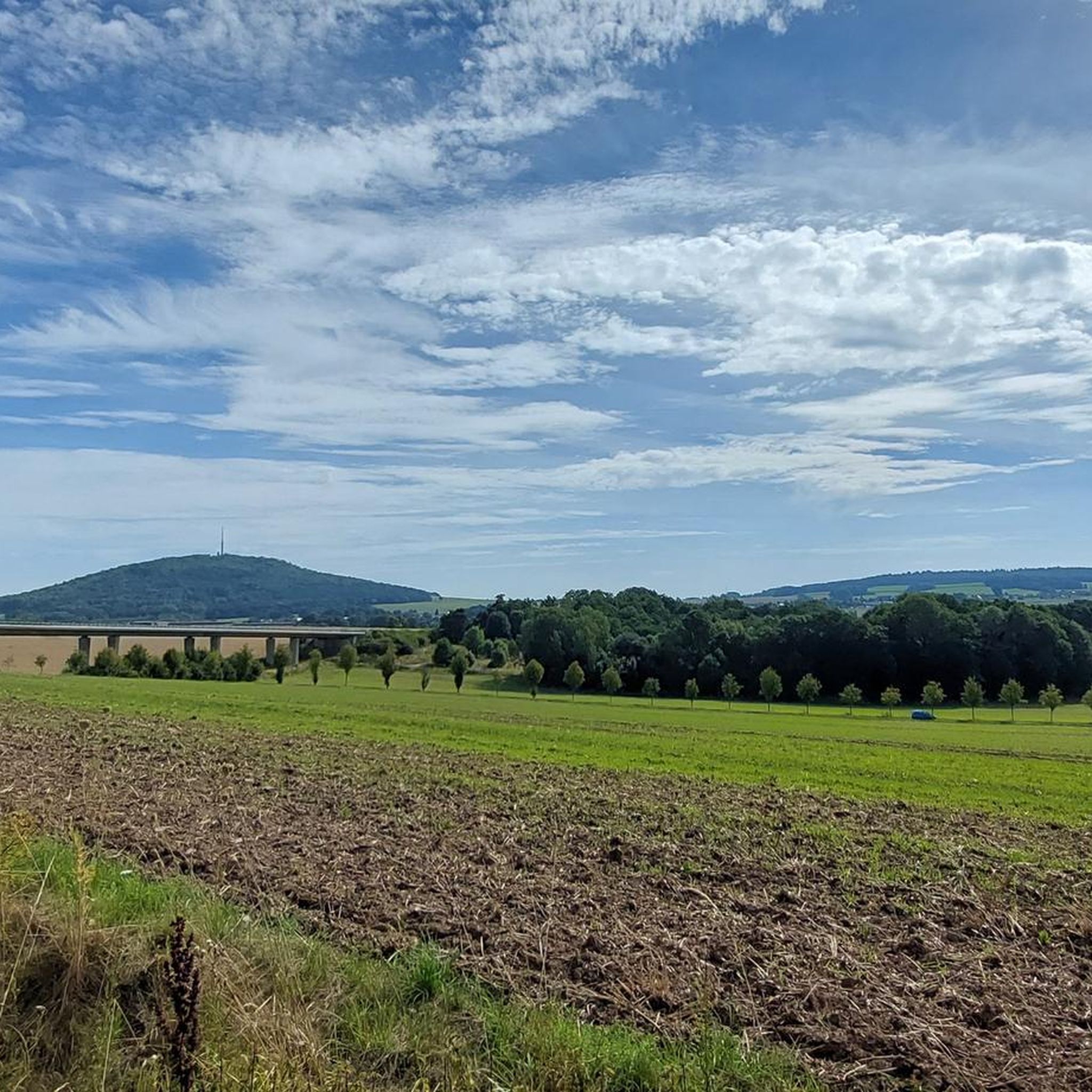
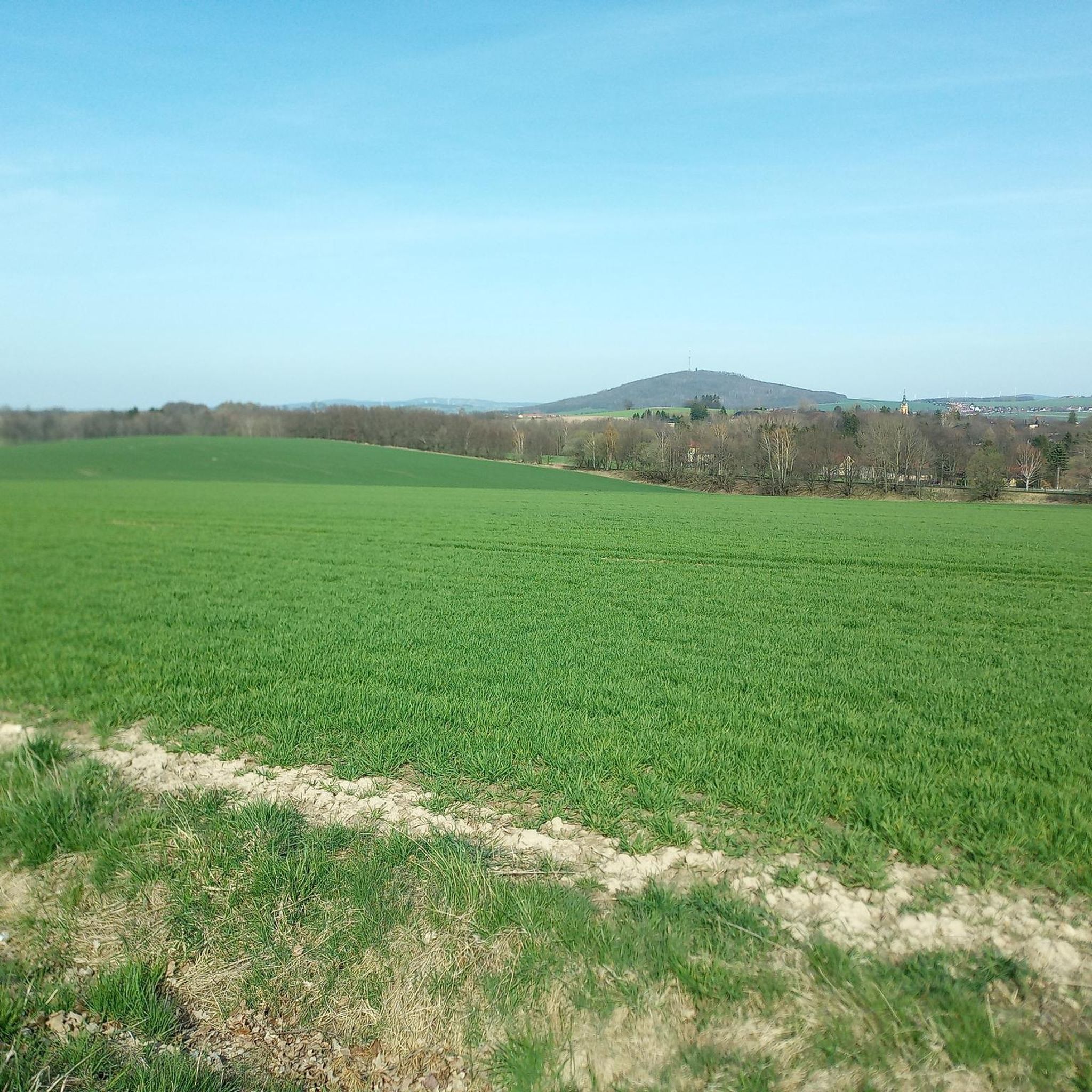
Mountains always attract magically - nicely depicted here.
0
0

The money cellar is an interesting rock formation
0
0

Great rock formation near the mountain inn
0
0

A real insider tip for a nice hike without many people.
0
0

The Georgewitzer Skala was created over a length of approx. 1.3 km by the erosive action of the Löbau water as a deeply incised, south-north oriented, canyon-like rocky valley (skala = Slavic term for rock). This form of a breakthrough valley is more common in Upper Lusatia, especially in the Upper Lusatia region (cf. Gröditzer scale, Lausk scale). The geological source rock, the West Lusatian granodiorite or the Zweiglimmergranodiorite, was removed by the erosion process over thousands of years. The geological subsoil is mainly covered by nutrient-rich loess loam and river gravel from the Vistula ice age. The valley has steep slopes, rock faces and crevices, the Löbau water has a near-natural stream bed with many blocks. The wooded rocky slopes on both sides of the stream rise from 210 m above sea level. NN in the valley floor up to a height of 240 m above sea level. NN and go with a moderate incline into a plateau. A large number of very different near-natural forest communities, such as pedunculate oak-hornbeam forest rich in linden trees, sessile oak-beech forest rich in hornbeam and hornwort-black alder shoreline characterize the scale. As special features of the avifauna, kingfishers, lesser woodpeckers and gray wagtails can be mentioned. Hollow Corydalis, Black Lungwort, Lily of the Valley and Greater Chickweed occur as protected plant species due to the weakly alkaline-influenced granodiorite weathering soil of the basalt mountains. Source: Wikipedia
2
0
The festival play "Barbarossa's Awakening" was performed here on June 23, 1872. The plot of the play involves Germany's uprising and unification in 1871.
0
0
The Geldkeller is located on the eastern slope directly at the castle rampart - a very striking rock formation. At the north foot there is a small cave, which gave the rock its name. A legend tells that in this cave on St. John's Day (three days after the summer solstice) a wall opens and gold is found in a secret cellar. In fact, on the morning of the summer solstice, the sun shines through a viewing slit into the cave and paints a golden spot of light on the inner wall of the cave entrance. At sunset, on the summer solstice, the sun shines directly through the entrance to the cave, giving the interior a golden glow. Large boulders piled one on top of the other form two viewing windows above the cave entrance. One allows a view of the morning sun of spring and autumn, as well as the morning sun of the winter solstice and opposite the evening sun of the summer solstice. The second viewing window is just to the east of the cave entrance. Here the sun appears at the winter solstice at the moment when it disappears behind the hill fort at Berggrad and at the evening sun in spring and autumn. The Geldkeller is very easy to reach. A road leads to the Löbauer Berg. There is a parking lot between the two hilltops. From here you walk in the direction of the radio tower. Then follow the course of the ramparts until the path leads through the ramparts to a small rock in the east. This rock is the money cellar. The way is also signposted. Source: Hand of the Gods
1
0

Enough coal for everyone (:-))
0
1
Frequently Asked Questions
What types of natural monuments can I explore around Großschweidnitz?
The region around Großschweidnitz offers a diverse range of natural monuments, including significant river sources, unique rock formations, and protected gorges. You can discover geological curiosities and important natural habitats.
Are there any family-friendly natural monuments in the area?
Yes, several natural monuments are suitable for families. The Spree River Source at Kottmar is considered family-friendly, offering an interesting historical site. The Geldkeller Rock Formation is also noted as family-friendly and is easy to reach.
Where can I find impressive rock formations near Großschweidnitz?
You'll find several impressive rock formations. The Devil's Window rock formation on the Czorneboh mountain is known for its unique shape and local legends. Additionally, the Geldkeller Rock Formation on Löbauer Berg features a small cave and interesting sun alignments, while the Summit rock formations on Hromadnik (Döhlener Berg) offer a rugged landscape reminiscent of Saxon Switzerland.
What is the Spree River Source at Kottmar and what makes it special?
The Spree River Source at Kottmar is the highest source of the Spree River, located on the western slope of the Kottmar at 478 meters. It features a semi-circular phonolite stone wall built in 1921, which also serves as a memorial to WWI members of the Lusatia Mountain Club. It's a significant spot for those interested in the Spree Cycle Path.
Can I go hiking near these natural monuments?
Absolutely. The natural monuments are often integrated into hiking routes. For example, the Georgewitz Gorge is a protected area with trails winding through unique beech, linden, and oak forests. You can find various hiking trails around Großschweidnitz, including routes that pass by these natural features. Explore more options on the Hiking around Großschweidnitz guide.
Are there any protected natural areas or gorges to visit?
Yes, the Georgewitz Gorge is a notable protected breakthrough valley formed by the Löbau water. It's recognized for its unique forests and as a habitat for various plant and animal species, including kingfishers and swallowtails.
What kind of historical or legendary significance do these natural monuments hold?
Some natural monuments are steeped in local history and legend. The Devil's Window rock formation on Czorneboh mountain is linked to Sorbian legends and is believed to be a former cult site. The Geldkeller Rock Formation has a legend about gold appearing in a secret cellar on St. John's Day, with the rock's unique structure aligning with the sun during solstices.
What outdoor activities are available near the natural monuments around Großschweidnitz?
Beyond exploring the monuments themselves, the area offers opportunities for various outdoor activities. You can find numerous routes for running, hiking, and gravel biking that allow you to experience the diverse natural landscape of Upper Lusatia.
What is the best time of year to visit the natural monuments?
The natural monuments around Großschweidnitz can be enjoyed throughout the year, with each season offering a different experience. Spring and autumn provide pleasant temperatures for hiking and vibrant foliage. Summer is ideal for longer explorations, while winter can offer a serene, snow-covered landscape, though some paths might be less accessible.
Are there viewpoints offering scenic vistas of the natural monuments?
Many of the natural monuments themselves serve as excellent viewpoints. The Devil's Window rock formation and the Summit rock formations on Hromadnik offer panoramic views. The Geldkeller Rock Formation also features viewing windows that align with the sun, providing unique perspectives.
What makes the Georgewitz Gorge a significant natural monument?
The Georgewitz Gorge is a significant natural monument because it is a protected breakthrough valley, carved by the Löbau water. It's home to unique, near-natural forest communities, including beech, linden, and oak forests, and provides a habitat for protected plant and animal species like the kingfisher and swallowtail.
Is public transport available to reach these natural monuments?
While specific public transport routes directly to every monument might vary, Großschweidnitz serves as a starting point. It's advisable to check local bus schedules or consider a combination of public transport and walking or cycling to reach the more remote natural monuments.
Can I bring my dog to the natural monuments?
Generally, natural areas in Germany are dog-friendly, especially if dogs are kept on a leash. However, specific regulations can vary for protected areas like gorges or sensitive habitats. It's always best to observe local signage and be mindful of wildlife when visiting with your dog.
Most popular routes around Großschweidnitz
Most popular attractions around Großschweidnitz

Get inspired with the komoot mobile app


Explore more
Extend your search for the best caves by checking out these guides of the top ones around Großschweidnitz:
