Top 20 Natural Monuments around Thüngen
Natural monuments around Thüngen offer diverse landscapes for exploration. The region, situated in the Main-Spessart area, features significant geological formations and natural beauty. These include steep limestone slopes, extensive forests, and scenic viewpoints over river valleys. The area provides opportunities to experience both natural features and cultural heritage.
Best natural monuments around Thüngen
- The most popular natural monuments is Homburg Castle Ruins, a castle and natural monument. This site features medieval castle ruins and offers views of the surrounding…
Last updated: June 24, 2026
Veitshöchheim Palace and Rococo Garden
Highlight • Castle
Translated by Google •
Tip by

Homburg Castle Ruins
Highlight • Castle
Translated by Google •
Tip by

Sign up now to discover places like this
Get recommendations on the best single tracks, peaks, & plenty of other exciting outdoor places.
Sign up for free
View of the Retzbach Vineyards from Zellingen
Highlight • Viewpoint
Translated by Google •
Tip by

Volkenberg Black Pine Forest
Highlight • Forest
Translated by Google •
Tip by

View of the Main Valley from the Edelweiß
Highlight • Viewpoint
Translated by Google •
Tip by

Sign up for free to discover even more natural monuments around Thüngen.
Sign up for free
Already have an account?
Start today with a free account
Your next adventure awaits.
Login or Signup
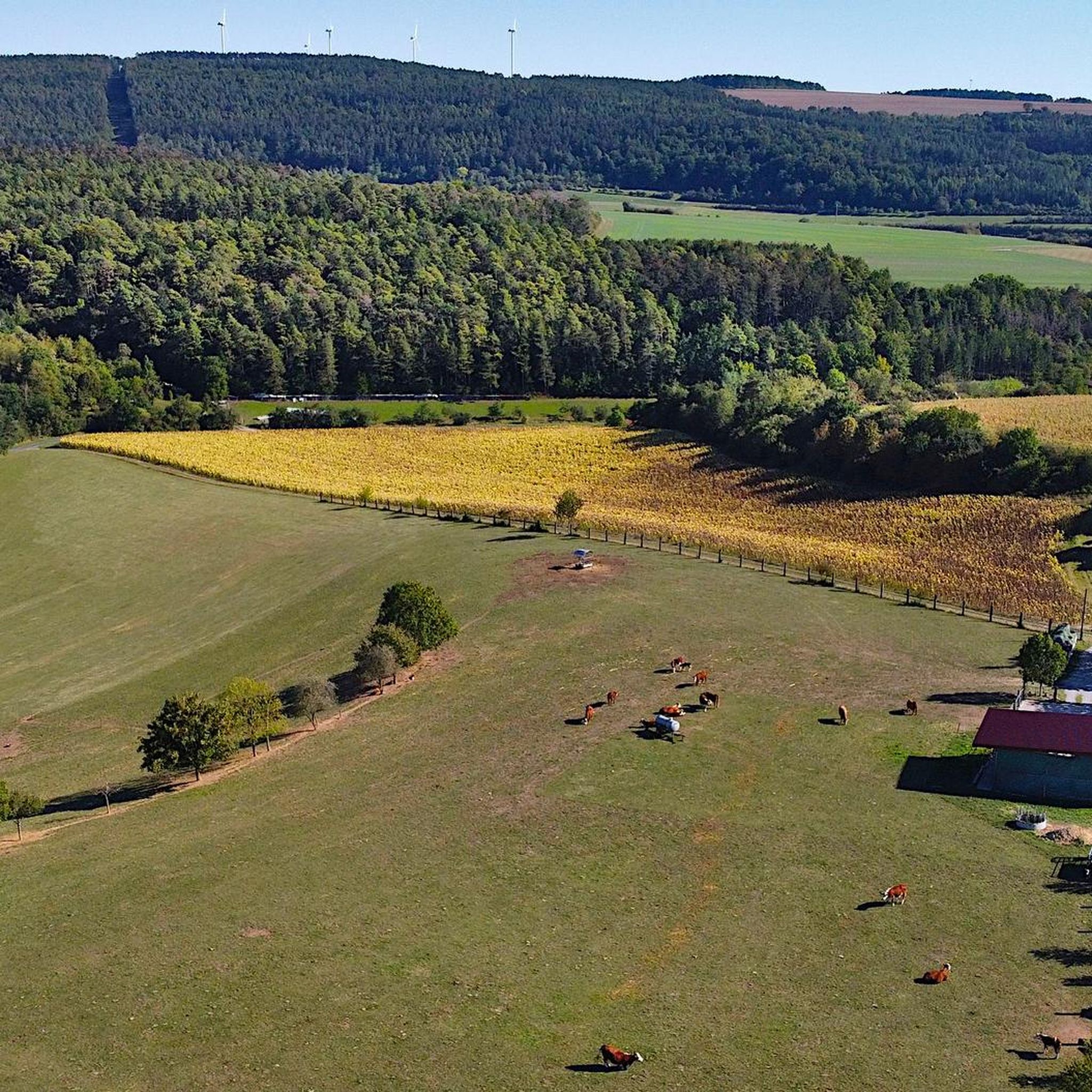
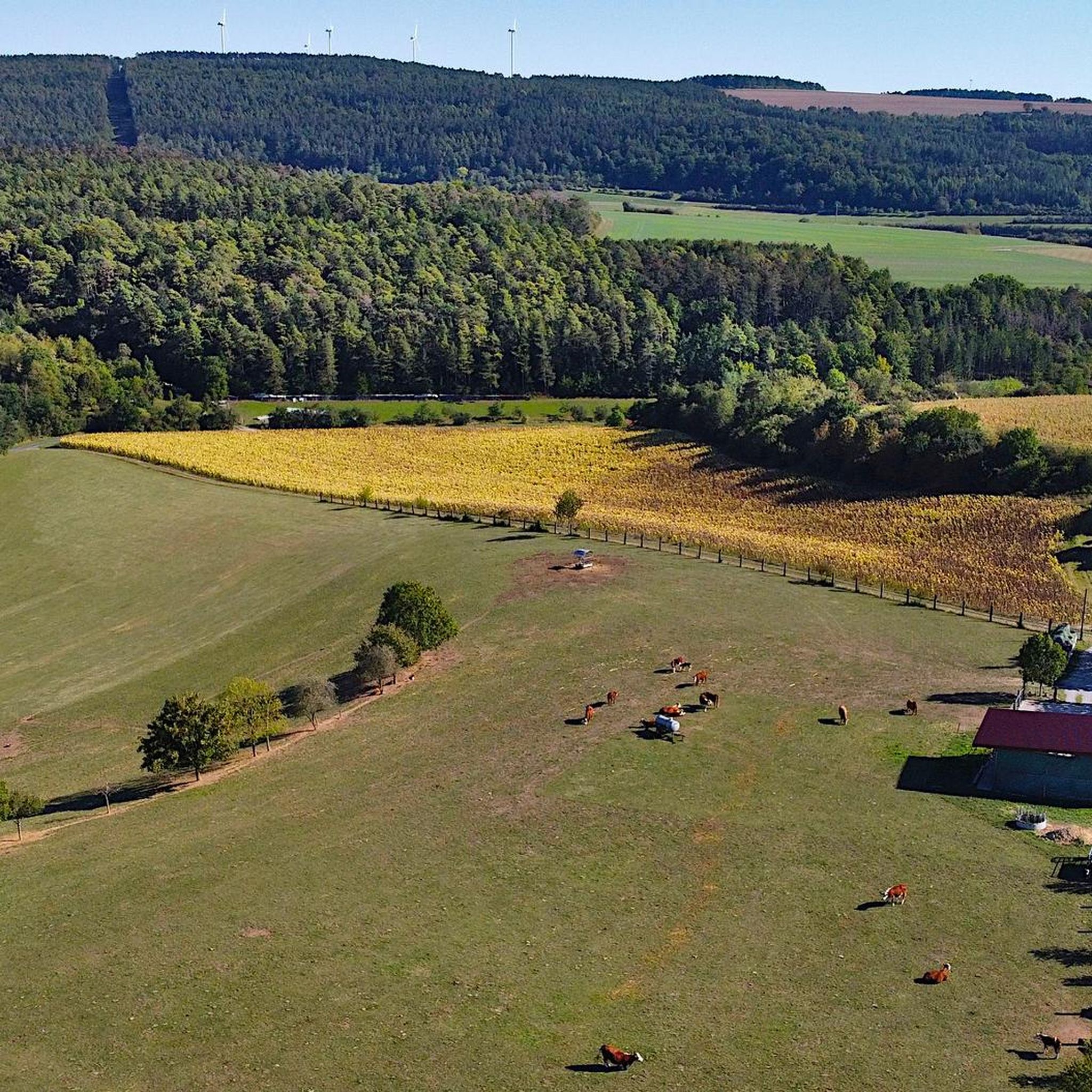
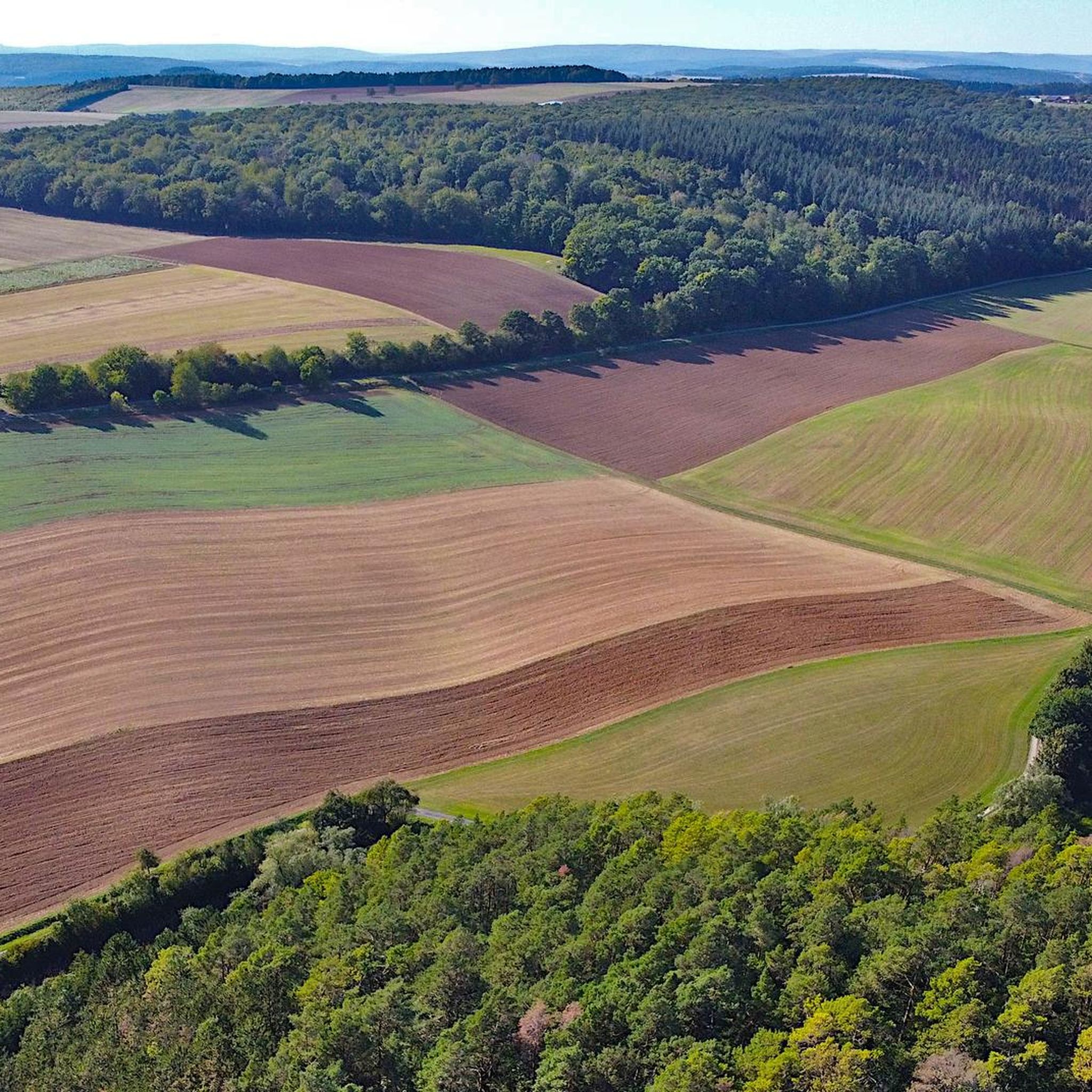
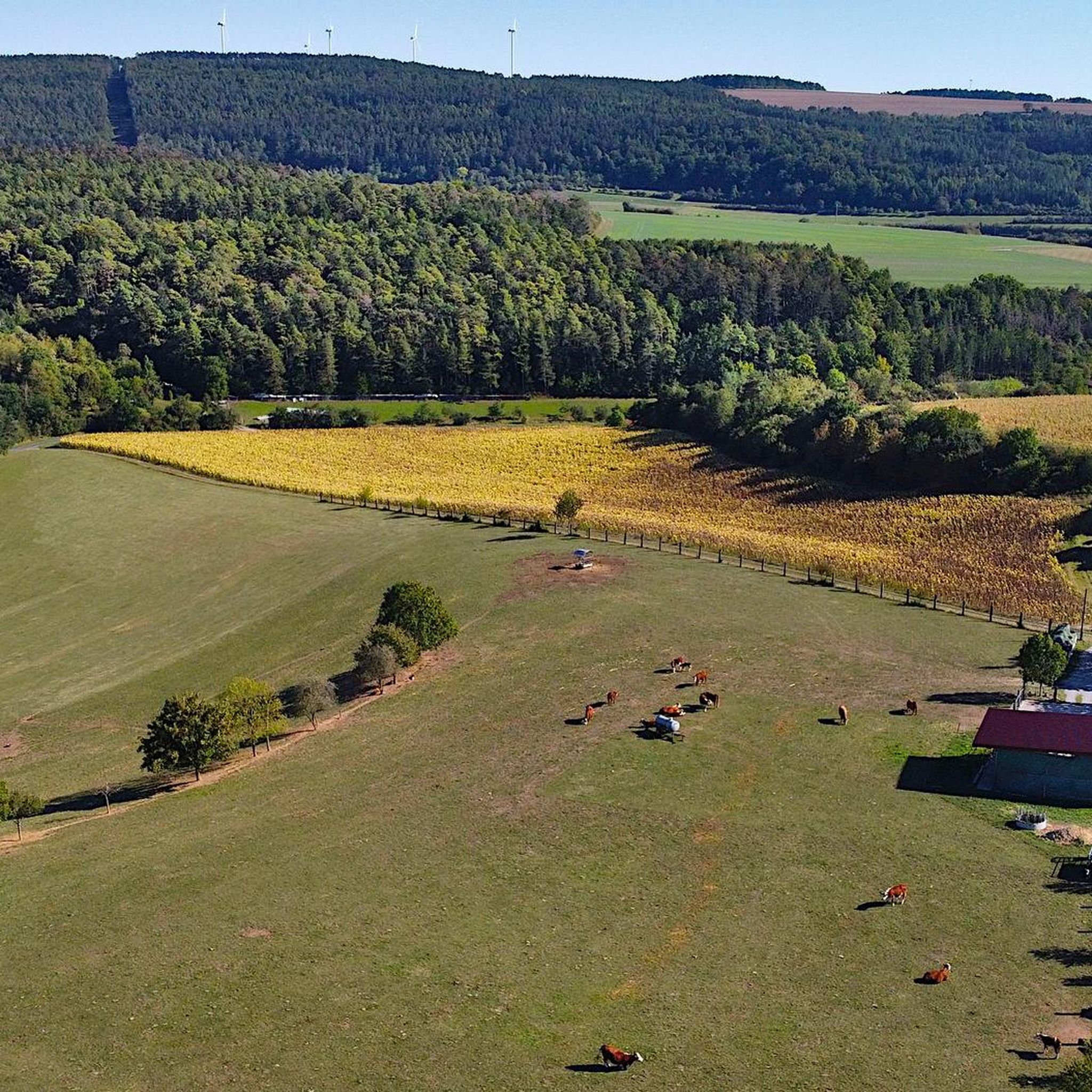
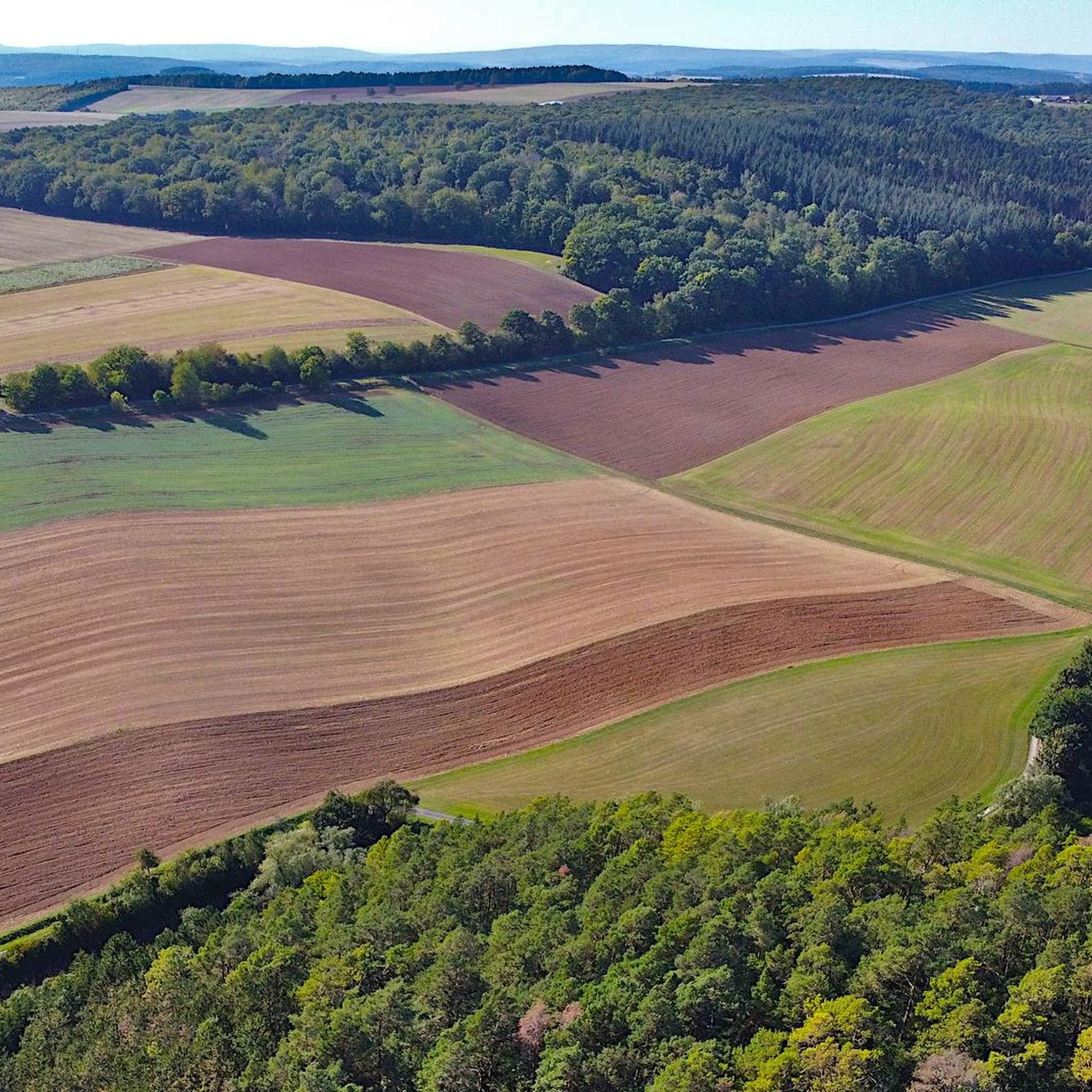
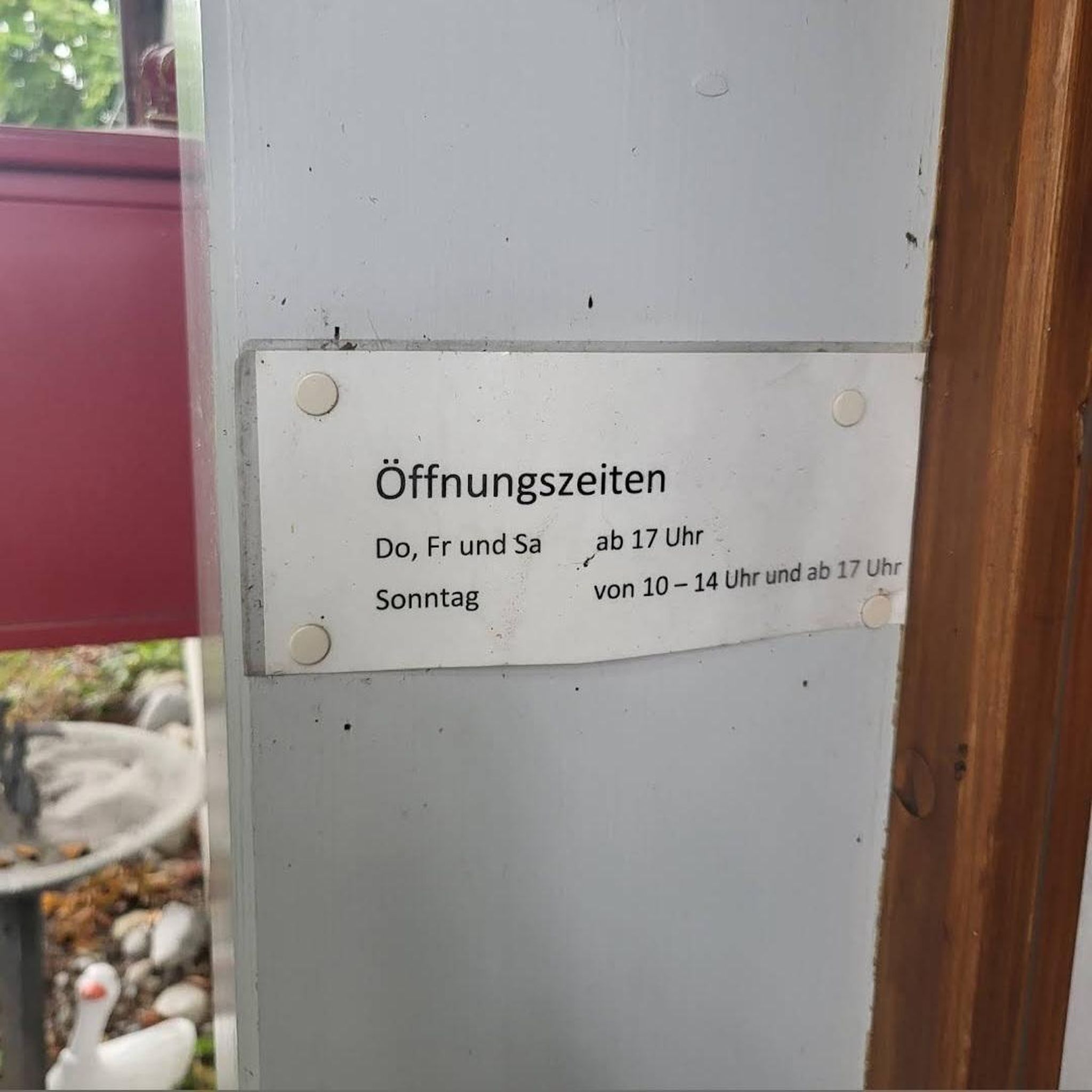
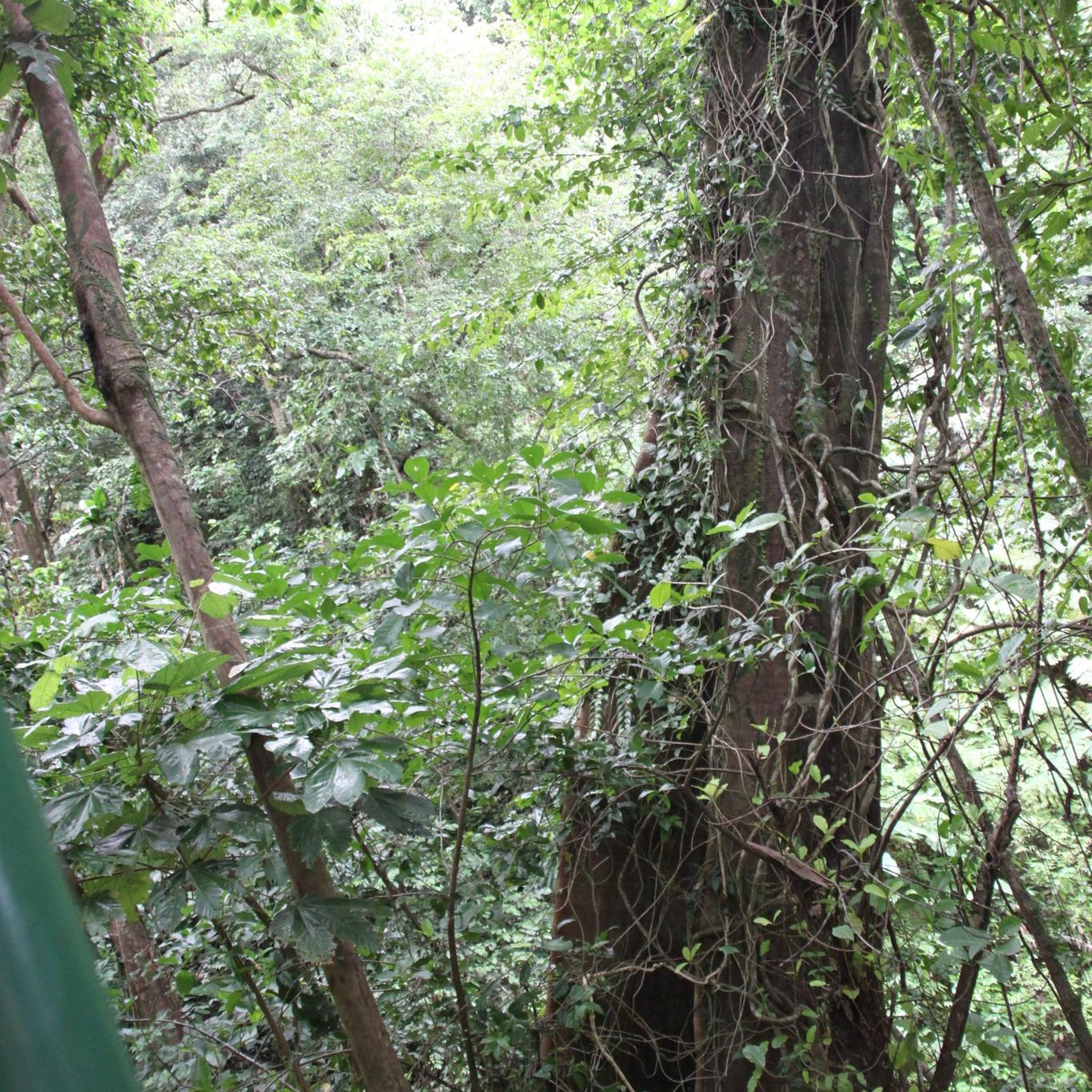
Tips from the Community

If only the industrial building that overshadows everything wasn't visible there... a cement factory if I'm correctly informed
10
0

Also ideal for gravel bikers! More tips for gravel bike adventures in the area at https://graveldeluxe.com or in my Komoot profile https://www.komoot.de/user/graveldeluxe
0
0

Veitshöchheim is very beautiful, you have to visit it
2
0
Beautiful view of the vineyards
2
1
The castle ruins are always worth a visit, there is also a Homburg Festival.
4
0
My home, I drive past here on almost every tour. The view is incredibly beautiful.
14
0

Veitshöchheim is a municipality in the Lower Franconian district of Würzburg and is located on the Main. The town is a former summer residence of the Prince-Bishops of Würzburg, later of the Kings of Bavaria. The palace complex with its Rococo garden is well-known. Veitshöchheim was first mentioned in 779. The parish of Veitshöchheim was donated to the monastery of St. Stephan in 1097 by the Würzburg bishop Emehard. Veitshöchheim Palace was built between 1680 and 1682 under Prince-Bishop Peter Philipp von Dernbach and expanded between 1749 and 1753 by Balthasar Neumann. The construction of the court garden, which belongs to the palace, began in 1702. The parish church of St. Vitus, which still exists today, was consecrated in 1691, and the Veitshöchheim synagogue was built between 1727 and 1730. In 1814, the town finally fell to the state of Bavaria, after only nine years earlier it had become part of the Grand Duchy of Würzburg. The municipality was formed in its current form in the course of the Bavarian administrative reforms in 1818. Veitshöchheim train station with the royal pavilion was built in 1853 and 1854 under Maximilian II of Bavaria. Source: Wikipedia
4
0

A wonderful, light forest that gives you a holiday feeling. It smells of pine needles, especially when the sun is shining, and is even more beautiful then.
2
0
Frequently Asked Questions
What are the most prominent natural monuments to visit near Thüngen?
Beyond the well-known sites, the Homburg Castle Ruins offer a unique combination of medieval history and natural protection, featuring dry grassland landscapes. Another significant natural monument is the Volkenberg Black Pine Forest, which boasts Germany's largest contiguous stock of black pine across 400 hectares.
Are there natural monuments around Thüngen that are particularly interesting for their geological features?
Yes, the region offers several sites with notable geological characteristics. The Stettener Stein Vineyards, though not listed as a highlight in the guide, are renowned for their steep limestone slopes and weathered shell limestone soils, crucial for local viticulture. Additionally, the View of the Retzbach Vineyards from Zellingen provides a fascinating perspective on rugged cliffs and rock formations that resemble a sea coast.
What kind of outdoor activities can I enjoy near the natural monuments around Thüngen?
The area around Thüngen is excellent for various outdoor activities. You can find numerous routes for hiking, road cycling, and running. For instance, there are challenging mountain hikes like the Lenzsteig Via Ferrata loops, scenic road cycling routes such as the 'WÜs 21 Through the Forest' from Himmelstadt, and moderate running trails like the 'Marienbrünnle Spring' loop. You can explore more options in the Mountain Hikes around Thüngen, Road Cycling Routes around Thüngen, and Running Trails around Thüngen guides.
Are there family-friendly natural monuments or trails suitable for families around Thüngen?
Absolutely. The Volkenberg Black Pine Forest is described as park-like with many small paths, making it suitable for families to explore. Additionally, the Veitshöchheim Palace and Rococo Garden is listed as family-friendly, offering a blend of natural beauty and historical interest. The View of the Main Valley from the Edelweiß is also a family-friendly viewpoint.
Where can I find the best viewpoints to appreciate the natural landscapes near Thüngen?
For breathtaking vistas, visit the View of the Main Valley from the Edelweiß, which offers expansive views over the Main Valley between Gambach and Karlstadt. Another excellent spot is the View of the Retzbach Vineyards from Zellingen, providing picturesque scenes of vineyards and the Main River.
What historical or cultural sites are integrated with the natural monuments in this region?
The Homburg Castle Ruins are a prime example, combining medieval castle ruins with a surrounding landscape under nature protection. This site allows visitors to experience both historical architecture and significant natural features. The Veitshöchheim Palace and Rococo Garden also offers a rich historical context with its stunning gardens and palace.
What is the best time of year to visit the natural monuments around Thüngen?
While the guide doesn't specify a single 'best' time, different seasons offer unique experiences. Spring is particularly beautiful around the Homburg Castle Ruins, when flowering pasque flowers and spring Adonis are noticeable in the dry grassland. The vineyards, such as those seen from the View of the Retzbach Vineyards from Zellingen, are vibrant in summer and autumn. The Winzerhütte near the View of the Main Valley from the Edelweiß is open between April and October, suggesting these months are popular for visits.
Are there any specific natural reserves or protected areas near Thüngen?
Yes, the landscape surrounding the Homburg Castle Ruins is under nature protection, featuring unique dry grassland habitats. The Volkenberg Black Pine Forest, as Germany's largest contiguous black pine forest, also represents a significant natural area worth preserving and exploring.
What do visitors particularly enjoy about the natural monuments in the Thüngen area?
Visitors frequently praise the stunning views, especially from locations like the View of the Main Valley from the Edelweiß. The sheer size and historical significance of sites like the Homburg Castle Ruins are also highly appreciated. Many enjoy the unique natural features, such as the 'park-like' atmosphere of the Volkenberg Black Pine Forest and the interesting rock formations near the Retzbach Vineyards.
Are there any natural monuments around Thüngen that are particularly known for their flora or unique plant life?
Yes, the Homburg Castle Ruins area is notable for its dry grassland landscape, where you can observe specific flora like flowering pasque flowers and spring Adonis in season. The Volkenberg Black Pine Forest is also significant for hosting Germany's largest contiguous stock of black pine, making it a unique botanical site.
Can I find trails of varying difficulty levels to reach these natural monuments?
Yes, the region offers trails for different fitness levels. For instance, some mountain hikes like the Lenzsteig Via Ferrata loops can be quite challenging, while others are moderate. The highlights themselves, such as Homburg Castle Ruins and View of the Main Valley from the Edelweiß, are often accessible via intermediate trails. It's advisable to check specific route details for difficulty before heading out.
Most popular routes around Thüngen
Most popular attractions around Thüngen

Get inspired with the komoot mobile app


Explore more
Extend your search for the best caves by checking out these guides of the top ones around Thüngen:
