Top 20 Natural Monuments around Swisttal
Best natural monuments around Swisttal are found within this municipality in the Rhein-Sieg district, characterized by a charming landscape with several natural areas. These areas offer opportunities for recreation and experiencing local biodiversity. The region features significant natural reserves and waterways that contribute to its ecological appeal. Swisttal provides a setting for exploring diverse habitats and natural formations.
Best natural monuments around Swisttal
- The most popular natural monuments is Tomburg Castle Ruins, a castle and viewpoint that offers expansive…
Last updated: October 11, 2026
Tomburg Castle Ruins
Highlight • Castle
Translated by Google •
Tip by

Steinbach Reservoir
Highlight • Lake
Translated by Google •
Tip by

Sign up now to discover places like this
Get recommendations on the best single tracks, peaks, & plenty of other exciting outdoor places.
Silver Lake
Highlight • Lake
The Silbersee …
Translated by Google •
Tip by

Trail of Biodiversity
Highlight • Trail
Translated by Google •
Tip by

Pollarded beeches in the Kottenforst
Highlight • Natural Monument
Translated by Google •
Tip by

Sign up for free to discover even more natural monuments around Swisttal.
Already have an account?
Start today with a free account
Your next adventure awaits.
Other adventures around Swisttal

Tips from the Community

Perhaps this section of forest, marked as a highlight and characterized by the old coppicing management method, will awaken a desire for a little information. In the ARD media library, there is a fifteen-minute contribution for the nature-interested hiker called LEBENSRAUM WALD. The website states about it: “The forest is more than just the sum of its trees. Plants, fungi, and animals form a complex ecosystem. Forest air is considered fresh and rich in oxygen. The trees filter pollutants from the air and produce oxygen. Real footage and graphic animations illustrate the cycles of matter in the forest, starting with the producers of biomass, the plants with their photosynthesis, through the consumers, the herbivores and carnivores, to the decomposers in the soil...” The film can be accessed via the following link =>> https://www.ardmediathek.de/video/schulfernsehen/lebensgemeinschaft-wald/ard-alpha/Y3JpZDovL2JyLmRlL2Jyb2FkY2FzdC9GMjAxN1dPMDI3MTQ1QTA
0
0

The pollarded beeches in the Kottenforst Bonn forest near Waldau are mostly common beeches and up to 250 years old. The origin of the pollarded beeches has an earlier agricultural background. Back when wood was still used for heating, so-called forest pastures were established, i.e., meadows were planted with beeches. The beeches were then regularly pruned after 10 to 15 years to a height of approximately two meters. The beeches, which continually sprouted new shoots, grew back, and the cut-off portion was primarily used as firewood.
4
0

Trees that tell stories
3
0

Nice for young and old. Every now and then something is repaired or renewed. A little too much hustle and bustle on the weekend because of the large playground and the game reserve
5
0
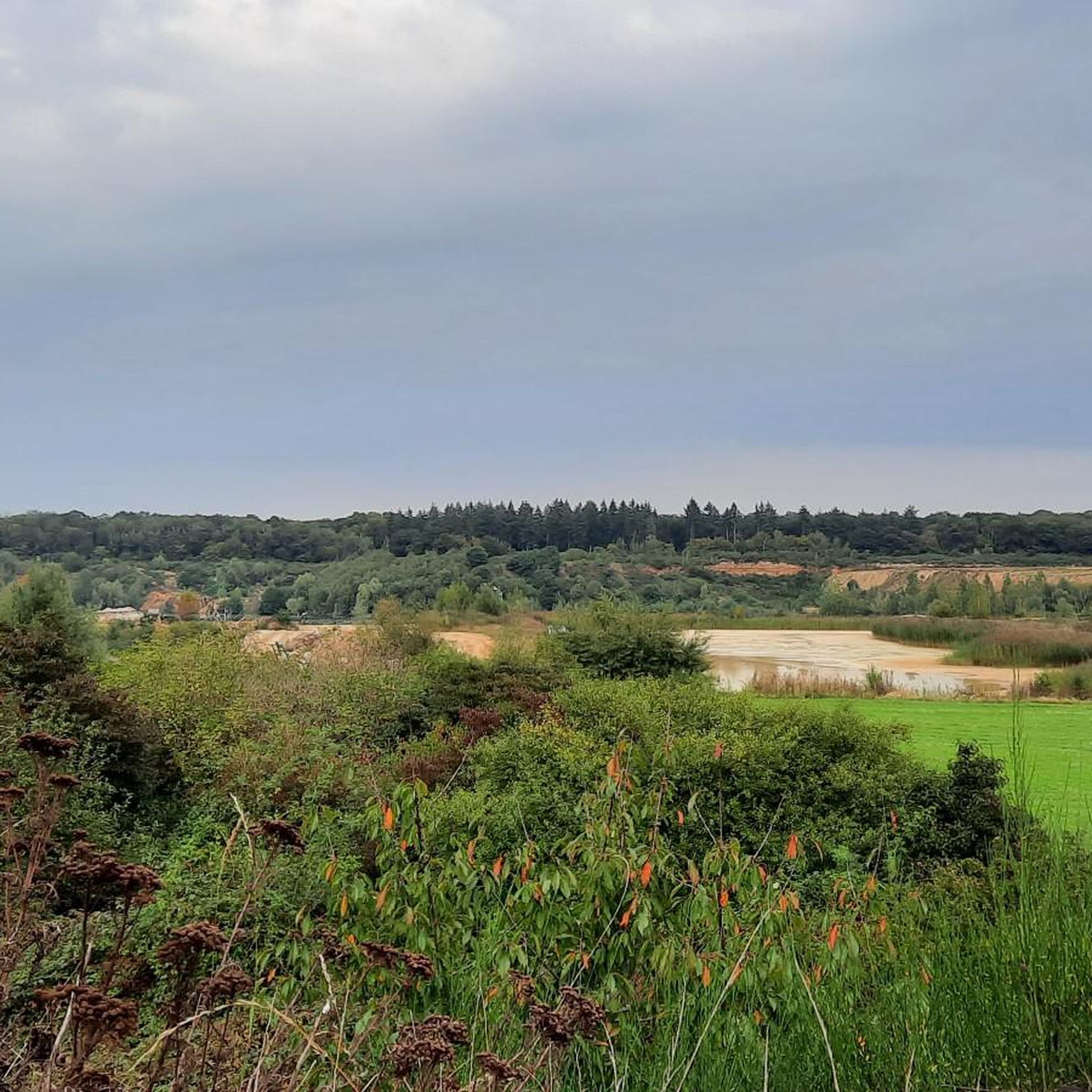
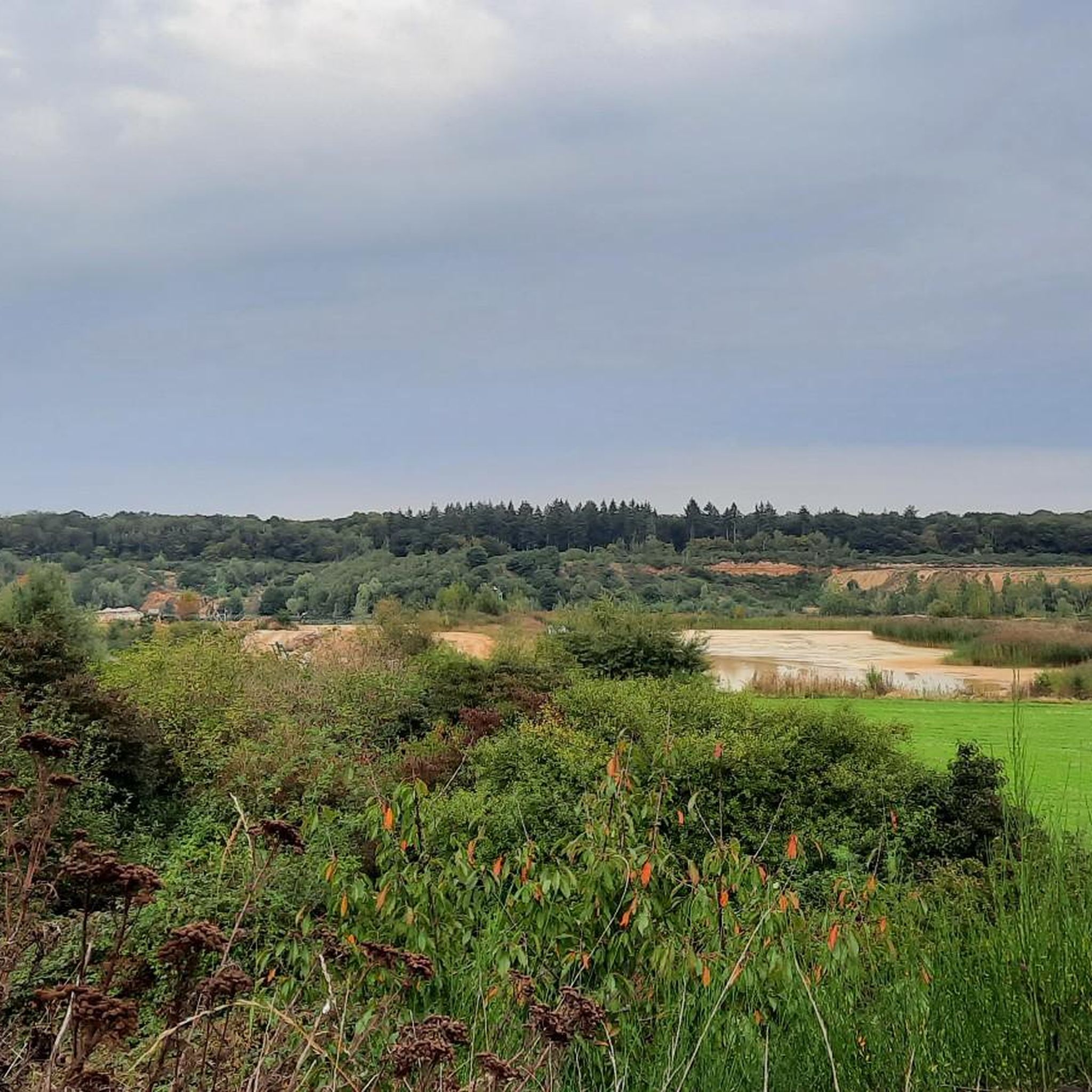
The photos that can still be seen of the Steinbach dam, which show a large, shimmering blue water surface, are older. After the heavy rain catastrophe of July 2021, due to the amount of water that caused the dam to temporarily break, the dam ran empty. As far as I know, it has not yet been decided whether the dam will ever be closed again and a lake will be dammed.
11
1


As a "way of biodiversity" not really instructive. A major overhaul is necessary.
7
0
Frequently Asked Questions
Are there good hiking trails around Swisttal's natural monuments?
Yes, Swisttal offers various hiking opportunities around its natural monuments. For instance, the Steinbach Reservoir can be circumnavigated on a pleasant 3 km hike through a beautiful forest area. Additionally, the Trail of Biodiversity provides a rewarding circuit, especially for families. You can find many more routes, including easy to moderate options, in the Running Trails around Swisttal guide.
Are there family-friendly natural monuments in Swisttal?
Absolutely. Several natural monuments in Swisttal are well-suited for families. The Tomburg Castle Ruins offer not only expansive views but also picnic spots where children can explore the remains of the walls. The Trail of Biodiversity is specifically designed with adventure stations and a mascot, making it ideal for families with children. The Silver Lake also provides good paths around the lake for a relaxing family stroll.
Do Swisttal's natural monuments have historical significance?
Yes, some natural monuments in Swisttal are intertwined with history. The Tomburg Castle Ruins are a historical site with a turbulent past, offering insights into different epochs. In the Kottenforst area, you can find Pollarded beeches, which are 150-250 year old trees that bear witness to historical forest management practices. The Kottenforst also features sections of the ancient Roman Aqueduct (Römerkanal), combining natural beauty with significant historical engineering.
What kind of natural features can I expect to see in Swisttal?
Swisttal's natural monuments showcase a diverse range of features. You can explore lakes like the Silver Lake, formed from former brown coal mining, and the Steinbach Reservoir, set within a beautiful forest. The region also boasts significant nature reserves such as the Naturschutzgebiet Kiesgrube Dünstekoven and NSG Swistniederung bei Miel, which feature aquatic environments, dry grasslands, and birch groves. The meandering Swistbach river and its riparian zones also create valuable natural corridors.
Can I observe wildlife at Swisttal's natural monuments?
Yes, Swisttal's natural areas are rich in biodiversity and offer opportunities for wildlife observation. The Naturschutzgebiet Kiesgrube Dünstekoven is a vital refuge for rare and endangered species, including the European tree frog and European bee-eater. The NSG Swistniederung bei Miel is home to species like the natterjack toad and blue-winged grasshopper. These protected zones are crucial stepping stones for wildlife in the region.
When is the best time to visit Swisttal's natural monuments?
The best time to visit Swisttal's natural monuments largely depends on your preferred activities. Spring and autumn offer pleasant temperatures for hiking and cycling, with blooming flora in spring and vibrant foliage in autumn. Summer is ideal for enjoying the lakes and longer days for exploration. Even winter can be beautiful for quiet walks, especially in areas like the Kottenforst, though some paths might be muddy.
What other outdoor activities can I do near Swisttal's natural monuments?
Beyond hiking, Swisttal offers various outdoor activities. You can enjoy cycling on routes like the 'Swistbach Cycle Path' or explore gravel biking trails, as detailed in the Gravel biking around Swisttal guide. The Cycling around Swisttal guide also provides numerous options for touring cyclists, including routes through apple orchards and along the Swistbach.
What do visitors particularly enjoy about Swisttal's natural monuments?
Visitors frequently praise the serene landscapes and the opportunities for relaxation and peace. The expansive views from spots like the Tomburg Castle Ruins are highly appreciated. Many also enjoy the well-maintained paths around lakes like Silver Lake and the educational aspects of trails such as the Trail of Biodiversity, which allows them to learn about nature.
Are there any unique or lesser-known natural spots in Swisttal?
Beyond the more prominent highlights, Swisttal is home to several ecologically important, unique spots. The Naturschutzgebiet Kiesgrube Dünstekoven, managed by NABU Bonn, is a significant nature reserve with diverse habitats. Another is the Feuchtbiotop in Dünstekoven, a protected wetland biotope serving as a bird and amphibian sanctuary. These areas offer a chance to experience the region's rich biodiversity away from the main trails.
Are Swisttal's natural monuments dog-friendly?
Many natural areas and trails in Swisttal are dog-friendly, offering great opportunities for walks with your pet. However, it's always recommended to keep dogs on a leash, especially in nature reserves like Kiesgrube Dünstekoven or Swistniederung bei Miel, to protect local wildlife and ensure a pleasant experience for all visitors. Always check local signage for specific rules in protected areas.
What is the typical terrain and difficulty of trails around Swisttal's natural monuments?
The terrain around Swisttal's natural monuments is generally varied, ranging from flat paths around lakes like Silver Lake and Steinbach Reservoir to more undulating forest trails. While some ascents, such as to the Tomburg Castle Ruins, can be intermediate to challenging, many routes are considered easy or moderate, making them accessible for a wide range of fitness levels. The Running Trails around Swisttal guide provides options with varying difficulty grades.
Are there circular walks available around Swisttal's natural monuments?
Yes, several natural monuments in Swisttal offer enjoyable circular walks. The Steinbach Reservoir, for example, features a good 3 km circular hike. The Trail of Biodiversity is also a rewarding circuit. Many of the routes listed in the Running Trails around Swisttal and Cycling around Swisttal guides are designed as loops, allowing you to start and end at the same point.
Most popular routes around Swisttal
Most popular attractions around Swisttal

Get inspired with the komoot mobile app


Explore more
Extend your search for the best caves by checking out these guides of the top ones around Swisttal:
