Top 20 Natural Monuments around Feuchter Forst
Natural monuments around Feuchter Forst offer a diverse landscape in the Nürnberger Land district of Bavaria. This state forest features a mix of pine-dominated areas and various water bodies. The region is characterized by geological formations and historical sites, providing insight into both natural processes and human activity. It is also part of the EU bird sanctuary "Nürnberger Reichswald," highlighting its ecological significance.
Best natural monuments around Feuchter Forst
- The most popular natural monuments is Schwarzach Gorge (Schwarzachklamm), a…
Last updated: June 24, 2026
Schwarzach Gorge (Schwarzachklamm)
Highlight (Segment) • Gorge
Translated by Google •
Tip by

Karl's Cave
Highlight • Cave
Translated by Google •
Tip by

Sign up now to discover places like this
Get recommendations on the best single tracks, peaks, & plenty of other exciting outdoor places.
Sign up for free
Gustav Adolf Cave
Highlight • Cave
Translated by Google •
Tip by

Schwarzach Gorge (Schwarzachklamm)
Highlight • Gorge
Translated by Google •
Tip by

Wöhrder Lake
Highlight • Lake
Translated by Google •
Tip by

Sign up for free to discover even more natural monuments around Feuchter Forst.
Sign up for free
Already have an account?
Start today with a free account
Your next adventure awaits.
Login or Signup
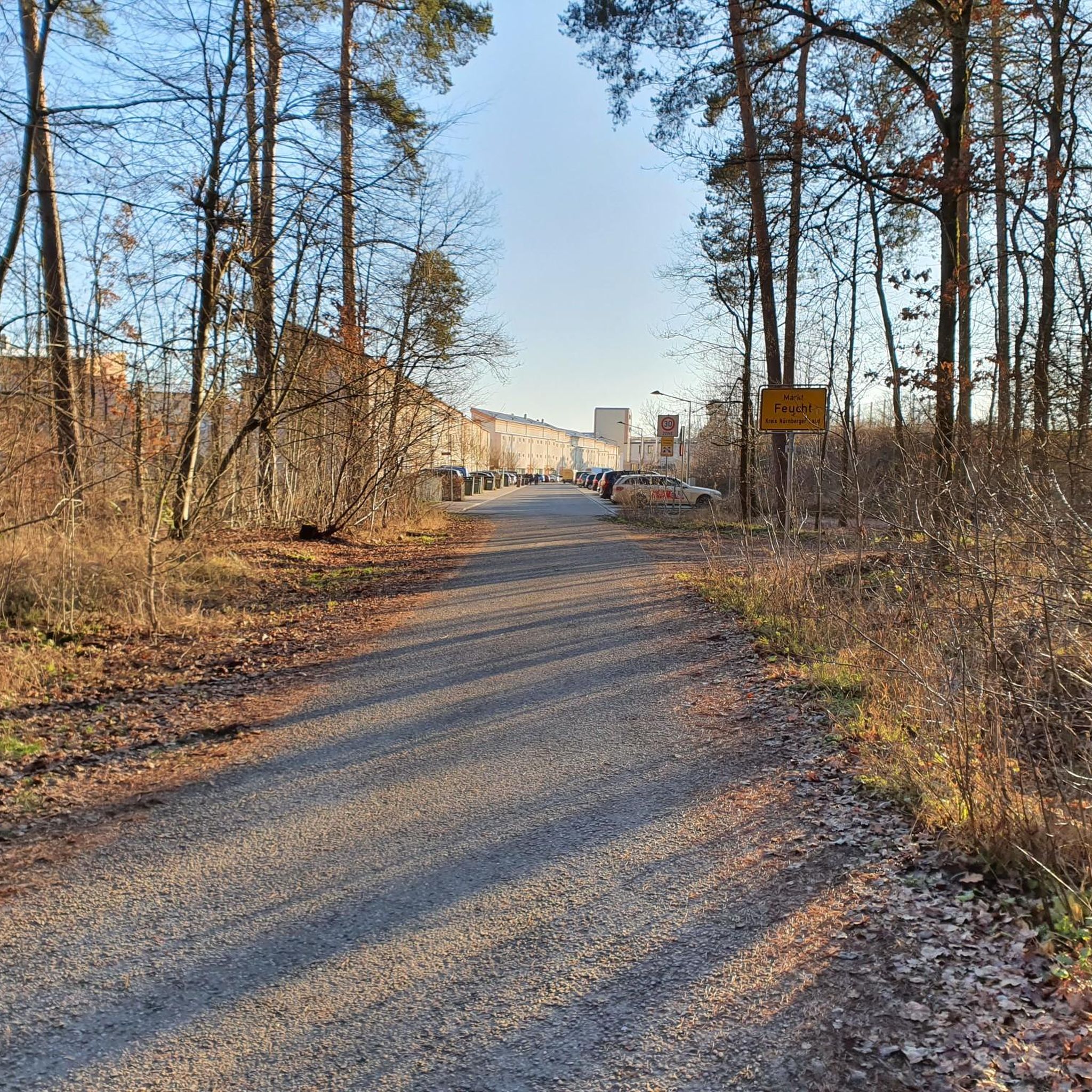
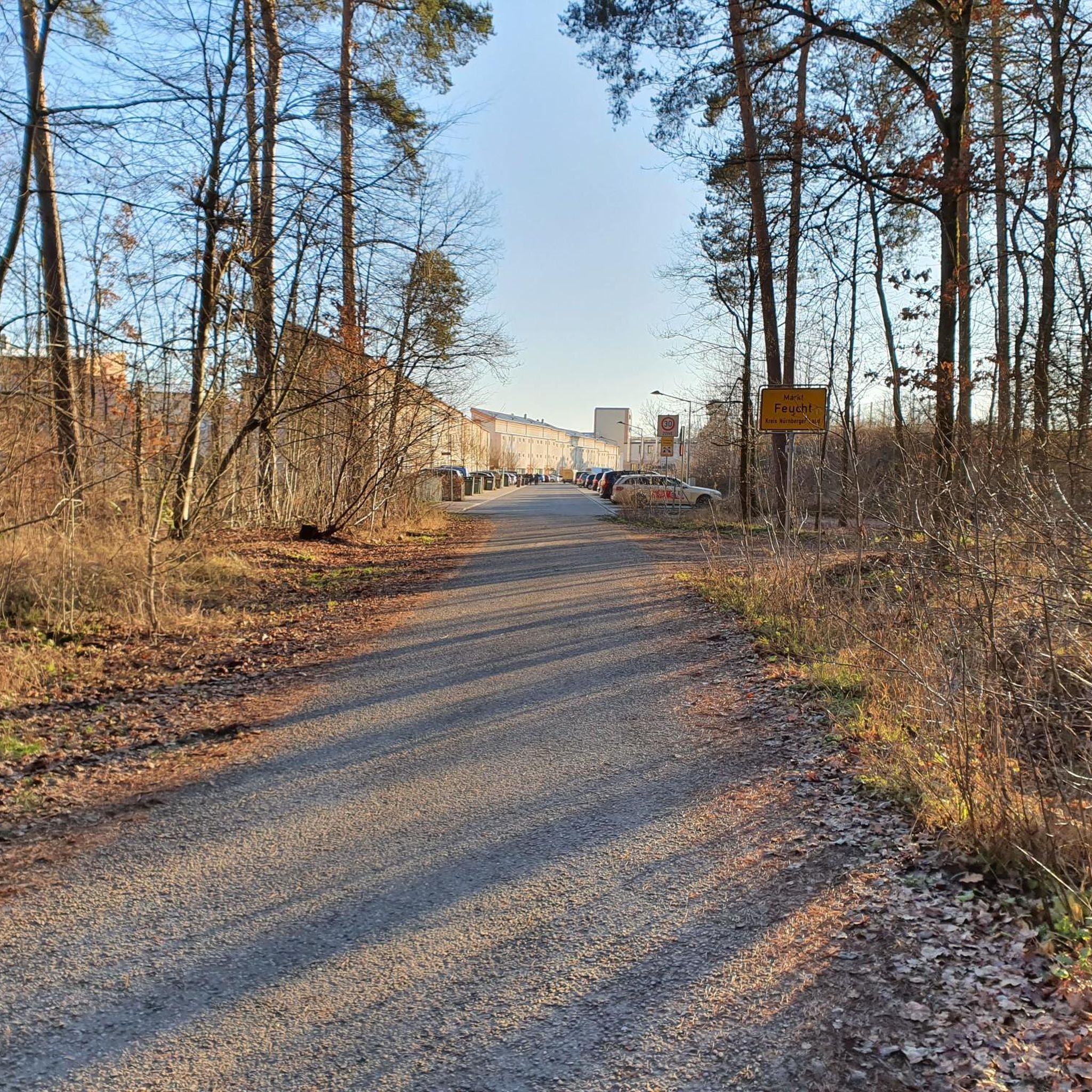
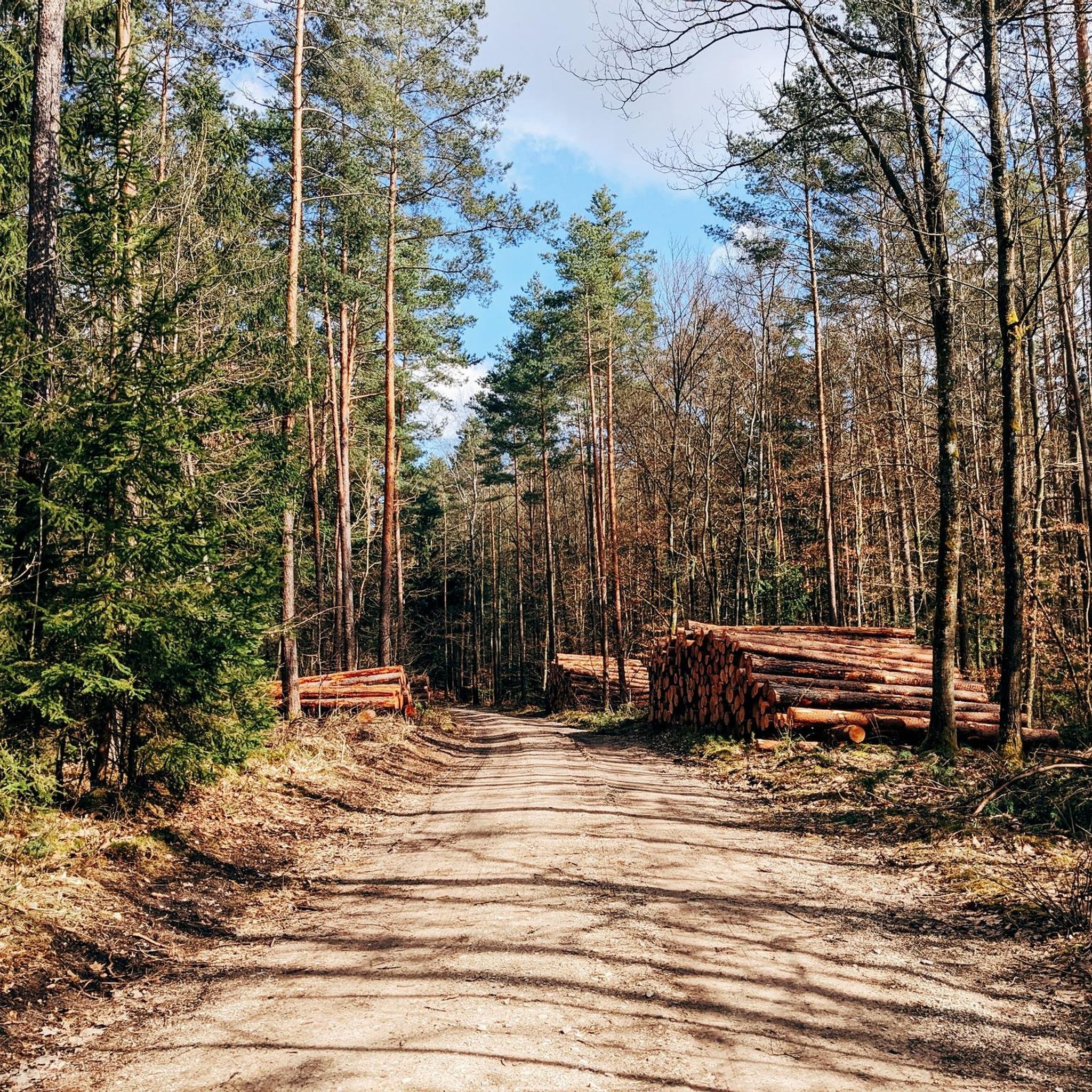
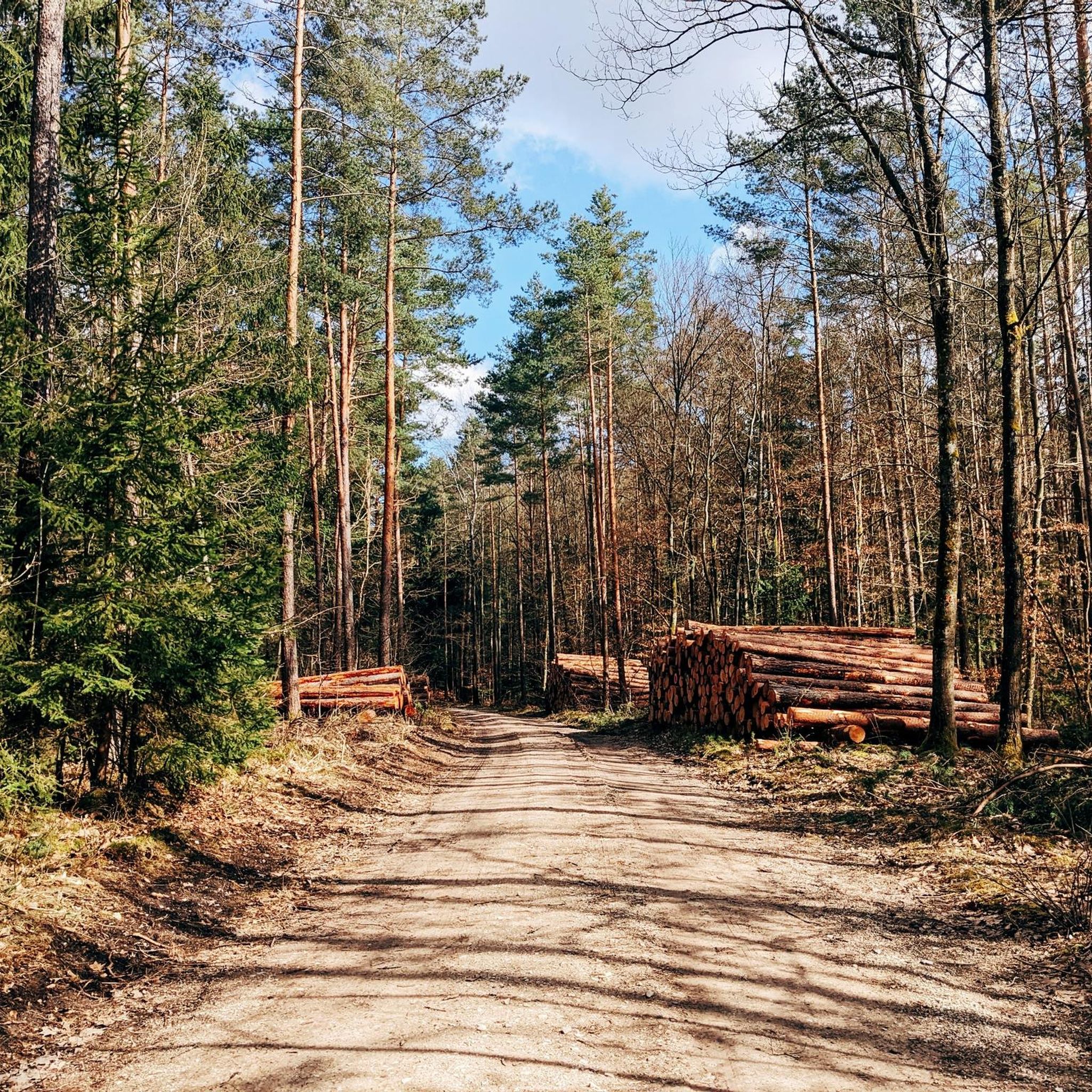
Tips from the Community

Wöhrder See, Nuremberg Wöhrder See, the youngest of Nuremberg's waterways, is a popular local recreation area in the heart of the city, providing a natural habitat for endangered species. It is not a natural lake, but was created by damming the Pegnitz River, which flows through it. The idea for an inner-city lake existed as early as the 1930s. The project was approved for implementation in October 1959. In addition to the City of Nuremberg, the State Water Management Authority and the Middle Franconia District were involved in the planning and construction. Recreational concerns were not the only priority in the design. The lake is also part of the extensive flood protection measures after the Second World War. Construction work began in 1968 with the Lower Wöhrder See and continued until 1972. The sand trap above the waterway was built between 1972 and 1975. The final construction phase of the Upper Wöhrder Lake was completed in 1981. Text / Source: Nürnberg Infos.de / Nürnberger Nachrichten https://nuernberginfos.de/gewaesser-nuernberg/woehrder-see.php
15
0

A walk around the lake can be a lovely family walk. A total of 6.5 km with no elevation gain and a lovely, varied route.
18
0

The sandstone cave in the Schwarzachklamm got its name from the Swedish king Gustav Adolf, who is said to have attended a sermon given by the Nuremberg pastor Cornelius Mareius there in 1632 after a battle victory in the Thirty Years' War. It is the largest of the erosive washes in the Schwarzach Gorge. https://urlaub.nuernberger-land.de/detail/id=6220ae58f24f424775ea02b6
13
0

In fact, everything has already been said here. The hiking trail between the Schwarzach and Karlshöhle is unparalleled. But not on the weekend.
16
2
The cave together with the Schwarzach is a highlight in the area. Avoid walking on Sundays and public holidays. It starts with the parking lot.
21
1

The Schwarzachschlucht is an approximately 2.2 kilometer long, gorge-like river valley south of Schwarzenbruck in the Central Franconian district of Nürnberger Land in Bavaria. It is named after the Schwarzach river. The gorge is a nature reserve and a popular local recreation area. On the north bank of the river, hiking trails and a geological nature trail with information boards lead through the gorge. There is a former rocky path on the south bank, but it is now closed due to the risk of falling. There are also some abandoned quarries there. Water sports are not possible on the river. Source: Wikipedia
14
0
The Karlshöhle with its small spring outlet is one of the two largest caves here in the Schwarzachklamm.
12
0
The small river Schwarzach has cut deep into the Burgsandstein between the Schwarzenbruck district of Gsteinach and the bridge canal of the Ludwig-Danube-Main Canal. The middle castle sandstone was formed about 215 million years ago during the Mesozoic (Triassic). This type of rock is widespread in western and southern Middle Franconia[6]. Hard and resistant rock like the Burgsandstein narrows a valley to a gorge. The erosive power of the river could only cut into the rock along fissures and faults. The hard sandstone types form the steep gorge walls. Less hard rock layers such as clay layers and weak zones led to the riparian areas being undermined, especially during high water. This resulted in scours, overhanging roofs and surf caves. The two largest caves of this type are the Karl's Cave and the Gustav Adolf Cave. Source: Wikipedia
13
0
Frequently Asked Questions
What are the most notable natural monuments to visit around Feuchter Forst?
The most popular natural monument is the Schwarzach Gorge (Schwarzachklamm), recognized as one of Bavaria's most beautiful geotopes. Within the gorge, you'll also find fascinating caves like Karl's Cave and Gustav Adolf Cave, which holds historical significance. Beyond the gorge, the region also features the Wöhrder Lake, a popular local recreation area.
Are there any natural monuments with historical significance in Feuchter Forst?
Yes, the Gustav Adolf Cave in the Schwarzach Gorge is notable for its historical context, with a memorial plaque indicating a visit by King Gustav Adolf II during the Thirty Years' War. Additionally, the Lettensturz, an abandoned sandstone quarry within the Feuchter Forst, offers insight into centuries of local building material extraction and even contains remnants of a World War II bunker system.
What kind of geological features can I expect to see in the Feuchter Forst area?
The region is rich in geological formations. The Schwarzach Gorge (Schwarzachklamm) showcases impressive rock formations and caves formed by the erosive action of the Schwarzach river. The Lettensturz, an abandoned sandstone quarry, exposes Burgsandstein with distinctive red, dark grey, or almost black coloration, offering a unique insight into the region's geological past.
What outdoor activities can I do near the natural monuments in Feuchter Forst?
Feuchter Forst offers a variety of outdoor activities. You can explore numerous hiking trails, including routes that take you through the Schwarzach Gorge to Karl's Cave and Gustav Adolf Cave. For those who enjoy cycling, there are gravel biking routes, and running trails are also popular, often following the Ludwig-Danube-Main Canal.
Are there family-friendly natural monuments or trails in Feuchter Forst?
Yes, many natural monuments and trails in Feuchter Forst are suitable for families. The Schwarzach Gorge (Schwarzachklamm) is described as an easy hike for the whole family, with an adventure playground feel. Both Karl's Cave and Gustav Adolf Cave are accessible and popular with families. The Wöhrder Lake also offers a lovely, varied walk without elevation gain, perfect for families.
What makes the Schwarzach Gorge a significant natural monument?
The Schwarzach Gorge (Schwarzachklamm) is recognized as one of Bavaria's 100 most beautiful geotopes and has been a protected area since 1936. It features the Schwarzach river flowing between impressive rock formations, creating a unique natural landscape. Visitors appreciate its beauty in every season, with its beautiful and bizarre rock formations, caves, and a spring.
What is the highest point in Feuchter Forst, and does it offer any natural features?
The highest elevation in Feuchter Forst is the Dreibrüderberg, standing at 418 meters near Rummelsberg. While not explicitly designated as a natural monument, its status as the highest point suggests potential for scenic views and unique ecological characteristics within the forest's pine-dominated landscape.
What kind of water bodies can be found in Feuchter Forst?
Feuchter Forst features several water bodies that contribute to its ecosystem. The Gauchsbach and Tiefer Graben are streams flowing through the forest, with the Gauchsbach passing through the Haagsweiher pond. Additionally, the Wöhrder Lake is a significant body of water offering recreational opportunities.
What do visitors enjoy most about the natural monuments in Feuchter Forst?
Visitors frequently praise the impressive natural beauty and the variety of experiences. The Schwarzach Gorge is particularly loved for its unique rock formations and the serene path along the Schwarzach river. The caves, like Karl's Cave, are considered highlights. Many appreciate the opportunity to enjoy nature without traveling far, especially at Wöhrder Lake, which offers something for everyone, from walks to sports.
Is Feuchter Forst important for wildlife or conservation?
Yes, a significant portion of Feuchter Forst is part of the EU bird sanctuary "Nürnberger Reichswald," highlighting its ecological importance. The forest's diverse landscape, including its streams like the Gauchsbach and Tiefer Graben, provides habitats for various flora and fauna.
Are there any challenging hikes near the natural monuments?
While many trails are easy to moderate, there are options for more challenging hikes. For instance, a longer hiking route from Ochenbruck to Gustav Adolf Cave and Karlshöhle Rock Formation covers over 21 kilometers and is rated as difficult. Other difficult routes include the Thanngraben loop from Rummelsberg.
What is the best time to visit the natural monuments in Feuchter Forst?
The natural monuments in Feuchter Forst, particularly the Schwarzach Gorge, are worth visiting in every season. Each season offers a different perspective on the landscape, from lush greenery in spring and summer to vibrant colors in autumn and a tranquil, often snowy, beauty in winter.
Most popular routes around Feuchter Forst
Most popular attractions around Feuchter Forst

Get inspired with the komoot mobile app


Explore more
Extend your search for the best caves by checking out these guides of the top ones around Feuchter Forst:
