Top 20 Natural Monuments around Weyhe
Best natural monuments around Weyhe are characterized by a landscape shaped by rivers, a prominent lake, and protected natural areas. Weyhe, located in Lower Saxony, Germany, features significant natural areas valued for their ecological importance and recreational opportunities. The region includes parts of the Kirchweyher See, the Ochtum River, and the Hache River, all contributing to its natural character. These areas offer diverse habitats and tranquil environments for outdoor activities.
Best natural monuments around Weyhe
- The most popular natural monuments…
Last updated: October 11, 2026
Neue Weser Nature Reserve
Highlight • Lake
Translated by Google •
Tip by

Hedge Chapel in Bremen’s Bürgerpark
Highlight • Structure
Translated by Google •
Tip by

Sign up now to discover places like this
Get recommendations on the best single tracks, peaks, & plenty of other exciting outdoor places.
Roland of Bremen
Highlight • Monument
Translated by Google •
Tip by

Hohe Berg Observation Tower
Highlight • Viewpoint
Translated by Google •
Tip by

Western Hollerland Nature Reserve
Highlight • Natural Monument
Hollerland originally referred to a cultural landscape in the north and east of Bremen that was reclaimed by Dutch settlers in the 12th century (the …
Translated by Google •
Tip by

Sign up for free to discover even more natural monuments around Weyhe.
Already have an account?
Start today with a free account
Your next adventure awaits.
Popular around Weyhe
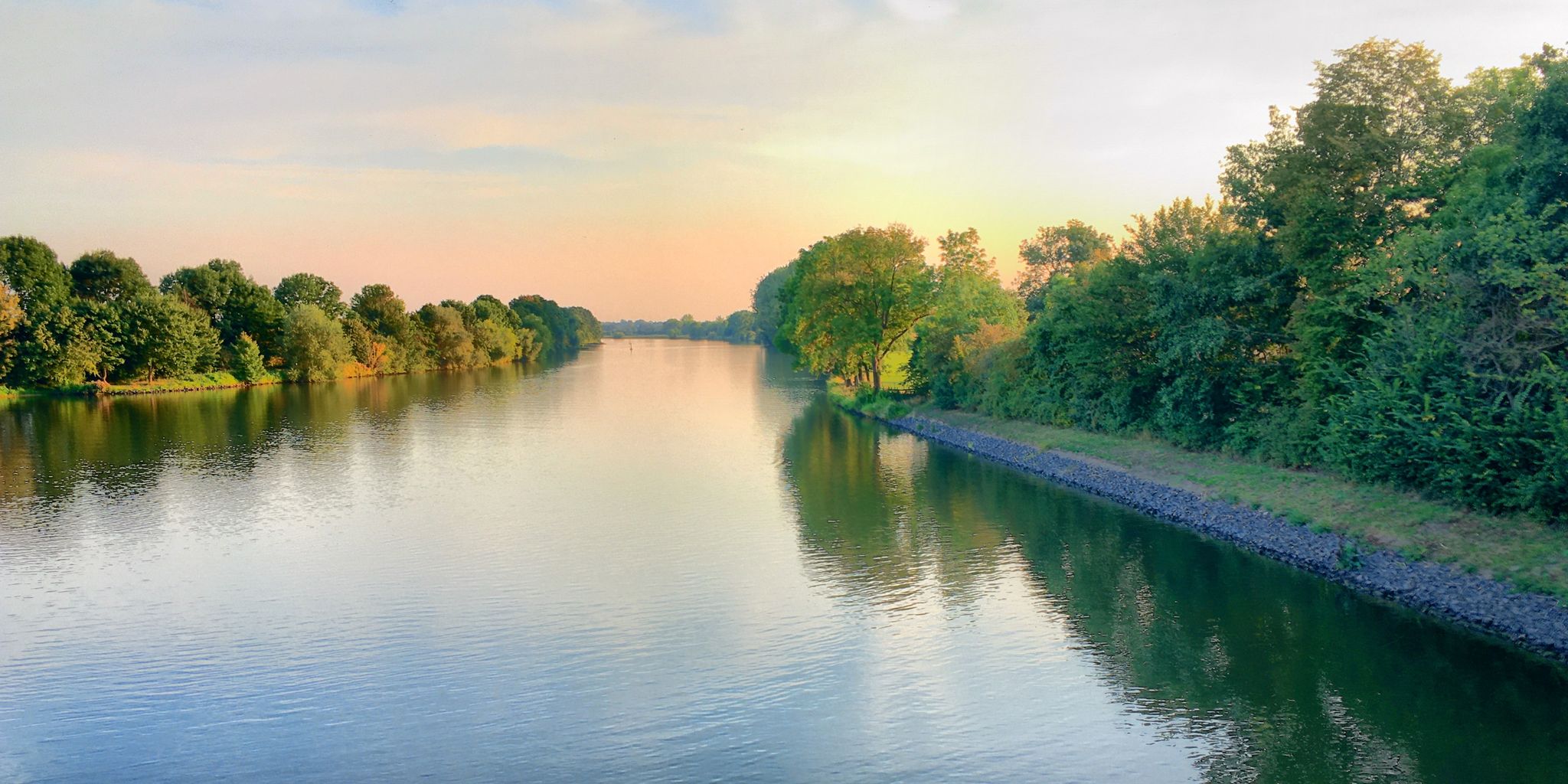
Germany's Weser Trail — Floodplains, dykes and old towns in 8 days
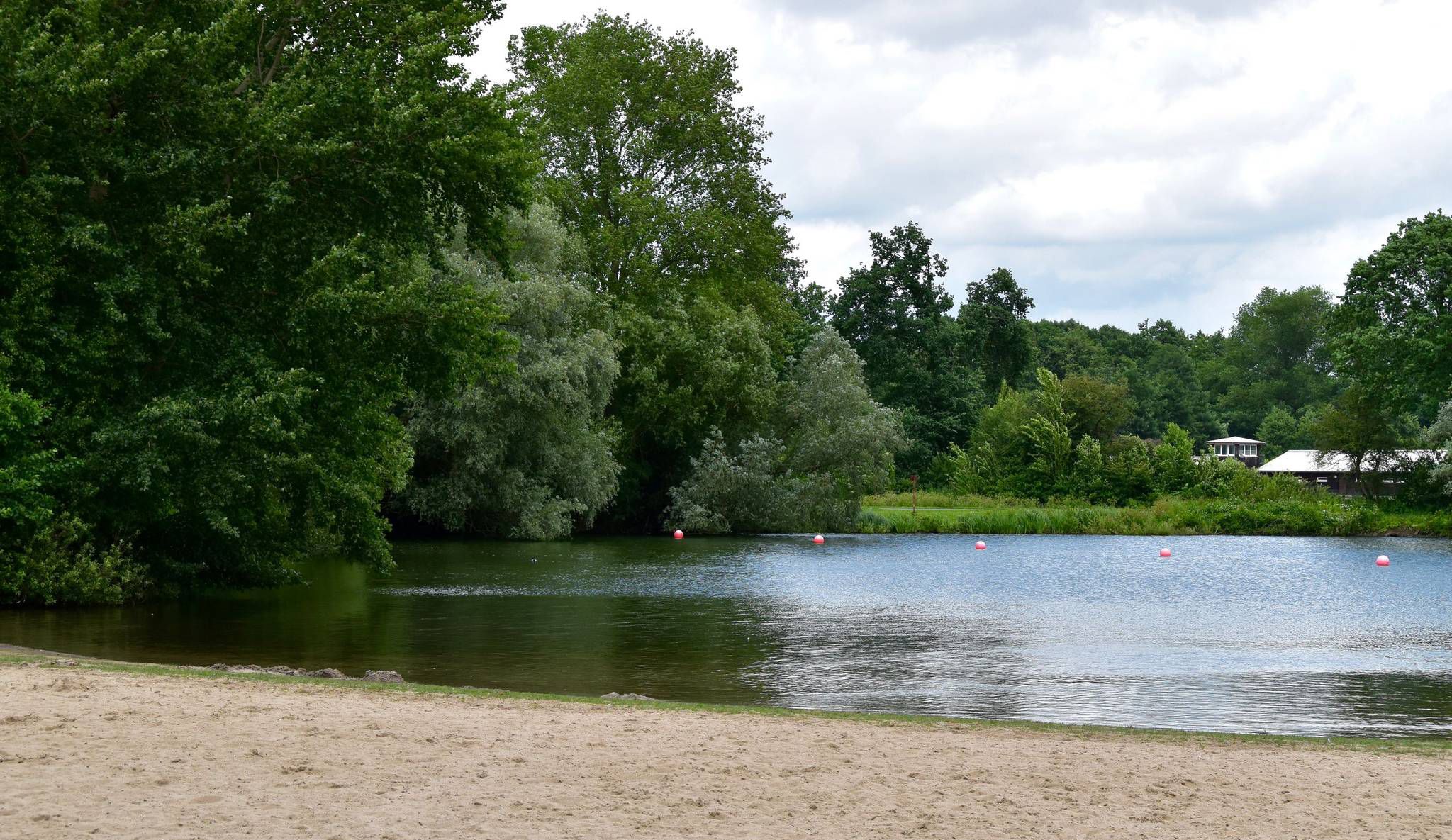
The most beautiful swimming spots around Bremen
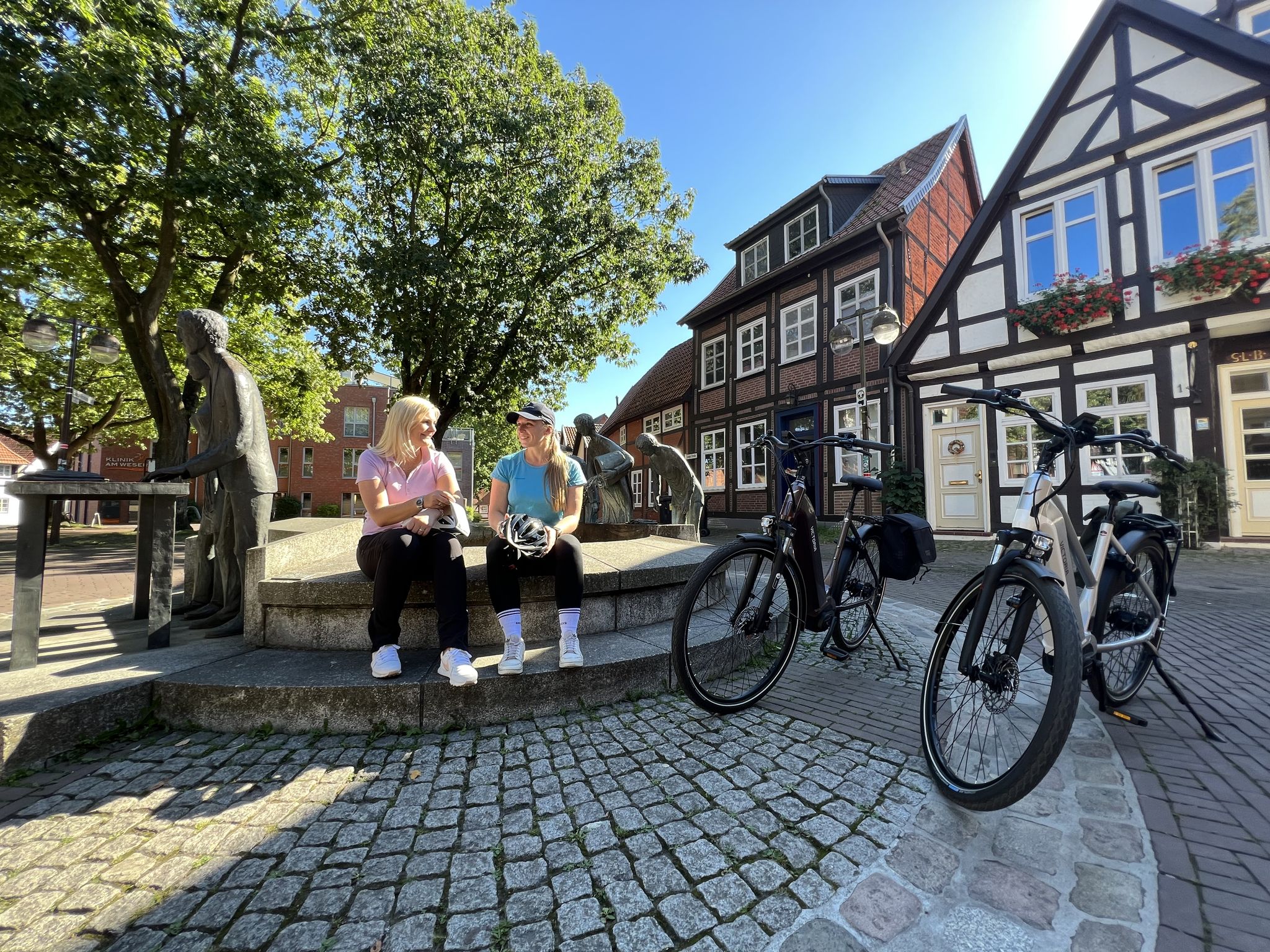
Abwechslungsreiche Raderlebnisse zu Kultur und Natur
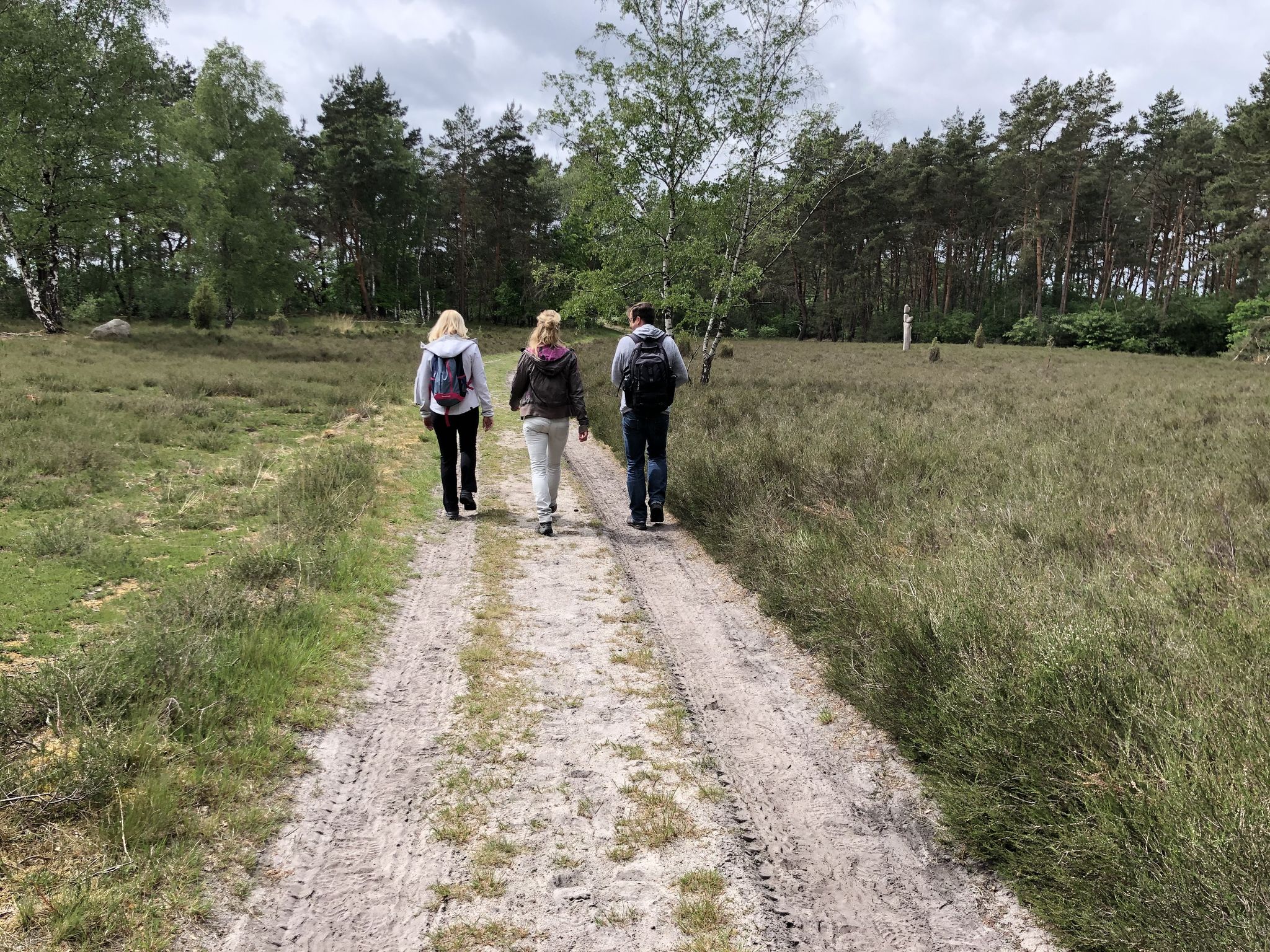
Entdecke die Vielseitigkeit der Mittelweser-Region
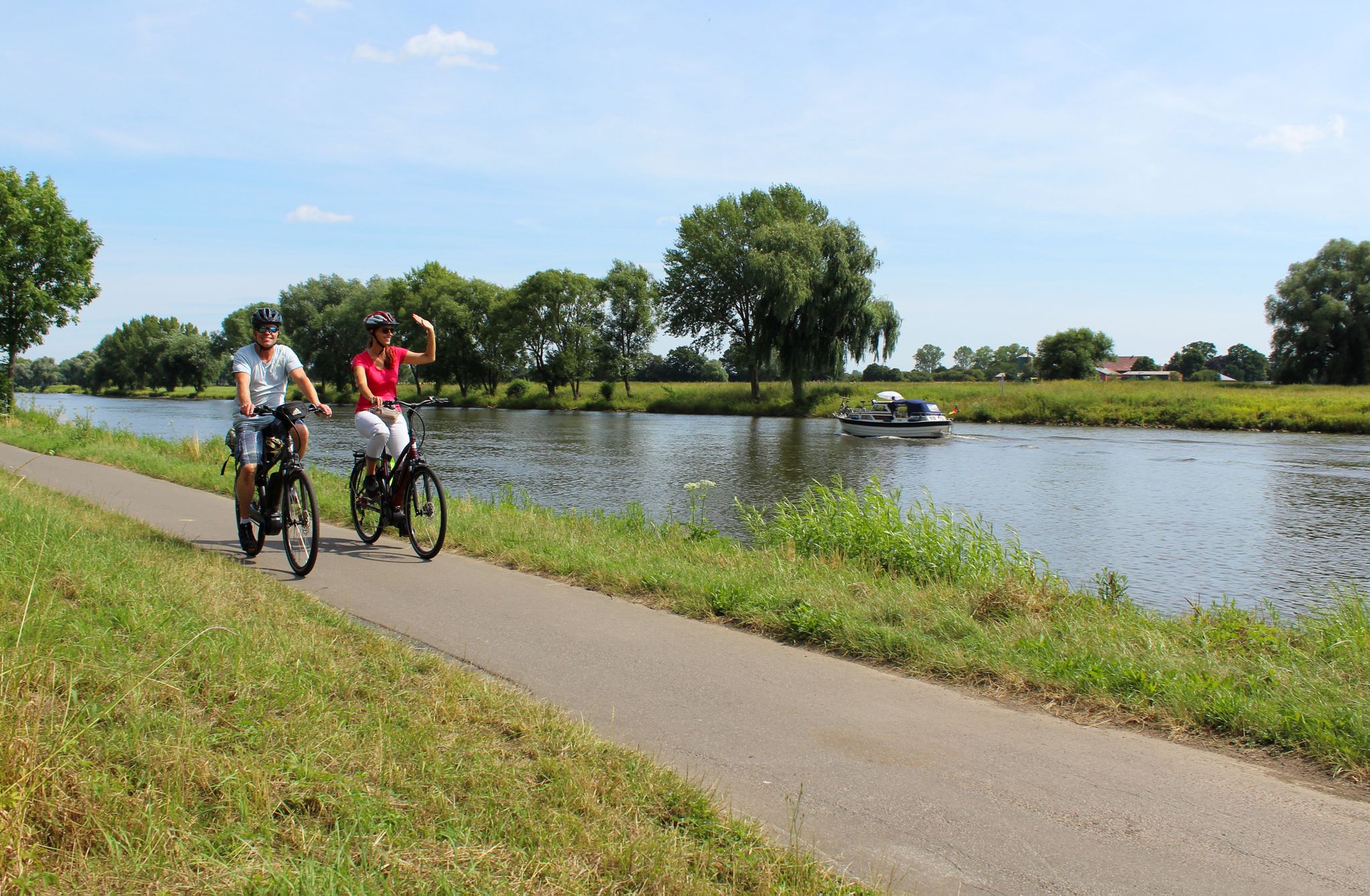
Radtouren in der Mittelweser-Region
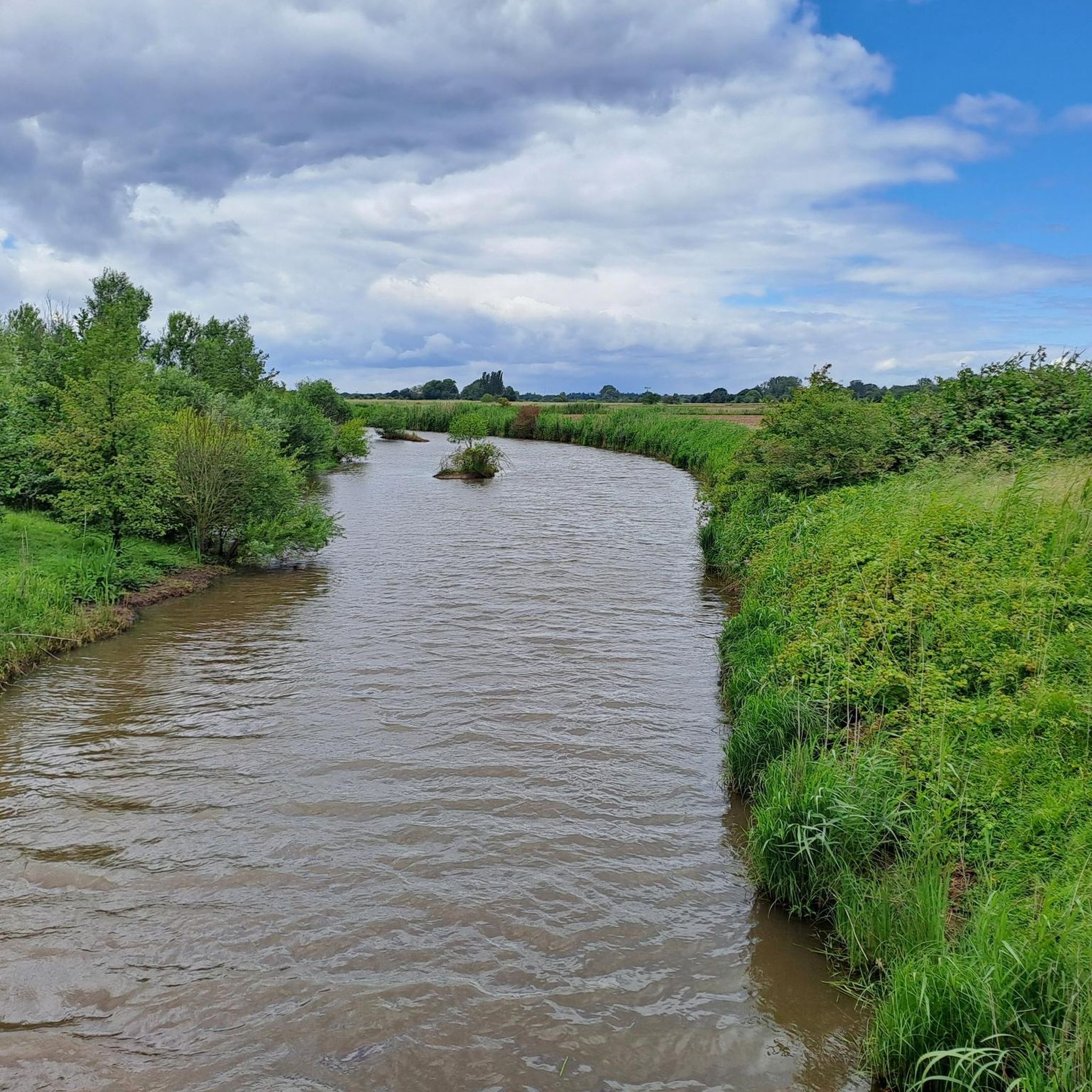
Cycling around Weyhe
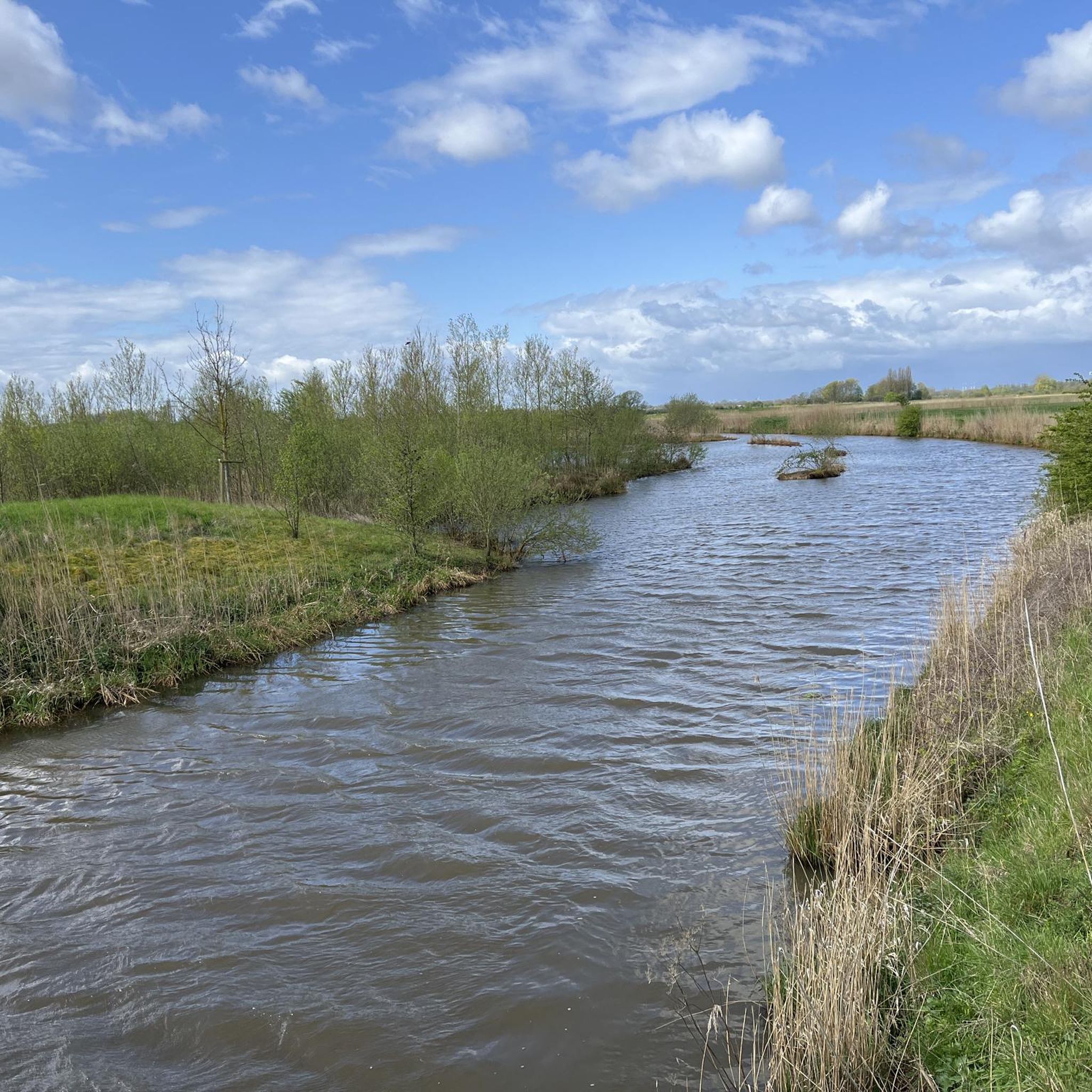
Road Cycling Routes around Weyhe
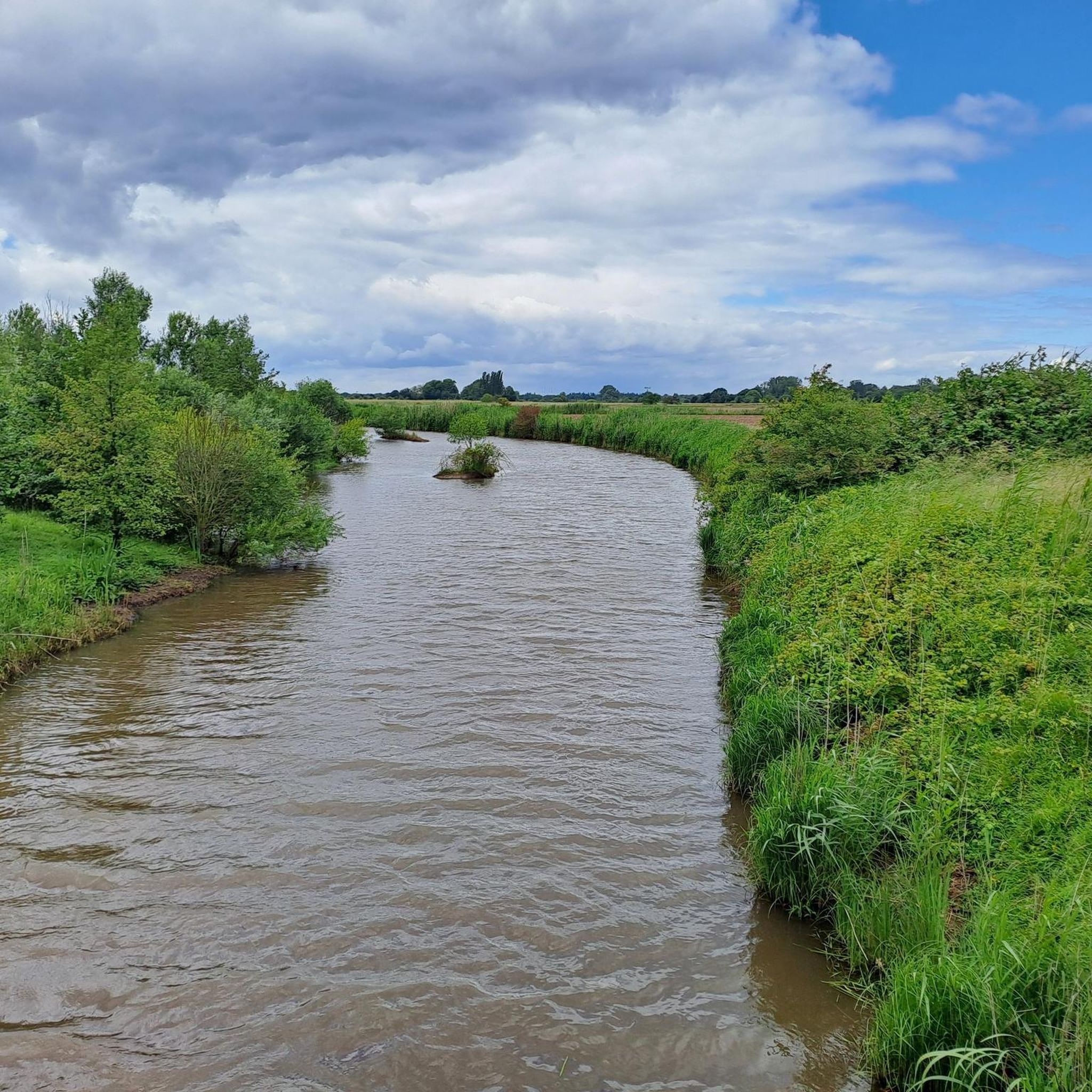
Hiking around Weyhe
Running Trails around Weyhe

Gravel biking around Weyhe
Other adventures around Weyhe


Tips from the Community

Hopp's Holler rocks.
1
0

The Western Hollerland is a nature reserve in Bremen that offers a fascinating mix of cultural and natural history. Originally reclaimed by Dutch settlers in the 12th century, the area has changed significantly over the centuries. Today it covers an area of 293 hectares and is known for its diverse flora and fauna, which are preserved through intensive protection measures. A particular highlight of the Western Hollerland is the varied landscape, which is ideal for hiking and cycling. The paths lead through open green spaces, wet meadows and along watercourses, which give the area its characteristic charm. A popular route is the Jan Weiners hiking trail, which winds through the reserve and offers wonderful views of the surrounding nature. Despite its proximity to the A27 motorway, the Hollerland offers quiet and idyllic walks, especially along the Kuhgrabenweg. The area is an important refuge for numerous animal and plant species, and there are well-signposted trails that lead nature lovers through this diverse landscape.
3
0


Such a beautiful retreat for the birds
0
0

Very nice view over the meadows with a drop tower.
1
0

Little info from the internet: Hollerland originally referred to a cultural landscape in the north and east of Bremen that was reclaimed by Dutch settlers in the 12th century (the so-called “Holler colonization”). The historical Goh Hollerland also included today's Bremen districts of Horn-Lehe and Oberneuland as well as parts of the Borgfeld district and the Osterholz district. Due to the creation of extensive suburban settlements, especially since the 1960s, only remnants of the original cultural landscape reclaimed by the Dutch remain. Today only the part located in the Horn-Lehe district and designated as a nature reserve is called Hollerland.
6
0

Great destination for bird watching in the natural environment.
4
0

The Roland as a sign of justice standing directly on the market!
17
3
Frequently Asked Questions
What are the most popular natural monuments and areas around Weyhe?
The natural landscape around Weyhe is characterized by its rivers and a prominent lake. Popular spots include the Hohe Berg Observation Tower, which offers panoramic views of the surrounding Geest landscape. Visitors also highly appreciate the Western Hollerland Nature Reserve, known for its diverse flora and fauna, and the Neue Weser Nature Reserve, a lake that serves as a vital habitat for many birds.
What natural features can I explore in Weyhe?
Weyhe's natural features are largely defined by its waterways. You can explore the Kirchweyher See, a central lake that is part of a Landscape Protection Area and a Flora-Fauna-Habitat (FFH) area. The Ochtum River, which originates from the Kirchweyher See, offers scenic routes along its dykes. The Hache River, a significant tributary to the lake, also provides picturesque natural scenery and is part of the FFH area.
What makes the natural areas in Weyhe ecologically important?
Many of Weyhe's natural areas, such as the Kirchweyher See and parts of the Hache River, are designated as Flora-Fauna-Habitat (FFH) areas within the European Natura 2000 network. This status underscores their European significance for nature conservation, protecting crucial biotopes for river fish, wild animals, and waterfowl. The Kirchweyher See is also part of a Landscape Protection Area, prohibiting disturbances and preserving its vitality as a living biotope.
Are there family-friendly natural monuments around Weyhe?
Yes, several natural areas in Weyhe are suitable for families. The Hohe Berg Observation Tower provides an engaging climb with rewarding views. The Western Hollerland Nature Reserve offers easy paths through diverse landscapes, perfect for walks with children. Additionally, the Kirchweyher See and its surrounding landscape protection area provide tranquil environments for family outings and observing waterfowl.
What outdoor activities can I do near Weyhe's natural monuments?
The natural areas around Weyhe are ideal for various outdoor activities. You can find numerous routes for hiking, cycling, and mountain biking. For example, there are easy hikes like the 'View of the Weser – Alte Weser Lake and Beach loop' and 'Sudweyhe Watermill – Watermill in Mühlengrund loop'. Cyclists can enjoy routes along the Ochtum River dykes, and mountain bikers have options like the 'Jeebel Forest Trails – Hache Stream loop'. You can find more details on these activities in the Easy hikes around Weyhe, MTB Trails around Weyhe, and Running Trails around Weyhe guides.
Can I spot wildlife in Weyhe's natural monuments?
Absolutely. The Kirchweyher See, being a crucial retreat and FFH area, is excellent for wildlife spotting. You can observe geese, swans, and ducks in large numbers. Fish species like the river lamprey, sea lamprey, and stone loach also thrive here. The Ochtum River's adjacent areas, especially near the Ochtumniederung bei Brokhuchting nature reserve (though slightly outside Weyhe, it's easily accessible), offer great opportunities for birdwatching, particularly during migration.
Are there any historical or cultural sites near Weyhe's natural monuments?
While the focus is on natural monuments, the region does have historical significance. For instance, the Roland of Bremen, a UNESCO World Heritage site, is a prominent historical monument nearby, symbolizing freedom and market rights since 1404. The Hedge Chapel in Bremen’s Bürgerpark also offers a blend of natural parkland with cultural elements, including animal enclosures and various attractions.
What do visitors enjoy most about the natural monuments in Weyhe?
Visitors particularly enjoy the tranquil and diverse natural landscapes. The Hohe Berg Observation Tower is praised for its fantastic panoramic views. The Western Hollerland Nature Reserve is appreciated for its mix of cultural and natural history, with paths through open green spaces and wet meadows. The Neue Weser Nature Reserve is loved as a paradise for birds and a peaceful spot to relax. The komoot community has shared over 80 photos and given more than 1300 upvotes to these natural attractions.
Is it possible to visit natural monuments in Weyhe during winter?
Yes, many of Weyhe's natural areas are suitable for winter walks. The paths around the Kirchweyher See and along the Ochtum and Hache rivers can offer serene winter scenery. While some facilities might have reduced hours, the natural landscapes remain accessible for peaceful strolls and enjoying the crisp winter air. Always check local conditions for ice or snow before heading out.
How can I access the natural monuments in Weyhe by public transport?
Weyhe is well-connected within the Bremen/Lower Saxony region. Public transport options, including buses and regional trains, can take you to various points within the municipality. From there, many natural areas like the Kirchweyher See or access points to the Ochtum and Hache rivers are reachable by foot or a short local bus ride. It's advisable to check current schedules and routes with local transport providers for specific destinations.
Are there any hidden natural gems in Weyhe worth exploring?
Beyond the main highlights, the smaller, less-trafficked sections along the Hache River and within the broader Landscape Protection Area surrounding the Kirchweyher See can be considered hidden gems. These areas offer quiet paths and opportunities for a more secluded experience of nature, away from more popular spots. Exploring these lesser-known trails can reveal unique flora and fauna.
Are there options for dining or accommodation near Weyhe's natural areas?
Weyhe, being a municipality with several districts, offers various dining and accommodation options. You can find cafes and restaurants in the main centers like Kirchweyhe or Leeste. While direct accommodation within the most protected natural areas is limited, there are hotels, guesthouses, and holiday rentals available in the surrounding towns and villages, providing convenient access to the natural monuments.
Most popular routes around Weyhe
Most popular attractions around Weyhe

Get inspired with the komoot mobile app


Explore more
Extend your search for the best caves by checking out these guides of the top ones around Weyhe:
