Top 20 Natural Monuments around Groß-Siegharts
Best natural monuments around Groß-Siegharts are situated in the Waldviertel region of Lower Austria, known for its pristine natural landscape. The area features unique geological formations and tranquil woodland settings. Visitors can explore diverse natural heritage, offering opportunities for outdoor activities. The region's natural beauty provides a backdrop for various natural attractions.
Best natural monuments around Groß-Siegharts
- The most popular natural monuments is Predigtstuhl Summit (718 m), a summit that is the highest point in the Waidhofen an der…
Last updated: June 24, 2026
Predigtstuhl Summit (718 m)
Highlight • Summit
Translated by Google •
Tip by

Bründl Chapel and the Healing Spring
Highlight • Religious Site
In the summer months of July and August there is a mass every Thursday at 8 a.m.
In addition, there are festive …
Translated by Google •
Tip by
Sign up now to discover places like this
Get recommendations on the best single tracks, peaks, & plenty of other exciting outdoor places.
Sign up for free
Jungfernstein Rock Formation
Highlight • Natural Monument
Translated by Google •
Tip by

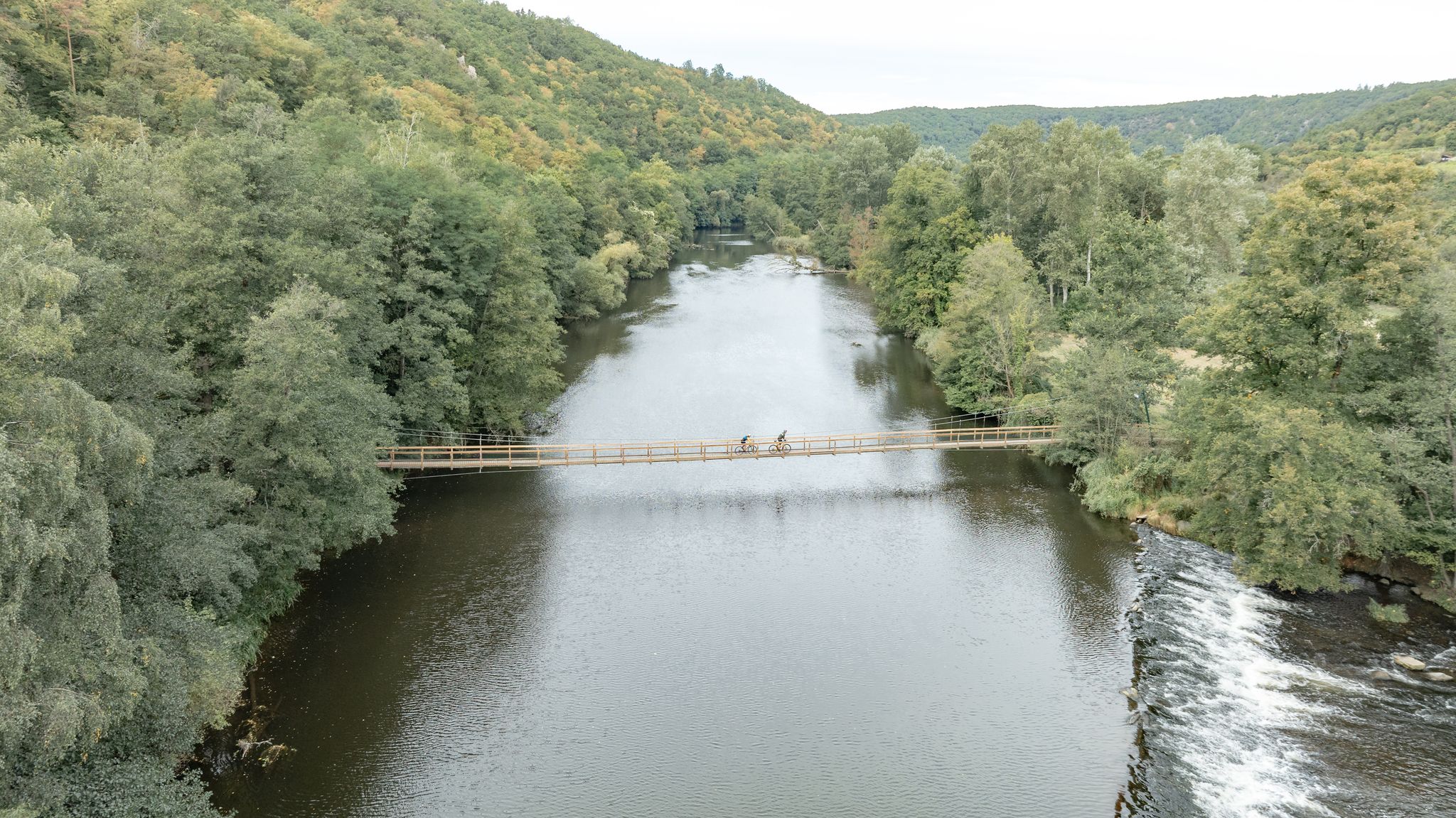
Thayatal Nature Park Dobersberg
Highlight • Natural Monument
Translated by Google •
Tip by

Lower Hackelstein Rock Shelter
Highlight • Natural Monument
Translated by Google •
Tip by
Sign up for free to discover even more natural monuments around Groß-Siegharts.
Sign up for free
Already have an account?
Start today with a free account
Your next adventure awaits.
Login or Signup

Other adventures around Groß-Siegharts

Tips from the Community

An impressive natural monument in the forest.
0
0

A graceful, beautiful chapel
0
0
A great hiking destination that you can hike to in many variations.
1
1

It is worth driving a little (100 meters) along the Moravian Dyje along the hiking trail to the rocky outcrop. An idyllic place on the beautiful shore hiking trail
0
0

This really idyllic place is a bit off the bike path, under a large rocky outcrop, directly on the Deutsche Thaya. The place is called "Unteres Hackelstein Felsdach". Up to this point you can easily cycle there. Just be careful with your head 😉. Then a single trail begins.
0
0

The rock roof can be seen clearly in the gigantic boulder from the opposite bank. You have to climb up a few rubbed stones to get to the spot.
1
0
A legendary, huge rock on the banks of the Thaya. It's right on the path.
3
0

Little banker under a gigantic rock!
1
0
Frequently Asked Questions
What are some unique natural features to explore around Groß-Siegharts?
The region around Groß-Siegharts is known for its distinctive geological formations and serene natural spaces. You can discover impressive rock formations like the Jungfernstein Rock Formation, a legendary huge rock on the banks of the Thaya, or the Lower Hackelstein Rock Shelter, a gigantic boulder with a rock roof along the Moravian Thaya. The area also features the Predigtstuhl Summit (718 m), offering views from the highest point in the Waidhofen an der Thaya district.
Are there family-friendly natural monuments near Groß-Siegharts?
Yes, several natural monuments are suitable for families. The Bründl Chapel and the Healing Spring is a popular pilgrimage site with a spring whose water is said to have healing properties, making it an interesting stop for all ages. Additionally, the Thayatal Nature Park Dobersberg offers a freely accessible area with diverse flora and fauna, perfect for family exploration.
What kind of outdoor activities can I do near the natural monuments in Groß-Siegharts?
The natural monuments around Groß-Siegharts are excellent starting points for various outdoor activities. You can enjoy hiking, cycling, and gravel biking. For instance, there are easy hikes like the 'Fischstein Rock Formation – Predigtstuhl Summit (718 m) loop' and more moderate options such as the 'Wayside Cross – Vogelpark Nature Trail loop'. You can find more details on these and other routes in the easy hikes around Groß-Siegharts guide or the hiking around Groß-Siegharts guide. For cyclists, the gravel biking guide offers routes like the 'Bründl Chapel – Groß-Siegharts Castle loop'.
Where can I find impressive rock formations in the Groß-Siegharts area?
The Waldviertel region, where Groß-Siegharts is located, is famous for its unique rock formations. Beyond the Jungfernstein Rock Formation and Lower Hackelstein Rock Shelter, the nearby Naturpark Blockheide is renowned for its mystical rock formations, including the 'Blockheiderich'. The Predigtstuhl area also features various mysterious rock formations along its trails.
Are there any natural parks or protected areas to visit?
Yes, the Thayatal Nature Park Dobersberg is a freely accessible protected area spanning 200 hectares. It features natural riparian forest and a diverse mix of forest, meadow, and field landscapes, offering a rich variety of flora and fauna. Additionally, the Naturpark Blockheide, near Groß-Siegharts, is a protected area known for its unique geological features and diverse ecosystems.
What historical or cultural sites are associated with the natural monuments?
The Bründl Chapel and the Healing Spring is a significant religious building with a long history as a pilgrimage site, where the spring water is believed to have healing properties. The Predigtstuhl Summit (718 m) also has historical ties, with tips mentioning a former lookout tower from the 1930s, popularly known as the 'pyramid'.
What is the highest point in the Waidhofen an der Thaya district?
The highest point in the Waidhofen an der Thaya district is the Predigtstuhl Summit (718 m). It's a popular destination for hikers and cyclists, offering geological structures within a tranquil woodland setting.
Can I find viewpoints with panoramic vistas in the Groß-Siegharts region?
Absolutely. The Predigtstuhl Summit (718 m) offers views from the highest point in the district. While some historical views might be obscured by trees now, the area around Predigtstuhl still provides breathtaking views of the 'Bandlkramerlandl' (the local nickname for the Groß-Siegharts region). The Jungfernstein Rock Formation and Lower Hackelstein Rock Shelter also offer scenic viewpoints along the Thaya River.
What makes the Thayatal Nature Park Dobersberg special?
The Thayatal Nature Park Dobersberg is special due to its location at the northern bend of the meandering Thaya River, encompassing 200 hectares of natural riparian forest and cultural landscape. It's a unique mixed environment of forest, meadow, and field, characterized by a rich variety of flora and fauna influenced by the Montane, Central European lowland, and Pannonian zones.
What do visitors say about the natural monuments around Groß-Siegharts?
Visitors appreciate the unique geological features and tranquil natural spaces. For example, the Predigtstuhl Summit (718 m) is described as a 'great hiking destination' with many variations. The Jungfernstein Rock Formation is noted as a 'real eye-catcher' on hikes, and the Lower Hackelstein Rock Shelter is praised as an 'idyllic spot on the beautiful riverside hiking trail'.
Are there any natural monuments along the Thaya River?
Yes, the Thaya River features prominently in the natural landscape. The Jungfernstein Rock Formation is a legendary, huge rock situated directly on the banks of the Thaya. Further along, the Lower Hackelstein Rock Shelter is found under a gigantic boulder on the banks of the Moravian Thaya, offering an idyllic spot for hikers. The Thayatal Nature Park Dobersberg also encompasses a significant portion of the Thaya's riparian forest.
What is the best time of year to visit the natural monuments in Groß-Siegharts?
The natural monuments around Groß-Siegharts, located in the Waldviertel region, are beautiful year-round. Spring and autumn offer pleasant temperatures for hiking and cycling, with vibrant foliage or blooming nature. Summer is ideal for longer outdoor excursions, while even in winter, the serene, snow-dusted landscapes can be quite magical, especially for those seeking tranquility. Always check local weather conditions before your visit.
Most popular routes around Groß-Siegharts
Most popular attractions around Groß-Siegharts

Get inspired with the komoot mobile app


Explore more
Extend your search for the best caves by checking out these guides of the top ones around Groß-Siegharts:
