Top 16 Natural Monuments around Persenbeug-Gottsdorf
Natural monuments around Persenbeug-Gottsdorf are found in a market town in Lower Austria, shaped by the Danube River. The region is situated at the entrance to the Nibelungengau, offering a landscape that combines natural beauty with historical significance. While specific natural monuments within the direct municipal boundaries are limited, the broader area features various protected natural formations. These include gorges, individual trees, and unique rock formations.
Best natural monuments around Persenbeug-Gottsdorf
- The most popular natural monuments is Herzstein (Heart Stone)…
Last updated: June 24, 2026
Katzenstein Summit
Highlight • Summit
Translated by Google •
Tip by

Großer Peilstein Summit
Highlight • Summit
Translated by Google •
Tip by

Sign up now to discover places like this
Get recommendations on the best single tracks, peaks, & plenty of other exciting outdoor places.
Sign up for free
Herzstein (Heart Stone)
Highlight • Natural Monument
Translated by Google •
Tip by

Totenkopf and Drachenstein
Highlight • Natural Monument
Translated by Google •
Tip by

Persenbeug Market Linden Natural Monument
Highlight • Natural Monument
Translated by Google •
Tip by

Sign up for free to discover even more natural monuments around Persenbeug-Gottsdorf.
Sign up for free
Already have an account?
Start today with a free account
Your next adventure awaits.
Login or Signup
Popular around Persenbeug-Gottsdorf
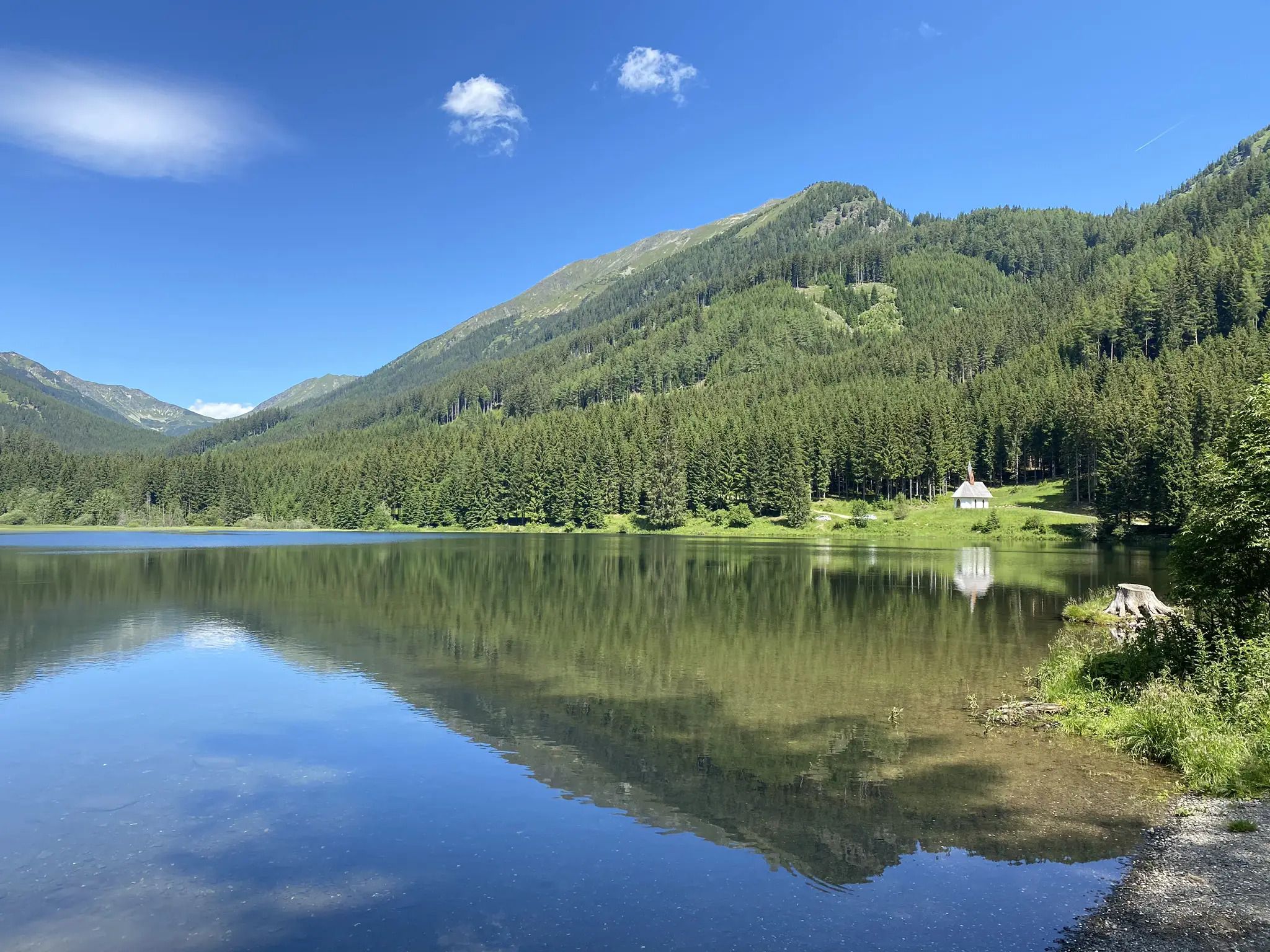
Eisenwurzen Trail – Hiking through Austria from north to south
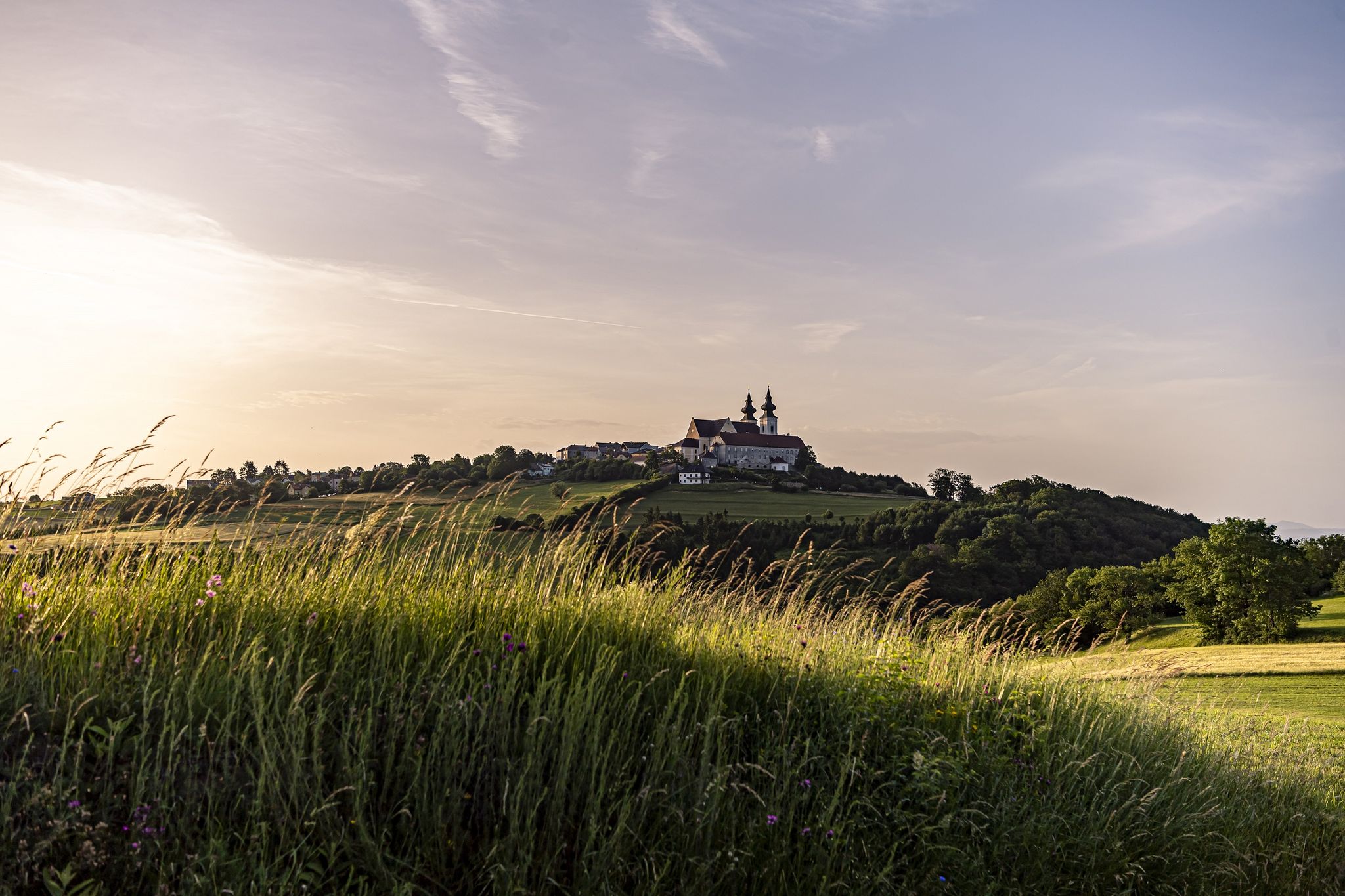
Hiking along the Danube in the Nibelungengau – Where legends come alive
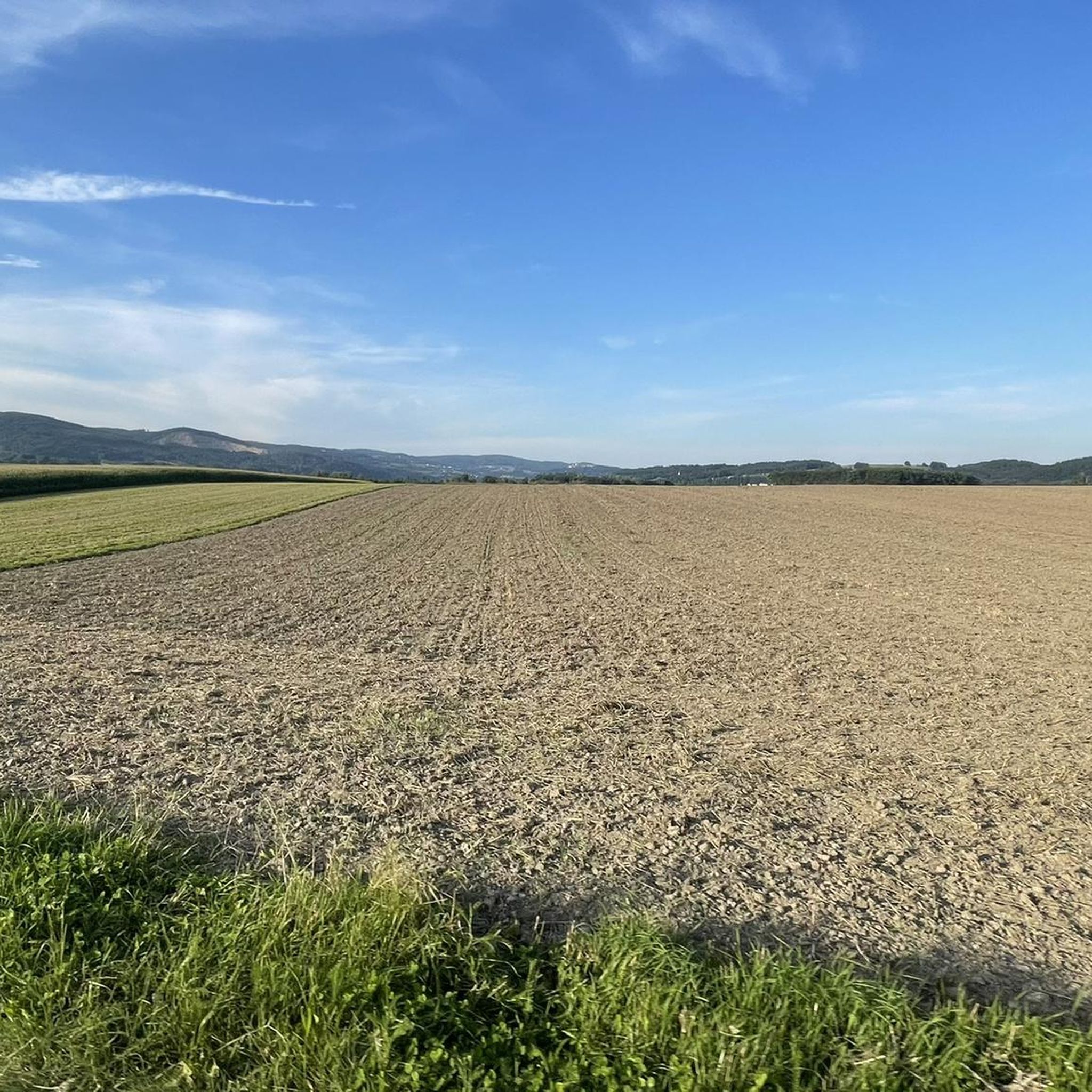
Cycling around Persenbeug-Gottsdorf
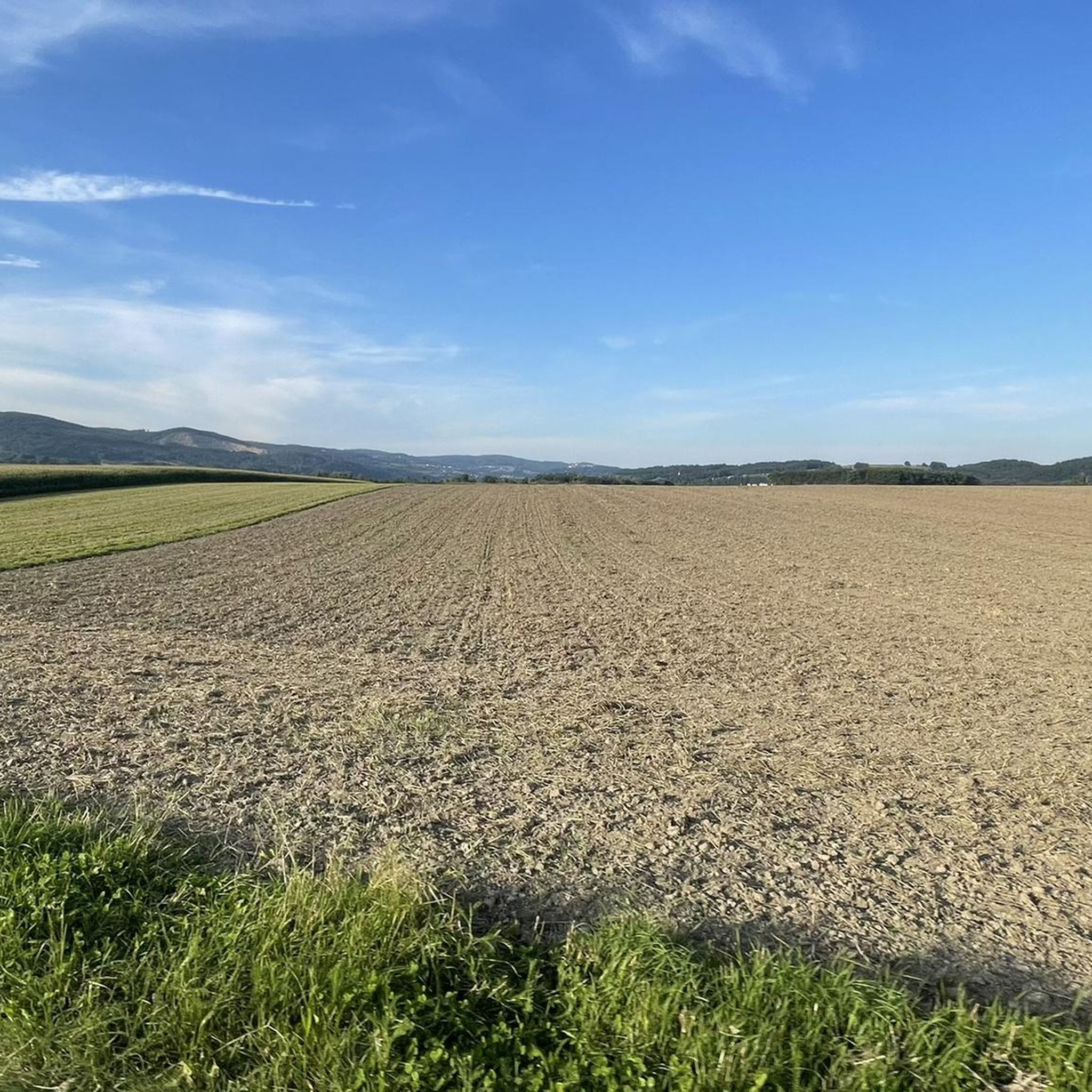
Road Cycling Routes around Persenbeug-Gottsdorf
MTB Trails around Persenbeug-Gottsdorf
Hiking around Persenbeug-Gottsdorf
Running Trails around Persenbeug-Gottsdorf


Tips from the Community

The small alleys ("Hauptstraße") around the town hall square already have a "Wachau flair" 😉
0
0

An impressive, over 600-year-old linden tree, declared a natural monument in 1989. Right next to it is the Café zur Linde, very fitting.
6
0

Why would anyone recommend a mountain bike ride when cycling is prohibited throughout the forest is beyond me.
2
1
An impressive, over 600-year-old lime tree that was declared a natural monument in 1989. Right next door is the Café zur Linde, very fitting.
4
0

The "Skull" really looks a bit scary.😅 If you go to the back of the impressive rock formation, you can climb the "Drachenstein" using the stairs...but ⚠️Be careful...when it's wet, the stones are pretty slippery . Surefootedness and smart footwear are also highly recommended.😉☀️🧡
1
0
An impressive and ❤️ warm feel-good place in the beautiful hiking area near St.Oswald in the Waldviertel Lower Austria.😍☀️🧡
1
0

Such a great view from up there over the Yspertal delights the hiker's heart!
1
0

A mighty tree, has already "experienced" a lot
1
0
Frequently Asked Questions
What types of natural monuments can I explore around Persenbeug-Gottsdorf?
The region offers a variety of natural monuments, including impressive rock formations, scenic summits, and ancient trees. You can find unique geological features like the Herzstein (Heart Stone), which is a slip-through stone, or the dramatic rock formations of Totenkopf and Drachenstein. There are also summits like Großer Peilstein Summit offering wide views.
Are there any family-friendly natural monuments in the area?
Yes, several natural monuments are suitable for families. The Herzstein (Heart Stone) is located along a varied hike through the forest with interesting information stations, making it a good option for families. Additionally, the Persenbeug Market Linden Natural Monument is easily accessible in the village center.
What outdoor activities can I do near the natural monuments?
The area around Persenbeug-Gottsdorf, situated along the Danube River, is excellent for various outdoor activities. You can enjoy cycling along the Danube Cycle Path or explore numerous hiking routes. For specific cycling tours, check out the Cycling around Persenbeug-Gottsdorf guide, or for road cycling, the Road Cycling Routes around Persenbeug-Gottsdorf guide. There are also running trails available, detailed in the Running Trails around Persenbeug-Gottsdorf guide.
Are there any challenging natural monuments for experienced hikers or climbers?
For those seeking a challenge, the Katzenstein Summit offers a rock formation and summit at 963 meters that can be climbed. The way is signposted, and the detour is rewarding. The Totenkopf and Drachenstein also feature rock formations that can be climbed, though surefootedness is recommended, especially when wet.
What is the best time of year to visit the natural monuments around Persenbeug-Gottsdorf?
The natural monuments are generally accessible year-round. Spring and autumn offer pleasant temperatures for hiking and exploring, with vibrant foliage or blooming nature. Summer is ideal for combining visits with other outdoor activities along the Danube. While winter can be beautiful, some paths might be slippery, especially around rock formations like Totenkopf and Drachenstein, so appropriate footwear is essential.
Are there any unique or lesser-known natural features worth seeing?
Beyond the officially recognized sites, a group of three mighty oak trees (Stieleichen) along the Graf-Hoyos-Weg in Persenbeug-Gottsdorf are notable for their impressive size and age. While their official designation as natural monuments is under consideration, they represent a significant natural point of interest for locals and visitors alike.
What kind of views can I expect from the summits?
From summits like the Großer Peilstein Summit, which stands at 1,063 meters, you can expect expansive views of the valley and the surrounding landscape. The ascent is well-rewarded with a wide panorama, offering a true summit experience.
What is the significance of the Herzstein (Heart Stone)?
The Herzstein (Heart Stone) is a unique slip-through stone that resembles a standing human heart. It is associated with local folklore, believed to promote fertility and to help cast off illness, suffering, evil, and sin. This huge rock balances upside down on another stone, making it a fascinating natural and cultural landmark.
Can I find cafes or other amenities near the natural monuments?
Yes, particularly in the main town of Persenbeug-Gottsdorf. For example, right next to the Persenbeug Market Linden Natural Monument, you'll find the Café zur Linde, offering a convenient spot for refreshments. Other cafes and accommodations are available within the municipality, especially near the Danube.
What makes the Totenkopf and Drachenstein rock formations unique?
The Totenkopf and Drachenstein are impressive rock formations, around ten meters high. The 'Skull' rock formation is particularly striking with its empty eye sockets. Behind it, the 'Drachenstein' can be admired and even climbed via stairs. It's a short but rewarding detour to witness these unique geological features.
Are the natural monuments accessible by public transport?
Persenbeug-Gottsdorf is a market town, and while specific natural monuments might require a walk from public transport stops, the town itself has connections. For detailed information on public transport options to reach trailheads or specific natural monuments, it's advisable to check local bus schedules or regional transport services for the Melk district of Lower Austria.
What should I wear when visiting the natural monuments?
Comfortable and sturdy footwear is highly recommended, especially if you plan to explore rock formations or climb summits. Paths can be uneven or slippery, particularly after rain. Layered clothing is also advisable to adapt to changing weather conditions, as temperatures can vary, especially at higher elevations or during different seasons.
Most popular routes around Persenbeug-Gottsdorf
Most popular attractions around Persenbeug-Gottsdorf

Get inspired with the komoot mobile app


Explore more
Extend your search for the best caves by checking out these guides of the top ones around Persenbeug-Gottsdorf:
