Top 20 Natural Monuments around Blumau-Neurißhof
Best natural monuments around Blumau-Neurißhof are found within this green oasis in the Vienna Basin. The municipality offers several notable natural features, including significant old trees and natural springs. While parts of the area serve as a military training ground, designated natural monuments and green spaces provide opportunities for outdoor activities. Visitors can explore idyllic avenues and meadow paths, which are suitable for running, hiking, and cycling.
Best natural monuments around Blumau-Neurißhof
- The most popular natural monuments is Pottendorf Castle, a castle that features a park open to visitors. The chapel within the castle grounds has been renovated, offering a blend of historical and natural appeal.
- Another must-see spot is Jubiläumswarte Harzberg Viewpoint, a viewpoint offering extensive panoramic views. Visitors can enjoy the all-round view from the tower and find facilities nearby.
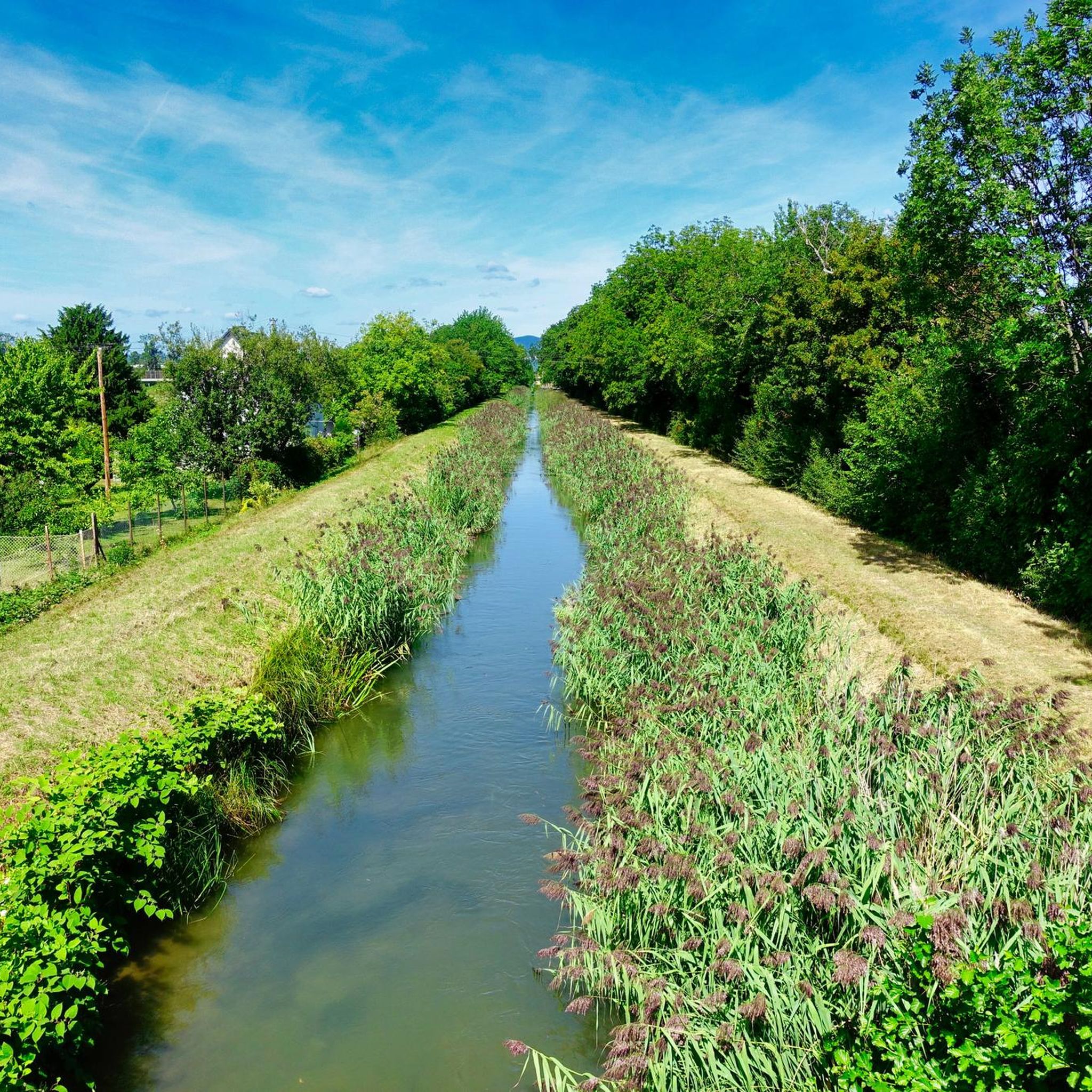
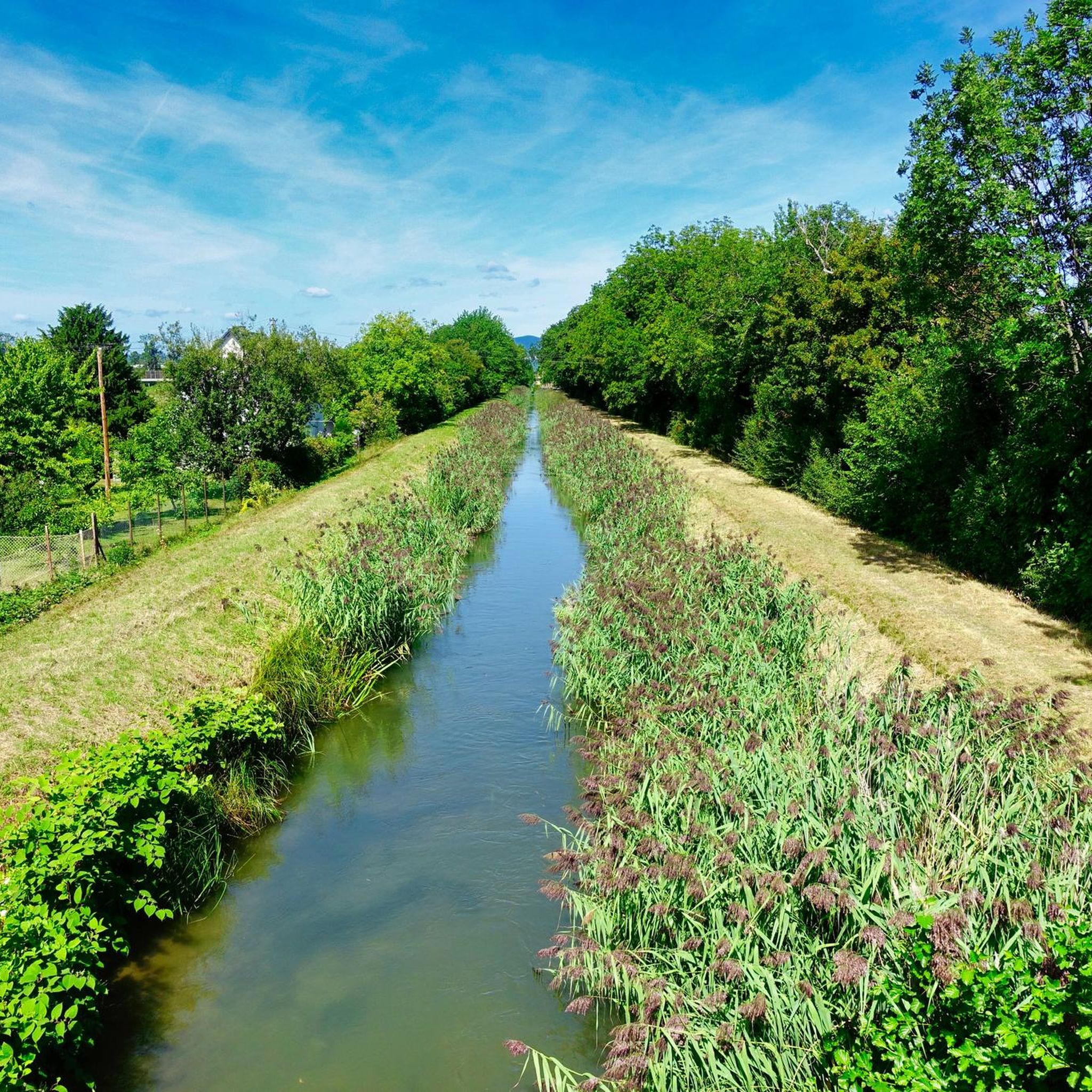
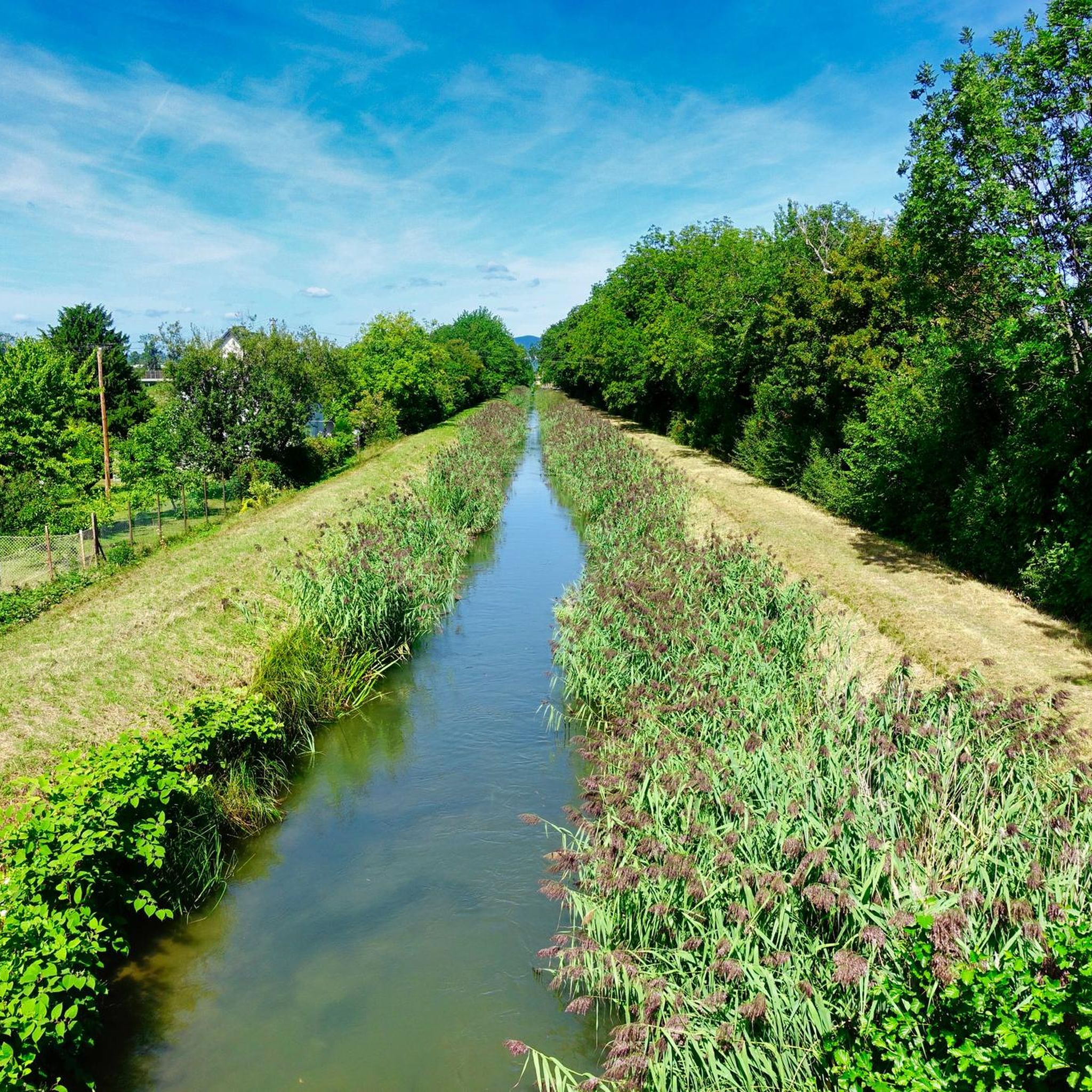
- Visitors also love Fischa Spring, a natural monument. This spring area is a protected site where the gravel of the dry plain meets the clay layers of the wet plain, featuring high-quality water and special spring fauna.
- Blumau-Neurißhof is known for its ancient trees and natural springs. Steinböck Park hosts several old plane trees, including one planted in 1810 with a circumference of 5.8 meters, while around 500 chestnut trees, many approximately 100 years old, line paths throughout the area.
- The natural monuments around Blumau-Neurißhof are appreciated by the komoot community. With more than 200 upvotes and over 60 photos, these spots are well-documented and enjoyed by outdoor enthusiasts.
Last updated: July 7, 2026
On Harzberg
Highlight • Viewpoint
Refuge with the sun terrace and the wonderful view is awesome.
Then the visit to the anniversary waiting room brightened up the day - wonderful view😎. 😊👍👍👍
harzberg.at
Translated by Google •
Tip by

Bad Vöslau Spa Park
Highlight • Natural Monument
For public events (balls, cabarets ...) the rooms are rented by the municipality of Bad Vöslau.
The rooms of the College Garden Hotel are rented out for private events (weddings, birthday or company parties ...).
no3salon.com
Personality monument of Josef II - The cast iron figure was created in 1901 in the former Salm’s iron foundry in Blansko (Moravia) - now at the entrance to the spa park and the Kaiser Franz Joseph monument erected in 1913, with a view of the Kursalon. 😊👍
Translated by Google •
Tip by
Sign up now to discover places like this
Get recommendations on the best single tracks, peaks, & plenty of other exciting outdoor places.
Sign up for free
Pottendorf Castle
Highlight • Castle
Source: monatsrevue.at/schlosskapelle-feierlich-eroeffnet
Translated by Google •
Tip by
Fischa Spring
Highlight • Natural Monument
Translated by Google •
Tip by

Healing Spring and Marienkapelle Leobersdorf
Highlight • Religious Site
The spring was first mentioned in 1466 as the "Heylige Prunn" in the Enzesfeld Urbarium of Christoph von Spaur, and remains of settlements from the Bronze Age also indicate a deserted place called Pölla, which was located in the vicinity of the well.
However, the spring must have been buried, because its documented source after a storm, during which, according to witnesses, the earth is said to have shaken, is dated April 23, 1626.
The spring was initially known for its alleged healing effects; even those who were doomed to die are said to have recovered. It was mainly people with eye problems who came to visit it. A blind woman had regained her sight and the son of Peter von Braun (1758-1819), the owner of the estate of Schönau an der Triesting, was cured of a serious eye disease. The spring's emergence helped the community of Leobersdorf to gain the right to hold a weekly market from Emperor Ferdinand II. A wooden chapel with a bell was then built over the spring using the proceeds from the offerings. This was destroyed in 1683 during the Second Turkish Siege of Vienna. It was restored, torn down during a storm in 1733 and rebuilt. Rebuilt again from wood in 1738, the chapel fell victim to a fire in which only the image of the Virgin Mary remained intact.
In 1780, the Traiskirchen district office prohibited the people of Leobersdorf from replacing the little church with a brick building and it did not take on its current form until 1850, when the community had it built as a half-timbered building with the support of the local councillor Josef Hobodides. However, it remained without a mass license. Eventually, sales huts were grouped around the building.
The Healing Fountain became the destination of annual supplication processions on St. Florian's Day (May 4). On Sunday, May 30, 1926, around 1,000 believers celebrated its 300th anniversary after the church had been renovated by the Leobersdorf community to mark the anniversary.
Source: leobersdorf.at/Der_Heilsame_Brunnen
Translated by Google •
Tip by
Sign up for free to discover even more natural monuments around Blumau-Neurißhof.
Sign up for free
Already have an account?
Start today with a free account
Your next adventure awaits.
Login or Signup

Tips from the Community

The spring is first mentioned in 1466 as the „Heylige Prunn“ in Christoph von Spaur’s Enzesfeld Urbarium, and there are also settlement remains from the Bronze Age pointing to a defunct place called Pölla, which was located in the vicinity of the spring. However, the spring must have been buried, as its documented emergence after a storm, during which the earth is said to have trembled according to witnesses, is dated to April 23, 1626.
1
0
The Kurpark in Bad Vöslau was created in the last quarter of the 19th century and served as a central promenade and recreational area for spa visitors. It developed into an "open-air stage", surrounded by benches, and was characterized by historical monuments such as that for Joseph II (1901) and Emperor Franz Joseph I (1913).
1
0

Experience the castle island in Pottendorf! Mayor Thomas Sabbata-Valteiner cordially invites you to explore the otherwise inaccessible castle island on select days throughout the year. This exclusive opportunity offers you the chance to walk in the footsteps of a bygone era and experience the fascinating history of the castle ruins and the restored castle chapel firsthand. Join us on this historical journey and let yourself be enchanted by the atmosphere of this place. The meeting point is the castle island bridge, right by the castle island in Pottendorf. Here your excursion into the past begins! Admission is by voluntary donation to support the upkeep of Pottendorf Castle Park, and registration is not required. Take advantage of this unique opportunity to bring history to life and experience the beauty of the castle island. https://www.pottendorf.at/Schlossinselfuehrung_im_Schlosspark_Pottendorf
2
0
Towards the end of the Second World War, the Chapel of St. Mary was completely destroyed by Russian soldiers, but on May 13, 1945, 300 believers made a pilgrimage to the hastily repaired shrine. The ceremonial re-consecration took place that same summer. After a general renovation in 1990, the chapel was opened on April 22. The water from the spring was examined and analyzed between 1956 and 1966. It is identical to the water that flows from the nearby well of the water supply association. Since the water in the shaft of the chapel dried up in 1970, the water has come from the association's pumping stations. Source: www.leobersdorf.at/Der_Heilsame_Brunnen
2
0
South of Leobersdorf, on the road to Sollenau, is the Healing Well, a regionally important place of pilgrimage. The spring, which is said to relieve eye diseases and, according to legend, has healed the blind, has a varied history. The spring was first mentioned in 1466 as the "Heylige Prunn" in the Enzesfeld Urbarium of Christoph von Spaur, and remains of settlements from the Bronze Age also indicate a deserted place called Pölla, which was located in the vicinity of the well. However, the spring must have been buried, because its documented source after a storm, during which, according to witnesses, the earth is said to have shaken, is dated April 23, 1626. The spring was initially known for its alleged healing effects; even those who were doomed to die are said to have recovered. It was mainly people with eye problems who came to visit it. A blind woman had regained her sight and the son of Peter von Braun (1758-1819), the owner of the estate of Schönau an der Triesting, was cured of a serious eye disease. The spring's emergence helped the community of Leobersdorf to gain the right to hold a weekly market from Emperor Ferdinand II. A wooden chapel with a bell was then built over the spring using the proceeds from the offerings. This was destroyed in 1683 during the Second Turkish Siege of Vienna. It was restored, torn down during a storm in 1733 and rebuilt. Rebuilt again from wood in 1738, the chapel fell victim to a fire in which only the image of the Virgin Mary remained intact. In 1780, the Traiskirchen district office prohibited the people of Leobersdorf from replacing the little church with a brick building and it did not take on its current form until 1850, when the community had it built as a half-timbered building with the support of the local councillor Josef Hobodides. However, it remained without a mass license. Eventually, sales huts were grouped around the building. The Healing Fountain became the destination of annual supplication processions on St. Florian's Day (May 4). On Sunday, May 30, 1926, around 1,000 believers celebrated its 300th anniversary after the church had been renovated by the Leobersdorf community to mark the anniversary. Source: https://www.leobersdorf.at/Der_Heilsame_Brunnen
8
0

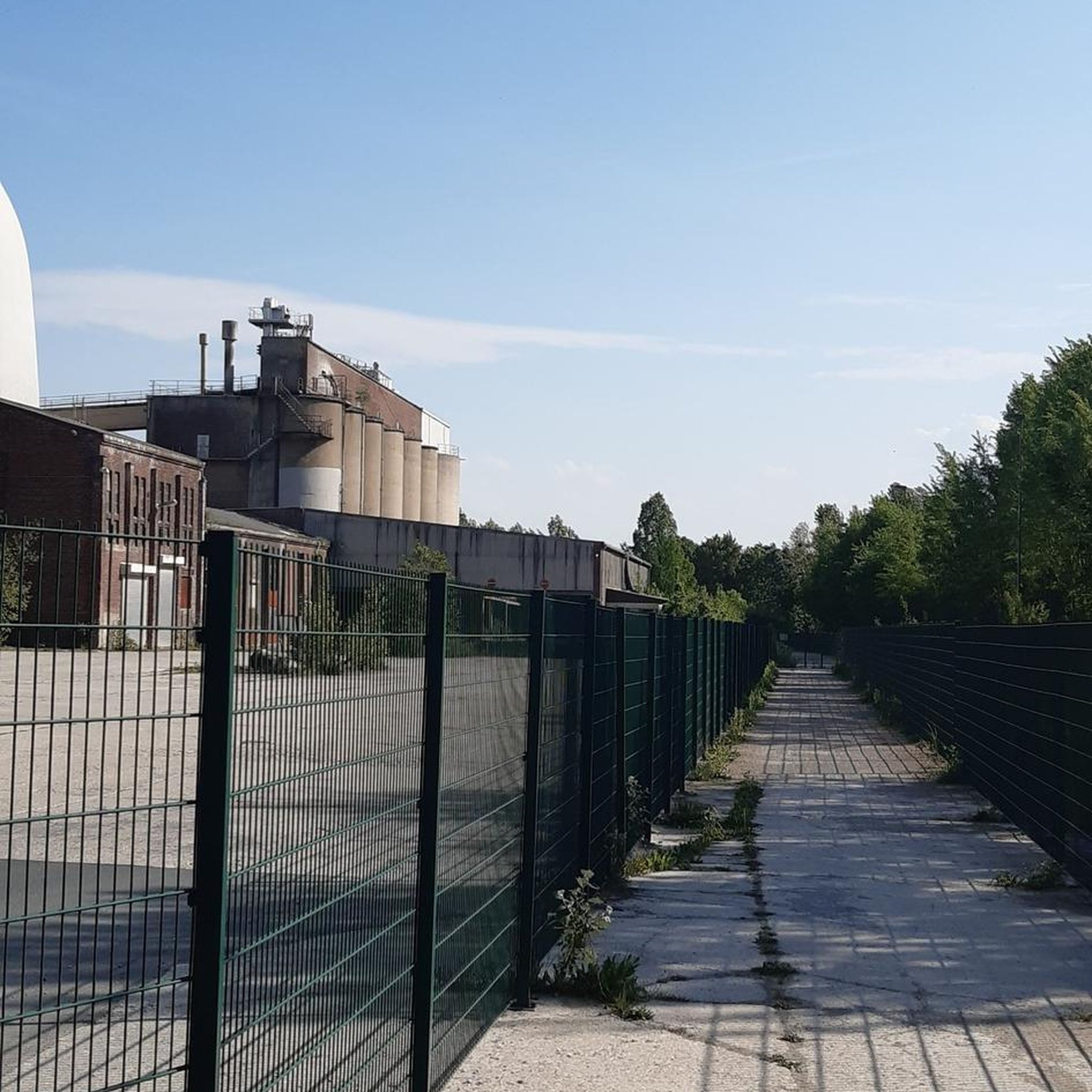
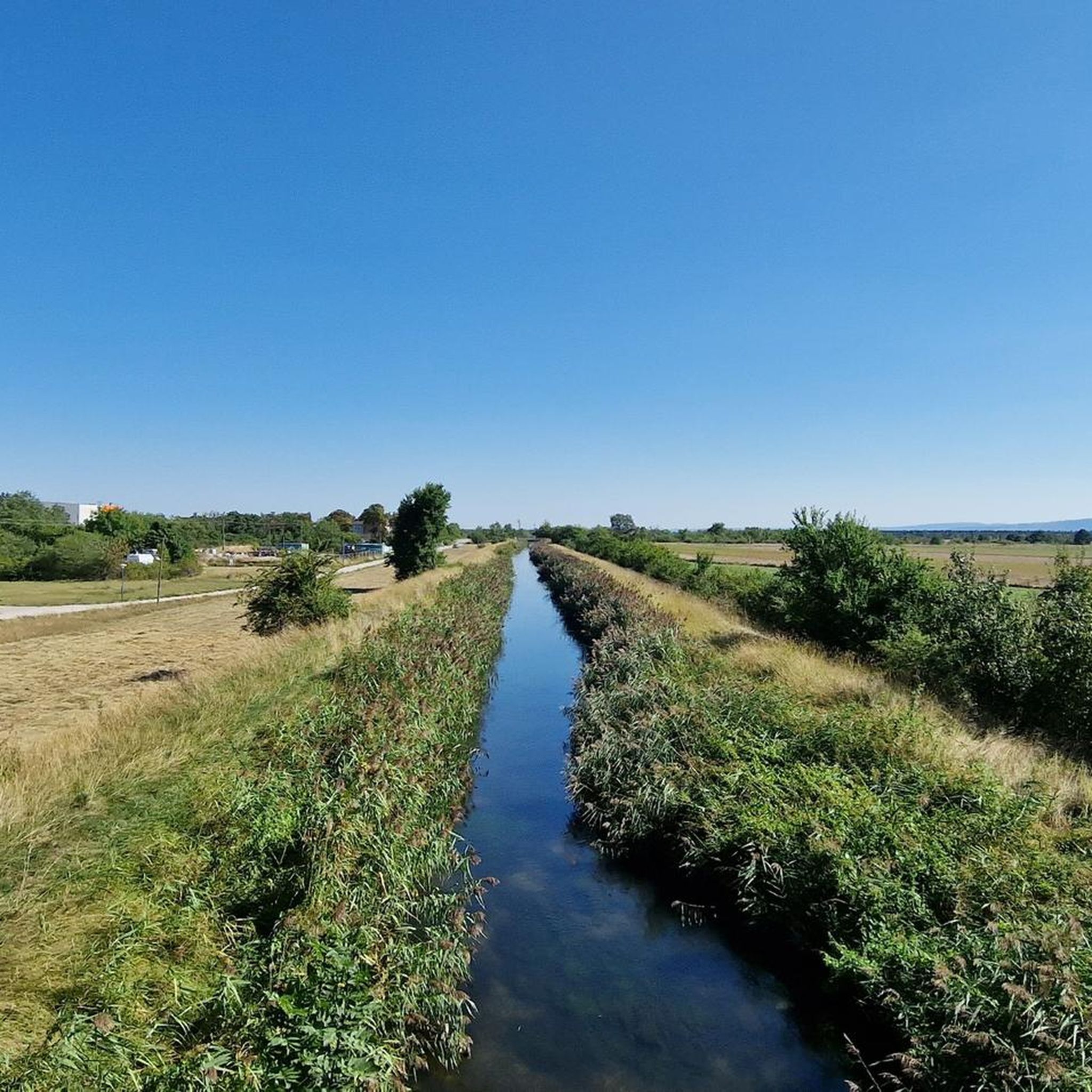
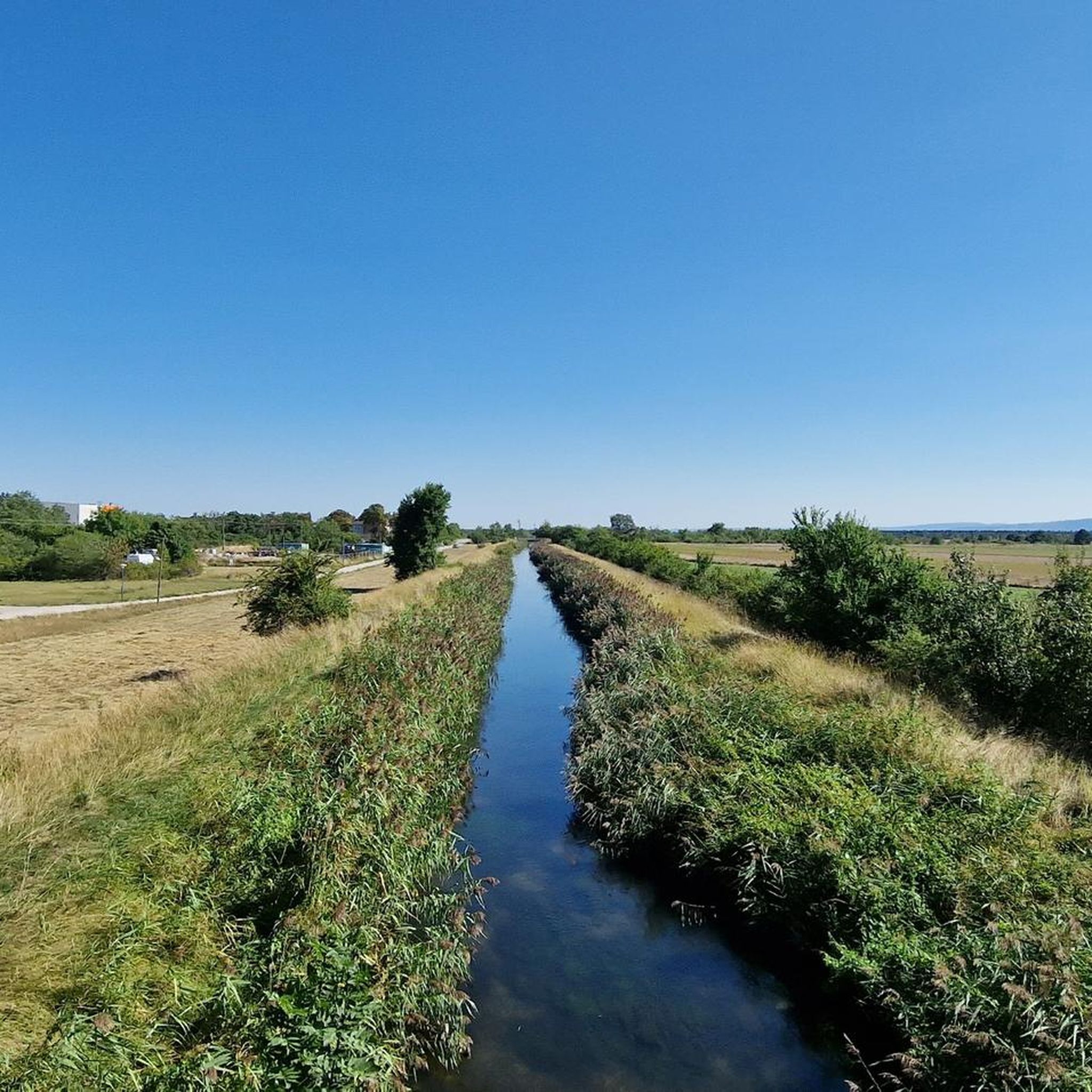
The place is well hidden behind the Tran Austria Gasnetze compression station Only a small plaque in the middle of a field points to the natural monument.
0
0
The square is being rebuilt according to the plan - theoretically the construction work should be completed.
1
0
08/08/2023 - The ruin has something special, the chapel has already been renovated - maybe something will happen again soon.
3
1
Frequently Asked Questions
What unique natural features can I explore in Blumau-Neurißhof?
Blumau-Neurißhof is known for its significant old trees and natural springs. You can find several old plane trees in Steinböck Park, including one planted in 1810 with an impressive circumference of 5.8 meters. Additionally, around 500 chestnut trees, many approximately 100 years old, line paths throughout the area, contributing to the green landscape.
Are there any historical natural monuments to visit in the area?
Yes, Pottendorf Castle, while primarily a historical site, features a park that offers a blend of historical and natural appeal. The chapel within the castle grounds has been renovated, making it a notable spot.
Where can I find panoramic views of the region's natural beauty?
For extensive panoramic views, visit the Jubiläumswarte Harzberg Viewpoint. From the tower, you can enjoy a wonderful all-round view, and there are facilities and even a tavern nearby.
What is special about the Fischa Spring natural monument?
The Fischa Spring is a protected natural monument where the gravel of the dry plain meets the clay layers of the wet plain. This unique geological formation results in high-quality water and supports a special spring fauna, including numerous microorganisms like source snails.
Are there family-friendly natural monuments or parks in Blumau-Neurißhof?
Yes, several natural monuments are family-friendly. Bad Vöslau Spa Park is a quiet, shady park with benches, suitable for leisurely strolls. Both Pottendorf Castle and Jubiläumswarte Harzberg Viewpoint are also categorized as family-friendly.
What outdoor activities can I do near these natural monuments?
The area around Blumau-Neurißhof offers a variety of outdoor activities. You can explore idyllic avenues and meadow paths perfect for running, hiking, and cycling. For specific routes, consider the Running Trails around Blumau-Neurißhof or the Cycling routes around Blumau-Neurißhof.
Are there hiking trails near the natural monuments?
Yes, Bad Vöslau Spa Park serves as a starting point for many hikes, ranging from smaller, leisurely options to more demanding ones. You can find more detailed hiking routes in the Mountain Hikes around Blumau-Neurißhof guide.
What do visitors enjoy most about the natural monuments in Blumau-Neurißhof?
Visitors appreciate the serene environments, the historical significance of sites like Pottendorf Castle, and the extensive views from places like Jubiläumswarte Harzberg Viewpoint. The quiet, shady spots in parks and the unique natural features like the Fischa Spring are also highly valued for relaxation and connecting with nature.
Is there a healing spring or religious site related to natural monuments?
Yes, the Healing Spring and Marienkapelle Leobersdorf is a regionally important pilgrimage site. The spring is historically associated with healing, particularly for eye diseases, and the chapel has a rich history of restoration and devotion.
What kind of trees are prominent in Blumau-Neurißhof?
Blumau-Neurißhof is notable for its old plane trees, especially in Steinböck Park, which hosts the oldest tree in Blumau. Additionally, approximately 500 chestnut trees, many around 100 years old, are a significant feature, lining the paths and roads throughout the municipality.
Where can I find more information about Blumau-Neurißhof as a green destination?
For additional information about Blumau-Neurißhof and its offerings as a green oasis within the Vienna Basin, you can visit the official tourism website for the region: lower-austria.info.
Most popular routes around Blumau-Neurißhof
Most popular attractions around Blumau-Neurißhof

Get inspired with the komoot mobile app


Explore more
Extend your search for the best caves by checking out these guides of the top ones around Blumau-Neurißhof:
