Top 20 Natural Monuments around Lassee
Natural monuments around Lassee offer insights into the unique ecological characteristics of the Marchfeld region in Austria. This area is known for its Pannonian climate, dry habitats, and diverse landscapes. Visitors can explore protected areas that preserve rare flora and fauna, reflecting the region's natural heritage. The landscape provides opportunities to experience distinct ecosystems and historical land use patterns.
Best natural monuments around Lassee
- The most popular natural monument is Devín Castle, a castle that served as an important…
Last updated: October 11, 2026
Devín Castle
Highlight • Castle
Translated by Google •
Tip by

Orth an der Donau in the Donau-Auen National Park
Highlight (Segment) • Settlement
Translated by Google •
Tip by

Sign up now to discover places like this
Get recommendations on the best single tracks, peaks, & plenty of other exciting outdoor places.
Baroque Garden of Schloss Hof
Highlight • Natural Monument
After 15 years of detailed reconstruction, the garden in Schloss Hof can now be experienced by our guests in …
Translated by Google •
Tip by

Danube River Restoration
Highlight • River
Translated by Google •
Tip by

Günther Cave
Highlight • Cave
Translated by Google •
Tip by

Sign up for free to discover even more natural monuments around Lassee.
Already have an account?
Start today with a free account
Your next adventure awaits.

Tips from the Community

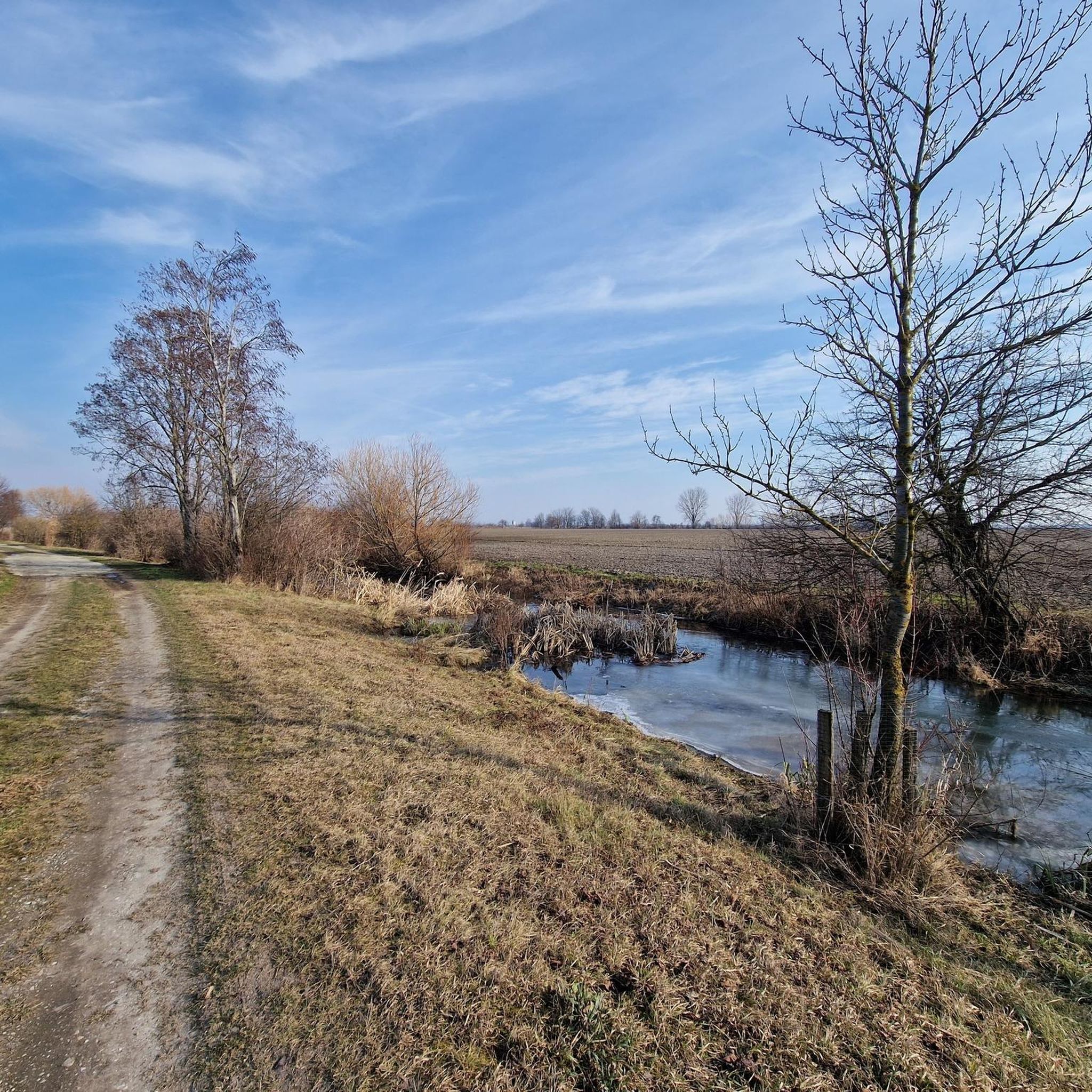
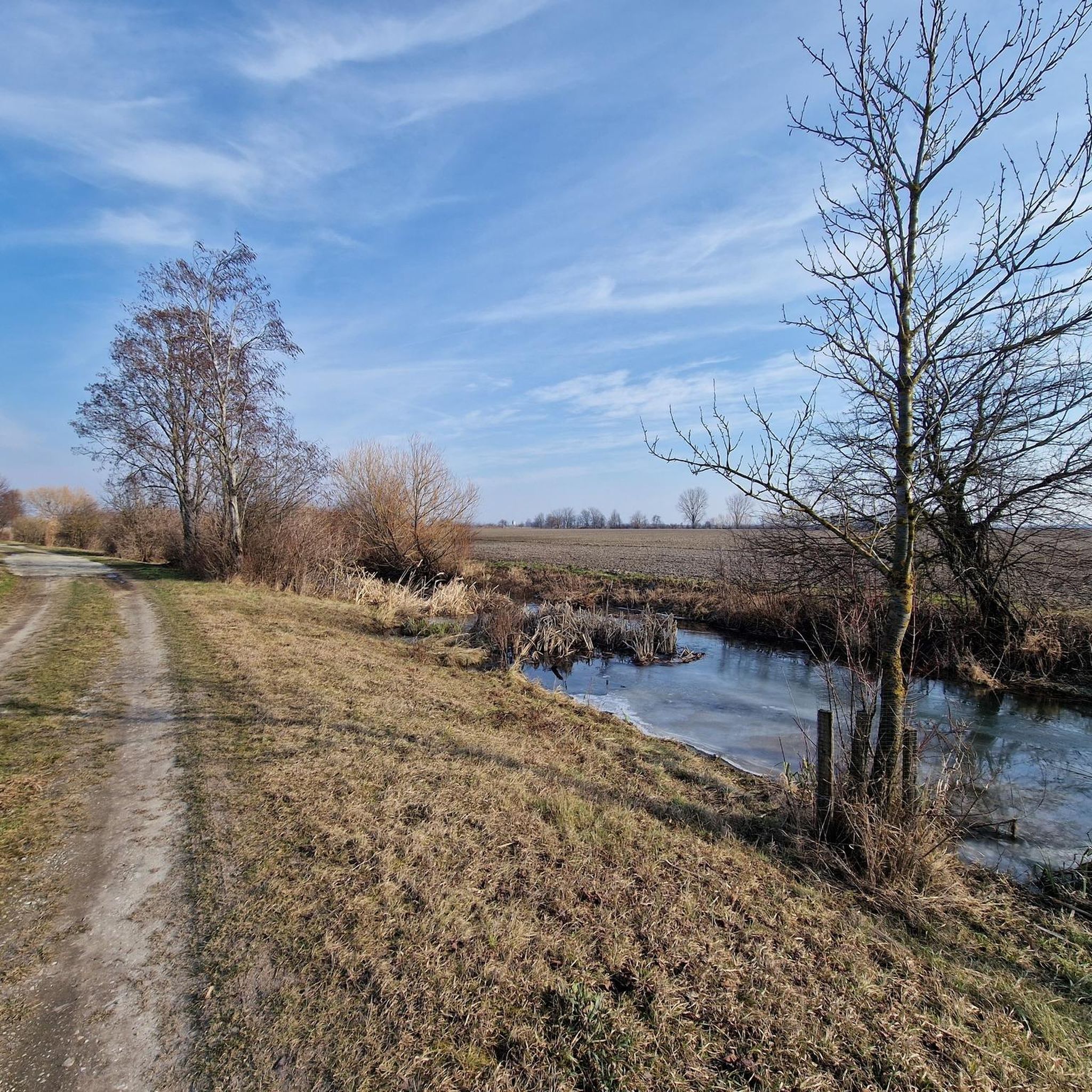
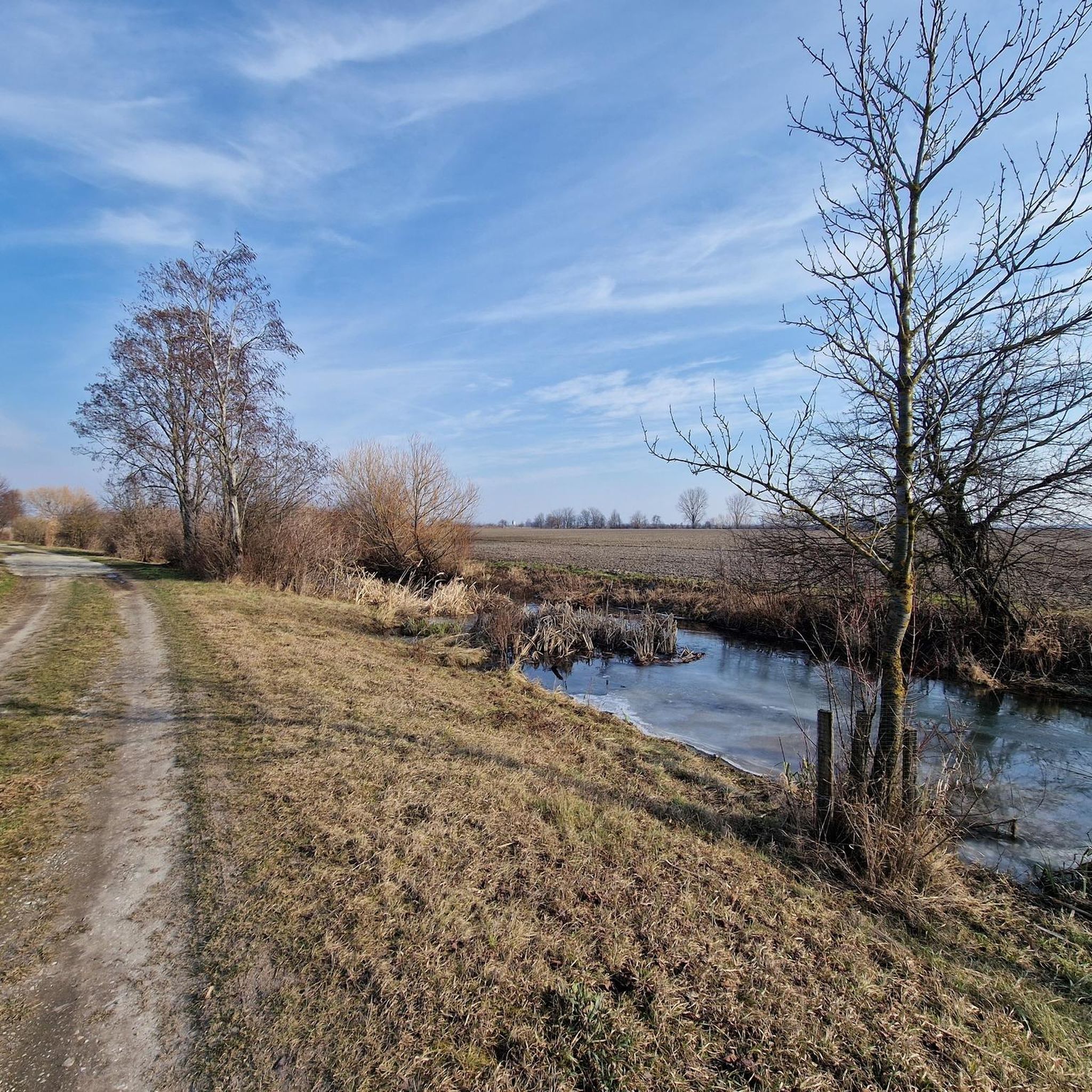
The renaturation of the Danube near Hainburg, particularly in the Johler Arm area, is one of the most important ecological projects in the Austrian Danube region. The goal was to return the heavily regulated Danube to its natural state and to restore valuable floodplain forest and river habitats. The Johler Arm, a former branch of the Danube near Hainburg, was reconnected to the main stream as part of the project. This reconnection ensures regular water flow through the branch, restoring dynamic river processes such as flooding, sediment relocation, and natural bank formation. As a result, many rare animal and plant species – including fish, amphibians, and waterfowl – benefit from new habitats. The project also improves ecological continuity for migratory aquatic organisms. A landscape-enhanced floodplain landscape was created along the Danube, where the natural diversity of the Danube can once again be seen and experienced – a successful example of near-natural watercourse development in the Danube Floodplains National Park.
0
0

The Güntherhöhle can be reached from the tourist trail via a steep climb in a few minutes. The path is also suitable for active dogs.
2
0

Baroque Garden - The Garden Paradise, Hof Castle The area sloping down to the March lowlands to the east of the castle was predestined to create a garden based on the French model simply because of its location. In just a few years, Prince Eugene had the architect Johann Lucas von Hildebrandt and the garden engineer Anton Zinner create one of the most important gardens in the German-speaking world on a total of seven terraces. The vertical central axis, along which there are numerous fountains, divides the garden into two mirror-image areas on each level. A well-thought-out sculpture program created by the sculptor Johann Christoph Mader pays homage to the lord of the castle, Prince Eugene. The water required to operate the fountains and to supply the plants was derived from three ponds in the nearest village of Groißenbrunn. In the 19th and 20th centuries, the garden gradually fell into disrepair. The three paintings by Bernardo Belotto, known as Canaletto, were one of the most important sources for the gradual reconstruction of the individual terrace areas since 2002. These views of the palace complex were created on Maria Theresa's commission around 1760. Text / Source: Schloss Hof, 2294 Schloßhof 1 https://www.schlosshof.at/ueber-schloss-hof/garten
13
0
Baroque Garden - The revitalization of the Baroque Garden, Schloss Hof After 15 years of detailed reconstruction, the garden in Schloss Hof can now be experienced by our guests in its 18th century appearance right down to the last terrace! We have accompanied this journey for you and provide insights into the exciting period of restoration work. With the restoration of the seventh garden terrace in 2019 and the completed reconstruction of the Great Cascade in 2018, the 15-hectare Baroque Garden of Schloss Hof can once again be experienced in its entirety as it was in the 18th century. Text / Source: Schloss Hof, 2294 Schloßhof 1 https://www.schlosshof.at/ueber-schloss-hof/garten/revitalisierung-barockgarten
13
0

The Danube-Auen National Park is a 9,600 hectare national park that stretches from Vienna to the mouth of the March in Lower Austria on the border with Slovakia. It is one of the largest, largely intact floodplain landscapes in Central Europe along the Danube. The area is 38 kilometers long and measures barely four kilometers at its widest point.
3
0

To the west of the Zwergelloch lies the most famous cave in the Hundsheim Mountains, the Güntherhöhle with the bone gap, both of which are parts of what was originally a single cave room. For reasons of cave and bat protection, the entrances had to be closed. To the south of the cave, in the so-called bone gap, fossil remains of the woolly rhinoceros were found. It entered science as the “Hundsheim rhinoceros” (Rhinoceros Stephanorhinus hundsheimensis). Source: www.hundsheim.gv.at/Lebensraum_gemeinde/ Unser_gemeinde/Freizeit_und_Tourismus/Allgemeine_Information/Steinbrueche_und_Hoehlen
5
0

A river and forest setting that pleases. In Italy similar settings are found only in high mountain landscapes. Handsome.
1
0

With a bit of luck you can see kingfishers and beavers!
1
0
Frequently Asked Questions
What unique natural features can I expect to see around Lassee?
The Lassee region is characterized by its unique Pannonian climate and sandy soils, leading to distinct dry habitats and grasslands. You can observe rare plant species like sand everlasting and Austrian milkvetch, as well as rare insects such as the Bicolor Bush-cricket. The area also features riverine landscapes, particularly within the Donau-Auen National Park.
Are there specific nature trails or reserves to explore in Lassee?
Yes, the Naturwege Lassee offers a network of paths through dry habitats and alternating wet and dry areas of the Marchfeld. Additionally, the Naturschutzgebiet Lassee (Lassee Nature Reserve) protects steppe-like dry grasslands with very rare plant species. A recommended starting point for the Naturwege is the Trockenrasenmuseum (Dry Grassland Museum).
What kind of wildlife can be observed near the natural monuments?
The dry grasslands and riverine areas are home to diverse wildlife. In the Naturschutzgebiet Lassee, you might spot rare insect species like the Bicolor Bush-cricket and the Heath Grasshopper. Near the Danube River Restoration area, visitors have reported seeing kingfishers and beavers. The Naturwege Lassee also features a flock of sheep that help preserve the grasslands.
Are there hiking trails near the natural monuments around Lassee?
Yes, there are several hiking opportunities. The Naturwege Lassee is suitable for walking and hiking. For easy hikes, you can explore routes like the 'Baroque Garden of Schloss Hof – Hof Palace loop' or the 'Schloss Hof Animal Farm – Schloss Hof Palace loop'. You can find more details on easy hikes in the region on the Easy hikes around Lassee guide.
What other outdoor activities are available near these natural monuments?
Beyond hiking, the region offers excellent opportunities for cycling. You can find various routes for road cycling and gravel biking around Lassee. These routes often pass through the scenic Marchfeld landscape and near natural attractions.
Are there any historical natural monuments or sites with historical significance?
Absolutely. Devín Castle, for instance, was an important historical crossroads used by Romans and now features expositions on Slavic history. The Baroque Garden of Schloss Hof is a meticulously reconstructed 18th-century garden with historical significance. Also, Orth an der Donau in the Donau-Auen National Park has a castle that serves as the visitor center and has a long documented history dating back to 1021.
Are the natural monuments around Lassee suitable for families?
Many natural monuments and areas are family-friendly. The Naturwege Lassee features interactive and educational stations, making it engaging for children. The Baroque Garden of Schloss Hof and Orth an der Donau in the Donau-Auen National Park are also listed as family-friendly attractions.
Are there dog-friendly trails or natural monuments in the area?
Yes, many outdoor areas in the Marchfeld region are suitable for dogs, especially the extensive network of paths like the Naturwege Lassee. The path to Günther Cave is also noted as suitable for active dogs.
What is the best time of year to visit the natural monuments around Lassee?
The Marchfeld region, with its Pannonian climate, is beautiful in spring and autumn. These seasons offer pleasant temperatures for exploring the dry grasslands and observing rare flora and fauna. Spring brings blooming plants, while autumn showcases vibrant colors and comfortable hiking conditions.
How can I get to the natural monuments around Lassee by public transport?
While specific public transport details vary for each site, Orth an der Donau, home to the visitor center for the Donau-Auen National Park, is generally accessible. For other natural monuments, it's advisable to check local bus schedules or consider cycling as a means of transport, especially for the Naturwege Lassee.
Is parking available at the natural monuments around Lassee?
Parking is generally available at major attractions and trailheads. For example, sites like Schloss Hof and the visitor center at Orth an der Donau offer designated parking facilities. For smaller natural areas or trail access points, roadside parking might be available, but it's always good to check local signage.
Are there cafes or restaurants near the natural monuments around Lassee?
Yes, you can find cafes and restaurants in the towns and villages near the natural monuments. For instance, the area around Schloss Hof and Orth an der Donau offers dining options. In Lassee itself, and other nearby communities, you'll find places to eat and refresh after your explorations.
Most popular attractions around Lassee

Get inspired with the komoot mobile app


Explore more
Extend your search for the best caves by checking out these guides of the top ones around Lassee:
