Top 19 Mountain Passes in China
Mountain passes in China traverse a diverse topography, offering routes through historically significant regions and impressive natural landscapes. Many passes hold cultural importance, serving as ancient trade routes or strategic military points. The country's vast mountain ranges provide a variety of experiences, from high-altitude treks to scenic drives.
Best mountain passes in China
- The most popular mountain passes is Taroko Gorge Highway, a gorge that offers a demanding ascent with extensive views. This route is known for its climb to Wuling, topping at above 3000 meters.
- Another must-see spot is Tataka Trailhead, a trail located at an elevation of 2,610 meters. Visitors can expect a long, narrow grassland ridge overlooking the massif of Mt. Jade to the east and Alishan to the west.
- Visitors also love Taipei–Yilan Boundary Park, a mountain pass that serves as a lookout point between two counties. It features an amazing hairpin climb or descent, with a car park and views at the summit.
- China is known for its historically significant passes, high-altitude routes, and scenic mountain passes. These include ancient defensive structures and challenging high-elevation trails.
- The mountain passes in China are appreciated by the komoot community, with 14 upvotes and 6 photos shared by users.
Last updated: October 11, 2026
Dolma-La Pass
Highlight • Mountain Pass
Small correction from a scientist. At 50% oxygen content, everything that is flammable (including us humans, clothing, animals, plants) would immediately start to burn. Up there, the air also has just under 21% oxygen content (the same as at the sea).
Only the air pressure is correspondingly lower (or the density is lower) and therefore less oxygen is available with each breath.
Therefore, an appropriate breathing technique is very helpful!
Translated by Google •
Tip by

Taroko Gorge Highway
Highlight • Gorge
Translated by Google •
Tip by

Sign up now to discover places like this
Get recommendations on the best single tracks, peaks, & plenty of other exciting outdoor places.
Tataka Trailhead
Highlight • Trail
Tip by

Summit of Wuling Pass
Highlight • Mountain Pass
Because what I'm telling you about the Wuling Pass is this: The last 15 kilometers were very tough. That means: 15 kilometers of uphill are just the – hard, hard, hard – finale of the climb. That means: Before that, there were already 70 kilometers of uphill. 85 kilometers alone make the journey worthwhile. Source: Radsport-Rennrad.de
Translated by Google •
Tip by

Yushan Main Peak Trail
Highlight (Segment) • Trail
This trail, starting from Tataka Trailhead, is about 61.2 kilometers long, and the elevation is more than 3,000 meters. Mountain hikers need to possess a lot of knowledge, skills, physical strength, and endurance. The towering main peak, the steep cliff of the east peak, and the distance of Lu Mountain route are especially challenging and can prove an adventurous trip.
The Yushan massif is known as the ridge of Taiwan. It is shaped like a resting dragon, and looks magnificent and powerful. This route winds eastward from the saddle of Tataka at the end of the western edge of Mt. Jade. The forests and vegetation along the way change with different elevations. There are spruce trees, hemlock trees, fir trees, Yushan junipers, rhododendron, and a variety of alpine grass. Flowers and plants sway colorfully along the roadside despite the harsh environments. The Temple of the Mountain God on the top of the west peak has a wide coverage of white wood forests and cliffs, gravel slopes of the main peak, grass slopes of Xiaonan Mountain, and the sea of rhododendron by the northern saddle are the features of this route. The tops of peaks are covered with white snow in the winter for a beautiful look.
Tip by
Buyanting Pavilion Climb
Highlight (Segment) • Climb
Tip by

Taipei–Yilan Boundary Park
Highlight • Mountain Pass
Tip by

Qingjing Farm to Wuling Pass
Highlight (Segment) • Mountain Pass
Tip by
Descent from Gondola Station – Huangshan Mountains
Highlight (Segment) • Trail
Tip by

TuLingAo Pass (Tu Ling Ao)
Highlight • Mountain Pass
Tip by

Sign up for free to discover even more mountain passes in China.
Already have an account?
Start today with a free account
Your next adventure awaits.
Popular around China
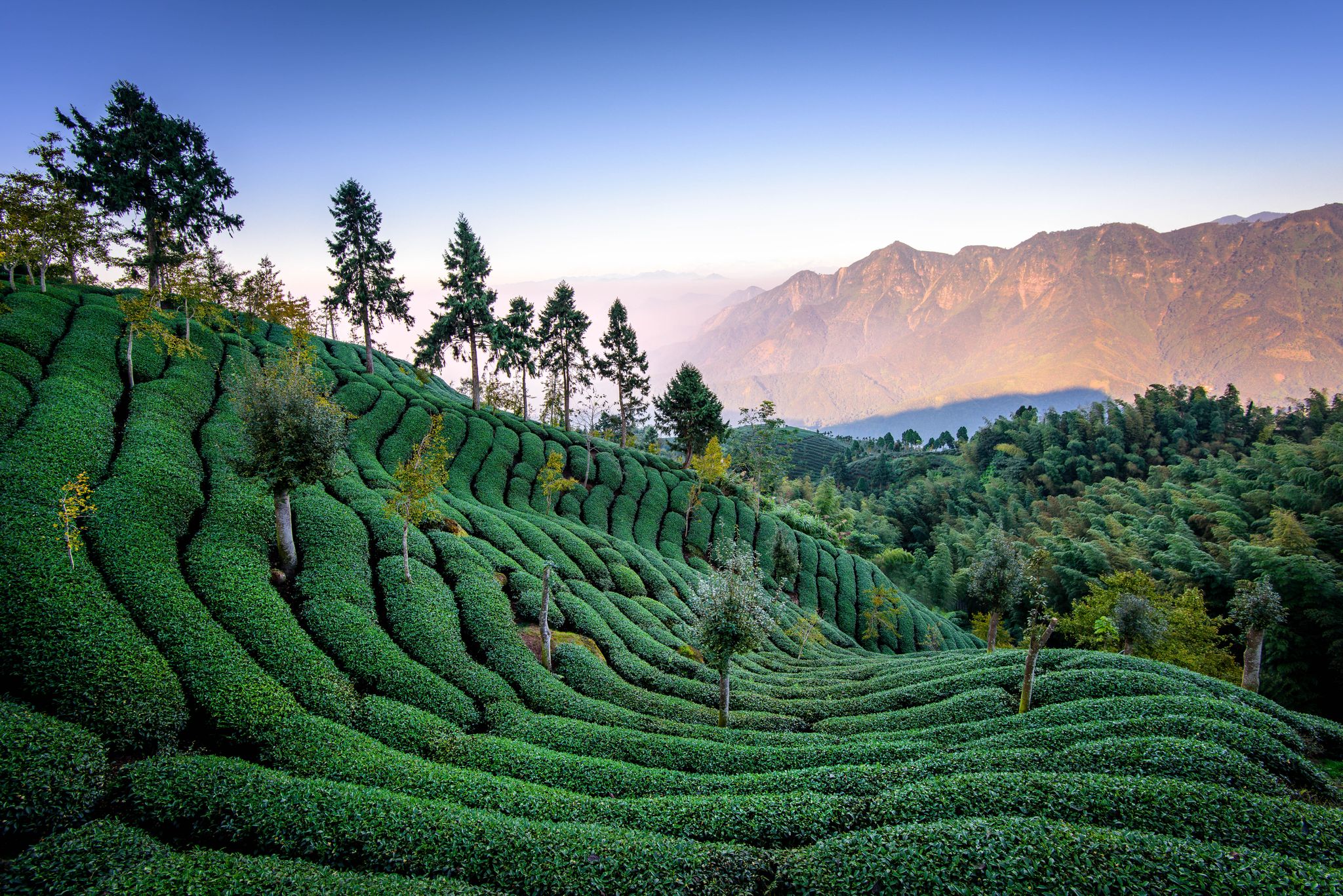
Nature at its best – hiking holidays in Taiwan
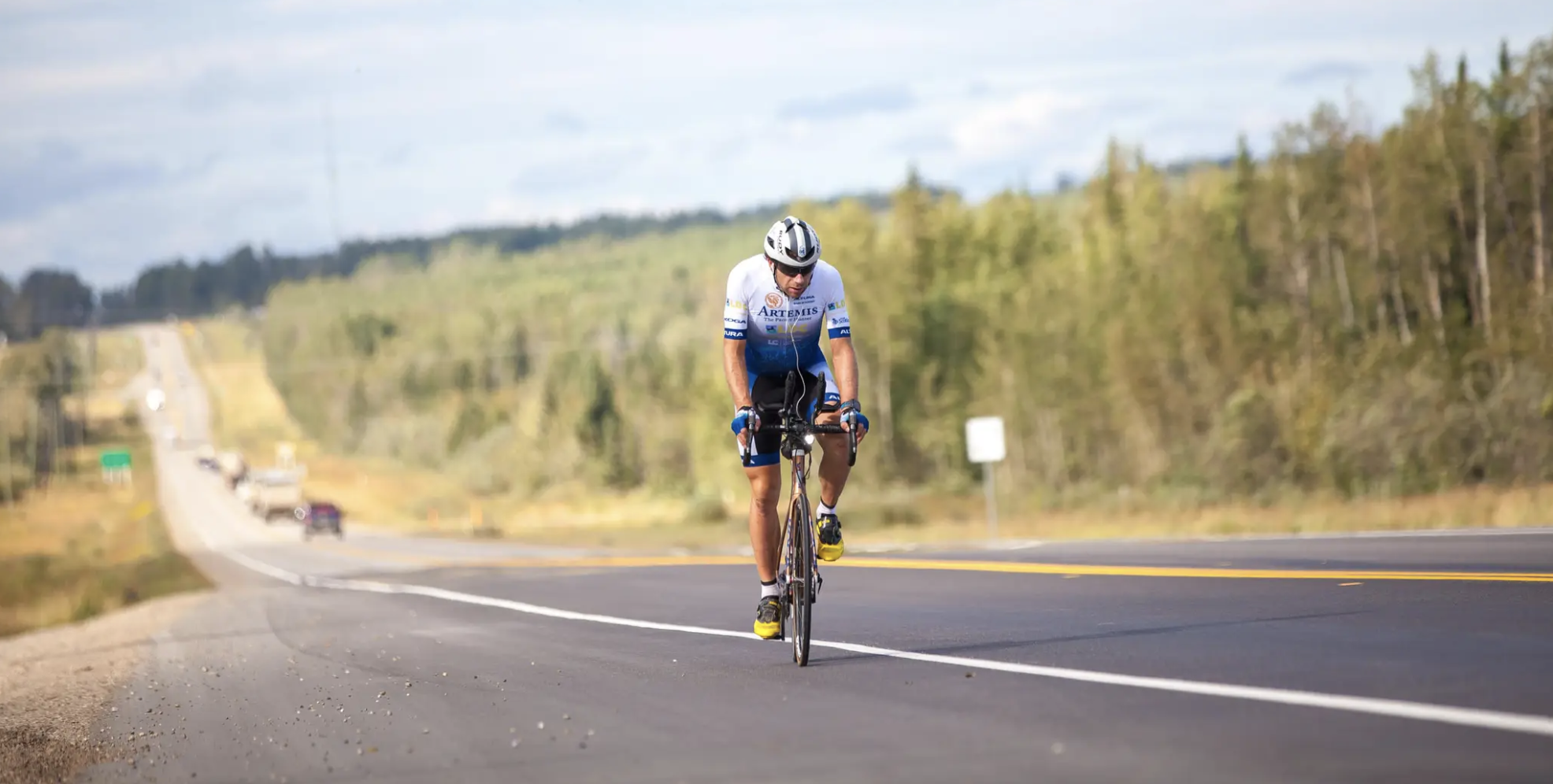
Around the World in 80 Days
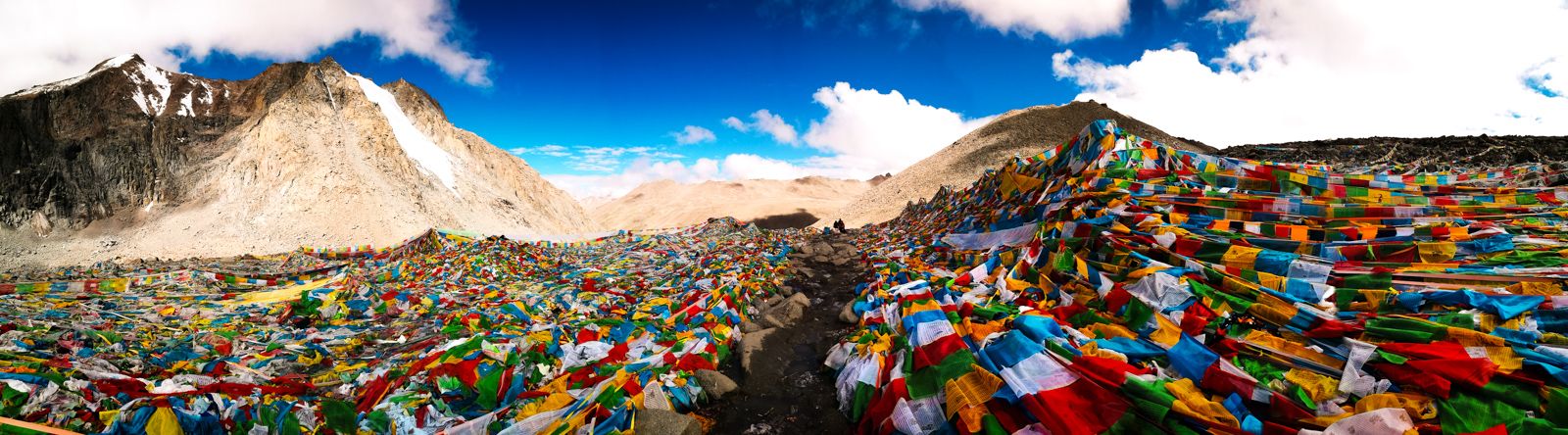
Kailash — trekking on the Path of the Enlightened
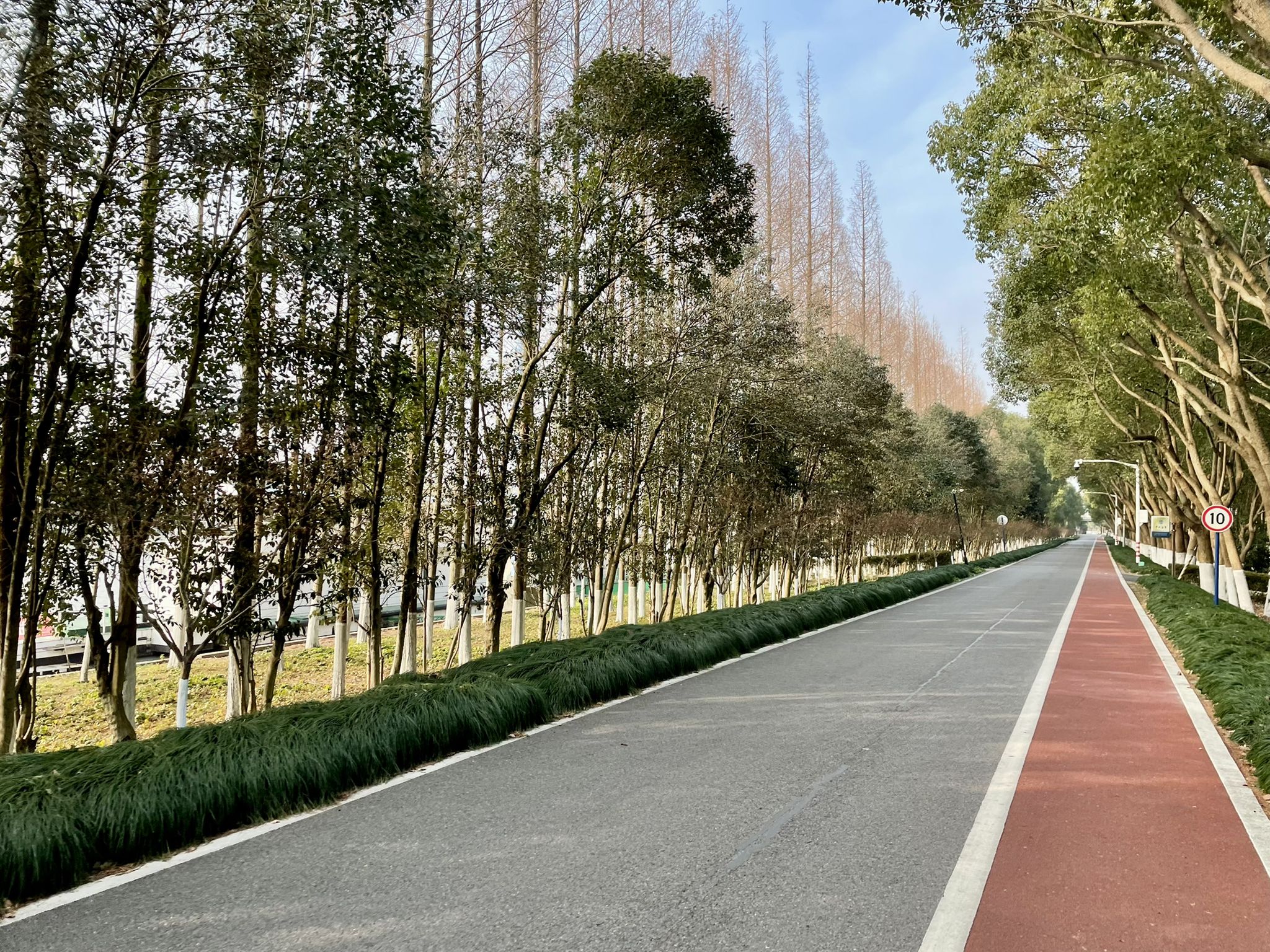
Downtown riding and day tripping — Shanghai's cycling essentials

At the roof of the world — mountain biking in China's Yunnan province
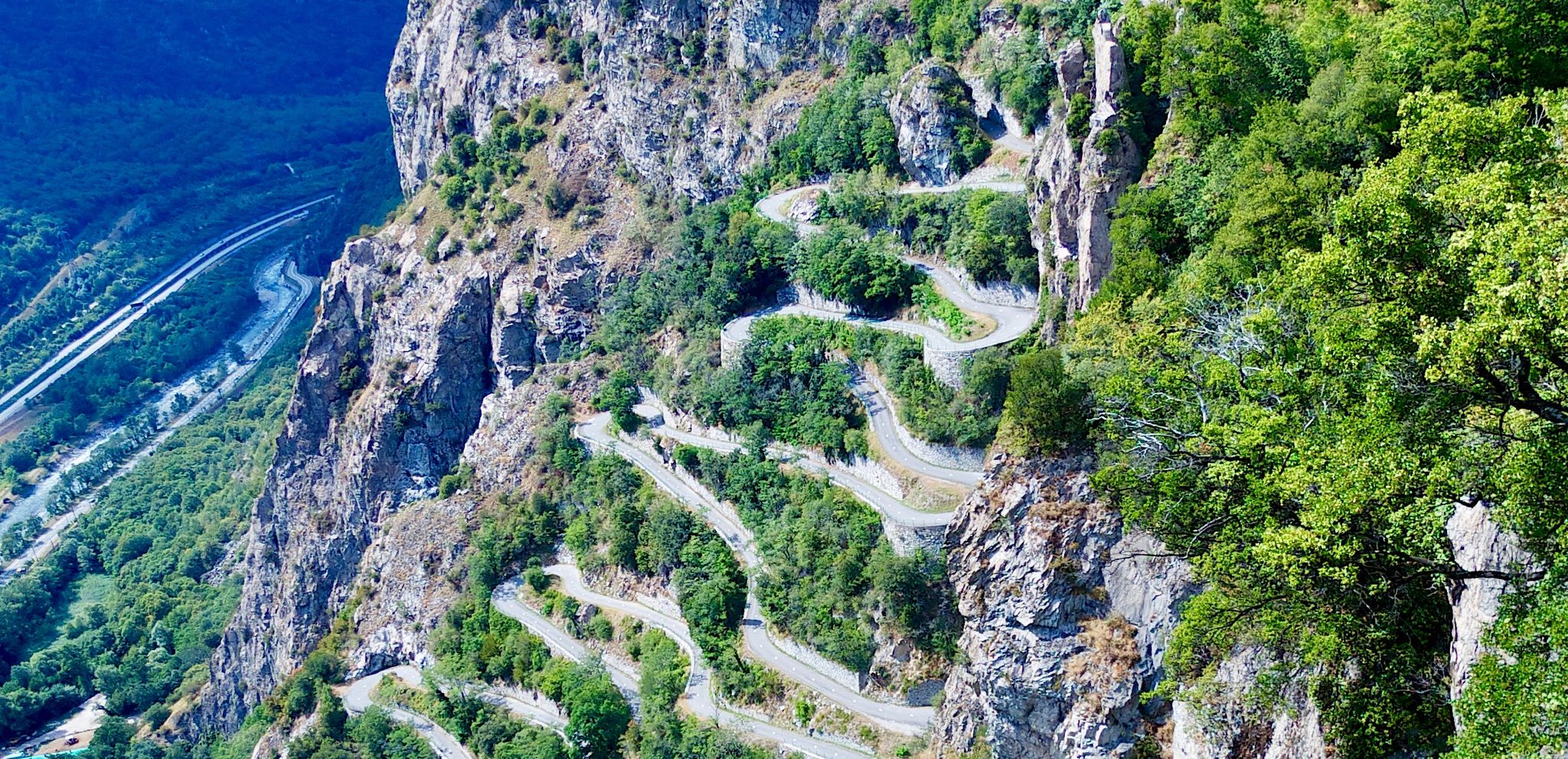
The world's most epic cycling roads
Running Trails in China
Road Cycling Routes in China
Cycling in China
Mountain Hikes in China
Other adventures in China


Tips from the Community

A monkey. He runs from right to left across the road, punching his way between his legs with his fists, pushing himself forward from the asphalt. After a few seconds, he's past me, disappeared from sight, back into the densely growing green forest. I doubt my cognitive abilities. I have to laugh, even though I have no breath to waste. I'm somewhere between sea level and 3,275 meters. I'm in the middle of the most impressive climb I've ever ridden. It's one of the longest any road cyclist can ride: the Wuling Pass in Taiwan. The facts: 3,410 meters of elevation, from zero to 3,275 meters without any significant interruptions. 85 kilometers, from the east coast of Taiwan on the North Pacific through Taroko National Park, through the jungle to the verdant heights of the pass. It's a pass that can't be grasped in the dimensions in which cyclists usually describe their mountain tours. Because what I'm telling you about the Wuling Pass is this: The last 15 kilometers were very tough. That means: 15 kilometers of uphill are just the – hard, hard, hard – finale of the climb. That means: Before that, there were already 70 kilometers of uphill. 85 kilometers alone make the journey worthwhile. Source: Radsport-Rennrad.de
0
0

A great starting point for many beautiful tours! Highly recommended!
2
0

Very easy for mountaineering. Perhaps that is why many people underestimate it. The altitude is tough. The lake below the pass was still covered in deep snow. So we didn't go swimming (swimming is supposed to wash away bad karma) There isn't another teahouse until after the pass. So take plenty of water with you!
1
0
@betty Small correction from a scientist. At 50% oxygen content, everything that is flammable (including us humans, clothing, animals, plants) would immediately start to burn. Up there, the air also has just under 21% oxygen content (the same as at the sea). Only the air pressure is correspondingly lower (or the density is lower) and therefore less oxygen is available with each breath. Therefore, an appropriate breathing technique is very helpful!
1
0

Descent takes at least 75 min (plan with 90 min) so be careful not to miss the last bus leaving at 6 pm!
0
0

20km stretch to the highest road in Taiwan (Wuling) from the Puli site. After Quingjing Farm the road gets quieter, narrower and spectacular. For the full experience time the trip to finish at Songsyue Lodge for warm dinner and overnigh stay at 3100m. (advance booking required).
1
0
The name of the highlight is not very helpful, but this is the famous Taroko Gorge Highway. Amazing climb all the way to Wuling that tops at above 3000m. It is long, but not too steep (until the last section from Dayuling). Make sure to check if the road is opened as landslides are somewhat common. Go early in the morning and remember to look up from the handlebars :)
0
0
Climb out of Yilan on road no. 9. 12km, 4%, steady gradient with amazing views.
0
0
Frequently Asked Questions
What are some historically significant mountain passes in China?
China is home to several mountain passes with deep historical roots. Notable examples include Zijingguan Pass in Hebei Province, a crucial Great Wall defense point; Jianmen Pass in Sichuan, known as the 'world's most impregnable pass' along the ancient Shu Roads; and Yanmen Pass in Shanxi, another strategic Great Wall choke point. Further west, Jiayuguan Pass in Gansu marked the western end of the Great Wall and was vital for the Silk Road. Juyongguan Pass near Beijing also served as a significant barrier against northern invaders.
Which mountain passes offer challenging high-altitude trekking experiences?
For those seeking high-altitude challenges, Dolma La Pass in Tibet is a prime example, reaching 5,630 meters (18,471 feet) as the highest point on the Mt. Kailash Kora pilgrimage route. It offers stunning views but requires careful preparation due to its elevation. In Sichuan, passes like Zimei Pass, part of the Minya Konka Loop, provide a challenging and isolated high-altitude trekking experience amidst majestic peaks.
Are there mountain passes in China known for spectacular views?
Absolutely. Many passes offer breathtaking vistas. Serkhym-la Pass, often visited on overland tours from Sichuan to Tibet, provides spectacular views of Namcha Barwa. The Taipei–Yilan Boundary Park serves as a lookout point between two counties, offering fantastic views after a challenging climb. Additionally, the Taroko Gorge Highway is renowned for its extensive views during its demanding ascent.
What is the best time to visit mountain passes in China?
The best time to visit mountain passes in China largely depends on the region and elevation. Generally, spring (April-May) and autumn (September-October) offer pleasant weather for hiking and sightseeing, with clear skies and moderate temperatures. For high-altitude passes like Dolma La, summer (June-August) might be more accessible, though weather can be unpredictable. For passes like Serkhym-la, October to April is highlighted for optimal views of Namcha Barwa.
What kind of outdoor activities can I do near mountain passes in China?
The mountainous regions around China's passes offer a variety of outdoor activities. You can find numerous hiking opportunities, from easy trails like the Shuangliu National Park Waterfall Trail to more challenging routes such as the Wulai Laka Trail. For cyclists, there are scenic routes like those found in the Cycling in China guide, including riverside paths and city wall loops. Many passes also serve as starting points for longer treks and climbs.
Are there any mountain passes suitable for scenic drives?
Yes, several mountain passes in China are excellent for scenic drives. The road through Yanmen Pass in Shanxi, for instance, is known for its narrow sections, steep slopes, and sharp curves, offering a scenic but challenging drive, especially in winter. The Qingjing Farm to Wuling Pass stretch is described as spectacular, leading to the highest road in Taiwan. The Taipei–Yilan Boundary Park also features an amazing hairpin climb or descent, perfect for a memorable drive.
What are some unique natural features found at China's mountain passes?
China's mountain passes boast diverse natural features. At Tataka Trailhead, you'll find a long, narrow grassland ridge overlooking the massif of Mt. Jade. Jianmen Pass is famous for its incredible natural fortifications, formed by towering cliffs. Zimei Pass is renowned for the 'Sunshine on Gold Mountain' phenomenon, a visually striking event. Many passes also offer panoramic viewpoints and are surrounded by lush forests or dramatic rock formations.
What are the difficulty levels for hiking mountain passes in China?
Hiking difficulty varies significantly across China's mountain passes. Some, like the Tataka Trailhead or TuLingAo Pass, are considered intermediate. Others, such as the Taroko Gorge Highway, Dolma-La Pass, and the Yushan Main Peak Trail, are challenging due to their demanding ascents, high altitudes, or steep terrain. Mount Hua is particularly famous for its treacherous, steep trails.
Are there any mountain passes in China that are part of ancient trade routes?
Yes, several mountain passes in China played crucial roles in ancient trade. Jiayuguan Pass in Gansu was a vital traffic fort along the historic Silk Road, facilitating trade and cultural exchange between East and West. Jianmen Pass was a critical strategic point along the Shu Roads, an ancient system of mountain roads connecting various Chinese provinces, essential for commerce and military movements.
What do visitors enjoy most about mountain passes in China?
Visitors frequently praise the breathtaking scenery and the sense of accomplishment from challenging climbs. Many appreciate the historical significance of passes like Zijingguan and Jianmen, which offer a glimpse into ancient China's military and trade routes. The panoramic views from lookout points such as Taipei–Yilan Boundary Park and the unique natural features like those at Tataka Trailhead are also highly valued. The spiritual journey associated with passes like Dolma-La Pass is also a significant draw for many.
Are there mountain passes in China that are known for their association with the Great Wall?
Indeed. Several mountain passes are integral parts of the Great Wall's defensive system. Zijingguan Pass in Hebei Province is one of the oldest and most majestic passes along the Great Wall. Yanmen Pass in Shanxi is another strategic choke point along the Great Wall, controlling access between valleys. Jiayuguan Pass in Gansu is famously recognized as the first pass at the western end of the Great Wall of China, while Juyongguan Pass was a solid barrier protecting Beijing from northern invaders.
Can I find parking facilities at popular Chinese mountain passes?
Yes, some popular mountain passes offer parking facilities. For example, the Taipei–Yilan Boundary Park has a car park at its summit, making it convenient for visitors arriving by car. For other passes, it's advisable to check specific visitor information as facilities can vary.
Most popular routes in China
Most popular attractions in China

Get inspired with the komoot mobile app


Didn’t find what you were looking for?
Find even more amazing mountain passes in China organized by region:
Explore more
See even more epic mountain passes by checking out these guides in China:
