Top 20 Natural Monuments in Bulgaria
Natural monuments in Bulgaria showcase a diverse landscape, featuring glacial lakes, dramatic rock formations, and ancient caves. The country's terrain includes high mountain peaks, deep gorges, and unique geological structures shaped by millions of years of natural processes. These famous natural landmarks Bulgaria offers provide varied outdoor experiences, from hiking trails to explorations of underground wonders. The region is home to more than 200 natural monuments, making it a popular destination for nature enthusiasts.
Best natural monuments in Bulgaria
- The…
Last updated: August 31, 2026
Musala Peak
Highlight • Summit
Tip by

Boyana Waterfall
Highlight • Waterfall
Tip by

Sign up now to discover places like this
Get recommendations on the best single tracks, peaks, & plenty of other exciting outdoor places.
Sign up for free
Babreka (The Kidney) Lake
Highlight • Lake
Translated by Google •
Tip by

Seven Rila Lakes
Highlight • Lake
The water in all lakes was pure as a drop, but now some lakes grew green :(
Tip by
Vihren Peak
Highlight • Summit
I suggest to climb it from Kazanite and the return back to Vihren hut throught Kabata
Tip by
Boyana Lake
Highlight • Lake
Tip by

Aladzha Monastery Cave Complex
Highlight • Cave
Free parking near the monastery or a lot of really beautiful hiking routes around.
Tip by

Botev Peak
Highlight • Summit
There are various buildings on the summit. There is a huge radio and …
Tip by
Burgas Salt Pans & Mud Baths
Highlight • Structure
Blye is a product of salt harvesting (salt extraction) and contains only inorganic substances – sodium chloride, magnesium, potassium, sulfur, etc. It is obtained after evaporation …
Translated by Google •
Tip by

The Wonderful Bridges
Highlight • Natural Monument
Tip by
Sign up for free to discover even more natural monuments in Bulgaria.
Sign up for free
Already have an account?
Start today with a free account
Your next adventure awaits.
Login or Signup

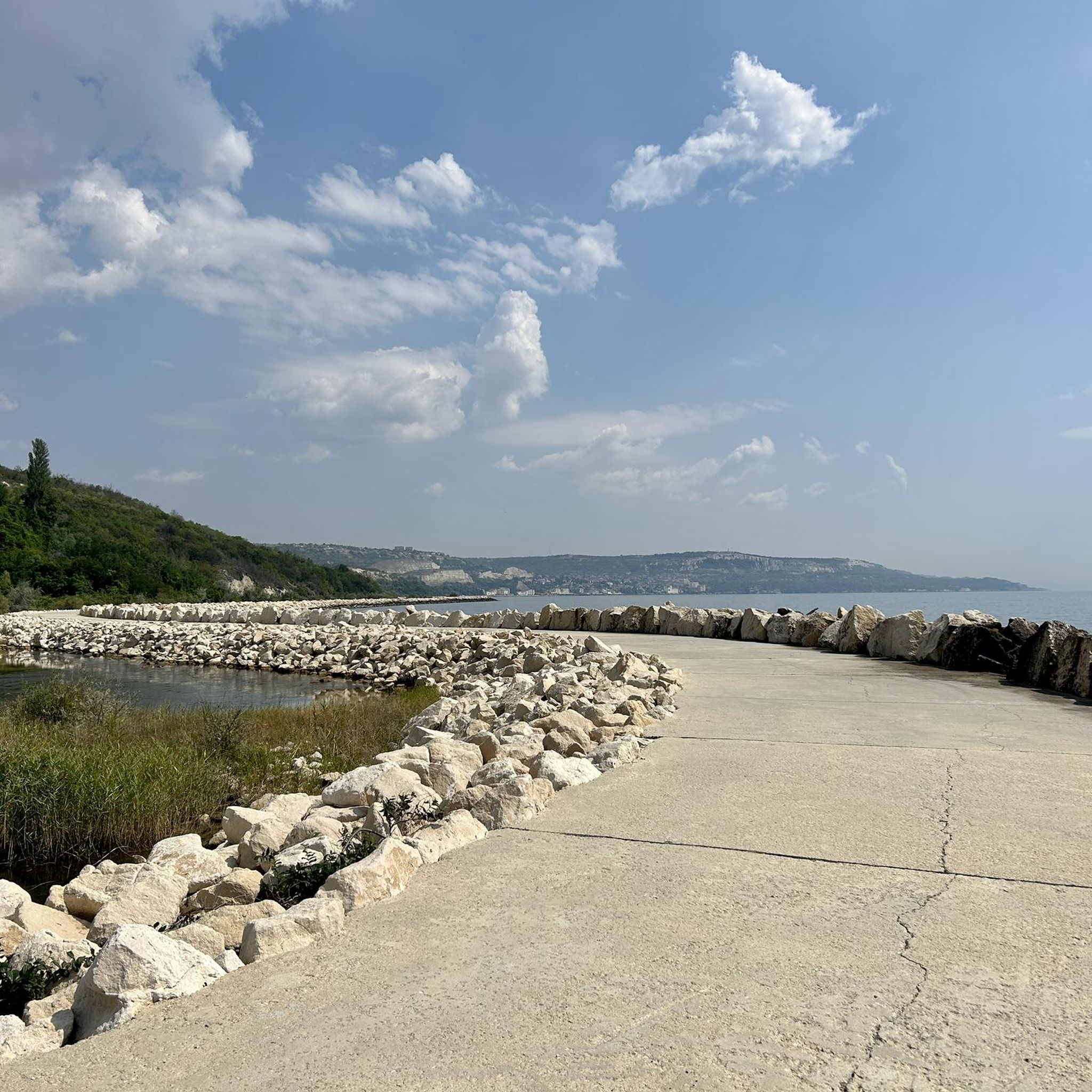
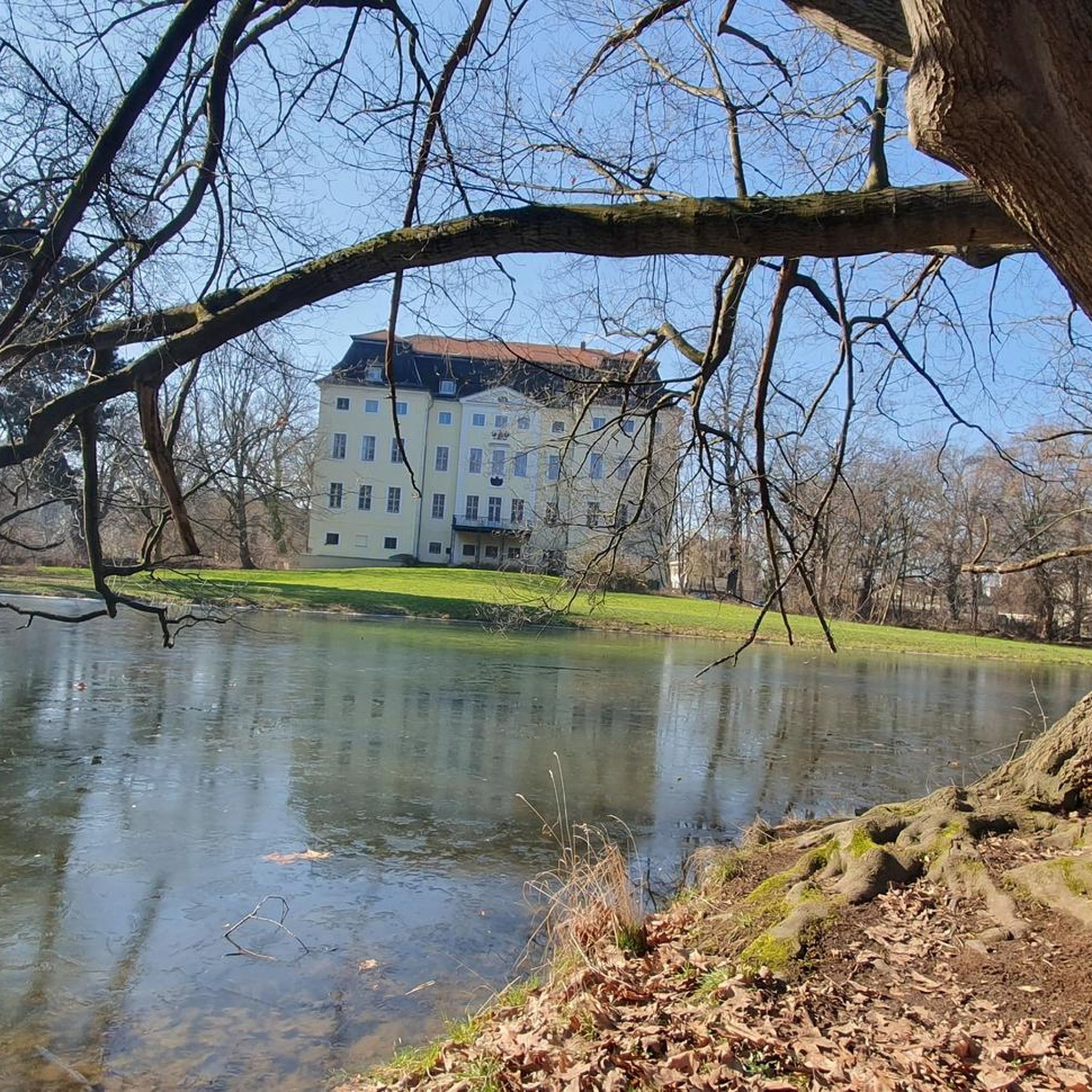

Other adventures in Bulgaria

Tips from the Community

The water mirrors the trees. It’s not dramatic — it’s contemplative. A quiet place to sit, breathe, do nothing.
0
0
If you’re well-conditioned, consider extending your route up to Otovitsa Ridge for incredible views.
0
0

Massages are also offered on the premises near the lye pools.
0
0
BREY AND HEALING MUD Blye is a product of salt harvesting (salt extraction) and contains only inorganic substances – sodium chloride, magnesium, potassium, sulfur, etc. It is obtained after evaporation and concentration of salts in the lake water during the salt extraction process. Black Sea brine has proven medicinal properties – it is used in the treatment and prevention of diseases related to the musculoskeletal system, skin inflammations and wounds, varicose veins, and colds. It is recommended for osteoarthritis, arthritis, tendonitis, discopathy, joint dislocation, and sciatica. It is best not to sit in the brine for more than 20-30 minutes to avoid overloading the heart. It is not recommended for the treatment of skin diseases or for cosmetic purposes. It is contraindicated for the epidermis and subcutaneous tissue. Healing mud is a sedimentary product of the closed salt lake. It is clean and homogeneous, dark gray to black in color and has the odor of hydrogen sulfide from the numerous putrefactive microorganisms. It contains inorganic compounds such as silicates, sand, gypsum, iron and aluminum compounds, various hydroxides, and salts. This composition has been formed for thousands of years by the putrefaction of single-celled organisms, algae, fish, crabs, and mussels. One centimeter of healing mud is formed over a period of at least one year. The essence of the healing mud treatment is a complex effect on the entire peripheral nervous system. Its thermal properties dilate blood vessels and open new capillaries. This reduces swelling and pain, heals and injures scars, and improves metabolic and regenerative processes. In addition to healing, the mud beautifies and rejuvenates, as calcium, iodine, phosphorus, and other minerals pass through the skin. It treats almost the entire spectrum of skin diseases, arthritis, herniated discs, gynecological problems, and plexitis. It is only contraindicated in cases of tuberculosis, sexually transmitted diseases, and malignant diseases. Apply the healing mud to all or part of the body and let it dry in the sun. Do not apply the mud to the heart area. You can apply it to the face, but it is not recommended to apply it to the entire head. Once the mud has dried on the skin, wash it off with seawater.
1
0
BREY AND THERAPY MUD Blye is a product of salt harvesting (salt extraction) and contains only inorganic substances – sodium chloride, magnesium, potassium, sulfur, etc. It is obtained after evaporation and concentration of salts in the lake water during the salt extraction process. Black Sea brine has proven medicinal properties – it is used in the treatment and prevention of diseases related to the musculoskeletal system, skin inflammations and wounds, varicose veins, and colds. It is recommended for osteoarthritis, arthritis, tendonitis, discopathy, joint dislocation, and sciatica. It is best not to sit in the brine for more than 20-30 minutes to avoid overloading the heart. It is not recommended for the treatment of skin diseases or for cosmetic purposes. It is contraindicated for the epidermis and subcutaneous tissue. Therapeutic mud is a sedimentary product of the closed salt lake. It is clean and homogeneous, dark gray to black in color and has the odor of hydrogen sulfide from the numerous putrefactive microorganisms. It contains inorganic compounds such as silicates, sand, gypsum, iron and aluminum compounds, various hydroxides, and salts. This composition has been formed for thousands of years by the putrefaction of single-celled organisms, algae, fish, crabs, and mussels. One centimeter of healing mud is formed over a period of at least one year. The essence of the healing mud treatment is a complex effect on the entire peripheral nervous system. Its thermal properties dilate blood vessels and open new capillaries. This reduces swelling and pain, heals and injures scars, and improves metabolic and regenerative processes. In addition to healing, the mud beautifies and rejuvenates, as calcium, iodine, phosphorus, and other minerals pass through the skin. It treats almost the entire spectrum of skin diseases, arthritis, herniated discs, gynecological problems, and plexitis. It is only contraindicated in cases of tuberculosis, sexually transmitted diseases, and malignant diseases. Apply the healing mud to all or part of the body and let it dry in the sun. Do not apply the mud to the heart area. You can apply it to the face, but it is not recommended to apply it to the entire head. Once the mud has dried on the skin, wash it off with seawater.
1
0

Second highest mountain in Bulgaria, so when the weather is good you can enjoy a very far-reaching view. The section of road between the Banderitsa campsite and the Vihren hut is closed from 8 a.m. to 4 p.m. (one-way street, controlled by the police), so start as early as possible. It is also worth being at the summit around 9 a.m. to 10 a.m., otherwise, depending on the weather, clouds can cover the summit.
1
0

Nice view, but very busy. I found the climb from Yastrebets a bit boring in places: relatively flat at the beginning for about 3km, then uphill through boulders.
0
0
Frequently Asked Questions
What are some of the most unique geological formations to explore in Bulgaria?
Bulgaria boasts several unique geological formations. The Wonderful Bridges in the Rhodope Mountains are spectacular natural rock arches. Near the town of Belogradchik, the Belogradchik Rocks are impressive formations sculpted by millions of years of erosion, resembling various figures and fortresses. Additionally, the Melnik Earth Pyramids and Stobski Pyramids are fascinating hoodoo formations shaped by erosion, offering striking landscapes.
Are there any natural monuments in Bulgaria that are particularly family-friendly?
Yes, several natural monuments are suitable for families. Boyana Lake is categorized as family-friendly and offers a pleasant natural setting. The Krushuna Waterfalls also provide an accessible eco-trail, making it a great option for families, especially during spring when the landscape is vibrant.
What is the best time of year to visit Bulgaria's natural monuments?
The best time to visit many of Bulgaria's natural monuments, especially those with waterfalls like the Krushuna Waterfalls, is during spring when the water flow is at its fullest and the surrounding nature is lush. For alpine lakes and mountain peaks, summer offers the most favorable weather for hiking, though popular spots like Seven Rila Lakes can get crowded. The Melnik Earth Pyramids are a year-round destination.
Are there natural monuments in Bulgaria with historical or cultural significance?
Absolutely. The Aladzha Monastery Cave Complex is a notable example, combining natural cave formations with a historical religious site. The Magura Cave is also significant for its prehistoric rock paintings, dating back over 8,000 years, offering a glimpse into ancient civilizations.
What kind of outdoor activities can I do near the natural monuments in Bulgaria?
Bulgaria's natural monuments are excellent starting points for various outdoor activities. You can find numerous running trails, such as those listed in Running Trails in Bulgaria. For cycling enthusiasts, there are extensive MTB trails detailed in MTB Trails in Bulgaria and gravel biking options in Gravel biking in Bulgaria. Many monuments, like the Seven Rila Lakes, offer engaging hiking experiences.
Which natural monuments offer the most impressive viewpoints?
Many natural monuments in Bulgaria provide breathtaking views. Musala Peak, the highest peak in the Balkans, offers far-reaching vistas. Vihren Peak also provides extensive views when weather conditions are clear. The Belogradchik Rocks are known for their panoramic views of the surrounding landscape, especially from higher points.
Are there any natural monuments that are considered 'hidden gems' or less crowded?
While some popular sites can be crowded, the Krushuna Waterfalls are often described as a hidden gem, particularly popular with locals. Exploring alternative routes to popular peaks, as suggested for Musala Peak, can also lead to less crowded experiences and allow you to enjoy nature more serenely.
What should I know about visiting caves like Prohodna Cave or Devil's Throat Cave?
When visiting caves like Prohodna Cave (known as 'Eyes of God') or Devil's Throat Cave within the Trigrad Gorge, be prepared for unique geological features. Prohodna Cave is famous for its immense scale and two eye-shaped holes in its ceiling. Devil's Throat Cave houses the highest underground waterfall in the Balkans. These caves can be cool and damp, so appropriate clothing and sturdy footwear are recommended. Always check for guided tour availability and safety regulations.
Are there any natural monuments that are particularly challenging to access or require specific preparation?
Summit climbs like Vihren Peak and Botev Peak are considered challenging and require good physical condition and preparation. Weather conditions in the mountains can change dramatically and quickly, so it's crucial to be well-equipped with sufficient water, appropriate clothing, and to start early. Some sections, like parts of the Vihren ascent, may involve steel cables.
Can I find facilities or amenities near Bulgaria's natural monuments?
Amenities vary by location. For example, Burgas Salt Pans & Mud Baths is listed as having facilities. In mountainous areas, you might find huts like Musala Hut, which can offer shelter and basic services. For more remote sites, it's advisable to carry your own supplies. Parking information and nearby cafes/restaurants should be researched for specific locations prior to your visit.
What are the most popular natural monuments in Bulgaria, according to visitor feedback?
Visitors frequently praise the Seven Rila Lakes for their picturesque alpine setting, though they can be very crowded. Musala Peak and Vihren Peak are highly rated for their stunning views. The Boyana Waterfall is also a popular spot, appreciated for its refreshing atmosphere, especially in summer.
Most popular routes in Bulgaria
Most popular attractions in Bulgaria

Get inspired with the komoot mobile app


Didn’t find what you were looking for?
Find even more amazing natural monuments in Bulgaria by checking out the top Highlights region by region:
Explore more
Extend your search for the best caves by checking out these guides of the top ones in Bulgaria:
