Top 20 Natural Monuments in Georgia
Best natural monuments in Georgia showcase a diverse landscape within the Caucasus region. The country features a wide array of geological formations, including caves, canyons, waterfalls, and high mountain peaks. These protected areas offer varied natural features for exploration. Georgia's terrain is shaped by its mountainous geography and river systems, creating unique natural attractions.
Best natural monuments in Georgia
- The most popular natural monuments is Chalaadi Glacier, a natural monument that is located on the southern slopes of the…
Last updated: October 11, 2026
Chalaadi Glacier
Highlight • Natural Monument
Be safe
Tip by

Vardzia Cave Monastery
Highlight (Segment) • Cave
Showing Translation
Tip by

Sign up now to discover places like this
Get recommendations on the best single tracks, peaks, & plenty of other exciting outdoor places.
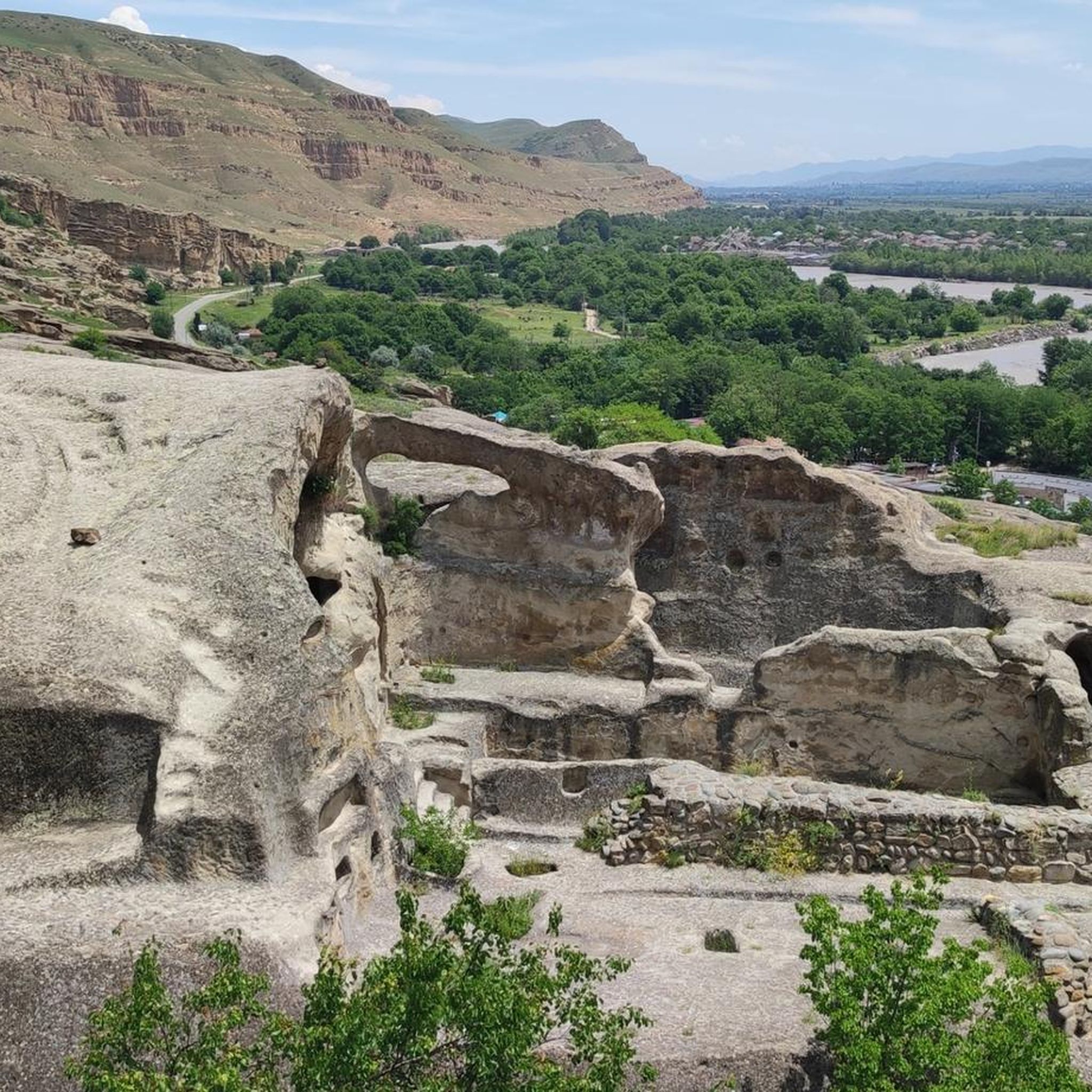
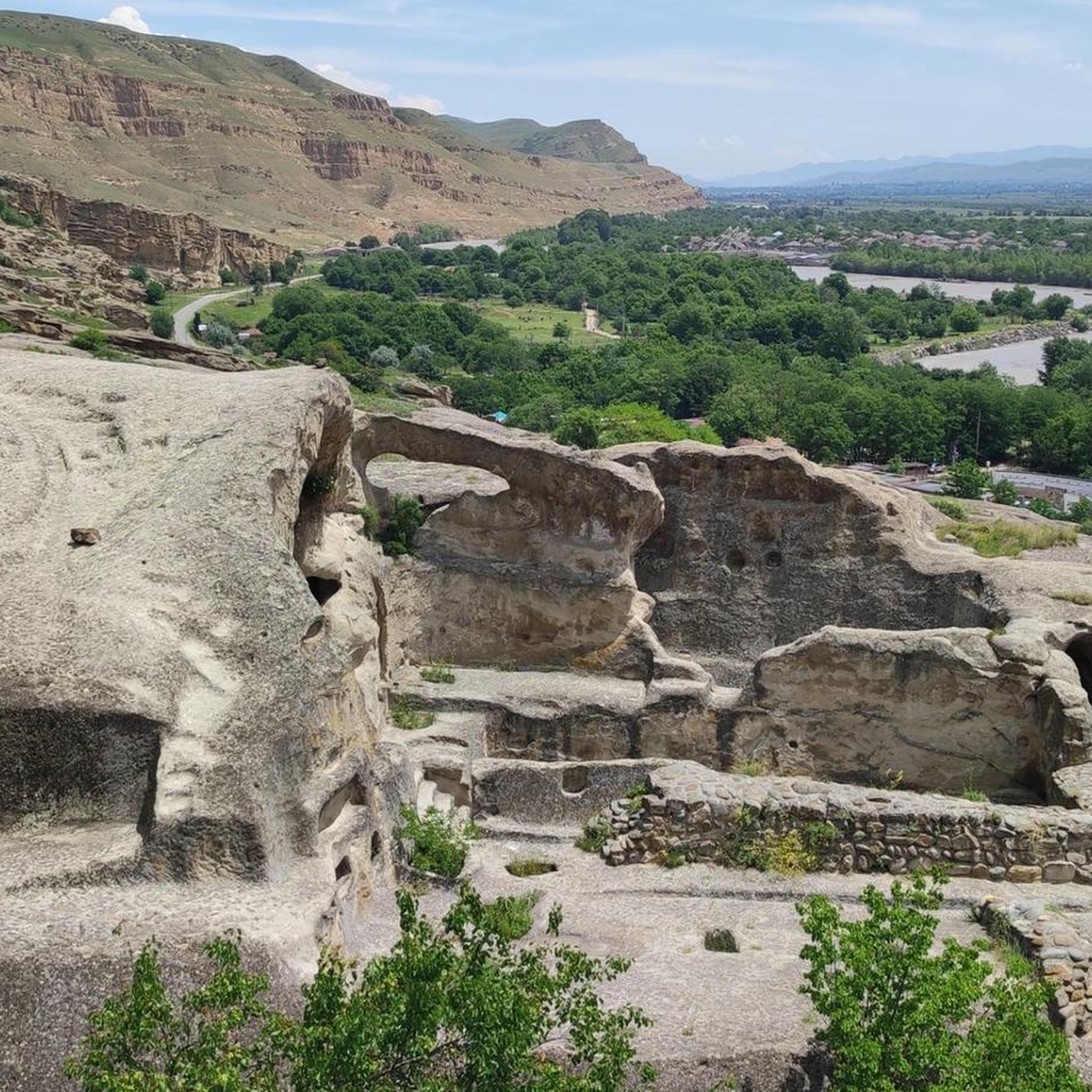
Uplistsikhe Historical-Architectural Museum-Reserve
Highlight • Historical Site
The Uplistsikhe cave …
Tip by

Katskhi Pillar
Highlight • Natural Monument
Translated by Google •
Tip by

Zundagi Waterfall
Highlight • Waterfall
Tip by

Birtvisi Canyon
Highlight • Canyon
Translated by Google •
Tip by

Travertine Terraces of Truso Valley
Highlight • Natural Monument
Tip by

Borjomi Central Park
Highlight • Rest Area
Translated by Google •
Tip by

Mineral Spring and Pond in Truso Valley
Highlight • Natural Monument
Tip by

Mount Tetnuldi
Highlight • Summit
The Tetnuldi is …
Translated by Google •
Tip by

Sign up for free to discover even more natural monuments in Georgia.
Already have an account?
Start today with a free account
Your next adventure awaits.
Popular around Georgia
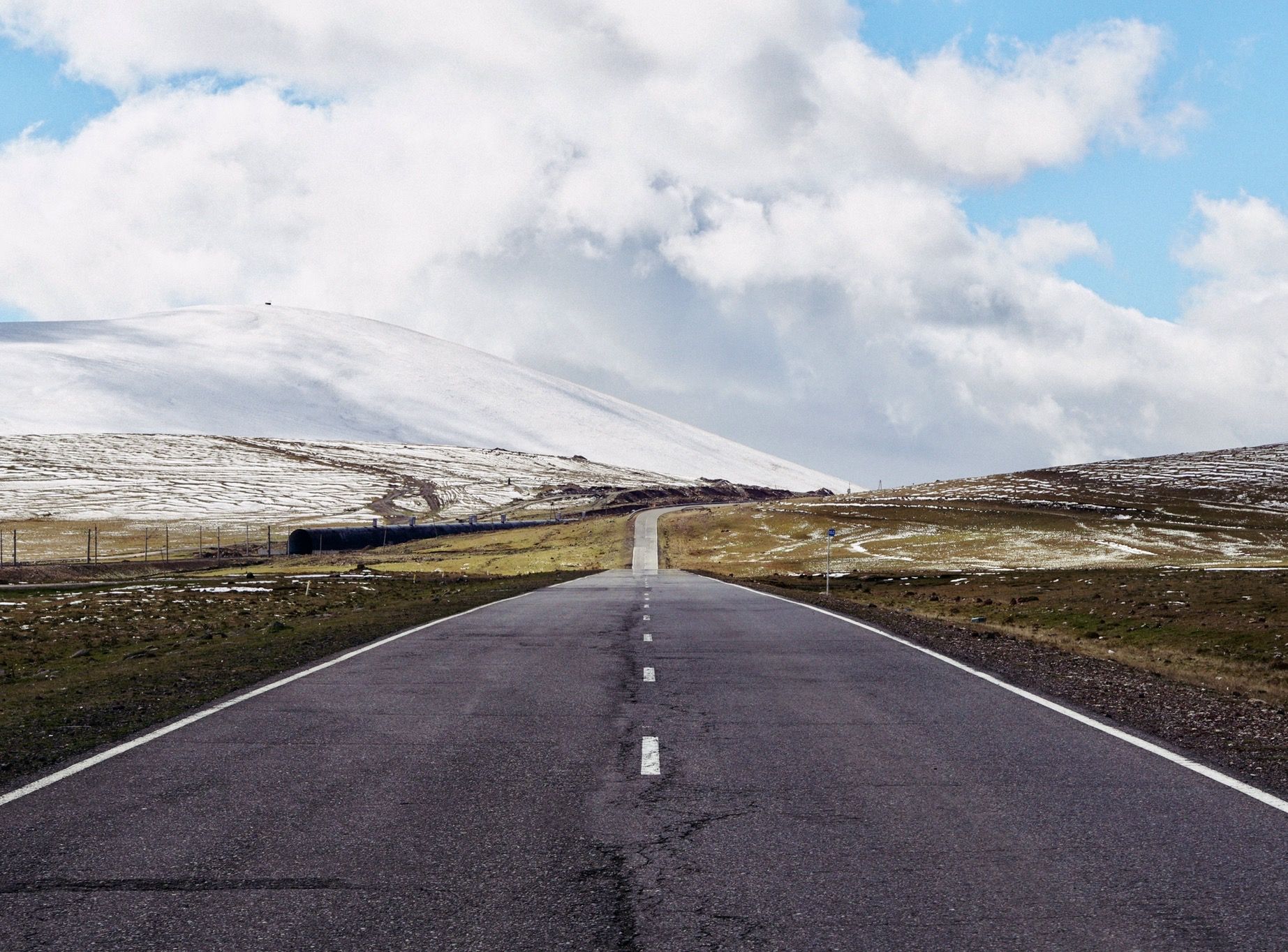
On the crossroads of civilisation – Georgia, mountains to coast
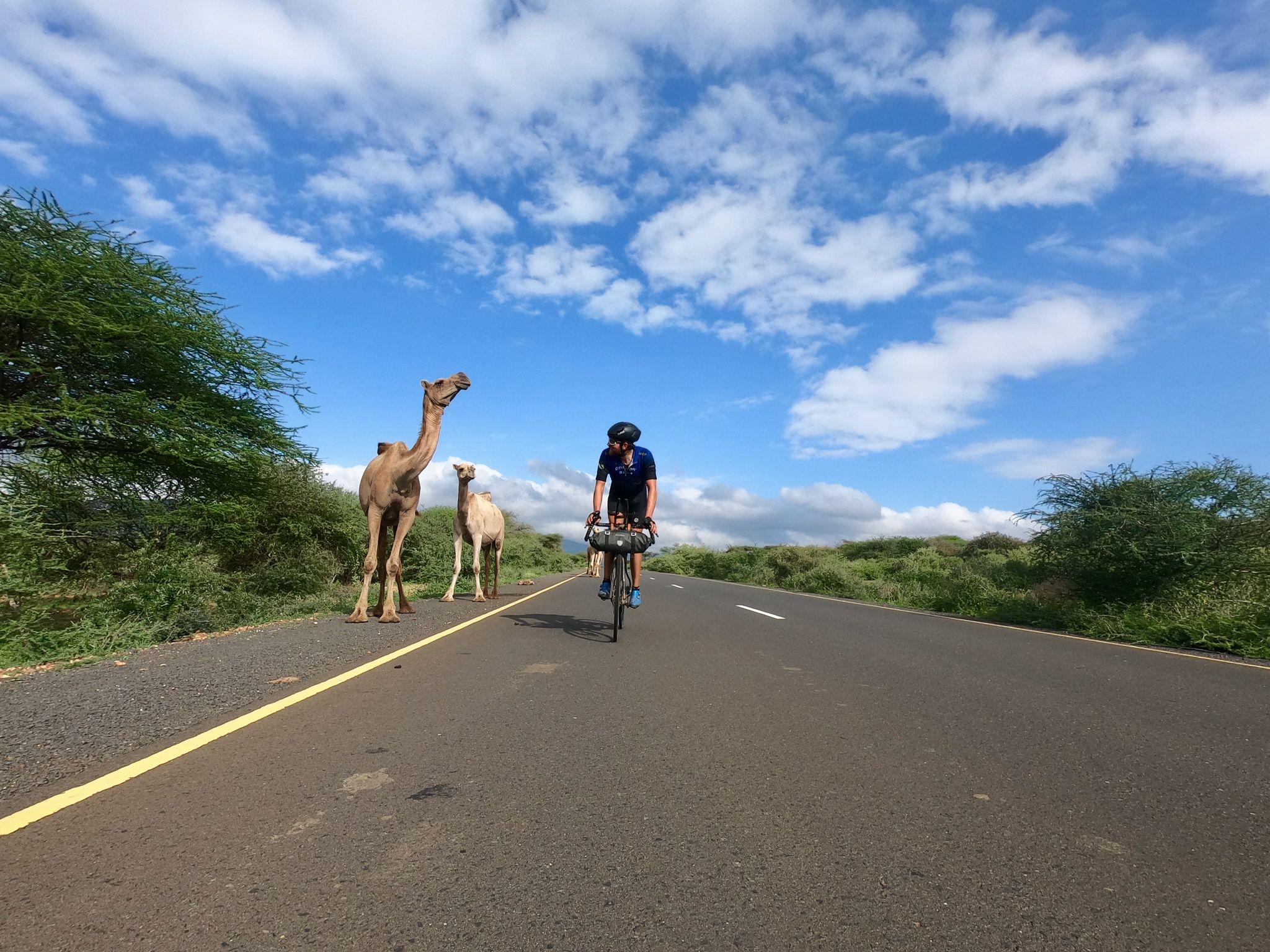
Cape to Cape Challenge – 18,000km in 73 days
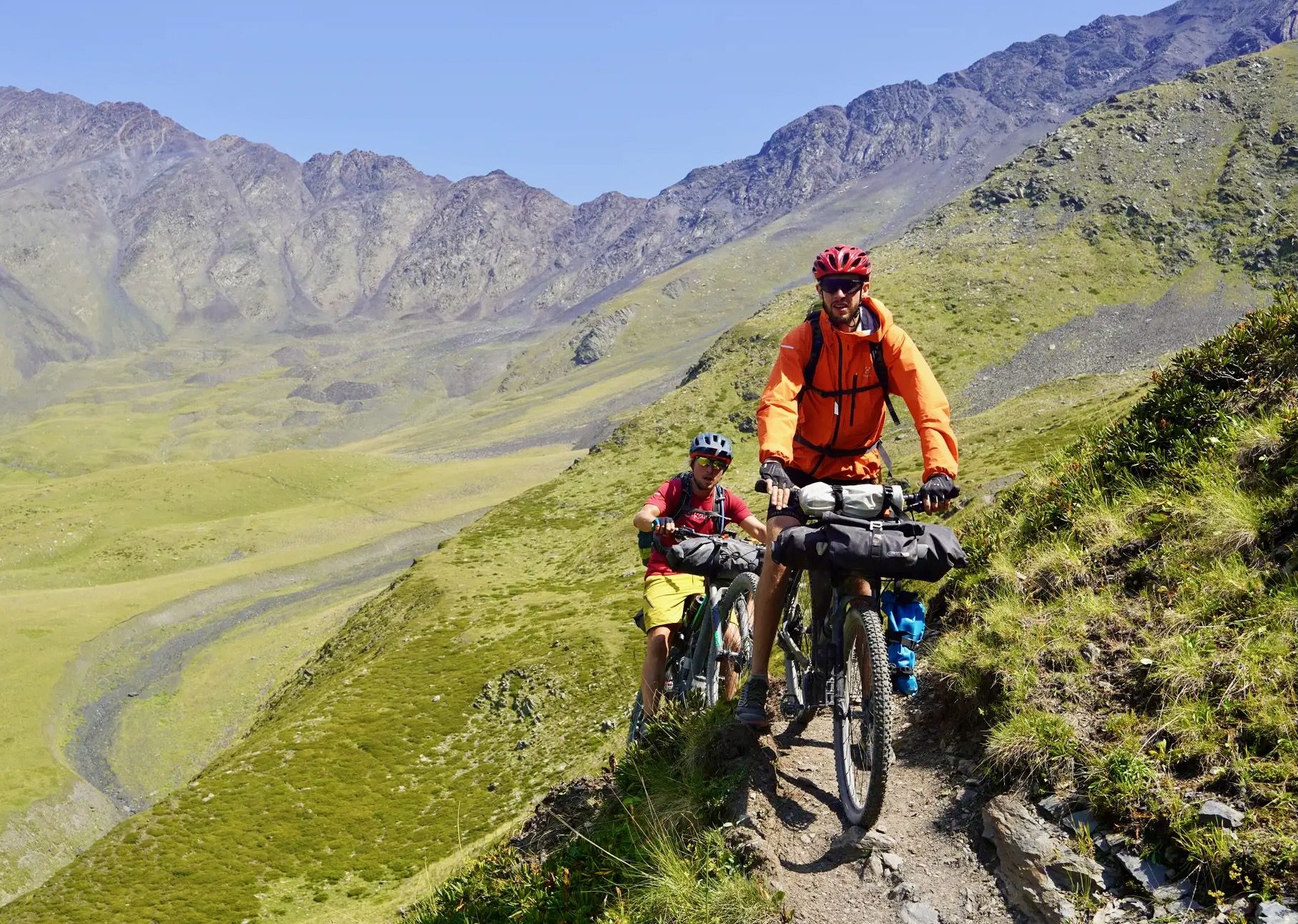
Georgia’s Caucasus Crossing
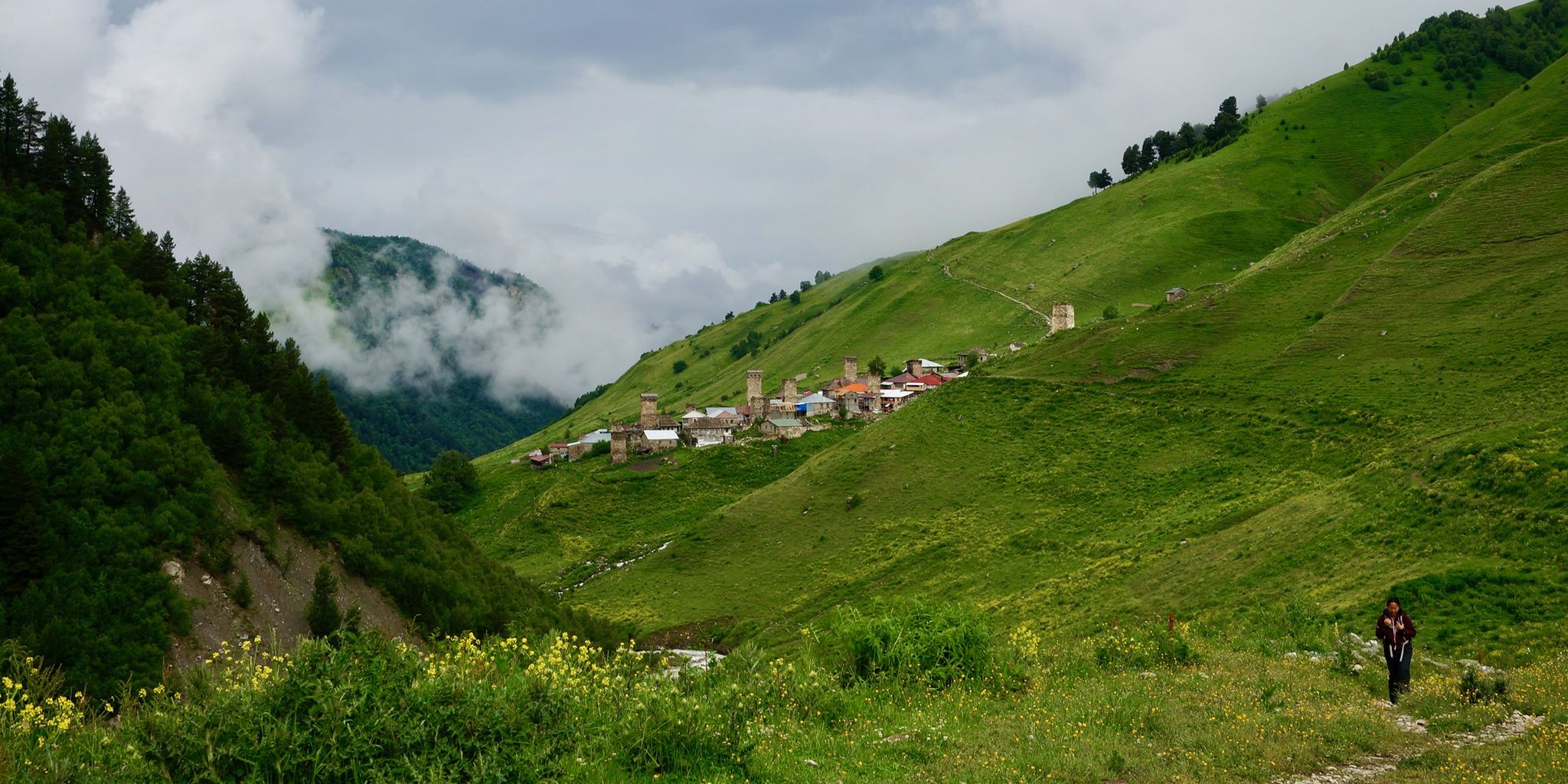
The mighty Caucasus Mountains – 4-day trek in Georgia
Hiking in Georgia
Running Trails in Georgia
Road Cycling Routes in Georgia
Cycling in Georgia

Mountain Hikes in Georgia
MTB Trails in Georgia
Other adventures in Georgia


Tips from the Community

Travertine is the rock from which the entire Sacré-Coeur in Paris is built. A bit more technically: a limestone formed by the precipitation of lime from calcium carbonate-supersaturated water from hot springs. ... but don't just think of white, but also of the red and orange traces left by mineral springs. This is the case in Keteresi and Abano, two almost abandoned villages, a little further down the valley, among others.
2
0
Katskhipilaar", a 35-meter high pillar-shaped rock with a surface area of approximately 150m², on which stands a small church (4.5m x 3.5m), a tomb, three hermit cells, a wine cellar, and a ring wall. Everything was rebuilt based on the ruins, as found by the first ones who climbed and explored the rock (only in 1944!). A skeleton was also found at that time, that of a hermit, as it is certain that the place was a hermitage (inhabited by so-called 'Stylites'), possibly from the 9th to the 13th century. At the foot of the rock stands a second, equally small church, dedicated to Simeon the Stylite. A very special phenomenon.
2
0


From the town of Mestia, head upstream along the Mestiachala river, which flows through Mestia itself, until you reach a tributary, the Chalaadi river. The Chalaadi river is named after the glacier from which it flows. Now, all you need to do is cross a footbridge over the water and continue upstream. Expect the journey from Mestia to the glacier to take approx. 3 hours on foot.
0
0
Chalaadi Glacier (Georgia) Do you want to visit pristine mountain nature and admire the beauty of a breathtaking landscape? Head north of Georgia, to the Svaneti region.
0
0

We started the walk from the village of Mestia and also walked back, although I would recommend taking a bus at least to cover the 4-5 km of road to where the dirt track begins. From the bridge onward, everything is more entertaining and enjoyable.
0
0

Beautiful and powerful waterfall with interesting road to it. The ideal time to start the route: around 11 am, to be at the waterfall by 2 pm, when the sun reaches it and illuminates it) The climb from the village of Dologani will not be easy, in some places there are bushes, but without thorns, quite a steep climb, but with excellent views. The path to the waterfall itself is also quite difficult and slippery, in some places littered with trees, you need poles and shoes with good grip. It is better to stop for a snack before the final descent to the lower waterfall, in the sun, when you see on the opposite side of the valley beautiful stone cliffs overgrown with greenery, high cliffs and a distant waterfall at the top (it is generally unlikely to approach it, but there is something to admire). At the Zundagi waterfall, where the trail will lead, you can go down a little further along the stream, there will be an excellent pool for swimming in the summer, as well as gorgeous views along the stream of huge boulders the size of a three-story house and a river running between them. The descent to the village of Zundagi is easy and pleasant)
2
0

Stunning views of the glacier. Access is simple.
0
0
Frequently Asked Questions
What types of natural monuments can I explore in Georgia?
Georgia offers a diverse range of natural monuments, including impressive caves like Prometheus Cave and Sataplia Cave (known for dinosaur footprints), dramatic canyons such as Okatse Canyon and Martvili Canyons, and stunning waterfalls like Kinchkha Waterfall and Leghvtakhevi Waterfall. You can also find high mountain peaks like Mount Kazbegi and Mount Tetnuldi, unique rock formations, and mineral springs such as the Mineral Spring and Pond in Truso Valley.
Are there family-friendly natural monuments in Georgia?
Yes, several natural monuments are suitable for families. Borjomi Central Park is a great option, featuring mineral water springs, a cable car, and children's amusement rides. Sataplia Cave, with its dinosaur footprints and museum, also offers an engaging experience for all ages. Additionally, Leghvtakhevi Waterfall and Martvili Canyon Waterfalls are generally accessible and enjoyable for families.
What are some of the most unique geological features to see?
Georgia is home to several unique geological formations. Prometheus Cave near Tskaltubo is notable for its extensive stalactites and stalagmites, and an underground boat trip. The Chalaadi Glacier is unique as the only glacier extending into a forest zone. The Katskhi Pillar is a striking 45-meter rock mass with a monastery atop, formed by tectonic shifts. You can also find petrified forests, such as Goderdzi Petrified Forest Natural Monument, and the distinctive Truso Travertines.
Can I find historical or cultural sites alongside natural monuments?
Yes, Georgia's landscape often blends natural beauty with historical significance. The Uplistsikhe Historical-Architectural Museum-Reserve is a prime example, combining ancient cave dwellings with natural formations. Mutso Fortress is another historical site nestled within a natural monument, offering both cultural insight and scenic views. The Gergeti Trinity Church, perched on a hillside, provides a historical vantage point overlooking Mount Kazbegi.
What outdoor activities can I do near Georgia's natural monuments?
Many natural monuments in Georgia offer opportunities for outdoor activities. You can find numerous hiking trails, from easy walks to challenging climbs. For specific routes, explore the Waterfall hikes in Georgia guide. Cycling enthusiasts can find routes in the Cycling in Georgia guide, and mountain biking trails are available in the MTB Trails in Georgia guide. Activities like exploring caves, boat trips in canyons, and rock climbing in areas like Birtvisi Canyon are also popular.
What is the best time of year to visit natural monuments in Georgia?
The best time to visit Georgia's natural monuments largely depends on the specific site and activity. Spring (April-May) and autumn (September-October) generally offer pleasant weather for hiking and exploring canyons and waterfalls. Waterfalls like Makhuntseti are particularly impressive in early spring. For high-altitude sites like glaciers and mountain peaks, summer (June-August) is usually ideal due to warmer temperatures and less snow, though caution is always advised near glaciers like Chalaadi Glacier due to falling rocks.
Are there any natural monuments that are particularly challenging to access?
Some natural monuments in Georgia are more challenging to access, catering to experienced adventurers. Birtvisi Canyon, for instance, features unmarked paths and requires navigation skills. Krubera Cave (Veryovkina Cave) in Abkhazia is renowned as the deepest cave on Earth and is exclusively for serious speleologists due to its extreme difficulty. High mountain peaks like Mount Tetnuldi also present challenging climbs.
What should I pack for a trip to Georgia's natural monuments?
When visiting Georgia's natural monuments, it's advisable to pack layers of clothing suitable for varying weather conditions, especially if exploring mountainous or cave areas. Sturdy hiking boots are essential for most trails. Depending on your activity, consider bringing rain gear, sun protection, a hat, and plenty of water. For cave explorations, a headlamp might be useful, though some popular caves like Prometheus Cave are well-lit. Always check specific requirements for each site.
What do visitors enjoy most about Georgia's natural monuments?
Visitors frequently praise the breathtaking scenery and the diverse natural beauty of Georgia. Many appreciate the opportunity for adventure, from exploring deep caves and canyons to hiking challenging mountain trails. The unique geological formations, such as the mineral springs in Truso Valley, and the chance to witness untouched wild nature are also highly valued. The blend of natural wonders with historical sites, like Uplistsikhe, adds another layer of enjoyment for many.
Can I find natural monuments with water features like lakes or rivers?
Absolutely. Georgia's natural monuments include numerous water features. The Mineral Spring and Pond in Truso Valley features a small mineral lake. Other notable lakes include Abano Mineral Lake, known for its bubbling carbon dioxide, and the picturesque Tobavarchkhili Lake (Silver Lake) in Samegrelo – Zemo Svaneti. Many canyons, such as Martvili Canyons, are carved by rivers and feature waterfalls, offering opportunities for boat trips and swimming in designated areas.
Are there any natural monuments where I can spot wildlife?
While specific wildlife sightings can vary, many of Georgia's protected natural monument areas are rich in biodiversity. The diverse ecosystems, from high mountains to dense forests and river valleys, provide habitats for various species. Areas like Sataplia Cave are known for their paleontological significance, including dinosaur footprints. Exploring less-trafficked trails in canyons like Okatse Canyon or the vicinity of mountain ranges can increase your chances of observing local flora and fauna.
Most popular routes in Georgia
Most popular attractions in Georgia

Get inspired with the komoot mobile app


Didn’t find what you were looking for?
Find even more amazing natural monuments in Georgia by checking out the top Highlights region by region:
Explore more
Extend your search for the best caves by checking out these guides of the top ones in Georgia:
