Top 20 Natural Monuments around Bad Waltersdorf
Natural monuments around Bad Waltersdorf are situated in Eastern Styria, an area characterized by gentle hills, forests, and meadows. The region offers a landscape that combines natural beauty with a focus on health and relaxation. Visitors can explore various natural attractions, from ancient trees to significant wetlands. These natural settings provide opportunities for outdoor activities and appreciation of local biodiversity.
Best natural monuments around Bad Waltersdorf
- The most popular natural monuments is Thousand-Year-Old Oak, a natural monument that is…
Last updated: June 24, 2026
Thousand-Year-Old Oak
Highlight • Natural Monument
Translated by Google •
Tip by

Hartberger Gmoos
Highlight • Natural
Translated by Google •
Tip by

Sign up now to discover places like this
Get recommendations on the best single tracks, peaks, & plenty of other exciting outdoor places.
Sign up for free
Großhart Natural Pond
Highlight (Segment) • Lake
Translated by Google •
Tip by

Bierbaumer Oak
Highlight • Natural Monument
Translated by Google •
Tip by
Maria Brunn Forest Grotto
Highlight • Religious Site
This mystical Bründl, dedicated to St. Mary, invites you to linger and pause.
Translated by Google •
Tip by

Sign up for free to discover even more natural monuments around Bad Waltersdorf.
Sign up for free
Already have an account?
Start today with a free account
Your next adventure awaits.
Login or Signup
Popular around Bad Waltersdorf
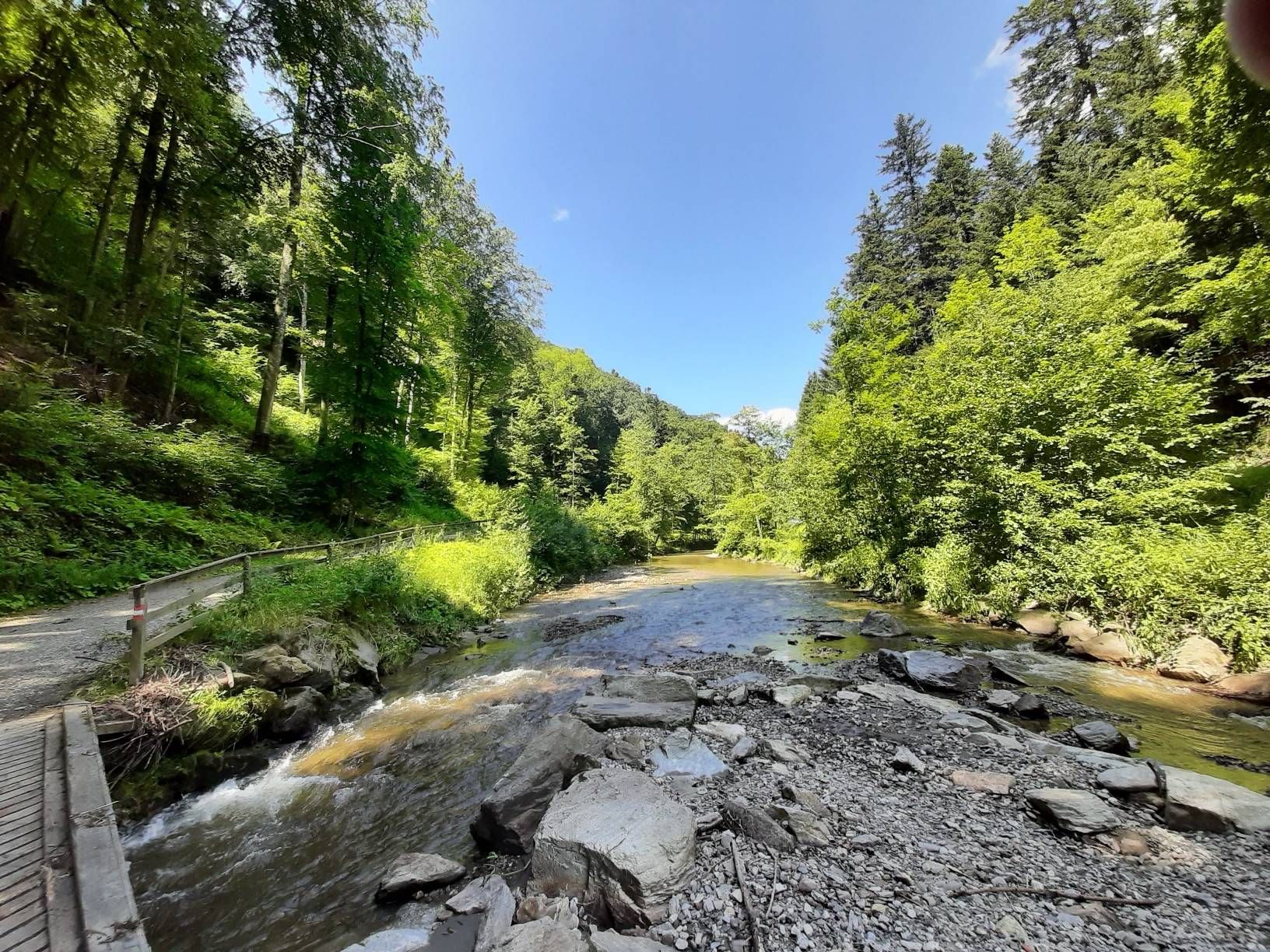
The Styrian Wine Country Cycle Trail – exploring Austria's wine culture
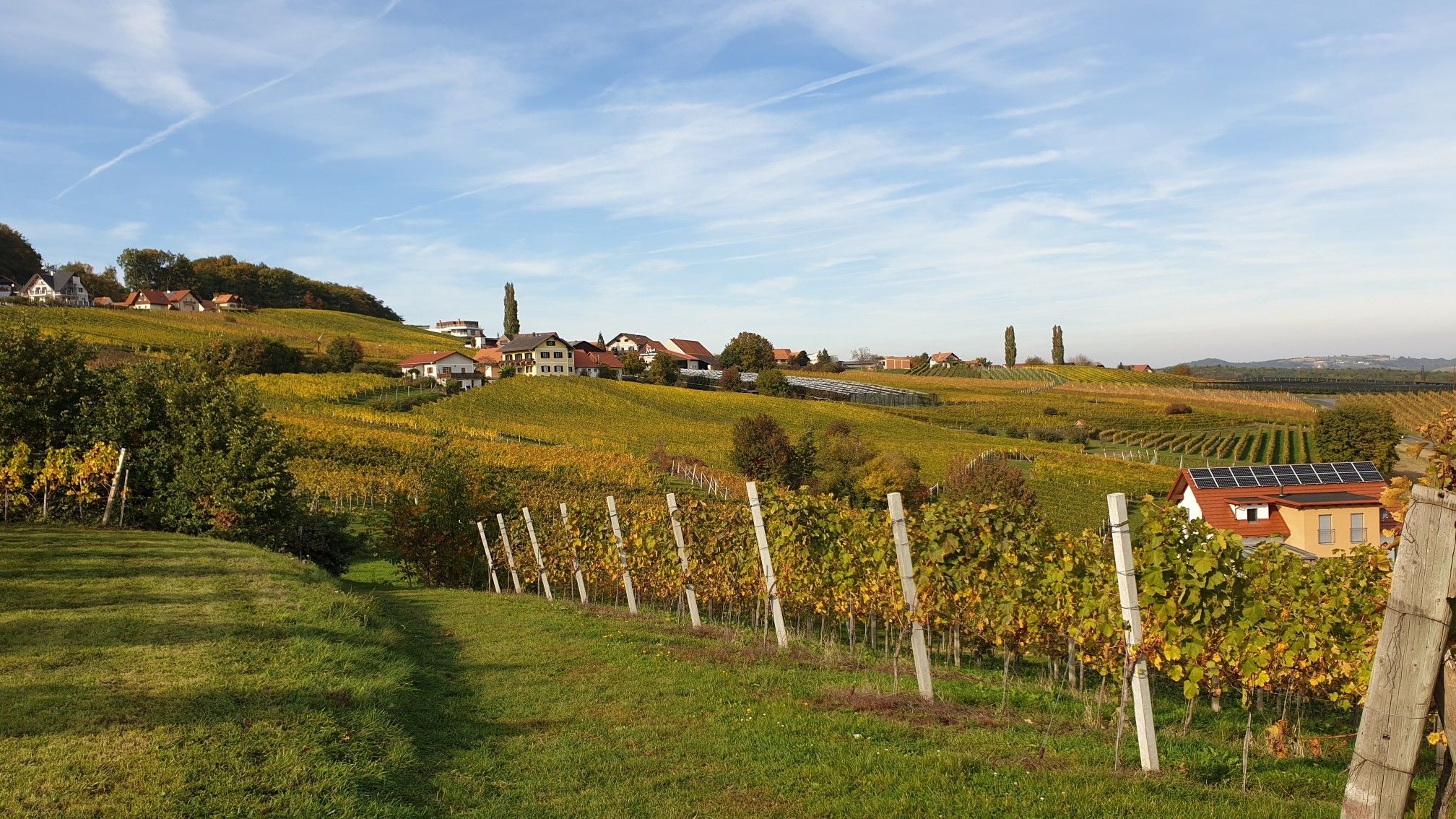
Hiking in Eastern Austria – Culinary delights, culture and charm
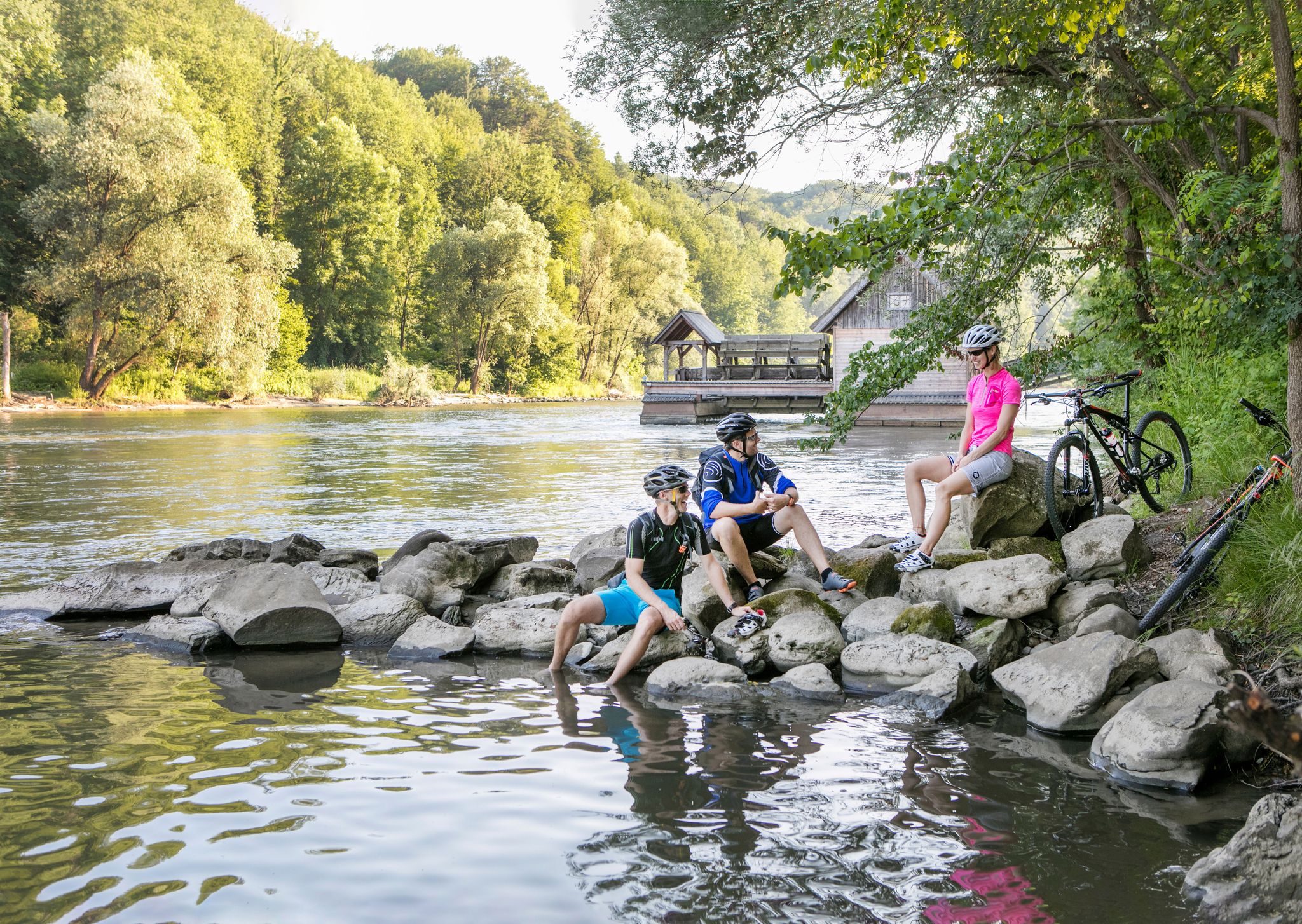
Cycle through thermal and volcanic countryside in Austria’s Styria
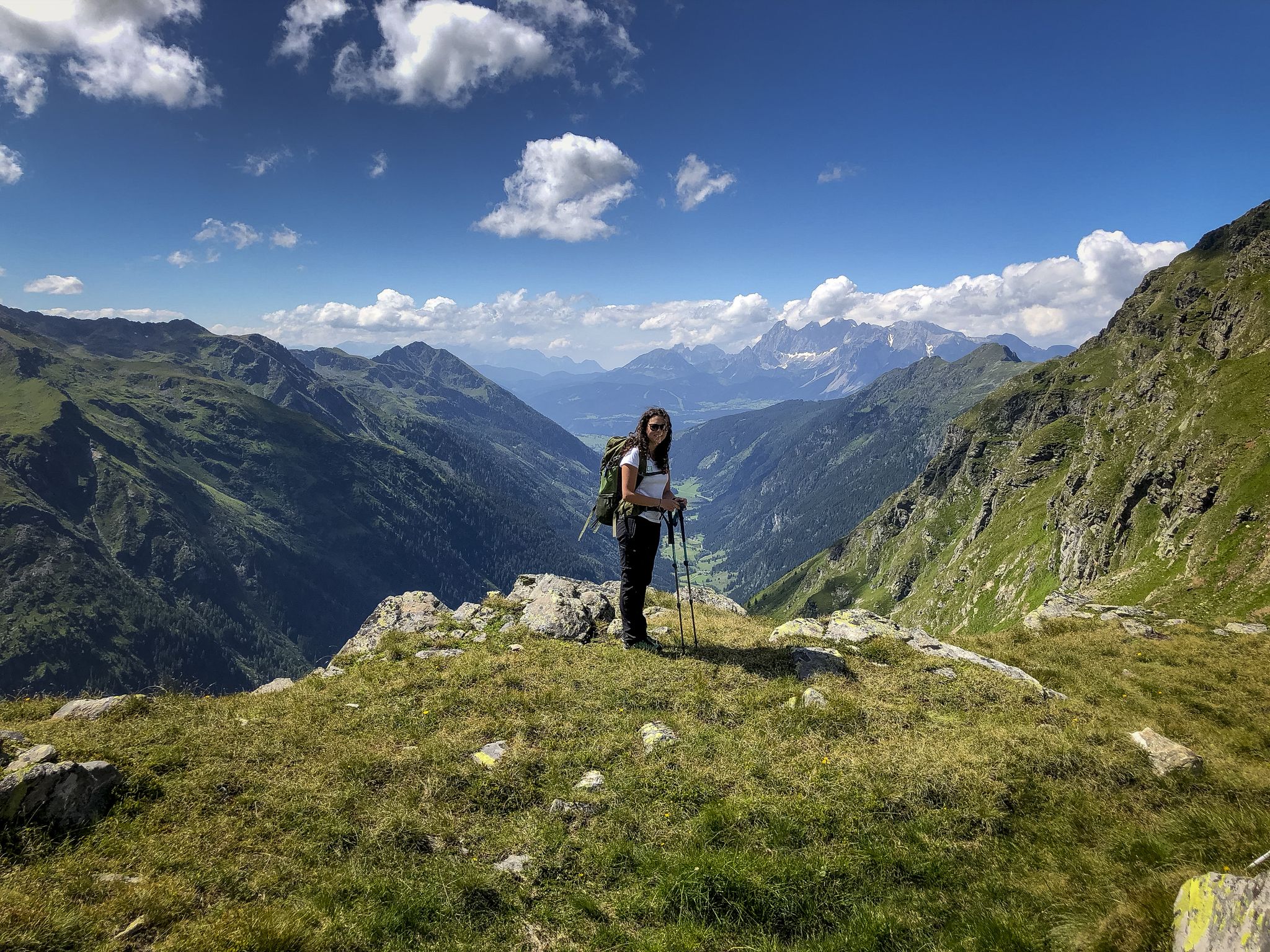
Discover Styria in Austria on foot – ‘From Glacier to Wine’ North Route
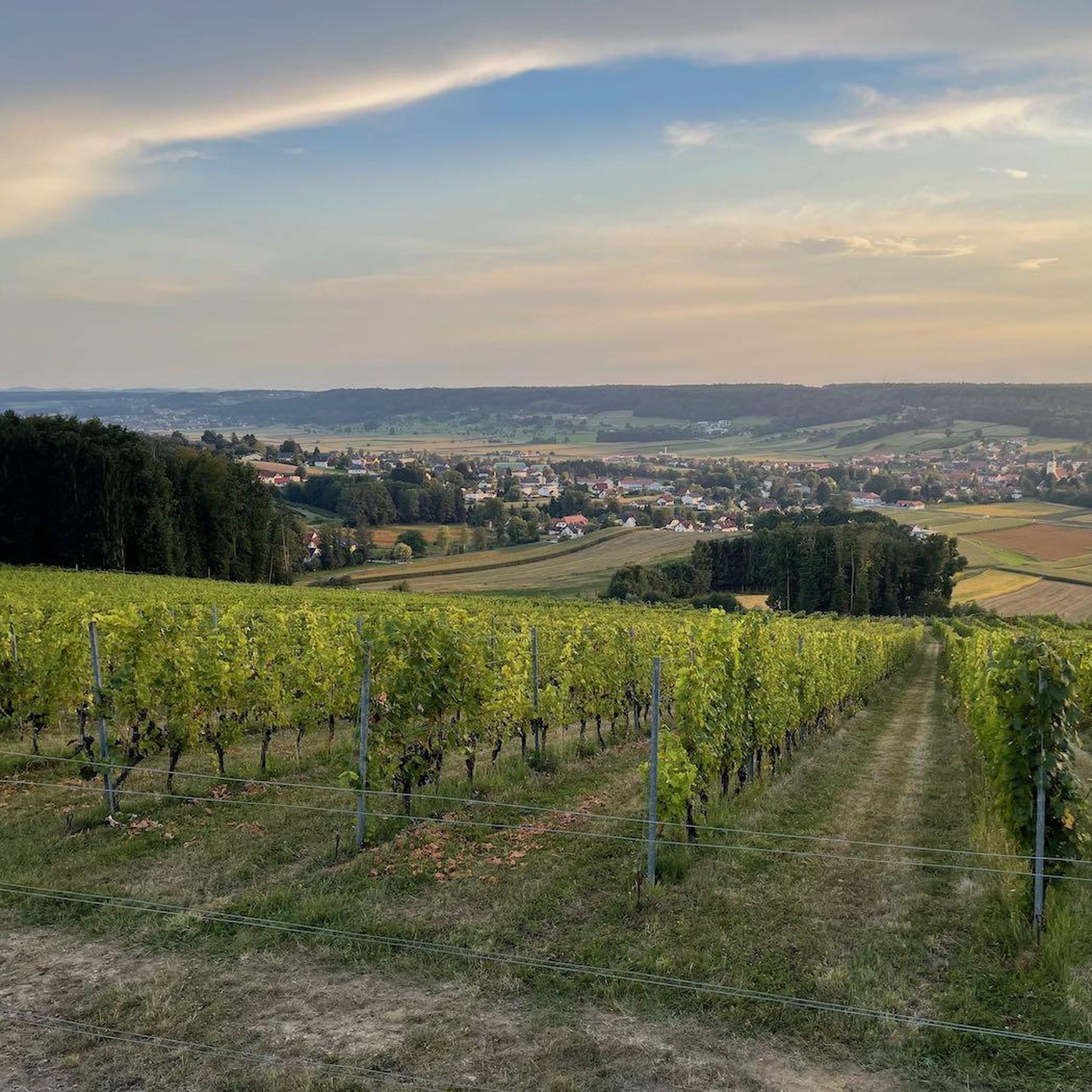
Cycling around Bad Waltersdorf
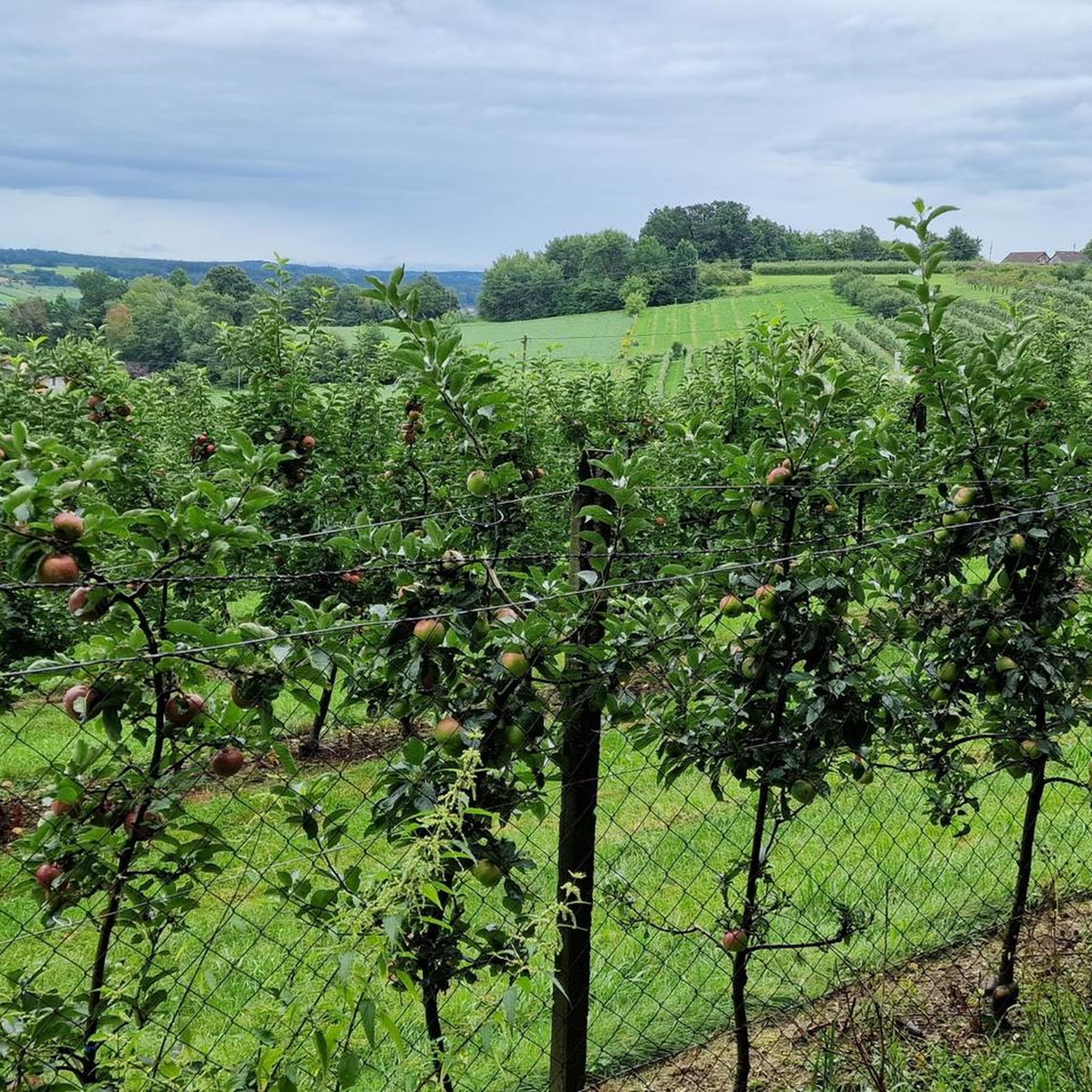
Hiking around Bad Waltersdorf
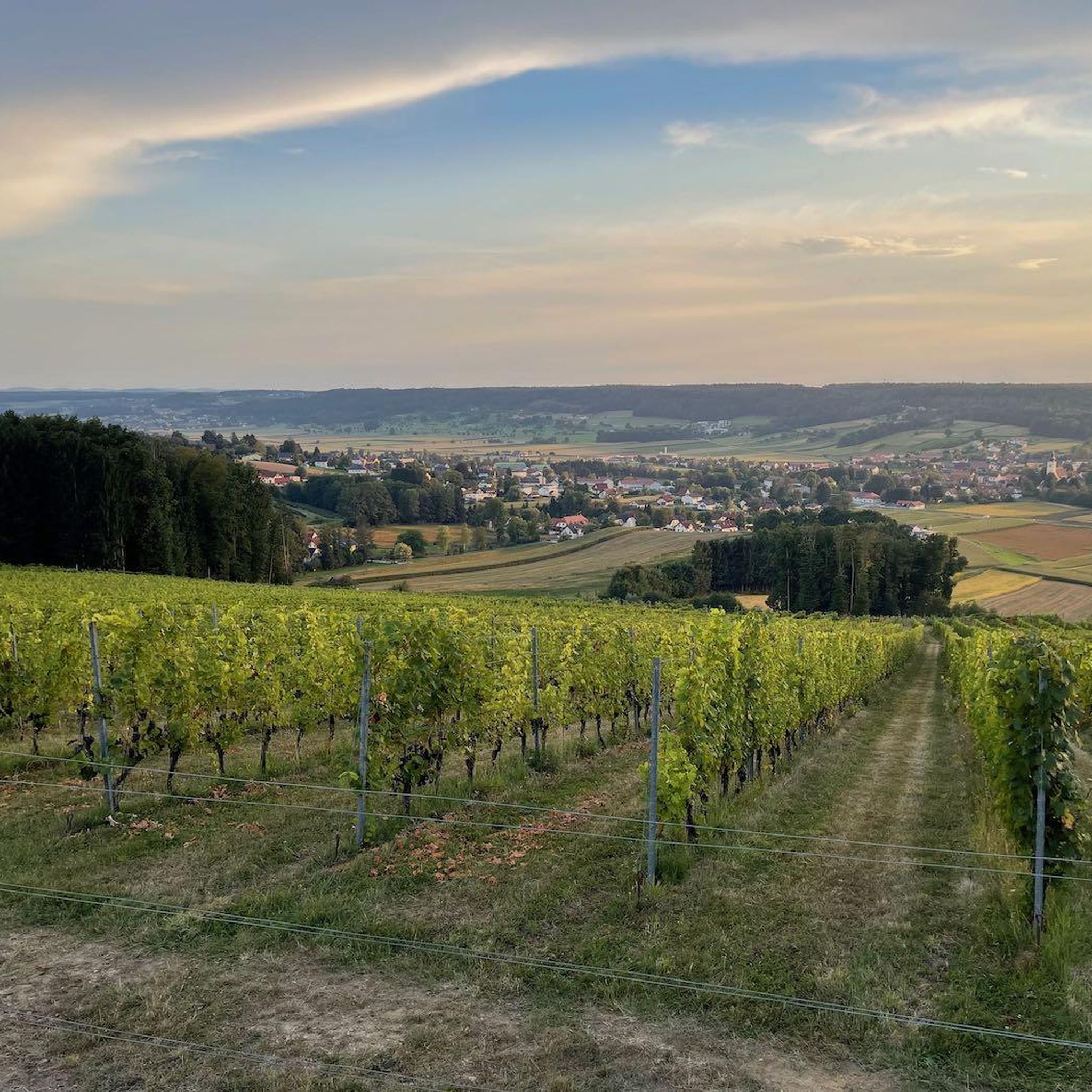
Running Trails around Bad Waltersdorf
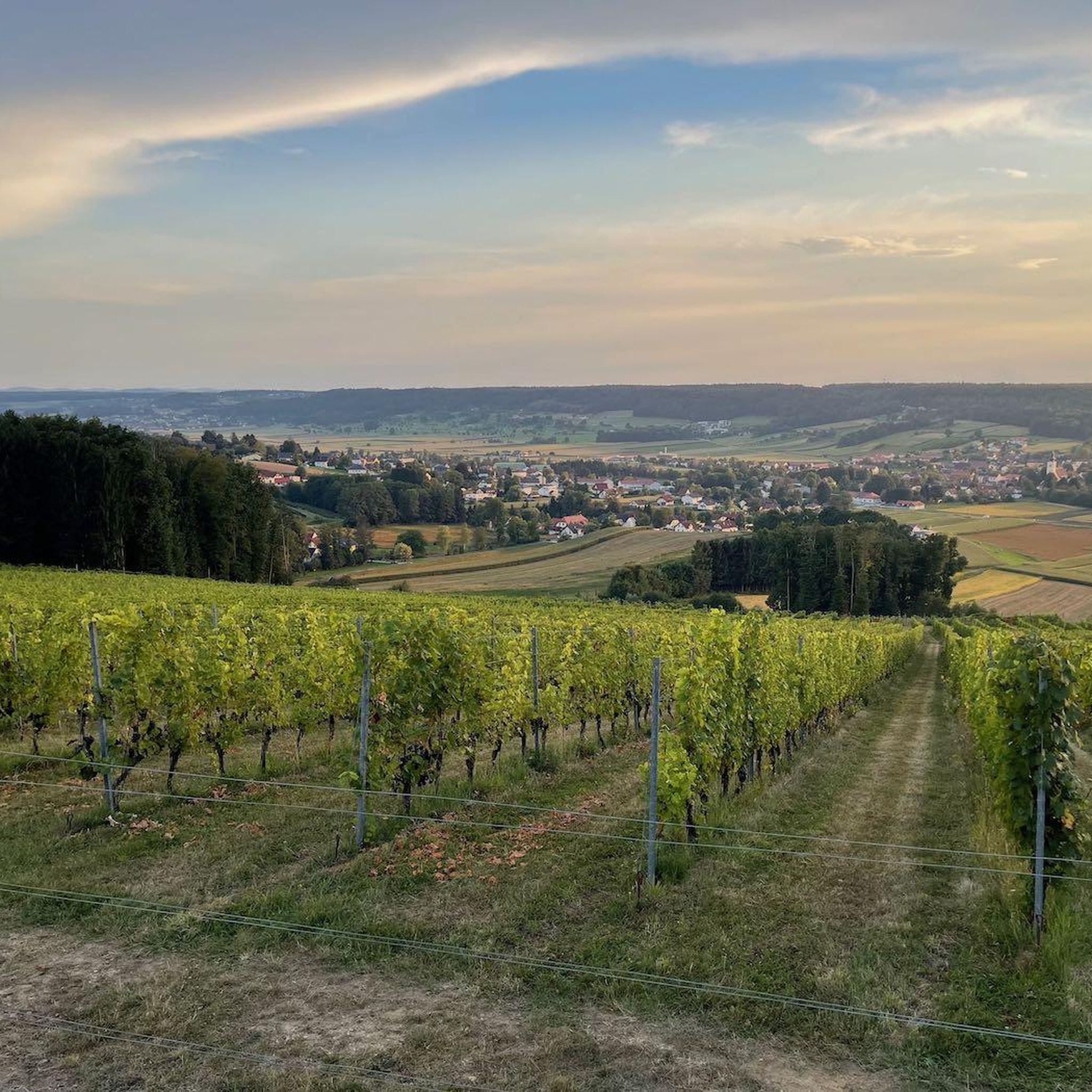
MTB Trails around Bad Waltersdorf
Road Cycling Routes around Bad Waltersdorf

Gravel biking around Bad Waltersdorf
Other adventures around Bad Waltersdorf


Tips from the Community

A really beautiful pond. A leisurely 1.5 km walk is always a good idea :)
0
1

Now part of the Collection https://www.komoot.com/de-de/collection/3600632/-naturdenkmaeler-besondere-baeume-und-weitere-schaetze-der-natur
0
0
Just see for yourself. It's almost impossible to describe. I always enjoy coming here.
0
0
If this tree could talk... I would listen for hours. I always enjoy coming back here.
0
0

A really ancient tree. Many branches are overgrown with moss, the trunk has an unusually thick bark. The huge roots are not entirely harmless. Unfortunately, I could not sense any of the strong power of this oak tree, apart from a mystical flair, although I am usually very receptive to such things.
7
0
An impressive place of power, an incredibly special tree! There is a car park down by the road, then it is about a 1km walk uphill, you can also drive up and have the opportunity to park there again. The tree is on private property, that should be respected.
2
0
A spring in the forest, not far from the local road. To rest and or stop for refreshments. The (healing) water can of course also be drunk. It is said to help with eye problems.
0
0

Maria Brunn forest grotto This mystical Bründl, dedicated to St. Mary, invites you to linger and pause.
0
0
Frequently Asked Questions
What unique natural features can I explore around Bad Waltersdorf?
The region around Bad Waltersdorf offers a variety of natural features. You can explore ancient trees like the Thousand-Year-Old Oak, significant wetlands such as Hartberger Gmoos, and even natural ponds like the Großhart Natural Pond. These sites showcase the diverse natural beauty of Eastern Styria, from ancient flora to important ecological habitats.
Are there family-friendly natural monuments in the Bad Waltersdorf area?
Yes, several natural monuments around Bad Waltersdorf are suitable for families. The Thousand-Year-Old Oak and Hartberger Gmoos are both categorized as family-friendly, offering accessible natural experiences. The Großhart Natural Pond is also a great spot for families to enjoy a leisurely walk.
What kind of outdoor activities can I do near these natural monuments?
The natural monuments around Bad Waltersdorf are excellent starting points for various outdoor activities. You can find numerous routes for cycling, mountain biking, and running. For example, there are cycling routes that pass by the Thousand-Year-Old Oak and through the Hartberger Gmoos. Explore more options on the Cycling around Bad Waltersdorf guide, MTB Trails around Bad Waltersdorf guide, or Running Trails around Bad Waltersdorf guide.
What makes the Hartberger Gmoos an important natural area?
The Hartberger Gmoos is significant as the last large wetland in East Styria and is designated as a European protected area. This flat moor serves as a vital natural recreation and rest area for numerous plant and animal species, including endangered ones like the blue buffalo and kingfisher. It offers a serene environment for nature observation and appreciating biodiversity.
Is there a natural monument with a spiritual or mystical atmosphere?
Yes, the Maria Brunn Forest Grotto offers a mystical spring in the forest, dedicated to St. Mary. It's a place that invites visitors to pause and reflect, with some believing its water has healing properties for eye problems. It combines natural beauty with a sense of tranquility and spiritual significance.
What do visitors enjoy most about the natural monuments in Bad Waltersdorf?
Visitors frequently appreciate the sense of history and natural grandeur, especially at the Thousand-Year-Old Oak, which is described as having a 'mystical flair' and being an 'impressive plant.' The peacefulness and natural diversity of areas like Hartberger Gmoos are also highly valued for escaping everyday stress and enjoying untouched landscapes.
Are there any viewpoints among the natural monuments around Bad Waltersdorf?
Many of the natural monuments also serve as excellent viewpoints. The Thousand-Year-Old Oak, Hartberger Gmoos, and Großhart Natural Pond are all noted for offering scenic views and opportunities to appreciate the surrounding landscape.
Can I find ancient trees other than the Thousand-Year-Old Oak?
While the Thousand-Year-Old Oak is the most famous, the region is known for its ancient trees. Another notable example is the Bierbaumer Oak, also referred to as 'the thick Oachn' by locals, which is also considered an impressive and ancient tree near Bad Blumau.
What is the best time to visit the natural monuments in Bad Waltersdorf?
The natural monuments around Bad Waltersdorf can be enjoyed throughout the year. Spring and autumn offer pleasant temperatures for exploring the gentle hills, forests, and meadows. Summer is ideal for enjoying the shade of ancient trees and the recreational areas. Even in winter, the landscape can offer a unique, tranquil beauty, though some paths might be less accessible depending on snow conditions.
Are there circular trails available near the natural monuments?
Yes, the broader region around Bad Waltersdorf features numerous hiking trails, including circular options, that allow visitors to explore the natural settings. While specific circular trails directly around each natural monument might vary, the area's focus on outdoor activities means you can often incorporate these monuments into longer, scenic loops. For example, the Cycling around Bad Waltersdorf guide lists a 'Path to the 1000-Year-Old Oak' loop.
What kind of flora and fauna can I expect to see at Hartberger Gmoos?
The Hartberger Gmoos is a haven for diverse flora and fauna. As a European protected area, it provides a home for endangered species such as the blue buffalo, kingfisher, red-backed shrike, and the greater mouse-eared bat. Visitors can observe a rich variety of plant life typical of flat moor wetlands, making it an excellent spot for nature enthusiasts.
Is parking available near the natural monuments?
For popular sites like the Bierbaumer Oak, there is often parking available down by the road, with an option to drive closer. For other natural areas like Hartberger Gmoos, which is freely accessible, parking is generally available nearby to facilitate access to the natural recreation areas.
Most popular routes around Bad Waltersdorf
Most popular attractions around Bad Waltersdorf

Get inspired with the komoot mobile app


Explore more
Extend your search for the best caves by checking out these guides of the top ones around Bad Waltersdorf:
