Top 20 Natural Monuments around Gießhübl
Best natural monuments around Gießhübl are situated within the Biosphere Park Wienerwald and the Föhrenberge Nature Park, offering a diverse natural landscape. The area features steppe landscapes, distinctive rock formations, and extensive forests. These natural attractions provide opportunities to explore unique ecosystems and geological features. Gießhübl serves as a starting point for experiencing the region's biodiversity and scenic vistas.
Best natural monuments around Gießhübl
- The most popular natural monuments is Liesingbach Restoration, a river that is undergoing a project…
Last updated: June 24, 2026
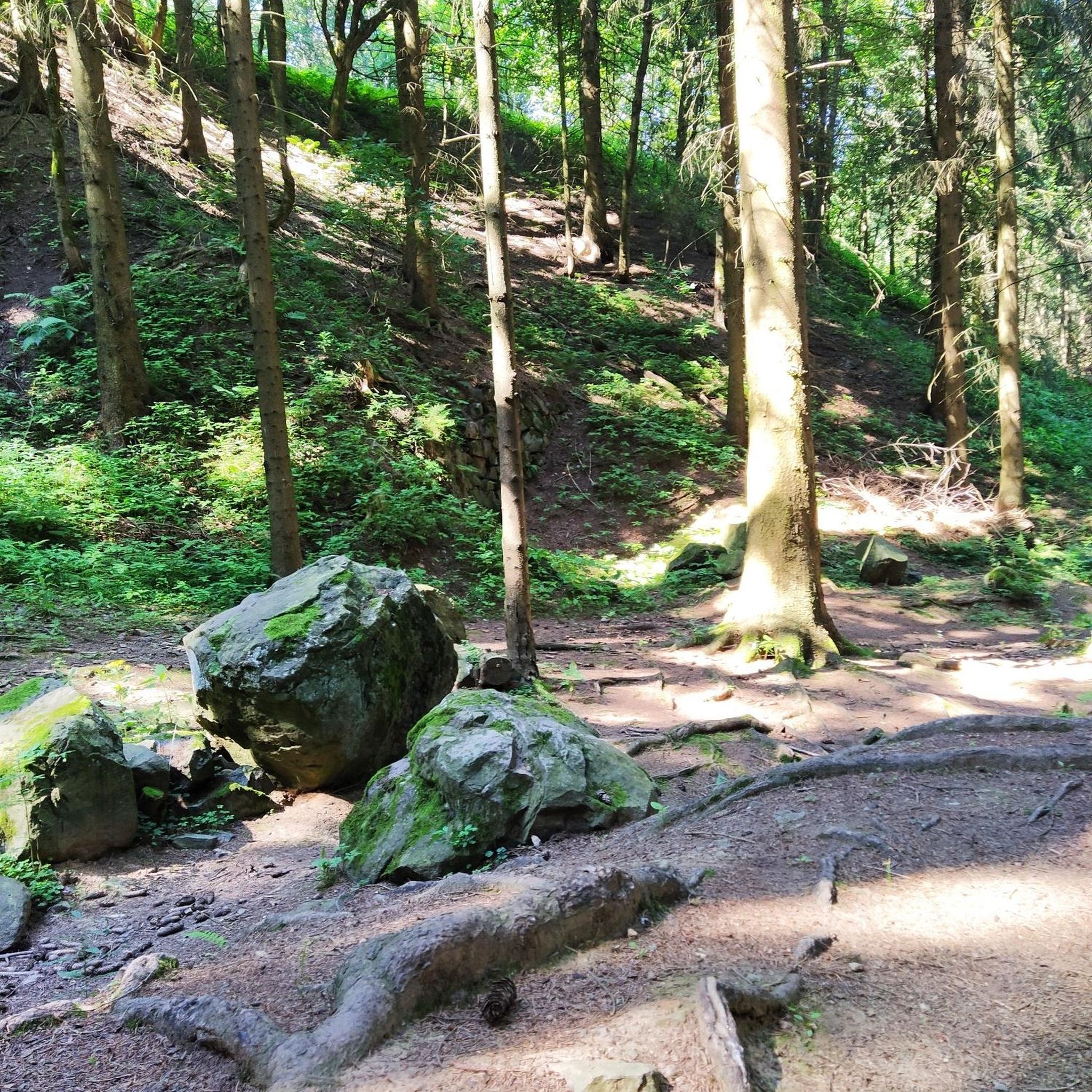
Breite Föhre Rest Area
Highlight • Rest Area
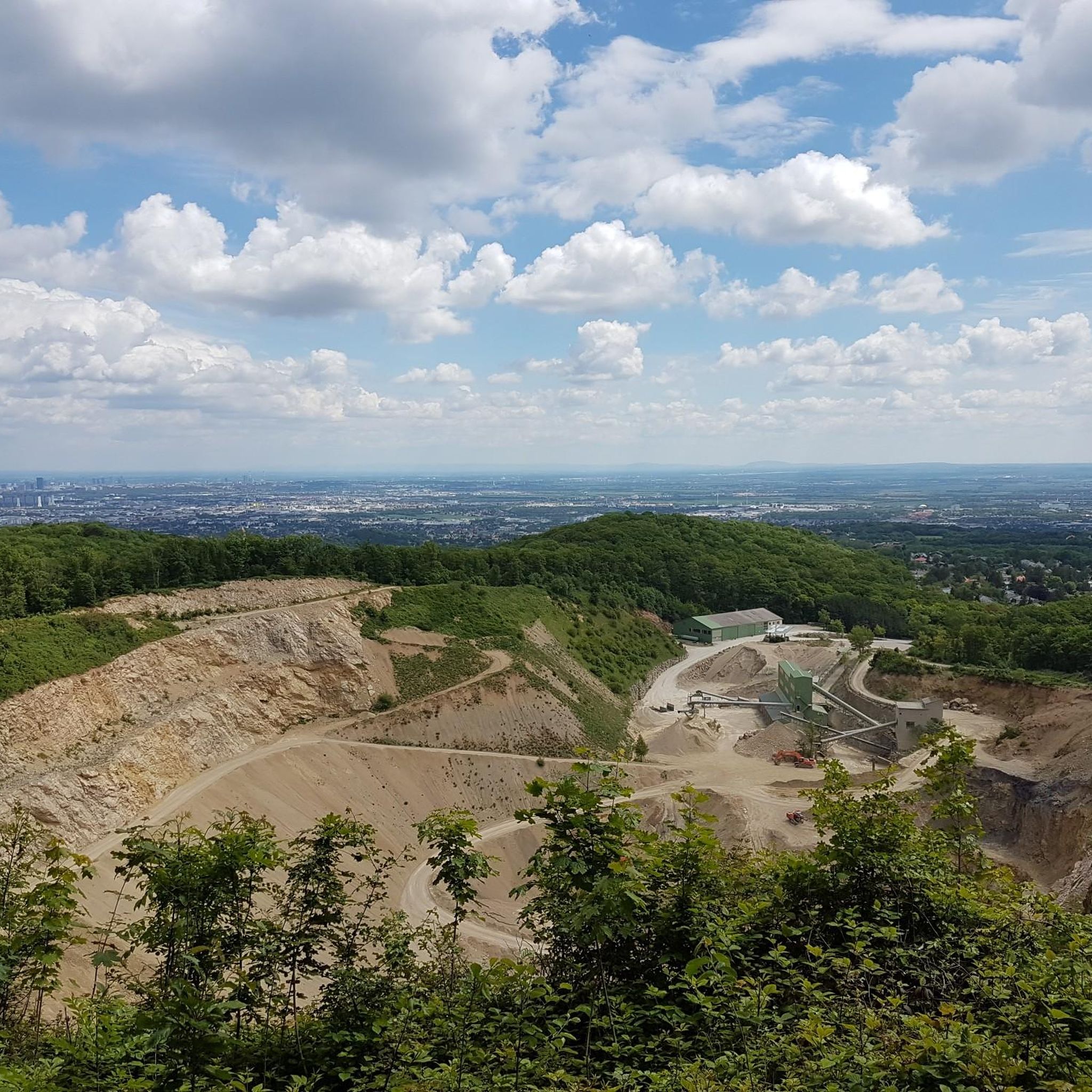
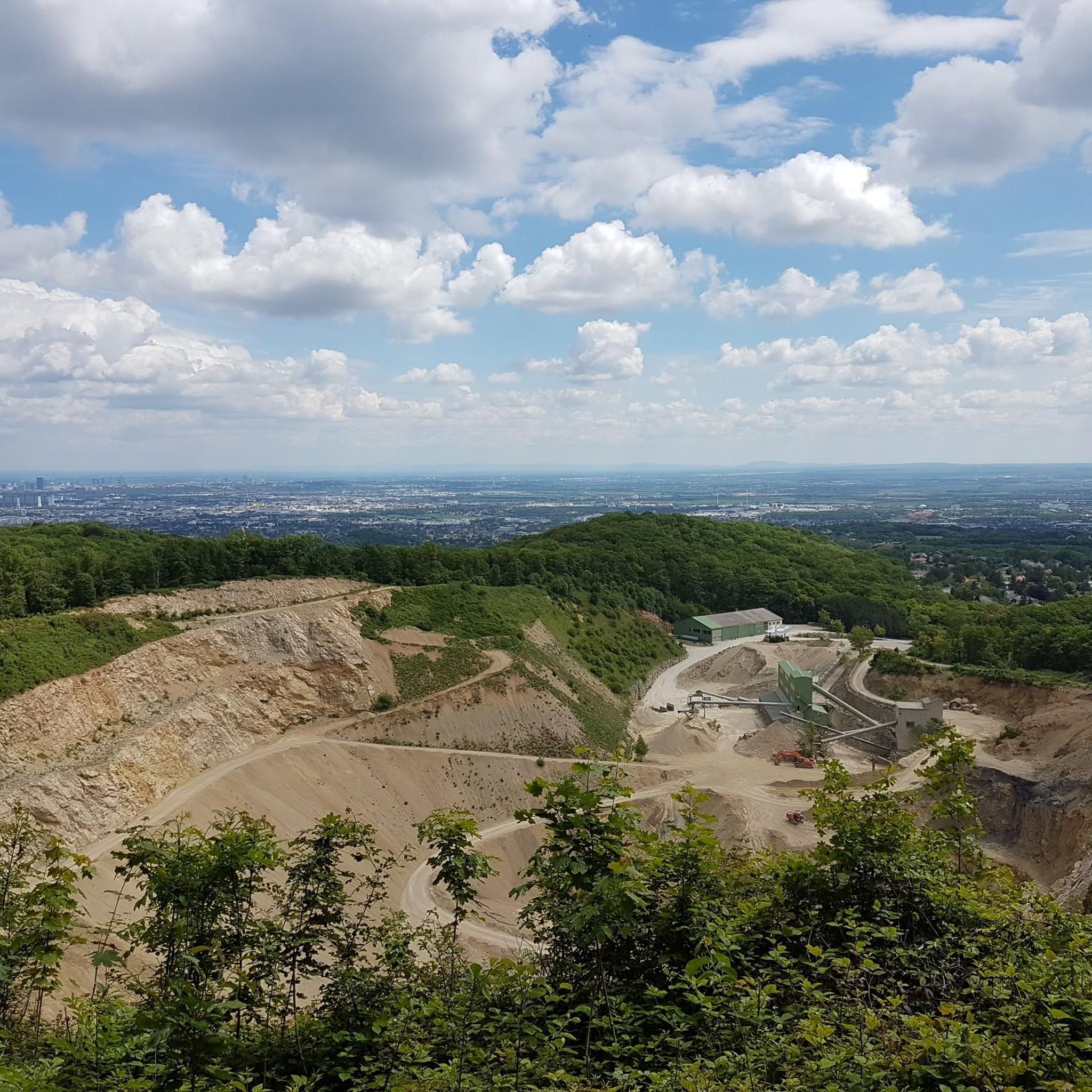
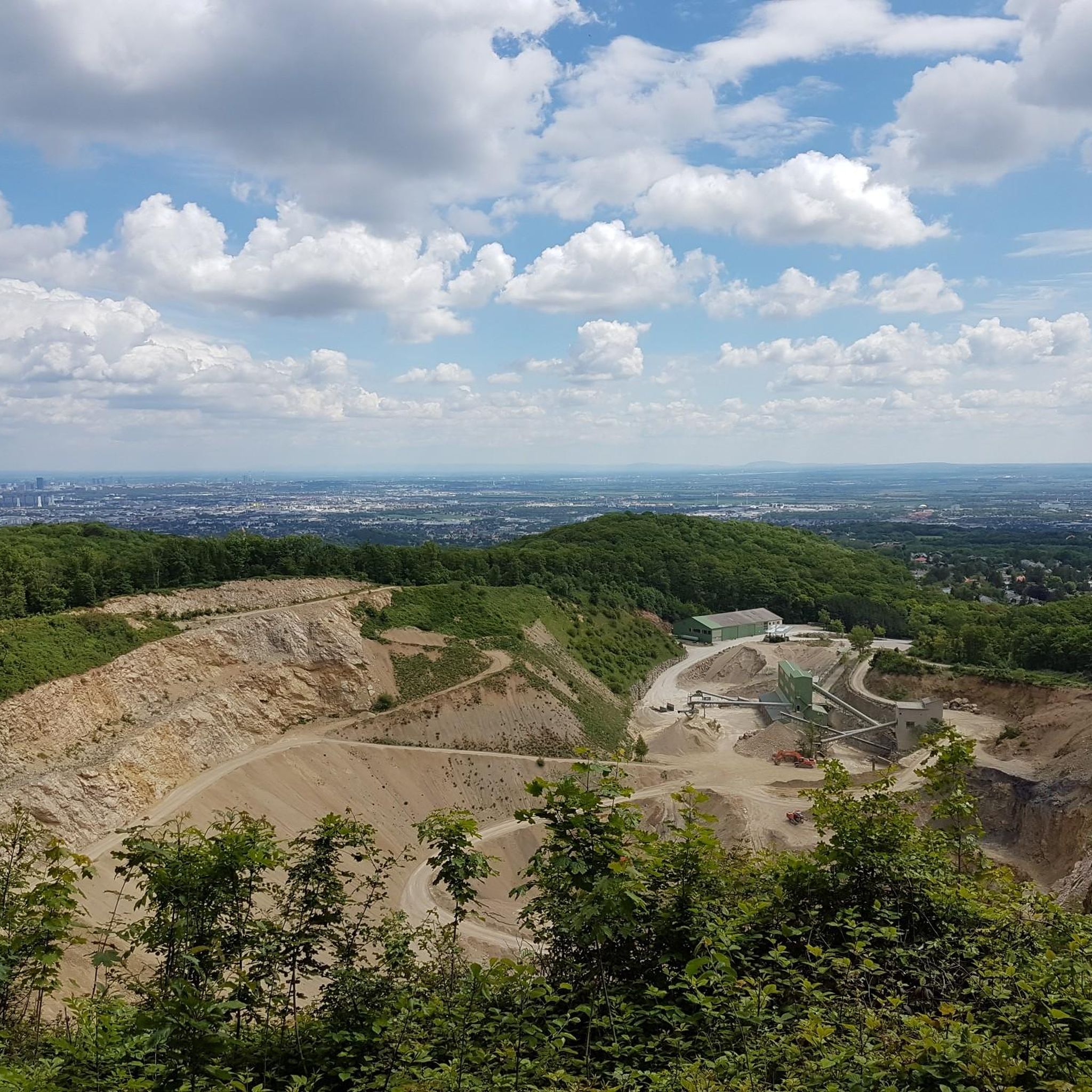
Breite Föhre was a popular excursion destination on the slopes of the Anninger near Mödling, from which there is a wide view down to the …
Translated by Google •
Tip by

Liesingbach Restoration
Highlight • River
Translated by Google •
Tip by

Sign up now to discover places like this
Get recommendations on the best single tracks, peaks, & plenty of other exciting outdoor places.
Sign up for free
Liechtenstein Castle
Highlight • Castle
Translated by Google •
Tip by

Matterhörndl
Highlight • Natural Monument
Translated by Google •
Tip by

King's Cave
Highlight • Cave
Translated by Google •
Tip by

Sign up for free to discover even more natural monuments around Gießhübl.
Sign up for free
Already have an account?
Start today with a free account
Your next adventure awaits.
Login or Signup
Tips from the Community

The people who lived in the Baden region around 3000 years ago were referred to as the "Baden culture" due to the sensational finds made around the so-called "Königshöhle" (King's Cave).
1
0

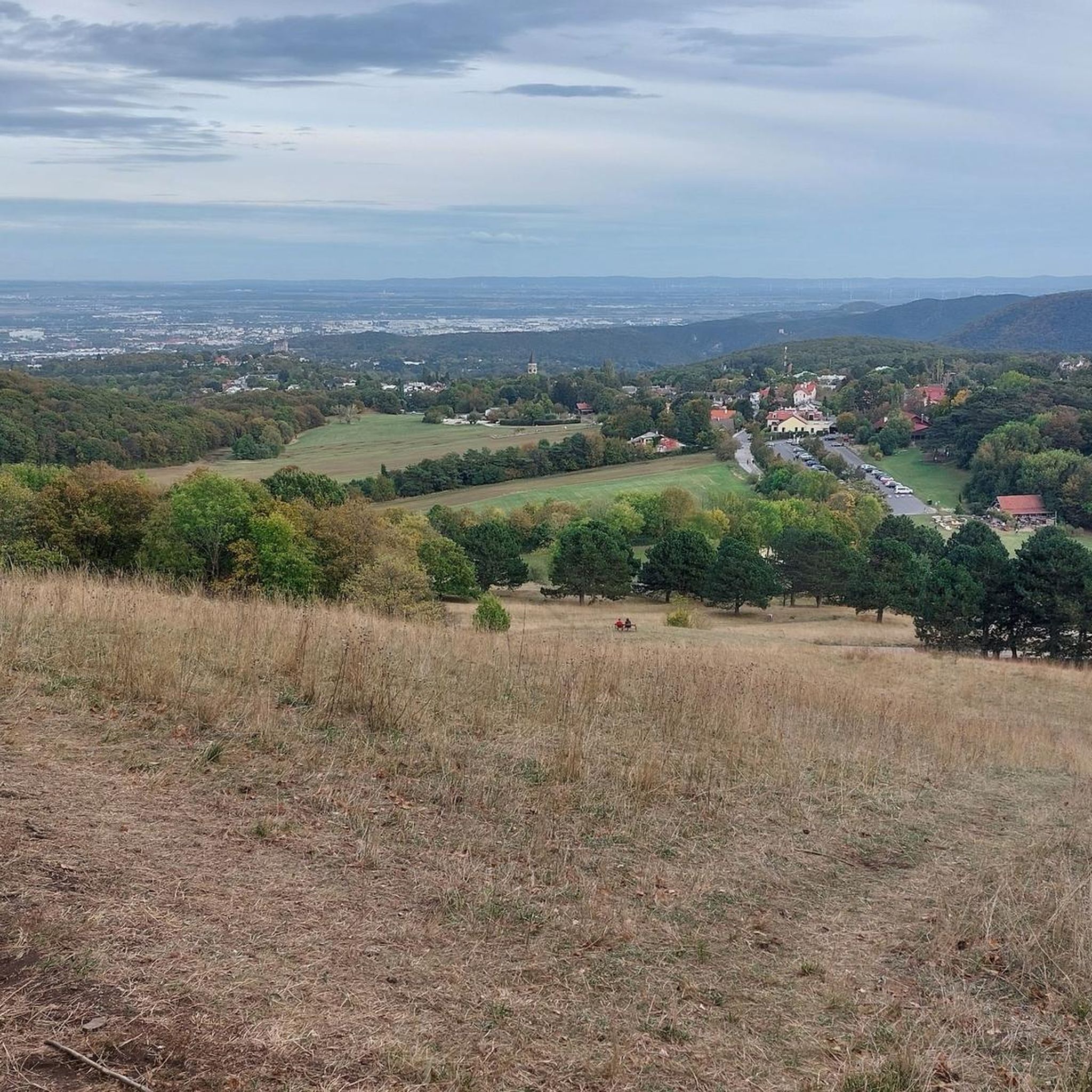
A great recreation area just outside Vienna
1
1


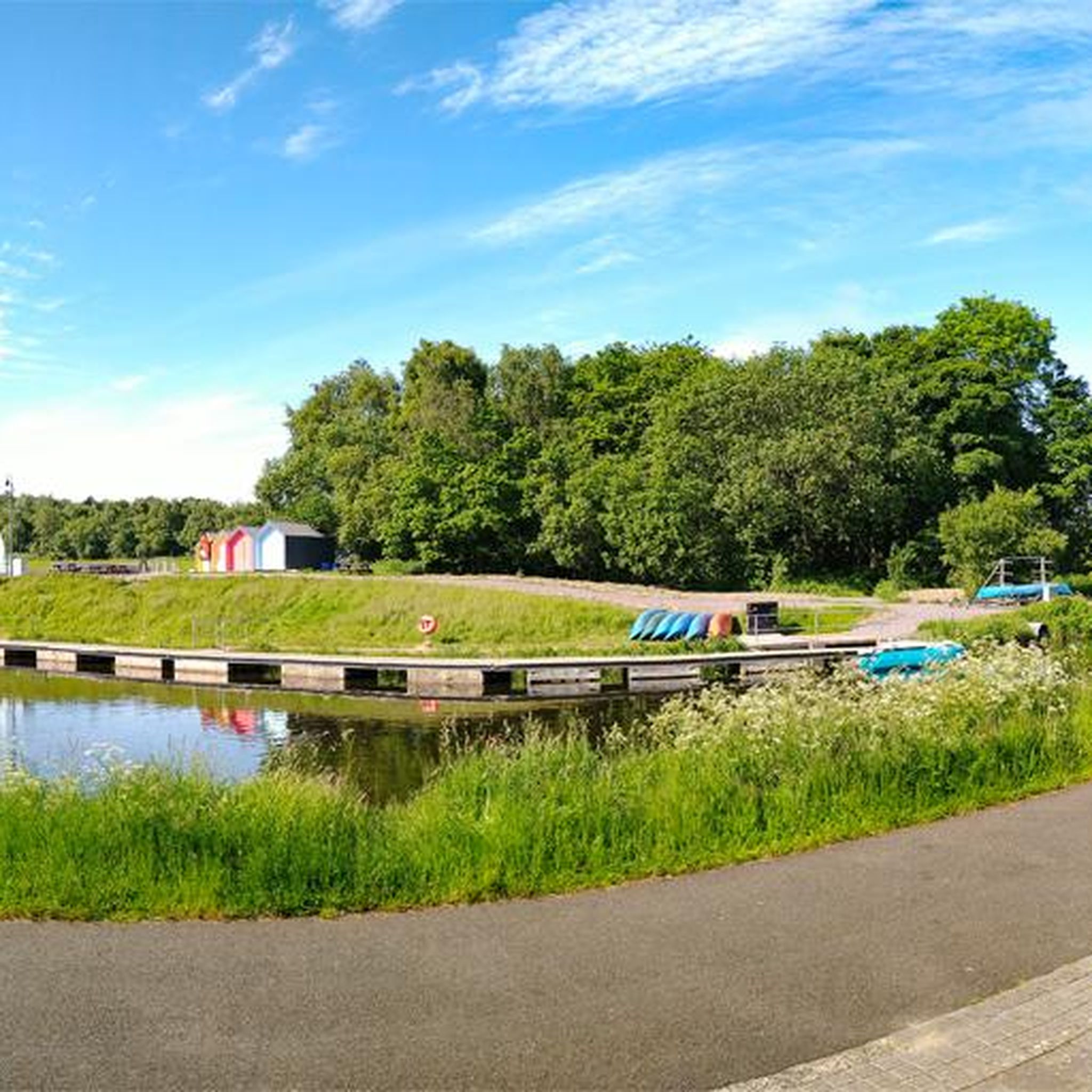
Relaxed path on the edge of the Liesingbach.
1
2

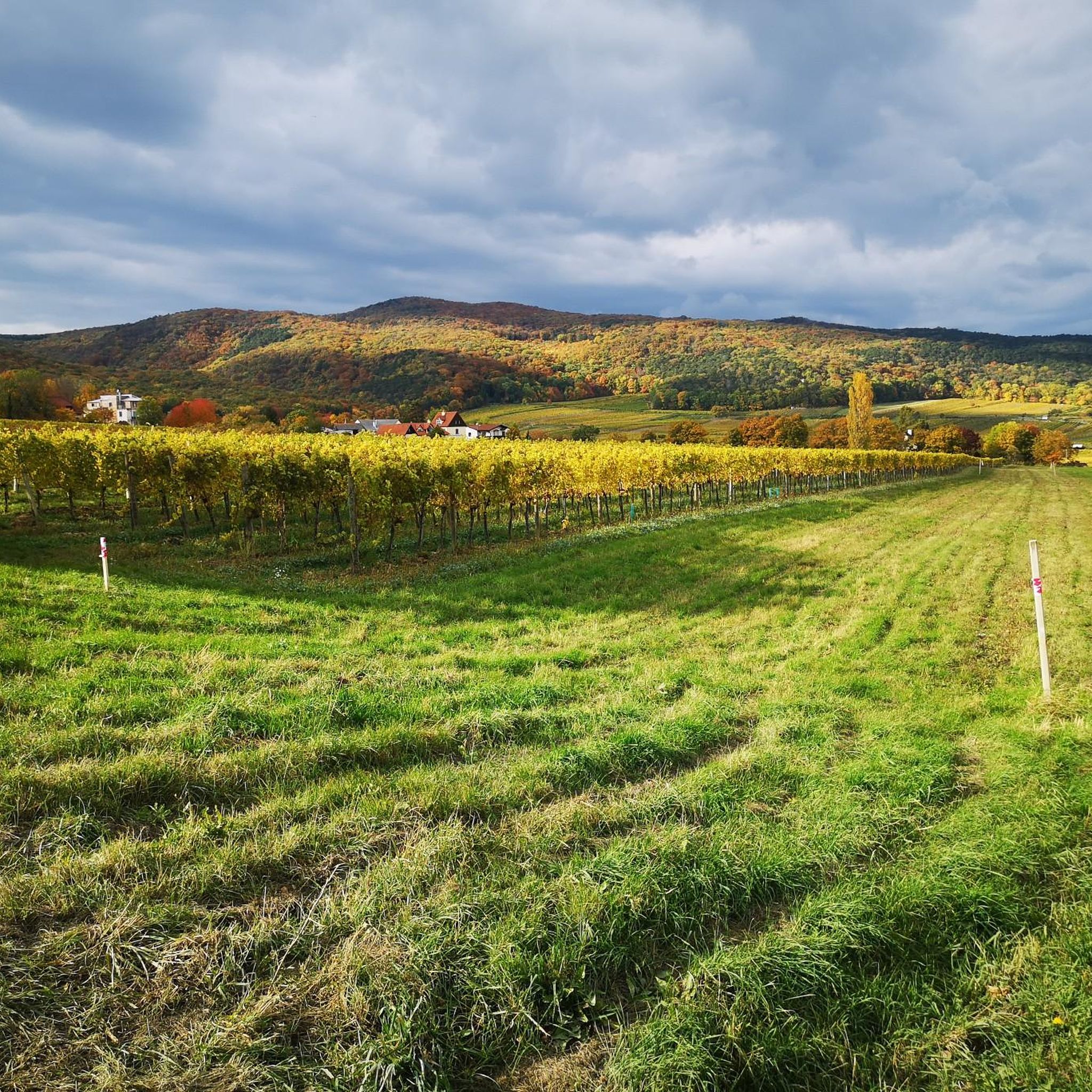
The Matterhörndl is a small but impressive rock in the Vienna Woods that is perfect for a short rest. It is a little hidden away from the main path and easy to miss, but it is worth the visit. With a small opening through and the opportunity to climb around a bit, it is a mystical place for photographers, children and nature lovers. I visited this mountain as part of my Dwarf Mountain Tours series. My goal is to climb every mountain in the Vienna Woods. Find my tours here: https://www.komoot.com/de-de/collection/2517195/-zwergbergtouren-im-wienerwald
7
1

The Liesingbach is gradually being renatured in order to create new habitats for a variety of plants and animals. This is particularly visible in this area.
3
3

The renaturation of the Liesingbach is a project of the City of Vienna, which aims to redesign the river in a way that is close to nature and to improve flood protection. The Liesingbach flows 18.4 km through the city of Vienna and flows into the Danube Canal1 at Alberner Hafen. The first half of the Liesingbach was gradually renatured from 1997, the second half has been redesigned since 2020. The renaturation of the Liesingbach is taking place in six parts, which should be completed by the end of 2027. The first component was completed in April 2021 and covers the section between Karl-Sarg-Gasse and Rudolf-Waisenhorn-Gasse in the 23rd district. The second part is scheduled to start in November 2022 and will cover the section between Großmarktstraße and Gutheil-Schoder-Gasse. The other components will be tackled in the following years. The renaturation of the Liesingbach brings many advantages for people and nature. The bank areas will be flattened, planted and provided with stones and rootstocks to create habitats for animals and plants. The water quality will be improved by building an additional rainwater channel. Flood protection is increased by hydraulic engineering modifications being made to the retention basins. The residents benefit from more green space by the water, which invites you to walk, cycle or relax
5
1
Frequently Asked Questions
What are the most popular natural monuments to visit around Gießhübl?
Visitors frequently enjoy the Liesingbach Restoration, a project creating new habitats and a pleasant recreation area. Another favorite is Liechtenstein Castle, offering historical insights and panoramic views. The Breite Föhre Rest Area, a former natural monument, is also popular for its historical significance and wide views.
Are there family-friendly natural monuments or activities in the Gießhübl area?
Yes, several natural monuments are suitable for families. The Liesingbach Restoration offers a pleasant area for walks and observing nature. Liechtenstein Castle is also family-friendly, providing an engaging historical experience. For a unique adventure, the Matterhörndl rock formation is a mystical spot that children and nature lovers often enjoy exploring.
What kind of wildlife and unique flora can I expect to see in the natural monuments around Gießhübl?
The Gießhübler Heide, a vibrant steppe landscape, is a haven for rare flora such as the dwarf iris, pasque flower, and various orchid species. It also supports diverse fauna, including emerald lizards, red-backed shrikes, and swallowtail butterflies. The renatured sections of the Liesingbach Restoration project are specifically designed to create new habitats for a variety of plants and animals.
Where can I find impressive viewpoints or panoramic vistas near Gießhübl?
For stunning views, the Liechtenstein Castle offers fantastic panoramic vistas stretching towards Vienna. The Julienturm, an observation tower near the Höllensteinhaus, provides magnificent panoramic views of the Vienna Woods and beyond after a scenic hike. Additionally, the Gießwände rock formations offer impressive views into the surrounding landscape.
Are there historical natural monuments or sites of cultural interest in the region?
Absolutely. Liechtenstein Castle is a significant historical site, being one of the few preserved Romanesque secular buildings and representing 900 years of family history. The Breite Föhre Rest Area, though the original tree is gone, marks a historically popular excursion destination. Anton's Grotto is also a historical site, part of promenades built by Archduke Anton.
What outdoor activities, like hiking or cycling, can I do near these natural monuments?
The area around Gießhübl, including the Föhrenberge Nature Park and Biosphere Park Wienerwald, offers numerous opportunities for outdoor activities. You can find extensive hiking trails, especially around the Anninger mountain range and leading to the Höllenstein. For cycling enthusiasts, there are various routes available, including mountain biking, road cycling, and touring bicycle options. You can explore more routes in the MTB Trails around Gießhübl, Road Cycling Routes around Gießhübl, and Cycling around Gießhübl guides.
What is the best time of year to visit the natural monuments around Gießhübl?
Spring is particularly beautiful, especially for observing the rare flora in areas like the Gießhübler Heide, which displays a colorful array of wildflowers. The mixed forests of the Vienna Woods are also vibrant during spring and autumn. Summer offers pleasant conditions for hiking and exploring, while winter can provide a unique, tranquil experience, though some paths might be less accessible.
Are there any unique geological formations to see?
Yes, the Gießwände are distinctive rock formations that serve as a popular climbing garden and offer impressive views. Additionally, the Matterhörndl is a small but impressive limestone rock, sometimes compared to a miniature Matterhorn, offering a unique geological feature to explore.
Where can I find places to rest or get refreshments while exploring?
The Breite Föhre Rest Area is a designated spot for taking a break. The Höllensteinhaus, a managed hut on the Höllenstein, is a popular destination for hikers and offers refreshments. The Anninger Schutzhaus, located in the Anninger area, is another traditional refuge that provides regional dishes amidst nature.
What are some lesser-known or 'hidden gem' natural monuments in the Gießhübl area?
The Matterhörndl is a bit off the beaten path and can be easily missed, making it a hidden gem for those who seek it out. It's a mystical rock formation perfect for a short rest and exploration. Anton's Grotto, while a popular destination, offers a unique blend of natural cave and historical significance, often featuring bird feeding, making it a charming discovery.
How accessible are the natural monuments around Gießhübl by public transport?
Gießhübl is situated on the edge of the Biosphere Park Wienerwald and the Föhrenberge Nature Park, making many natural attractions accessible. While specific public transport routes to each individual monument vary, Gießhübl itself serves as a starting point, and many sites, like the Höllenstein, are reachable via scenic hikes from the village.
Are there any specific hiking trails that lead to multiple natural monuments?
Yes, the trails around the Gießwände rock formations are often part of longer hiking routes that connect various points of interest. For instance, routes from Gießhübl can lead to the Predigerstuhl and other peaks in the Vienna Woods, potentially encompassing several natural features. The Anninger area also offers numerous trails that allow visitors to experience diverse forest ecosystems and natural beauty.
Most popular routes around Gießhübl
Most popular attractions around Gießhübl

Get inspired with the komoot mobile app


Explore more
Extend your search for the best caves by checking out these guides of the top ones around Gießhübl:
