Top 10 Natural Monuments around Worms
Best natural monuments around Worms are found in this historic city on the Rhine River in Rhineland-Palatinate, Germany. Worms features a blend of natural beauty and green spaces that serve as notable natural attractions. The city's location on the Rhine, with the Pfrimm and Eisbach rivers flowing into it, defines its geography. These sites offer tranquil escapes and showcase the region's flora and geology.
Best natural monuments around Worms
- The most popular natural monuments is Herrnsheim Castle Park, a facilities that is considered the most important English garden in Rhineland-Palatinate. This expansive 10-hectare park features a harmonious blend of meadows, wooded areas, and a spacious pond.
- Another must-see spot is Albert-Schulte Park, a natural monument. This green area in Worms city center was originally a cemetery and is now a picturesque green space known for its historical grave monuments.
- Visitors also love Wiesenbrünnchen Pond in Pfeddersheim, a lake that serves as a recreation area. This biotope offers a beautiful shady rest area, especially in summer.
- Worms is known for its parks, ponds, and green spaces. Visitors can explore a variety of natural monuments, from expansive English gardens to tranquil ponds and urban green areas.
- The natural monuments around Worms are appreciated by the komoot community, with more than 500 upvotes and 80 photos shared by visitors.
Last updated: June 24, 2026
Siegfried Fountain (Worms)
Highlight • Monument
So it's a bit dull.
But above is Siegfried!
Translated by Google •
Tip by

Herrnsheim Castle Park
Highlight • Rest Area
worms-erleben.de
Translated by Google •
Tip by

Sign up now to discover places like this
Get recommendations on the best single tracks, peaks, & plenty of other exciting outdoor places.
Sign up for free
Amor Grotto
Highlight • Cave
Translated by Google •
Tip by

Albert-Schulte Park
Highlight • Natural Monument
Translated by Google •
Tip by

Gerechtigkeitsbrunnen Worms
Highlight • Monument
Translated by Google •
Tip by

Siegfried's Tomb (Reconstructed Tumulus)
Highlight • Monument
Translated by Google •
Tip by

Confluence of the Pfrimm and Rhine
Highlight • River
Translated by Google •
Tip by

Wiesenbrünnchen Pond in Pfeddersheim
Highlight • Lake
Translated by Google •
Tip by

Vater Rhein Statue
Highlight • Monument
Translated by Google •
Tip by

Summstein Abenheim
Highlight • Monument
Translated by Google •
Tip by
Sign up for free to discover even more natural monuments around Worms.
Sign up for free
Already have an account?
Start today with a free account
Your next adventure awaits.
Login or Signup
Popular around Worms
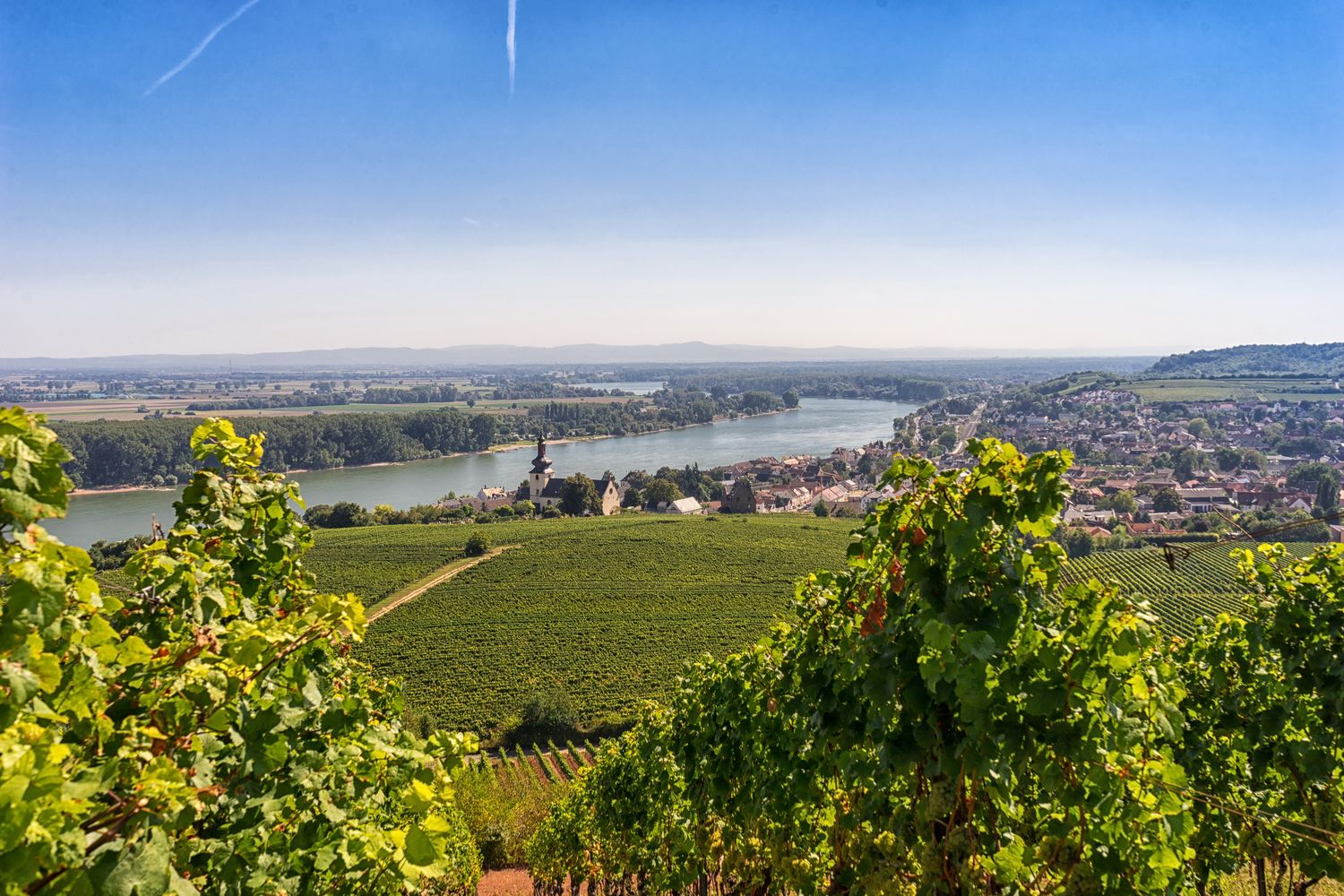
RheinTerrassenWeg – Hike through vineyards along Germany's River Rhine
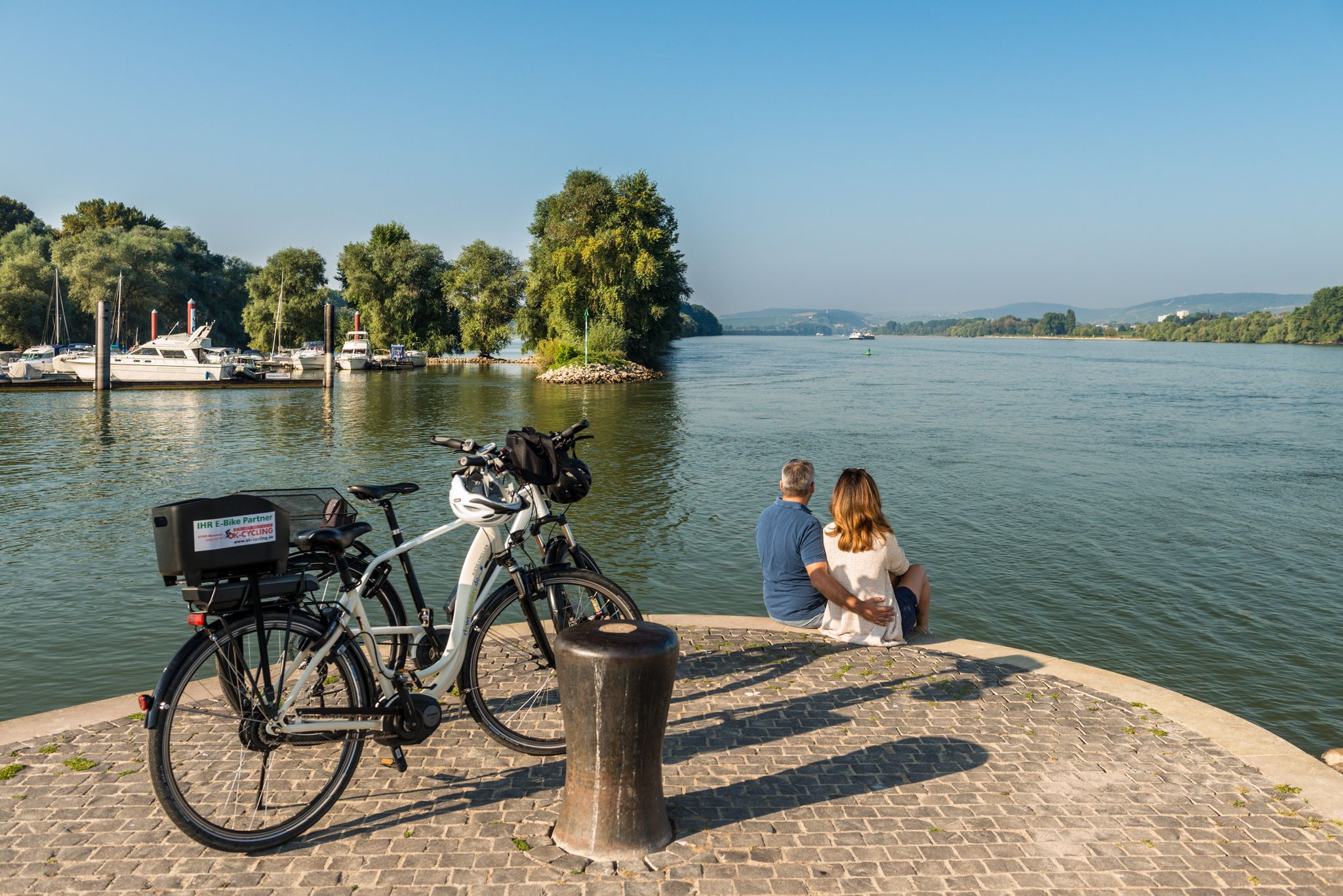
Cycling in Rheinhessen between Rhine and wine

Hiking joy in Rheinhessen – experience magical moments
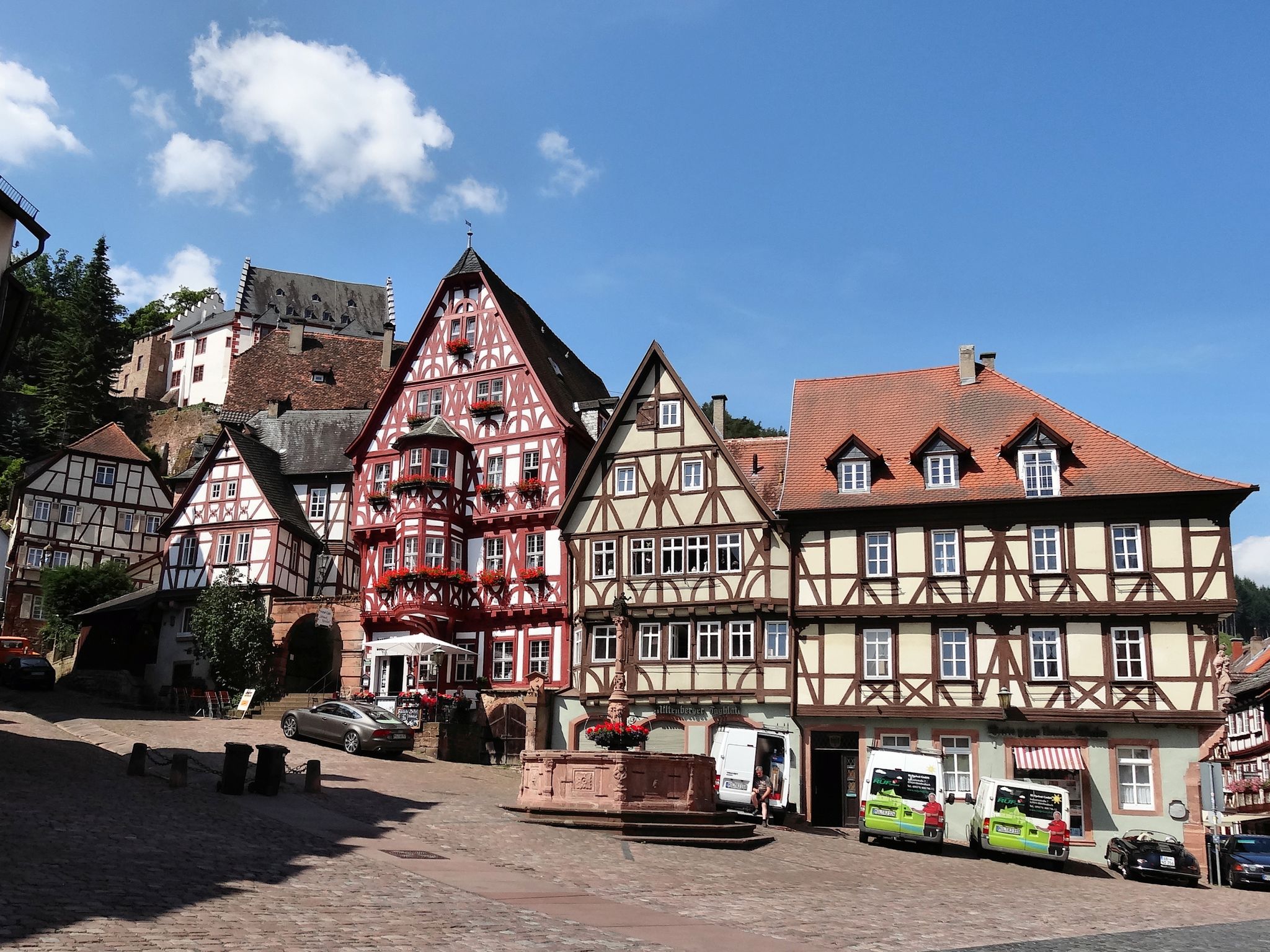
Give me four! - The Four-Country-Way
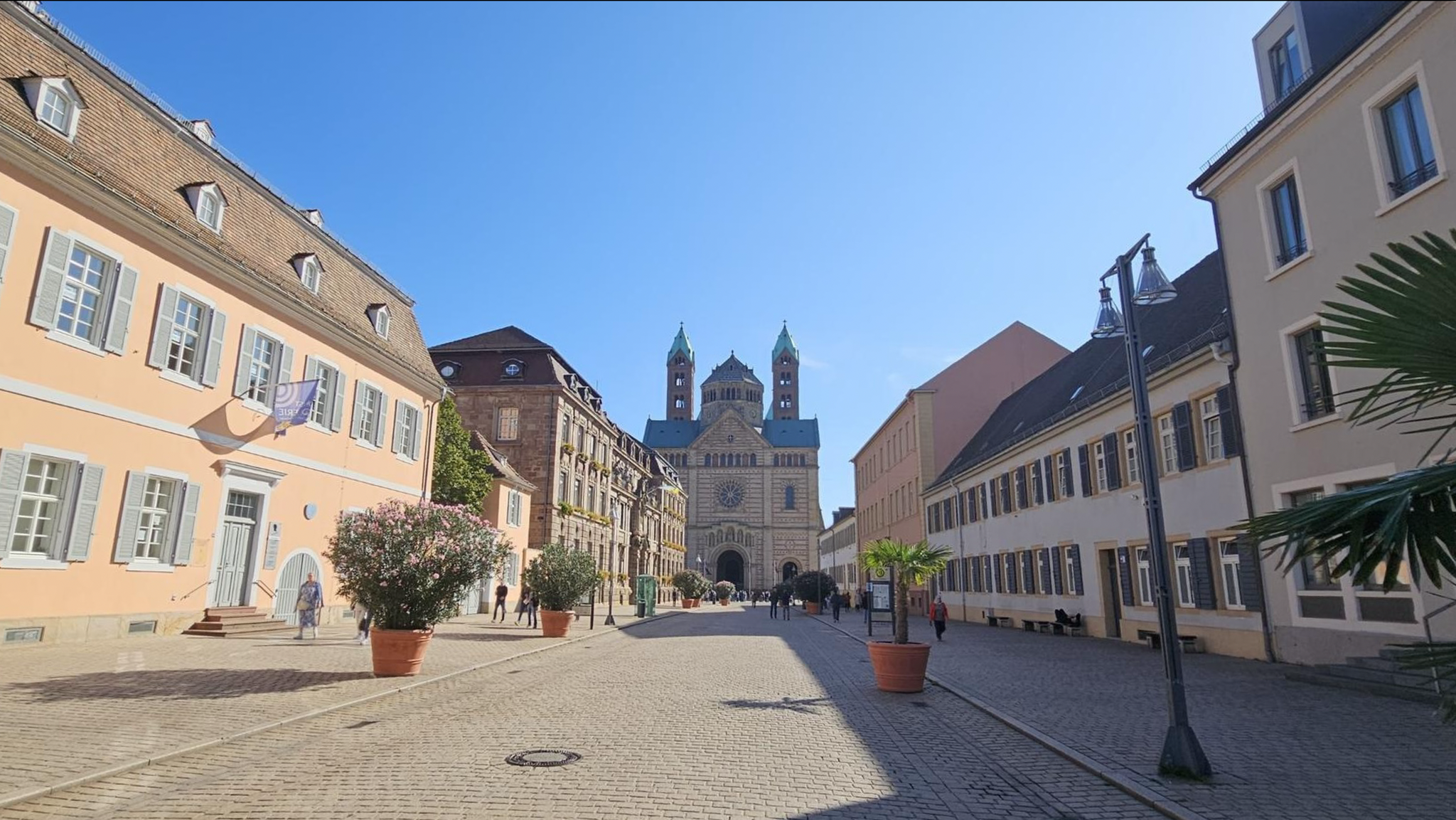
Culture and Nature in the Vorderpfalz - The Salier Cycle Path
From the River Rhine to the Main – R9 Cycle Route in Hesse
On the tracks of Homo Sapiens and ancient cultures

Rheinhessen mit Aussicht - Die schönsten Panoramatouren in Rheinhessen
Die schönsten Radrouten in der sagenhaften Region Bergstraße-Odenwald

Weinerlebnis in der sanften Hügellandschaft in Rheinhessen
Other adventures around Worms


Tips from the Community

Originally a cemetery, it was converted into a picturesque green space and named after Albert Schulte, a former mayor of the city. The park is known for its historical grave monuments and memorials to the fallen, which form a monument zone.
7
0
The fountain was created in 1913 by the Munich sculptor Adolf von Hildebrand and erected in 1921. It is made of shell limestone and is designed as a heptagonal dome. On top of the fountain stands Siegfried with his sword, which represents the scene of the dragon slayer from the legend.
12
0

It is very beautiful here.
1
3

The Old Market Fountain from 1778 originally stood on the Worms street market, roughly on the site of the Siegfried Fountain, built by the city of Worms and a neighborhood fountain. It had a predecessor in a Renaissance fountain with Justitia that was destroyed in 1689. In 1908, the fountain was demolished as a result of the new construction of the Cornelianum and, after a thorough renovation, was re-erected on Karolingerplatz, where it has visibly fallen into disrepair. In 1977, it returned to the market and stands in front of the town hall. Worms craftsmen and the sculptor Lempik renovated the decoration and technology. The fountain draws its water directly from the town hall, where the water reservoir and circulation system are installed. The baroque sandstone fountain is designed as a fountain column. A pillar with an inscription and the town's coat of arms rises on the pedestal with a gargoyle, with a Justitia figure on top. The pillar is flanked by the much larger late Baroque figures of Neptune and Hercules. The fountain is associated with Worms' market history and is also the oldest surviving fountain in Worms.
4
0

At this point, after about 43 km, the Pfrimm, which rises near the Sippersfelder Weiher (nature reserve) in the Donnersberg district, flows into the Rhine.
2
0

Around 300 years ago, the most impressive monument of Worms' prehistory was lost - a monumental burial site. This is a tumulus (hill grave) about thirteen meters long, which was marked with "two stones (menhirs) protruding from the earth". The menhirs of the tomb probably date from the Megalithic period, a pre-Indo-European cultural stage whose origins can be found in the darkness of the early Neolithic period. The tumulus was probably built at the same time or was added later during the Bronze Age. Later generations linked legends to this grave, stories of giants and dragon slayers, and ultimately the "Song of the Horned Seyfrid". This is a widespread Rhenish local tradition that has been almost completely forgotten alongside the great Nibelungenlied, although its archetypal fragments probably represent a precursor to the epic. Marquard Freher described the tumulus in 1613 as "the grave of the giant who was sung about throughout Germany and who made the place famous through his monument" This is therefore a work of art by the Worms artist Eichfelder, which was modelled on the grave of Siegfried described in the literature (probably 1km from here). Source and further information: https://www.nibelungenlied-gesellschaft.de/03_beitrag/eichfelder/kunst/SiegfriedsGrab/tumulus.html
0
0

The Rhine is one of the most important rivers in Europe. This is not primarily because of its length of 1,230 kilometers, but because of its importance for energy and water supply, for cooling industrial plants, for shipping, for fishing - and last but not least as an attraction for recreation and leisure activities. 50 million people live in the Rhine catchment area. Some of their lives are influenced and shaped by the Rhine every day as a source of income or as a source of life.
1
0
At first you only see the figure of Cupid. If you walk around it, the hidden grotto opens up.
1
0
Frequently Asked Questions
What kind of natural features can I expect to see around Worms?
Worms offers a diverse range of natural features, from expansive English gardens and tranquil ponds to urban green spaces and historical natural monuments. You'll find beautifully landscaped parks like Herrnsheim Castle Park, serene water bodies such as Wiesenbrünnchen Pond in Pfeddersheim, and the significant presence of the Rhine River itself, which shapes the city's geography.
Are there family-friendly natural monuments in Worms?
Yes, many natural monuments in Worms are perfect for families. Herrnsheim Castle Park is ideal for leisurely strolls, and Wiesenbrünnchen Pond in Pfeddersheim offers a pleasant recreation area. Other family-friendly spots include Albert-Schulte Park, Amor Grotto, and Siegfried's Tomb (Reconstructed Tumulus).
What makes Herrnsheim Castle Park a significant natural monument?
Herrnsheim Castle Park is considered the most important English garden in Rhineland-Palatinate. Designed by Friedrich Ludwig von Sckell, this 10-hectare park features a harmonious blend of meadows, wooded areas, and a spacious pond, offering idyllic scenery and numerous photo opportunities. It's also connected to the outstanding Empire-style Herrnsheim Castle.
Are there any historical natural monuments in Worms?
Beyond its historical buildings, Worms has natural sites with significant historical connections. The site of 'Luther's Tree,' though the original elm was felled, preserves its mighty trunk as a cultural monument, symbolizing events from the Diet of Worms. Additionally, Albert-Schulte Park, originally a cemetery, is now a green space known for its historical grave monuments and memorials.
What outdoor activities can I do near the natural monuments in Worms?
The area around Worms offers various outdoor activities. You can enjoy easy hikes, such as the Abenheim Sculpture Trail or routes along the Rhine. For cyclists, there are numerous options, including moderate tours like the Tour de Worms or gravel biking routes that explore the vineyards and river landscapes.
Are there hiking trails near the natural monuments in Worms?
Yes, there are several hiking trails suitable for various skill levels. For easy walks, consider routes like the Riverside Path Along the Rhine or the Bat Hotel – Herrnsheimer Lake loop. These trails allow you to explore the natural beauty surrounding Worms' monuments.
What are some viewpoints among the natural monuments in Worms?
While many natural monuments offer scenic beauty, Herrnsheim Castle Park provides picturesque views of its landscaped gardens. For a unique perspective, Summstein Abenheim is located in an area that often offers expansive views of the surrounding vineyards and landscape.
What do visitors enjoy most about the natural monuments in Worms?
Visitors particularly appreciate the tranquility and beauty of these sites. Many enjoy the peaceful atmosphere of Herrnsheim Castle Park for relaxation and photography, and the shady rest areas at Wiesenbrünnchen Pond. The blend of natural serenity with historical context, such as in Albert-Schulte Park, is also highly valued.
Are there any hidden natural gems in Worms worth exploring?
Beyond the more prominent sites, Worms has several 'lovingly tended little oases' throughout the city and its suburbs. These include Heylshof Gardens, Karl-Bittel-Park, and Herrnsheimer Klauern, which offer peaceful retreats and showcase the region's indigenous trees like European beech and blackthorn. Heylshof Park is one such example.
What is the best time to visit the natural monuments in Worms?
The natural monuments in Worms can be enjoyed throughout the year. Spring and summer are ideal for experiencing the lush greenery and blooming flora, especially in parks like Herrnsheim Castle Park and around Wiesenbrünnchen Pond. Autumn offers beautiful fall colors, while even in winter, the historical sites and river views retain their charm.
Can I find parking near the natural monuments in Worms?
Yes, parking is generally available near many of the natural monuments. For instance, Herrnsheim Castle Park is listed as having parking facilities. For other locations, street parking or nearby public parking lots are often accessible, especially in urban green spaces.
What kind of wildlife can be observed in the natural monuments around Worms?
The diverse green spaces and water bodies in and around Worms provide habitats for various local wildlife. In areas like Wiesenbrünnchen Pond, you might observe waterfowl and other aquatic species. Parks and wooded areas, such as Herrnsheim Castle Park, support a range of birds and small mammals, contributing to the city's ecological health.
Most popular routes around Worms
Most popular attractions around Worms

Get inspired with the komoot mobile app


Explore more
Extend your search for the best caves by checking out these guides of the top ones around Worms:
