Top 20 Natural Monuments around Moers
Best natural monuments around Moers are found in the Lower Rhine region of Germany, an area characterized by its wetlands and former Rhine floodplains. This region is committed to preserving its natural heritage, designating various sites as natural monuments. Moers offers a blend of ecological significance and transformed industrial landscapes, providing diverse natural features for exploration. The area's natural monuments contribute to its overall ecological value and scenic beauty.
Best natural monuments around Moers
- The most popular natural monuments is…
Last updated: October 10, 2026
Duisburg-North Landscape Park
Highlight • Structure
Showing Translation
Tip by

Tiger & Turtle – Magic Mountain
Highlight • Monument
Showing Translation
Tip by

Sign up now to discover places like this
Get recommendations on the best single tracks, peaks, & plenty of other exciting outdoor places.
Niepkuhlen Bridge over Große Kull
Highlight • Bridge
Translated by Google •
Tip by

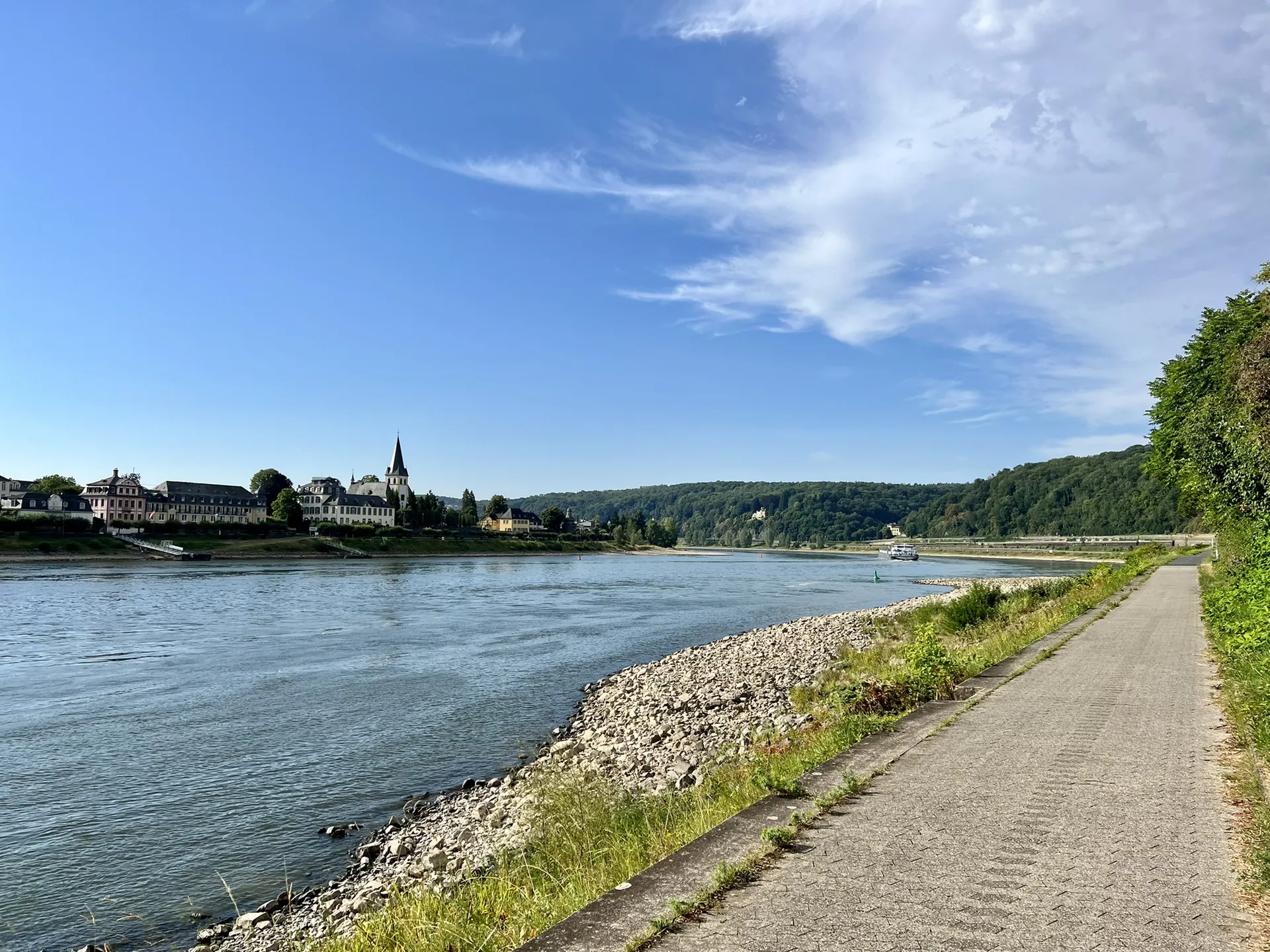
Rheinorange and the Mouth of the Ruhr
Highlight • Monument
Translated by Google •
Tip by
Baroque terraced gardens at Kloster Kamp
Highlight • Historical Site
Translated by Google •
Tip by

Sign up for free to discover even more natural monuments around Moers.
Already have an account?
Start today with a free account
Your next adventure awaits.
Other adventures around Moers

Tips from the Community

Since 2011, one of the most famous sculptures and landmarks in the Ruhr area has stood on top of a spoil heap in the Angerpark in Duisburg: a walkable roller coaster with the interesting name "Tiger & Turtle". It stands between Duisburg and Düsseldorf in Angerland, a small strip of land on the right bank of the Rhine on the border of the Ruhr area to the state capital.
31
1

The magnificent Kamp Monastery in Kamp-Lintfort was founded in 1123 as the first Cistercian monastery in German-speaking countries. Stroll through the beautiful and well-kept terraced gardens and treat yourself to a piece of cake in the lovely donation-based café. The herb garden at the monastery is also definitely worth a visit.
9
0

A very well maintained, beautiful facility.
12
0

A must for every garden fan!
12
0

The Kamp Monastery is situated in a scenic location on the Kamper Berg, which was once an important reform monastery founded by French monks (from 1123). Seminars, guided tours, readings and concerts, a donation café and a monastery shop with exclusive writings and delicacies invite you to explore. The extensive area with the abbey church, treasury and herb garden has a special atmosphere. A particular highlight is the baroque terraced garden. The charming ambience of the monastery also serves as a backdrop for numerous cultural events and open-air events.
13
0

In the summer, around 7 p.m., the monument begins to glow…. As the sun begins to incline in the west, an insane red-orange glow emerges that, with its gradual changes, acts like a monument-consuming ember (see photo)
14
0

The mouth of the Ruhr into the Rhine with the Rhine Orange as the end point of the Ruhr Valley Cycle Path is a very special place... simply impressive.
13
0

A great bike path with a beautiful view
14
1
Frequently Asked Questions
What kind of natural monuments can I expect to find around Moers?
Moers and the surrounding Lower Rhine region feature a variety of natural monuments. These include significant wetland biotopes, unique geological formations, and protected individual trees or groups of trees. The area also transforms former industrial sites into green spaces, blending nature with cultural heritage.
Are there any natural areas in Moers known for their biodiversity?
Yes, the Naturschutzgebiet Schwafheimer Meer is a vital wetland biotop in the south of Moers. It's known for its dense reed belts, oxbow lake, and diverse habitats supporting water birds, reed dwellers, and amphibians. Information boards and a bird observation stand are available for visitors.
Where can I find unique viewpoints or landmarks that combine nature and history?
You can visit Tiger & Turtle – Magic Mountain, a walk-in sculpture on a slag heap that offers panoramic views of the industrial landscape. Another option is Rheinorange and the Mouth of the Ruhr, a viewpoint where the Ruhr river meets the Rhine, marking the end of the Ruhr Valley Cycle Path.
Are there family-friendly natural monuments or activities around Moers?
Many natural monuments around Moers are suitable for families. For instance, Duisburg-North Landscape Park is a former industrial site transformed into a park with opportunities for cycling and walking, and it's illuminated at night. The Naturschutzgebiet Schwafheimer Meer also offers nature observation opportunities with information boards.
What outdoor activities can I do near the natural monuments in Moers?
The region around Moers offers various outdoor activities. You can find easy hikes, running trails, and mountain biking routes. For example, there are easy hikes like the 'Waldsee Baerl – Baerler Busch Forest Lake loop' or running trails such as the 'Aumühle Moers Historic Watermill – Dirt Jump Park Duisburg-Walsum loop'. You can explore more options in the easy hikes around Moers guide, the running trails around Moers guide, or the MTB trails around Moers guide.
Are there any historical sites with natural elements near Moers?
Yes, the Baroque terraced gardens at Kloster Kamp offer a blend of history and nature. This magnificent monastery, founded in 1123, features beautiful and well-kept terraced gardens and a herb garden, providing a peaceful historical setting.
What is the best time of year to visit the natural monuments around Moers?
The natural monuments around Moers can be enjoyed year-round. Spring and summer are ideal for lush greenery and wildlife observation, especially at the Schwafheimer Meer. Autumn offers beautiful foliage, while winter can provide a unique, tranquil experience, with some areas like the Schwafheimer Meer hosting regular winter bird guests.
Are there any bridges or structures that offer unique views of natural features?
The Niepkuhlen Bridge over Große Kull is a notable structure. This approximately 90-meter-long wooden and steel bridge offers a great view over the Niepkuhlen, a natural landscape with bodies of water.
What do visitors enjoy most about the natural monuments in the Moers area?
Visitors frequently appreciate the blend of nature, culture, and sport, especially in transformed industrial landscapes like Duisburg-North Landscape Park. The panoramic views from landmarks like Tiger & Turtle – Magic Mountain are also highly rated. The tranquility and rich biodiversity of natural reserves like Schwafheimer Meer are also a significant draw.
Are there any specific geological features worth exploring in the Moers region?
While specific named geological features beyond the transformed slag heaps are not detailed, the Wesel district, which includes Moers, designates natural monuments that often include erratic boulders (Findlinge) and spring areas. These smaller, localized features contribute to the region's natural heritage.
Can I find information about other natural monuments in the wider Wesel district?
Yes, Moers is part of the Wesel district, which maintains a list of designated natural monuments. These often include individual trees, groups of trees, avenues, and other unique natural features. For a broader overview, you might find information on lists of natural monuments for the Kreis Wesel online.
Most popular routes around Moers
Most popular attractions around Moers

Get inspired with the komoot mobile app


Explore more
Extend your search for the best caves by checking out these guides of the top ones around Moers:
