Top 20 Natural Monuments around Husum
Best natural monuments around Husum are primarily characterized by the unique landscape of Germany's North Sea coast. The region is renowned for its proximity to the Wadden Sea, a UNESCO World Heritage site, which is an expansive intertidal zone of mudflats, sandbanks, and salt marshes. This area serves as a critical habitat for diverse flora and fauna, including migratory birds and seals. Husum Bay further contributes to the natural appeal, offering picturesque coastal scenery and opportunities to observe the interplay…
Last updated: August 16, 2026
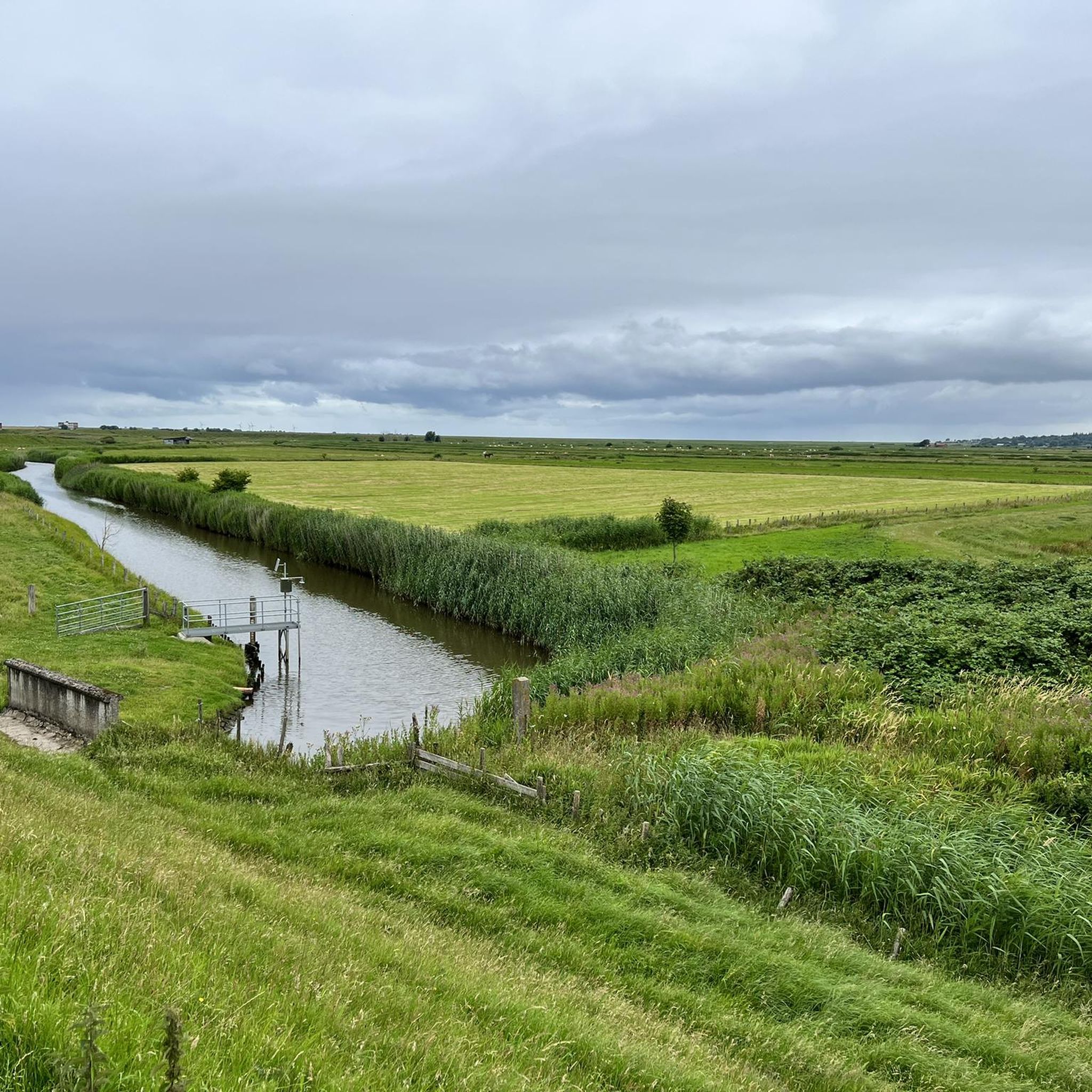
Lüttmoorsiel Seawall and View over the Beltringharder Koog
Highlight • Viewpoint
Translated by Google •
Tip by

Beltringharder Polder
Highlight • Natural Monument
Translated by Google •
Tip by

Sign up now to discover places like this
Get recommendations on the best single tracks, peaks, & plenty of other exciting outdoor places.
Sign up for free
Wester-Spätinge Nature Reserve
Highlight • Natural Monument
the current outer dike was built in 1579 to protect against storm surges and land reclamation.
The dike …
Translated by Google •
Tip by

View of the salt marshes and dike at Simonsberg (Wadden Sea National Park)
Highlight • Viewpoint
Translated by Google •
Tip by
Tine Fountain (Asmussen‑Woldsen Monument)
Highlight • Monument
Translated by Google •
Tip by

Sign up for free to discover even more natural monuments around Husum.
Sign up for free
Already have an account?
Start today with a free account
Your next adventure awaits.
Login or Signup
Popular around Husum
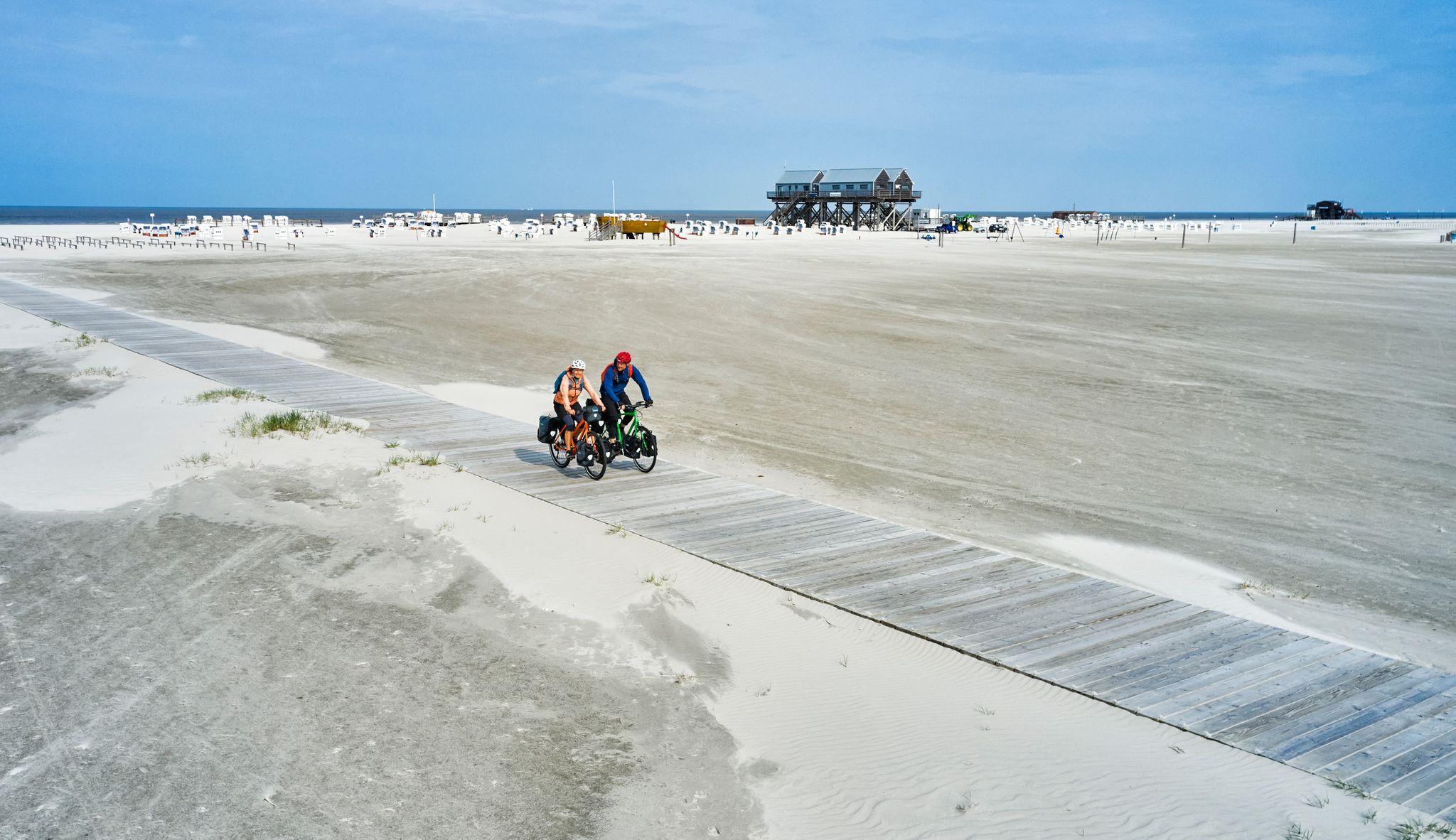
Nine hundred kilometres of pure freedom – North Sea Cycle Route
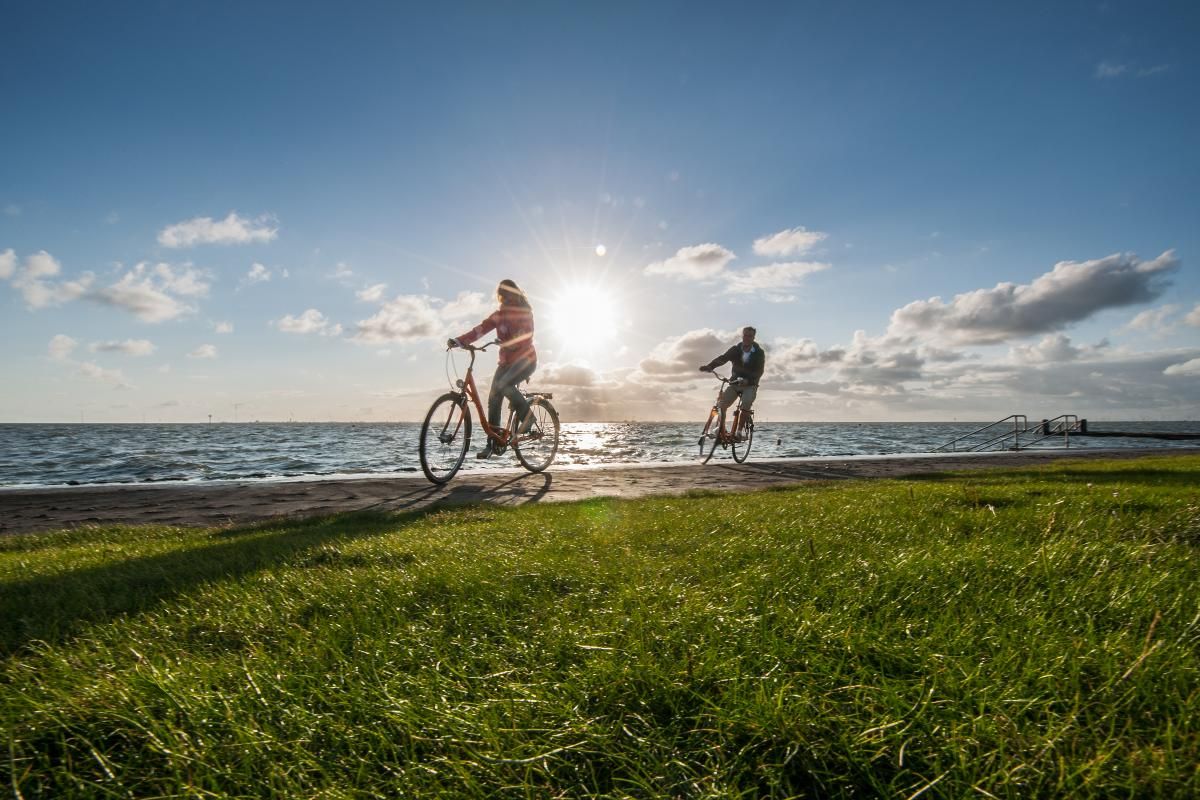
The most beautiful bike routes in Husum Bay
D-Route 1: North Sea Coast Route
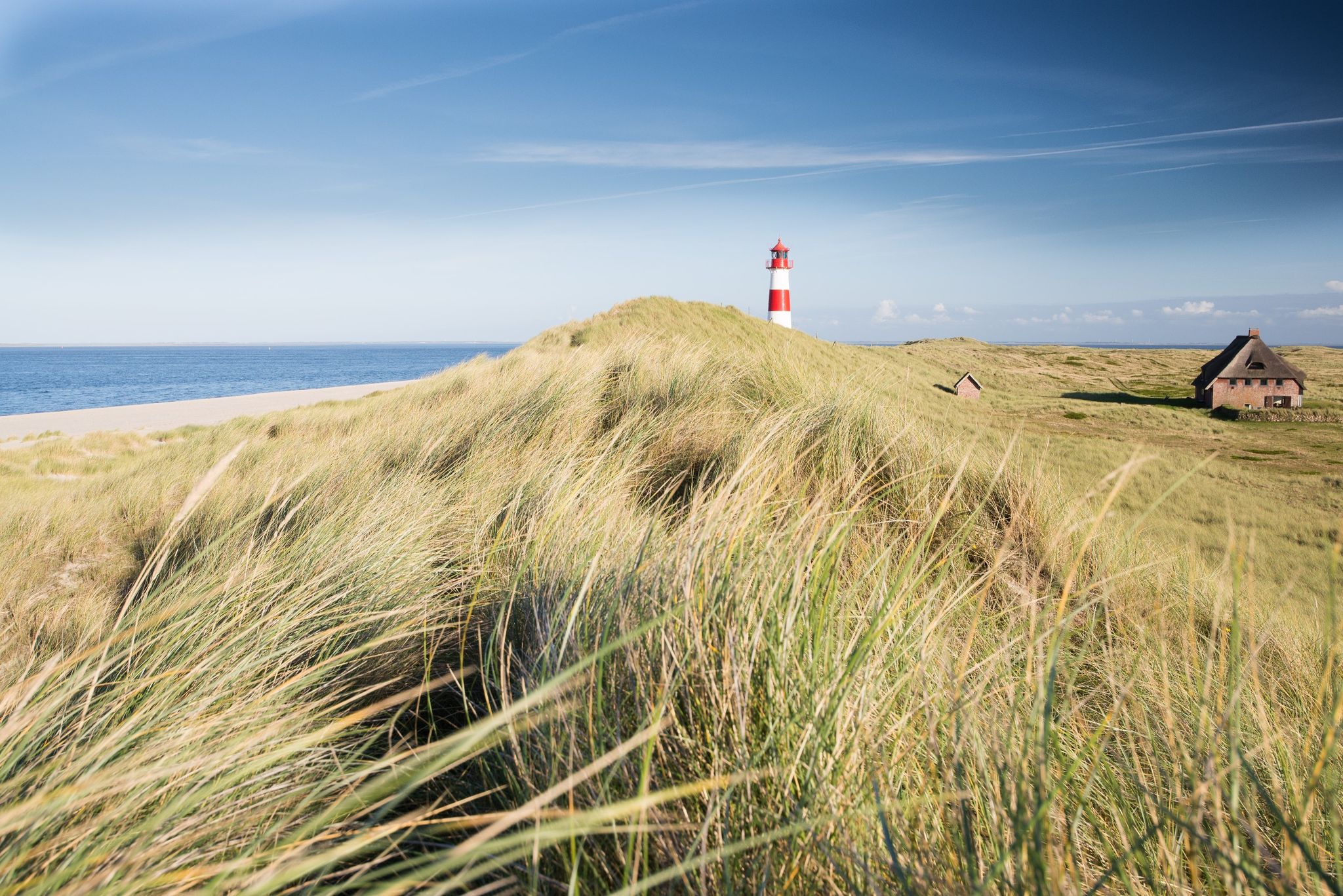
Island hopping by road bike
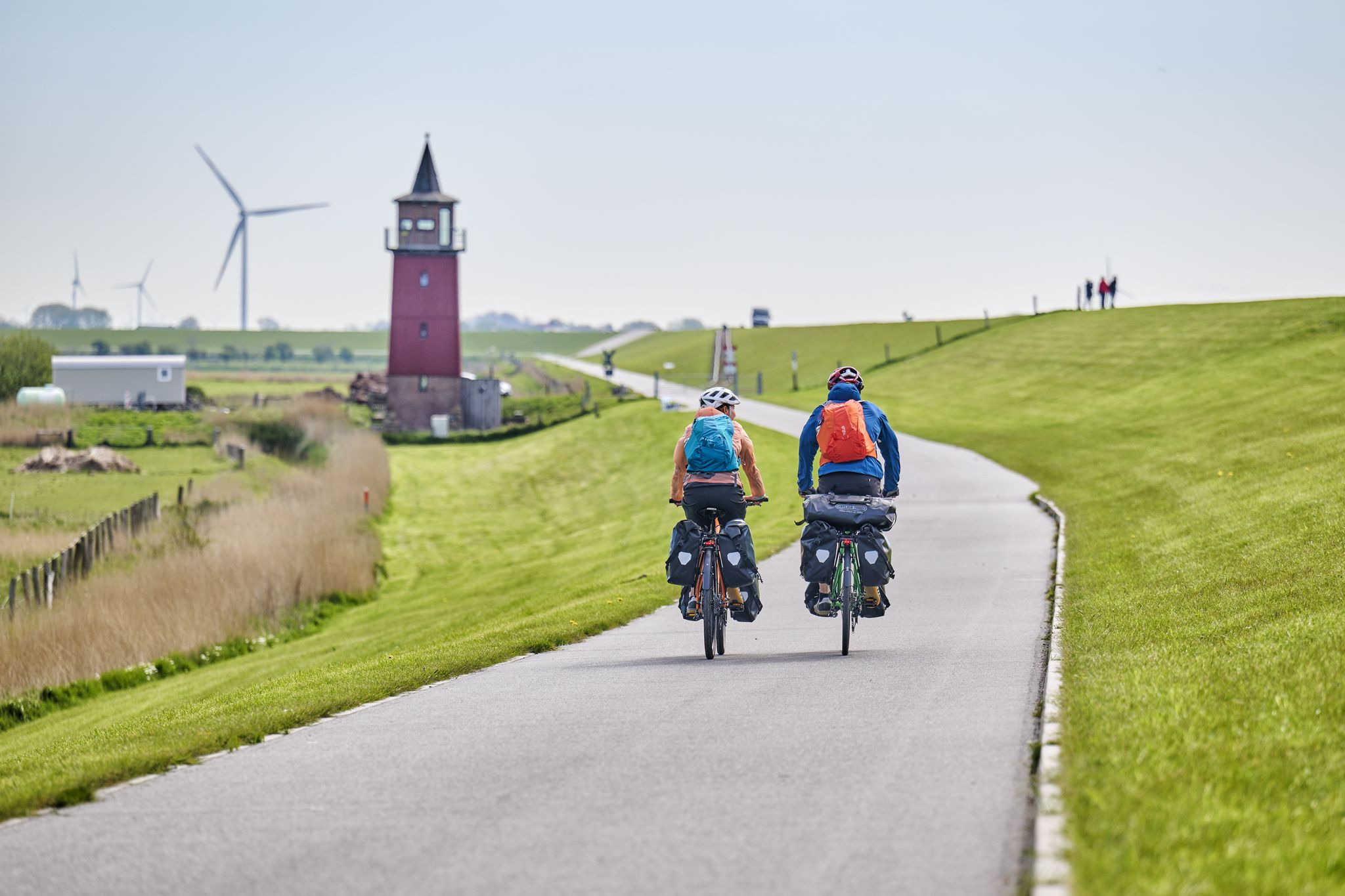
Nordseeküsten-Radweg in Schleswig-Holstein
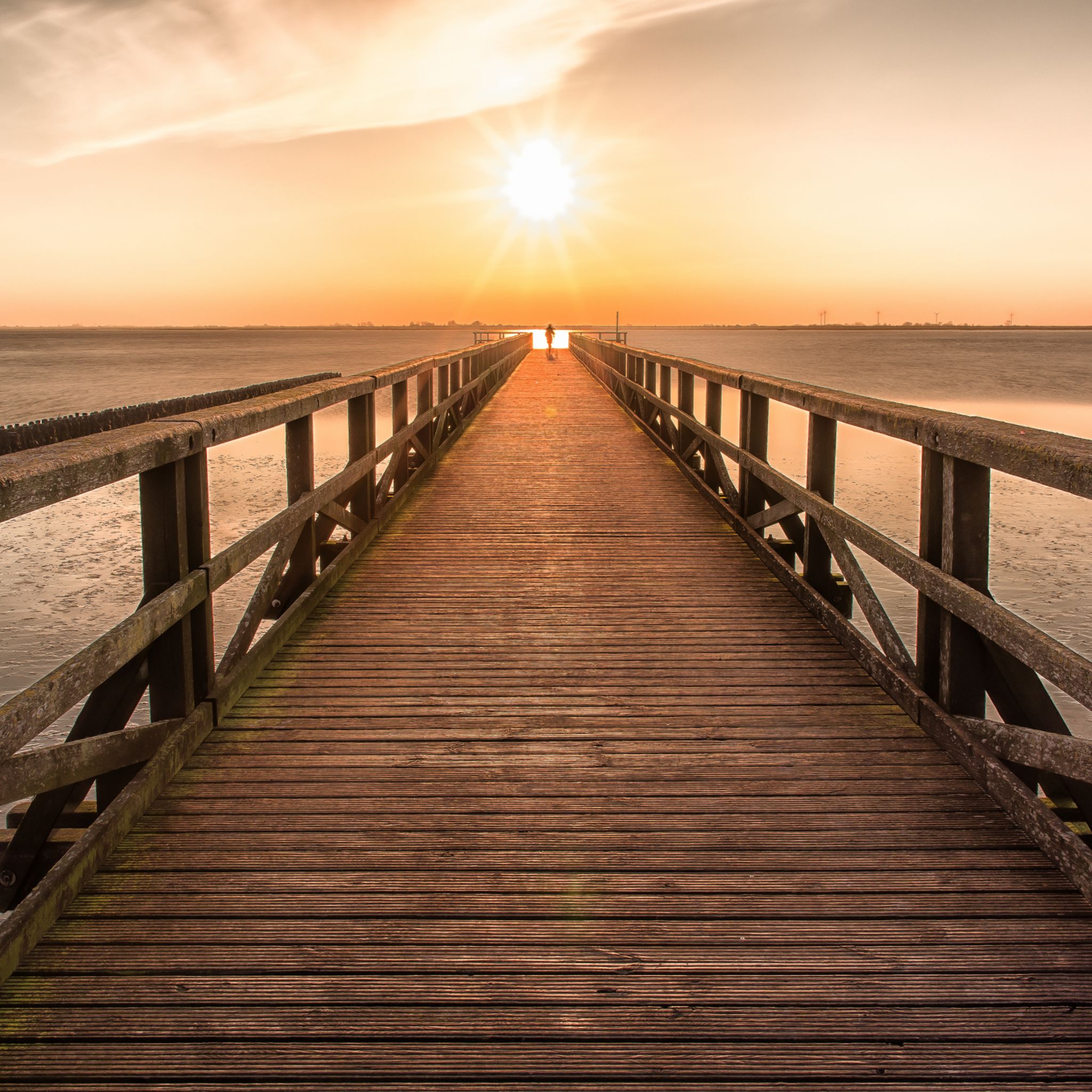
Cycling around Husum
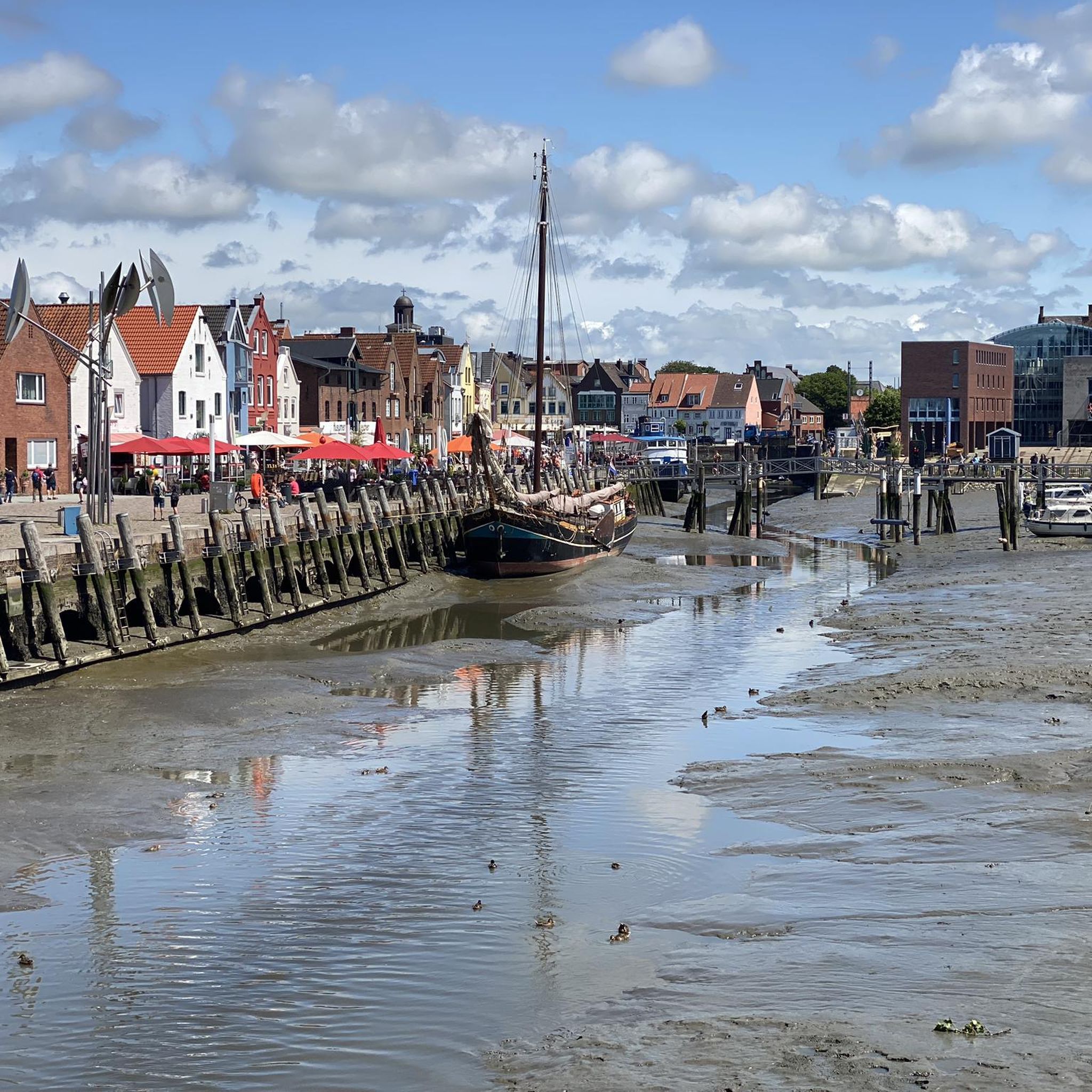
Hiking around Husum
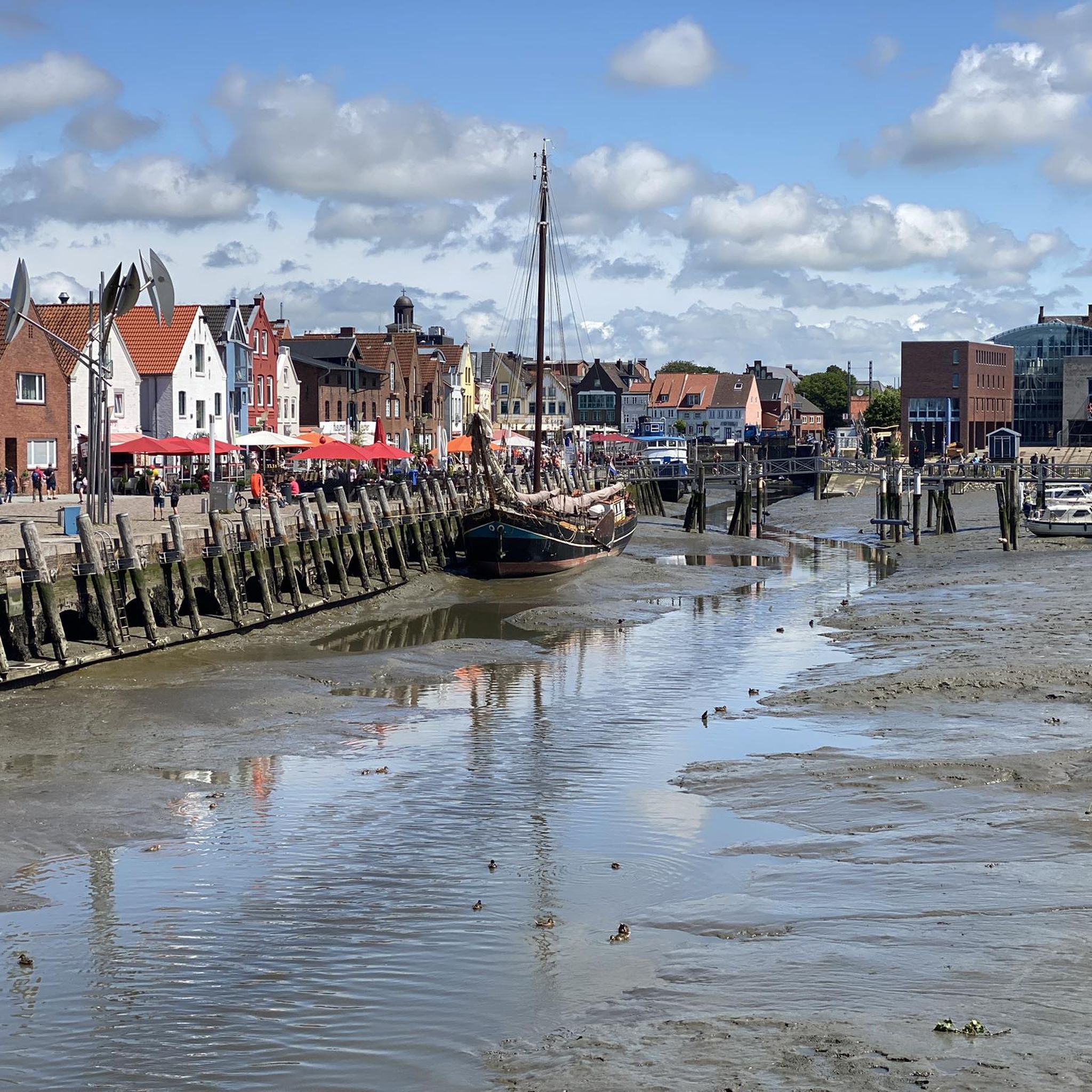
Road Cycling Routes around Husum
Running Trails around Husum
MTB Trails around Husum
Other adventures around Husum


Tips from the Community

Asmussen-Woldsen monument as a fountain.
4
0

The Beltringharder Koog is an impressive nature reserve in North Friesland, Schleswig-Holstein. The Koog was embanked in 1987 and covers an area of 3,350 hectares, making it the largest nature reserve on the Schleswig-Holstein mainland. It was created in response to storm surges and today serves to protect the coast and promote biodiversity in the region. The Beltringharder Koog has a variety of habitats, including saltwater and freshwater lagoons, wet grassland and tidal floodplains. These diverse biotopes provide habitat for numerous species of birds that breed or rest here. Over 100,000 waders and water birds use the Koog throughout the year, making it a paradise for birdwatchers. Commonly seen species include greylag geese and black-necked grebes. For visitors, there are well-developed hiking and cycling trails that lead through the diverse landscape of the Koog. Tours that start at Lüttmoorsiel and lead along the dike to Lüttmoorsee and further are particularly recommended. Observation huts and viewing platforms on these routes offer excellent opportunities to observe wildlife in its natural environment. The Koog is also an example of successful cooperation between nature conservation organizations such as NABU, the Wadden Sea Conservation Station and the WWF. Together they ensure that this unique ecosystem is protected and cared for.
1
0

Beltringharder Koog is the name of the embankment of part of the Schleswig-Holstein Wadden Sea in the area of Nordstrand Bay, which was completed in 1987. This measure effectively connected the former island of Nordstrand to the mainland and thus made it part of a peninsula. Wikipedia
3
0
Great to drive. 10,000 hectares of salt marshes, a unique habitat 👍🍀
3
0

Is a beautiful fountain figure
5
0

The Tine, Husum's secret landmark, stands on the base of the market fountain built in 1902. Created by the Husum-born sculptor Adolf Brütt, the bronze figure depicts a young fisherman's wife in wooden shoes. The Tine in Husum commemorates two of the city's benefactors: Catharina Asmussen and Friedrich Woldsen, from whose names the short form for the figure was derived.
4
0

The Tine fountain is located in Husum on the market square in the center. The Tine fountain is also known as the secret landmark of the city of Husum. The Tine, as the Tine fountain is also affectionately known, consists of two parts. One part is the fountain and the second part is the Tine figure. The fountain was built in 1902. The official name of the market fountain is Asmussen-Woldsen-Brunnen. It is named after two benefactors of the city of Husum: Friedrich Woldsen and Anna Catharina “Tine” Asmussen. And now it is clear where the Tine got its name from. The Tine figure is a bronze sculpture that was created by the Husum-born sculptor Adolf Brütt. The tine depicts a fisherman's wife in wooden shoes at that time. https://www.schlei-ostsee-urlaub.de/data/schlei-ostsee-urlaub_1516.html
5
0

From this dike, you reach infinite horizons. You have views of the sea, but also of the halligens and the Beltringharder Koog. As you evolve near mudflats, many sea wading birds better known as wading birds are visible. Oystercatchers, curlews, sandpipers, sandpipers. All these birds find their pantries in the mud. You also see many sheep. The salty grass they eat makes their meats tastier.
5
2
Frequently Asked Questions
What are some of the most popular natural monuments to visit around Husum?
The natural monuments around Husum are primarily characterized by the unique landscape of the Wadden Sea. Highly appreciated by visitors are the View of the salt marshes and dike at Simonsberg (Wadden Sea National Park), offering expansive views of the Wadden Sea and its salt marshes. Another popular spot is the Lüttmoorsiel Seawall and View over the Beltringharder Koog, known for its vistas of the sea, Halligen islands, and diverse birdlife. The Beltringharder Koog Nature Reserve is also a significant area, featuring large salt and freshwater habitats.
Are there family-friendly natural monuments around Husum?
Yes, several natural monuments around Husum are suitable for families. The View of the salt marshes and dike at Simonsberg, the Lüttmoorsiel Seawall, and the Beltringharder Koog Nature Reserve are all marked as family-friendly. These locations offer opportunities for walks, birdwatching, and experiencing the unique coastal environment, often with grazing sheep.
What kind of natural features can I expect to see in the Husum region?
The Husum region is dominated by the Wadden Sea, a UNESCO World Heritage site. You'll encounter expansive intertidal zones with mudflats, sandbanks, and salt marshes. These areas are critical habitats for migratory birds and unique marine life. Husum Bay offers picturesque coastal scenery with rich birdlife, and you might even spot seals. Dikes provide elevated viewpoints over the North Sea and the Halligen islands, often with grazing sheep.
What is the best time to visit the natural monuments around Husum?
The Wadden Sea and its surrounding natural monuments offer unique experiences throughout the year. Spring and autumn are excellent for birdwatching, as millions of migratory birds use the Wadden Sea as a resting and feeding ground. Summer allows for mudflat walks and enjoying the fresh sea air. Even in winter, the landscape has a stark beauty, and dikes offer opportunities for refreshing walks.
Are there opportunities for hiking or cycling near these natural monuments?
Yes, the flat coastal landscape around Husum is ideal for outdoor activities. You can find numerous routes for cycling and running that often pass by or offer views of these natural monuments. For example, there are many Running Trails around Husum and Cycling routes around Husum that allow you to explore the dikes, salt marshes, and coastal areas. These routes vary in distance and difficulty, catering to different preferences.
Can I observe wildlife, especially birds, at the natural monuments?
Absolutely. The Wadden Sea and its nature reserves are globally significant for their birdlife. Locations like the Lüttmoorsiel Seawall and the Beltringharder Koog Nature Reserve are renowned for sea wading birds such as oystercatchers, curlews, and sandpipers. The Wester-Spätinge Nature Reserve is also a popular breeding and resting area for a large number of birds.
Are there any less crowded natural monuments or hidden gems around Husum?
While the Wadden Sea itself is a vast and often tranquil area, for a potentially quieter experience, consider exploring the Wester-Spätinge Nature Reserve. This area, with its historical background and flat ponds, offers a peaceful setting for birdwatching and enjoying nature away from the more frequented viewpoints, while still being a significant natural and cultural monument.
What is the significance of the Beltringharder Koog Nature Reserve?
The Beltringharder Koog Nature Reserve is a vital natural monument created in the 1980s from a former Wadden Sea area. It features large salt and freshwater habitats, making it one of the largest lakes in Schleswig-Holstein. It's an important area for wading and water birds, supporting a unique animal and plant world, and serves as a significant resting and breeding ground.
Are there any historical aspects connected to the natural monuments?
While many natural monuments are purely geological or ecological, some have historical connections. For instance, the Wester-Spätinge Nature Reserve has a history dating back to the 16th century. The flat ponds within the reserve were created from clay extraction during the construction of dikes to protect against storm surges, making it both a natural and cultural monument.
What do visitors enjoy most about the natural monuments around Husum?
Visitors frequently appreciate the expansive views of the Wadden Sea, the fresh sea air, and the unique coastal landscape. The opportunity to observe diverse birdlife and grazing sheep on the dikes is also a highlight. Many enjoy the tranquility and the chance to connect with nature, whether through walks along the dikes or exploring the nature reserves. The dynamic interplay of tides and the ever-changing scenery are also often mentioned.
How long should I plan for a visit to these natural monuments?
The duration of your visit can vary. For a quick overview and a refreshing walk, you might spend 1-2 hours at a viewpoint like the dike at Simonsberg or the Lüttmoorsiel Seawall. If you plan to explore a nature reserve like the Beltringharder Koog more thoroughly, engage in birdwatching, or take a longer walk or cycle ride, you could easily spend half a day or more.
Most popular routes around Husum
Most popular attractions around Husum

Get inspired with the komoot mobile app


Explore more
Extend your search for the best caves by checking out these guides of the top ones around Husum:
