Top 20 Natural Monuments in La Palma
Best natural monuments in La Palma showcase the island's diverse and rugged terrain, shaped by volcanic activity and erosion. This Canary Island features immense volcanic craters, high peaks, lush laurisilva forests, and unique coastal formations. The landscape offers a blend of geological marvels and rich biodiversity, making it a notable destination for outdoor exploration. Its commitment to preserving dark skies also establishes it as a prime location for astronomical observation.
Best natural monuments in La Palma
- The most popular natural monuments is Roque de los Muchachos, a summit that is the highest point on the island and one of the best places in the world for observing the sky. It provides spectacular panoramic views of the island and the ocean.
- Another must-see spot is Cubo de la Galga Gorge, a gorge with a narrow canyon. This area is known for its humid, jungle-like environment and is considered a magic forest.
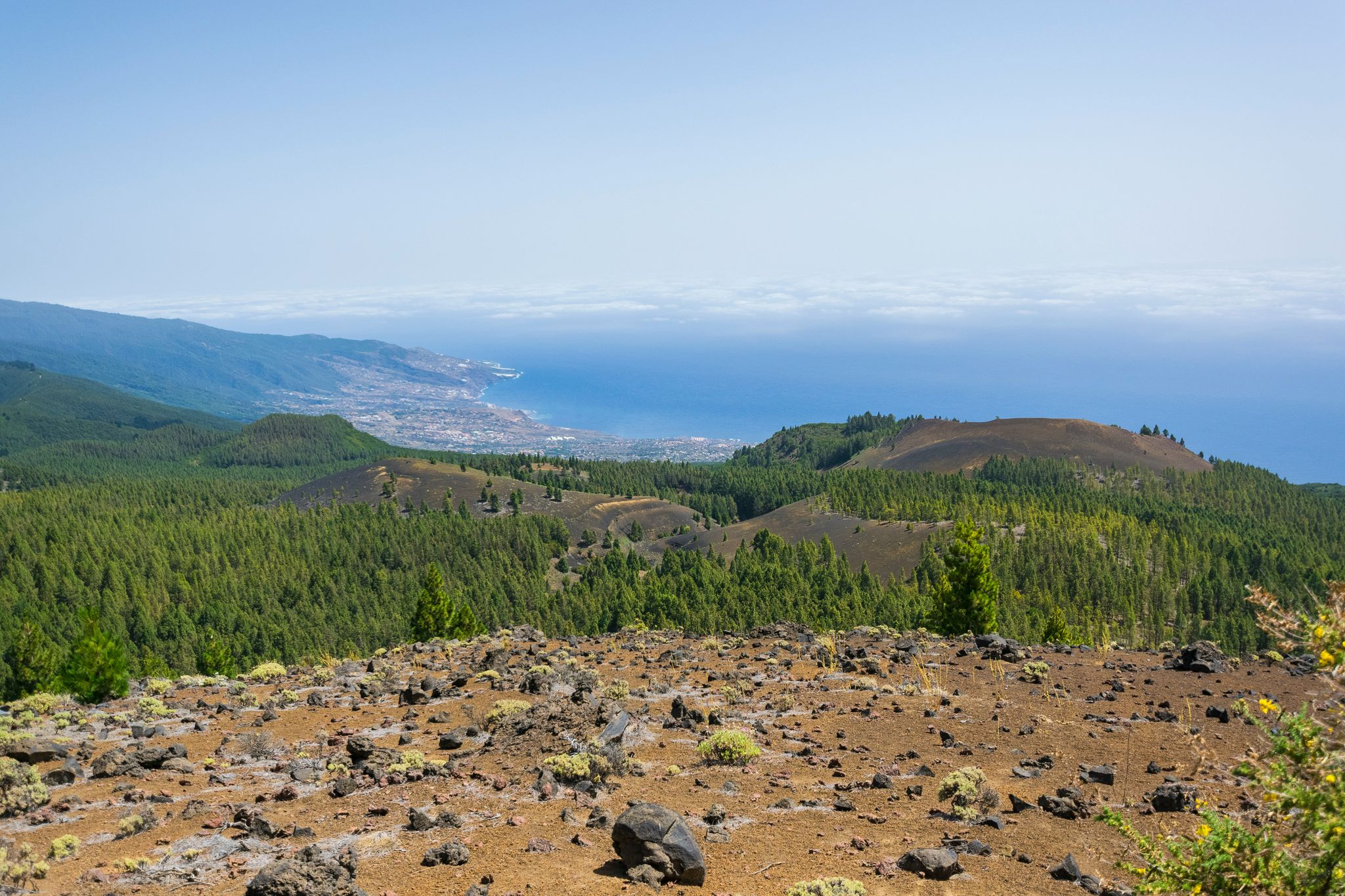
- Visitors also love San Antonio Volcano, a volcano with a viewpoint. It offers impressive views of the volcano and features an exhibition about the island's volcanic history.
- La Palma is known for its volcanoes, gorges, and summits. Visitors can explore a variety of natural monuments, from volcanic landscapes to ancient forests and dramatic coastlines.
- The natural monuments in La Palma are appreciated by the komoot community, with more than 700 upvotes and over 900 photos shared across its highlights.
Last updated: June 23, 2026
Roque de los Muchachos
Highlight • Summit
Translated by Google •
Tip by

Cubo de la Galga Gorge
Highlight • Gorge
Translated by Google •
Tip by

Sign up now to discover places like this
Get recommendations on the best single tracks, peaks, & plenty of other exciting outdoor places.
Sign up for free
San Antonio Volcano
Highlight • Volcano
Translated by Google •
Tip by
Las Angustias Gorge
Highlight (Segment) • Gorge
Translated by Google •
Tip by

Colorful Waterfall
Highlight • Waterfall
Translated by Google •
Tip by

Sign up for free to discover even more natural monuments in La Palma.
Sign up for free
Already have an account?
Start today with a free account
Your next adventure awaits.
Login or Signup
Popular around La Palma
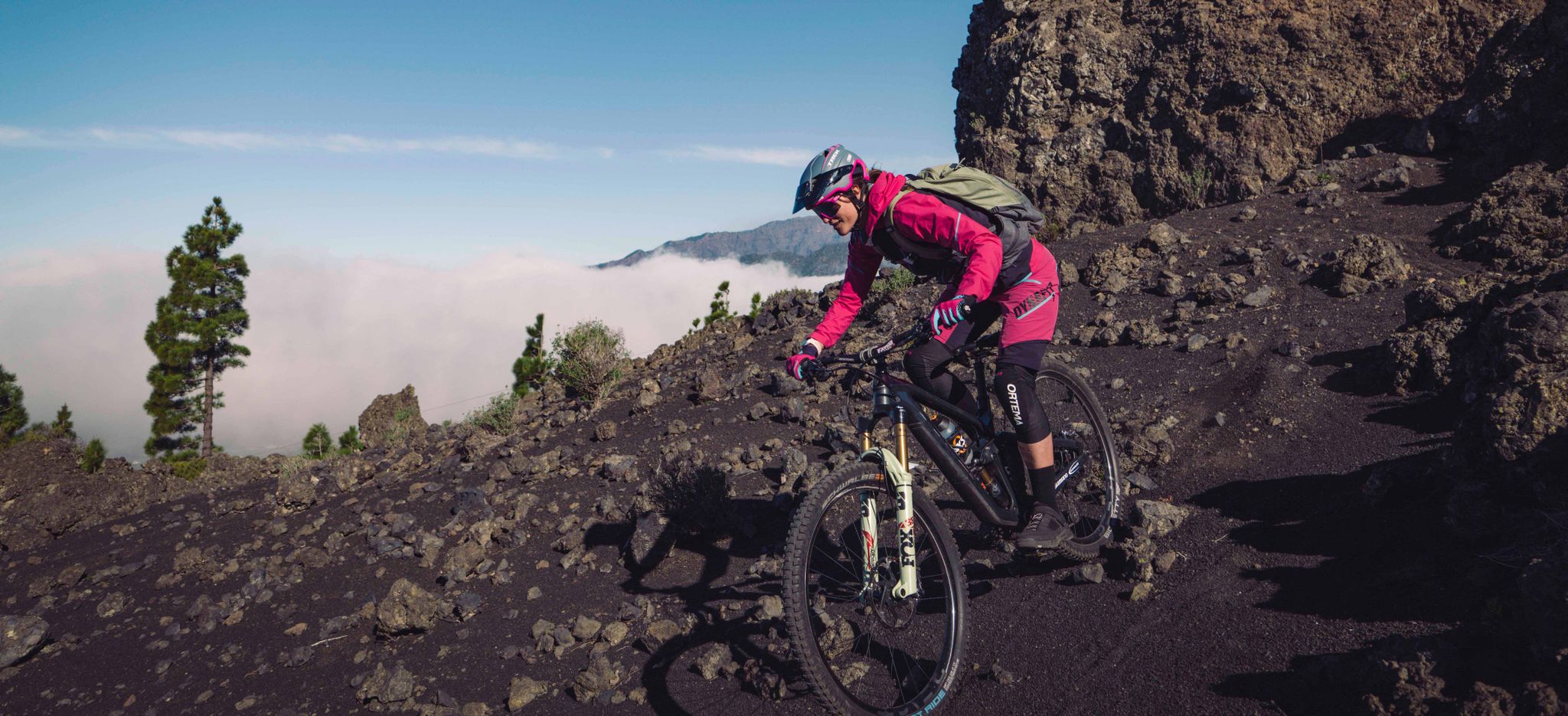
La Palma – my favourite Tours on the Canary Islands’ Isla Bonita
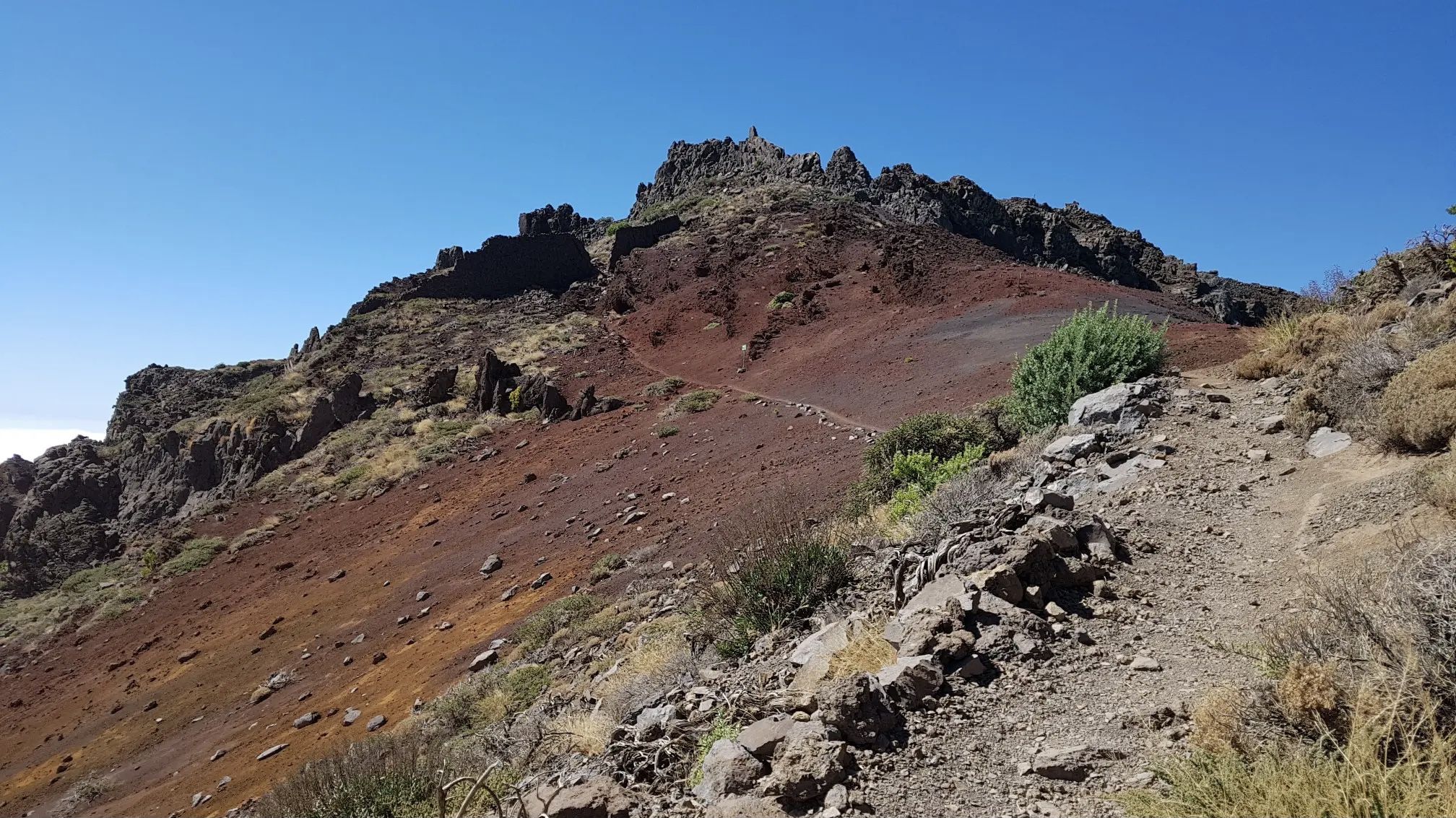
GR 131 El Bastón – La Palma in all its splendour
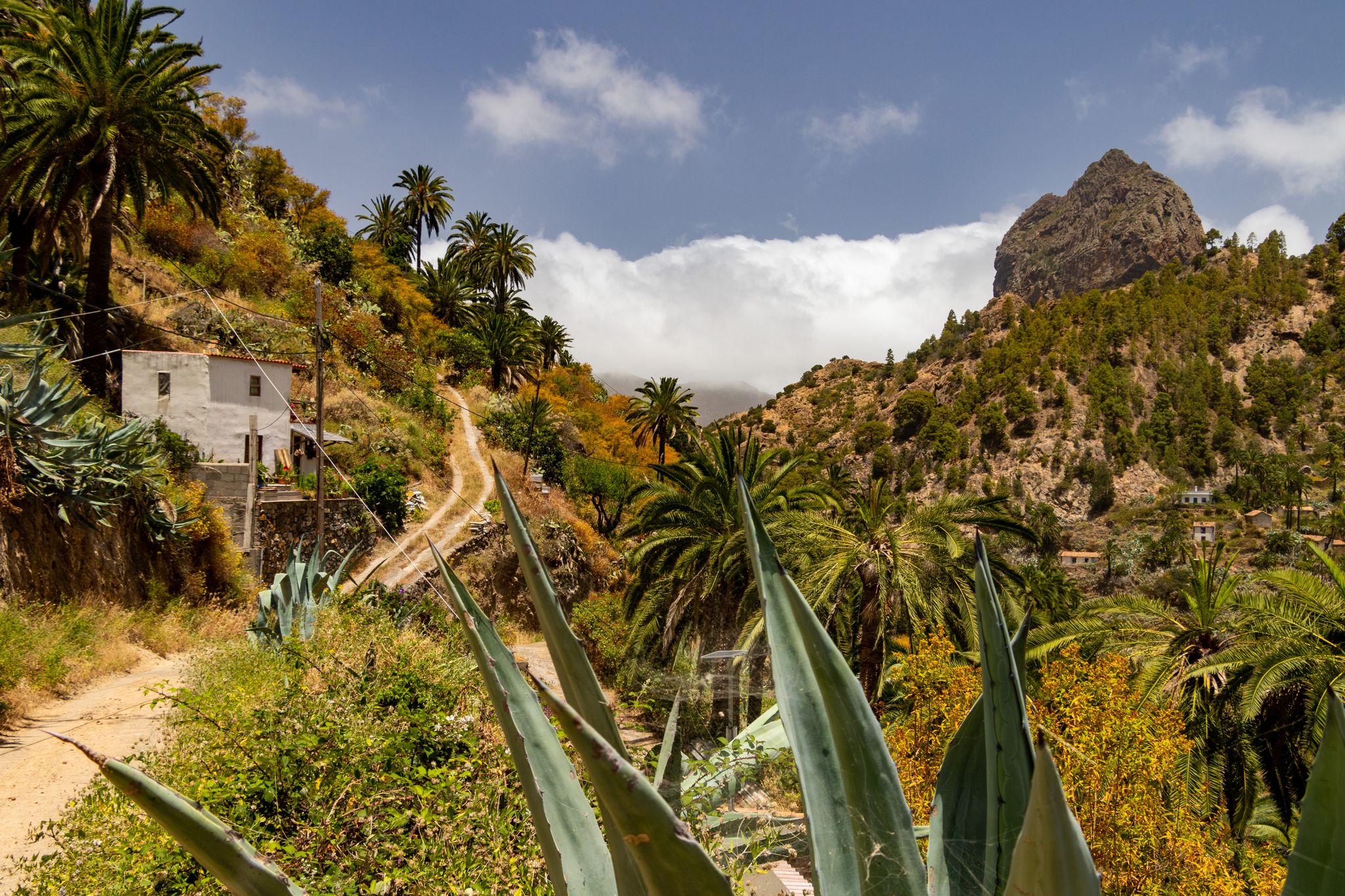
La Palma, El Hierro y La Gomera – explore the Canaries’ Green Islands on foot
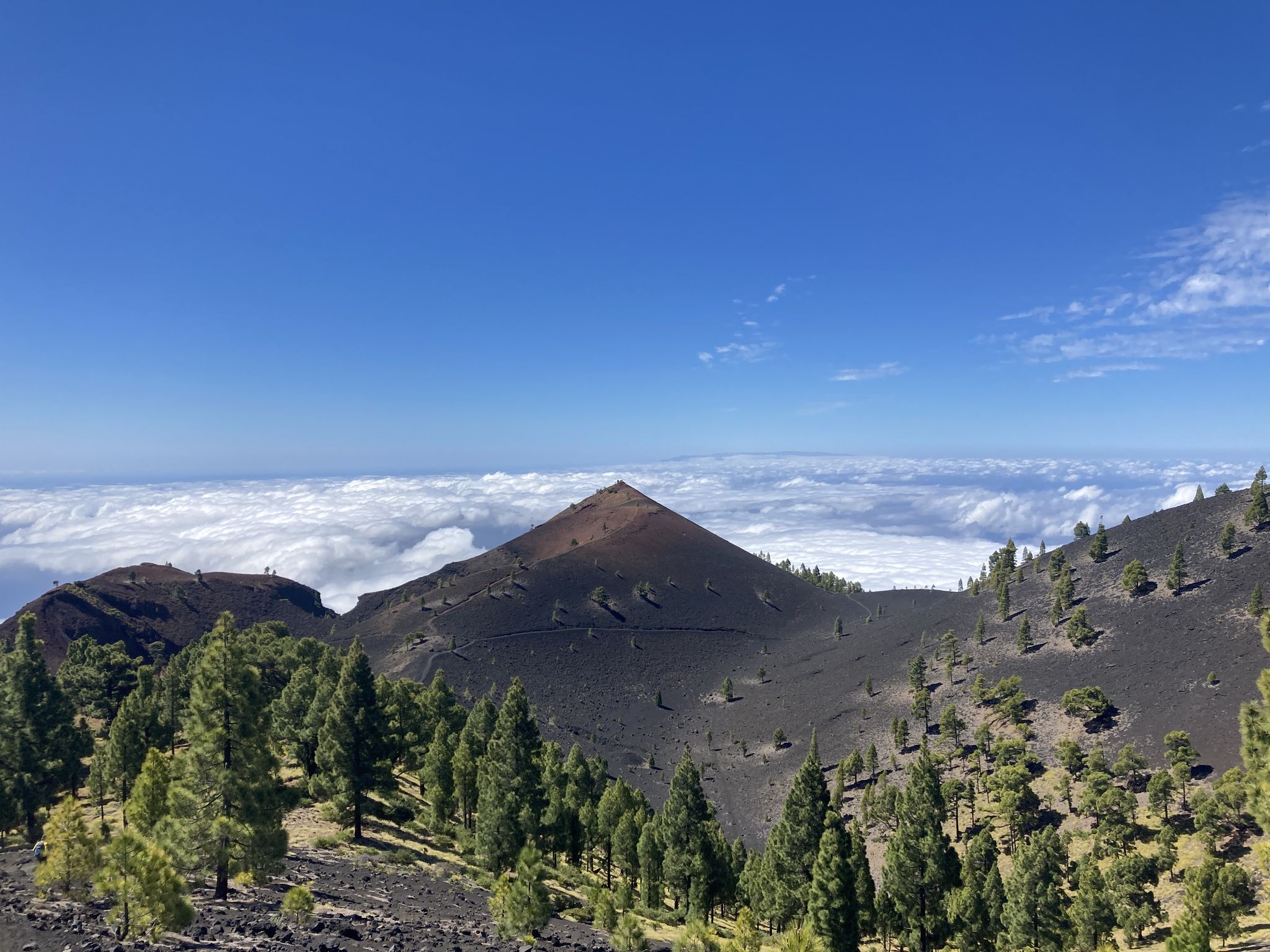
Transvulcania - traverse la Palma in the Canary Islands on the GR 131
Around the beautiful island – La Palma Nature Trail (GR 130)
Hiking in La Palma
Running Trails in La Palma
MTB Trails in La Palma
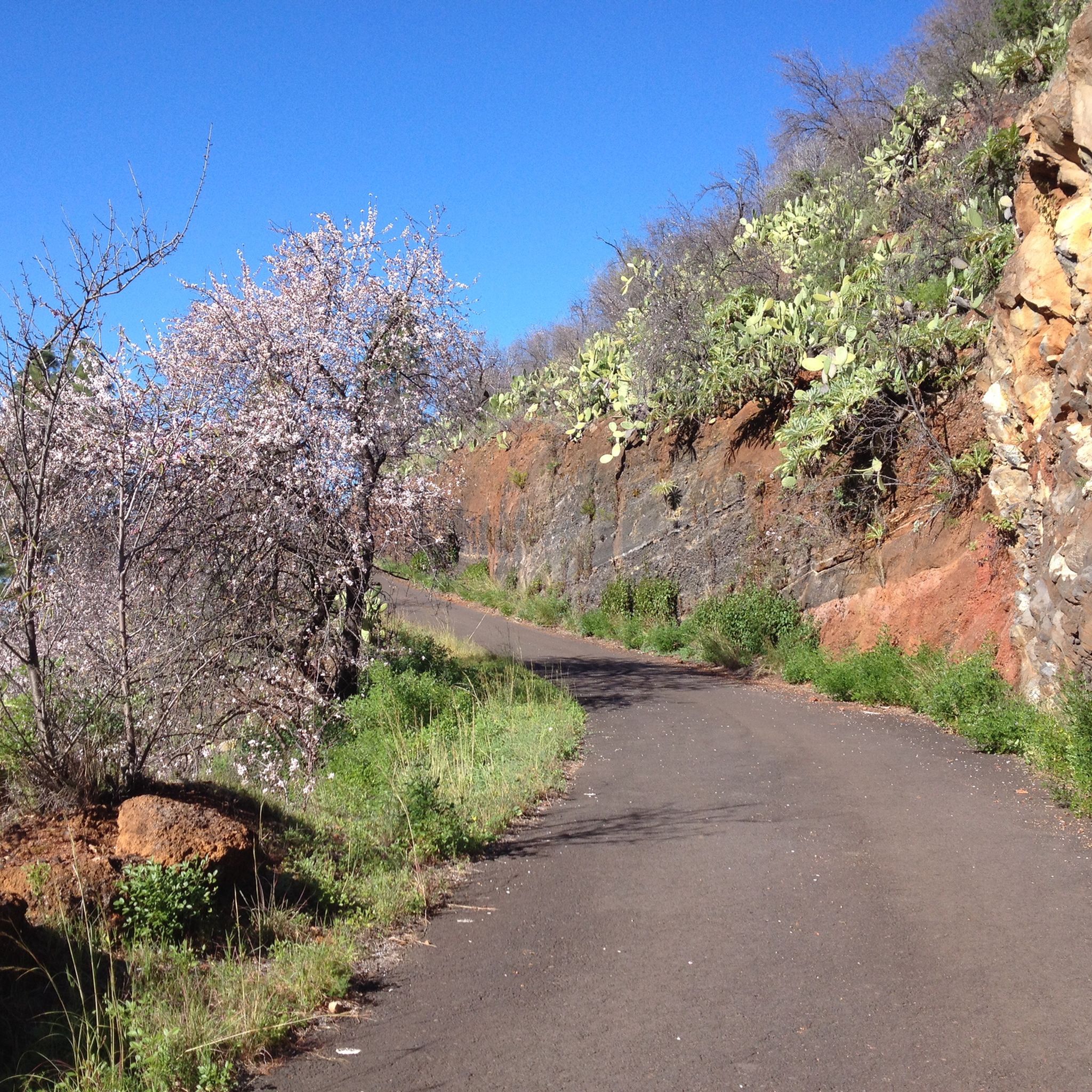
Cycling in La Palma
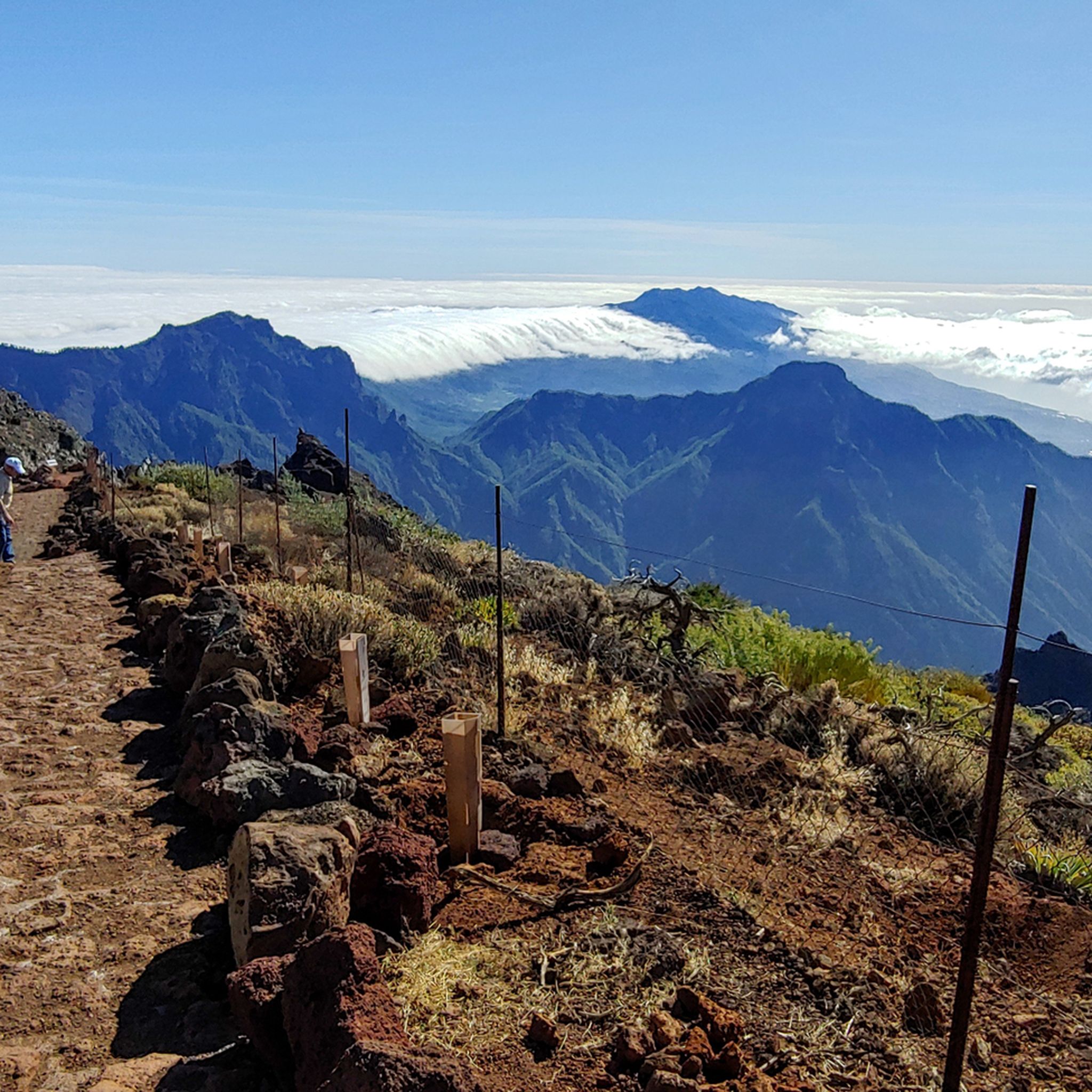
Road Cycling Routes in La Palma
Other adventures in La Palma


Tips from the Community

We ran the route the other way around, it was more pleasant going downhill.
0
0

On a day with visibility you will see the nearby islands. Don't miss the sunset, the colors are different here. The temperature changes constantly, don't forget your windbreak
6
0

In the meantime, the entrance fees have increased (8€/6€ residents), but it is still very worthwhile.
3
0

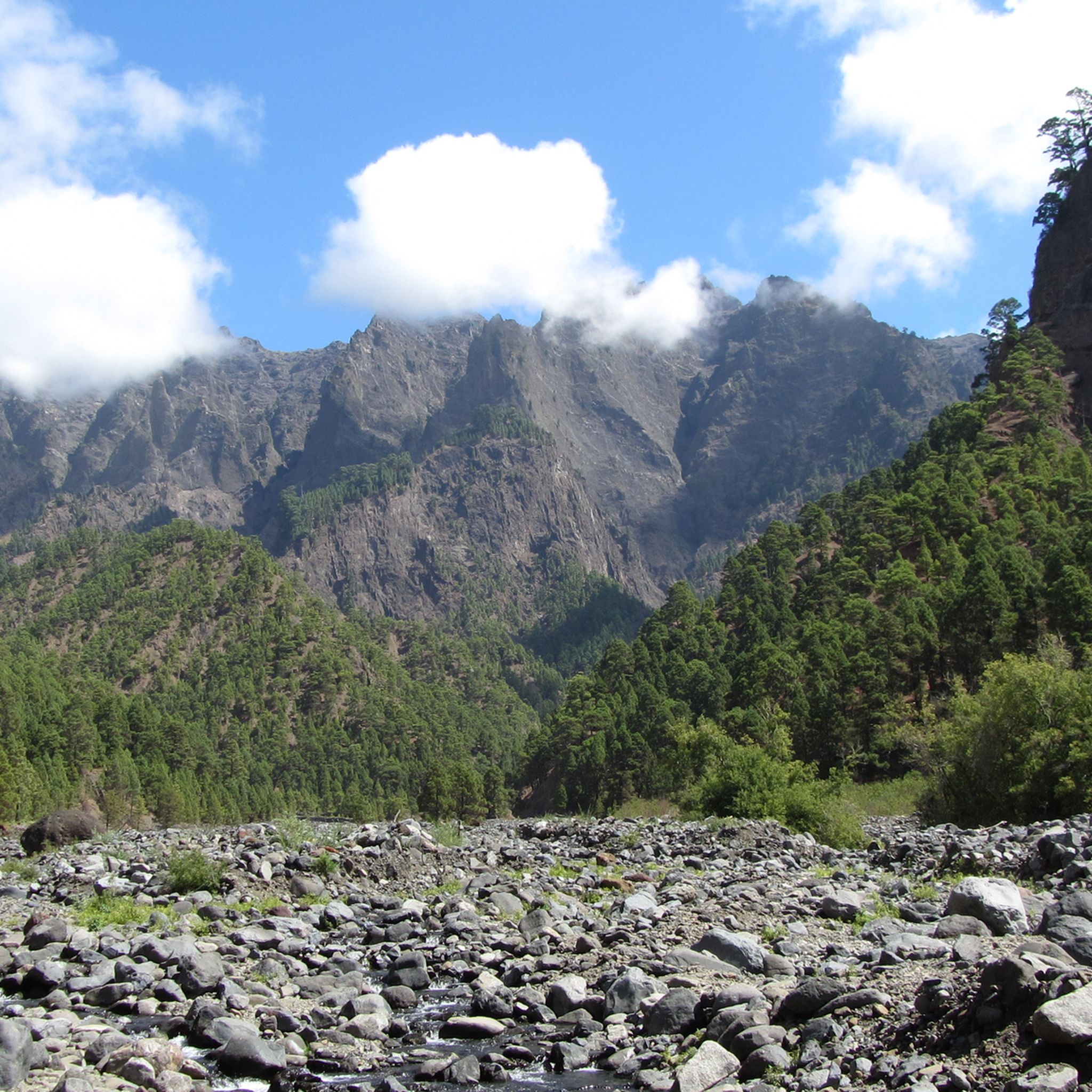
This natural space, at the foot of the Caldera de Taburiente National Park, is formed after the union of the two permanent streams that emerge from the caldera. It is a magnificent place and a stopping point for numerous routes in the area. Despite carrying water almost always, it is advisable to carry water in your backpack, since it is not suitable for consumption and it usually gets a lot of sun. It is also important to wear appropriate footwear because the terrain is steep.
2
1
This natural space at the foot of the Caldera de Taburiente National Park, is formed after the union of the two permanent streams that arise from the Caldera. It is a magnificent place and a crossing point for numerous routes in the area. Despite almost always carrying water, it is recommended to carry water in your backpack since it is not suitable for consumption and it is usually very sunny. It is also important to wear suitable footwear since, after all, the terrain is rough.
1
0
One of the biggest tourist attractions of the Caldera de Taburiente National Park that, however, became it accidentally, since initially it was just a containment dam for the waters of the Caldera. But the iron colored its walls and together with the numerous algae that also cover them, gave rise to this very special place.
4
4

Fantastic but demanding hike. However, a head for heights, sure-footedness and some Alpine experience are prerequisites. Gigantic views and unforgettable impressions are guaranteed. Fantastic 🌞😎🇪🇦👍👌
1
1

Perfect for bathing 😅
1
1
Frequently Asked Questions
What are some of the most popular natural monuments in La Palma?
La Palma boasts several highly-rated natural monuments. Among the most popular are Roque de los Muchachos, the island's highest point offering spectacular panoramic views, and Cubo de la Galga Gorge, known for its humid, jungle-like environment. Another must-see is San Antonio Volcano, which provides impressive views and insights into the island's volcanic history.
Are there family-friendly natural monuments to visit in La Palma?
Yes, several natural monuments in La Palma are suitable for families. Roque de los Muchachos is listed as family-friendly, offering accessible viewpoints. The visitor center at San Antonio Volcano also provides an educational experience about volcanoes that can be engaging for all ages. Additionally, the natural pools of Charco Azul offer a safe and unique swimming experience for families.
What kind of hiking trails can I find near La Palma's natural monuments?
La Palma is a hiker's paradise, with trails ranging from moderate to difficult. You can explore the immense Caldera de Taburiente National Park, which features well-marked trails through pine forests and down to the Barranco de las Angustias. The famous Route of the Volcanoes (Ruta de los Volcanes) offers an unforgettable journey through volcanic landscapes. For specific routes, you can find options like the 'Colors Waterfall through the Ravine of Anguish' or 'Cubo de la Galga – trail running circular' in the Running Trails in La Palma guide.
Is it possible to access natural monuments in La Palma using public transport?
While some natural monuments are accessible by public transport, many of the more remote or higher-altitude sites, like Roque de los Muchachos, are best reached by car. However, local bus services (guaguas) do connect some towns and trailheads. It's advisable to check specific routes and schedules in advance for the monument you plan to visit, as services can be limited, especially on weekends or to less frequented areas.
Are there any natural monuments in La Palma known for unique geological features?
Absolutely. La Palma's volcanic origins mean it's rich in unique geological features. The Caldera de Taburiente National Park is an immense volcanic crater with dramatic walls and deep ravines. The Route of the Volcanoes (Ruta de los Volcanes) traverses diverse 'lunar landscapes' of craters, lava fields, and cinder cones. The San Antonio Volcano also offers a direct encounter with the island's fiery past.
What is the best time of year to visit La Palma's natural monuments for hiking and views?
La Palma enjoys a mild climate year-round, making it suitable for visits at any time. However, for hiking and clear views, the spring (April-June) and autumn (September-November) months are often ideal, offering pleasant temperatures and generally stable weather. During winter, higher elevations like Roque de los Muchachos can be cold, requiring warm clothing, but often provide stunning views above the clouds. Summers are warm, but the island's trade winds can keep temperatures comfortable for outdoor activities.
Are permits required to visit any of La Palma's natural parks or monuments?
Generally, no specific permits are required for general access to most natural monuments or national parks in La Palma. However, certain activities or specific areas within parks, particularly for overnight stays or some guided tours, might require prior authorization. For instance, accessing the viewpoint and walking the edge of San Antonio Volcano requires a small entrance fee to the visitor center. It's always best to check with the official visitor centers for the latest regulations, especially for the Caldera de Taburiente National Park.
Where can I experience La Palma's famous laurisilva forests?
To experience La Palma's magnificent laurisilva forests, you should visit Los Tilos. Located in the north of the island, this humid forest is a prime example of these ancient subtropical forests, characterized by lush greenery, giant ferns, and the beautiful Cascada de Los Tilos (Los Tilos Waterfall). It was the first part of La Palma to be declared a UNESCO Biosphere Reserve and offers serene hiking experiences.
Are there any natural monuments suitable for stargazing in La Palma?
Yes, La Palma is renowned as one of the best places in the world for stargazing due to its exceptionally clear and dark night skies, protected by strict light pollution laws. Roque de los Muchachos, home to a world-class astrophysical observatory, is an unparalleled location for astronomical observation. While the observatory itself has restricted access, the surrounding areas offer incredible views of the night sky.
What are some unique coastal natural monuments in La Palma?
La Palma's coastline offers several unique natural monuments. The Salinas de Fuencaliente at the southern tip are historic salt flats creating a unique patchwork of pink and white fields against black volcanic terrain. Charco Azul provides natural volcanic pools perfect for swimming in calm, clear waters. For a wilder experience, Playa de Nogales is a stunning black sand beach framed by dramatic cliffs, offering a raw and energetic atmosphere.
Can I find amenities like cafes or visitor centers near the natural monuments?
Many popular natural monuments and parks have visitor centers or nearby amenities. For example, the San Antonio Volcano has a visitor center with an exhibition. Near the Caldera de Taburiente National Park, you can find cafes and accommodation in nearby towns. While Roque de los Muchachos has limited services directly at the summit, there are facilities in the surrounding areas. It's always a good idea to plan ahead, especially for more remote locations, and carry your own supplies.
What are some challenging hiking experiences related to La Palma's natural monuments?
For those seeking a challenge, the Caldera de Taburiente National Park offers demanding trails, such as the descent into the Barranco de las Angustias, which can be steep and require appropriate footwear. The Route of the Volcanoes (Ruta de los Volcanes) is another challenging multi-day trek that traverses rugged volcanic terrain. Even some running trails, like 'Colors Waterfall through the Ravine of Anguish', are rated as difficult in the Running Trails in La Palma guide, indicating significant elevation changes and technical sections.
Are there any natural monuments that offer historical insights into La Palma?
Yes, the San Antonio Volcano is a significant historical site. Its visitor center provides an exhibition detailing the island's volcanic history, including the 17th-century eruption of San Antonio and the more recent 1971 eruption of Teneguía. The Salinas de Fuencaliente also offer a glimpse into traditional Canarian salt-making methods, a practice with a long history on the island.
Most popular routes in La Palma
Most popular attractions in La Palma

Get inspired with the komoot mobile app


Explore more
Extend your search for the best caves by checking out these guides of the top ones in La Palma:
