Top 15 Natural Monuments on Föhr
Best natural monuments on Föhr showcase the island's diverse natural landscape in the German North Sea. This North Frisian island is characterized by its coastal scenery, geological formations, and significant ecosystems. It is home to the UNESCO World Natural Heritage Site Wadden Sea, featuring vast intertidal zones, beaches, marshes, and dunes. These areas provide habitats for various flora and fauna, offering opportunities for outdoor exploration.
Best natural monuments on Föhr
- The most popular natural monuments is Goting Cliff, a…
Last updated: May 9, 2026
Goting Cliff
Highlight • Natural Monument
Translated by Google •
Tip by

Lembecksburg ring wall
Highlight • Historical Site
Translated by Google •
Tip by
Sign up now to discover places like this
Get recommendations on the best single tracks, peaks, & plenty of other exciting outdoor places.
Sign up for free
Godel Lowlands
Highlight (Segment) • River
Translated by Google •
Tip by

Boldixum Duck Decoy from 1879
Highlight • Historical Site
Translated by Google •
Tip by

Tidal Fountain at Mittelbrücke
Highlight • Monument
Every 10 minutes the water rises in the upper basin, which was made from stone silhouettes of the Hallingen, Langeneß and Oland as well …
Translated by Google •
Tip by

Sign up for free to discover even more natural monuments on Föhr.
Sign up for free
Already have an account?
Start today with a free account
Your next adventure awaits.
Login or Signup


Tips from the Community

Open Mon-Fri from 10:00 to 12:00. Outside of opening hours, the bridge is raised. Bicycles must be left outside. It's best to park them a few meters away, next to the passage to the main dike. Bird decoys were used for duck hunting.
0
0

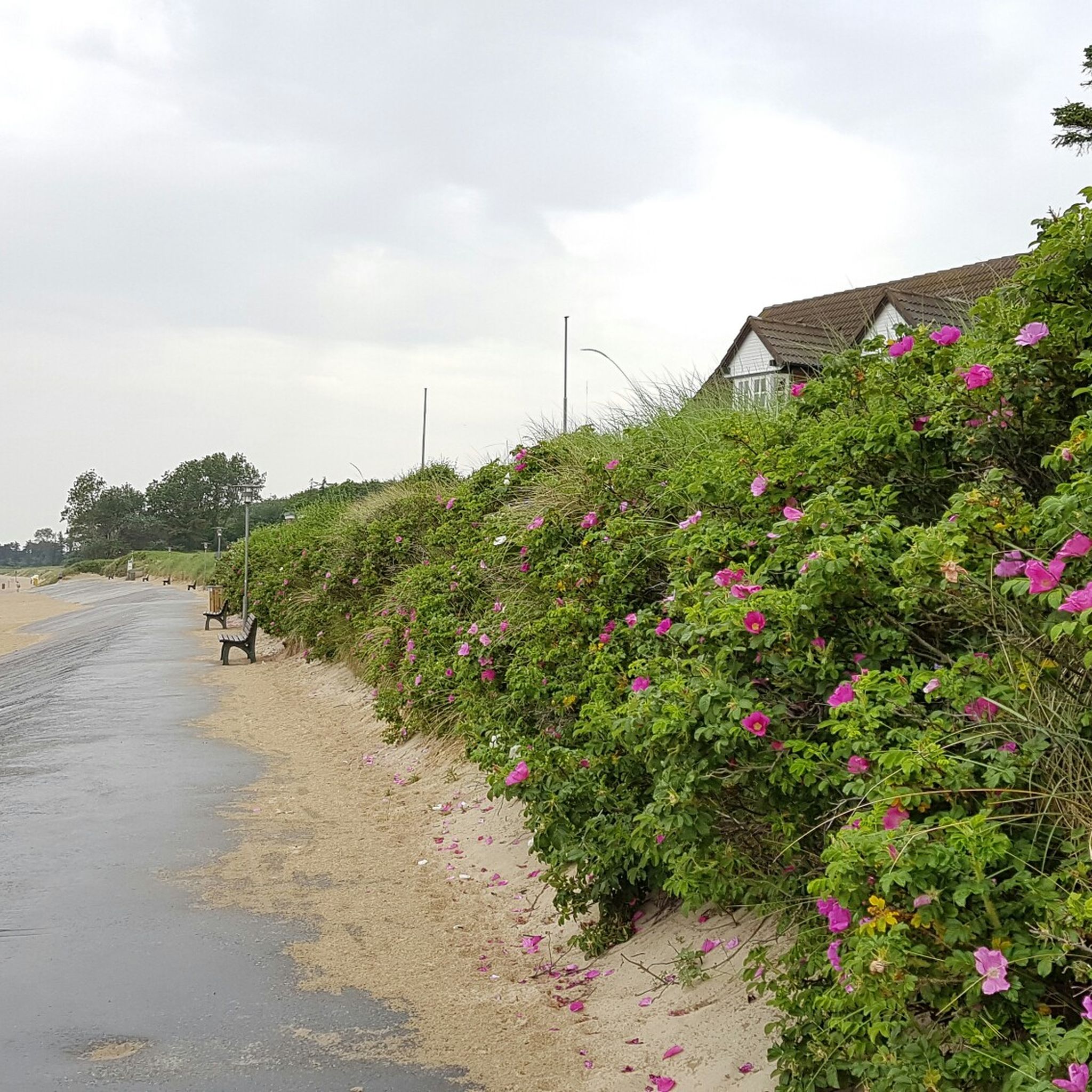
Beautifully located directly on the coast
1
0

How does the 🦆 duck get into the 🥫 can? Only six of the Föhr bird hides are left, and only the Boldixum bird hide can be visited. Bird hides used to be used to obtain food and were an important part of the local economy. The bird hide consists of an artificial pond surrounded by so-called "pipes". These pipes are narrow corridors covered with nets that become increasingly narrower. How it works: * Decoys: Tamed ducks lure their wild counterparts into the hide because they find food and a safe place to rest there. * The trap: When the wild ducks follow the decoys, they get caught in the pipes. These are designed so that the ducks can swim in but cannot get out. * The catch: At the end of the pipe there is a trap in which the ducks are caught. ☝️Worth watching a short explanation of the bird cages on Föhr: https://youtu.be/zMVw4puvL1Y?si=FuogCtpyeWB5bp6f
1
0

A somewhat unusual but certainly beautiful fountain.
1
1

Vodgelkoje, you should definitely pay attention to the opening hours, Monday to Friday from 10 a.m. to 12 p.m. These opening hours were never listed in any documents
2
0

In the first one I only noticed the bubbling fountain. But with the Sandwall fountain made of granite, Markus Thiessen has created a true masterpiece, as the North Frisian islands are depicted in contours and to scale. The outer edge of the fountain shows the mainland coast with the Hindenburg Dam, the neighboring islands of Sylt and Amrum, and in between two Frisian goblin heads that simulate high and low tides in 10 minutes.
4
0

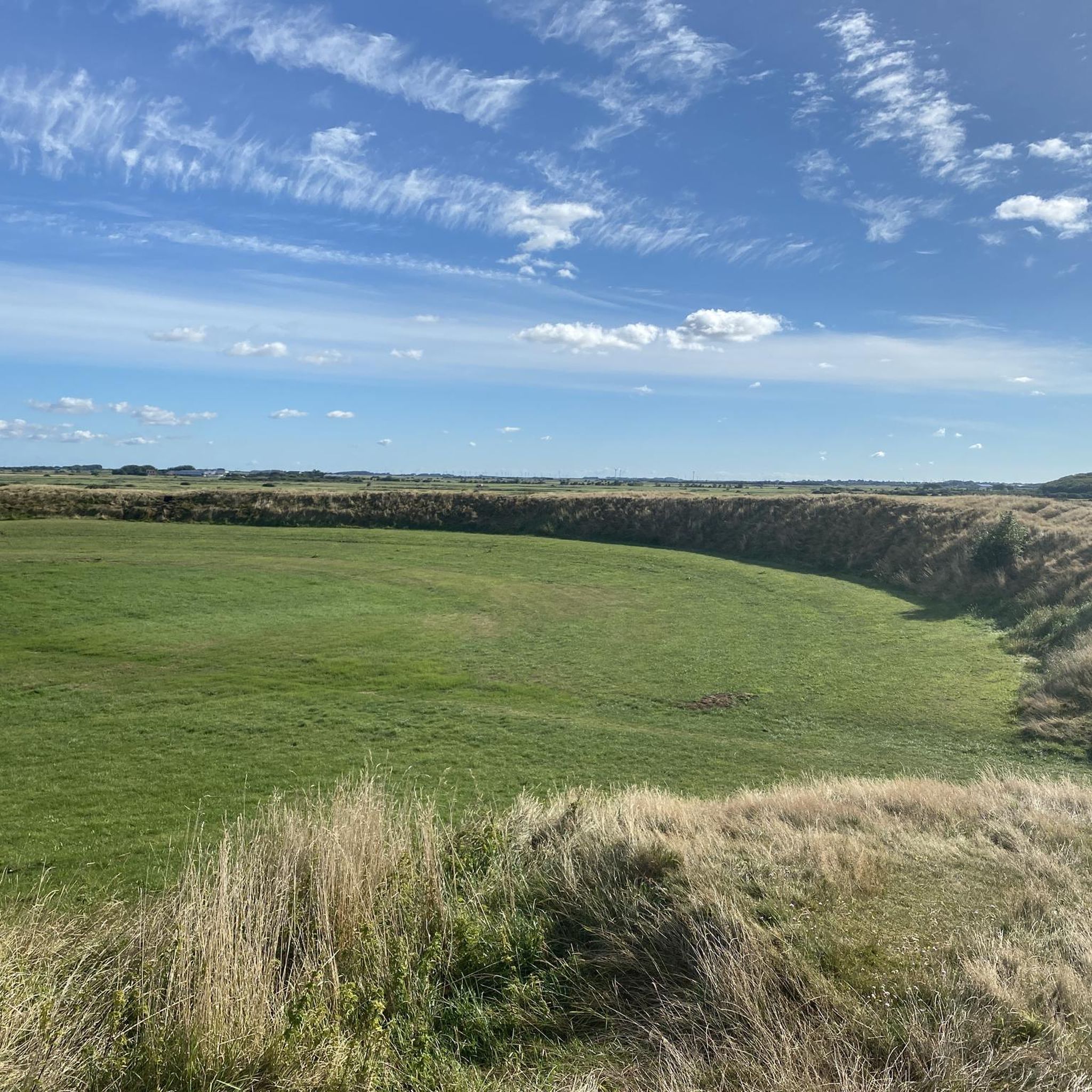
The Lembecksburg is an impressive ring wall from the 9th/10th century. Century and namesake for the island village “Borigsem”, as the “settlement near the castle” is called in Frisian. With a circumference of around 450 meters and a height of up to 13 meters, the ring wall northwest of Borgsum once served as a refuge and protective castle from the Vikings. In the 14th century it came into the possession of the Holstein nobleman Klaus Lembeck. The Danish King Waldemar IV besieged Borgsum Castle in 1374 because Lembeck refused to swear allegiance to him. When the nobleman no longer saw a way out, he sank the treasures into the well and fled in a boat across the tidal creek, which at that time still connected the Borgsum Marsh with the North Sea. The Lembecksburg is now an archaeological monument. On the Lembecksburg grounds you can have a wonderful picnic in the countryside. https://www.foehr.de/ausflugstipps
3
0

Only from Mon-Fri 10am-12pm
1
0
Frequently Asked Questions
What are the most significant natural features to explore on Föhr?
Föhr is renowned for its diverse natural landscape. The most significant feature is the Wadden Sea, a UNESCO World Natural Heritage Site, characterized by vast intertidal sand and mudflats, salt marshes, and dunes. You can also visit the Goting Cliff, the island's highest steep bank, and enjoy the extensive sandy beaches along the southern shore.
Where can I best experience the Wadden Sea on Föhr?
The entire coastline of Föhr borders the Wadden Sea. For an immersive experience, consider guided mudflat hikes to learn about the unique flora and fauna. The Wadden Sea National Park House in Wyk also offers insights into this vital ecosystem. Many natural areas, including the Godel Lowlands, offer great views over the Wadden Sea.
Are there any notable geological formations on Föhr?
Yes, the Goting Cliff is a prominent geological formation on Föhr. Reaching up to 9 meters, it is the highest steep bank on the island, formed during the Saale Ice Age over 200,000 years ago. The beach below the cliff is scattered with numerous boulders from this ancient period.
What kind of wildlife can I observe in Föhr's natural areas?
Föhr's natural areas, especially the Wadden Sea, marshes, and dunes, are rich in wildlife. You can observe hundreds of thousands of migratory birds, seals on sandbars, and a variety of unique flora, including colorful wildflowers in the salt marshes. The Wadden Sea ecosystem supports over 10,000 species of flora and fauna.
Are there family-friendly natural monuments or attractions on Föhr?
Many natural attractions on Föhr are family-friendly. The extensive sandy beaches are perfect for children, and the gentle slope makes them safe for swimming. The Goting Cliff and Godel Lowlands are accessible for families. The Tidal Fountain at Mittelbrücke, an artwork simulating the tides, is also a popular and engaging spot for all ages.
What outdoor activities can I do near Föhr's natural monuments?
Föhr offers a variety of outdoor activities. You can enjoy hiking and biking through the island's marshes and dunes, go sunbathing, swimming, or surfing on the beaches. Guided mudflat hikes are popular in the Wadden Sea. For more structured activities, explore the running trails, road cycling routes, or easy hikes available across the island.
Are there historical sites among Föhr's natural monuments?
While primarily natural, some sites blend natural settings with historical significance. The Lembecksburg ring wall, an ancient fortification from the Viking Age, is situated on a natural geest core and offers a viewpoint over the landscape. The Boldixum Duck Decoy from 1879 is another historical site set within a natural environment, showcasing traditional island practices.
What is the best time of year to visit Föhr's natural monuments?
The best time to visit Föhr's natural monuments largely depends on your preferred activities. Spring and summer offer pleasant weather for beach activities, hiking, and birdwatching, with migratory birds abundant. Autumn can be beautiful for walks, and even winter provides a serene experience of the Wadden Sea and coastal landscapes, though some facilities might have reduced hours.
Are there easy walking trails to explore Föhr's natural beauty?
Yes, Föhr offers many easy walking opportunities. The island's extensive beaches are ideal for leisurely strolls, and the promenade in Wyk auf Föhr provides a scenic walk. You can find numerous easy hikes that allow you to explore the marshes, dunes, and coastal areas. For specific routes, check out the easy hikes on Föhr guide.
What do visitors enjoy most about the natural monuments on Föhr?
Visitors particularly enjoy the tranquility and natural beauty. Many appreciate the unique geological features like the Goting Cliff, where they can find ancient boulders and enjoy sunsets over the Wadden Sea. The opportunity to experience the Wadden Sea up close, observe wildlife, and find peaceful spots along the coast, such as at Nieblum, are frequently highlighted.
Is the Tidal Fountain at Mittelbrücke a natural monument?
The Tidal Fountain at Mittelbrücke is an artwork that simulates the ebb and flow of tides, depicting the North Frisian islands and the mainland coast. While it's a man-made monument, it beautifully illustrates a natural phenomenon and is considered a significant attraction related to Föhr's natural environment.
Are there any natural monuments on Föhr that are wheelchair accessible?
While much of Föhr's natural landscape involves beaches, dunes, and mudflats which can be challenging, the Tidal Fountain at Mittelbrücke is noted as wheelchair accessible. Many promenades along the coast also offer accessible paths to enjoy views of the natural surroundings.
Most popular routes on Föhr
Most popular attractions on Föhr

Get inspired with the komoot mobile app


Explore more
Extend your search for the best caves by checking out these guides of the top ones on Föhr:
