Top 12 Natural Monuments around La Sotonera
Best natural monuments around La Sotonera showcase the diverse landscape of this region in the province of Huesca, Spain. The area features significant natural attractions, including the extensive La Sotonera and Alboré Reservoir complex, known for its ecological importance. Additionally, the pre-Pyrenean Sierras de Gratal and Caballera mountain ranges offer impressive geological formations and panoramic views. These natural features provide varied opportunities for exploration and appreciation of the local environment.
Best natural monuments around La Sotonera
- The most popular natural monuments is Vultures Viewpoint, a viewpoint that offers one of the best points to observe the Mallos de Riglos, Peña Rueba, and the Mallos de Agüero. It is also a very good place for observing griffon vultures.
- Another must-see spot is Riglos Griffon Vulture Viewing Area, a viewpoint. In this area, visitors can admire griffon vultures and their breeding grounds.
- Visitors also love Arguis Reservoir, a lake that is a destination for fishing and hiking. It is surrounded by a beautiful landscape and offers various routes for exploration.
- La Sotonera is known for its reservoirs, mountain ranges, and unique rock formations. The region offers a variety of natural monuments to see and explore, from wetlands to high peaks.
- The natural monuments around La Sotonera are appreciated by the komoot community, with 26 upvotes and 9 photos shared across the highlights.
Last updated: June 23, 2026
Salto Roldán Viewpoint
Highlight • Viewpoint
Translated by Google •
Tip by

Arguis Reservoir
Highlight • Lake
Surrounded by a beautiful landscape, its reservoir appears, built at the beginning of the 18th century, it is a must for fans of fishing and hiking, since there are many routes that run through these places.
Next to the reservoir, in the old forest house, the Arguis Interpretation Center opens its doors for you to get to know in depth, and in a dynamic and interactive way, the peculiarities of the Sierra y Cañones de Guara Natural Park.
More information: turismodearagon.com/ficha/arguis
Translated by Google •
Tip by

Sign up now to discover places like this
Get recommendations on the best single tracks, peaks, & plenty of other exciting outdoor places.
Sign up for free
Gorgas de San Julián
Highlight • Gorge
Translated by Google •
Tip by

Riglos Griffon Vulture Viewing Area
Highlight (Segment) • Viewpoint
Translated by Google •
Tip by

Rock formations
Highlight • Natural Monument
Translated by Google •
Tip by

Sign up for free to discover even more natural monuments around La Sotonera.
Sign up for free
Already have an account?
Start today with a free account
Your next adventure awaits.
Login or Signup
Popular around La Sotonera
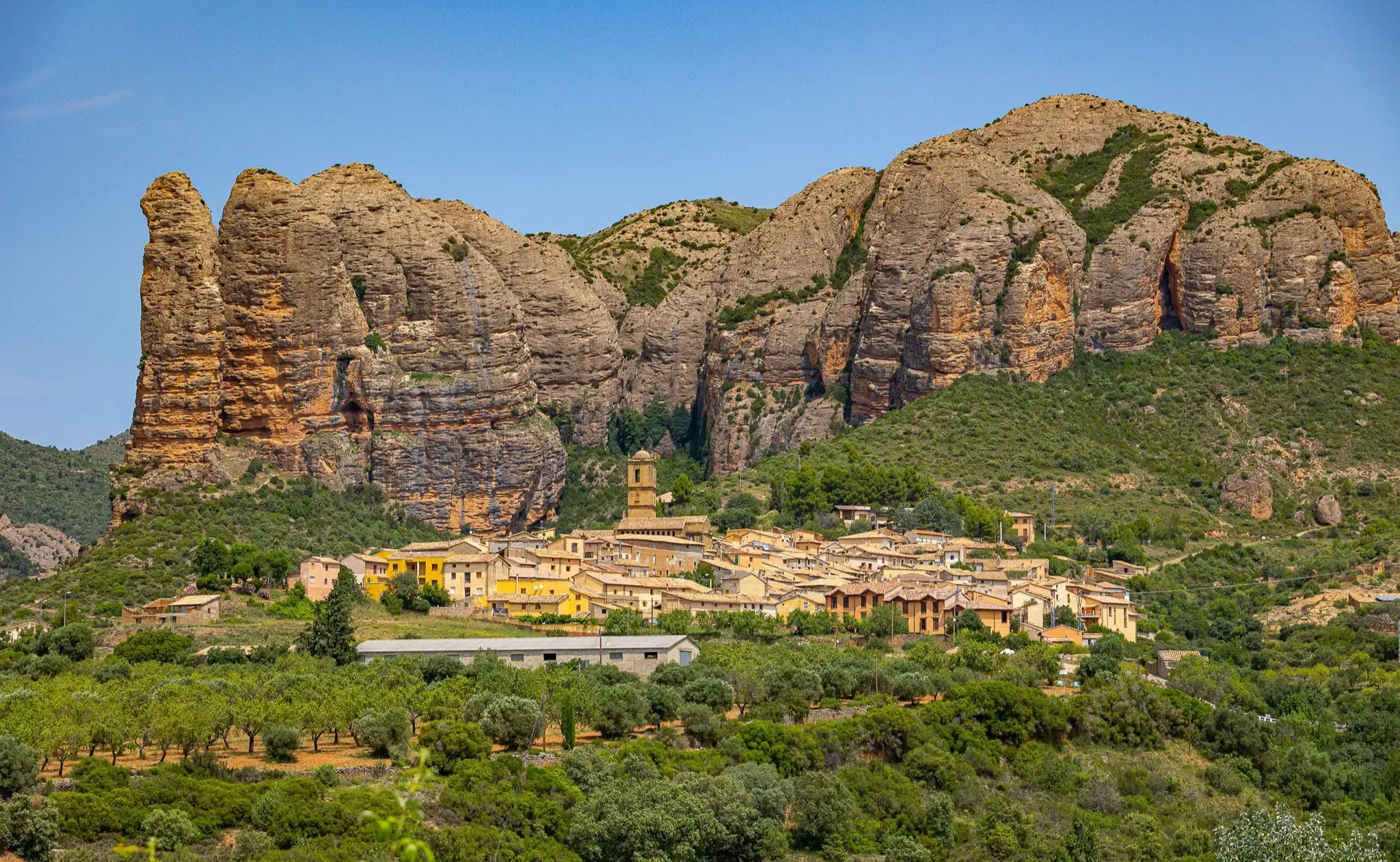
Hiking between geology and history – GR1 in Aragón
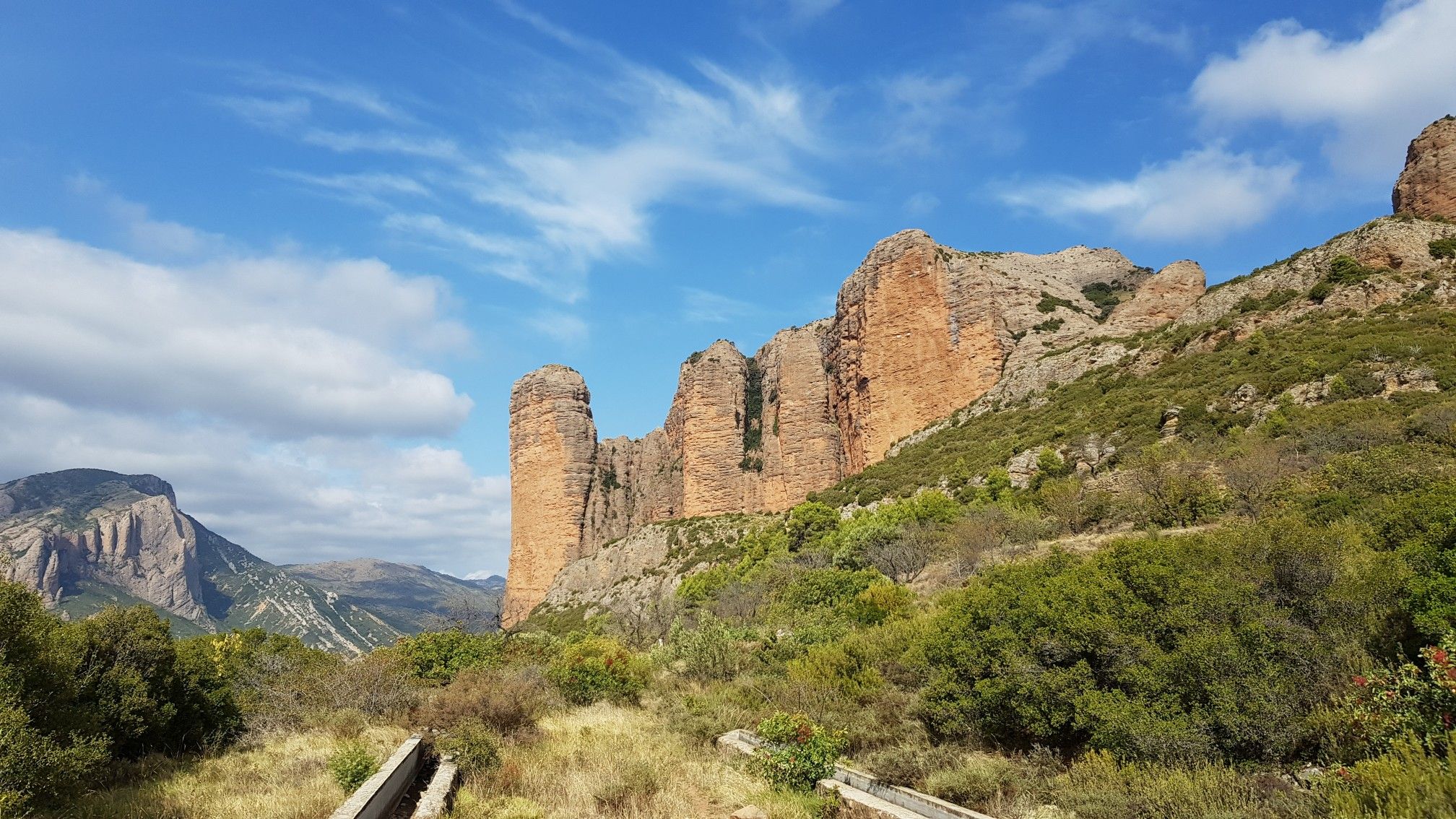
Monumental landscapes and culture — the Pre-Pyrenees by MTB
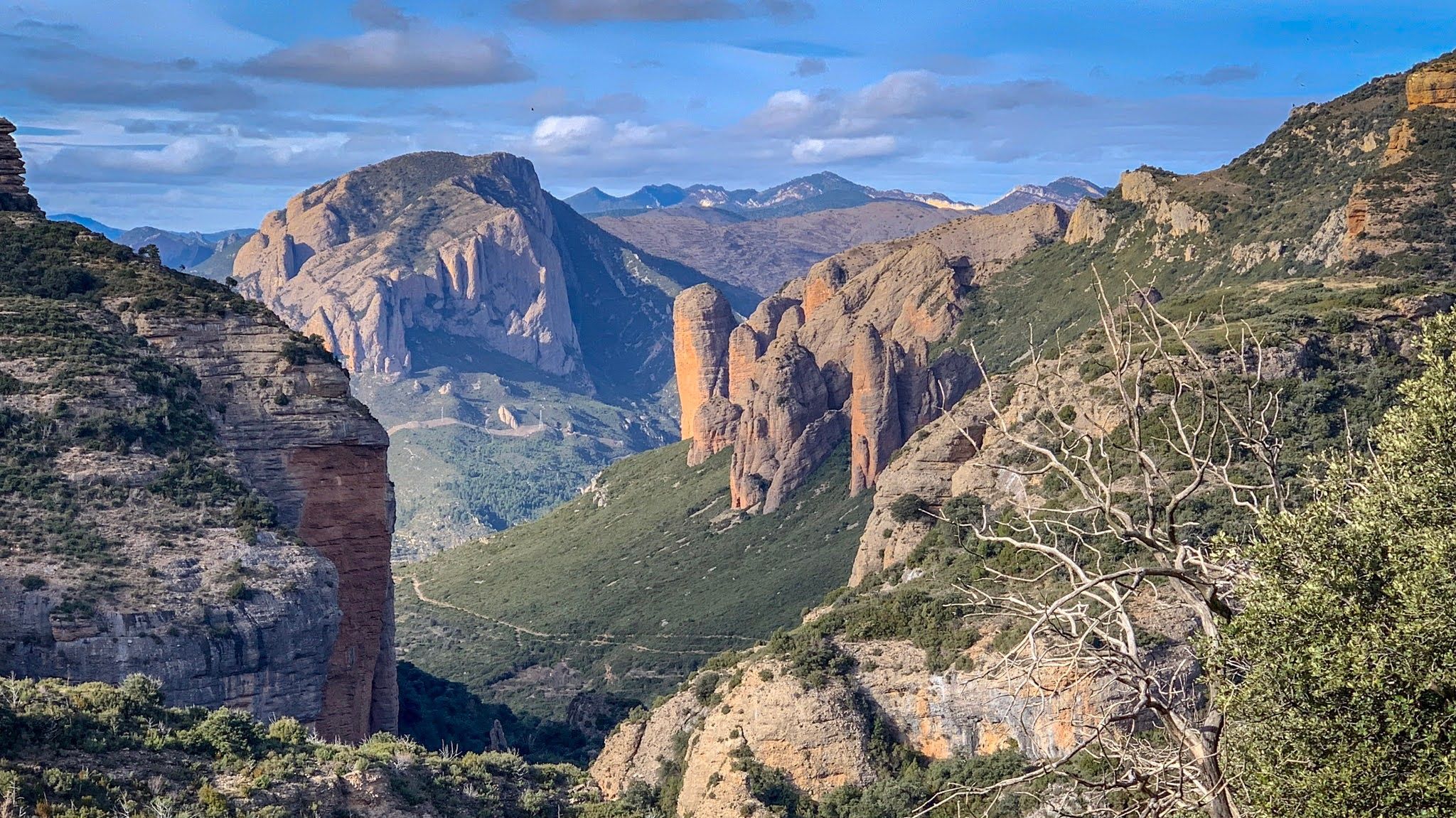
Gravel and geology – Huesca Valley nature trail
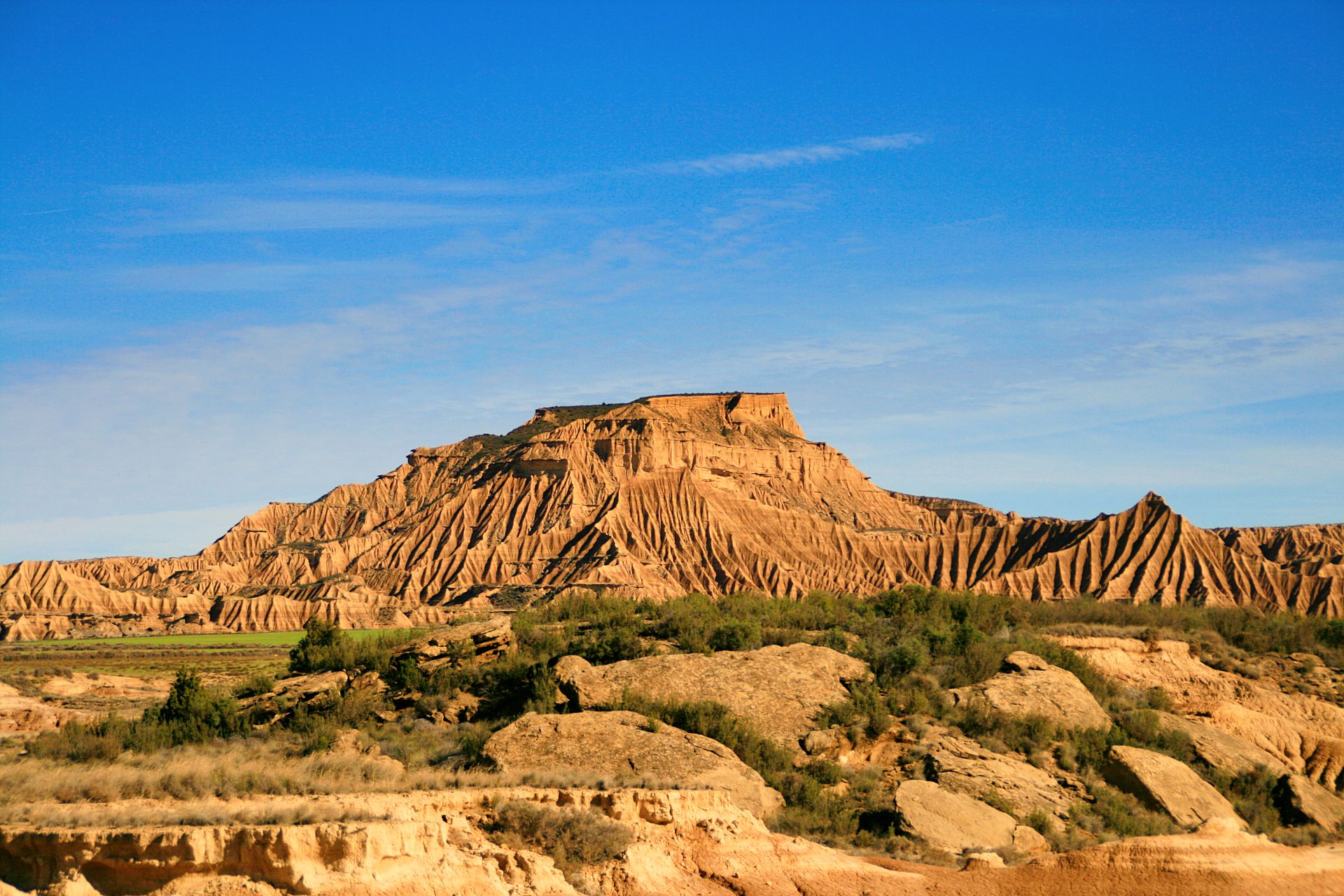
Spain’s Wild West – Sierra de Guara to the Bardenas
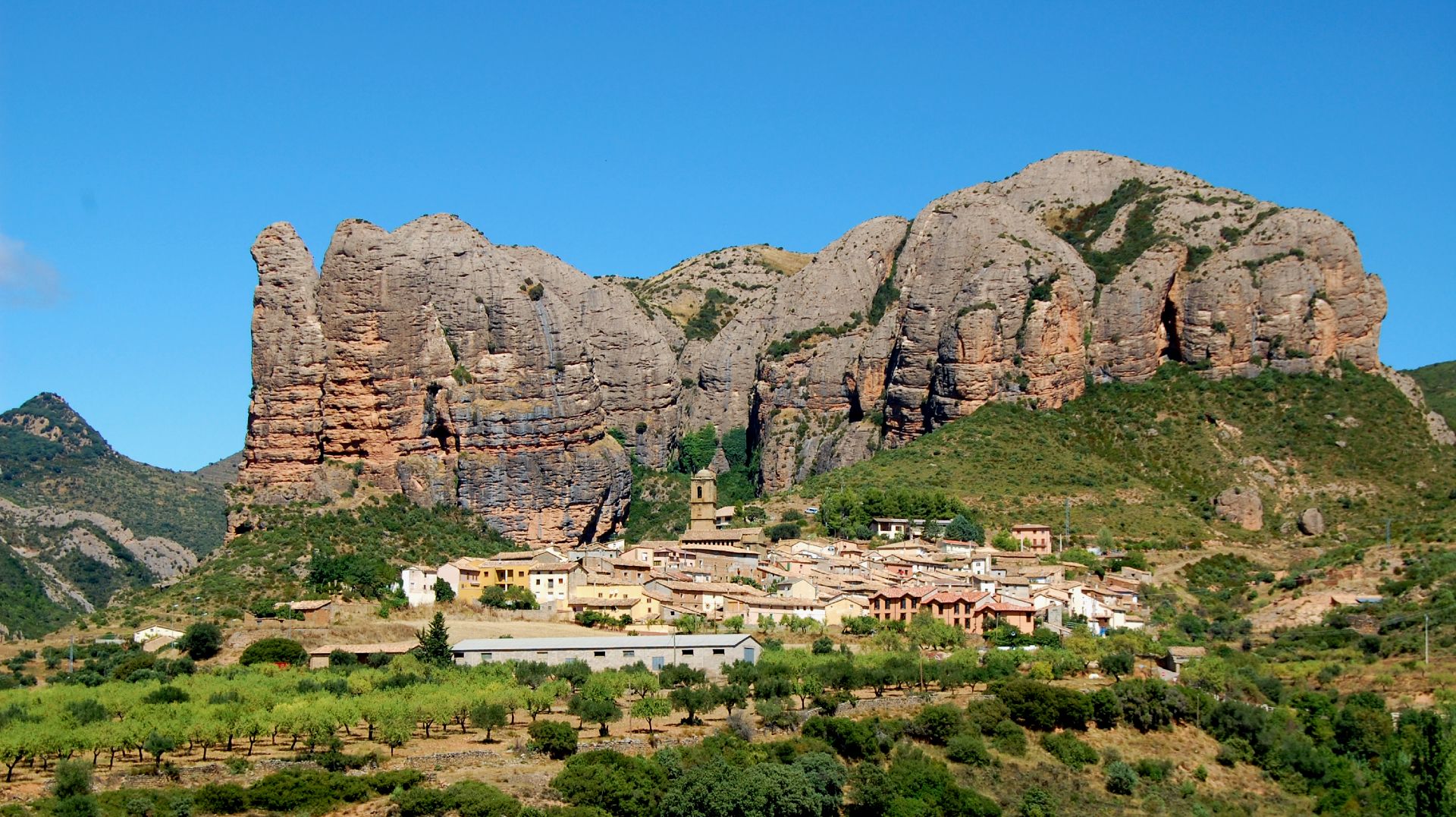
Land of rock and water – Sendero Histórico en Aragón
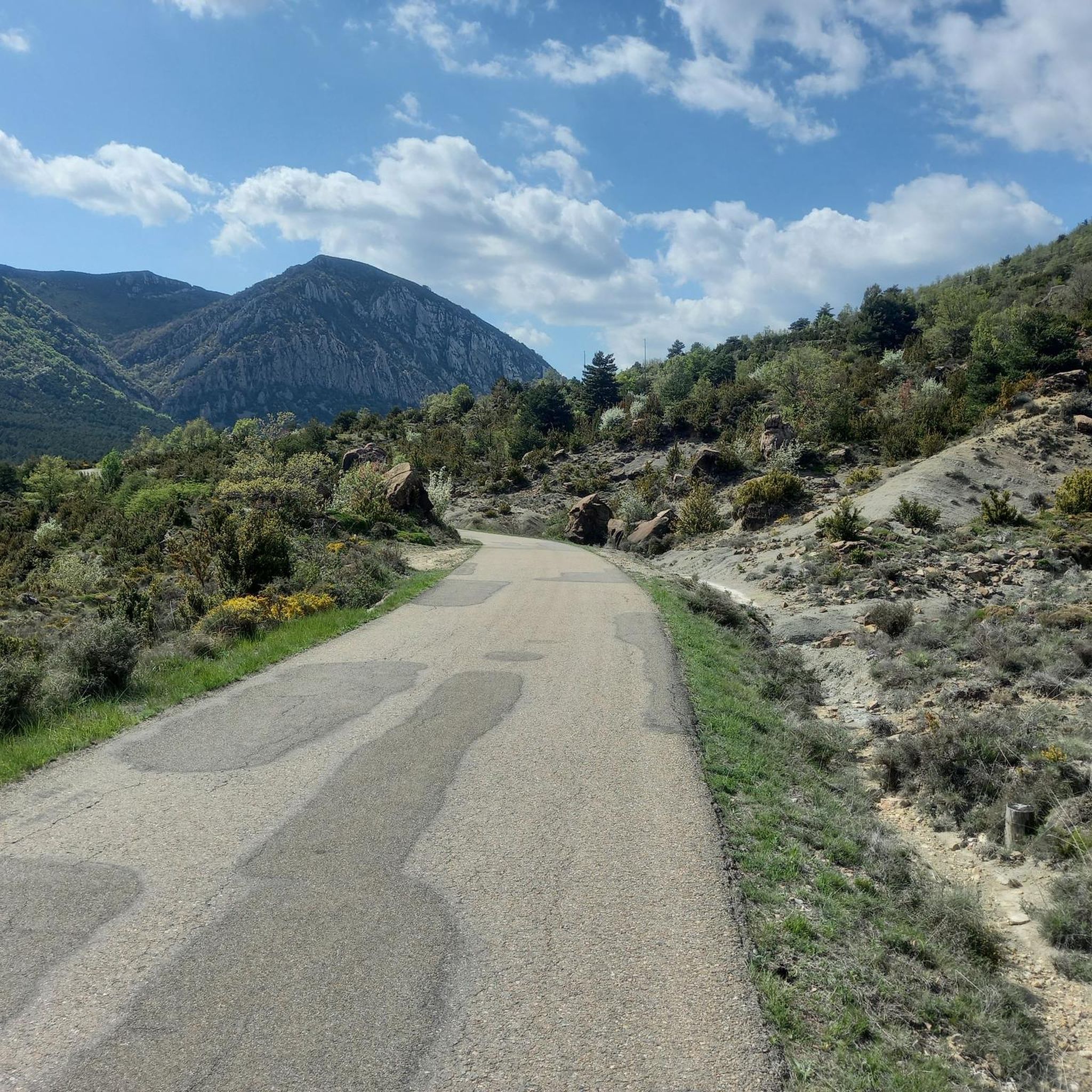
Road Cycling Routes around La Sotonera
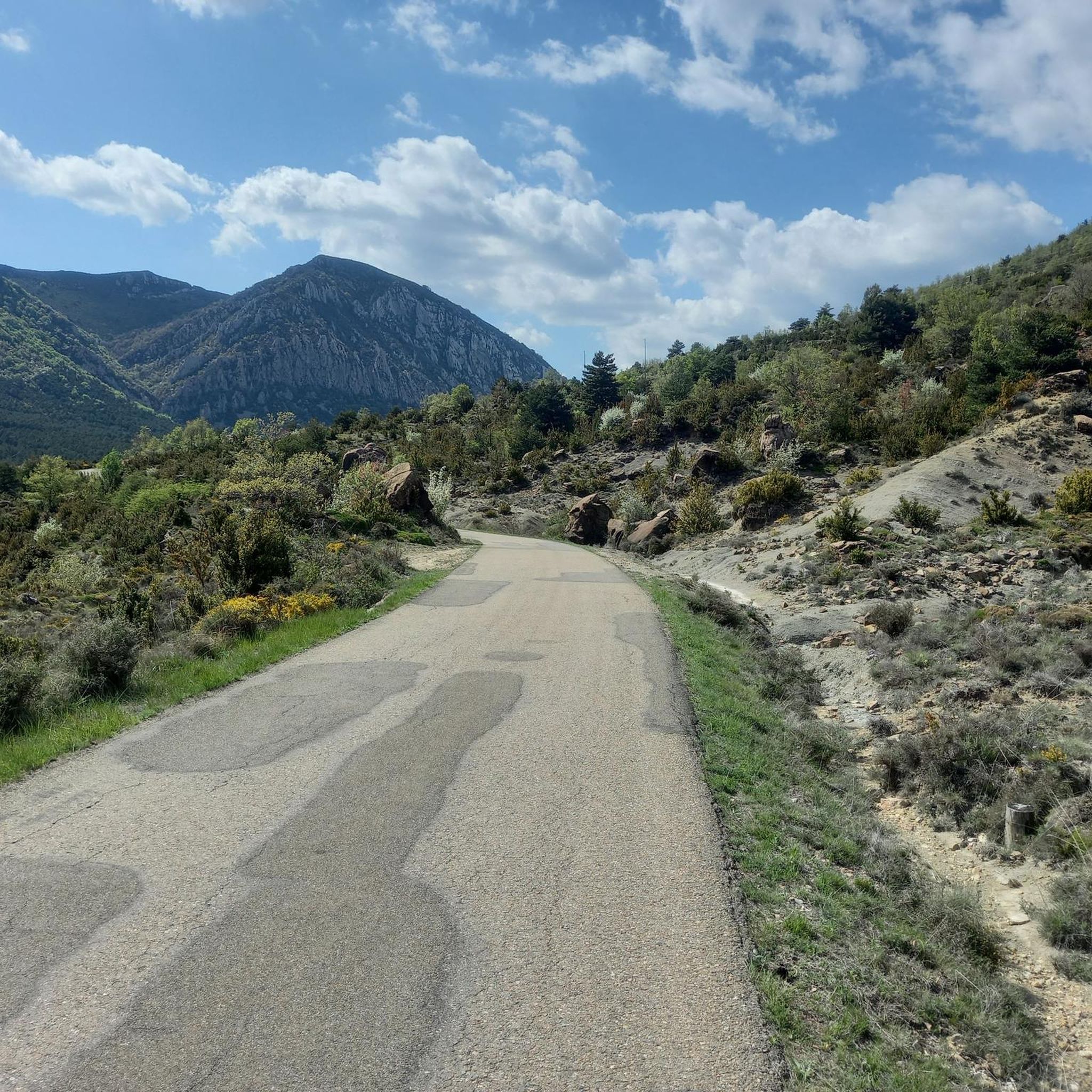
Hiking around La Sotonera
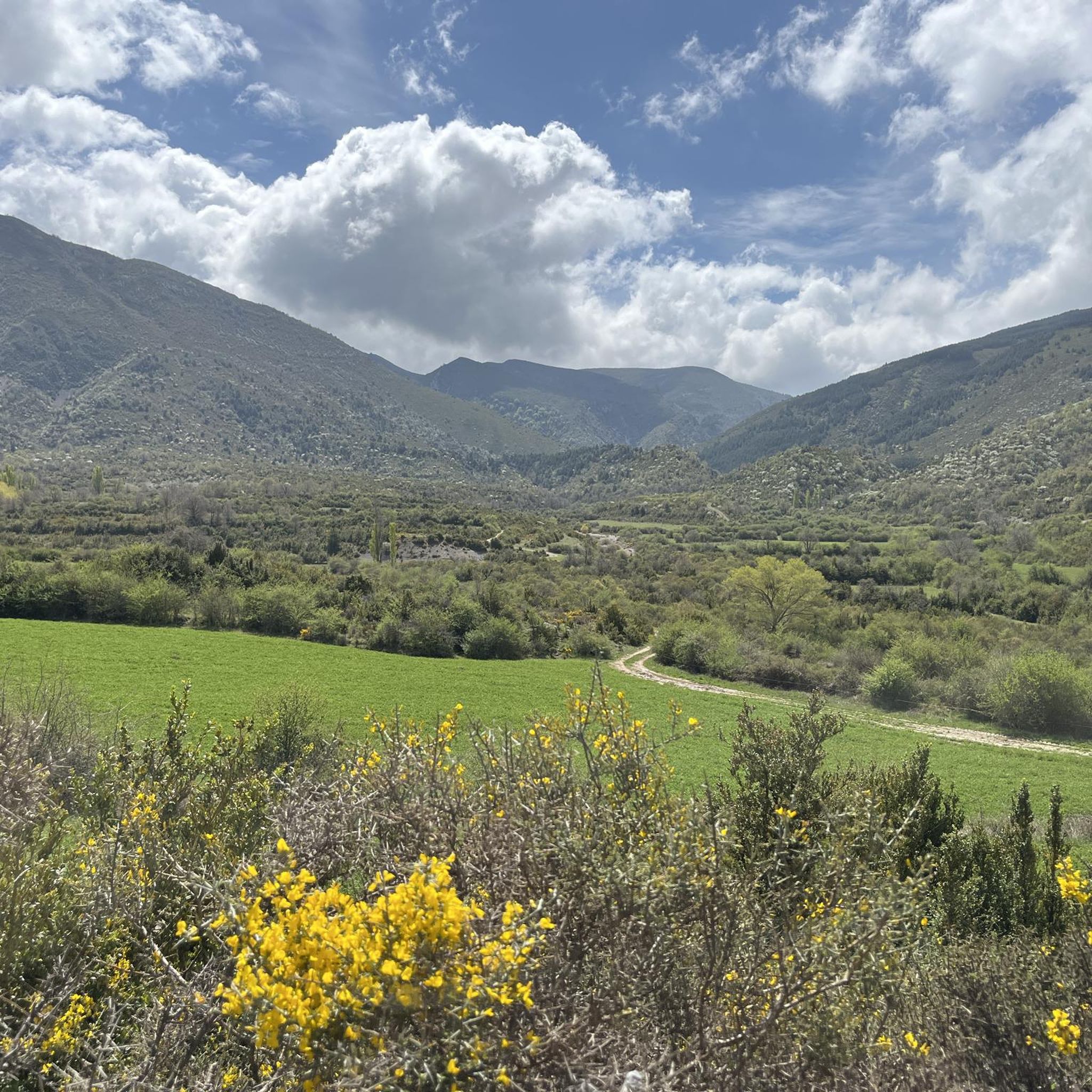
Cycling around La Sotonera
Running Trails around La Sotonera

Gravel biking around La Sotonera
Other adventures around La Sotonera


Tips from the Community

As of 2017, observation was still permitted up there (in September). Of course, this may have changed in the meantime. Good luck!
1
0

Gorgeous, and the trails in the area are spectacular.
0
0

The hermitage is in a very cool place, with water falling from the top of the mountain. Inside, the two limestone formations from the flow of water make it very interesting. The walk from there to the gorgas is short and the gorgas area is spectacular. There is a nativity scene and the first thing you ask about is how they got it there. Going to the end of the gorge, where the water comes out, is beautiful. The light contrasts allow for spectacular photos.
0
0
It is worth going to the end of the gorges. It is spectacular. There is even a huge nativity scene.
0
0

It is dangerous to drink the water from the ravine or from the gorgas since it passes through a modification zone, the one from the hermitage is good.
0
0
Next to the reservoir, in the old forest house, the Arguis Interpretation Center opens its doors to you so that you can get to know in depth, and in a dynamic and interactive way, the peculiarities of the Sierra y Cañones de Guara Natural Park.
0
0

Spectacular viewpoint over the Peña San Miguel, Pico el Fraile and Peña Amán that form the so-called Salto de Roldán. The area is impressive with cliffs, precipices and continual flying over by birds of prey that nest on these walls. Access to the viewpoint is restricted for vehicles, but it is allowed for people with disabilities.
5
0

From here I got an idea of what the vultures see over the Palomeras Strait when they take off from the slopes of the San Miguel and Amán rocks. Leaning over the fence, you can see the bottom of the ravine with the Flumen River, all the surrounding peaks and the imposing 400-meter limestone slope of the Amán Rock. You can go at any time of the year.
0
0
Frequently Asked Questions
What types of natural monuments can I explore around La Sotonera?
The region offers a diverse range of natural monuments. You can find extensive wetland complexes like the La Sotonera and Alboré Reservoir, pre-Pyrenean mountain ranges such as the Sierras de Gratal and Caballera, and unique rock formations. Specific highlights include the Arguis Reservoir, the dramatic Gorgas de San Julián, and various impressive rock formations.
Are there good spots for birdwatching in the La Sotonera area?
Yes, the La Sotonera and Alboré Reservoir complex is a significant wetland renowned for birdwatching, especially during winter when large numbers of ducks and waterfowl gather. It's particularly famous for the spectacular pre-nuptial migration of tens of thousands of common cranes in February and March. Additionally, the Riglos Griffon Vulture Viewing Area and Vultures Viewpoint offer excellent opportunities to observe griffon vultures and their breeding grounds.
What are some notable geological features in the natural monuments around La Sotonera?
The Sierras de Gratal and Caballera, located north of the municipality, are composed of limestone rocks. These formations originated from marine sediments and fossilized corals when the area was once under the sea, later shaped by rivers and ravines. You can also observe impressive rock formations near the Rock formations highlight, offering unique geological insights.
What is the best time to visit the natural monuments around La Sotonera?
The best time depends on your interests. For birdwatching, particularly to see the crane migration at La Sotonera and Alboré Reservoir, late winter (February and March) is ideal. For hiking and enjoying the panoramic views of the Sierras de Gratal and Caballera, spring and autumn offer pleasant temperatures. Summer can be hot, but the reservoirs provide opportunities for water-based activities.
Are there family-friendly natural monuments or activities in the area?
Yes, the La Sotonera and Alboré Reservoir complex offers easy, paved walking paths accessible for all ages, along with family-friendly picnic areas under pine trees, complete with swings and seesaws. The Arguis Reservoir is also considered family-friendly and offers various routes for exploration.
What outdoor activities can I do near these natural monuments?
The area around La Sotonera is excellent for various outdoor activities. You can enjoy hiking, road cycling, and mountain biking. For hiking, consider routes like the Gorges of San Julián Trail or loops around the Arguis Reservoir. Road cyclists can explore routes such as the 'Nuevo Village Entrance – Apiés loop'. Mountain bikers have options like the 'Loarre Castle – Vultures Viewpoint loop'. You can find more details on these activities in the Hiking around La Sotonera, Road Cycling Routes around La Sotonera, and MTB Trails around La Sotonera guides.
Are there hiking trails near the natural monuments, and what are their difficulty levels?
Yes, there are numerous hiking trails. For example, the ascent to Pico Gratal in the Sierras de Gratal is a popular destination for hikers and mountaineers, with various routes available from towns like Bolea, Arguis, or Lierta. While some sections can be challenging, the hike is generally considered moderate. The Gorgas de San Julián also offers an intermediate trail. Many routes around the Arguis Reservoir are moderate. You can find more hiking options in the Hiking around La Sotonera guide.
Where can I find the best panoramic views of the region?
The Sierras de Gratal and Caballera offer stunning panoramic views. From Pico Gratal, you can see the Hoya de Huesca to the south, the Sierra de Guara to the east, the Sierra de Loarre to the west, and the distant Pyrenees to the north. The Vultures Viewpoint is also highly recommended for its impressive vistas of the Mallos de Riglos, Peña Rueba, and the Mallos de Agüero.
What do visitors enjoy most about the natural monuments around La Sotonera?
Visitors particularly appreciate the breathtaking views, especially from spots like the Vultures Viewpoint, which offers spectacular scenery and excellent opportunities for observing griffon vultures. The unique geological formations and the chance to witness diverse wildlife, especially the cranes at the reservoir, are also highly valued. The tranquility and natural beauty of areas like the Arguis Reservoir for fishing and hiking are also popular.
Are there any interpretation centers or facilities to learn more about the natural monuments?
Yes, near the La Sotonera and Alboré Reservoir, an interpretation center in the nearby village of Montmesa provides further insights into the avian life, especially during the crane migration season. Additionally, next to the Arguis Reservoir, the Arguis Interpretation Center offers a dynamic and interactive way to learn about the Sierra y Cañones de Guara Natural Park.
Can I bring my dog on trails near the natural monuments?
While specific dog-friendly designations for all trails are not detailed, many natural areas in Spain are generally accessible to dogs on a leash. It's always recommended to check local regulations for specific trails or protected areas within the natural monuments, especially around wildlife-sensitive zones like the Alboré Reservoir during bird migration periods.
Are there any less crowded trails or viewpoints to explore?
While popular spots like Pico Gratal and the vulture viewpoints attract visitors, the extensive network of trails throughout the Sierras de Gratal and Caballera, as well as around the La Sotonera and Alboré Reservoir, offers many opportunities to find quieter paths. Exploring routes further afield from main access points or visiting during off-peak hours can lead to a more secluded experience.
Most popular routes around La Sotonera
Most popular attractions around La Sotonera

Get inspired with the komoot mobile app


Explore more
Extend your search for the best caves by checking out these guides of the top ones around La Sotonera:
