Top 20 Natural Monuments in Hampshire
Best natural monuments in Hampshire encompass a diverse landscape of ancient woodlands, rolling chalk hills, heathlands, and coastal wetlands. The region is home to significant natural areas like the New Forest National Park and parts of the South Downs National Park. These areas feature unique ecosystems, offering varied terrain and important habitats for wildlife. Hampshire's natural monuments provide opportunities to experience distinct geological formations and ecological diversity.
Best natural monuments in Hampshire
- The most popular natural monuments is Old Winchester…
Last updated: October 10, 2026
Butser Hill
Highlight • Natural Monument
Tip by

Old Winchester Hill
Highlight • Climb
Tip by

Sign up now to discover places like this
Get recommendations on the best single tracks, peaks, & plenty of other exciting outdoor places.
Dead Trees Marsh, New Forest National Park
Highlight • Natural Monument
Tip by

Old Winchester Hill Iron Age Fort
Highlight • Historical Site
Tip by
St Catherine's Hill
Highlight • Historical Site
Tip by

Hatchet Pond
Highlight • Lake
Tip by

Bolderwood Deer Sanctuary
Highlight • Forest
Tip by
Bolton's Bench
Highlight • Viewpoint
Tip by

Hurst Spit
Highlight • Beach
Tip by
Pondhead Inclosure Dragon Sculpture
Highlight • Natural Monument
There …
Tip by

Sign up for free to discover even more natural monuments in Hampshire.
Already have an account?
Start today with a free account
Your next adventure awaits.
Popular around Hampshire

Bedtime Adventure Stories for Grown Ups
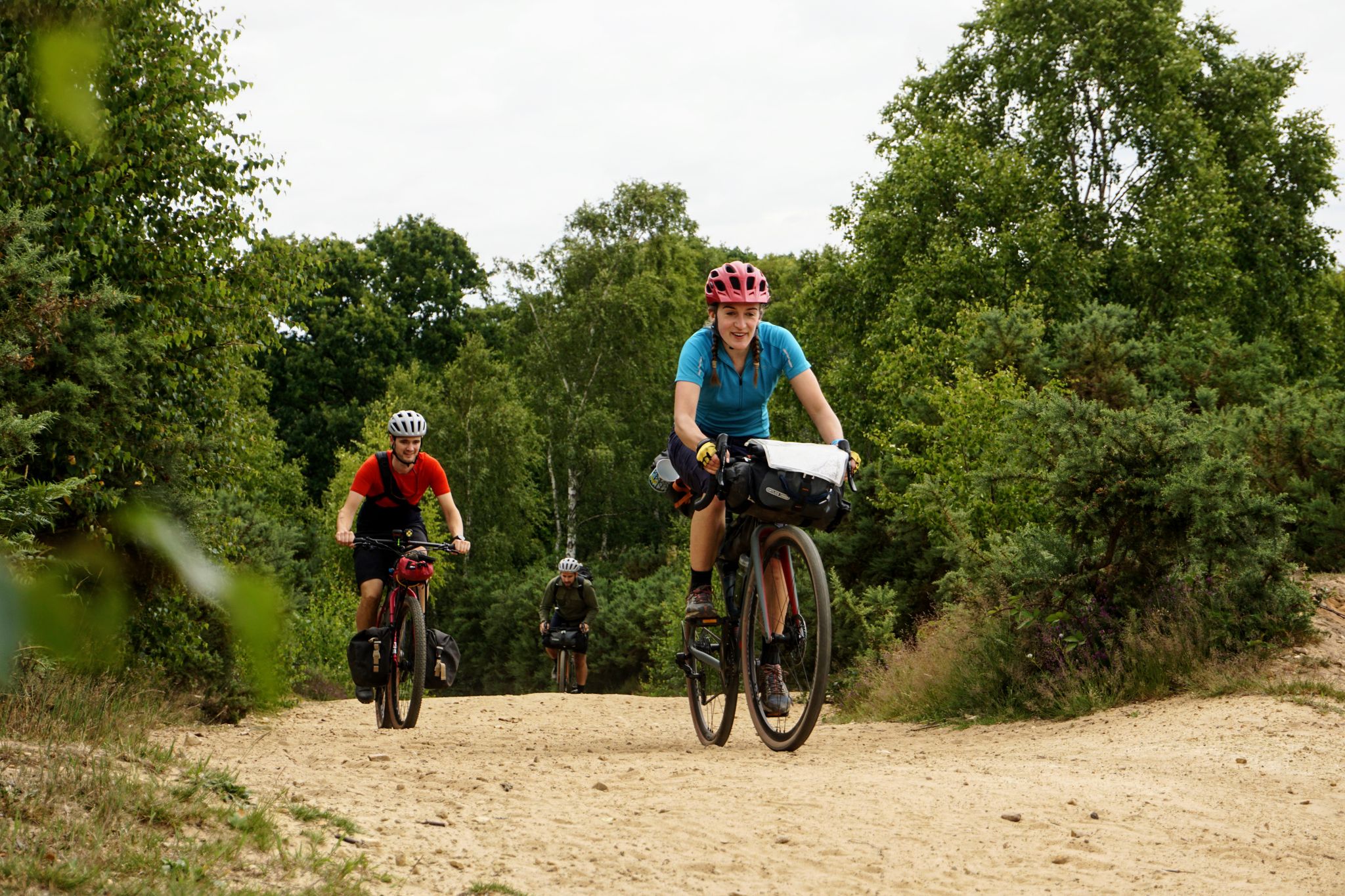
King Alfred's Way — History, chalk, grassland and forest
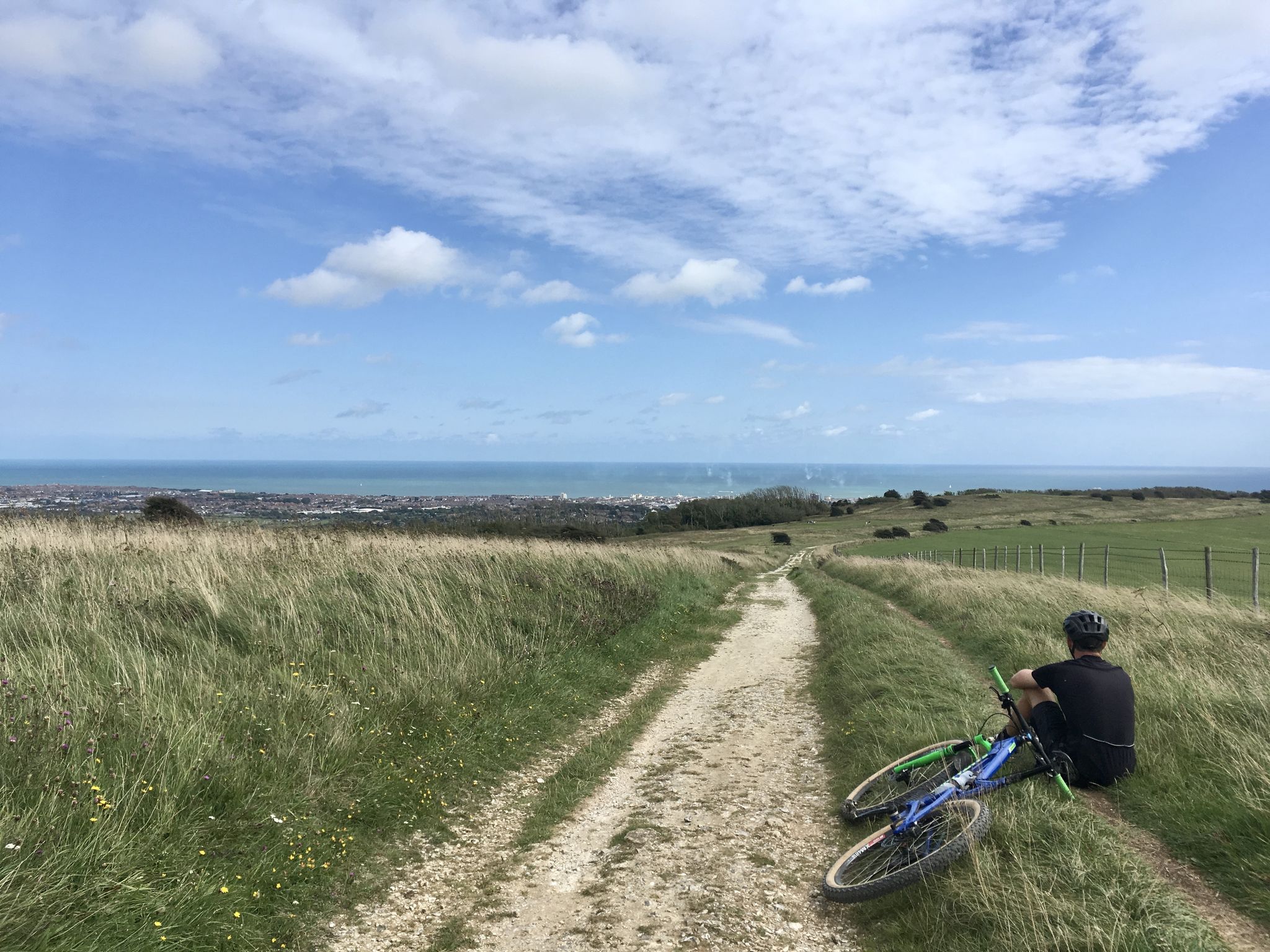
South Downs Way — A Southern off-road utopia
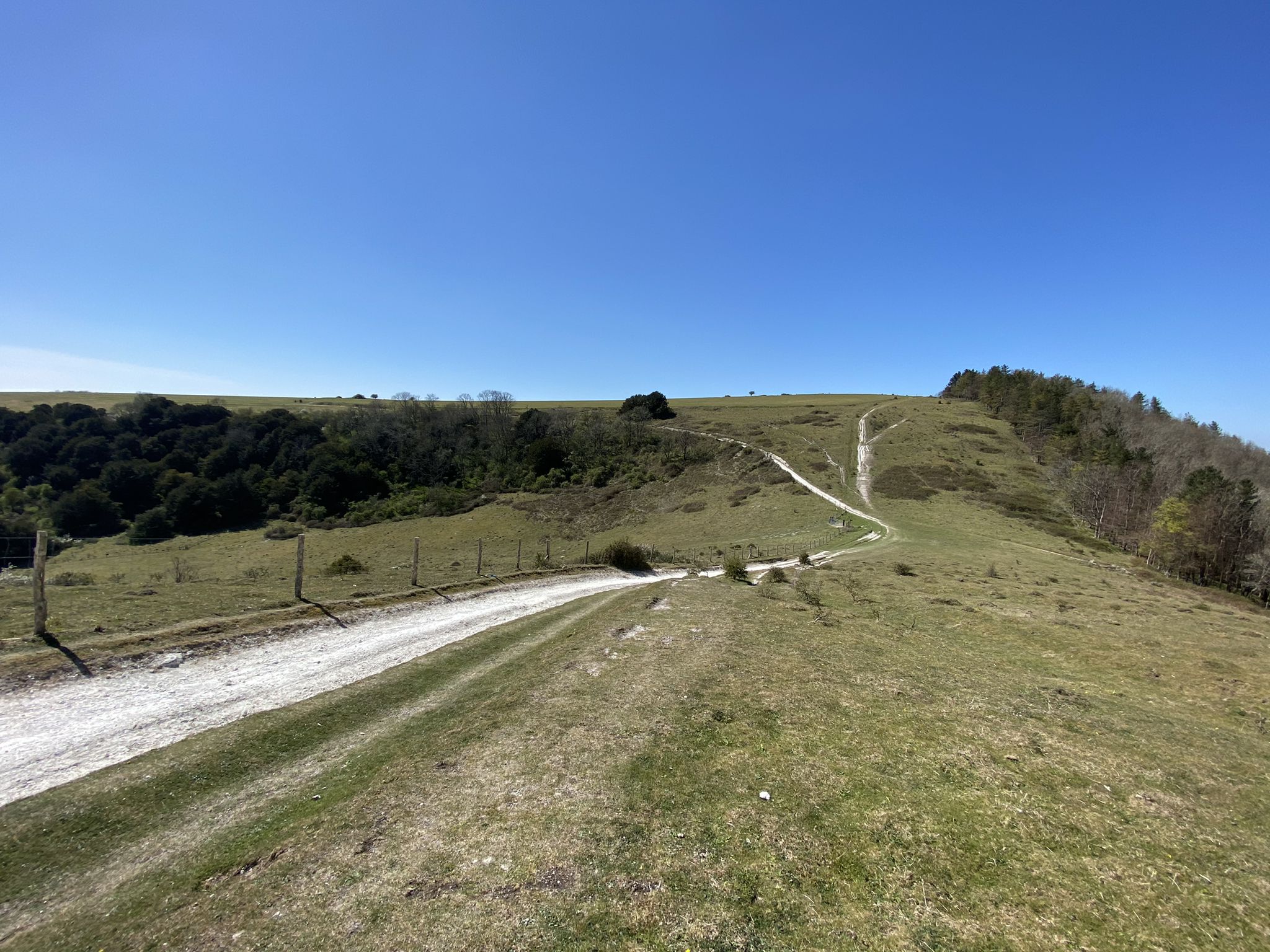
South Downs Way – a 100-mile run across the national park
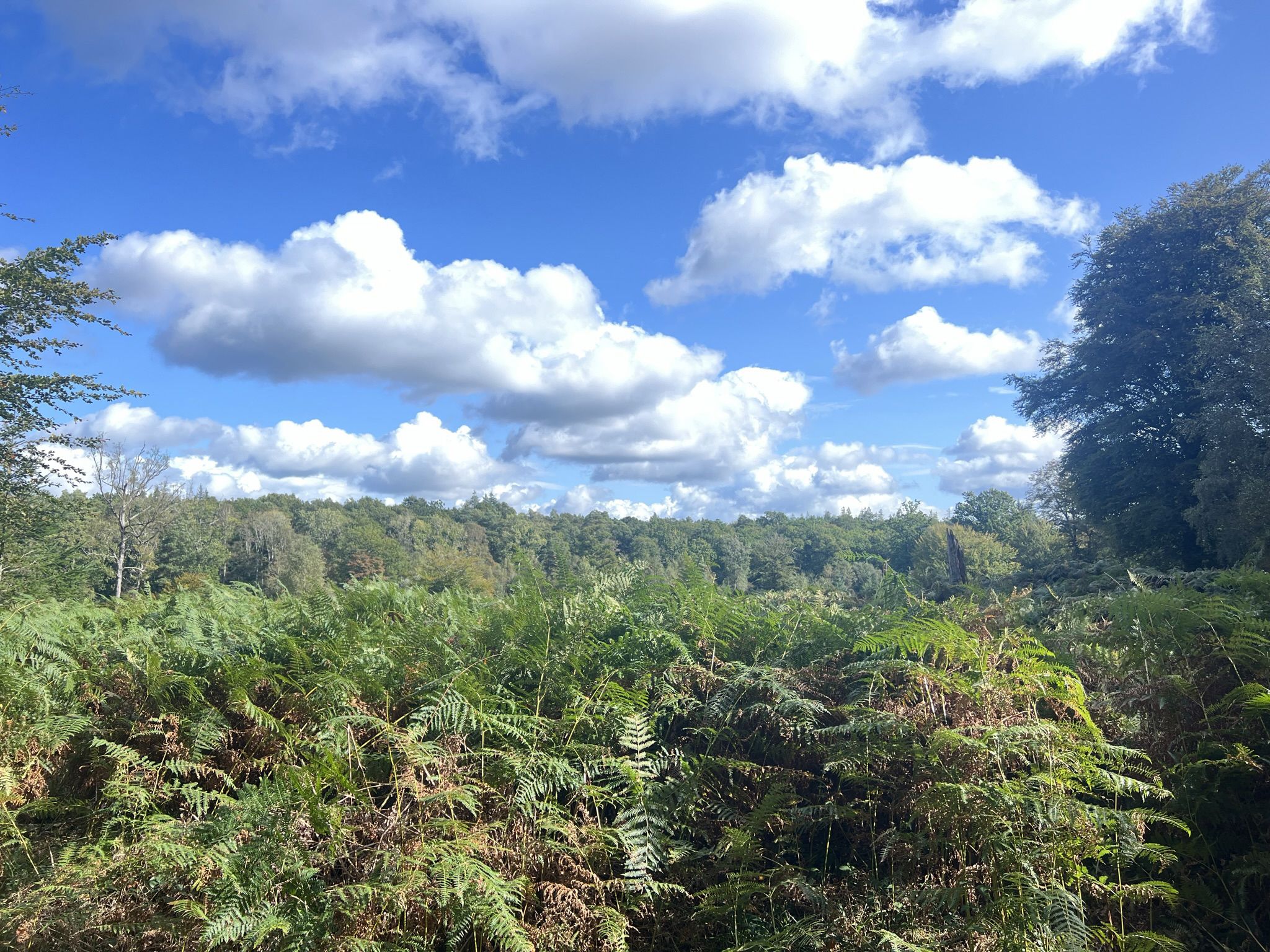
New Forest National Park – A Walk in the Parks
South Downs National Park – A Walk in the Parks
Bikepacking Brighton to Bristol — Ridges, canals and rail paths

South Downs Way – A captivating hike across Southern England
E9 Plymouth to Dover — An epic exploration of England's south coast
Hiking the Serpent Trail — Snake across Sussex's vibrant Greensand Hills
Other adventures in Hampshire


Tips from the Community

Wonderful views from this hill fort as far as the Isle of Wight.
0
0

St Catherine's Hill is a prominent chalk downland hill on the outskirts of Winchester, notable for its layered historical and ecological importance. Now a biological Site of Special Scientific Interest (SSSI) managed as a nature reserve, its summit is ringed by the impressive earthworks of a univallate Iron Age hillfort dating back over 2,000 years. The top is marked by a distinctive copse of beech trees, known as 'The Clump', which contains the scant ruins of the 12th-century St Catherine's Chapel, while the hillside features a turf-cut labyrinth known as the Miz-Maze; the entire site provides spectacular views over the city, the Itchen Valley, and supports a rich variety of wildflowers and butterflies, including the protected Chalkhill Blue.
1
0
Bolton's Bench is a well-known natural knoll and landmark situated on the edge of Lyndhurst, the "capital" of the New Forest. A prominent ancient yew tree grows at the top of the hill, which is surrounded by grassy lawns where the New Forest's famous ponies, donkeys, and cattle often graze freely. According to a medieval tale, a dragon that terrorized the nearby village of Bisterne was slain on the site by a knight named Sir Maurice de Berkeley. The dragon's body supposedly became the hill, and the ancient yew trees grew where the knight and his hounds later died.
0
0


An amazing and very charming place that hides some secrets from the past..
2
0
there is a purpose built platform which overlooks a large meadow. The platform is just a short walk from the car park. This is a great place if you're looking to get some great photo opportunities of the natural surroundings of the New Forest as well as the wildlife that surrounds the area. There is also information panels giving you more information about the deer found in the New Forest.
0
0

This was on the last leg of the King Alfred’s Way for me and was one of the few descents in the whole trip i walked, dry conditions but on a loaded gravel - the descent was more treacherous than i was prepared to risk / but amazing views from the top and a fast through the fields ride from the bottom.
1
0
Also known as Hurst spit, is a hook-shaped shingle spit which extends for 1.4 miles (2.25 km) from the Hampshire shore into the Solent towards the Isle of Wight. The spit forms a barrier which shelters a Site of Special Scientific Interest known as Hurst Castle And Lymington River Estuary. The spit shelters an area of saltmarsh and mudflats known as Keyhaven and Pennington marshes. At the end of the spit is Hurst Castle, an artillery fortress originally built on the orders of King Henry VIII ( not a very nice man at all ), and much enlarged in the 19th century. Hurst Point Lighthouse was built on the end of Hurst Spit in the 1860s.
0
0
Frequently Asked Questions
What are some of the most popular natural monuments in Hampshire?
Among the most popular natural monuments in Hampshire, visitors frequently enjoy Old Winchester Hill Iron Age Fort for its historical significance and incredible views. Another highly rated spot is Butser Hill, the highest point on the South Downs, offering panoramic vistas. The unique wetland area of Dead Trees Marsh, New Forest National Park, is also a favorite for its distinct natural features.
Are there family-friendly natural monuments in Hampshire?
Yes, several natural monuments in Hampshire are great for families. Old Winchester Hill Iron Age Fort is family-friendly, offering space to explore and learn about history. Dead Trees Marsh, New Forest National Park, and Hatchet Pond are also noted as family-friendly, providing opportunities for gentle walks and wildlife spotting. Additionally, Bolderwood Deer Sanctuary is a wonderful place for families to observe deer in their natural habitat.
What is the best time of year to visit Hampshire's natural monuments?
Hampshire's natural monuments offer unique experiences throughout the year. Spring and autumn are particularly popular. In spring, areas like the South Downs and Ashford Hangers come alive with wildflowers and new growth. Autumn brings stunning foliage to the ancient woodlands of the New Forest and Ashford Hangers. Summer is ideal for longer days and outdoor activities, while winter offers opportunities for birdwatching at wetland reserves like Titchfield Haven and Farlington Marshes.
Where can I find impressive viewpoints among Hampshire's natural monuments?
Hampshire boasts several natural monuments with spectacular viewpoints. Butser Hill, the highest point in the South Downs, provides extensive views over Hampshire and the Channel. Old Winchester Hill Iron Age Fort also offers incredible panoramic views. For views over Winchester and the Itchen Valley, visit St Catherine's Hill. Bolton's Bench in the New Forest is another popular viewpoint.
Are there natural monuments in Hampshire with historical significance?
Yes, many of Hampshire's natural monuments are intertwined with history. Old Winchester Hill Iron Age Fort is a prime example, featuring ancient earthworks and Bronze Age tumuli. St Catherine's Hill is home to an Iron Age hillfort and the ruins of a 12th-century chapel. Part of Butser Hill is also an ancient scheduled monument, adding a historical layer to its natural beauty.
What outdoor activities can I do near Hampshire's natural monuments?
Hampshire's natural monuments are surrounded by opportunities for various outdoor activities. You can find numerous running trails, including the 'Saint Catherine's Hill loop from Winchester' or the 'Beacon Hill & Old Winchester Hill loop from Exton'. For cycling, explore gravel biking routes like the 'Three village circular' or 'Brockenhurst and Lyndhurst heart of the forest circular' in the New Forest. Mountain biking enthusiasts can enjoy trails such as the 'Brockenhurst loop' or 'Old Winchester Hill & Forest of Bere loop'. For more details on these activities, refer to the running, gravel biking, and MTB guides for Hampshire.
Are there good hiking trails near Hampshire's natural monuments?
Absolutely. Many natural monuments are excellent starting points for hikes. The South Downs National Park, which includes sites like Butser Hill and Old Winchester Hill Iron Age Fort, offers extensive hiking opportunities with stunning views. The New Forest National Park, home to Dead Trees Marsh and Bolderwood Deer Sanctuary, provides numerous walking routes through ancient woodlands and heathlands. You can find detailed running and hiking routes in the Running Trails in Hampshire guide.
Which natural monuments are best for wildlife watching in Hampshire?
Hampshire is rich in wildlife, and several natural monuments are ideal for observation. The New Forest National Park, encompassing areas like Dead Trees Marsh and Bolderwood Deer Sanctuary, is famous for its free-roaming ponies, cattle, and deer. Titchfield Haven National Nature Reserve and Farlington Marshes Nature Reserve are internationally important sites for birdwatching, especially during winter for overwintering species. Butser Hill is also known for its diverse flora and over 30 types of butterflies.
Are dogs allowed at Hampshire's natural monuments?
Many natural monuments in Hampshire are dog-friendly, especially those with public rights of way. The New Forest National Park is generally welcoming to dogs, though it's important to keep them under close control due to free-roaming livestock and ground-nesting birds. Always check specific reserve rules, as some nature reserves may require dogs to be on leads or restrict access to certain areas to protect wildlife. For example, while Hatchet Pond is a popular spot, always be mindful of local signage.
Are there coastal natural monuments in Hampshire?
Yes, Hampshire's coastline features significant natural monuments. Hurst Spit is a notable coastal natural monument, offering unique geological features and views. Titchfield Haven National Nature Reserve and Farlington Marshes Nature Reserve are both wetland nature reserves situated on the coast, providing crucial habitats for various bird species and offering excellent birdwatching opportunities.
What kind of terrain can I expect at Hampshire's natural monuments?
Hampshire's natural monuments offer a diverse range of terrain. You'll find rolling chalk hills and steep slopes at sites like Butser Hill and Old Winchester Hill, which are part of the South Downs. The New Forest National Park features ancient woodlands, open heathlands, and boggy areas, as seen at Dead Trees Marsh. Coastal areas like Hurst Spit offer shingle beaches and coastal paths, while wetland reserves provide flat, often muddy, trails.
Where can I find food and drink near Hampshire's natural monuments?
Many natural monuments in Hampshire are located near charming villages and towns that offer pubs and cafes. For example, areas around the New Forest National Park, such as near Hatchet Pond or Bolderwood Deer Sanctuary, have various options. Similarly, the villages surrounding the South Downs National Park, close to sites like Butser Hill and Old Winchester Hill Iron Age Fort, often feature traditional pubs and cafes for refreshments.
Most popular routes in Hampshire
Most popular attractions in Hampshire

Get inspired with the komoot mobile app


Didn’t find what you were looking for?
Find even more amazing natural monuments in Hampshire by checking out the top Highlights region by region:
Explore more
Extend your search for the best caves by checking out these guides of the top ones in Hampshire:
