Top 16 Mountain Passes in the Gore Range
Best mountain passes in the Gore Range are found within north-central Colorado's rugged landscape, characterized by jagged peaks and U-shaped valleys. Much of this area is protected within the Eagles Nest Wilderness. The region offers diverse recreational opportunities, including hiking, camping, and mountain biking. Several passes provide access to alpine lakes and panoramic vistas.
Best mountain passes in the Gore Range
- The most popular mountain passes is Hoosier Pass, a mountain_pass that sits on the Continental Divide at 11,542…
Last updated: October 10, 2026
Kokomo Pass
Highlight • Mountain Pass
Tip by

Searle Pass
Highlight • Mountain Pass
Tip by
Sign up now to discover places like this
Get recommendations on the best single tracks, peaks, & plenty of other exciting outdoor places.
Mount Bross
Highlight • Summit
Tip by
Mosquito Pass
Highlight • Mountain Pass
Tip by
Hoosier Pass
Highlight • Mountain Pass
Tip by

Colorado Trail on the ridge
Highlight (Segment) • Trail
Tip by
Cottonwood Pass Climb
Highlight (Segment) • Climb
Tip by

Gore Range Trail
Highlight (Segment) • Trail
Tip by
Fremont Pass Summit
Highlight • Mountain Pass
Tip by
Tip by
Sign up for free to discover even more mountain passes in the Gore Range.
Already have an account?
Start today with a free account
Your next adventure awaits.
Popular around Gore Range
The Colorado Trail — Ten incredible days in the Rocky Mountains
Colorado Trail — The pinnacle of wild Colorado
Mountain bike paradise around Salida in Colorado
Hiking in the Gore Range
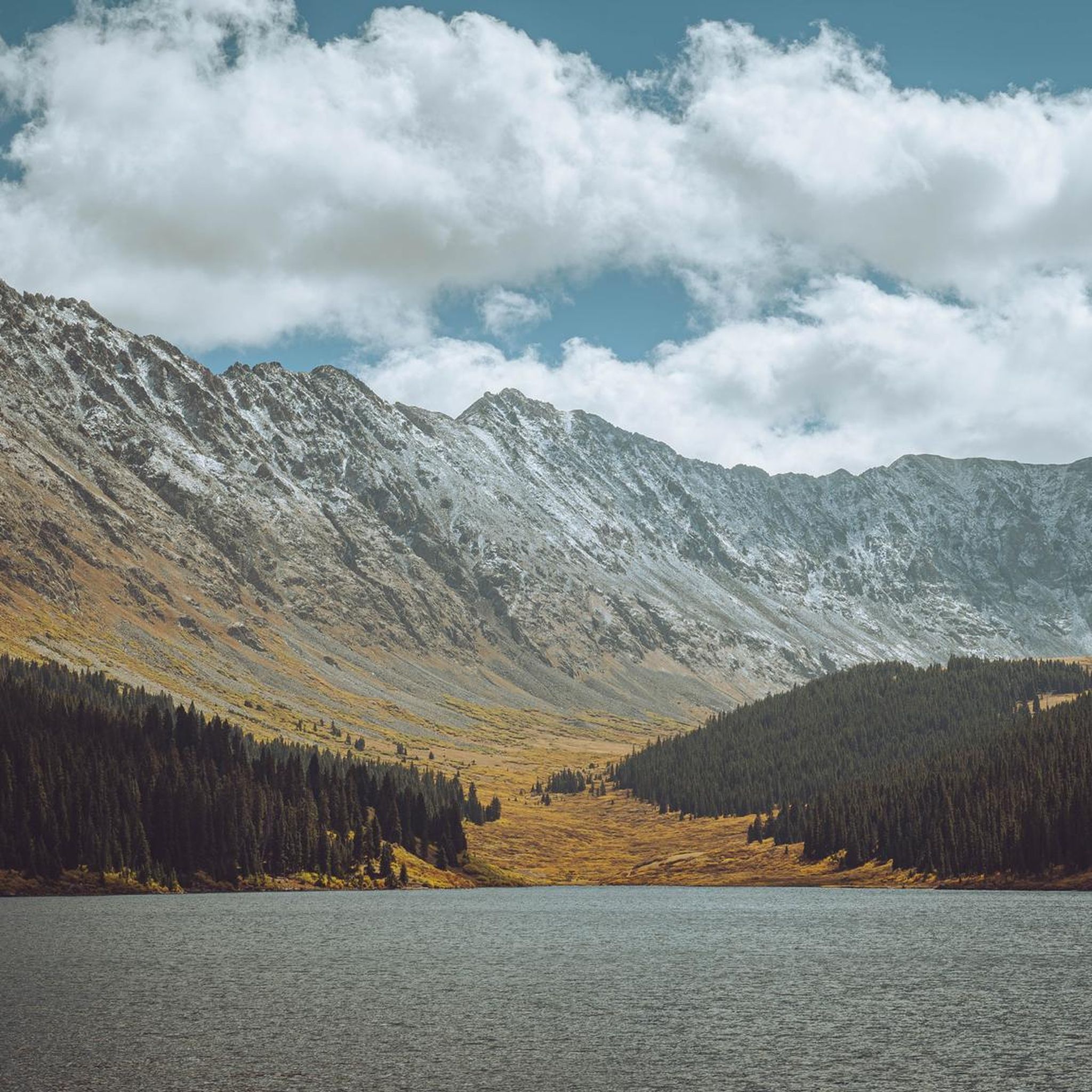
Road Cycling Routes in the Gore Range
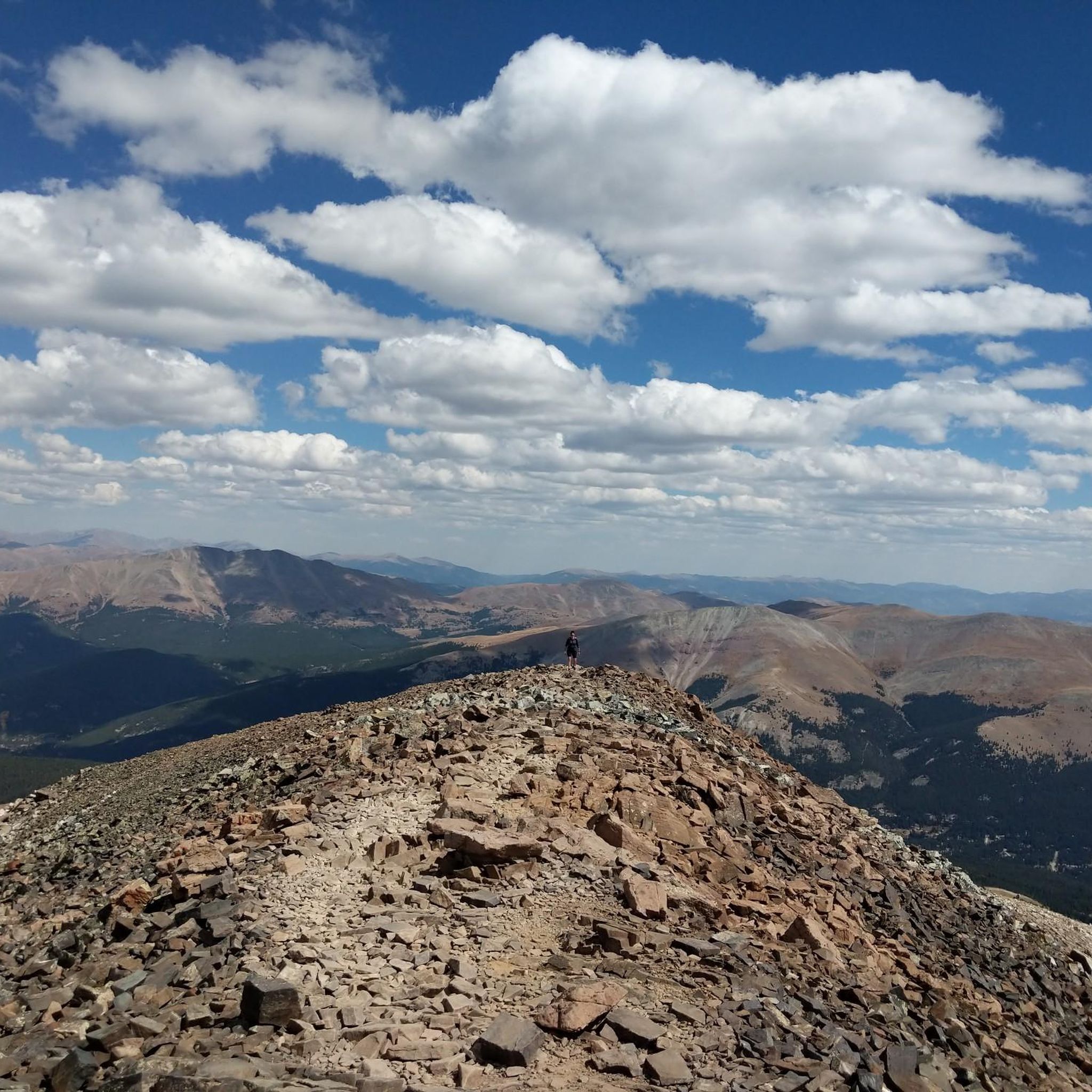
MTB Trails in the Gore Range
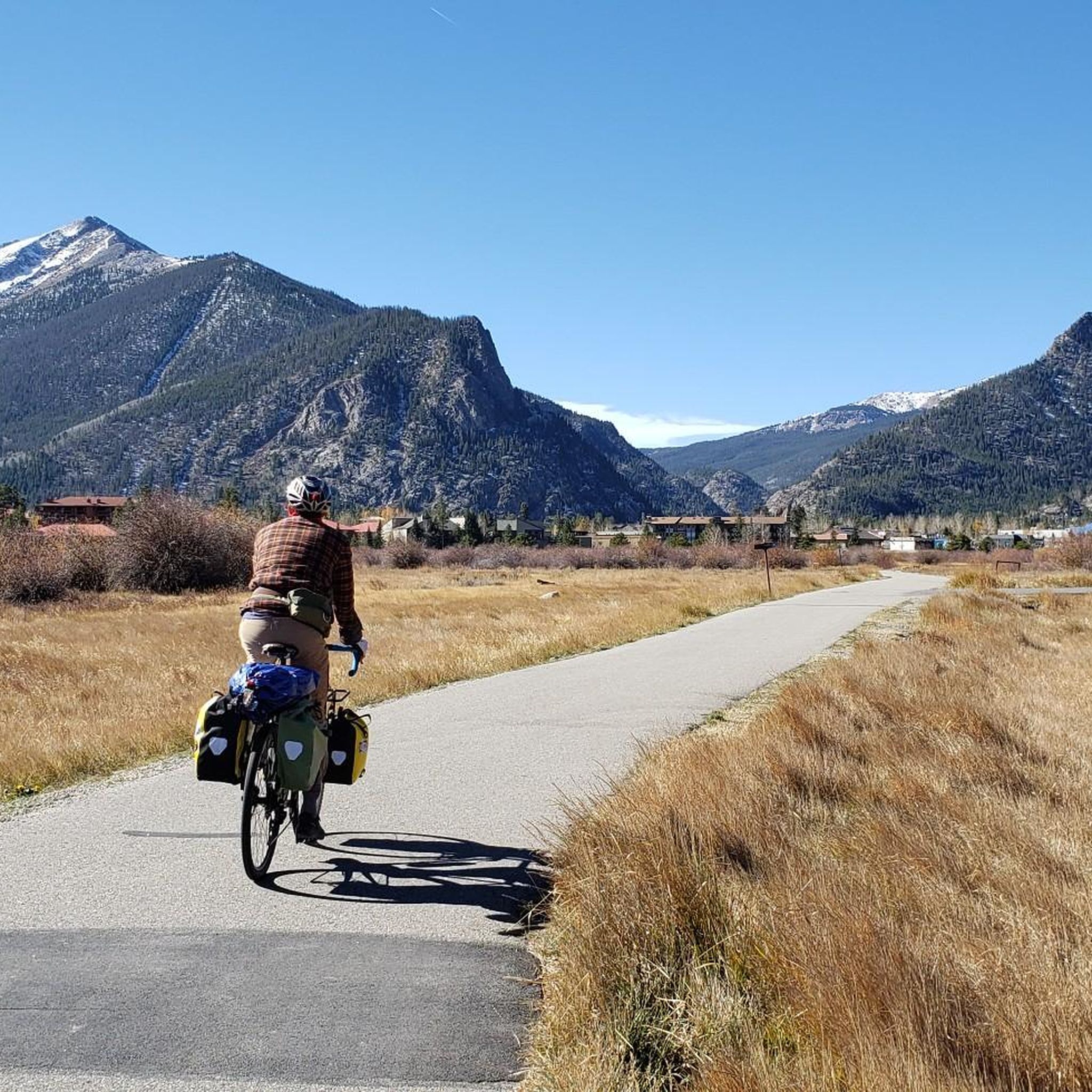
Cycling in the Gore Range
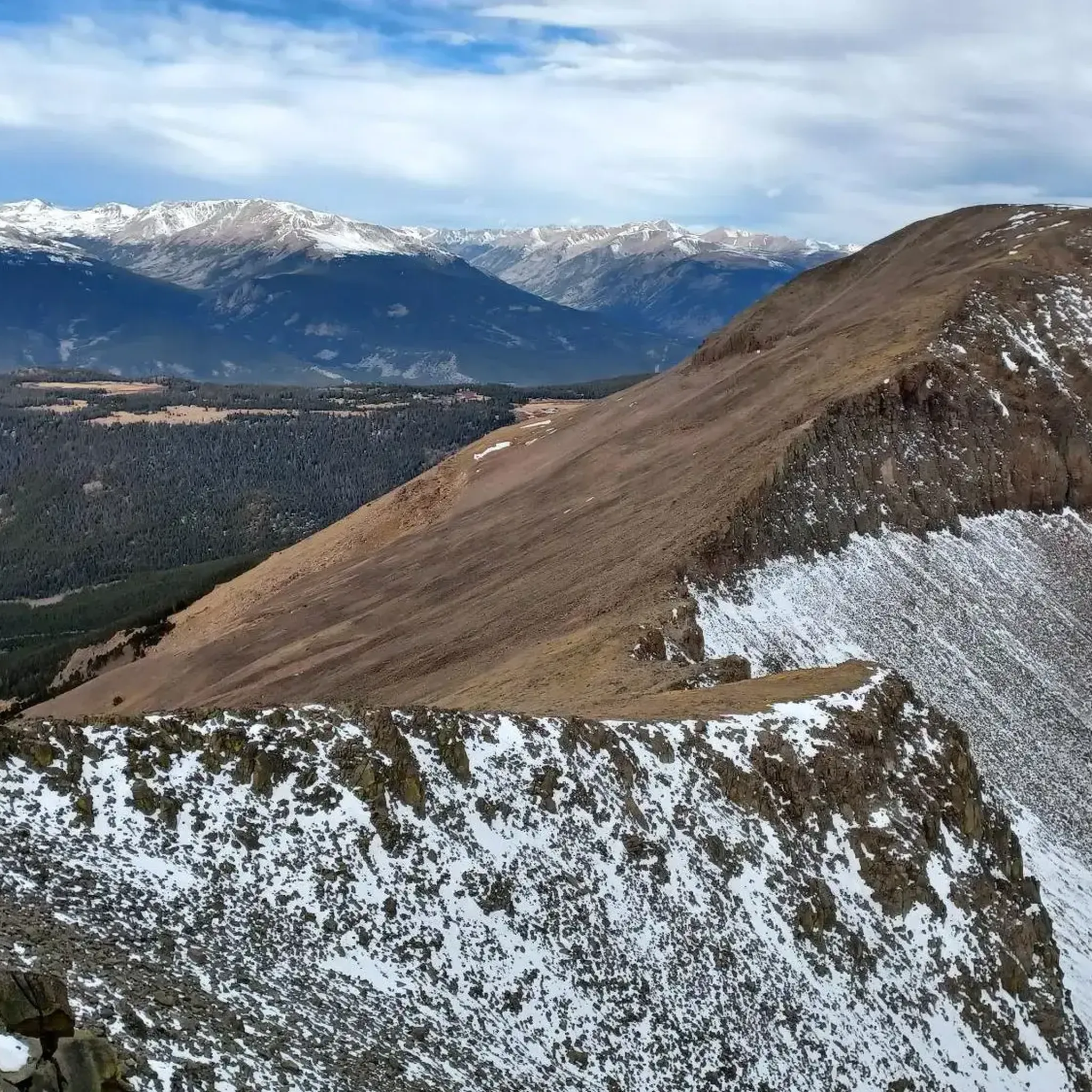
Running Trails in the Gore Range
Gravel biking in the Gore Range


Tips from the Community

Climbing Cottonwood Pass westwards from Buena Vista is a journey to extreme altitudes on the Continental Divide. Prepare for approximately 20-25 miles where you'll gain over 4,100ft to reach the stunning 12,126ft paved summit. This notoriously steady climb averaging only around 3-4% with ramps around 6-8%. You'll enjoy beautiful scenery as you climb through extensive aspen groves which are spectacular in fall. The road over the pass is seasonally closed so be sure to check it's open before attempting this climb.
0
0

Kokomo Pass is a high pass at 12,027 feet above sea level. It has great views over the Gore Range of the Rocky Mountains. During the right season, bikers can catch beautiful wildflowers.
0
0

Hoosier Pass is a mice mountain climb to begin from Breckenridge. The road has a decent sized shoulder on the way up and you are rewarded with mountain views once you reach the switchbacks. In the winter they do a good job of clearing the roads, but there is quite a bit of sand.
0
0

Hoosier Pass sits on the Continental Divide at 11,542 feet in elevation and connects the towns of Alma & Breckenridge. It is also the highest point along the TransAmerica bike trail, a 4,200-mile route from Oregon to Virginia.
0
0
At 11,319 feet, Freemont Pass is one of the highest roads in Colorado. It connects the towns of Copper Mountain and Leadville.
0
0

At 11,318 feet, Fremont Pass is the high point between Summit County and Leadville. The pass tops out at the entrance of the Climax Mine, which is the largest operating mine in the area. You get views of both the Tenmile Range and the Mosquitos from the top (on a clear day, you can even see some of the Sawatch peaks).
0
0
The Colorado Trail goes up and over the Tenmile range when traveling from Breckenridge to Copper Ski Resort. It spends a brief moment on the ridge, itself, and offers expansive views of Friso, Copper Ski Resort, and the peaks sitting along Tenmile Ridge.
0
0
Searle Pass is one of two passes between Copper Mountain and Camp Hale on the Colorado Trail. This pass sits at 12,034 feet and is slightly taller than its partner Kokomo Pass. The ridgeline gains and loses elevation slightly, but it is not as steep as the sections of trail climbing up and down from the passes.
0
0
Frequently Asked Questions
How challenging are the mountain passes in the Gore Range?
The difficulty varies significantly. Some passes, like Kokomo Pass and Searle Pass, are part of challenging sections of the Colorado Trail, involving significant elevation gains. Eccles Pass and Red Buffalo Pass also require strenuous hikes, often 10-12 miles round trip with 2,000-3,000 feet of elevation gain. However, passes like Gore Pass are accessible by motor vehicle, offering easier access to the range.
Which mountain passes offer the best panoramic views in the Gore Range?
Many passes in the Gore Range are renowned for their views. Eccles Pass is often described as offering "mythical in scope" and "breathtaking" panoramic vistas of the Gore Range and Tenmile Range. Red Buffalo Pass provides magnificent views extending to the Ptarmigan Wilderness Area, while Kokomo Pass also boasts great views over the Gore Range.
Are there any historical sites or landmarks near the Gore Range mountain passes?
Yes, the region has historical significance. Gore Pass is notable as the route taken by Sir St. George Gore in 1855, and the historic Rock Creek Stage Station is located there. The trail leading to Red Buffalo Pass also features historical markers, including the graves of early Swedish settlers. Additionally, Tennessee Pass is recognized as a historical site.
What hiking opportunities are available near the Gore Range mountain passes?
The Gore Range offers extensive hiking opportunities. Many passes are integral parts of the Gore Range Trail or the Colorado Trail. You can find a variety of routes, from easy trails like Lily Pad Lake via Meadow Creek Trail to more difficult ones such as Quandary Peak Trail. For more options, explore the Hiking in the Gore Range guide.
Can I find mountain biking trails near the Gore Range passes?
Absolutely. The Gore Range is popular for mountain biking. Trails like the Midland Bike Trail and the Peaks Trail and Blue River Recpath Loop offer diverse experiences. The Colorado Trail also has sections suitable for mountain biking, such as the route from Copper Mountain to Searle Pass. Check out the MTB Trails in the Gore Range guide for more details.
Are there mountain passes in the Gore Range accessible by motor vehicle?
Yes, Gore Pass is a prominent example. Situated at 9,524 feet (2,903 meters), it is traversed by State Highway 134, providing convenient motor vehicle access. This makes it a popular gateway for various activities without requiring a strenuous hike.
When is the best time to see wildflowers on the Gore Range passes?
Late summer is generally the best time to witness vibrant wildflowers. Eccles Pass is known for its wildflowers in late summer, and Uneva Pass is often awash with forget-me-nots and sky pilots in early summer. Kokomo Pass also offers beautiful wildflowers during the right season.
Are there opportunities for winter sports near the Gore Range passes?
Yes, some passes offer winter recreation. Uneva Pass, for instance, is recognized for backcountry skiing, with challenging routes like "The Claw" and the more mellow "100 Turns of Fun." While roads to some passes are cleared in winter, always check conditions for safety.
Do I need permits to access mountain passes in the Gore Range?
Much of the stunning landscape, including several mountain passes, is protected within the Eagles Nest Wilderness. While specific permits for day hiking are generally not required for wilderness areas in Colorado, it's always advisable to check with the local Forest Service office for the latest regulations, especially for overnight stays or specific activities.
Are there family-friendly mountain passes or trails in the Gore Range?
While many passes involve challenging terrain, there are easier hiking options in the Gore Range that families can enjoy. For example, the Easy hikes in the Gore Range guide lists routes like Lily Pad Lake via Meadow Creek Trail and Old Dillon Reservoir Trail, which are suitable for families.
What makes Gore Pass a notable destination?
Gore Pass is notable for its accessibility via State Highway 134, making it a convenient entry point to the Gore Range. It's popular for camping, hiking, hunting, snowmobiling, and mountain biking. Historically, it's significant as the route of Sir St. George Gore's 1855 expedition, and the historic Rock Creek Stage Station is located there.
What can I expect when hiking to Eccles Pass?
Hiking to Eccles Pass is a challenging but rewarding experience, typically involving a 10 to 12-mile round trip with significant elevation gain (2,760 to 3,100 feet). The trail passes through aspen and pine forests before opening into meadows, offering panoramic views of the Gore Range and Tenmile Range. You might also spot vibrant wildflowers in late summer.
What are the unique features of Red Buffalo Pass?
Red Buffalo Pass is flanked by prominent peaks like Red Peak and Buffalo Mountain, offering magnificent cliffs and avalanche chutes. The area is known for lush wetland wildflowers in rock-strewn meadows. It's a significant point on the Gore Range Trail, connecting diverse ecosystems from dense evergreen forests to upper tundra meadows, and provides views of the Ptarmigan Wilderness Area.
Most popular routes in the Gore Range
Most popular attractions in the Gore Range

Get inspired with the komoot mobile app


