Top 20 Natural Monuments in the Gore Range
Best natural monuments in the Gore Range include a rugged mountain chain in north-central Colorado, characterized by extensive glacial activity. This region features jagged peaks, U-shaped valleys, and numerous alpine lakes, many preserved within the Eagles Nest Wilderness. The topography is defined by steep ridges and high peaks, often exceeding 12,000 feet. These natural features offer opportunities for exploring pristine alpine scenery.
Best natural monuments in the Gore Range
- The most popular natural monument is Mount Democrat Summit, a…
Last updated: October 10, 2026
Mount Democrat Summit
Highlight • Summit
Tip by

Kokomo Pass
Highlight • Mountain Pass
Tip by
Sign up now to discover places like this
Get recommendations on the best single tracks, peaks, & plenty of other exciting outdoor places.
Searle Pass
Highlight • Mountain Pass
Tip by
Mount Bross
Highlight • Summit
Tip by
Willow Creek Falls
Highlight • Waterfall
Tip by
Mount Sherman
Highlight • Summit
Tip by
West Buffalo Peak
Highlight • Summit
Tip by
Corral Creek overlook
Highlight • Viewpoint
Tip by
Chalk Mountain
Highlight • Summit
Tip by
Horseshoe Mountain Summit
Highlight • Summit
Tip by
Sign up for free to discover even more natural monuments in the Gore Range.
Already have an account?
Start today with a free account
Your next adventure awaits.
Popular around Gore Range
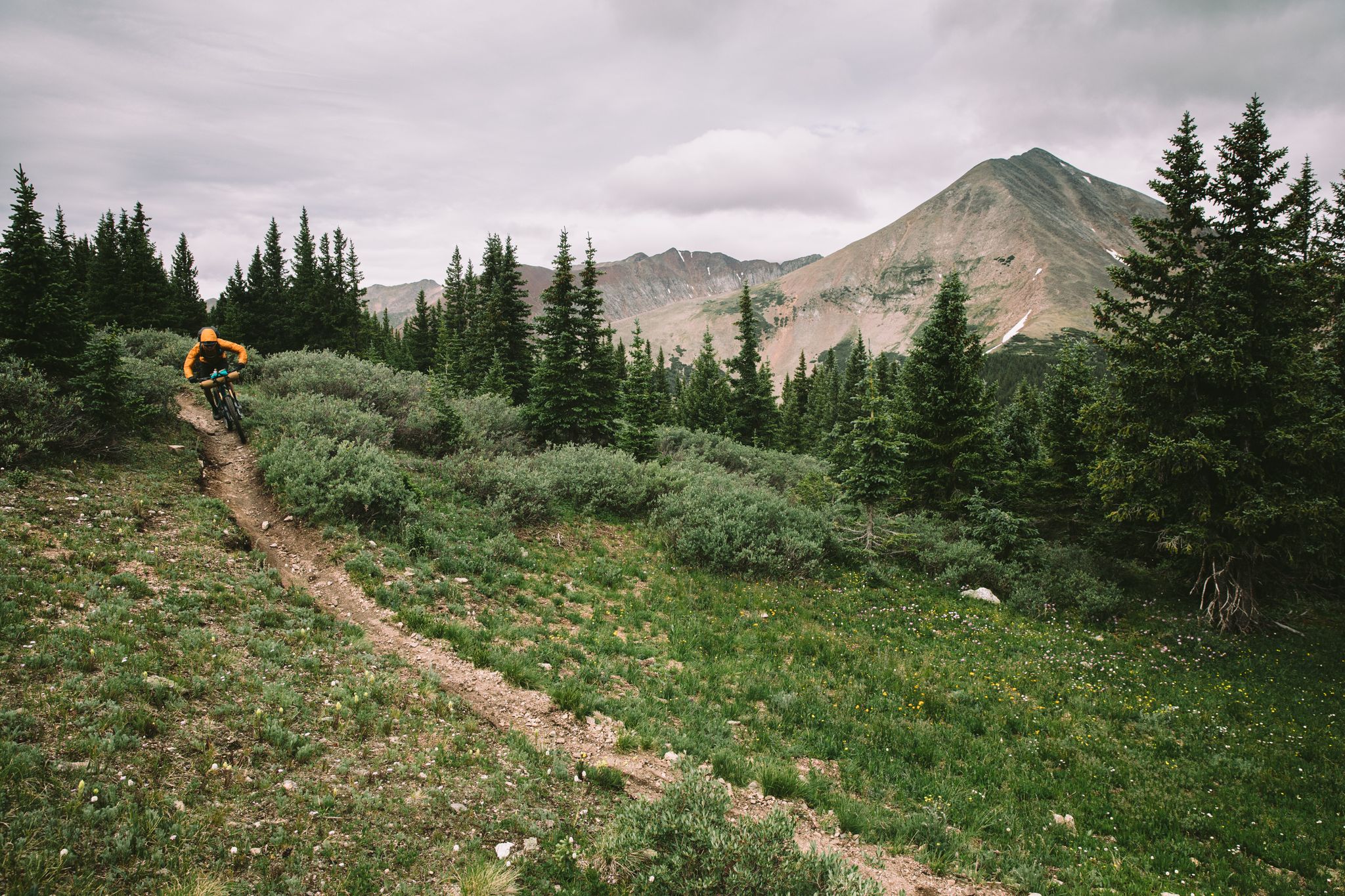
The Colorado Trail — Ten incredible days in the Rocky Mountains
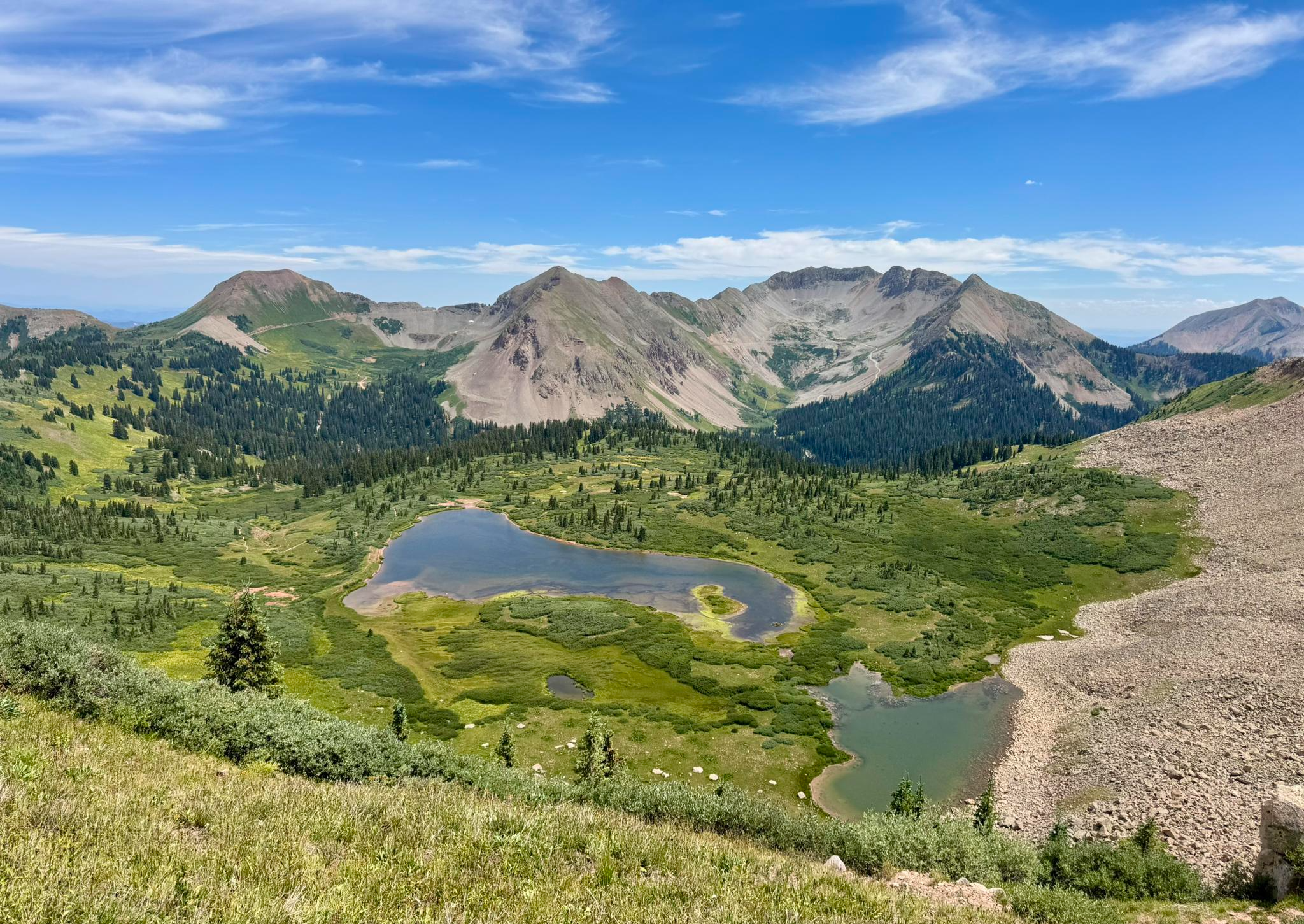
Colorado Trail — The pinnacle of wild Colorado
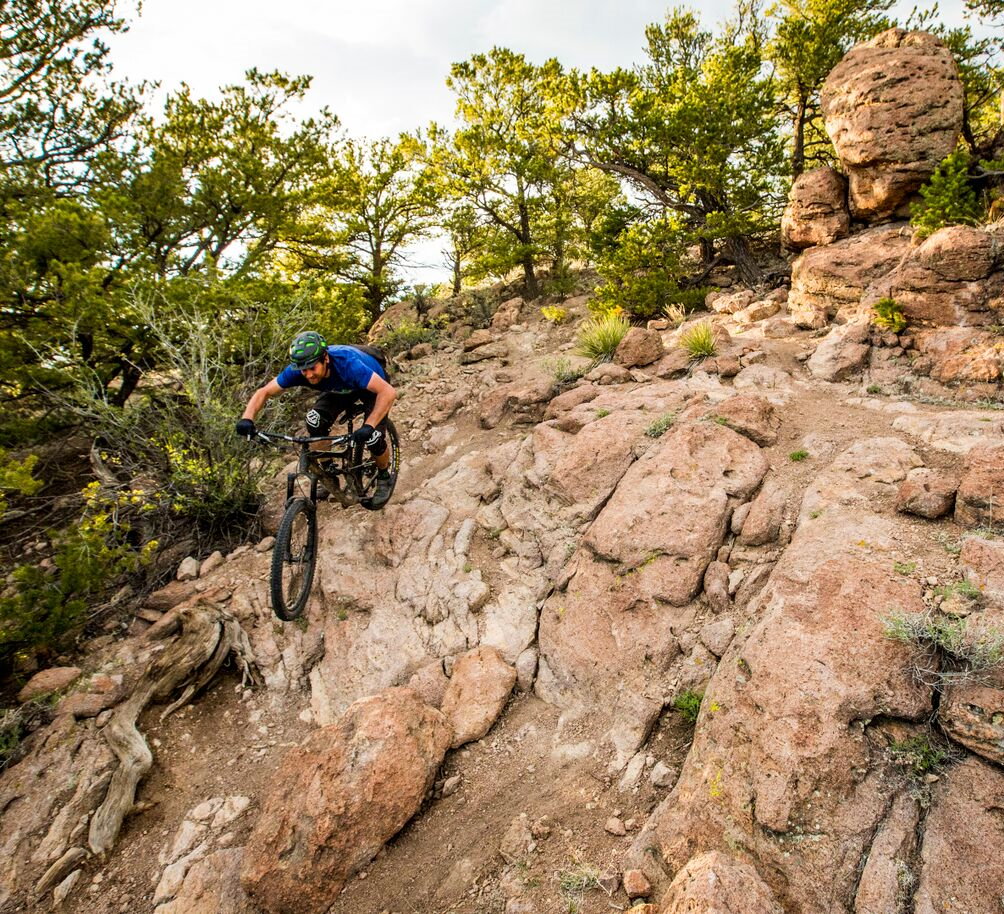
Mountain bike paradise around Salida in Colorado
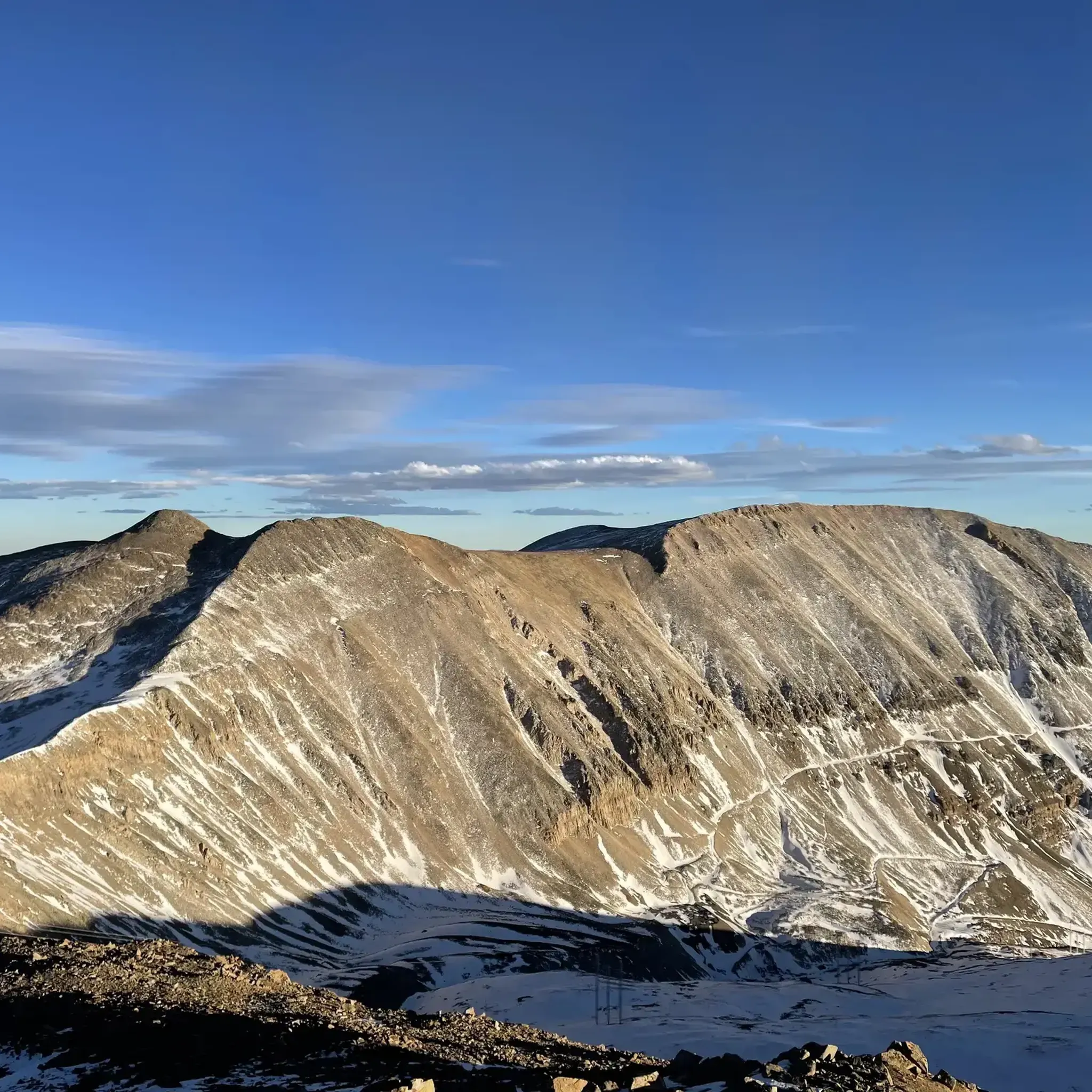
Hiking in the Gore Range
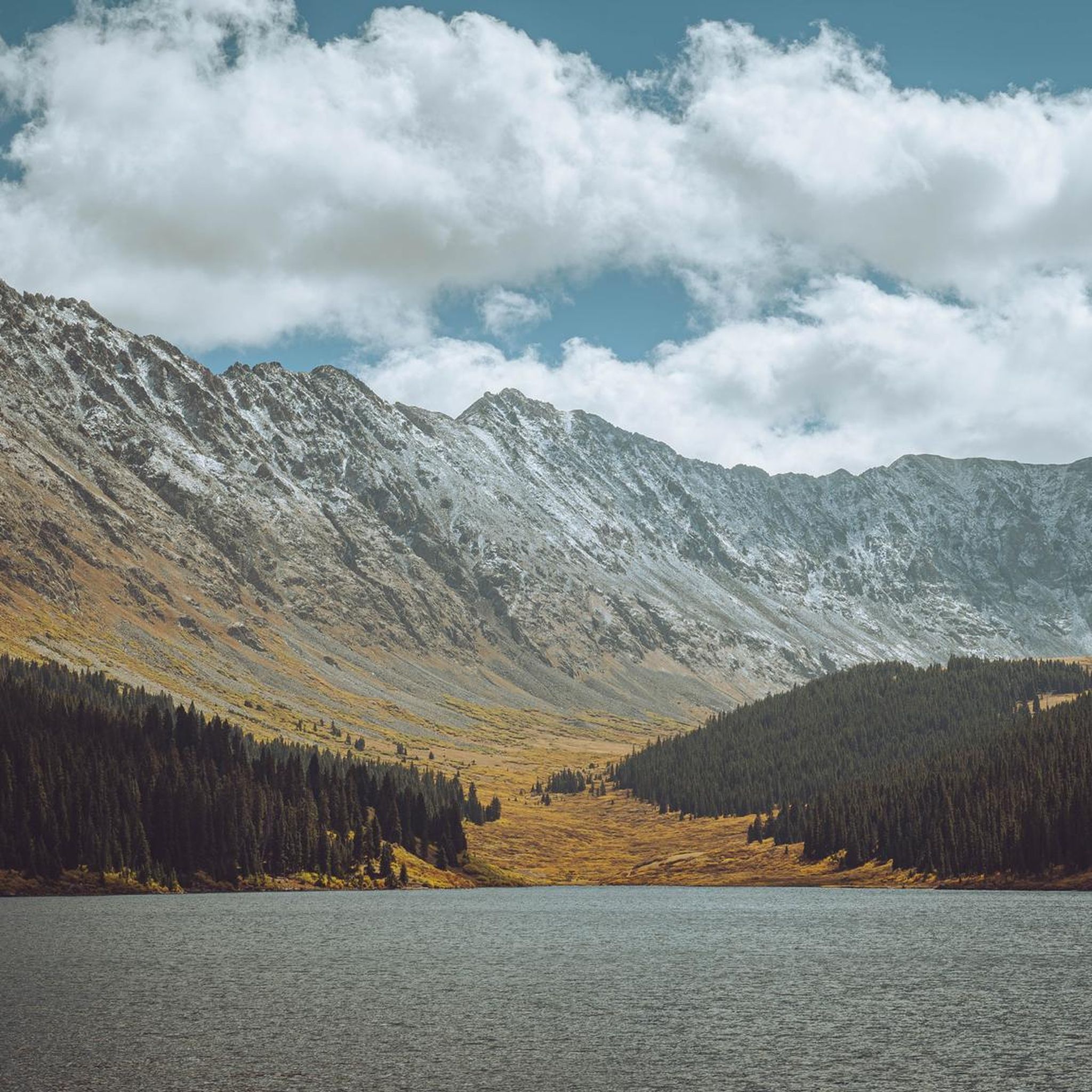
Road Cycling Routes in the Gore Range
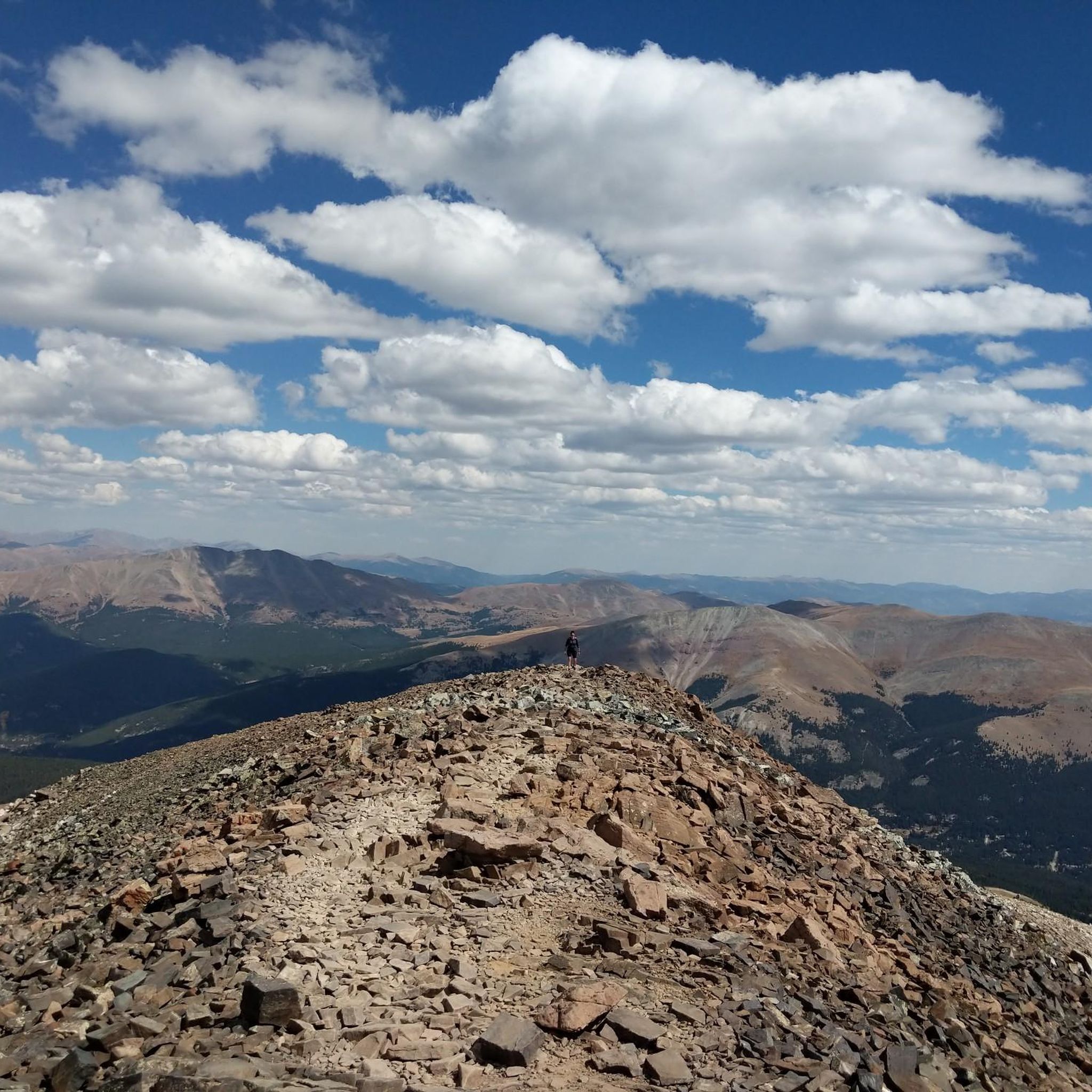
MTB Trails in the Gore Range
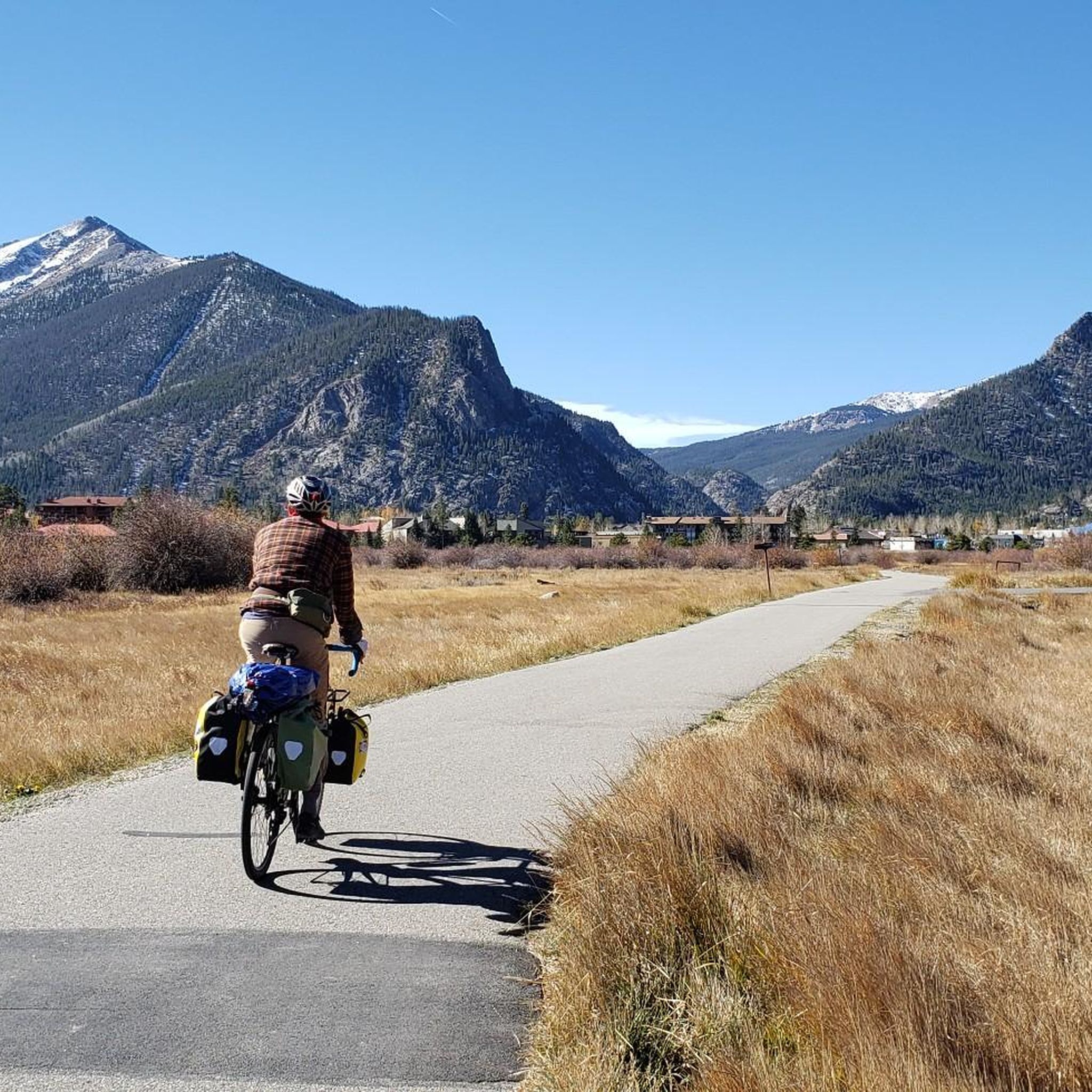
Cycling in the Gore Range
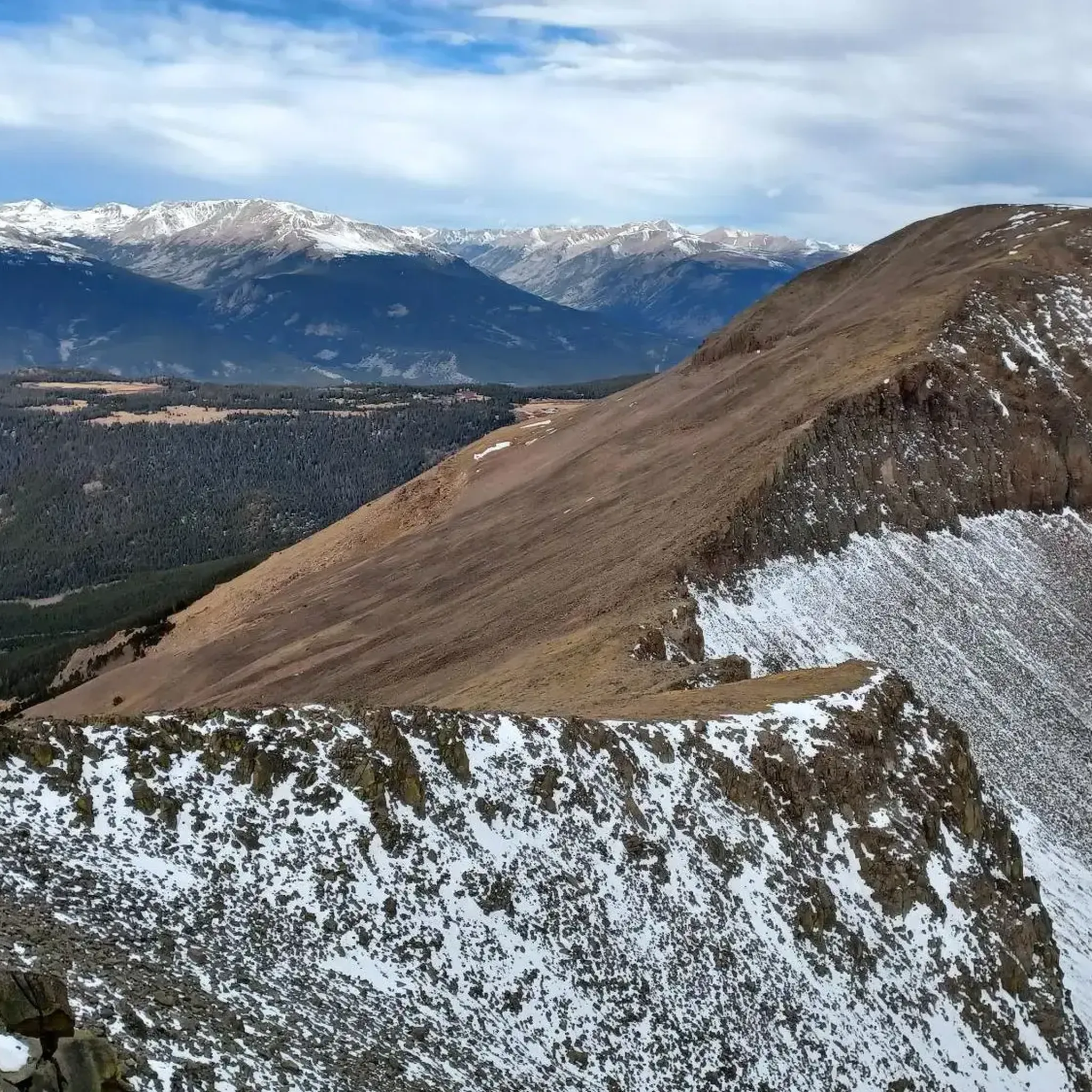
Running Trails in the Gore Range
Gravel biking in the Gore Range


Tips from the Community

A wonderful hike in the "tundra", for a long time above the 4000m mark, former mines are falling into disrepair along the way; often visited but always nice conversations at the summit; be careful with the thunderstorm warning! Open mountain flank!
0
0

Chalk Mountain is the western summit looming 500 feet above Fremont Pass off of Highway 91. At 12,017 feet, Chalk Mountain is not the highest mountain in the area, but because it's above treeline, it offers great 360 degree views. The summit proper is in a wide open alpine meadow and offers views of the Climax Molybdenum Mine, Mount Democrat (14,155 feet), Mount of the Holy Cross (14,009 feet), and much of the Mosquito range running down the northern Arkansas River Valley.
0
0

Kokomo Pass is a high pass at 12,027 feet above sea level. It has great views over the Gore Range of the Rocky Mountains. During the right season, bikers can catch beautiful wildflowers.
0
0
Searle Pass is one of two passes between Copper Mountain and Camp Hale on the Colorado Trail. This pass sits at 12,034 feet and is slightly taller than its partner Kokomo Pass. The ridgeline gains and loses elevation slightly, but it is not as steep as the sections of trail climbing up and down from the passes.
0
0
At an elevation of 12,027 feet, Kokomo Pass is one of two high mountain passes in the Colorado Trail: Segment 8. The other pass, Searle Pass, is a little less dramatic. It does not have as striking views as Kokomo, but it does still rise up to 12,034 feet. The section of trail between these two mountain passes is exposed alpine meadows with easy to follow singletrack etched into the landscape.
2
0
Willow Creek Falls are a beautiful set of falls outside Silverthorne, Colorado, in the Eagles Nest Wilderness. The falls can be accessed via a small side trail off of the main Gore Range Trail. This side trail requires some boulder hopping and is steep in many places.
0
0
At 12,522 feet, Uneva Peak towers above Vail Pass and I-70. The Corral Creek trail travels up towards the peak before petering out at 12,380 feet. This spot situated well over treeline offers excellent views of the Tenmile Range and the Vail valley. You can actually gain the west ridge of Uneva Peak and scramble to the top via an off-trail route, but this overlook is as far as the official trail goes.
0
0

Searle Pass sits at 12.034 feet in elevation and only accessed by a trail shared by Colorado Trail & Continental Divide National Scenic Trail.
0
0
Frequently Asked Questions
What kind of natural features define the Gore Range?
The Gore Range is characterized by its dramatic natural beauty, shaped extensively by glacial activity. You'll find rugged, jagged peaks and arêtes, numerous pristine alpine lakes, and distinctive U-shaped valleys. This topography is a result of glacial erosion, offering breathtaking panoramic views and challenging wilderness experiences.
Are there any high mountain passes worth visiting in the Gore Range?
Yes, the Gore Range features several notable mountain passes. Kokomo Pass, at 12,027 feet, offers striking views over the Gore Range and is part of the Colorado Trail. Nearby, Searle Pass, at 12,034 feet, is also accessed by a trail shared by the Colorado Trail and Continental Divide National Scenic Trail.
Which summits offer challenging climbs and panoramic views?
For challenging climbs and expansive views, consider Mount Democrat Summit, which reaches 14,155 feet and is a popular part of the DeCaLiBron loop. Another frequently climbed 14er is Mount Sherman, standing at 14,043 feet, known for its rocky terrain and steep trails to the summit ridge.
Are there any family-friendly natural monuments in the Gore Range?
While many areas are rugged, Officer's Gulch Pond is a family-friendly natural monument. It's a scenic lake with facilities and parking, making it an accessible spot for visitors of all ages to enjoy the natural surroundings.
What kind of wildlife can I expect to see in the Gore Range?
The Gore Range, particularly within the Eagles Nest Wilderness, is home to diverse wildlife. Visitors might spot elk, deer, bighorn sheep, and various bird species. The pristine alpine environment provides habitats for many animals, though sightings often require patience and quiet observation.
What are some less crowded natural monuments or areas in the Gore Range?
The Gore Range generally receives fewer visitors than some other Colorado ranges due to its lack of 14,000-foot peaks and limited road access, offering a more secluded wilderness experience. Areas like the trails leading to the Eaglesmere Lakes or the strenuous hike to Gore Lake provide genuine solitude amidst breathtaking alpine scenery.
What outdoor activities can I do near these natural monuments?
The Gore Range offers extensive opportunities for outdoor activities. You can find numerous running trails, such as the challenging Mosquito Pass and Birdseye Gulch Loop or the DeCaLiBron Loop (Running Trails in the Gore Range). Cycling enthusiasts can explore routes like the Mineral Belt Trail or the Tenmile Canyon Recpath (Cycling in the Gore Range). There are also beautiful waterfall hikes, including the Lower Cataract Lake Loop (Waterfall hikes in the Gore Range).
Are there any other prominent peaks besides the 14ers mentioned?
Yes, the Gore Range features several other prominent peaks. Shrine Mountain offers an intermediate trail experience. For challenging ascents and views, consider West Buffalo Peak, Chalk Mountain, and Horseshoe Mountain Summit.
What is the best time to visit the Gore Range for hiking and exploring natural monuments?
The best time to visit the Gore Range for hiking and exploring is typically during the summer months (late June to early September) when trails are clear of snow and alpine wildflowers are in bloom. Fall also offers stunning foliage, though temperatures can be cooler. Always check weather and trail conditions, as high-altitude areas can experience sudden changes.
What is the geological history behind the Gore Range's rugged appearance?
The Gore Range's rugged and jagged appearance is a result of its unique geological history, marked by fault block formation and continuous uplift. Extensive glacial activity during the Pleistocene epoch further sculpted the landscape, creating the steep ridges, U-shaped valleys, and cirques that define its dramatic scenery.
Can I find alpine lakes in the Gore Range?
Yes, the Gore Range is dotted with dozens of pristine alpine lakes, many found in U-shaped valleys and cirques, showcasing the range's glacial past. Notable examples include Gore Lake, a deep blue gem requiring a strenuous hike, and Lily Pad Lake, a more accessible and family-friendly destination.
Are there any specific challenges or considerations for hiking in the Gore Range?
Hiking in the Gore Range often involves challenging terrain, including steep ascents, rocky trails, and high elevations. Many trails are strenuous and require good physical fitness. Hikers should be prepared for rapidly changing weather conditions, carry appropriate gear, and be aware of the potential for afternoon thunderstorms, especially at higher elevations.
Most popular routes in the Gore Range
Most popular attractions in the Gore Range

Get inspired with the komoot mobile app


Explore more
Extend your search for the best caves by checking out these guides of the top ones in the Gore Range:
